Unmatched Brilliance & Fire
Diamonds are renowned for their exceptional sparkle and light performance, delivering unmatched brilliance and fire that no other gemstone can replicate.
Lifetime Durability
As the hardest natural material on Earth, diamonds resist scratches and wear, making them ideal for everyday jewelry that lasts a lifetime.
Timeless Value & Symbolism
Diamonds symbolize love, commitment, and enduring value. Their timeless appeal makes them a meaningful choice for engagement rings and fine jewelry across generations.
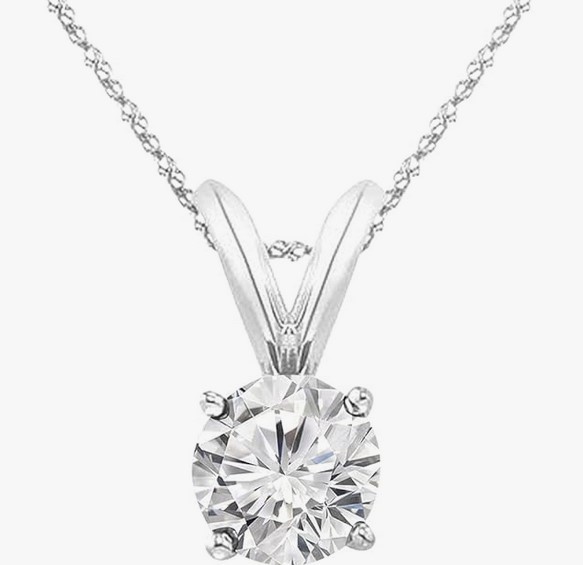
0.5-10 Carat Lab Grown Diamond Solitaire Pendant Necklace, Round Cut Solitaire, 4-Prong Setting, Jewelry for Women (E-F, VS)
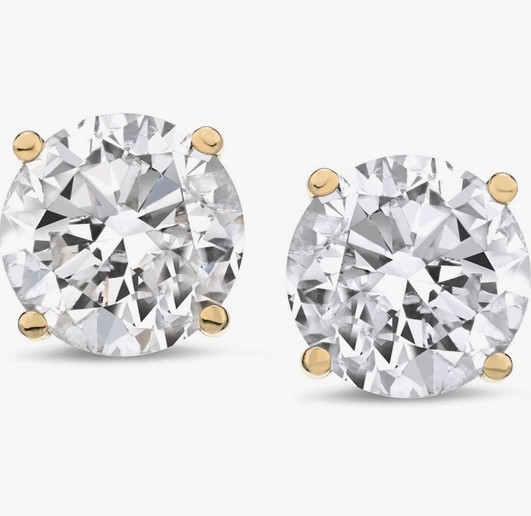
1 to 6 Carat LAB GROWN Solitaire Diamond Stud Earrings Round Cut 4 Prong Screw Back (F-G Color, VS1-VS2 Eye Clean Clarity)
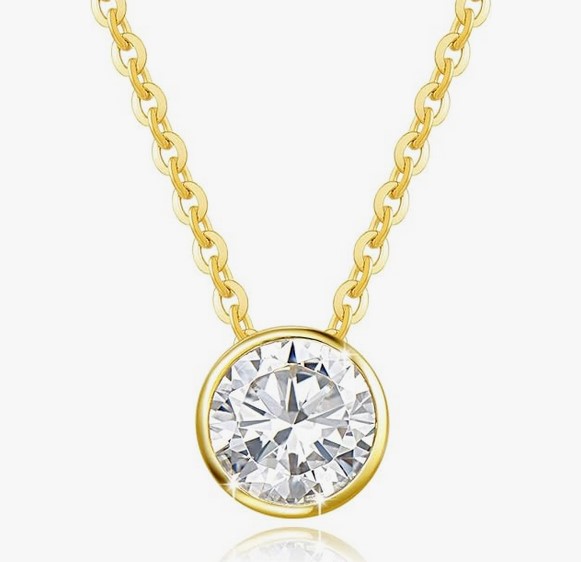
14k Solid Gold 1 Carat 6.5mm Moissanite Classic Bezel Set Solitaire Gemstone Pendant Necklace for Women Girls, Gold Chain 16 + 2 inch Extender
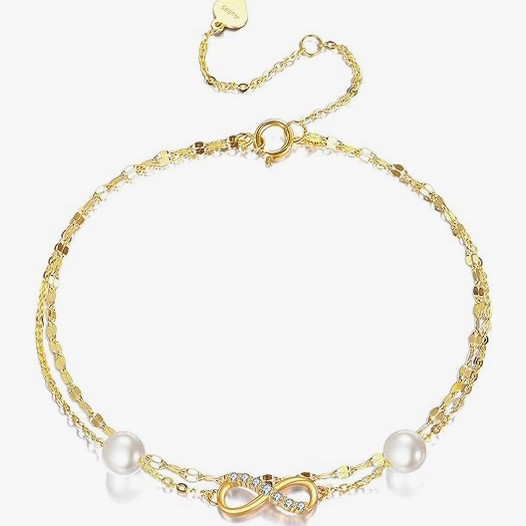
14k Gold 0.15 Carat Lab Grown Diamond Infinity Anklet, Pearl Layered Ankle Bracelets for Women, 9.4-11 Inches
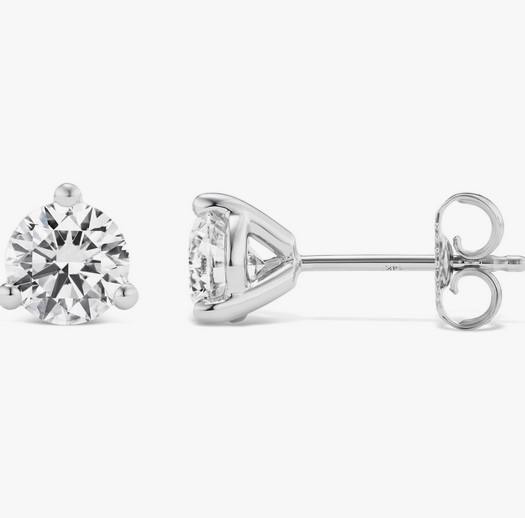
1.50 to 4.00 Carat Lab Grown Diamond Round Stud Earrings for Women I 14k White Gold Earrings for Her (I-J, VS1-VS2, cttw) 3-Prong Martini Set Diamond I Push Back Studs
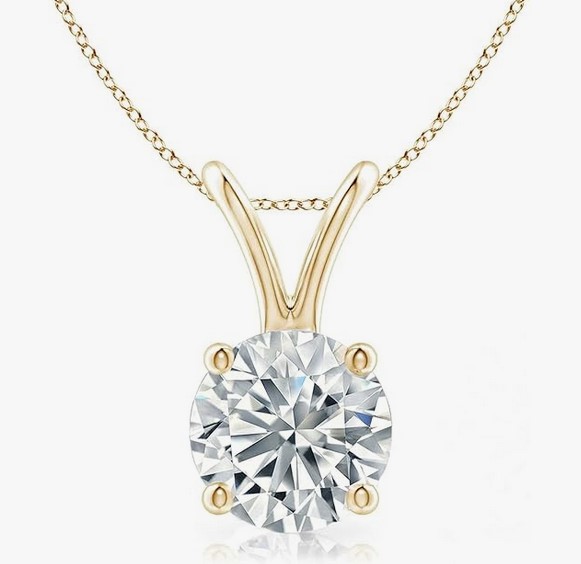
.25-1.00 Carat Round Brilliant Solitaire IGI Certifed Lab-Grown Diamond Solitaire Pendant Necklace | 14k Yellow or White or Rose/Pink Gold With 18″ Gold Chain
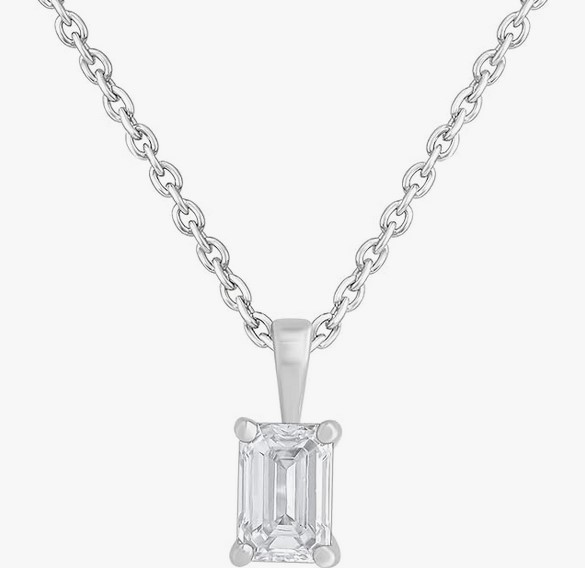
1/2 Cttw 14K Yellow Or White Gold Emerald Cut Solitaire Pendant for Women | IGI Certified Lab Grown Diamond Necklace With 18″ inch Cable Chain jewelry gifts (F-G Color, VS Clarity)
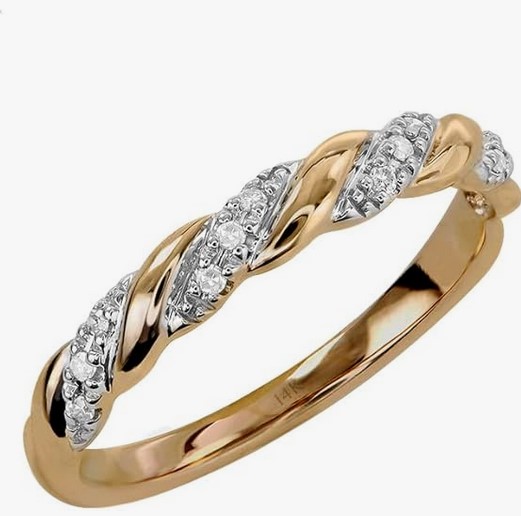
10K or 14K Yellow, Rose or White Gold Diamond-Accent Twist Promise Ring, Anniversary Ring or Wedding Band for Women; Promise Rings for Her, Gold Rings for Women
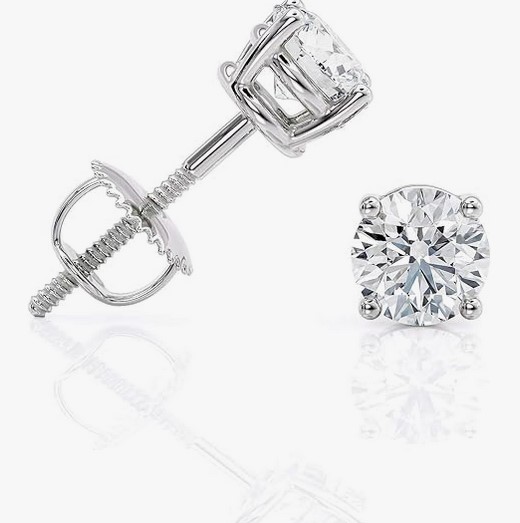
1 to 10 Carat D-E Color and VS1-VS2 Clarity Lab Grown Diamond Stud Earrings for Women I 14k White Gold Earrings for Her I Secure Screw Back Made in USA
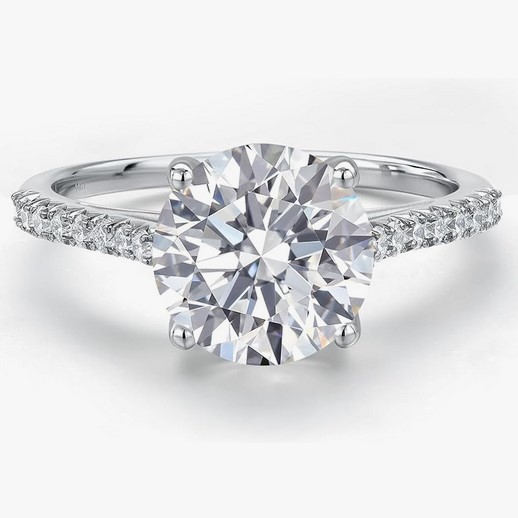
1-3 Ct 14K White Gold IGI Certified Lab Grown Diamond Engagement Ring | E-F Color | VS1-VS2 Clarity | Wedding Anniversary Promise Gold Ring For Women
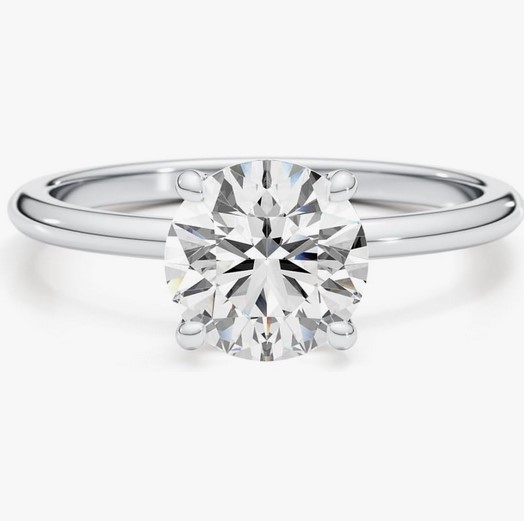
14k White Gold Engagement Ring/Wedding Ring With 0.20 to 3.00 Carats Lab Grown Diamond (E Color, VS1 Clarity) Rings For Women, IGI Certified, Gift For Her, Jewelry for Women
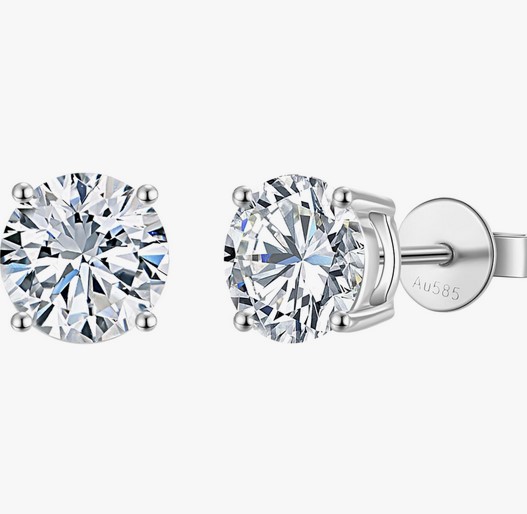
14K White Gold Lab Grown Diamond Stud Earrings, 0.5-2.00 Ct Round IGI Certified, E-F Color VS1-VS2 Clarity, Push Back Setting
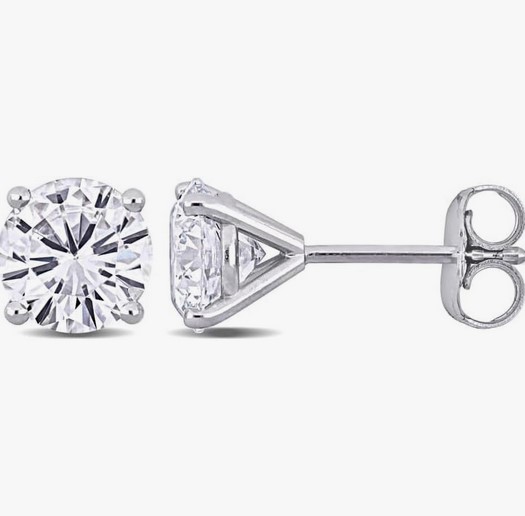
Lab-Grown Diamond Stud Earrings With Unique laser engraved Diamond ID, Set In Platinum, White Gold or Yellow Gold – D Color, VVS2 Clarity, IGI Certified Lab-Grown Diamonds – Available in 1 to 5 CTTW
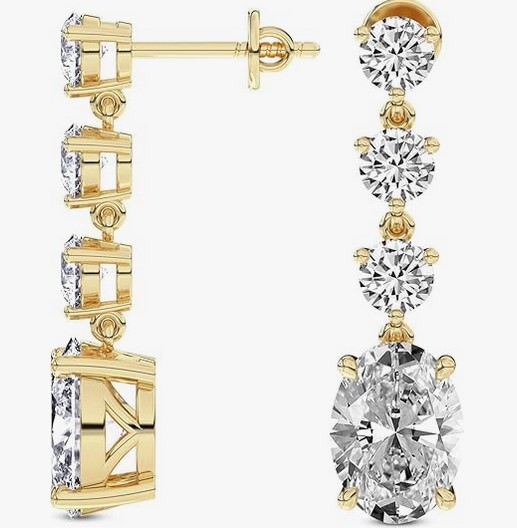
Lab Grown Diamond Fashion Earrings For Women | 1 Carat – 6 Carat IGI Certified 14K Gold Or Platinum FG-VS Quality Gift For Her
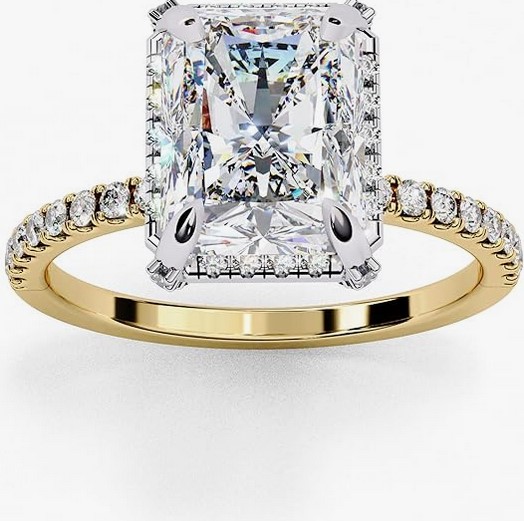
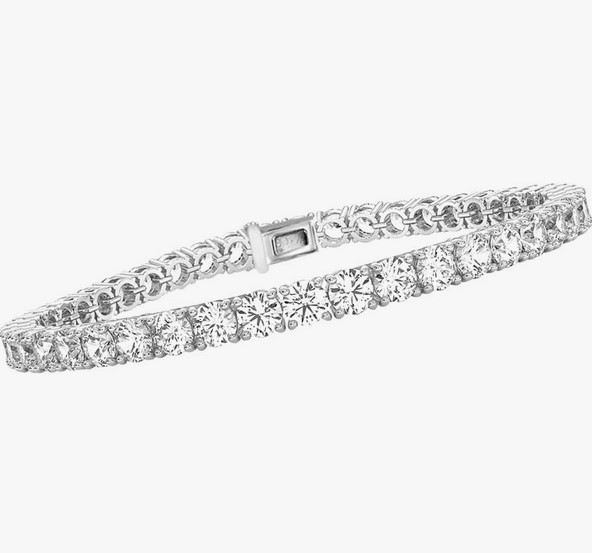
14k Gold Round Cut Lab Grown Diamond Tennis Bracelet (1ct to 15ct, Color-D, Clarity- VS) 7 inch
Understanding carat weight is essential when shopping for diamond jewelry, but it’s only one part of the equation. A diamond’s beauty comes from the perfect balance of cut, color, clarity, and carat—the famous Four Cs that determine both appearance and value. While carat measures weight rather than size, the visual impact depends heavily on cut quality and proportions. Smart shoppers compare diamonds across these metrics rather than focusing solely on carat weight. Reputable retailers like Houston Diamond District offer IGI and GIA-certified diamonds with complete transparency on all quality factors, helping customers understand exactly what they’re purchasing. Whether you’re choosing a delicate half-carat solitaire or a bold two-carat statement piece, informed decisions lead to confident purchases and lasting satisfaction.
Your Complete Guide to Diamond Jewelry: Expert Insights and Buying Advice
Welcome to MyCaratDiamond.com, your trusted resource for comprehensive diamond jewelry guides, pricing insights, and expert buying advice. Whether you’re shopping for an engagement ring, diamond earrings, or a stunning necklace, our detailed guides help you make informed decisions about natural and lab-grown diamonds across all carat weights, cuts, and price points.
Diamond Ring Guides by Carat Weight
Finding the perfect diamond ring starts with understanding carat weight options and their associated costs. Our comprehensive collection covers everything from modest half carat diamond ring options to spectacular statement pieces. For those seeking classic choices, explore our guides on 1 carat diamond ring selections and one carat diamond ring alternatives. Those desiring more substantial stones will find detailed information on 2 carat diamond ring options, two carat diamond ring varieties, and 3 carat diamond ring selections alongside three carat diamond ring guides.
For those seeking luxury options, our extensive coverage includes 4 carat diamond ring guides, four carat diamond ring selections, and 5 carat diamond ring options. We also feature five carat diamond ring alternatives and 6 carat diamond ring choices. For truly exceptional pieces, discover our guides on 7 carat diamond ring, 8 carat diamond ring, 9 carat diamond ring, and 10 carat diamond ring options.
Fractional and Large Carat Options
Our detailed guides also cover popular fractional sizes including 0 5 carat diamond ring, 0 9 carat diamond ring, 1 2 carat diamond ring, 1 25 carat diamond ring, 1 5 carat diamond ring, 2 5 carat diamond ring, 3 5 carat diamond ring, and 4 5 carat diamond ring selections. For extraordinary luxury pieces, explore our coverage of 11 carat diamond ring, 12 carat diamond ring, 13 carat diamond ring, 14 carat diamond ring, 15 carat diamond ring, 18 carat diamond ring, 20 carat diamond ring, 24 carat diamond ring, 25 carat diamond ring, 30 carat diamond ring, and 50 carat diamond ring options.
Diamond Shapes and Cuts
The shape and cut of your diamond significantly impacts its beauty and value. Our specialized guides cover popular cuts across various carat weights, helping you understand the unique characteristics of each shape.
Round Cut Diamonds
Round diamonds remain the most popular choice, and our guides cover 2 carat round diamond ring and 3 carat round diamond ring options to help you find the perfect circular stone.
Cushion Cut Diamonds
For those drawn to vintage-inspired elegance, explore our comprehensive cushion cut guides including 2 carat cushion cut diamond ring, 3 carat cushion cut diamond ring, 4 carat cushion cut diamond ring, and 5 carat cushion cut diamond ring selections.
Emerald Cut Diamonds
The sophisticated emerald cut offers timeless elegance, featured in our guides on 1 carat emerald cut diamond ring, 1 5 carat emerald cut diamond ring, 2 carat emerald cut diamond ring, 3 carat emerald cut diamond ring, 4 carat emerald cut diamond ring, and 5 carat emerald cut diamond ring options.
Oval Cut Diamonds
Oval diamonds offer brilliant sparkle with an elongated silhouette, covered in our guides for 1 carat oval diamond ring, 1 5 carat oval diamond ring, 2 carat oval diamond ring, 2 5 carat oval diamond ring, 3 carat oval diamond ring, 4 carat oval diamond ring, 5 carat oval diamond ring, and 6 carat oval diamond ring selections.
Princess Cut Diamonds
The modern princess cut features sharp angles and brilliant fire, detailed in our 1 carat princess cut diamond ring, 2 carat princess cut diamond ring, 3 carat princess cut diamond ring, and 5 carat princess cut diamond ring guides.
Pear Shaped Diamonds
Pear shaped diamonds combine the brilliance of round cuts with elegant elongation, featured in our 2 carat pear shaped diamond ring and 3 carat pear shaped diamond ring guides.
Marquise Cut Diamonds
The distinctive marquise cut maximizes carat weight with its elongated shape, covered in our 1 carat marquise diamond ring, 1 5 carat marquise diamond ring, 2 carat marquise diamond ring, 2 5 carat marquise diamond ring, 3 carat marquise diamond ring, 4 carat marquise diamond ring, and 5 carat marquise diamond ring selections.
Radiant Cut Diamonds
Radiant cuts offer exceptional brilliance with trimmed corners, detailed in our 2 carat radiant cut diamond ring, 3 carat radiant cut diamond ring, radiant cut diamond ring 3 carat, 4 carat radiant cut diamond ring, and 5 carat radiant cut diamond ring guides.
Diamond Ring Styles and Settings
The setting style significantly influences your ring’s overall appearance and character. Our guides cover classic styles that showcase diamonds beautifully across different carat weights.
Solitaire Settings
Solitaire settings highlight the diamond’s natural beauty with minimal distraction, featured in our 1 carat solitaire diamond ring, 2 carat solitaire diamond ring, and 3 carat solitaire diamond ring guides.
Engagement Ring Styles
Our engagement ring guides provide comprehensive advice for this special purchase, covering 1 carat diamond engagement ring, 2 carat diamond engagement ring, and 3 carat diamond engagement ring options to help you find the perfect symbol of your commitment.
Lab Grown Diamond Guides
Lab grown diamonds offer exceptional value and ethical sourcing while maintaining identical properties to natural diamonds. Our comprehensive lab grown diamond guides help you understand pricing, quality, and selection across all sizes.
Lab Grown Diamond Rings
Explore our detailed guides on 2 carat lab grown diamond ring, 3 carat lab grown diamond ring, 3 carat diamond ring lab grown, and 5 carat lab grown diamond ring selections to understand your lab grown options.
Individual Lab Grown Diamonds
Our guides cover individual lab grown diamonds including 1 carat lab grown diamond, 2 carat lab grown diamond, lab grown 2 carat diamond, 3 carat lab grown diamond, lab grown 3 carat diamond, 4 carat lab grown diamond, 5 carat lab grown diamond, and 6 carat lab grown diamond options.
Lab Grown Diamond Earrings
Discover our specialized guides for lab grown diamond earrings, including 1 carat lab grown diamond earrings, lab grown diamond earrings 1 carat, 2 carat lab grown diamond earrings, and lab grown diamond stud earrings 2 carat selections.
Lab Grown Diamond Necklaces
Complete your jewelry collection with our 1 carat lab grown diamond necklace guide, offering insights into pendant styles and chain options.
Natural Diamond Guides
Natural diamonds carry the mystique and rarity of geological formation over millions of years. Our natural diamond guides help you understand the unique characteristics and value propositions of earth-mined stones.
Explore our comprehensive coverage including 1 carat natural diamond ring, 2 carat natural diamond ring, 2 carat natural diamond ring price, 3 carat natural diamond ring, 3 carat diamond ring natural, and individual stone guides for 2 carat natural diamond options.
Diamond Earrings Collection
Diamond earrings add elegant sparkle to any outfit, from everyday studs to statement pieces. Our comprehensive earring guides cover various carat weights and styles to help you find the perfect pair.
Diamond Stud Earrings
Classic diamond studs remain timeless favorites, covered in our 1 carat diamond stud earrings, diamond stud earrings 1 carat, and 2 carat diamond stud earrings guides.
Diamond Earrings by Carat Weight
Find the perfect size with our detailed guides covering half carat diamond earrings, 1 carat diamond earrings, diamond earrings 1 carat, one carat diamond earrings, 1 2 carat diamond earrings, 1 4 carat diamond earrings, 1 5 carat diamond earrings, 2 carat diamond earrings, 3 carat diamond earrings, 4 carat diamond earrings, 5 carat diamond earrings, and 5 carat diamond earrings 2 options.
Diamond Necklaces
Diamond necklaces create stunning focal points, whether featuring solitaire pendants or elaborate designs. Our 1 carat diamond necklace guide provides comprehensive information on pendant styles, chain types, and setting options.
Comprehensive Diamond Price Guides
Understanding diamond pricing helps you make informed purchasing decisions and find the best value for your budget. Our extensive price guides cover every carat weight and help you understand market factors that influence cost.
Individual Diamond Prices
Learn about loose diamond pricing with our guides covering half carat diamond, 1 carat diamond, one carat diamond, 1 carat diamond price, 1 2 carat diamond, 1 4 carat diamond, 1 5 carat diamond, 2 carat diamond, 2 carat diamond price, 2 3 carat diamond, 3 carat diamond, 3 carat diamond price, 4 carat diamond, 4 carat diamond price, 5 carat diamond, 5 carat diamond 2, 5 carat diamond price, 6 carat diamond, 7 carat diamond, 8 carat diamond, 9 carat diamond, 10 carat diamond, 10 carat diamond price, 14 carat diamond, 24 carat diamond, 25 carat diamond, 75 carat diamond, and 100 carat diamond options.
Diamond Ring Pricing
Our ring pricing guides help you understand total costs including 1 carat diamond ring price, 1 5 carat diamond ring price, 2 carat diamond ring price, 2 5 carat diamond ring price, 3 carat diamond ring price, 4 carat diamond ring price, 5 carat diamond ring price, 5 carat diamond ring cost, 6 carat-diamond-ring-price, and 10 carat diamond ring price information.
Lab Grown Diamond Pricing
Understand lab grown diamond value with our 1 carat lab grown diamond price, 2 carat lab grown diamond price, 2 carat lab grown diamond ring price, and 3 carat lab grown diamond price guides.
Diamond Earrings Pricing
Learn about earring costs with our 1 carat diamond earrings price and 2 carat diamond earrings price guides.
Common Diamond Value Questions
Many shoppers have specific questions about diamond costs and value. Our question-based guides provide direct answers to help you understand what to expect when budgeting for your purchase.
Find answers to frequently asked questions including how much is a half carat diamond worth, how much is a 1 carat diamond, how much is a one carat diamond, how much is a 1 carat diamond worth, how much does a 1 carat diamond cost, how much is a 1 carat diamond ring, how much is a 2 carat diamond, how much does a 2 carat diamond cost, how much is a 2 carat diamond ring, how much is a 2 carat lab grown diamond, how much is a 3 carat diamond, how much does a 3 carat diamond cost.
What does carat mean in diamonds?
Carat (abbreviated as ct) is the unit of measurement for a diamond’s weight, not its size. One carat equals 200 milligrams or 0.2 grams. The carat weight system is standardized globally, making it a universal measure for diamonds and other gemstones. It’s important to understand that carat measures weight, while a diamond’s visual size depends on its cut, shape, and proportions.
How much does a 1 carat diamond weigh?
A 1 carat diamond weighs exactly 200 milligrams or 0.2 grams. This weight standard is consistent worldwide for all diamonds regardless of shape, cut quality, or other characteristics. Multiple smaller diamonds totaling 1 carat weight are often referred to as “1 carat total weight” (ctw).
Does carat mean the same thing as karat?
No. These are completely different measurements despite similar pronunciation. Carat (with a “c”) measures gemstone weight. Karat (with a “k”) measures gold purity—for example, 14K or 18K gold. When discussing diamonds, always use “carat.” When discussing gold, use “karat.”
What’s the difference between carat and carat total weight (ctw)?
Carat refers to the weight of a single diamond. Carat total weight (ctw), also called total carat weight (tcw), refers to the combined weight of all diamonds in a piece of jewelry. For example, a pair of 0.50 carat diamond stud earrings would be “1 carat total weight” or “1 ctw” since both diamonds together weigh 1 carat.
Are the pieces hypoallergenic or nickel-free?
Most jars do not guarantee hypoallergenic or nickel-free jewelry. It’s best to check with the seller if you have specific allergies.
How is diamond carat weight measured?
Diamond carat weight is measured using precision electronic scales accurate to 0.001 carats (one-thousandth of a carat). Gemological laboratories and jewelers use calibrated scales to ensure accurate measurements. Diamonds are weighed unmounted when possible for the most accurate measurement, though mounted diamonds can be estimated using formulas based on measurements.
Does higher carat mean bigger diamond?
Generally yes, but not always proportionally. A 2 carat diamond typically looks bigger than a 1 carat diamond, but weight doesn’t translate directly to visible size. A diamond’s cut quality, shape, and proportions significantly affect how large it appears. A well-cut 0.90 carat diamond might look larger than a poorly cut 1 carat diamond because more weight is distributed in visible surface area rather than hidden in depth.
How big is a 1 carat diamond?
A well-cut 1 carat round brilliant diamond measures approximately 6.5mm in diameter. However, this varies by shape:
Round: ~6.5mm diameter
Princess: ~5.5mm square
Oval: ~7.7mm x 5.7mm
Emerald: ~7mm x 5mm
Cushion: ~5.5mm square
Pear: ~8.8mm x 5.9mm
The exact measurements depend on the specific cut proportions and depth of the diamond.
Why do some 1 carat diamonds look bigger than others?
Several factors affect a diamond’s apparent size:
Cut quality: Well-cut diamonds spread weight across the surface, appearing larger. Deeply cut diamonds hide weight in depth.
Shape: Some shapes (oval, pear, marquise) appear larger than round for the same carat weight due to elongated appearance
Setting: Halo settings, thin bands, and strategic prong placement make center stones appear larger
Proportions: Shallow cuts may look bigger but sacrifice brilliance; ideal proportions balance size and sparkle
What carat diamond looks best?
“Best” depends entirely on personal preference, budget, and priorities. There’s no objectively “best” carat weight. Consider:
Budget: Larger carats cost exponentially more
Finger size: Proportionality matters—smaller hands can be overwhelmed by very large stones
Lifestyle: Active lifestyles may prefer practical sizes
Personal taste: Some prefer delicate, subtle jewelry; others want statement pieces
Quality balance: Sometimes choosing slightly smaller carat with better cut/color/clarity provides better overall beauty
How much does a 1 carat diamond cost?
A 1 carat diamond’s cost varies enormously based on cut, color, clarity, and shape. Price ranges include:
Natural diamonds: $2,000 – $15,000+ (most common range $4,000 – $8,000)
Lab-grown diamonds: $800 – $3,000 (most common range $1,200 – $2,000)
Higher grades (D color, IF clarity, Excellent cut) cost significantly more than lower grades (J color, SI2 clarity, Good cut). Round brilliants typically cost more than fancy shapes.
Why do diamond prices increase so much with carat weight?
Diamond prices increase exponentially, not linearly, with carat weight because larger rough diamonds are exponentially rarer than smaller ones. Additionally, more rough diamond material is lost when cutting larger finished diamonds. A 2 carat diamond doesn’t cost twice as much as a 1 carat diamond—it costs 3-4 times more (or even more for high-quality grades) because it’s significantly rarer.
What are diamond carat price jumps?
Diamond prices jump significantly at certain carat weights called “magic numbers” or “magic sizes”: 0.50ct, 0.75ct, 1.00ct, 1.50ct, 2.00ct, etc. For example, a 0.98 carat diamond might cost substantially less than a 1.00 carat diamond of similar quality because 1 carat is a psychological threshold. Buying slightly below these thresholds (0.90-0.98ct instead of 1.00ct) can save 10-20% with minimal visual difference.
Is it better to buy slightly under 1 carat to save money?
Yes, this is a smart strategy if budget matters. A 0.90-0.98 carat diamond looks virtually identical to a 1.00 carat diamond but costs significantly less because you avoid the price premium at the 1 carat threshold. The size difference is imperceptible to the eye. This approach allows you to allocate saved money toward better cut, color, or clarity—factors that more noticeably affect beauty.
How much does a 2 carat diamond cost?
A 2 carat diamond typically costs between $8,000 – $50,000+ for natural diamonds, with most falling in the $15,000 – $30,000 range depending on quality. Lab-grown 2 carat diamonds range from $2,500 – $8,000. The wide range reflects variations in cut, color, clarity, and shape. High-quality 2 carat diamonds (D-F color, VVS-VS clarity, Excellent cut) command premium prices due to extreme rarity.
What’s the best carat weight for my budget?
Work backward from your budget while considering the 4Cs balance:
Determine your total budget
Allocate roughly 50-60% for the diamond itself
Research current prices for your desired quality grades
Be flexible on carat weight to optimize other factors
Consider buying slightly below magic sizes (0.90ct vs 1.00ct)
Remember that cut quality affects beauty more than carat weight
For example, with a $5,000 diamond budget, you might afford a 0.75-1.00ct natural diamond or 1.25-1.50ct lab-grown diamond with good quality grades.
What is the most popular diamond carat size for engagement rings?
The most popular carat weight for engagement ring center stones in the United States is approximately 1.0-1.5 carats, with 1 carat being the traditional benchmark. However, averages vary by region, age group, and economic factors. Many couples choose 0.75-1.00 carat diamonds as this range offers good size, quality, and value balance. Millennials and Gen Z increasingly embrace various carat sizes based on personal preference rather than traditional expectations.
What’s considered a good size diamond for an engagement ring?
There’s no universal “good size”—it depends entirely on personal preferences, budget, lifestyle, and cultural context. Common ranges include:
0.50-0.75ct: Budget-friendly, elegant, practical for active lifestyles
1.00-1.50ct: Traditional, noticeable, balances size with quality
2.00ct+: Statement pieces, luxury positioning, requires larger budget
Consider your partner’s style, hand size, lifestyle, and what makes them feel confident and happy rather than adhering to arbitrary size standards.
How many carats should an engagement ring be?
There’s no “should” when it comes to carat weight. This is a personal decision based on:
Budget: Buy the best quality you can afford within your means
Personal preference: What your partner finds beautiful and comfortable
Lifestyle: Active lifestyles may prefer practical sizes
Values: Some prioritize quality over size; others prefer larger stones
Ring finger size: Proportionality to hand size matters
The “right” carat weight is whatever makes your partner happy and fits your financial situation comfortably. The meaning of the commitment matters infinitely more than the carat weight.
Is 2 carats too big for an engagement ring?
No carat weight is inherently “too big” if it suits your preferences, lifestyle, and budget. A 2 carat diamond is substantial and impressive but not ostentatious for those who love the look. Consider:
Proportionality: Does it suit your partner’s hand size and style?
Practicality: Can it be worn comfortably for daily activities?
Security: Are you comfortable with the responsibility and insurance?
Personal style: Does your partner prefer bold or subtle jewelry?
If a 2 carat diamond fits these criteria and your budget, it’s a beautiful choice. There’s no universal “too big.”
What carat diamond is best for small hands?
For smaller hands (ring sizes 4-5.5), many find that 0.75-1.50 carat diamonds look proportionate and elegant without overwhelming the finger. However, this varies by personal preference—some people with small hands love larger stones, while others prefer delicate jewelry. Shape also matters: elongated shapes (oval, pear, marquise) can appear larger while remaining proportionate. Ultimately, try on different sizes to see what looks and feels best rather than following rigid rules.
Is carat the most important of the 4Cs?
No. While carat weight matters, cut quality is generally considered the most important C because it most dramatically affects a diamond’s beauty and sparkle. A well-cut smaller diamond will be more beautiful than a poorly cut larger diamond. The ideal approach balances all 4Cs based on priorities. For maximum beauty, prioritize: 1) Cut, 2) Color/Clarity (tied), 3) Carat. For maximum size within budget, carat weight becomes more important, but never at the total expense of cut quality.
Should I prioritize carat or clarity?
This depends on your priorities. If size matters most and you’re comfortable with minor inclusions, prioritize carat weight and choose SI1-SI2 clarity (eye-clean but lower cost). If you want flawless appearance, prioritize clarity (VS2 or better) and accept smaller carat weight. For most people, a balanced approach works best: choose eye-clean clarity (VS2-SI1) that allows larger carat weight without visible imperfections. Cut quality should never be compromised regardless of this decision.
Should I prioritize carat or color?
This also depends on preference and metal choice. If your setting is yellow or rose gold, you can comfortably choose lower color grades (H-K) and prioritize carat weight—the colored metal masks diamond tint. For white gold or platinum settings, stay in the G-I range for near-colorless appearance. If colorless diamonds are important to you, prioritize color (D-F) over size. Most people find G-I color provides excellent appearance while allowing larger carat weight.
Can I sacrifice cut quality to get higher carat weight?
This is generally not recommended. Cut quality affects a diamond’s brilliance, sparkle, and overall beauty more than any other factor. A beautifully cut 0.90 carat diamond will be more stunning than a poorly cut 1.50 carat diamond. Poor cuts appear dull and lifeless regardless of size. Always prioritize at least Good cut (preferably Very Good or Excellent) before focusing on maximizing carat weight. A smaller diamond that sparkles beautifully will satisfy longer than a larger dull diamond.
Do different diamond shapes have different carat weights?
Different shapes can have the same carat weight (since carat measures weight, not size), but they appear different sizes due to varying depth and surface area distribution. For example:
Round brilliants: Standard proportion, balanced depth and spread
Oval, marquise, pear: Elongated shapes appear larger for same carat weight
Princess: Deeper cut, may appear smaller for same carat weight
Emerald, Asscher: Step cuts with large open tables show more surface area
Cushion: Variable proportions affect apparent size
When comparing shapes, consider the face-up appearance (how large the diamond looks from above) rather than just carat weight.
Which diamond shape looks biggest for the carat weight?
Elongated shapes typically appear largest for their carat weight due to greater surface area and finger-lengthening appearance:
Marquise: Appears largest, elongated pointed ends
Pear: Large surface area, elongated
Oval: Popular choice appearing 10-15% larger than round
Emerald: Large open table creates size impression
Round: Standard appearance
Princess, Cushion, Asscher: May appear slightly smaller due to depth
If maximizing apparent size matters, consider elongated shapes over round brilliants for the same carat weight and budget.
Does carat weight cost the same across different diamond shapes?
No. Round brilliant diamonds typically cost 10-30% more than fancy shapes (non-round) of the same carat weight and quality because rounds require more rough diamond waste during cutting and are most popular. Among fancy shapes, prices vary: oval, cushion, and princess are usually less expensive than round; emerald and Asscher fall in between; marquise and pear are sometimes less expensive due to lower demand.
How big is a 0.5 carat diamond?
A 0.5 carat (half-carat) round brilliant diamond measures approximately 5.0-5.2mm in diameter. This size offers elegant presence without overwhelming smaller hands or budgets. Half-carat diamonds are popular for those wanting quality, sparkle, and a meaningful size while maintaining affordability. The size works beautifully for engagement rings, especially when enhanced with halo settings or side stones.
How big is a 0.75 carat diamond?
A 0.75 carat (three-quarter carat) round brilliant diamond measures approximately 5.7-5.9mm in diameter. This size represents excellent value, sitting just below the 1 carat price jump while offering substantial presence. Three-quarter carat diamonds look impressive on the finger while remaining practical for daily wear and active lifestyles.
How big is a 1.5 carat diamond?
A 1.5 carat round brilliant diamond measures approximately 7.3-7.5mm in diameter. This size offers significant presence and sparkle, appearing noticeably larger than 1 carat while costing less than 2 carats. The 1.5 carat range is increasingly popular for those wanting an impressive engagement ring without entering the dramatic price territory of 2+ carats.
How big is a 3 carat diamond?
A 3 carat round brilliant diamond measures approximately 9.0-9.3mm in diameter. This is a substantial, impressive stone that makes a bold statement. Three-carat diamonds enter luxury territory both in appearance and price, typically costing $30,000-$150,000+ for natural diamonds depending on quality. This size suits those with larger budgets wanting exceptional presence and investment-grade jewelry.
What does a 5 carat diamond look like?
A 5 carat round brilliant diamond measures approximately 11.0mm in diameter—nearly half an inch across. This is an exceptionally large, rare, and expensive diamond that commands attention. Five-carat diamonds are luxury investment pieces typically costing $100,000-$500,000+ for natural stones, though lab-grown 5 carat diamonds offer more accessible pricing ($10,000-$30,000). This size is reserved for those with substantial budgets seeking extraordinary, statement-making jewelry.
What’s a good carat weight for diamond stud earrings?
Popular carat total weights (ctw) for diamond stud earrings include:
0.50-0.75 ctw (0.25-0.375ct per ear): Delicate, everyday elegance
1.00-1.50 ctw (0.50-0.75ct per ear): Classic, noticeable, versatile
2.00-3.00 ctw (1.00-1.50ct per ear): Substantial, impressive, special occasions
4.00+ ctw (2.00+ct per ear): Statement pieces, luxury
Consider your lifestyle, other jewelry, and when you’ll wear them. Smaller studs work for daily wear, while larger sizes make special occasion statements.
What carat weight is best for a diamond pendant necklace?
Popular carat weights for diamond pendant necklaces include:
0.25-0.50ct: Delicate, subtle elegance for daily wear
0.75-1.00ct: Balanced presence, noticeable without overwhelming
1.50-2.00ct: Statement piece, special occasion jewelry
2.00+ct: Luxury, dramatic impact
Pendant diamonds can be larger than ring stones since they don’t face daily wear challenges. Consider neckline proportions and whether you want subtle elegance or bold statement.
What carat weight is good for an eternity band?
Eternity band carat total weights vary by design:
0.50-1.00 ctw: Delicate, subtle sparkle
1.00-2.00 ctw: Noticeable elegance, popular range
2.00-3.00 ctw: Substantial, impressive sparkle
3.00+ ctw: Bold statement, luxury positioning
Consider the band’s width, setting style, and whether it’s worn alone or stacked with engagement and wedding rings. Balance sparkle with wearability and budget.
Is bigger always better for diamond carat weight?
No. Bigger is not inherently better—it’s simply different. A larger diamond isn’t automatically more beautiful, valuable (per-carat), or appropriate. Factors to consider beyond size include:
Cut quality: More important than size for beauty
Proportionality: Should suit hand size and personal style
Budget balance: Massive size with poor quality disappoints
Practicality: Very large diamonds can be impractical for daily wear
Personal preference: Many prefer moderate sizes with exceptional quality
The “best” carat weight is the one that makes you happy within your budget while maintaining quality standards.
Do I need a 1 carat diamond for a “real” engagement ring?
Absolutely not. The idea that engagement rings “should” be 1 carat is a marketing construct, not a requirement. Engagement rings of any carat weight—from 0.25ct to 5ct+—are equally “real” and meaningful. What matters is:
The commitment and relationship the ring symbolizes
Choosing a ring your partner loves
Staying within your comfortable budget
Quality that ensures lasting beauty
Some of the most beautiful, meaningful engagement rings are well below 1 carat. Don’t let arbitrary marketing standards dictate your personal choices.
Does carat weight determine diamond quality?
No. Carat weight measures only size (weight), not quality. Diamond quality is determined by the combination of all 4Cs: Cut, Color, Clarity, and Carat. A large diamond can be low quality (poor cut, low color/clarity), while a smaller diamond can be exceptional quality (excellent cut, high color/clarity). When evaluating diamonds, consider carat weight as one factor among four, not as a quality indicator itself.
Will a larger carat diamond always sparkle more?
No. Sparkle (brilliance) depends primarily on cut quality, not carat weight. A beautifully cut 0.50 carat diamond will sparkle more brilliantly than a poorly cut 2 carat diamond. Larger diamonds with excellent cuts do create more sparkle overall because there’s more surface area, but cut quality remains the determining factor in sparkle intensity. Never sacrifice cut quality for larger carat weight if sparkle matters to you.
How does hand size affect appropriate carat weight?
Hand size influences how diamonds appear proportionally, though personal preference ultimately matters most. General considerations:
Smaller hands (sizes 4-5.5): 0.75-1.50ct often looks proportionate
Medium hands (sizes 6-7): 1.00-2.00ct typically balances well
Larger hands (sizes 7.5+): 1.50ct+ may be needed for desired presence
However, many people with small hands love large diamonds, and those with larger hands may prefer delicate jewelry. Try various sizes to see what looks and feels right regardless of guidelines.
What carat weight is best for an active lifestyle?
For very active lifestyles involving manual work, sports, or frequent hand use, consider:
Practical sizes: 0.50-1.50ct typically provides durability and comfort
Protective settings: Bezel settings offer more security than high prongs
Lower profile: Reduce catching and snagging risks
Quality over size: Well-cut, well-set smaller diamonds withstand activity better
Some active individuals prefer wearing simple bands daily and reserving larger diamond jewelry for special occasions. Others comfortably wear substantial diamonds daily with proper settings and care.
How do I choose carat weight when I don’t know ring size?
If proposing without knowing ring size or preferences:
Choose quality over maximizing size
Select sizes appropriate for average proportions (1.00-1.50ct)
Prioritize excellent cut quality
Consider malleable designs that resize easily
Focus on classic styles with broad appeal
Remember most rings can be resized after proposal
Alternatively, involve your partner in the selection process or propose with a placeholder ring, then shop together for the final diamond and setting.
Should I tell people my diamond’s carat weight?
This is entirely personal. Some people proudly share specifications, while others prefer privacy. There’s no obligation to disclose carat weight (or any other details) about your jewelry. If asked directly and you’re uncomfortable sharing, polite responses include “I’m not sure exactly,” “It’s the perfect size for me,” or redirecting: “Thank you! I love how it sparkles.” Your jewelry choices are personal, and you control what information you share.
How do I decide what carat weight is right for me?
Consider these steps:
Establish budget: Determine comfortable spending range
Research prices: Understand what various carat weights cost
Define priorities: Rank importance of size, quality, ethics, etc.
Try different sizes: Visit jewelers to see various carats on your hand
Consider lifestyle: Evaluate practicality for daily activities
Balance the 4Cs: Optimize carat, cut, color, and clarity together
Trust your instincts: Choose what makes you happy and excited
The right carat weight balances your budget, aesthetic preferences, practical needs, and emotional response.
Can I upgrade my diamond carat weight later?
Yes. Many jewelers offer upgrade programs allowing you to trade your current diamond toward a larger one (often requiring the new diamond to be 2x the value). This allows couples to start with what they can afford and upgrade for anniversaries or as finances improve. However, many people find they love their original diamond and never desire an upgrade. Don’t choose a carat weight solely as a “placeholder”—select something you’ll love indefinitely.
What if I want a larger carat but can’t afford it?
Several strategies help maximize apparent size within budget:
Lab-grown diamonds: 30-50% less expensive than natural for same size/quality
Buy below magic sizes: 0.90ct vs 1.00ct saves significantly with no visible difference
Choose elongated shapes: Oval, pear, marquise appear larger than round
Optimize cut: Well-cut diamonds appear larger than poorly cut
Consider halo settings: Surround center stone with small diamonds for bigger appearance
Prioritize cut over perfection: Choose VS2/SI1 clarity and H-I color to allocate budget to size
Moissanite alternative: Similar appearance to diamond at 10-15% of cost