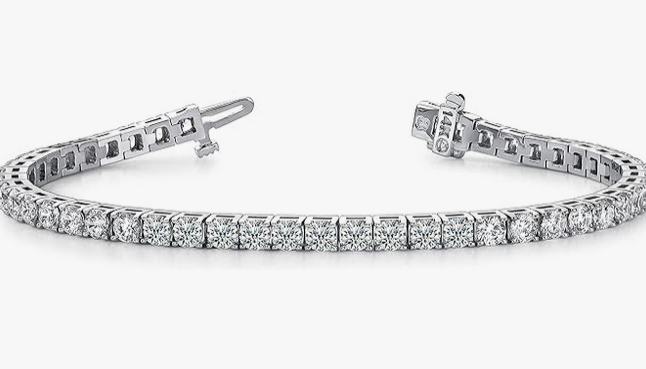
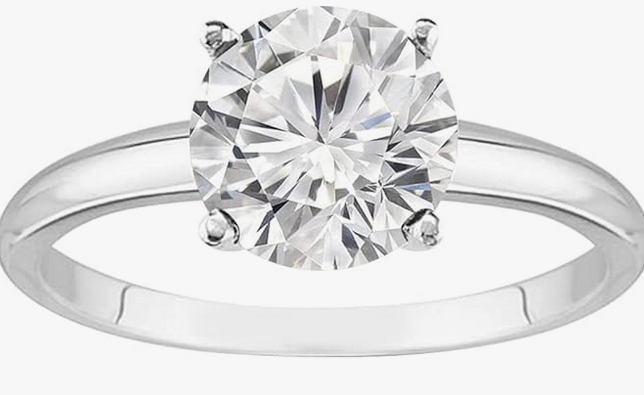
1 to 10 Carat 14K White Gold IGI Certified Lab Grown Diamond Engagement Ring, Round Cut Solitaire, 4-Prong Setting (E–F Color VS2–SI1 Clarity)
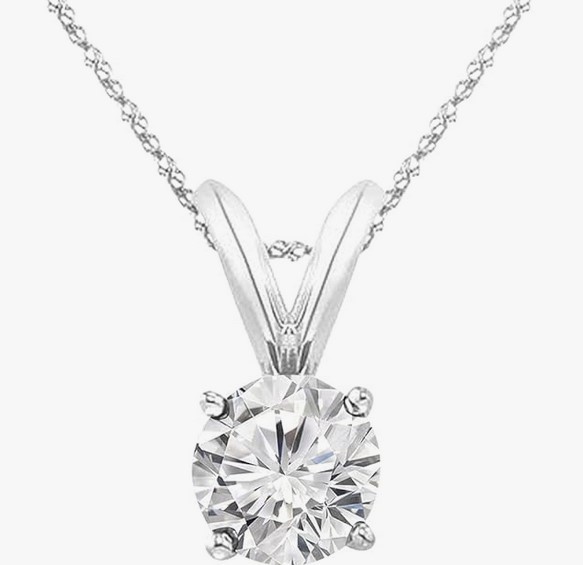
0.5-10 Carat Lab Grown Diamond Solitaire Pendant Necklace, Round Cut Solitaire, 4-Prong Setting, Jewelry for Women (E-F, VS)
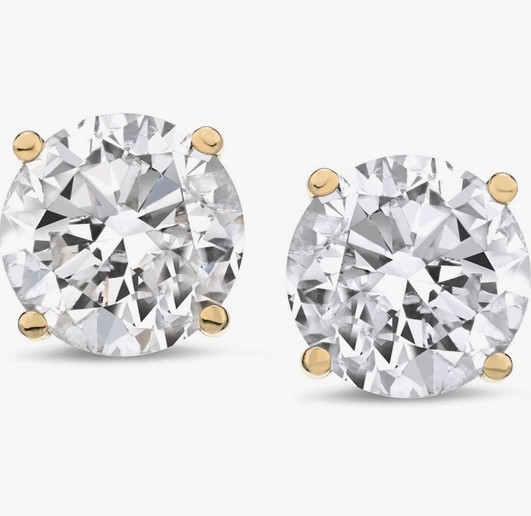
1 to 6 Carat LAB GROWN Solitaire Diamond Stud Earrings Round Cut 4 Prong Screw Back (F-G Color, VS1-VS2 Eye Clean Clarity)
7 Carat Diamond: The Complete Guide
A 7 carat diamond is a breathtaking, dream-size gem — bold, brilliant, and utterly unforgettable. At this rare and impressive size, a 7 carat diamond delivers extraordinary presence and sparkle that command attention the moment it catches the light. Whether you’re shopping for a show-stopping engagement ring, a statement piece, or a loose stone for a custom design, a 7 carat diamond represents the very height of luxury. And thanks to premium lab grown diamonds, owning a 7 carat diamond is more attainable than most people imagine. This guide explains everything that shapes the beauty, size, and value of a 7 carat diamond, so you can shop with total confidence.
At Mycaratdiamond, every 7 carat diamond is real, certified, and crafted for maximum brilliance, so you can choose your dream stone with complete peace of mind.
How Big Is a 7 Carat Diamond?
Carat measures weight, but at seven carats the visual impact is spectacular. A round 7 carat diamond measures roughly 12.4 millimeters across — an enormous, commanding footprint that dominates the finger and dazzles from across the room. Elongated shapes such as oval, pear, and marquise appear even larger because their length spreads across more of the hand. However you wear it, a 7 carat diamond reads as grand, opulent, and impossible to overlook — a genuine red-carpet stone with extraordinary presence.
What Determines the Price of a 7 Carat Diamond?
Because quality varies enormously, the price of a 7 carat diamond is never a single fixed number. Several measurable factors work together to set the final figure:
- Origin (natural vs. lab grown) — the single biggest driver of a 7 carat diamond‘s price.
- The 4Cs — Carat weight, Color, Clarity, and Cut.
- Shape — round brilliants typically cost more per carat than fancy shapes.
- Certification — independent grading verifies quality and supports a fair, transparent price.
- Setting and metal — for a finished ring, 14K gold, 18K gold, or platinum add to the total.
Once you understand how each factor moves the needle, spotting real value in a 7 carat diamond becomes simple.
Natural vs. Lab Grown 7 Carat Diamond
This is where the price gap is most dramatic — and at seven carats it is enormous. A natural 7 carat diamond is exceptionally rare, since large, high-quality rough is extraordinarily scarce, and it can command a price well into the high six figures or beyond. A lab grown 7 carat diamond, by contrast, offers the same sparkle, the same durability, and the same certified quality for a small fraction of that cost.
Lab grown diamonds are chemically, physically, and optically identical to mined diamonds. They earn a perfect 10 on the Mohs hardness scale and display the same fire and brilliance. The only difference is origin: lab grown stones are created in a controlled environment rather than deep underground. That efficiency is precisely why a lab grown 7 carat diamond makes a once-impossible dream size genuinely attainable. As a general guide, a quality lab grown 7 carat diamond typically lands in the five-to-six-figure range, while a comparable natural stone can cost many times more. It’s worth noting that natural diamonds tend to hold more resale value, so if long-term resale is your priority, that’s a factor to weigh — but for sheer size and sparkle per dollar, lab grown is hard to beat.
The 4Cs of a 7 Carat Diamond
The 4Cs — Carat, Color, Clarity, and Cut — are the universal language of diamond quality, and at seven carats they are highly visible, so thoughtful choices matter more than ever.
Carat is the weight. At seven carats, the stone has show-stopping presence — a true statement of luxury.
Color runs from colorless (D) downward. A near-colorless E-F grade keeps the diamond bright and white while avoiding the steep premium of a flawless D. Because color is very easy to notice in a stone this large, a clean near-colorless grade helps a 7 carat diamond look crisp and icy.
Clarity measures internal characteristics. An eye-clean VS-SI range shows no inclusions visible to the naked eye, which protects brilliance and keeps the price efficient. Since a large stone reveals more detail, eye-clean clarity is especially important for a 7 carat diamond.
Cut is the most important factor for sparkle. Precise faceting maximizes light return, so a well-cut 7 carat diamond looks brighter, larger, and livelier. Always prioritize cut quality above the other Cs.
Best Shapes for a 7 Carat Diamond
Shape is a deeply personal choice and dramatically affects a diamond’s character:
- Round brilliant: the most popular shape, prized for maximum sparkle and timeless appeal.
- Oval: elongates the finger and looks even larger than its weight suggests.
- Cushion: soft, rounded corners with romantic, vintage fire.
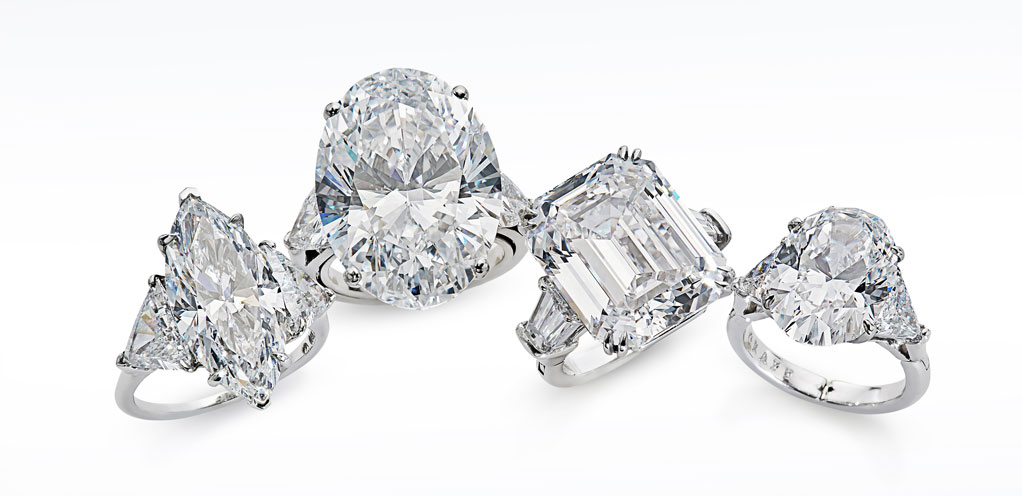
- Emerald and radiant: elegant rectangular outlines, from subtle step-cut sophistication to brilliant sparkle.
- Pear and marquise: distinctive shapes that maximize finger coverage and look the largest of all.
Fancy shapes often cost less per carat than round brilliants, so they can give your 7 carat diamond a unique look while stretching your budget.
Is a 7 Carat Diamond a Good Choice?
If you want maximum size, sparkle, and presence, a 7 carat diamond is an exceptional choice, and lab grown options make this dream size genuinely accessible. A 7 carat diamond makes an unforgettable engagement ring, anniversary gift, or personal milestone — a piece that radiates confidence and celebration. With the right balance of the 4Cs, it offers breathtaking beauty that lasts a lifetime.
Certification: Buy with Confidence
Always choose a certified diamond. An independent grading report from a respected laboratory confirms the stone’s carat weight, color, clarity, and cut, so you know exactly what you’re buying. Certification protects you, verifies authenticity, and ensures you’re paying a fair price for genuine quality. A reputable seller will provide grading documentation for every 7 carat diamond — essential peace of mind for a purchase of this significance.
How to Choose the Perfect 7 Carat Diamond
To get the best combination of beauty and value, keep these tips in mind when choosing a 7 carat diamond:
- Favor E-F color and eye-clean VS-SI clarity. These grades look stunning at this size while keeping the price efficient.
- Prioritize cut quality. Excellent faceting is what makes a large diamond truly sparkle.
- Pick a shape you love. Each shape gives a 7 carat diamond its own personality.
- Insist on certification. Independent grading confirms quality and a fair price.
- Consider the setting. A secure, expertly crafted mount protects a large, valuable stone and elevates everyday wearability.
Bottom line: a 7 carat diamond brings together grand size, brilliant sparkle, and pure red-carpet glamour in one extraordinary stone. With a real, certified diamond in a near-colorless, eye-clean grade and an excellent cut, you can own a true dream-size diamond at a price that finally makes sense. Explore our collection above to discover how attainable the perfect 7 carat diamond has become.
A 7 carat diamond represents one of the most spectacular sizes in luxury diamond jewelry, measuring approximately 13-14 millimeters in diameter for round brilliant cuts. This extraordinary stone creates an undeniable presence on the hand, typically covering from knuckle to knuckle on an average ring finger. Prices range from $50,000 to well over $500,000 depending on cut, color, clarity, and certification. A 7 carat diamond demands careful consideration of proportions, settings, and quality factors to ensure optimal beauty and value. The rarity of finding well-cut diamonds at this carat weight makes selection particularly important for discerning buyers seeking maximum impact and investment potential.
What Is a 7 carat diamond?
Carat weight measures exactly 200 milligrams per carat, making a 7 carat diamond precisely 1.4 grams of crystallized carbon. This weight classification places the stone firmly in luxury territory, representing less than 0.1% of all diamonds mined globally. The dimensional impact varies significantly by shape, with round brilliants measuring approximately 13.2mm in diameter, while emerald cuts extend to roughly 14.5mm x 10.5mm. Understanding these physical characteristics helps buyers visualize the dramatic presence this size creates.
The visual impact of a 7 carat diamond extends far beyond mere measurements, creating what gemologists call “finger coverage” that transforms the wearer’s hand into a canvas for extraordinary brilliance. Professional jewelers often describe this size as the threshold where diamonds transition from impressive to truly breathtaking. The substantial surface area allows for maximum light return, particularly in well-cut stones where proper proportions create exceptional fire and scintillation across the diamond’s table and crown facets.
Market positioning places seven-carat stones in an exclusive category typically reserved for special occasions, milestone anniversaries, and statement pieces. The rarity factor becomes increasingly important at this weight, as finding multiple stones with identical specifications becomes challenging. This scarcity drives both pricing premiums and the importance of working with reputable dealers who maintain access to significant inventory from multiple cutting houses and mining sources worldwide.
Investment considerations for stones this size require understanding both current market conditions and historical appreciation trends. Certified diamonds of exceptional quality in this carat range have demonstrated strong value retention over decades, particularly pieces featuring ideal cut grades, colorless ratings, and internally flawless clarity designations. The 7 carat diamond segment attracts serious collectors who understand the correlation between rarity, quality, and long-term appreciation potential.
7 carat diamond Price Guide
Pricing for seven-carat diamonds varies dramatically based on the Four Cs, with quality differences creating price spreads of hundreds of thousands of dollars. The following ranges reflect current market conditions for certified stones from major grading laboratories. Round brilliant cuts typically command premium pricing due to higher demand and greater rough diamond waste during cutting processes.
- A 7 carat diamond in D-F color, FL-VVS2 clarity, Excellent cut: $280,000-$580,000
- G-H color, VVS1-VS1 clarity, Very Good-Excellent cut: $180,000-$320,000
- A 7 carat diamond in I-J color, VS2-SI1 clarity, Good-Very Good cut: $120,000-$220,000
- K-L color, SI1-SI2 clarity, Fair-Good cut: $80,000-$150,000
- A 7 carat diamond in fancy shapes, premium quality: $200,000-$450,000
Complete ring pricing incorporates setting costs, which become proportionally more significant for stones this size due to structural requirements and precious metal quantities. Professional mounting typically requires substantial gold or platinum to properly secure and showcase the diamond while providing long-term durability. The following estimates include certified diamonds plus appropriate settings from reputable jewelers.
- Solitaire setting with premium stone: $290,000-$590,000
- Three-stone setting with side diamonds: $200,000-$350,000
- Halo setting with micropavé: $195,000-$335,000
- Vintage-inspired setting: $185,000-$325,000
- Custom architectural setting: $300,000-$650,000
The Four Cs for a 7 carat diamond
Cut quality becomes paramount at seven carats, as even minor proportion deviations become magnified across the stone’s substantial surface area. Excellent cut grades ensure optimal light return, with precise crown angles, pavilion depths, and table percentages creating maximum brilliance and fire. Poor cut quality in large stones appears dramatically more obvious than in smaller diamonds, making this the most critical factor for visual performance. Professional gemologists recommend prioritizing cut excellence even when compromising slightly on color or clarity grades.
Color evaluation requires careful consideration of both personal preferences and market standards, with most buyers selecting grades between D and J for optimal value and appearance. Colorless grades (D-F) command significant premiums but provide icy white appearance that maximizes brilliance, particularly in white gold or platinum settings. Near-colorless grades (G-J) offer excellent value propositions, with body color becoming virtually undetectable when properly cut and set, allowing buyers to allocate budget toward superior cut quality or larger carat weight.
Clarity assessment at this size demands understanding how inclusions appear when magnified across substantial surface areas. A 7 carat diamond with VS2 clarity may show characteristics visible to the naked eye that would remain hidden in smaller stones. Most experts recommend minimum VS1 clarity for stones exceeding five carats, with VVS grades providing peace of mind for buyers prioritizing absolute perfection. Eye-clean appearance should always take precedence over grade designation, as some SI1 stones appear flawless while certain VS2 diamonds show obvious inclusions.
Certification from major laboratories becomes non-negotiable at this investment level, with GIA, AGS, and Gübelin providing internationally recognized grading standards. These reports document natural origin, treatment history, and detailed quality assessments that protect buyers and support future resale value. Multiple laboratory opinions often prove valuable for seven-carat stones, particularly those exhibiting unusual characteristics or exceptional quality that may warrant additional documentation from specialized gemological institutions.
Shape Options and Trade-Offs
Round brilliant cuts maximize light performance and market appeal but require the highest rough diamond yields, making them typically 15-25% more expensive than comparable fancy shapes. The circular outline provides balanced proportions that work well with most setting styles while offering proven resale strength due to consistent demand across all market segments. However, the premium pricing may require compromises in other quality factors to remain within established budgets.
Princess cuts offer square elegance with brilliant-style faceting that creates exceptional fire and scintillation patterns. The geometric outline suits both contemporary and traditional settings while providing better value than rounds of equivalent quality. Sharp corners require protective prong placement and careful handling, but the overall visual impact creates dramatic finger presence. Modern princess cuts feature improved light performance through enhanced crown and pavilion angles that rival round brilliant efficiency.
Emerald cuts emphasize clarity and color over brilliance, with step-cut faceting creating hall-of-mirrors effects that showcase a 7 carat diamond’s exceptional transparency. The rectangular outline maximizes apparent size while requiring higher clarity grades due to the open facet structure that reveals inclusions more readily. This classic shape suits vintage-inspired and art deco settings while providing excellent value compared to brilliant-cut alternatives of similar weight and quality.
Oval, pear, and marquise shapes create dramatic finger coverage while offering cost advantages over round brilliants of equivalent specifications. These elongated forms can appear significantly larger than their actual carat weight suggests, maximizing visual impact per dollar invested. However, finding well-cut examples becomes more challenging, as these shapes require precise symmetry and proportion relationships to avoid undesirable optical effects like bow-ties or uneven light distribution patterns across the stone’s surface.
Wearing a 7 carat diamond: Size and Presence
The physical presence of a 7 carat diamond transforms everyday gestures into moments of extraordinary sparkle and light play. Wearers often report initial adjustment periods as they adapt to the substantial weight and visual prominence on their hand. The stone’s diameter typically extends from knuckle to knuckle on average ring fingers, creating what jewelry professionals describe as “finger coverage” that demands attention and admiration from observers.
Daily practicality requires consideration of lifestyle factors, as stones this size can catch on clothing, require careful handling during routine activities, and may feel cumbersome during tasks requiring fine motor skills. Professional consultation helps determine optimal setting heights and structural reinforcements that balance security with wearability. Many owners develop habits of conscious hand positioning and protective behaviors that become second nature with time and experience.
Social dynamics shift noticeably when wearing diamonds of this caliber, with the piece becoming a conversation starter and focal point in social situations. The psychological impact on wearers varies significantly, with some feeling empowered by the dramatic statement while others prefer reserving such pieces for special occasions. Understanding personal comfort levels with attention and questions helps guide the decision between maximum size and more subtle alternatives.
Professional settings may influence wearability decisions, as extremely large diamonds can appear inappropriate in conservative business environments or distract from professional interactions. Many owners choose to wear substantial rings during evening events, social gatherings, and special occasions while selecting more modest pieces for workplace environments. The versatility of owning multiple rings allows appropriate choices for different circumstances while maximizing enjoyment of the significant investment a 7 carat diamond represents.
Setting Recommendations
Solitaire settings provide classic elegance that allows the diamond to command full attention without competing design elements. However, stones approaching seven carats require substantial prong structures and reinforced shanks to ensure long-term security and structural integrity. The mounting’s proportions must balance delicate femininity with engineering requirements, often necessitating custom work from experienced bench jewelers who understand large stone challenges.
Three-stone configurations offer opportunities to incorporate additional diamonds while creating balanced compositions that complement rather than compete with the center stone. Side stones typically range from 1-2 carats each, providing supporting brilliance while maintaining the primary diamond’s dominance. This setting style suits buyers who appreciate symmetrical designs and want to maximize total diamond weight within their allocated budget parameters.
Halo designs can enhance apparent size and add vintage charm, but require careful proportion planning to avoid overwhelming the central stone or creating top-heavy appearances. Micropavé borders work best when sized appropriately for the center diamond’s dimensions, with experienced designers calculating optimal diameter relationships that enhance rather than diminish the overall composition. The additional diamonds in halo settings increase both initial cost and ongoing maintenance requirements.
Custom architectural settings allow creative expression while addressing specific security and aesthetic goals unique to seven-carat stones. These bespoke mountings can incorporate personal symbolism, family diamonds, or distinctive design elements that create true one-of-a-kind pieces. Working with master craftspeople who specialize in substantial diamonds ensures both artistic vision and practical functionality meet the demanding requirements these exceptional stones deserve.
Certification: What a 7 carat diamond Certificate Should Show
Professional grading reports for a 7 carat diamond must include comprehensive documentation of natural origin, detailed quality assessments, and high-resolution imaging that captures the stone’s unique characteristics. Major laboratories like GIA provide laser inscription matching, advanced spectroscopy results, and multiple verification points that authenticate both the diamond’s identity and its unenhanced natural state. These technical details become increasingly important as carat weights increase and investment values reach significant levels.
Photographic documentation should include multiple angles showing the diamond’s profile, crown view, and any identifying characteristics that distinguish this particular stone from others of similar specifications. Advanced imaging techniques like ASET or Ideal-Scope analysis provide objective light performance data that supplements traditional grading categories. These scientific measurements help buyers understand how well the diamond will perform in various lighting conditions and wearing situations.
Treatment disclosure statements must clearly indicate any processes applied to enhance the diamond’s appearance, with natural stones explicitly labeled to distinguish them from treated alternatives. Laboratory detection of irradiation, HPHT processing, or fracture filling requires specialized equipment and expertise that only major institutions possess. Buyers should insist on unambiguous natural origin statements backed by the laboratory’s full reputation and insurance coverage.
Additional services like detailed plotting diagrams, proportion analysis, and fluorescence characterization provide valuable information for insurance documentation and future identification purposes. Some laboratories offer digital certificates with embedded security features that prevent counterfeiting and allow online verification of authenticity. The 7 carat diamond market demands this level of documentation to support values and provide buyer confidence in their substantial investment decisions.
Comparing Nearby Carat Weights
Six-carat alternatives offer substantial savings while maintaining impressive presence, typically measuring 12.5-13mm in diameter compared to seven-carat stones at 13-14mm. The visual difference appears less dramatic than the 15-20% price differential might suggest, making six carats an attractive compromise for budget-conscious buyers seeking maximum impact per dollar invested. Quality options become more abundant at six carats, allowing potential upgrades in cut, color, or clarity within similar budget parameters.
Eight-carat diamonds create truly extraordinary presence but require significantly higher investments and careful consideration of practical wearing factors. The jump from seven to eight carats typically involves 25-35% price increases due to increased rarity and the psychological appeal of crossing into eight-carat territory. Availability becomes more limited, potentially requiring extended search periods to locate stones meeting specific quality requirements within established timelines.
The sweet spot analysis for many buyers centers on seven carats as the optimal balance between dramatic visual impact and relative availability compared to larger alternatives. A 7 carat diamond provides substantial presence without crossing into the extreme rarity territory that characterizes stones above eight carats. This positioning allows buyers to locate quality options within reasonable timeframes while still creating the extraordinary impact that motivates purchases in this size range.
Market dynamics show that seven-carat stones often represent better value propositions than their eight and nine-carat counterparts, where rarity premiums can add disproportionate costs for relatively modest size increases. Experienced buyers frequently identify this weight as optimal for balancing investment considerations with practical wearing factors and long-term satisfaction. The substantial presence satisfies desires for dramatic impact while maintaining reasonable purchase and ownership costs compared to larger alternatives.
Where to Buy
Established diamond dealers with decades of experience and substantial inventory access provide the expertise necessary for seven-carat purchases. These professionals maintain relationships with cutting houses worldwide and can locate stones meeting specific requirements within reasonable timeframes. Their knowledge of market conditions, quality assessment, and fair pricing protects buyers from common pitfalls associated with large diamond purchases. Reputation verification through industry associations and customer references helps identify trustworthy sources.
Online platforms have revolutionized access to large diamonds by providing detailed imagery, certification documents, and competitive pricing from multiple sources. However, purchasing a 7 carat diamond sight unseen requires absolute confidence in the seller’s return policies, certification accuracy, and shipping security. Video consultations and advanced imaging technologies help bridge the gap between online convenience and in-person evaluation, though many buyers still prefer physical inspection before final commitment.
Auction houses occasionally offer exceptional seven-carat stones from estate collections, providing opportunities to acquire unique pieces with provenance and potential value advantages. These venues require expertise in condition assessment, market valuation, and bidding strategies to avoid overpaying or acquiring problematic stones. Professional preview appointments allow detailed inspection, but buyers must understand that all sales are final with no return privileges typical of traditional retail purchases.
International dealers in diamond centers like Antwerp, New York, and Mumbai provide access to stones directly from cutting operations before they enter retail channels. These wholesale relationships can offer pricing advantages but require sophisticated understanding of quality assessment, market values, and import procedures. Working with experienced intermediaries who maintain established relationships helps navigate cultural and business practice differences while ensuring proper documentation and legitimate transactions.
FAQ
How much does a 7 carat diamond cost?
7 carat diamond prices range from approximately $80,000 to over $580,000 depending on cut quality, color grade, clarity characteristics, and shape selection. Premium round brilliants with D-F color and flawless clarity command top pricing, while fancy shapes and lower color grades provide more accessible entry points. Market conditions, certification laboratory, and dealer markups also influence final pricing significantly.
What size ring finger fits a seven-carat stone?
Ring finger size doesn’t determine diamond compatibility, as professional jewelers can create appropriate settings for any finger dimension. However, fingers smaller than size 5 may find seven-carat stones appear disproportionately large, while sizes above 8 provide better balance for substantial diamonds. Setting height, shank width, and overall proportions require customization regardless of finger size to ensure comfortable wear and attractive appearance.
How big does a 7 carat diamond look on the hand?
A 7 carat diamond typically extends from knuckle to knuckle on average ring fingers, measuring approximately 13-14mm in diameter for round cuts. The visual impact creates dramatic presence that transforms hand gestures into displays of exceptional brilliance and fire. Elongated shapes like ovals and emerald cuts can appear even larger due to their extended proportions and finger coverage patterns.
Are seven-carat diamonds good investments?
Investment potential depends heavily on quality factors, with exceptional stones demonstrating strong historical appreciation while lower grades may underperform broader markets. Certified diamonds with ideal cuts, colorless grades, and high clarity designations have shown consistent value retention over decades. However, diamonds should primarily be purchased for personal enjoyment rather than investment returns, as market conditions and liquidity considerations affect resale potential.
What’s the best setting for large diamonds?
Optimal settings balance security requirements with aesthetic preferences, typically requiring substantial prong structures and reinforced shanks for seven-carat stones. Solitaire mountings showcase the diamond’s full beauty while three-stone and halo designs add complementary brilliance. Custom work from experienced jewelers ensures proper proportions and structural integrity necessary for stones of this significance and value.
How do I verify a 7 carat diamond certificate?
7 carat diamond certificates require verification through official laboratory websites using report numbers and security features embedded in documentation. Major institutions like GIA provide online verification systems that confirm authenticity and detect counterfeit reports. Professional gemological examination can also verify that physical stones match certified specifications through detailed measurement and characteristic comparison processes.
Selecting a 7 carat diamond represents a significant milestone in luxury jewelry ownership, requiring careful consideration of quality factors, setting options, and personal preferences that will provide decades of satisfaction. The substantial investment demands working with reputable dealers who provide certified stones, transparent pricing, and expert guidance throughout the selection process. Understanding the relationship between the Four Cs, market positioning, and individual lifestyle factors ensures optimal choices that balance beauty, value, and practical wearability considerations.
The extraordinary presence and investment significance of a 7 carat diamond justify the extensive research and professional consultation necessary for informed purchases. Whether celebrating major life achievements, marking milestone anniversaries, or creating family heirloom pieces, these exceptional stones provide unmatched beauty and lasting value for discerning buyers who appreciate the finest expressions of nature’s artistry. For additional guidance and access to certified inventory, visit our Carat Diamond homepage.