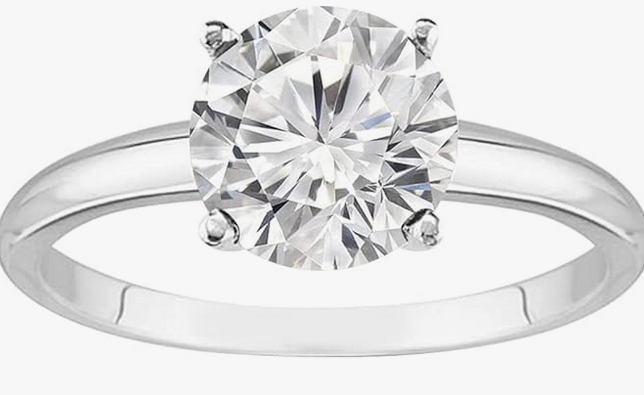
Houston Diamond District 1 to 10 Carat 14K White Gold IGI Certified Lab Grown Diamond Engagement Ring, Round Cut Solitaire, 4-Prong Setting (E–F Color VS2–SI1 Clarity)
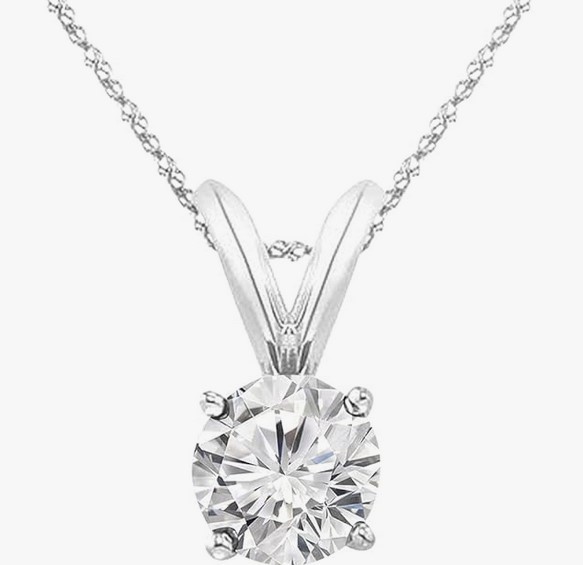
0.5-10 Carat Lab Grown Diamond Solitaire Pendant Necklace, Round Cut Solitaire, 4-Prong Setting, Jewelry for Women (E-F, VS)
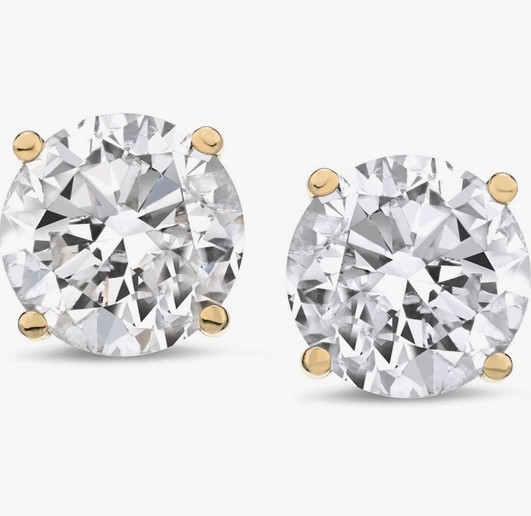
1 to 6 Carat LAB GROWN Solitaire Diamond Stud Earrings Round Cut 4 Prong Screw Back (F-G Color, VS1-VS2 Eye Clean Clarity)
A three carat diamond ring represents one of the most significant diamond purchases, measuring approximately 9.4mm in diameter for a round brilliant cut and commanding prices typically ranging from $25,000 to $150,000 depending on quality factors. This substantial stone creates dramatic visual impact with exceptional fire and brilliance that catches light from across a room. A three carat diamond ring sits prominently on the finger, offering luxury and elegance that few other gemstones can match, making it a coveted choice for engagement rings and special occasion jewelry.
What Is a three carat diamond ring?
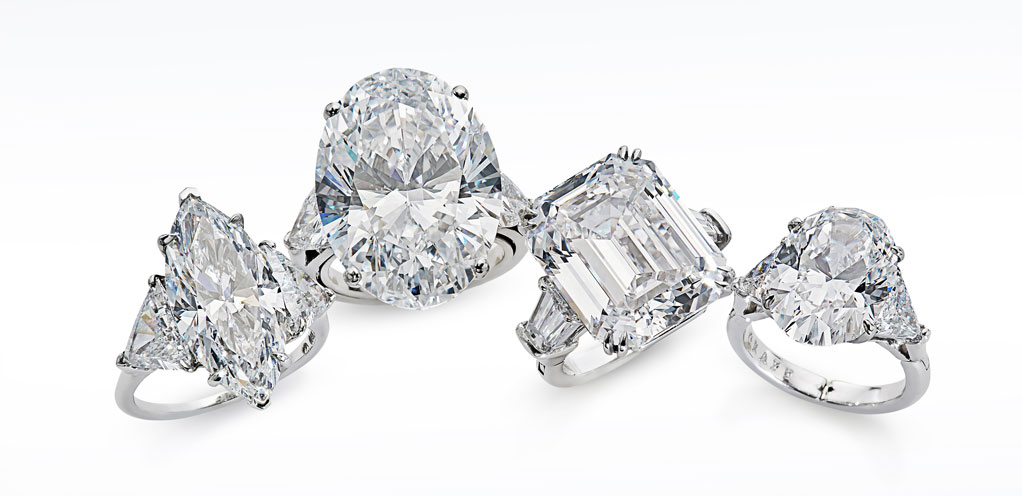
A three carat diamond ring features a center stone weighing exactly 3.00 carats, equivalent to 600 milligrams or 0.6 grams of crystallized carbon. The physical dimensions vary by shape, with round brilliant cuts measuring approximately 9.4mm in diameter, while princess cuts measure roughly 8.5mm square. Emerald cuts extend to about 10.5mm x 7.5mm, and oval diamonds reach approximately 11.5mm x 8.5mm. These measurements represent significant size increases compared to smaller carat weights, with three carat stones appearing dramatically larger than two carat diamonds due to exponential surface area growth.
The rarity of three carat diamonds contributes substantially to their premium pricing structure. Natural diamonds of this size occur infrequently in mining operations, with most rough diamond crystals yielding much smaller polished stones after cutting. A three carat diamond ring requires exceptional rough material, skilled craftsmanship, and precise cutting to maximize brilliance while maintaining substantial carat weight. This combination of factors makes these stones considerably more expensive per carat than smaller diamonds.
Laboratory-grown three carat diamonds offer identical physical, chemical, and optical properties to natural stones while providing more accessible pricing options. These diamonds form through controlled processes that replicate natural diamond creation conditions, producing stones indistinguishable from mined diamonds except through specialized testing equipment. Both natural and lab-grown options deliver the same spectacular visual impact and durability that defines diamond jewelry.
The choice of a three carat diamond ring often represents milestone moments such as engagements, anniversaries, or personal achievements. The substantial size commands attention while symbolizing significant commitment and investment. Professional gemological certification becomes especially important at this carat weight, ensuring accurate grading of color, clarity, cut, and carat weight specifications that directly impact value and beauty.
three carat diamond ring Price Guide
Pricing for three carat diamonds varies extensively based on the Four Cs quality factors, with exceptional stones commanding premium prices while lower grades offer more accessible entry points. Natural diamonds typically cost significantly more than laboratory-grown alternatives, though both categories span wide price ranges depending on specifications. Market conditions, certification sources, and retailer markups also influence final pricing structures.
- D-F color, VVS1-VVS2 clarity, Excellent cut: $45,000-$85,000
- A three carat diamond ring in G-I color, VS1-VS2 clarity: $28,000-$55,000
- J-K color, SI1-SI2 clarity, Very Good cut: $18,000-$35,000
- A three carat diamond ring with L-M color, SI2-I1 clarity: $12,000-$25,000
- Laboratory-grown alternatives across all grades: $8,000-$25,000
Complete ring pricing includes setting costs that typically add $2,000-$8,000 depending on metal choice, design complexity, and accent diamond specifications. Simple solitaire settings in 14k gold represent the most economical options, while elaborate halo designs with premium platinum construction command higher prices. Custom design work and designer brand premiums can increase total investment substantially.
- Complete three carat solitaire ring in 14k gold: $20,000-$60,000
- Halo setting with accent diamonds in platinum: $25,000-$75,000
- A three carat diamond ring in vintage-inspired setting: $22,000-$65,000
- Modern tension or cathedral mounting: $21,000-$62,000
The Four Cs for a three carat diamond ring
Cut quality becomes paramount in three carat diamonds, as superior light performance dramatically enhances the stone’s natural brilliance and fire. Excellent and Ideal cut grades maximize light return while creating the scintillation patterns that make large diamonds truly spectacular. Poor cut proportions can make even high-color, high-clarity stones appear dull and lifeless. A three carat diamond ring deserves the finest cut quality available within budget constraints, as this factor most significantly impacts visual beauty and overall impression.
Color grading takes on increased importance at three carat weights because larger stones display body color more prominently than smaller diamonds. While D-F colorless grades offer the purest appearance, G-H near-colorless options provide excellent value with minimal visible tinting when viewed face-up. I-J grades may show slight warmth but often complement yellow or rose gold settings beautifully. K and lower color grades require careful consideration, as the larger surface area makes tinting more apparent.
Clarity considerations shift at three carat weights, where inclusions become more visible due to increased size and magnification. VS2 grades often represent the sweet spot, offering eye-clean appearance while avoiding the premium pricing of VVS grades. SI1 clarity can work well if inclusions are positioned strategically away from the table area. A three carat diamond ring with SI2 clarity requires careful evaluation to ensure inclusions don’t impact structural integrity or light performance.
Carat weight precision matters significantly at the three carat threshold, where small variations create noticeable price differences. Stones weighing exactly 3.00 carats command premium pricing compared to 2.90-2.99 carat alternatives that appear virtually identical when mounted. Smart buyers often consider stones just below major carat thresholds to maximize value while achieving similar visual impact and presence.
Shape Options and Trade-Offs
Round brilliant cuts represent the most popular choice for three carat diamonds, delivering maximum fire and brilliance through their 58-facet design optimized for light performance. The circular symmetry creates timeless elegance while offering the largest apparent size for the carat weight. However, round diamonds command the highest per-carat pricing due to cutting waste and consistent demand across all markets.
Princess cut squares offer contemporary appeal with sharp, clean lines that showcase modern design sensibilities. These stones maximize carat weight retention during cutting while providing excellent brilliance through their facet patterns. A three carat diamond ring in princess cut measures approximately 8.5mm square, creating substantial presence while typically costing 15-25% less than equivalent round stones. The pointed corners require protective prong settings to prevent chipping.
Elongated shapes including oval, marquise, and pear cuts create dramatic finger coverage that makes three carat weights appear even larger. Oval diamonds offer classic elegance with excellent brilliance, while marquise cuts provide the most dramatic length-to-width ratios available. Pear shapes combine round and marquise characteristics for unique asymmetrical beauty. These shapes often cost 20-30% less than rounds while delivering greater visual impact.
Emerald and asscher cuts represent the step-cut family, emphasizing clarity and color over brilliance through their large, open facets. These shapes showcase the diamond’s internal characteristics while creating sophisticated, vintage-inspired aesthetics. A three carat diamond ring in emerald cut measures approximately 10.5mm x 7.5mm, offering substantial presence with understated elegance. Higher clarity grades become essential, as inclusions are more visible in step cuts.
Wearing a three carat diamond ring: Size and Presence
The physical presence of a three carat diamond creates immediate visual impact that transforms any outfit from ordinary to extraordinary. The substantial size catches and reflects light from multiple angles, creating constant sparkle and movement that draws attention naturally. Many wearers describe the confidence boost that comes from wearing such a significant piece of jewelry, as the ring makes a clear statement about style, success, and personal taste preferences.
Finger size considerations become important when selecting a three carat diamond ring, as the stone’s dimensions interact differently with various hand shapes and sizes. Smaller fingers (sizes 4-6) showcase the diamond’s size dramatically, while larger fingers (sizes 7-9) provide better proportional balance. The band width should complement the stone size, with 2-3mm bands typically offering optimal visual harmony without overwhelming the center diamond.
Daily wearability requires consideration of lifestyle factors and practical concerns. Professional environments may require conservative styling, making solitaire settings more appropriate than elaborate halo designs. Active lifestyles benefit from lower profile settings that minimize catching on clothing or equipment. A three carat diamond ring demands respect and care, including regular professional cleaning, periodic prong inspections, and appropriate insurance coverage.
The psychological impact of wearing such a substantial diamond often surprises first-time owners. The constant awareness of the ring’s presence, combined with compliments and attention from others, can require adjustment periods. Many owners develop specific wearing habits, such as removing the ring for certain activities or rotating it inward for discretion during particular situations.
Setting Recommendations
Solitaire settings provide the most classic presentation for three carat diamonds, allowing the stone to command complete attention without competing design elements. Six-prong configurations offer optimal security while minimizing metal visibility, creating the illusion of a floating diamond. Four-prong alternatives provide more contemporary aesthetics while slightly reducing setting costs. The prong tips require regular inspection and occasional retipping to maintain secure stone retention.
Halo settings amplify the visual impact of three carat diamonds while adding substantial sparkle through surrounding accent diamonds. Single halos typically add 0.5-1.0mm to apparent size, while double halos create even more dramatic presence. However, halo designs require more maintenance due to multiple small diamonds that may require occasional replacement. A three carat diamond ring with halo setting commands premium pricing but delivers maximum visual impact per dollar invested.
Three-stone settings, also known as trilogy or past-present-future designs, complement three carat centers with smaller side stones typically weighing 0.25-0.75 carats each. These configurations create balanced symmetry while adding significant total carat weight to the finished ring. The side stones should be carefully matched for color and clarity to ensure harmonious appearance across all three diamonds.
Vintage-inspired settings including Art Deco, Victorian, and Edwardian styles provide unique character and historical charm. These designs often incorporate milgrain detailing, filigree work, and geometric patterns that complement rather than compete with the center stone. A three carat diamond ring in vintage setting offers distinctive style that stands apart from contemporary mass-market designs while potentially appreciating in value over time.
three carat diamond ring Certification
Professional gemological certification becomes essential for three carat diamonds due to their significant financial investment and the precision required for accurate quality assessment. The Gemological Institute of America (GIA) provides the most widely recognized and respected grading standards globally, with detailed reports covering all Four Cs plus additional characteristics. American Gem Society (AGS) certificates offer equally rigorous grading with their proprietary 0-10 scale system that some prefer for cut quality assessment.
Comprehensive certification reports should include precise measurements, weight verification, color and clarity plotting, cut grade assessment, fluorescence notation, and photographic documentation. Advanced reports may include light performance analysis, proportion diagrams, and inclusion mapping. A three carat diamond ring certificate should never show any evidence of treatments, clarity enhancements, or artificial color modifications unless specifically disclosed and priced accordingly.
Certificate verification through online databases ensures authenticity and prevents fraud, as counterfeit certificates occasionally appear in the marketplace. Both GIA and AGS maintain searchable databases where certificate numbers can be verified against official records. The certificate number should also be laser-inscribed on the diamond’s girdle, providing additional authentication and enabling easy identification if the stone and certificate become separated.
Insurance and resale considerations make proper certification crucial for protecting investment value. Insurance companies typically require current certificates from recognized laboratories for coverage approval and claim processing. Future resale or upgrade opportunities depend heavily on certificate credibility, as uncertified stones face significant value discounts regardless of actual quality levels.
Comparing Nearby Carat Weights
Two carat diamonds offer substantial size and presence while maintaining more accessible pricing than three carat alternatives. The visual difference between 2.00 and 3.00 carats appears less dramatic than the price differential might suggest, with three carat stones typically costing 40-60% more per carat. A three carat diamond ring measures approximately 15% larger in diameter than a two carat stone, but the increased surface area creates more significant visual impact than measurements alone suggest.
Stones weighing 2.50-2.99 carats provide compelling value propositions for buyers seeking substantial size without full three carat pricing. These weights offer 85-95% of the visual impact while potentially saving thousands of dollars. Careful shopping in this range can identify exceptional values, particularly in slightly lower color or clarity grades that perform beautifully when expertly cut and properly set.
Four carat diamonds represent the next major threshold, with exponentially higher pricing and increasingly rare availability. The jump from three to four carats typically involves 50-70% price increases per carat, making four carat stones significantly more expensive than three carat alternatives. A three carat diamond ring often represents the practical upper limit for many buyers seeking maximum impact within reasonable budget constraints.
Half-carat increments within the three carat range (3.25, 3.50, 3.75 carats) offer size upgrades for those with flexible budgets. Each quarter-carat increase adds noticeable presence while maintaining similar setting requirements and wearability characteristics. These intermediate weights often provide better value than jumping to four carats while delivering additional prestige and visual impact.
Where to Buy
Online retailers typically offer the widest selection and most competitive pricing for three carat diamonds, with detailed photographs, video presentations, and comprehensive filtering tools that enable efficient comparison shopping. Virtual viewing technologies allow examination of cut quality, inclusion patterns, and overall appearance from multiple angles. However, the significant investment involved in a three carat diamond ring makes in-person viewing advisable when possible, either through showroom visits or home preview programs.
Local jewelry stores provide personalized service and immediate gratification but may have limited inventory in the three carat range. Custom ordering becomes common at this carat weight, requiring additional time for sourcing and delivery. Local relationships can prove valuable for ongoing maintenance, repairs, and future upgrade opportunities. Pricing may be higher than online alternatives, but included services and local accountability often justify the premium.
Wholesale diamond districts in major cities offer access to extensive inventories and potentially better pricing through direct dealer relationships. However, navigating wholesale markets requires diamond knowledge and negotiation skills that many consumers lack. Professional consultation or buying services can bridge this gap while maintaining access to wholesale pricing and selection advantages.
Estate jewelry and auction houses occasionally offer exceptional three carat diamonds at attractive pricing, though selection remains unpredictable and quality assessment requires expertise. Antique and vintage pieces may include historical provenance that adds romantic appeal and potential investment value. A three carat diamond ring from estate sources requires careful evaluation of setting condition, stone security, and certification validity before purchase.
Frequently Asked Questions
What does a three carat diamond ring cost?
A three carat diamond ring typically costs between $20,000 and $90,000 depending on quality factors including cut, color, clarity, and certification. Natural diamonds command premium pricing over laboratory-grown alternatives, while setting complexity and metal choice add $2,000-8,000 to total investment. Exceptional stones with D-F color and VVS clarity grades reach the upper price ranges, while good quality G-I color and VS clarity stones offer better value propositions.
How big does a three carat diamond ring appear on the finger?
Three carat diamonds create substantial visual presence measuring approximately 9.4mm diameter in round cuts, covering significant finger area while catching light dramatically. The size appears larger on smaller fingers while maintaining impressive presence on all hand sizes. Elongated shapes like oval or marquise cuts maximize apparent size, while step cuts like emerald emphasize elegance over size impact.
Is a three carat diamond ring too big for everyday wear?
A three carat diamond ring can absolutely be worn daily with proper setting selection and lifestyle considerations. Lower profile settings reduce catching on clothing while secure mounting protects the substantial investment. Many owners adapt quickly to the size and presence, finding the ring becomes a natural part of their style. Professional activities and personal preferences ultimately determine daily wearability comfort levels.
What’s the difference between natural and lab-grown options?
Natural and laboratory-grown three carat diamonds share identical physical, chemical, and optical properties with the same hardness, brilliance, and fire characteristics. The primary differences lie in origin, pricing, and resale considerations. Lab-grown stones typically cost 30-50% less while offering larger selection in premium grades, though natural diamonds maintain stronger resale value and traditional appeal for many buyers.
Which three carat diamond ring shape offers the best value?
Three carat diamond ring shapes beyond round brilliant typically offer 15-30% cost savings while providing equal or greater visual impact. Oval, marquise, and pear shapes maximize apparent size through elongated proportions, while princess cuts offer contemporary appeal with excellent value. Round diamonds command premium pricing but deliver maximum brilliance and universal appeal across all style preferences.
How should I insure my purchase?
Three carat diamond ring insurance requires specialized jewelry coverage through either standalone policies or riders on homeowner’s insurance. Current retail replacement value, detailed photographs, and professional certification enable accurate coverage determination. Annual appraisals may be required for high-value pieces, while specific coverage for loss, theft, damage, and mysterious disappearance provides comprehensive protection. Premium costs typically range from 1-3% of total ring value annually.
Conclusion
A three carat diamond ring represents a significant milestone purchase that combines substantial visual impact with lasting investment value. The impressive size creates immediate presence while delivering the fire and brilliance that make diamonds the ultimate symbol of luxury and commitment. Careful consideration of the Four Cs, shape selection, setting choice, and certification ensures optimal value and satisfaction with this major purchase decision. Whether choosing natural or laboratory-grown stones, the substantial beauty and presence of a three carat diamond ring provides daily enjoyment and lasting significance.
The journey to selecting the perfect three carat diamond ring requires patience, education, and often professional guidance to navigate the complex factors affecting quality and value. From understanding cut quality’s impact on brilliance to balancing color and clarity grades within budget constraints, informed decisions lead to better outcomes and greater satisfaction. The substantial investment deserves careful research and comparison shopping across multiple sources to ensure optimal selection. For expert guidance and exceptional selection in three carat diamonds, visit the Carat Diamond homepage to begin your search for the perfect ring.