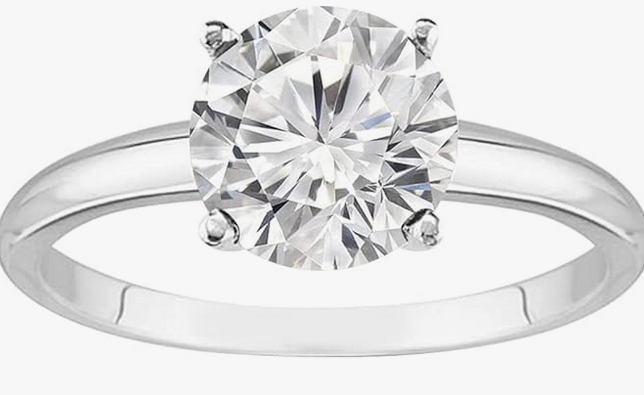
Houston Diamond District 1 to 10 Carat 14K White Gold IGI Certified Lab Grown Diamond Engagement Ring, Round Cut Solitaire, 4-Prong Setting (E–F Color VS2–SI1 Clarity)
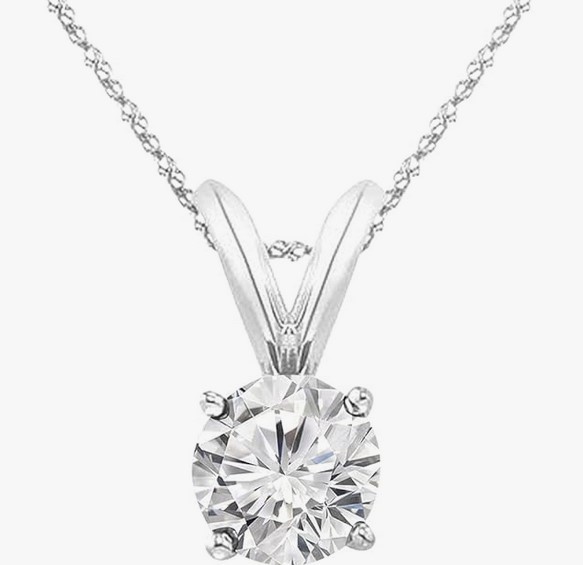
0.5-10 Carat Lab Grown Diamond Solitaire Pendant Necklace, Round Cut Solitaire, 4-Prong Setting, Jewelry for Women (E-F, VS)
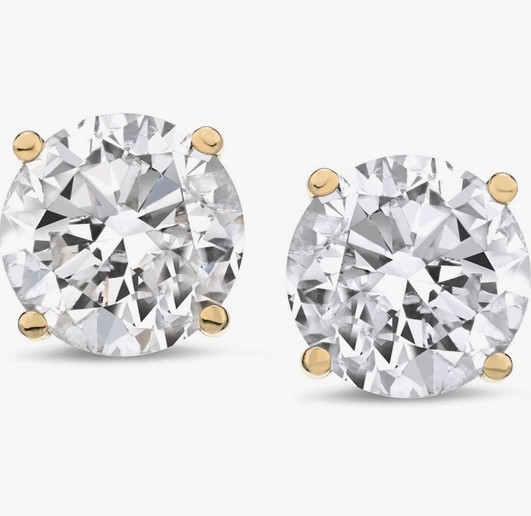
1 to 6 Carat LAB GROWN Solitaire Diamond Stud Earrings Round Cut 4 Prong Screw Back (F-G Color, VS1-VS2 Eye Clean Clarity)
A 1.5 carat diamond represents the perfect balance between impressive visual presence and practical wearability, measuring approximately 7.4 millimeters in diameter for round brilliant cuts. This popular carat weight offers substantial finger coverage without appearing overwhelming, making it an ideal choice for those seeking a diamond that commands attention while remaining elegant for daily wear. Prices typically range from $4,500 to $18,000 depending on cut quality, color grade, and clarity characteristics. A 1.5 carat diamond provides excellent value compared to the premium pricing associated with two-carat stones, while offering significantly more visual impact than one-carat alternatives that many buyers find too modest for their preferences.
What Is a 1.5 Carat Diamond?
The term “carat” refers specifically to weight measurement rather than size, with one carat equaling exactly 200 milligrams or 0.2 grams. A 1.5 carat diamond therefore weighs 300 milligrams, representing a substantial gemstone that falls into the premium category for engagement rings and fine jewelry. This weight classification places the stone well above average engagement ring sizes, which typically range between 0.8 and 1.2 carats in most markets. The visual dimensions vary significantly based on cut style, with round brilliant cuts measuring approximately 7.4mm in diameter, while princess cuts measure roughly 6.5mm square.
Understanding carat weight distribution becomes crucial when evaluating different 1.5 carat diamond options, as cut proportions directly influence both visual size and light performance. Well-proportioned diamonds maximize their apparent size through optimal light return, making them appear larger than poorly cut stones of identical weight. The depth percentage and table size work together to determine how much of the carat weight contributes to face-up appearance versus hidden depth. Gemological laboratories measure carat weight to the nearest 0.01 carat, ensuring precise classification and consistent pricing across the diamond market.
Market positioning for this carat weight targets buyers seeking substantial presence without entering the luxury premium territory of two-carat stones. The 1.5 carat diamond appeals particularly to couples who find one-carat options insufficient but consider larger stones either too expensive or impractical for daily wear. This sweet spot in sizing explains why many jewelry retailers stock extensive inventories in this range, offering diverse combinations of color, clarity, and cut quality to meet varied budget requirements.
1.5 Carat Diamond Price Guide
Diamond pricing operates on exponential rather than linear scaling, meaning 1.5 carat diamond costs significantly exceed the proportional increase from one-carat stones. The premium reflects both rarity of larger rough diamonds and increased difficulty in cutting substantial stones without flaws. Current market conditions show considerable price variation based on the four Cs, with top-quality stones commanding substantial premiums over commercial-grade alternatives. Geographic sourcing, whether natural or lab-grown, also influences final pricing structures.
The following price ranges reflect current market conditions for certified natural diamonds from reputable laboratories such as GIA or AGS. Lab-grown alternatives typically cost 40-60% less than natural equivalents while maintaining identical physical and optical properties. These estimates assume excellent or ideal cut grades, as poor cutting dramatically reduces both value and visual appeal regardless of color and clarity specifications.
- D–F color, VVS1–VVS2, Excellent cut: $12,000–$18,000
- A 1.5 carat diamond in G–H color, VS1–VS2, Excellent cut: $8,500–$12,500
- A 1.5 carat diamond in I–J color, SI1–SI2, Very Good cut: $5,500–$8,000
- K–L color, SI2–I1, Good cut: $4,000–$6,000
- A 1.5 carat diamond in fancy shapes (oval, pear, marquise): $4,500–$15,000
Complete engagement ring pricing includes setting costs, which vary dramatically based on metal choice, design complexity, and additional accent stones. Simple solitaire settings in 14k gold start around $300–$800, while elaborate halo designs with side diamonds can exceed $2,000–$4,000. Platinum settings command premiums of approximately $400–$800 over comparable gold options due to material density and durability characteristics.
- Solitaire setting with D–F, VVS diamond: $13,000–$19,500
- Halo setting with G–H, VS diamond: $10,000–$15,000
- Three-stone setting with I–J, SI diamond: $7,500–$11,500
- Vintage-inspired setting with K–L, SI diamond: $5,500–$8,500
The Four Cs for a 1.5 Carat Diamond
Cut quality represents the most critical factor influencing visual performance in any 1.5 carat diamond, as proper proportions maximize light return and create the brilliance that makes diamonds desirable. Excellent and ideal cut grades ensure optimal light reflection through precise facet angles and symmetry, while poor cutting can make expensive stones appear dull despite superior color and clarity grades. The crown angle, pavilion depth, and table percentage must work harmoniously to achieve maximum scintillation and fire. Premium cut grades typically add 15-25% to base pricing but deliver substantially superior visual impact.
Color evaluation becomes particularly important in larger stones, as 1.5 carat diamond specimens display body color more prominently than smaller alternatives. The GIA color scale ranges from D (colorless) through Z (light yellow), with most engagement rings featuring stones between D and J grades. Colorless grades (D-F) command significant premiums but offer pure white appearance under all lighting conditions. Near-colorless options (G-J) provide excellent value while maintaining attractive appearance, especially when set in yellow or rose gold that masks faint warmth.
Clarity assessment focuses on internal inclusions and external blemishes visible under 10x magnification, though eye-clean appearance matters most for jewelry purposes. A 1.5 carat diamond with VS1 or VS2 clarity typically appears flawless to the naked eye while costing substantially less than VVS or flawless grades. SI1 and select SI2 stones can offer exceptional value when inclusions remain invisible without magnification. The key lies in understanding that clarity primarily affects price rather than beauty, provided the stone appears clean to unaided observation.
Carat weight precision ensures accurate pricing and certification, with gemological laboratories measuring to the nearest hundredth. Stones weighing exactly 1.50 carats command premiums over those at 1.49 carats due to psychological pricing thresholds, despite negligible visual differences. This phenomenon creates opportunities for value-conscious buyers willing to consider stones just below major weight breaks. The 1.5 carat diamond category technically includes stones from 1.45 to 1.54 carats, though most retailers stock stones at or very close to the 1.50-carat mark.
Shape Options and Trade-Offs
Round brilliant cuts maximize light performance through their 57 or 58 facet design, optimized over centuries of cutting evolution to deliver exceptional sparkle and fire. This traditional shape commands premium pricing due to higher rough diamond waste during cutting, typically costing 10-20% more than fancy shapes of comparable quality. The circular outline offers timeless appeal and universal acceptance, making round diamonds excellent choices for conservative buyers or those prioritizing resale value. Standard proportions for round brilliants include table percentages between 54-58% and total depth between 59-62.5%.
Princess cuts provide contemporary square appearance with brilliant-style faceting that delivers impressive sparkle rivaling round diamonds. The geometric outline appeals to modern tastes while typically costing less than round alternatives due to more efficient rough diamond utilization. However, the pointed corners require protective prong placement to prevent chipping, and length-to-width ratios should remain between 1.00-1.05 for ideal square appearance. Cut quality evaluation proves more challenging in princess shapes, as no standardized grading system exists beyond the basic categories.
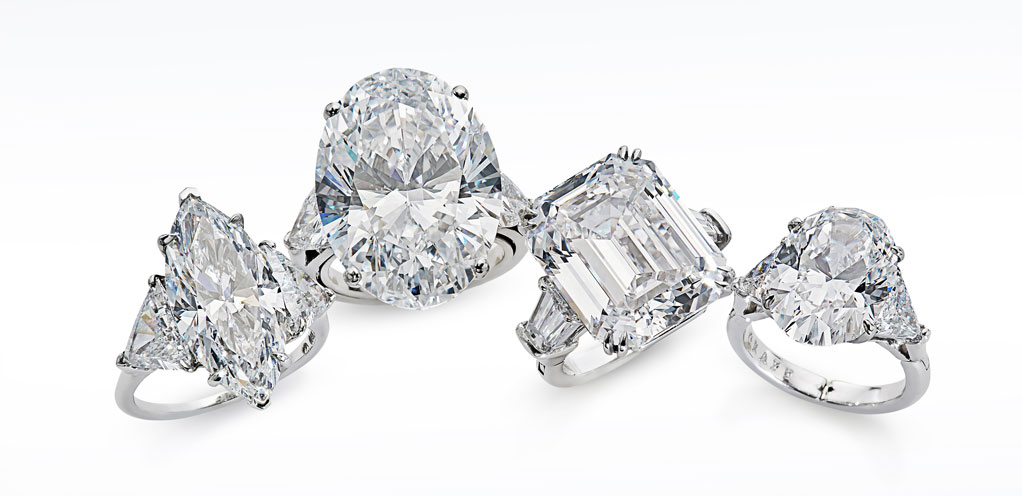
Elongated fancy shapes including oval, marquise, and pear create dramatic finger coverage that maximizes apparent size from the 1.5 carat diamond weight. These shapes can appear 10-20% larger than round stones of identical weight due to their extended length and narrower width profiles. However, potential drawbacks include bow-tie effects in poorly cut stones, where dark areas appear across the center due to inadequate light return. Length-to-width ratios significantly influence appearance, with personal preference determining optimal proportions within acceptable ranges.
Emerald and Asscher cuts represent the step-cut family, featuring parallel facets that emphasize clarity and color over brilliance and fire. These sophisticated shapes appeal to buyers seeking understated elegance rather than maximum sparkle, though they reveal inclusions and color tinting more readily than brilliant cuts. The rectangular emerald cut traditionally measures between 1.30-1.50 length-to-width ratio, while square Asscher cuts focus on perfect symmetry and precise corner cropping. Both styles require higher clarity grades to maintain attractive appearance under their transparent faceting structure.
Wearing a 1.5 Carat Diamond: Size and Presence
Finger coverage represents one of the most immediately noticeable characteristics of any 1.5 carat diamond, with round stones measuring approximately 7.4 millimeters in diameter creating substantial visual presence without appearing overwhelming on most hand sizes. The stone extends across a significant portion of the finger width, making it clearly visible from conversational distances and ensuring the ring makes a definitive statement about the wearer’s style preferences. Hand size and finger length influence the overall proportional appearance, with longer fingers accommodating the size more naturally than shorter, wider fingers.
Daily wearability becomes an important consideration given the stone’s prominence and value, as larger diamonds require more careful handling to prevent damage or loss. The 1.5 carat diamond sits higher in most settings due to its size, potentially catching on clothing, gloves, or other objects more frequently than smaller stones. Professional occupations requiring frequent hand use may find this size challenging for constant wear, though proper setting selection can minimize snag risks. Many owners reserve their larger diamonds for special occasions while wearing smaller alternatives for everyday activities.
Psychological impact plays a significant role in size selection, as the substantial presence of the stone reflects personal style preferences and relationship significance. The visual weight commands attention and conveys intentionality about the purchase, distinguishing it clearly from more modest diamond sizes that might appear less significant to observers. However, some wearers find the attention uncomfortable or worry about security in certain environments, preferring more discrete alternatives for various social or professional situations.
Setting height and profile directly influence both appearance and practicality of wearing a 1.5 carat diamond, with lower-profile mountings offering better protection and reduced catching while higher settings maximize light entry and visual impact. Cathedral and raised prong settings showcase the stone’s full diameter but increase snag risks, while bezel and semi-bezel options provide superior protection at the expense of some brilliance. The mounting choice should align with lifestyle requirements and personal comfort preferences to ensure satisfactory long-term wear experience.
Setting Recommendations
Solitaire settings offer the most classic presentation for substantial diamonds, allowing the stone to serve as the focal point without competing design elements. The clean lines complement any shape while maximizing light entry from all angles, ensuring optimal brilliance and fire from the center stone. Six-prong settings provide superior security for valuable stones compared to four-prong alternatives, though the additional metal may slightly obscure the diamond’s outline. Prong thickness should balance security with minimal visual interference, typically measuring between 1.5-2.0 millimeters in width.
Halo settings surround the center stone with smaller accent diamonds, creating increased visual size and additional sparkle that complements the main diamond’s brilliance. This style particularly benefits buyers who want maximum visual impact from their budget, as the surrounding diamonds make the center stone appear larger while adding substantial overall sparkle. However, halo designs require more maintenance due to the numerous small stones that may loosen over time, and the busy appearance may overwhelm those preferring clean, simple aesthetics.
Three-stone settings feature matching side stones that typically measure 0.25-0.50 carats each, creating balanced composition while maintaining focus on the center diamond. The traditional symbolism of past, present, and future appeals to many couples, while the additional stones provide extra sparkle and finger coverage. Side stone selection should complement rather than compete with the center diamond, typically featuring one color grade lower and similar clarity characteristics to maintain cost efficiency while preserving overall appearance quality.
Vintage and antique-inspired settings incorporate detailed metalwork, milgrain borders, and geometric patterns that create sophisticated frames for center stones. These designs appeal to buyers seeking distinctive character and historical reference in their ring design, though the elaborate details require careful maintenance to preserve their intricate appearance. The additional metal work provides excellent protection for the center stone while creating unique personality that distinguishes the ring from contemporary alternatives.
Certification: What a 1.5 Carat Diamond Certificate Should Show
Gemological laboratory certification provides essential documentation for any significant 1.5 carat diamond purchase, offering independent verification of the stone’s characteristics and quality grades. The Gemological Institute of America (GIA) and American Gem Society (AGS) represent the most respected certification sources, maintaining consistent grading standards that ensure reliable quality assessment. These certificates include detailed measurements, proportions analysis, and photographic documentation that serves as permanent identification for insurance and resale purposes. The certification process costs $200-$400 but provides invaluable protection for substantial investments.
Essential certificate information includes precise carat weight measured to the nearest 0.01 carat, comprehensive dimension measurements, and detailed proportion analysis covering table percentage, depth percentage, crown and pavilion angles. Color and clarity grades appear prominently with standardized terminology that ensures consistent interpretation across different laboratories and time periods. The certificate should also document any treatments or enhancements, though natural diamonds of this quality typically require no artificial improvements to achieve attractive appearance and performance characteristics.
Additional certificate features include fluorescence notation, which indicates the stone’s reaction to ultraviolet light exposure and can influence both appearance and value. Strong fluorescence occasionally causes haziness in daylight conditions, though moderate levels typically have minimal impact on visual performance. The plotting diagram maps internal inclusions and external characteristics, providing detailed documentation that serves as fingerprinting for identification purposes. This mapping proves particularly valuable for insurance claims and authentication throughout the stone’s ownership history.
Certificate verification through laboratory databases ensures authenticity and prevents fraud, as sophisticated counterfeiters occasionally produce fake documentation for valuable stones. Both GIA and AGS maintain online databases where certificate numbers can be verified against original laboratory records, providing immediate confirmation of authenticity. The 1.5 carat diamond certificate should match the stone’s actual characteristics exactly, with any discrepancies requiring immediate investigation to ensure purchase legitimacy and investment protection.
Comparing Nearby Carat Weights
The decision between 1.25-carat and 1.5-carat options often comes down to budget constraints versus visual impact preferences, as the size difference proves noticeable while the price gap can be substantial. A 1.25-carat round diamond measures approximately 6.9 millimeters in diameter compared to 7.4 millimeters for the larger stone, creating 0.5 millimeter additional coverage that translates to meaningful visual presence. The price difference typically ranges from $1,500-$3,000 depending on quality grades, representing significant savings for budget-conscious buyers who find the smaller size acceptable.
Moving up to 1.75-carat stones provides increased finger coverage measuring approximately 7.8 millimeters for round cuts, though the visual difference proves less dramatic than the substantial price increase suggests. The additional 0.4 millimeters in diameter costs considerably more due to exponential diamond pricing, often adding $2,000-$5,000 to total investment depending on quality specifications. Many buyers find the 1.5 carat diamond offers better value proposition, providing substantial presence without entering the premium pricing territory of larger stones that approach the psychological two-carat threshold.
Two-carat comparisons highlight the excellent value positioning of 1.5-carat stones, as the larger diamonds command significant premiums while offering relatively modest visual improvements. Round two-carat diamonds measure 8.2 millimeters in diameter, providing only 0.8 millimeters additional coverage while typically costing $5,000-$10,000 more than comparable quality 1.5-carat alternatives. This dramatic price increase reflects the rarity and desirability of two-carat stones, making them luxury purchases rather than practical upgrades for most buyers.
Strategic weight selection near the 1.5-carat mark can provide savings opportunities for flexible buyers willing to consider stones slightly below major psychological thresholds. Diamonds weighing 1.45-1.49 carats appear virtually identical to 1.50-carat stones while sometimes offering $300-$800 savings due to pricing psychology. Conversely, stones weighing 1.51-1.54 carats provide slightly more substance without dramatic price increases, making them attractive options for buyers seeking maximum value within their target carat weight range.
Where to Buy
Online diamond retailers offer extensive selection and competitive pricing for certified stones, allowing buyers to compare numerous options while accessing detailed specifications and high-resolution imagery. Reputable online vendors provide comprehensive filtering tools that help narrow choices based on budget, quality preferences, and aesthetic priorities, streamlining the selection process for busy buyers. The convenience of shopping from home, combined with generous return policies and professional customer service, makes online purchasing increasingly popular for significant diamond investments. However, buyers sacrifice the ability to view stones in person before purchase, relying entirely on certification and vendor reputation.
Traditional jewelry stores provide hands-on examination opportunities that allow buyers to assess actual appearance, sparkle, and overall appeal before making final decisions. Local jewelers often offer personalized service, custom setting options, and ongoing maintenance relationships that enhance the overall purchase experience. The ability to see how different stones perform under various lighting conditions proves particularly valuable for buyers concerned about color perception or clarity characteristics. However, local inventory limitations may restrict options, while overhead costs often result in higher pricing compared to online alternatives.
Wholesale diamond districts in major cities offer access to extensive inventories and competitive pricing for buyers willing to navigate more complex purchasing processes. These venues typically cater to trade professionals but welcome serious retail buyers seeking selection and value advantages. The concentration of multiple dealers allows efficient comparison shopping, while direct relationships with cutters and importers can provide access to unique stones unavailable through traditional retail channels. However, the wholesale environment requires more diamond knowledge and negotiation skills than typical retail experiences.
Custom jewelers specializing in engagement rings provide comprehensive services from stone selection through final setting and finishing, ensuring cohesive design and quality throughout the creation process. These professionals often maintain relationships with multiple diamond suppliers, accessing stones specifically for individual projects while providing expert guidance throughout selection. The collaborative approach allows buyers to balance various priorities while receiving professional advice about quality trade-offs and design implications. The 1.5 carat diamond selection process benefits significantly from expert guidance, as the substantial investment warrants careful consideration of all relevant factors affecting both immediate satisfaction and long-term enjoyment.
Frequently Asked Questions
What does a 1.5 carat diamond look like on a finger?
A 1.5 carat diamond creates substantial visual presence on most finger sizes, with round stones measuring approximately 7.4 millimeters in diameter covering a significant portion of the finger width. The stone appears noticeably larger than typical one-carat engagement rings while remaining elegant and proportionate for daily wear. Finger length and width influence the overall appearance, with longer fingers accommodating the size more naturally than shorter alternatives.
How much should I expect to pay for a quality stone?
Quality pricing varies dramatically based on cut, color, and clarity specifications, with excellent cut stones in G-H color and VS clarity typically ranging from $8,500 to $12,500. Premium D-F colorless grades with VVS clarity can exceed $18,000, while near-colorless options with SI clarity offer attractive alternatives starting around $5,500. Lab-grown diamonds provide identical appearance at 40-60% lower costs than natural alternatives.
Is a 1.5 carat diamond considered large for an engagement ring?
1.5 carat diamond specimens fall well above average engagement ring sizes, which typically range between 0.8 and 1.2 carats in most markets. This substantial size creates impressive visual impact while remaining practical for daily wear, making it popular among buyers seeking significant presence without entering luxury territory. The size commands attention and clearly distinguishes itself from more modest alternatives commonly seen in jewelry stores.
What’s the best cut quality to choose?
Excellent or ideal cut grades provide optimal light performance and maximum brilliance, representing the best investment for any significant diamond purchase. These superior cuts ensure proper light reflection through precise facet angles and symmetry, making stones appear more brilliant and lively than lower-grade alternatives. The 15-25% premium for excellent cutting delivers substantially superior visual impact that justifies the additional investment for most buyers.
How does shape affect the 1.5 carat diamond appearance?
Shape selection dramatically influences both visual size and overall aesthetic appeal, with elongated cuts like oval and marquise appearing 10-20% larger than round stones of identical weight. Round brilliants maximize sparkle and offer timeless appeal, while fancy shapes provide distinctive character and often better value due to lower rough diamond waste. Princess cuts deliver contemporary square appearance with excellent light performance rivaling round alternatives.
What setting works best for this carat weight?
Setting selection should balance security, aesthetics, and lifestyle requirements, with six-prong solitaires offering classic presentation and maximum light entry for optimal brilliance. Halo designs increase apparent size and overall sparkle, while three-stone settings provide additional coverage and symbolic meaning. The substantial value of the center stone warrants secure mounting that protects the investment while showcasing its beauty effectively through proper design and execution.
The 1.5 carat diamond represents an excellent balance between impressive visual presence and practical wearability, offering substantial upgrade from typical engagement ring sizes without entering the luxury pricing territory of two-carat stones. This popular weight provides meaningful finger coverage, measuring approximately 7.4 millimeters in diameter for round cuts, while maintaining elegant proportions suitable for daily wear. The extensive selection available in this carat range ensures buyers can find stones matching their specific quality preferences and budget requirements across various color, clarity, and cut combinations.
Successful 1.5 carat diamond selection requires careful consideration of the four Cs, certification requirements, and setting options that complement both the stone’s characteristics and the wearer’s lifestyle needs. The substantial investment warrants thorough research and professional guidance to ensure optimal value and long-term satisfaction with this significant purchase. Whether choosing natural or lab-grown alternatives, buyers benefit from understanding market pricing, quality trade-offs, and practical wearing considerations that influence both immediate appeal and enduring enjoyment of their diamond jewelry investment. For expert guidance and extensive certified inventory, visit the Carat Diamond homepage.