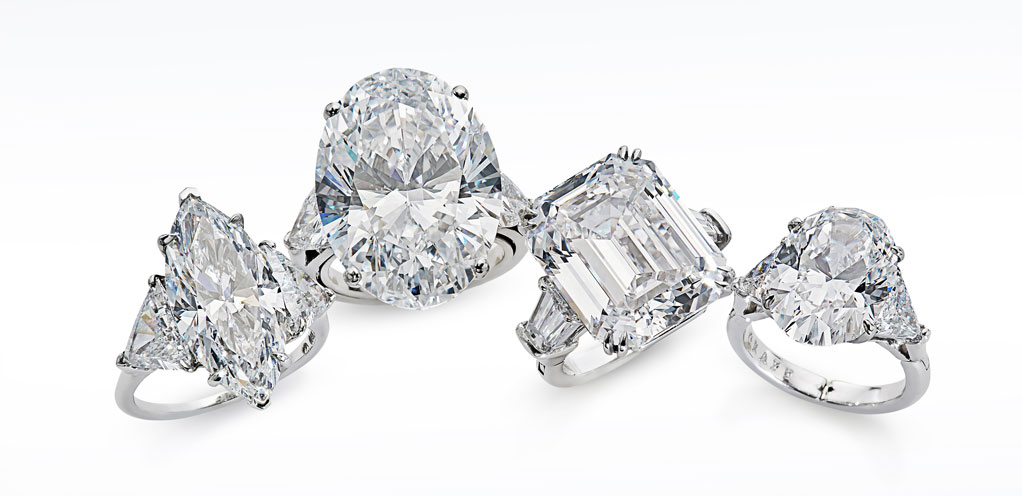
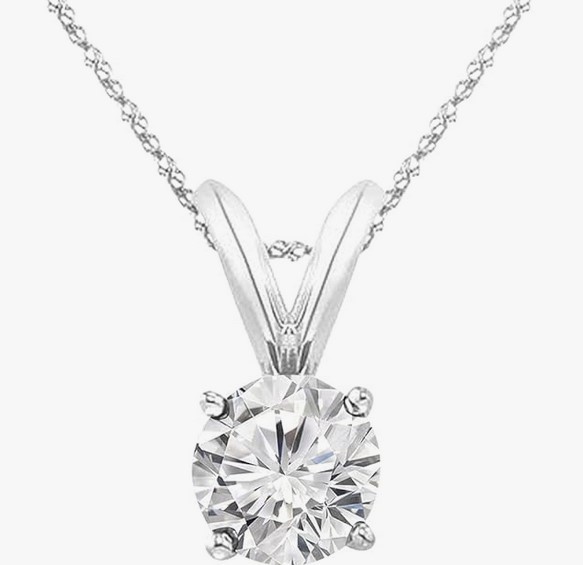
0.5-10 Carat Lab Grown Diamond Solitaire Pendant Necklace, Round Cut Solitaire, 4-Prong Setting, Jewelry for Women (E-F, VS)
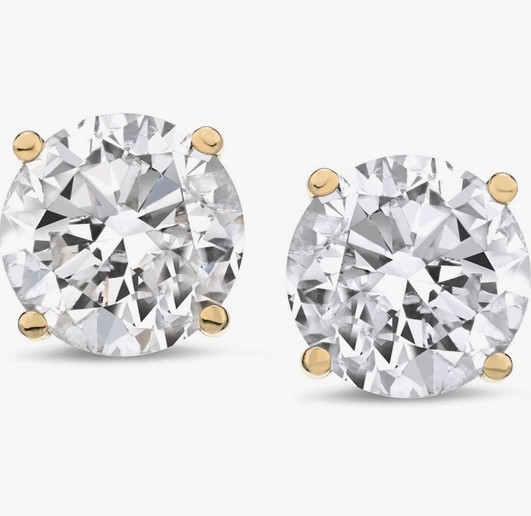
1 to 6 Carat LAB GROWN Solitaire Diamond Stud Earrings Round Cut 4 Prong Screw Back (F-G Color, VS1-VS2 Eye Clean Clarity)
A 1 carat lab grown diamond measures approximately 6.5mm in diameter for round brilliants and offers substantial visual impact that commands attention on any hand. These diamonds represent exceptional value, typically costing 50-70% less than mined diamonds while maintaining identical chemical composition, hardness, and optical properties. With prices ranging from $800 to $3,500 depending on cut, color, and clarity grades, a 1 carat lab grown diamond provides an accessible entry point into premium diamond ownership without compromising on quality or brilliance.
What Is a 1 carat lab grown diamond?
A 1 carat lab grown diamond is created through advanced technological processes that replicate the natural conditions under which diamonds form deep within the Earth’s mantle. The two primary methods are High Pressure High Temperature (HPHT) and Chemical Vapor Deposition (CVD), both producing diamonds that are chemically, physically, and optically identical to their mined counterparts. These stones possess the same crystal structure, hardness rating of 10 on the Mohs scale, and refractive index of 2.42.
The term “carat” refers specifically to weight, with one carat equaling exactly 200 milligrams or 0.2 grams. When examining a 1 carat lab grown diamond, buyers should understand that carat weight alone doesn’t determine size appearance. Cut quality, particularly depth and table percentages, significantly influences how large the stone appears when viewed from above. A well-cut stone maximizes face-up size while maintaining optimal light performance.
Lab grown diamonds undergo the same grading processes as natural diamonds, evaluated by renowned institutions like the Gemological Institute of America (GIA) and International Gemological Institute (IGI). These certifications ensure that your 1 carat lab grown diamond meets strict quality standards and provides detailed documentation of its characteristics. The grading reports specify that the diamond is laboratory-grown, maintaining complete transparency in the marketplace.
1 carat lab grown diamond Price Guide
Understanding pricing for laboratory-grown diamonds requires examining how the Four Cs impact cost. A 1 carat lab grown diamond varies significantly in price based on color grade, clarity grade, and cut quality. The following price ranges reflect current market conditions for certified stones from reputable suppliers:
- A 1 carat lab grown diamond in D-F color, VVS1-VVS2 clarity, Excellent cut: $2,800-$3,500
- G-H color, VS1-VS2 clarity, Very Good to Excellent cut: $1,800-$2,600
- A 1 carat lab grown diamond in I-J color, SI1-SI2 clarity, Good to Very Good cut: $1,200-$1,800
- K-L color, SI2-I1 clarity, Good cut: $800-$1,400
Complete engagement ring pricing including setting costs adds approximately $500-$3,000 depending on metal choice and design complexity. Popular solitaire settings in 14k white gold typically add $800-$1,200, while more elaborate halo or vintage-inspired designs can increase total costs substantially. A 1 carat lab grown diamond in a classic six-prong setting represents excellent value for couples seeking maximum diamond size within their budget.
Market trends show continued price stability in the lab grown sector, with premium grades maintaining their value while lower grades become increasingly accessible. Buyers should expect to invest at least $1,500-$2,000 for a high-quality stone with good color and clarity characteristics that will provide lasting satisfaction and visual appeal.
The Four Cs for a 1 carat lab grown diamond
Cut quality represents the most critical factor affecting a diamond’s beauty and light performance. For round brilliant diamonds, Excellent and Very Good cut grades ensure optimal sparkle and fire. A 1 carat lab grown diamond with superior cut proportions will outperform a larger stone with poor cutting, making this the most important characteristic to prioritize. Ideal cut parameters include table percentages between 54-58% and total depth between 61-62.5%.
Color grading ranges from D (colorless) through Z (light yellow or brown), with most buyers selecting grades between D and J for optimal value. Colorless grades D-F command premium pricing but offer exceptional beauty, while near-colorless grades G-I provide excellent value with minimal visible tinting. A 1 carat lab grown diamond in the G-H range offers the sweet spot between quality and affordability for most buyers.
Clarity refers to internal inclusions and external blemishes, graded from Flawless down to Included categories. VVS1 and VVS2 grades offer exceptional clarity with inclusions visible only under 10x magnification by trained gemologists. VS1 and VS2 grades provide excellent value, while SI1 stones can be eye-clean when carefully selected. For maximum value, a 1 carat lab grown diamond in VS2 or SI1 clarity often provides the best balance of quality and price.
Carat weight directly impacts both size and price, with costs increasing exponentially rather than linearly. The psychological appeal of reaching the full one-carat milestone means these stones command premium pricing compared to 0.90-0.95 carat alternatives. However, the substantial visual presence and symbolic significance make this weight category highly desirable for engagement rings and fine jewelry.
Wearing a 1 carat lab grown diamond: Size and Presence
On the finger, a round brilliant 1 carat lab grown diamond creates striking visual impact with its 6.5mm diameter spanning approximately one-quarter of the average finger width. This substantial presence ensures the stone catches light from multiple angles throughout daily wear, producing continuous sparkle and fire. The size provides excellent proportionality for most hand sizes, appearing neither overwhelming nor insignificant.
Different finger sizes affect how the same carat weight appears, with size 4-5 fingers showcasing maximum visual impact while size 7-8 fingers provide elegant proportionality. A 1 carat lab grown diamond adapts well to various hand types, offering versatility that makes it suitable for both petite and larger hands. The key lies in selecting appropriate setting styles that complement the stone’s dimensions.
Daily wearability remains excellent due to the stone’s substantial size and durability. The diamond’s hardness ensures it maintains its polish and brilliance through regular wear, while the significant carat weight provides reassuring presence during hand gestures and daily activities. Proper setting selection protects the stone while maximizing its visual appeal and light performance.
Comparing visual presence to other carat weights reveals the significant jump in apparent size from 0.75 to 1.00 carats. A 1 carat lab grown diamond appears notably larger than three-quarter carat stones while remaining more affordable than 1.25-1.50 carat alternatives. This creates an optimal balance point for buyers seeking maximum impact within reasonable budgets.
Shape Options and Trade-Offs
Round brilliant diamonds remain the most popular choice, representing approximately 75% of all diamond sales due to their exceptional light performance and classic appeal. The 58-facet cutting pattern maximizes brilliance and fire while maintaining excellent durability. A 1 carat lab grown diamond in round brilliant shape offers the largest apparent size among all diamond shapes due to optimized cutting proportions and excellent light return.
Princess cut diamonds provide contemporary square appeal with brilliant-style faceting that creates exceptional sparkle. These stones typically measure 5.5mm square for one-carat weights, appearing slightly smaller than rounds but offering unique geometric beauty. The sharp corners require protective prong placement, making four or six-prong settings essential for long-term durability and security.
Emerald and Asscher cuts showcase step-cut faceting that emphasizes clarity and creates distinctive hall-of-mirrors effects. A 1 carat lab grown diamond in emerald cut typically measures 7.0 x 5.2mm, creating an elongated appearance that flatters most finger shapes. However, step cuts reveal inclusions more readily, making VS1 or higher clarity grades recommended for optimal beauty.
Oval, pear, and marquise shapes offer elongated profiles that create the illusion of larger size while maintaining the one-carat weight. These fancy shapes require careful attention to bow-tie effects and symmetry during selection. The elongated profiles provide excellent finger coverage and unique personality that distinguishes them from traditional round diamonds.
Certification: What a 1 carat lab grown diamond Certificate Should Show
Gemological Institute of America (GIA) certification represents the gold standard for diamond grading, providing comprehensive analysis of cut, color, clarity, and carat weight. A 1 carat lab grown diamond certificate from GIA clearly identifies the stone as laboratory-grown and includes detailed plotting of inclusions, proportions measurements, and fluorescence characteristics. The report number allows online verification of authenticity and provides permanent documentation of the stone’s characteristics.
International Gemological Institute (IGI) offers another respected certification option, particularly popular for laboratory-grown diamonds. IGI reports provide similar comprehensive grading with detailed technical specifications and clarity plotting. The certification ensures buyers receive accurate representation of their diamond’s quality while maintaining international recognition for insurance and resale purposes.
Essential certificate information includes exact measurements, proportions analysis, and polish/symmetry grades that directly impact beauty and value. A 1 carat lab grown diamond certificate should specify the growth method (HPHT or CVD) and any post-growth treatments applied during manufacturing. This transparency ensures buyers understand exactly what they’re purchasing and helps maintain market confidence.
Certification costs are typically included in diamond pricing, making it essential to verify that any stone under consideration includes proper documentation. Uncertified diamonds, regardless of claimed quality, should be avoided due to the inability to verify characteristics or establish insurance valuations. The certificate serves as both quality assurance and legal documentation for ownership and insurance purposes.
Setting Recommendations
Solitaire settings remain the most popular choice for showcasing a 1 carat lab grown diamond, allowing maximum light entry while providing secure mounting. Six-prong settings offer superior security compared to four-prong alternatives, distributing stress more evenly while maintaining excellent visibility. The classic design ensures timeless appeal that won’t appear dated years after purchase.
Halo settings create the illusion of increased size by surrounding the center stone with smaller accent diamonds. This design choice can make a one-carat diamond appear equivalent to 1.25-1.50 carat stones while adding substantial sparkle. However, the additional diamonds increase total cost and complexity, requiring more maintenance to keep all stones secure and clean.
Three-stone settings symbolize past, present, and future while providing excellent security through multiple mounting points. A 1 carat lab grown diamond flanked by smaller side stones creates balanced proportions and enhanced brilliance. The design works particularly well with emerald or oval center stones, complementing their elongated profiles with proportional side stones.
Vintage-inspired settings offer intricate metalwork and period details that complement the diamond’s brilliance with artistic craftsmanship. These designs often incorporate milgrain details, filigree work, and unique prong styles that create distinctive character. The additional labor and materials typically increase costs but provide heirloom-quality pieces with exceptional personality and craftsmanship.
Comparing Nearby Carat Weights
The decision between 0.90-0.95 carat and full 1.00-carat stones often comes down to budget considerations versus psychological satisfaction. A high-quality 0.95 carat lab grown diamond costs approximately 15-20% less while appearing nearly identical in size, measuring approximately 6.3-6.4mm versus 6.5mm for full carat weights. The minimal size difference becomes imperceptible once mounted in most settings.
Upgrading to 1.25-1.50 carat weights creates noticeable size increases but substantially higher costs. The 1.25-carat option measures approximately 7.0mm in diameter, creating 20% more surface area than a 1 carat lab grown diamond while typically costing 40-60% more. Buyers should carefully consider whether the size increase justifies the additional investment based on their priorities and budget.
Half-carat diamonds appear significantly smaller despite their popularity, measuring only 5.2mm in diameter compared to the 6.5mm of full carat stones. The visual impact difference is substantial, with one-carat stones providing approximately 56% more surface area. This dramatic difference in presence often makes the upgrade to a full carat worthwhile for buyers seeking substantial visual impact.
Two-carat diamonds enter luxury territory with their 8.2mm diameter and commanding presence, but costs increase exponentially to $4,000-$12,000 range depending on quality grades. A 1 carat lab grown diamond offers the optimal balance between significant size and reasonable pricing for most buyers, providing luxury appeal without extreme costs.
Where to Buy
Reputable online retailers offer extensive selection and competitive pricing for laboratory-grown diamonds, often providing detailed photography and video of individual stones. These platforms typically offer 30-60 day return policies and comprehensive certifications from recognized laboratories. A 1 carat lab grown diamond purchased online should always include high-resolution images showing the actual stone rather than generic stock photos.
Local jewelry stores provide hands-on examination opportunities and personalized service but may have limited inventory in laboratory-grown options. The ability to compare multiple stones side-by-side and receive expert guidance can be valuable for first-time buyers. Many local jewelers can special-order specific grades and shapes while providing ongoing relationship benefits for future maintenance and upgrades.
Direct-from-manufacturer purchases sometimes offer cost savings but require careful verification of certifications and return policies. These sources often specialize in laboratory-grown diamonds exclusively, providing expertise and selection that generalist retailers cannot match. A 1 carat lab grown diamond from manufacturer sources should include the same certifications and guarantees available through traditional retail channels.
Auction houses and estate jewelry venues rarely offer laboratory-grown diamonds due to their recent market introduction, making these sources primarily relevant for natural diamond purchases. The secondary market for lab-grown stones remains limited, emphasizing the importance of purchasing from established retailers with solid reputations and customer service records.
Frequently Asked Questions
How much should I expect to pay for a 1 carat lab grown diamond?
A 1 carat lab grown diamond typically costs between $800 and $3,500 depending on cut, color, and clarity grades. Premium stones with D-F color and VVS clarity command highest prices, while I-J color stones with SI clarity provide excellent value. Most buyers find optimal quality in the $1,500-$2,500 range for stones with good color and clarity characteristics.
What size setting do I need for a one-carat diamond?
Round brilliant stones require 6.5mm diameter settings, while fancy shapes vary from 5.5mm (princess) to 7.0mm (emerald cut) depending on cutting proportions. Most standard engagement ring mountings accommodate these dimensions, but custom sizing ensures perfect fit and optimal security for your specific stone.
How does a 1 carat lab grown diamond compare to natural diamonds?
A 1 carat lab grown diamond is chemically, physically, and optically identical to natural diamonds, sharing the same hardness, brilliance, and fire characteristics. The only differences are origin and price, with laboratory-grown stones costing 50-70% less while maintaining identical beauty and durability for daily wear.
Will the diamond look different on my finger compared to photos?
It may appear slightly different due to lighting conditions and hand size variations, but reputable sellers provide accurate representations through high-quality photography. Video documentation shows how the stone performs in various lighting conditions, giving realistic expectations for daily wear appearance and light performance.
What certification should I look for when buying a 1 carat lab grown diamond?
A 1 carat lab grown diamond should include certification from GIA or IGI, both providing comprehensive grading and clear identification of laboratory origin. These reports ensure accurate quality representation and provide permanent documentation for insurance purposes. Avoid uncertified stones regardless of claimed quality grades.
How do I ensure I’m getting good value for my purchase?
Focus on cut quality first, then balance color and clarity based on your budget and preferences. Compare prices across multiple vendors, verify certifications, and examine actual stone photography rather than generic images. A well-cut stone in G-I color with VS-SI1 clarity typically provides the best combination of beauty and value.
Conclusion
A 1 carat lab grown diamond represents an exceptional opportunity to own a substantial, brilliant diamond at accessible pricing without compromising on quality or beauty. These stones offer identical characteristics to natural diamonds while providing significant cost savings that allow buyers to prioritize size, setting quality, or other important factors. The combination of advanced technology and traditional cutting expertise produces diamonds that meet the highest standards for engagement rings and fine jewelry.
Whether you’re seeking a classic solitaire engagement ring or a more elaborate setting design, a 1 carat lab grown diamond provides the perfect foundation for creating lasting memories and timeless beauty. The substantial size ensures impressive presence while maintaining versatility across various styles and preferences. For expert guidance and exceptional selection of certified laboratory-grown diamonds, visit the Carat Diamond homepage.