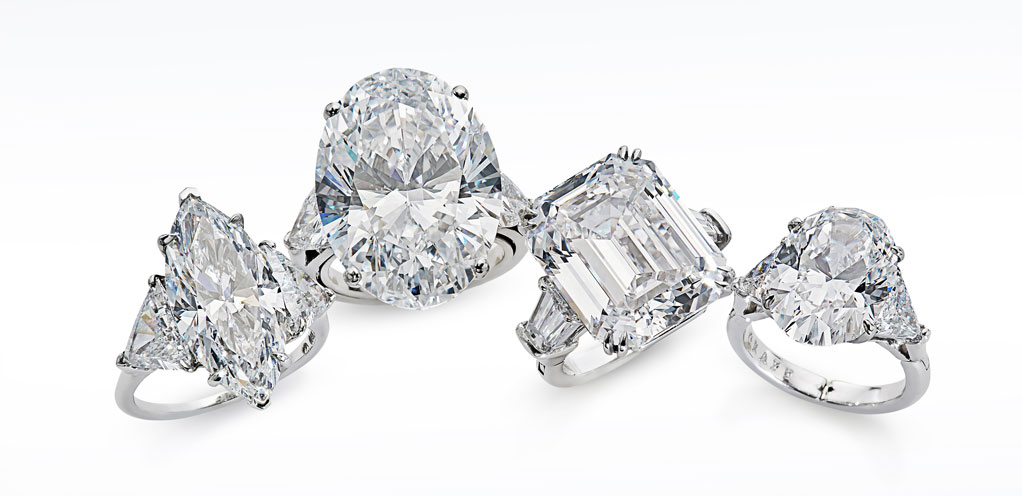
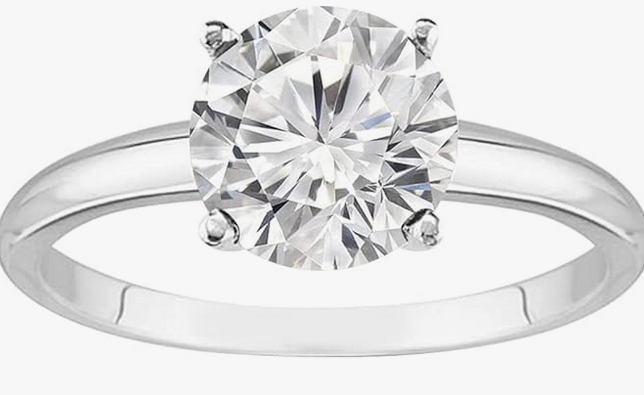
Houston Diamond District 1 to 10 Carat 14K White Gold IGI Certified Lab Grown Diamond Engagement Ring, Round Cut Solitaire, 4-Prong Setting (E–F Color VS2–SI1 Clarity)
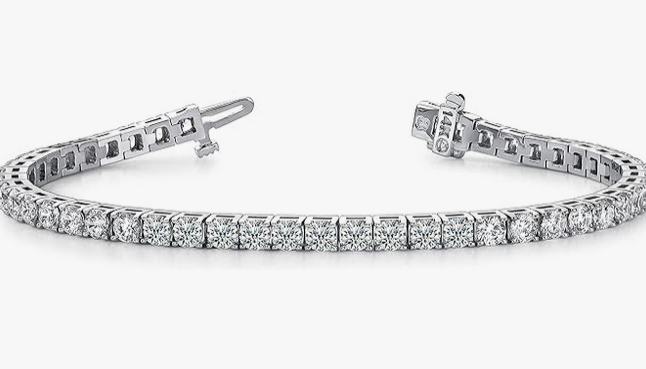
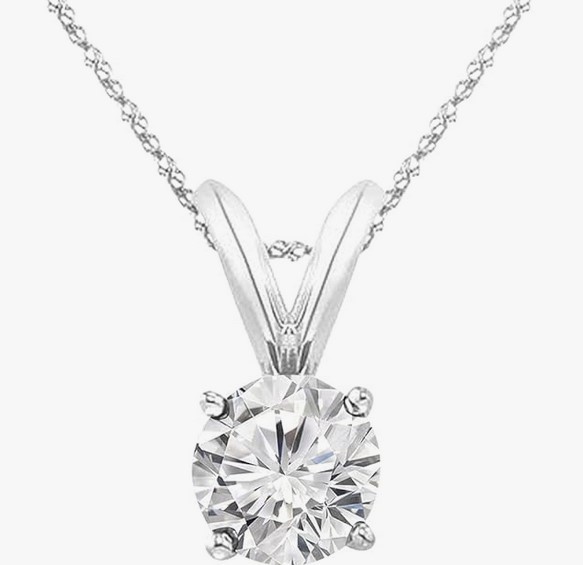
0.5-10 Carat Lab Grown Diamond Solitaire Pendant Necklace, Round Cut Solitaire, 4-Prong Setting, Jewelry for Women (E-F, VS)
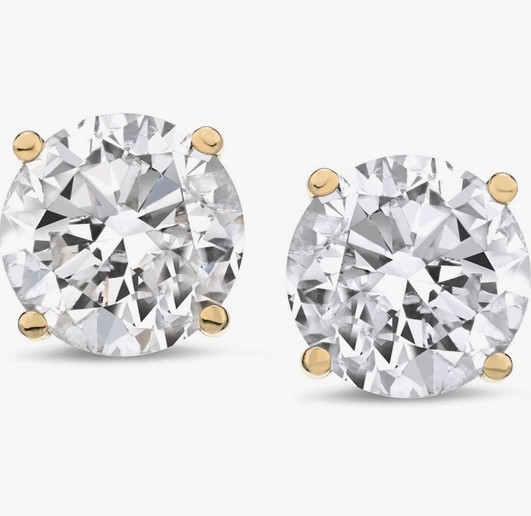
1 to 6 Carat LAB GROWN Solitaire Diamond Stud Earrings Round Cut 4 Prong Screw Back (F-G Color, VS1-VS2 Eye Clean Clarity)
A 2 carat lab grown diamond ring represents a significant milestone in diamond jewelry, measuring approximately 8.2mm in diameter for round stones and commanding attention with substantial visual presence. These laboratory-created diamonds offer identical physical properties to mined stones while typically costing 30-40% less, with complete rings ranging from $4,000 to $15,000 depending on quality grades. A 2 carat lab grown diamond ring delivers impressive finger coverage and exceptional brilliance, making it an increasingly popular choice for engagement rings and statement jewelry pieces among discerning buyers seeking both value and luxury.
What Is a 2 carat lab grown diamond ring?
A 2 carat lab grown diamond ring features a laboratory-created diamond weighing exactly 2.00 carats or 400 milligrams, produced through either High Pressure High Temperature (HPHT) or Chemical Vapor Deposition (CVD) processes. These manufacturing methods recreate the natural diamond formation environment in controlled laboratory settings, resulting in stones with identical chemical composition, crystal structure, and optical properties to earth-mined diamonds. The 2 carat lab grown diamond ring represents a sweet spot for many buyers, offering substantial size without entering the premium pricing territory of larger stones.
Laboratory diamonds undergo the same cutting and polishing processes as natural stones, with skilled craftsmen shaping rough crystals into brilliant cuts that maximize light performance. Modern lab-grown technology produces diamonds across the full spectrum of quality grades, from commercial to flawless specimens. These stones exhibit the same fire, brilliance, and scintillation patterns that make diamonds so captivating, while offering complete transparency in their origin story.
The term “lab grown” encompasses several production methods, with CVD and HPHT being the most prevalent. CVD diamonds form through carbon-rich gas deposition onto seed crystals, while HPHT diamonds crystallize under extreme pressure and temperature conditions. Both methods produce authentic diamonds that are indistinguishable from natural stones without specialized equipment, making a 2 carat lab grown diamond ring an excellent choice for buyers prioritizing both ethics and value.
Professional gemologists require advanced spectroscopic analysis to differentiate laboratory-grown from natural diamonds, as visual inspection alone cannot reveal origin differences. This technological sophistication ensures that consumers receive genuine diamond quality while supporting sustainable luxury practices. The 2 carat weight point offers optimal balance between impressive size and reasonable investment, making these rings accessible to a broader range of buyers than their natural counterparts.
2 carat lab grown diamond ring Price Guide
Pricing for lab-grown diamonds varies significantly based on the four Cs, with color and clarity grades having the most dramatic impact on cost. The following ranges reflect current market pricing for loose 2 carat lab-grown diamonds before setting costs:
- A 2 carat lab grown diamond ring with D-F color, VVS1-VVS2 clarity: $3,500-$6,500
- G-H color, VS1-VS2 clarity, Excellent cut: $2,800-$4,200
- A 2 carat lab grown diamond ring in I-J color, SI1-SI2 clarity: $2,200-$3,400
- K-L color, SI2-I1 clarity range: $1,800-$2,800
Complete ring pricing includes setting costs, which typically add $800-$3,500 depending on metal choice and design complexity. Simple solitaire settings in 14k gold start around $800, while elaborate halo designs in platinum can exceed $3,000. The following represents complete ring pricing across popular configurations:
- Premium: D-F color, VVS clarity in platinum setting: $6,500-$12,000
- A 2 carat lab grown diamond ring with G-H color, VS clarity in 14k gold: $4,500-$7,500
- Value: I-J color, SI1 clarity in simple setting: $3,500-$5,500
- Budget: K color, SI2 clarity in basic mounting: $2,800-$4,200
Market conditions influence lab-grown diamond pricing, with technological improvements and increased production capacity generally driving costs downward over time. However, premium quality grades maintain stable pricing due to consistent demand from quality-conscious buyers. A 2 carat lab grown diamond ring represents excellent value compared to natural equivalents, which typically cost 60-70% more for identical quality specifications.
Seasonal fluctuations affect pricing, with engagement season (November through February) sometimes bringing slight premiums for popular quality grades. Buyers can often find better values during off-peak periods, though inventory selection may be more limited. Custom settings require 2-4 weeks for completion, while ready-made options ship immediately, making timing considerations important for gift-giving occasions.
The Four Cs for a 2 carat lab grown diamond ring
Color grading becomes increasingly important at the 2 carat weight point, as larger stones reveal color tints more readily than smaller diamonds. The Gemological Institute of America (GIA) color scale ranges from D (colorless) to Z (light yellow), with D-F grades considered colorless and commanding premium pricing. A 2 carat lab grown diamond ring in G-H color grades offers excellent value, appearing colorless in most lighting conditions while costing significantly less than D-F stones.
Near-colorless grades (G-J) provide the sweet spot for many buyers, offering beautiful appearance at moderate prices. I-J color diamonds may show slight warmth in certain lighting but remain attractive options, particularly in yellow gold settings that complement warmer tones. K-L grades display noticeable color but can appear stunning in vintage-inspired or rose gold settings where warmth is desirable.
Clarity assessment focuses on internal inclusions and external blemishes visible under 10x magnification. VVS1-VVS2 grades contain minute inclusions requiring expert skill to locate, while VS1-VS2 grades have minor inclusions that are difficult for trained observers to find. A 2 carat lab grown diamond ring with VS1-VS2 clarity typically appears flawless to the naked eye while offering substantial savings over higher clarity grades.
SI1-SI2 clarity grades contain inclusions visible under magnification but may be eye-clean depending on inclusion type and location. At 2 carats, careful selection becomes crucial as larger table facets can make inclusions more apparent. Professional evaluation ensures that any chosen stone meets eye-clean standards, particularly important for engagement rings where beauty matters more than technical perfection.
Cut quality determines how effectively a diamond returns light to the observer, making it perhaps the most important factor for visual impact. Excellent and Very Good cut grades maximize brilliance, fire, and scintillation, while Good grades may appear slightly less vibrant. The GIA cut grade considers proportions, symmetry, and polish quality, with Excellent cuts commanding premiums justified by superior light performance.
Ideal proportions vary by shape, but round diamonds typically feature table percentages of 54-57% and depth percentages of 59-62.3% for optimal performance. Crown and pavilion angles work together to create proper light return, with slight variations producing different personality traits. A 2 carat lab grown diamond ring with Excellent cut specifications delivers maximum visual impact and represents a wise long-term investment.
Shape Options and Trade-Offs
Round brilliant cuts represent approximately 70% of diamond purchases due to their unmatched light performance and classic appeal. The 57-facet design maximizes brilliance and fire while offering the most extensive selection of quality grades and pricing options. Round diamonds at 2 carats measure approximately 8.2mm in diameter, providing substantial finger coverage and excellent proportion for most hand sizes.
Princess cut diamonds offer contemporary square aesthetics with brilliant-style faceting that creates impressive sparkle. These stones typically measure 7.3-7.5mm per side at 2 carats, appearing slightly larger than rounds due to their face-up area. A 2 carat lab grown diamond ring in princess cut delivers modern elegance at prices typically 15-20% below round equivalents, making them attractive for budget-conscious buyers seeking maximum visual impact.
Cushion cut diamonds combine vintage charm with modern cutting techniques, featuring rounded corners and larger facets that emphasize fire over brilliance. These stones vary in length-to-width ratios from square (1.00) to rectangular (1.30+), allowing customization of appearance. At 2 carats, cushion cuts typically measure 7.5-8.0mm depending on proportions, offering excellent finger coverage with distinctive character.
Oval, pear, and marquise shapes create elongated silhouettes that can make fingers appear longer and more elegant. These fancy shapes often appear larger than round diamonds of equal carat weight due to their extended profiles. However, buyers must consider potential bow-tie effects in elongated shapes, where dark areas across the center can diminish brilliance. A 2 carat lab grown diamond ring in these shapes requires careful selection to ensure optimal light performance and visual appeal throughout the stone.
Wearing a 2 carat lab grown diamond ring: Size and Presence
The visual impact of a 2 carat diamond creates substantial finger presence that commands attention without appearing ostentatious on most hand sizes. Round stones at this weight measure 8.2mm in diameter, covering significant finger real estate while maintaining elegant proportions. The size works particularly well for engagement rings, offering impressive presence that photographs beautifully and sparkles brilliantly in various lighting conditions.
Hand proportions influence how diamond size appears, with longer fingers accommodating larger stones more gracefully than shorter digits. A 2 carat lab grown diamond ring typically suits ring sizes 5-8 optimally, though personal preferences vary widely. The stone’s height above the finger depends on setting style, with low-profile mountings offering practical wear while elevated settings maximize light entry and brilliance.
Daily wearability becomes a consideration at this size, as larger diamonds require more careful handling to avoid damage or loss. Professional settings with secure prong placement or bezel protection help safeguard valuable stones during regular activities. Many owners reserve their most significant pieces for special occasions while wearing smaller diamonds for everyday activities.
The psychological impact of wearing a substantial diamond often exceeds its physical presence, creating confidence and satisfaction that justify the investment. A 2 carat lab grown diamond ring represents a significant milestone for many couples, symbolizing commitment and achievement while providing lasting beauty. The size threshold often marks the transition from “nice diamond” to “impressive diamond” in social perceptions, making it a popular aspiration for engagement rings and anniversary gifts.
Setting Recommendations
Solitaire settings remain the most popular choice for showcasing 2 carat diamonds, allowing maximum light entry while providing secure mounting. Four-prong and six-prong configurations offer different aesthetic appeals, with four prongs creating cleaner lines and six prongs providing additional security. The classic Tiffany-style setting elevates the diamond approximately 5-6mm above the band, maximizing brilliance while creating an elegant profile that works well with wedding bands.
Halo settings surround the center stone with smaller accent diamonds, creating the illusion of increased size while adding extra sparkle. This design works particularly well with 2 carat centers, as the substantial main stone prevents the halo from overwhelming the overall composition. A 2 carat lab grown diamond ring with halo setting typically adds 1-1.5mm to the perceived diameter while providing vintage-inspired elegance that appeals to many contemporary buyers.
Three-stone settings offer symbolic meaning with practical benefits, flanking the center diamond with smaller side stones that enhance overall brilliance. This configuration works exceptionally well with 2 carat centers, as the substantial main stone maintains visual dominance while side stones contribute complementary sparkle. Emerald or oval side stones can create unique silhouettes that differentiate the ring from traditional solitaires.
Metal selection impacts both aesthetics and durability, with platinum offering maximum strength and hypoallergenic properties at premium pricing. White gold provides similar appearance at lower cost, while yellow and rose gold create warmer aesthetics that complement certain diamond colors beautifully. A 2 carat lab grown diamond ring requires substantial mounting to support the stone’s weight securely, making metal choice important for both appearance and structural integrity.
Comparing Nearby Carat Weights
The jump from 1.5 to 2 carats represents a 33% increase in actual weight and approximately 15% increase in diameter for round stones. This size difference becomes clearly visible to most observers, making 2 carats a meaningful upgrade for buyers seeking maximum visual impact. Pricing increases more dramatically than size, with 2 carat stones typically costing 40-60% more than 1.5 carat equivalents due to rarity and demand factors.
Comparing 2 carat versus 2.25 or 2.5 carat options reveals diminishing returns in visual impact relative to price increases. The diameter difference between 2.00 and 2.25 carats measures only about 0.2mm, barely perceptible to casual observation. A 2 carat lab grown diamond ring often represents the optimal balance point where size impact justifies the investment without entering ultra-premium pricing territory.
Size perception depends heavily on setting style and finger proportions, with some 1.75 carat diamonds appearing as impressive as 2.00 carat stones in advantageous presentations. Buyers focused primarily on visual impact might consider high-quality 1.75 carat options that deliver similar presence at reduced cost. However, the psychological significance of reaching the 2 carat milestone often outweighs minor savings for many purchasers.
Weight distribution affects apparent size significantly in fancy shapes, where elongated proportions can make 1.75 carat ovals or pears appear larger than 2.00 carat rounds. Understanding these optical effects helps buyers make informed decisions based on their priorities. A 2 carat lab grown diamond ring in round brilliant cut provides the most predictable size expectations and broadest resale appeal, while fancy shapes offer opportunities for unique aesthetics and potential value optimization.
Certification: What a 2 carat lab grown diamond ring Certificate Should Show
Reputable gemological laboratories provide comprehensive certification documenting every aspect of diamond quality and characteristics. The Gemological Institute of America (GIA) leads industry standards, with their lab-grown diamond reports clearly identifying origin while providing identical quality assessments to natural stone certificates. A proper certificate includes precise measurements, color and clarity grades, cut quality assessment, and detailed plotting of any clarity characteristics.
Essential certificate information includes exact carat weight to the hundredth, color grade on the D-Z scale, clarity grade from Flawless to I3, and comprehensive cut grading for round diamonds. Additional technical data covers fluorescence intensity, table and depth percentages, crown and pavilion angles, and girdle thickness measurements. This documentation provides complete quality verification and serves as valuable documentation for insurance purposes.
International Gemological Institute (IGI) and Gemological Science International (GSI) also provide reliable certification services, with IGI being particularly prominent in lab-grown diamond documentation. These certificates include similar technical information while sometimes offering more detailed explanations of laboratory diamond characteristics. A 2 carat lab grown diamond ring should always include original certification from recognized laboratories to ensure authenticity and quality verification.
Certificate photography and plotting diagrams help identify specific stones and document their unique characteristics. Quality certificates include actual photographs showing the diamond’s appearance and detailed diagrams marking inclusion locations for clarity verification. This documentation becomes crucial for insurance claims and future resale purposes, making proper certification an essential component of any significant diamond purchase.
Where to Buy
Online retailers increasingly dominate lab-grown diamond sales, offering extensive selections, competitive pricing, and detailed quality information that facilitates informed decision-making. Established platforms provide high-resolution photography, video documentation, and comprehensive filtering tools that help buyers compare options efficiently. Many online sellers offer home preview services, allowing customers to examine stones before final purchase commitment.
Local jewelers provide hands-on examination opportunities and personalized service that many buyers value, particularly for significant purchases like engagement rings. Building relationships with knowledgeable professionals can provide ongoing support for maintenance, sizing, and future upgrade opportunities. A 2 carat lab grown diamond ring represents a substantial investment that benefits from expert guidance throughout the selection process.
Specialized lab-grown diamond retailers often offer the most extensive selections and competitive pricing due to their focused expertise and supplier relationships. These specialists understand the nuances of laboratory diamond production and can provide detailed information about different manufacturing methods and their characteristics. Their inventory turnover typically ensures access to recently produced stones with optimal quality characteristics.
Timing considerations affect both selection and pricing, with peak engagement seasons potentially limiting inventory availability while off-peak periods may offer better values. Custom setting work requires additional time for completion, making early planning essential for gift-giving occasions. A 2 carat lab grown diamond ring purchase benefits from thorough research and comparison shopping to ensure optimal value and satisfaction with this significant investment decision.
Frequently Asked Questions
How much should I expect to pay for a 2 carat lab grown diamond ring?
A 2 carat lab grown diamond ring typically ranges from $2,800 to $12,000 depending on quality grades and setting complexity. Premium D-F color, VVS clarity stones in platinum settings reach the upper price range, while G-H color, VS clarity diamonds in simple gold settings offer excellent value around $4,500-$7,500. The stone itself represents 60-80% of total cost, with settings adding $800-$3,500 depending on design sophistication.
Are lab grown diamonds as durable as natural diamonds?
Lab-grown diamonds possess identical hardness, crystal structure, and durability characteristics as natural stones, rating 10 on the Mohs scale. They resist scratching, chipping, and wear equally well, making them suitable for daily engagement ring wear. Professional cleaning and maintenance requirements remain the same, ensuring that your investment maintains its beauty and structural integrity over decades of wear.
How big does a 2 carat lab grown diamond ring look on the finger?
2 carat lab grown diamond rings create substantial finger presence, with round stones measuring approximately 8.2mm in diameter. This size provides impressive coverage on most hand sizes without appearing overwhelming, typically extending from knuckle to knuckle base on average fingers. The visual impact varies with setting height and style, but consistently delivers notable presence that photographs beautifully and attracts attention.
Can people tell the difference between lab grown and natural diamonds?
Visual distinction between laboratory-grown and natural diamonds requires specialized gemological equipment and training beyond casual observation capabilities. Both stone types exhibit identical optical properties, brilliance, and fire characteristics that create their distinctive beauty. Only advanced spectroscopic analysis can definitively determine origin, making the choice primarily based on personal values, budget considerations, and ethical preferences rather than appearance differences.
What certification should I look for with a 2 carat lab grown diamond ring?
2 carat lab grown diamond rings should include certification from recognized laboratories such as GIA, IGI, or GSI that clearly identify origin while documenting all quality characteristics. Proper certificates detail exact carat weight, color and clarity grades, cut quality assessment, and precise measurements with inclusion plotting. This documentation provides authentication, quality verification, and essential information for insurance coverage and potential future resale.
How do I choose the best setting for my diamond?
Setting selection depends on lifestyle, aesthetic preferences, and budget considerations, with solitaires offering classic elegance and maximum light performance. Halo designs create additional sparkle and size perception, while three-stone settings provide symbolic meaning and extra brilliance. Consider daily wear requirements, with lower profiles offering practicality while elevated settings maximize diamond visibility. A 2 carat lab grown diamond ring deserves secure mounting with quality metal that complements both the stone and wearer’s style preferences.
Conclusion
A 2 carat lab grown diamond ring represents an exceptional balance of impressive size, stunning beauty, and accessible pricing that makes luxury diamond ownership attainable for more buyers. These laboratory-created gems deliver identical optical properties and durability to natural stones while typically costing 30-40% less, allowing couples to maximize their investment in both size and quality. The substantial 8.2mm diameter of round stones creates commanding finger presence that photographs beautifully and provides lasting satisfaction.
Careful consideration of the four Cs, shape preferences, and setting options ensures optimal value and personal satisfaction with this significant purchase. Whether chosen for engagement, anniversary, or milestone celebration purposes, a 2 carat lab grown diamond ring provides enduring beauty backed by comprehensive certification and ethical sourcing. For expert guidance in selecting your perfect diamond, explore the extensive collection and educational resources available at Carat Diamond homepage.