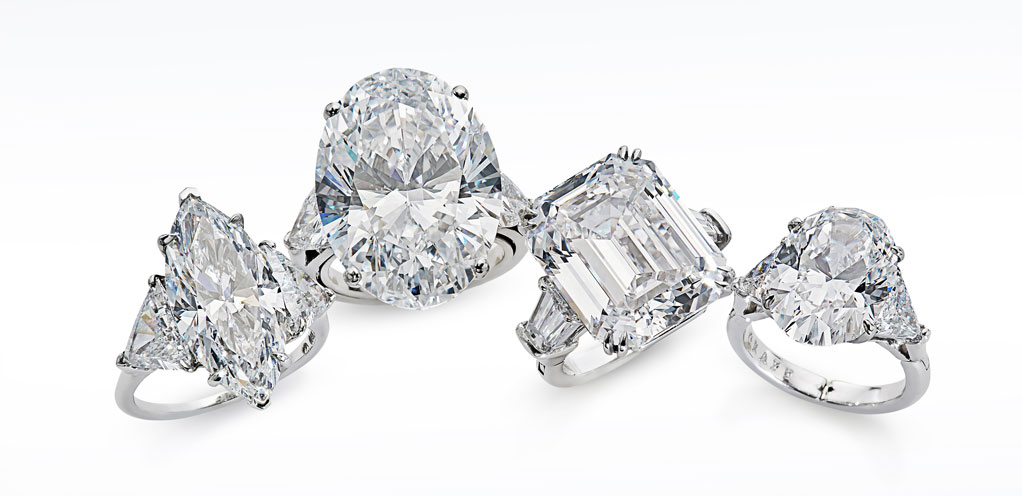
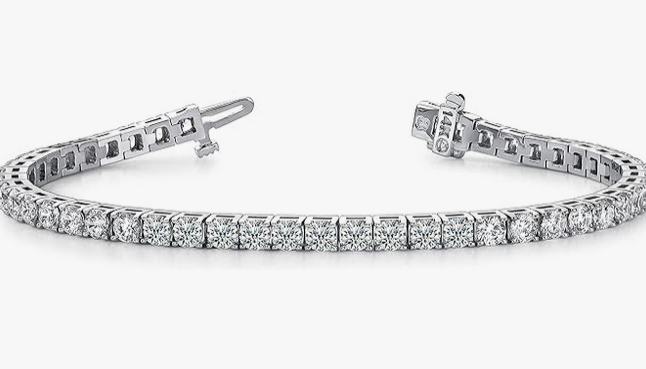
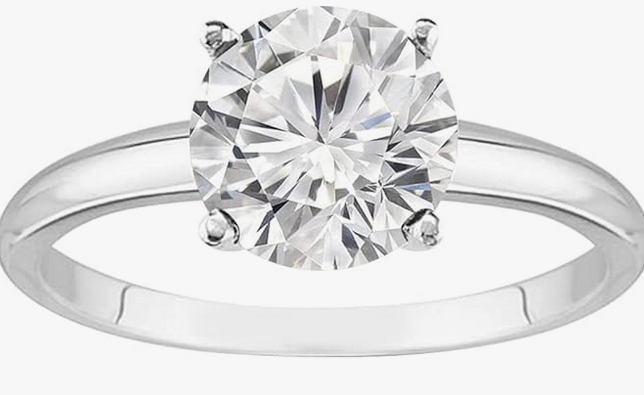
Houston Diamond District 1 to 10 Carat 14K White Gold IGI Certified Lab Grown Diamond Engagement Ring, Round Cut Solitaire, 4-Prong Setting (E–F Color VS2–SI1 Clarity)
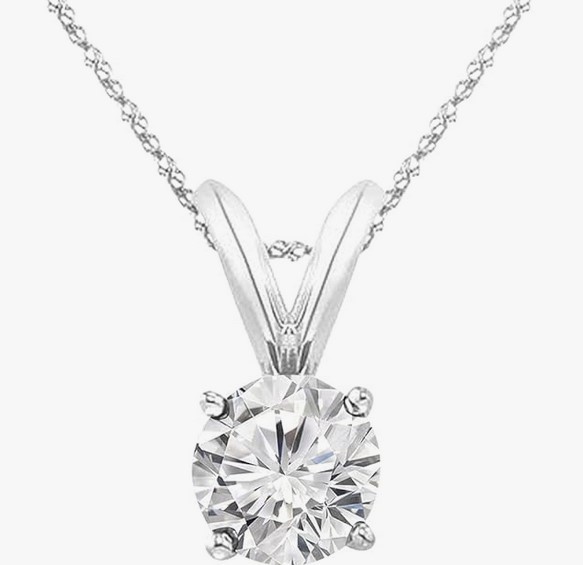
0.5-10 Carat Lab Grown Diamond Solitaire Pendant Necklace, Round Cut Solitaire, 4-Prong Setting, Jewelry for Women (E-F, VS)
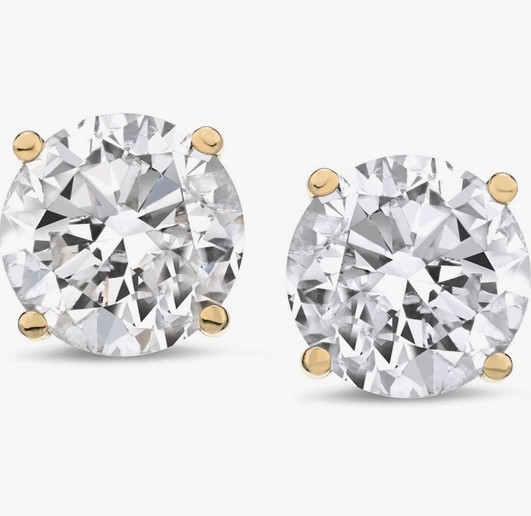
1 to 6 Carat LAB GROWN Solitaire Diamond Stud Earrings Round Cut 4 Prong Screw Back (F-G Color, VS1-VS2 Eye Clean Clarity)
A 1/2 carat diamond represents the sweet spot between size and value in the diamond market, measuring approximately 5.2mm in diameter for round brilliant cuts. This weight category offers significant visual presence on the finger while remaining accessible to many budgets, with prices typically ranging from $1,200 to $8,500 depending on quality factors. A 1/2 carat diamond provides excellent versatility across different ring settings and hand sizes, making it one of the most popular choices for engagement rings. The substantial appearance combined with reasonable pricing creates an ideal entry point into premium diamond ownership without compromising on sparkle or elegance.
What Is a 1/2 carat diamond?
A 1/2 carat diamond weighs exactly 0.50 carats or 100 milligrams, representing a significant milestone in diamond sizing that offers noticeable presence without excessive cost. The carat weight directly relates to the stone’s mass, with one carat equaling 200 milligrams or one-fifth of a gram. This particular weight sits at a crucial point in diamond pricing, where buyers gain substantial size increase over smaller stones while avoiding the premium pricing jumps that occur at full carat weights. The 1/2 carat diamond occupies a strategic position in the market, delivering impressive visual impact while maintaining reasonable affordability for most couples planning their engagement.
Physical dimensions vary by diamond shape, but a round brilliant 1/2 carat diamond typically measures 5.2mm in diameter and 3.1mm in depth when cut to ideal proportions. Princess cuts measure approximately 4.4mm x 4.4mm, while oval shapes extend to roughly 6.5mm x 4.5mm in their length and width. These measurements represent the actual visual footprint on the finger, which many buyers find more relevant than carat weight alone. Understanding these dimensions helps buyers visualize how the stone will appear in different settings and on various hand sizes, ensuring the final choice meets both aesthetic and practical expectations.
The significance of reaching the half-carat threshold extends beyond mere numbers, as this weight represents a psychological milestone that many consider the minimum for a serious engagement ring. Market research consistently shows that 1/2 carat diamond purchases account for nearly 20% of all diamond sales, reflecting strong consumer preference for this balanced option. The weight provides enough substance to showcase cut quality and fire effectively, while still allowing for flexibility in color and clarity grades within most budgets. This combination of factors makes half-carat stones particularly attractive to first-time diamond buyers who want meaningful size without stretching their finances beyond comfort.
From a technical perspective, a 1/2 carat diamond contains sufficient mass to display the optical properties that make diamonds desirable, including exceptional brilliance, fire, and scintillation when properly cut. The size allows light to interact meaningfully with the stone’s facet structure, creating the rainbow flashes and white light return that smaller diamonds may struggle to achieve as effectively. Professional gemologists often recommend this weight as the minimum for appreciating superior cut quality, as the larger table and crown surfaces provide adequate space for light performance evaluation. These optical advantages translate into a more impressive visual presentation that justifies the investment for many buyers seeking lasting beauty and satisfaction.
1/2 carat diamond Price Guide
Pricing for half-carat diamonds spans a considerable range based on the Four Cs, with entry-level stones starting around $1,200 and premium examples reaching $8,500 or higher. The dramatic price variation reflects the compound effect of quality factors, where improvements in cut, color, and clarity create exponential rather than linear cost increases. Understanding these price tiers helps buyers identify the sweet spots where they can maximize visual appeal while staying within budget constraints. Market conditions and seasonal demand also influence pricing, with engagement season typically driving costs upward during late fall and winter months.
- H–I color, SI1–SI2 clarity, Very Good cut: $1,200–$2,100
- A 1/2 carat diamond in G–H color, VS2 clarity, Excellent cut: $2,200–$3,800
- F–G color, VS1–VS2 clarity, Excellent cut: $3,200–$5,200
- A 1/2 carat diamond in D–F color, VVS1–VVS2 clarity, Excellent cut: $4,800–$8,500
- A 1/2 carat diamond with premium specifications (D color, FL clarity, Ideal cut): $7,500–$12,000
Complete ring pricing includes the mounting cost, which typically adds $800 to $4,000 depending on metal choice, setting complexity, and any accent diamonds. Simple solitaire settings in 14k white gold start around $800, while elaborate halo designs in platinum can exceed $3,500 before adding the center stone. Many jewelers offer package deals that provide modest savings when purchasing stone and setting together, though buyers should verify that individual components meet their quality standards. The total investment for a complete ring generally ranges from $2,000 to $12,000, making half-carat engagement rings accessible to a broad spectrum of budgets.
- Basic solitaire with H color, SI1 clarity stone: $2,000–$2,900
- Halo setting with G color, VS2 clarity center: $3,500–$5,200
- Three-stone design with F color, VS1 clarity main diamond: $5,800–$7,500
- Vintage-inspired setting with E color, VVS2 clarity stone: $7,200–$9,800
- Custom platinum mounting with D color, FL clarity center: $10,500–$16,000
The Four Cs for a 1/2 carat diamond
Cut quality takes paramount importance in a 1/2 carat diamond, as this weight provides sufficient size to showcase exceptional light performance when properly proportioned. Ideal and Excellent cut grades ensure maximum brilliance and fire, while Good cuts may appear noticeably duller despite similar color and clarity specifications. The larger surface area of half-carat stones makes cut deficiencies more apparent than in smaller diamonds, where poor proportions might be less obvious. Investing in superior cut quality typically provides better visual impact than upgrading color or clarity grades, making this the most critical factor for buyers seeking maximum sparkle and presence.
Color grading becomes increasingly important at the half-carat level, where tinting becomes more noticeable due to the stone’s substantial size and light-gathering ability. Most buyers find G through I color grades offer excellent value, providing near-colorless appearance while avoiding the premium pricing of D through F grades. A 1/2 carat diamond in J or K color may show slight warmth, though this can be minimized through proper setting choices such as yellow gold mountings that complement the stone’s natural hue. The larger size amplifies both positive and negative color characteristics, making careful grade selection essential for achieving the desired aesthetic outcome.
Clarity considerations for half-carat diamonds focus on finding inclusions that remain invisible to the naked eye while avoiding unnecessary premiums for microscopic perfection. VS2 and SI1 grades typically provide clean appearance in this size range, while VVS grades offer peace of mind for buyers who prioritize technical perfection. The increased surface area means that clarity characteristics have more space to hide, making lower clarity grades more viable than in larger stones where inclusions might be more prominent. Professional guidance helps identify specific stones where SI2 clarity provides excellent value, as inclusion placement and type vary significantly within each grade.
Carat weight precision matters for buyers targeting exactly 0.50 carats, as stones weighing 0.48 to 0.52 carats may all be marketed similarly despite meaningful price differences. A 1/2 carat diamond certified at precisely 0.50 carats commands premium pricing compared to stones weighing 0.47 or 0.48 carats, which may appear virtually identical but cost significantly less. Some buyers deliberately seek stones just under the half-carat threshold to maximize value, while others prioritize reaching the psychological milestone regardless of cost. Understanding these subtle weight distinctions helps buyers make informed decisions about where to allocate their budget for maximum satisfaction and value.
Wearing a 1/2 carat diamond: Size and Presence
The visual impact of a 1/2 carat diamond varies considerably based on the wearer’s hand size, finger width, and personal style preferences, though most find this weight provides substantial presence without appearing overwhelming. On average-sized hands, a round half-carat stone covers approximately one-third of the finger width, creating elegant proportion that complements rather than dominates the overall look. Smaller hands may find this size quite bold and eye-catching, while larger hands might prefer the substantial feel without excessive visual drama. The key lies in achieving balance between the diamond’s presence and the wearer’s natural proportions for long-term satisfaction.
Different diamond shapes create varying visual impressions even at identical carat weights, with elongated cuts like oval and marquise appearing larger than round stones of the same weight. A 1/2 carat diamond in oval shape can appear 15-20% larger than its round counterpart due to the extended length that covers more finger surface area. Princess and emerald cuts tend to look slightly smaller than rounds due to their square proportions and different light reflection patterns. Understanding these shape-related size illusions helps buyers select cuts that achieve their desired visual impact while staying within their carat weight budget.
Setting styles dramatically influence how large or small a half-carat diamond appears, with halo designs potentially making the stone look 50% bigger through strategic accent diamond placement. Solitaire settings showcase the center stone’s true proportions without enhancement, providing honest size representation that some buyers prefer for its classic authenticity. Cathedral and raised settings add height that can make the diamond more prominent, while bezel settings may minimize apparent size but offer superior protection for active lifestyles. The interaction between stone size and setting choice creates numerous possibilities for customizing the final appearance to match personal preferences.
Lifestyle considerations play a crucial role in determining whether a 1/2 carat diamond suits individual needs, as this size provides enough substance to withstand daily wear while remaining practical for most activities. The stone’s dimensions allow for secure setting in most mounting styles without requiring excessive bulk or height that might catch on clothing or interfere with hand movements. Professional women often find this size strikes the ideal balance between making a statement and maintaining workplace appropriateness. Active individuals appreciate that half-carat stones offer meaningful presence without the worry that accompanies larger, more valuable diamonds during sports or outdoor activities.
Shape Options and Trade-Offs
Round brilliant diamonds represent the most popular choice for half-carat stones, delivering maximum sparkle through their 57-58 facet configuration optimized over centuries of development. The circular shape provides timeless appeal that transcends fashion trends while offering the best light performance available in modern diamond cutting. However, rounds command premium pricing compared to fancy shapes of identical quality, with buyers typically paying 15-25% more for the privilege of owning the most desirable cut. The superior brilliance and classic beauty often justify this additional cost for buyers prioritizing maximum sparkle and broad appeal.
Princess cut diamonds offer contemporary square elegance with brilliant-style faceting that approaches round diamonds in light performance while providing cost savings of 20-30% at comparable quality levels. The sharp corners require protective prong placement but create a modern aesthetic that appeals to buyers seeking something distinctive yet sophisticated. A 1/2 carat diamond in princess shape typically measures 4.4mm square, providing substantial coverage with crisp geometric lines. The cut’s popularity stems from combining excellent value with impressive sparkle, though buyers must ensure proper corner protection to prevent chipping during daily wear.
Oval shapes create an elongated silhouette that maximizes visual impact while offering significant cost advantages over rounds, typically selling for 15-20% less at comparable quality grades. The elliptical form covers more finger surface area than circular stones of identical weight, making half-carat ovals appear closer to 0.6 or 0.7 carat rounds in visual impact. Some ovals may exhibit a “bow-tie” effect where light appears darker across the stone’s center, requiring careful selection to minimize this optical phenomenon. The shape’s flattering finger coverage and vintage-inspired elegance make it increasingly popular among buyers seeking classic beauty with contemporary flair.
Emerald and asscher cuts provide step-cut elegance with large, open facets that emphasize clarity and create subtle flashes of light rather than intense sparkle. These cuts typically cost 10-15% less than comparable rounds but require higher clarity grades since their large windows readily reveal inclusions. A 1/2 carat diamond in emerald shape offers sophisticated appeal for buyers who appreciate understated luxury and architectural precision over maximum brilliance. The cuts work particularly well in vintage-inspired and Art Deco settings, though buyers should prioritize VS1 or better clarity to ensure clean appearance through the stone’s transparent facet structure.
Setting Recommendations
Solitaire settings remain the most popular choice for showcasing half-carat diamonds, providing unobstructed views that allow the stone’s natural beauty to take center stage. The classic six-prong Tiffany-style mounting offers maximum light entry while providing secure stone retention, though four-prong alternatives create a more modern appearance with slightly less metal coverage. Solitaire designs work particularly well with superior cut quality diamonds where the mounting won’t compete with the stone’s inherent brilliance. The timeless appeal ensures the ring will remain fashionable decades after purchase, making solitaires ideal for traditional buyers seeking lasting elegance.
Halo settings can dramatically enhance the apparent size of a 1/2 carat diamond by surrounding it with smaller accent stones that create the illusion of a much larger center stone. Well-designed halos can make half-carat centers appear equivalent to 0.75 or even 1-carat solitaires while adding substantial sparkle from the surrounding diamonds. The setting style works across various diamond shapes and allows buyers to achieve impressive visual impact without the expense of upgrading to larger center stones. However, halos require additional maintenance due to the numerous small diamonds that may occasionally need re-securing, and the style may appear dated as fashion trends evolve.
Three-stone settings provide symbolic meaning while creating impressive finger coverage through the combination of a half-carat center with complementary side stones. Traditional designs use smaller diamonds flanking the center, while contemporary versions may employ colored gemstones for personalized meaning and visual contrast. The setting style allows for creative customization in terms of side stone selection, with options ranging from matching diamonds to birthstones or meaningful gem varieties. A 1/2 carat diamond works particularly well as the center of three-stone designs, providing sufficient size difference to establish clear hierarchy while maintaining proportional balance across the ring’s composition.
Vintage-inspired settings offer intricate metalwork and period details that complement half-carat diamonds beautifully, with Art Deco and Edwardian styles providing particularly stunning frameworks. These designs often incorporate milgrain detailing, filigree work, and geometric patterns that add visual interest without requiring additional diamonds. The elaborate metalwork can make the center stone appear larger while providing distinctive character that sets the ring apart from contemporary designs. Vintage settings work exceptionally well with step-cut diamonds like emerald and asscher shapes, though they also complement brilliant cuts when buyers desire ornate rather than minimalist aesthetics. The intricate craftsmanship typically requires skilled artisans and may command premium pricing for authentic period reproduction work.
Certification: What a 1/2 carat diamond Certificate Should Show
Professional diamond certification provides essential documentation for any 1/2 carat diamond purchase, with reports from GIA, AGS, or other respected laboratories offering independent verification of the stone’s quality characteristics. The certificate should clearly state the exact carat weight, typically listed as 0.50 carats with precision to the hundredth decimal place for accuracy. Color and clarity grades must be explicitly documented using standardized scales, while cut quality ratings provide crucial information about the stone’s light performance potential. Fluorescence levels, if present, should be noted since they can affect the diamond’s appearance under certain lighting conditions.
Detailed measurements represent critical information that allows buyers to verify the diamond’s proportions and ensure optimal cut quality for maximum brilliance and fire. A round 1/2 carat diamond should measure approximately 5.2mm in diameter with depth around 3.1mm, though slight variations within acceptable ranges remain normal. The certificate should include table percentage, crown angle, pavilion angle, and girdle thickness measurements that collectively determine cut quality. These specifications help buyers compare stones objectively and identify diamonds that offer superior light performance within their budget parameters.
The grading laboratory’s reputation directly impacts the certificate’s reliability and the diamond’s resale value, making laboratory selection an important consideration for buyers. GIA (Gemological Institute of America) certificates command the highest respect in the industry due to consistent grading standards and conservative approach to quality assessment. AGS (American Gem Society) reports provide equally reliable information with additional focus on cut quality analysis through their patented light performance evaluation. Lesser-known laboratories may grade more leniently, potentially inflating quality ratings and creating false value perceptions that could disappoint buyers expecting GIA-equivalent standards.
Security features built into modern certificates help prevent fraud and ensure authenticity through unique identification numbers, holographic seals, and online verification systems. Each 1/2 carat diamond receives a specific report number that allows buyers to confirm the certificate’s legitimacy through the issuing laboratory’s website. Some diamonds also receive laser inscription of the report number directly onto the girdle, providing permanent identification that links the stone to its documentation. These security measures protect buyers from certificate switching or other fraudulent practices while providing peace of mind about the diamond’s documented characteristics and investment value.
Comparing Nearby Carat Weights
The jump from 0.40-carat to 1/2 carat diamonds represents a significant increase in both visual impact and pricing, with the larger stones typically costing 40-60% more despite the 25% weight difference. This disproportionate pricing reflects the psychological importance of reaching the half-carat milestone and the relative scarcity of larger rough diamonds suitable for cutting. Buyers considering this upgrade gain approximately 0.4mm in diameter for round stones, which translates to noticeably more finger coverage and light-gathering ability. The size increase often justifies the cost premium for buyers who want substantial presence and don’t mind stretching their budget to achieve it.
Moving from 1/2 carat to 0.60-carat diamonds provides meaningful size improvement with more moderate price increases, typically adding 20-35% to the cost for the 20% weight gain. The visual difference amounts to roughly 0.3mm additional diameter, which may seem modest but creates surprisingly noticeable enhancement in presence and sparkle. A 1/2 carat diamond buyer who can accommodate the moderate price increase often finds excellent value in this upgrade, particularly when prioritizing maximum visual impact within reasonable budget expansion. The 0.60-carat weight avoids the premium pricing that occurs at 0.75 and 1.00-carat thresholds while delivering meaningful improvement over half-carat stones.
The contrast between half-carat and 0.75-carat diamonds illustrates how pricing accelerates at major weight thresholds, with three-quarter carat stones commanding 70-100% premiums over comparable half-carat diamonds. The 50% weight increase translates to approximately 0.6mm additional diameter, creating substantially more impressive presence that many buyers find worth the investment. However, the dramatic cost difference forces many buyers to compromise significantly on color or clarity grades to afford the larger size, potentially negating some visual advantages. Careful analysis of individual priorities helps determine whether size or quality deserves precedence when budget constraints limit available options.
Comparing 1/2 carat diamonds to full one-carat stones reveals the most dramatic pricing differential in the diamond market, with one-carat stones typically costing 2.5 to 4 times more than comparable half-carat diamonds. The doubling of weight increases diameter by only 1.4mm, from approximately 5.2mm to 6.5mm, though the visual impact improvement exceeds what the measurements suggest. Many buyers find that a superior quality 1/2 carat diamond provides better satisfaction than a lower-grade one-carat stone at similar pricing, particularly when excellent cut quality maximizes the smaller stone’s brilliance and fire. This comparison often leads to the realization that half-carat diamonds offer exceptional value for buyers who prioritize quality over size or who want to allocate budget toward superior settings and craftsmanship.
Where to Buy
Online diamond retailers offer the largest selection and most competitive pricing for 1/2 carat diamonds, with major platforms providing thousands of certified stones across all quality grades and price points. The digital marketplace allows buyers to compare options efficiently while accessing detailed photographs, videos, and technical specifications that aid in decision-making. Reputable online sellers typically offer return policies, professional guidance, and competitive pricing that can save 20-40% compared to traditional retail stores. However, buyers must rely on certificates and digital representations rather than physical inspection, making laboratory reputation and seller credibility crucial factors in the selection process.
Traditional brick-and-mortar jewelers provide hands-on examination opportunities that allow buyers to assess how different diamonds appear under various lighting conditions and settings. The personal service includes professional guidance, immediate availability, and the ability to see how a 1/2 carat diamond looks when worn on the hand. Local jewelers often provide services like sizing, maintenance, and repairs that create long-term relationships beyond the initial purchase. However, inventory limitations may restrict choices, and pricing typically reflects higher overhead costs associated with physical retail operations, potentially reducing value compared to online alternatives.
Wholesale diamond districts in major cities offer access to trade pricing and extensive selections, though buyers need sufficient knowledge to navigate these professional markets effectively. These venues provide opportunities to examine numerous half-carat diamonds side-by-side while negotiating directly with suppliers who work with retail jewelers. The wholesale environment can deliver significant savings for informed buyers, but the fast-paced, trade-oriented atmosphere may intimidate consumers unfamiliar with industry practices. Success in wholesale markets requires understanding of diamond grading, current market pricing, and negotiation skills that many retail buyers lack.
Auction houses and estate sales occasionally offer 1/2 carat diamonds with potential value opportunities, particularly for buyers interested in vintage cuts or unique characteristics not available in contemporary markets. These venues may provide access to older cutting styles or unusual color grades at competitive pricing, though buyers assume risks related to condition, certification, and authenticity. The auction environment requires quick decision-making and thorough preparation, as opportunities to examine stones may be limited before bidding begins. Estate diamonds may require re-certification or updating to meet modern standards, adding costs that should be factored into value calculations. Despite these challenges, knowledgeable buyers occasionally discover exceptional stones at below-market pricing through alternative purchasing channels.
Frequently Asked Questions
How big does a 1/2 carat diamond look on the finger?
A 1/2 carat diamond typically measures 5.2mm in diameter for round cuts, covering approximately one-third of an average finger width and creating substantial visual presence. The actual appearance varies based on hand size, finger width, and diamond shape, with elongated cuts like ovals appearing larger than rounds of identical weight. Most wearers find this size provides meaningful presence without appearing overwhelming, making it suitable for both daily wear and special occasions. The stone offers enough surface area to showcase excellent cut quality while remaining practical for active lifestyles.
What’s the average price range for half-carat diamonds?
Half-carat diamonds range from approximately $1,200 to $8,500 depending on cut, color, clarity, and shape, with most buyers spending $2,500 to $4,500 for good quality stones. Entry-level options with I-J color and SI1-SI2 clarity start around $1,200, while premium D-F color, VVS clarity stones can exceed $8,000. The wide price range reflects the significant impact that quality factors have on diamond pricing, with small improvements in grades creating substantial cost increases. Buyers should prioritize cut quality first, then balance color and clarity based on budget and personal preferences.
Is a 1/2 carat diamond big enough for an engagement ring?
1/2 carat diamonds provide substantial size that most consider appropriate for engagement rings, representing one of the most popular weight categories in the market. This size offers excellent balance between visual impact and affordability while providing sufficient presence to showcase superior cut quality effectively. Many couples choose half-carat stones as their primary option, finding the size creates meaningful symbolism without excessive cost. The weight allows for flexibility in setting choices and provides enough substance for daily wear while remaining practical for most lifestyles and budgets.
How should I prioritize the Four Cs for this size?
Cut quality deserves top priority for half-carat diamonds since superior proportions maximize brilliance and fire that this size can effectively display. Color grades from G through I typically provide excellent value with minimal visible tinting, while clarity grades of VS2 or SI1 usually appear clean to the naked eye. The larger size makes cut deficiencies more apparent than in smaller stones, making Excellent or Ideal cut grades essential for optimal beauty. Balance remaining budget between color and clarity based on personal sensitivity to these factors, with most buyers finding G-H color and VS2-SI1 clarity provide the best overall value.
What setting styles work best with 1/2 carat diamonds?
Solitaire settings showcase half-carat diamonds beautifully by allowing unobstructed light entry and focusing attention on the stone’s natural brilliance. Halo designs can make the center stone appear significantly larger while adding extra sparkle, though they require more maintenance due to numerous small accent diamonds. Three-stone settings provide symbolic meaning while creating impressive finger coverage, and vintage-inspired mountings complement the stone’s size with intricate metalwork details. The key is selecting settings that enhance rather than compete with the diamond’s inherent beauty while matching personal style preferences.
Should I buy online or from a local jeweler?
Online retailers typically offer larger selections, competitive pricing, and detailed stone information that helps in comparing options, potentially saving 20-40% compared to traditional stores. Local jewelers provide hands-on examination, personal service, and immediate availability, along with ongoing services like maintenance and repairs that create long-term value. The best choice depends on your comfort level with online purchases, desire to physically examine stones, and priorities regarding price versus service. Many successful buyers combine approaches by researching online to understand options and pricing, then working with local jewelers who can source specific stones or provide comparable alternatives.
Conclusion
A 1/2 carat diamond represents an excellent balance of size, beauty, and value that satisfies most buyers seeking meaningful diamond jewelry without excessive cost. The weight provides sufficient presence to showcase superior cut quality while remaining accessible to diverse budgets and practical for daily wear. Understanding the various factors that influence pricing, appearance, and long-term satisfaction helps buyers make informed decisions that align with their priorities and financial circumstances. The extensive options in shapes, settings, and quality grades ensure that every buyer can find a half-carat diamond solution that meets their specific needs.
Whether chosen for an engagement ring, anniversary gift, or personal indulgence, a 1/2 carat diamond offers lasting beauty and significance that justifies the investment for most buyers. The combination of substantial visual impact, reasonable pricing, and versatile styling options makes this weight category particularly appealing to first-time diamond buyers and experienced collectors alike. By prioritizing cut quality and balancing other factors based on individual preferences, buyers can secure exceptional stones that provide decades of satisfaction and pride. For expert guidance and access to premium certified diamonds, visit the Carat Diamond homepage.