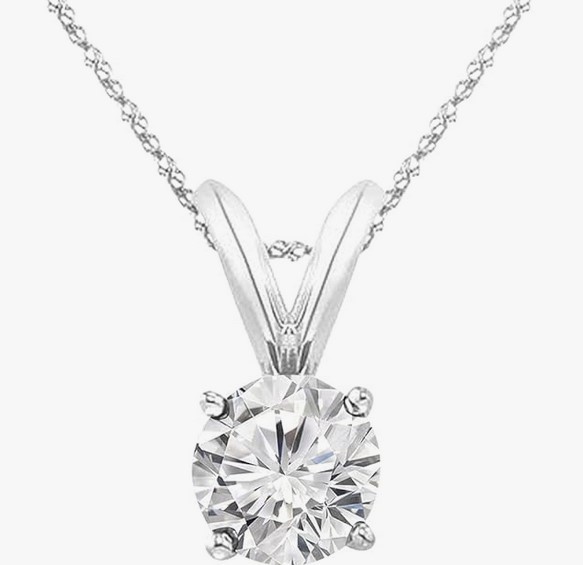
0.5-10 Carat Lab Grown Diamond Solitaire Pendant Necklace, Round Cut Solitaire, 4-Prong Setting, Jewelry for Women (E-F, VS)
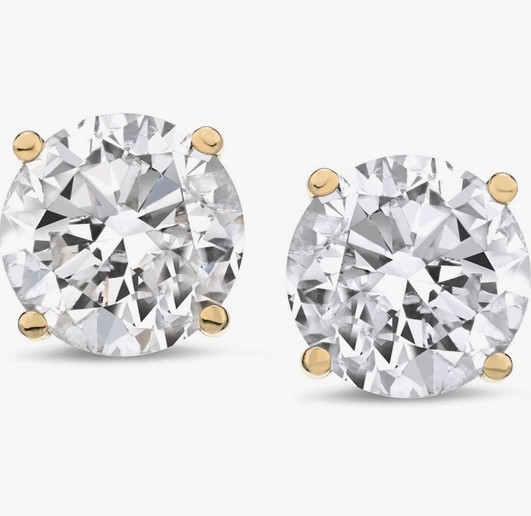
1 to 6 Carat LAB GROWN Solitaire Diamond Stud Earrings Round Cut 4 Prong Screw Back (F-G Color, VS1-VS2 Eye Clean Clarity)
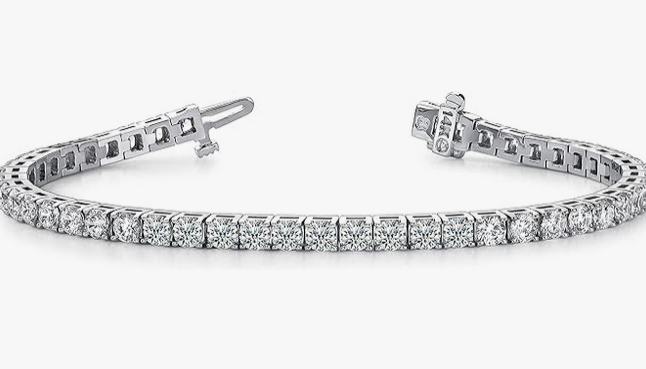
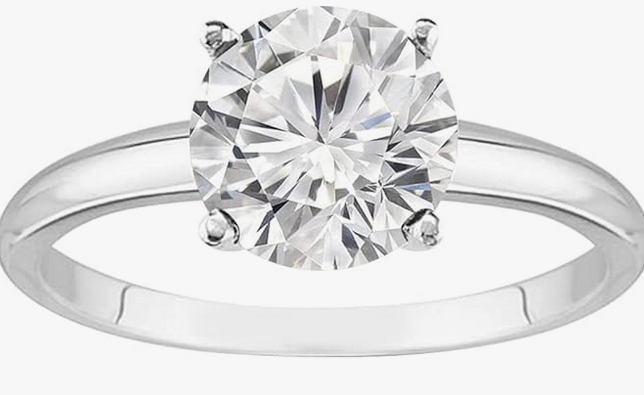
Houston Diamond District 1 to 10 Carat 14K White Gold IGI Certified Lab Grown Diamond Engagement Ring, Round Cut Solitaire, 4-Prong Setting (E–F Color VS2–SI1 Clarity)
1 Carat Lab Grown Diamond Necklace: The Complete Buyer’s Guide
A 1 carat lab grown diamond necklace is a timeless, elegant way to wear real diamond brilliance every day. Featuring a genuine one carat diamond suspended gracefully at the neckline, a 1 carat lab grown diamond necklace delivers classic sparkle and refined luxury — at a fraction of the cost of a mined equivalent. Whether it’s a solitaire pendant for everyday wear, a milestone gift, or a piece to layer and treasure, a 1 carat lab grown diamond necklace is a beautiful, versatile choice. This guide explains everything that shapes the look, quality, and value of a 1 carat lab grown diamond necklace, so you can shop with total confidence.
At Mycaratdiamond, every 1 carat lab grown diamond necklace features a real, certified diamond crafted for maximum brilliance, set in enduring precious metal.
What Is a Lab Grown Diamond?
A lab grown diamond is a genuine diamond created in a controlled laboratory environment rather than mined from the earth. It has the same chemical composition, crystal structure, and physical and optical properties as a mined diamond — the only difference is origin. That means the diamond in a 1 carat lab grown diamond necklace sparkles with the same fire and brilliance as a natural one, earns the same perfect 10 on the Mohs hardness scale, and is indistinguishable from a mined stone without specialized equipment. It’s a real diamond in every meaningful sense, simply made through advanced technology.
What Does “1 Carat” Mean for a Diamond Necklace?
In most cases, a 1 carat lab grown diamond necklace features a single one carat diamond as the pendant — a solitaire stone that becomes the graceful focal point of the piece. A round one carat diamond measures roughly 6.4 to 6.5 millimeters across, giving the pendant a clear, elegant presence at the neckline without overwhelming it. That classic, recognizable size is exactly what makes a 1 carat lab grown diamond necklace so beautifully versatile.
Why Choose a 1 Carat Lab Grown Diamond Necklace?
There are many reasons a 1 carat lab grown diamond necklace is so beloved:
- Real diamond, better value: a 1 carat lab grown diamond necklace costs a fraction of natural, with identical beauty.
- Timeless versatility: it complements any neckline and pairs with everything from casual to formal wear.
- Everyday elegance: refined enough for daily wear, special enough for any occasion.
- A conscientious choice: created in a controlled environment with clear, traceable origins.
- A perfect gift: a 1 carat lab grown diamond necklace makes an unforgettable present for any milestone.
How Big Does a 1 Carat Lab Grown Diamond Necklace Look?
The pendant diamond in a 1 carat lab grown diamond necklace is about 6.4 to 6.5 millimeters across for a round stone — a clearly visible, elegant size that catches the light beautifully as it rests at the neckline. Elongated shapes like oval, pear, or marquise can appear a little larger thanks to their length. A well-cut diamond will sparkle brilliantly with every movement, making a 1 carat lab grown diamond necklace a graceful focal point that draws the eye without ever feeling heavy or oversized.
What Determines the Price of a 1 Carat Lab Grown Diamond Necklace?
No two necklaces are identical, so the price of a 1 carat lab grown diamond necklace is never a single fixed number. Several measurable factors work together to set the final figure:
- The 4Cs — Carat weight, Color, Clarity, and Cut of the pendant diamond.
- Diamond shape — round brilliants typically cost more per carat than fancy shapes.
- Metal and setting — 14K gold, 18K gold, or platinum, plus the pendant setting and chain.
- Chain length and style — the type and length of the chain.
- Certification and craftsmanship — independent grading and the finish quality of the piece.
Because it’s lab grown, a 1 carat lab grown diamond necklace delivers all of this at a wonderfully accessible price — typically a small percentage of what a natural equivalent would cost.
The 4Cs and Your 1 Carat Lab Grown Diamond Necklace
The 4Cs are the universal language of diamond value, and they apply to lab grown diamonds exactly as they do to mined ones.
Carat weight is the headline. At one carat, the pendant diamond has classic, recognizable presence — the size that has defined fine jewelry for generations.
Color runs from colorless (D) downward. A near-colorless E-F grade keeps the diamond bright and white while keeping the price efficient — a smart sweet spot for a 1 carat lab grown diamond necklace.
Clarity measures internal characteristics. A VS-SI range delivers eye-clean diamonds — no inclusions visible to the naked eye — which protects brilliance while keeping your 1 carat lab grown diamond necklace priced efficiently.
Cut is the most important C for sparkle. Precise faceting maximizes light return, so a well-cut 1 carat lab grown diamond necklace catches the light beautifully with every movement. Always prioritize cut quality.
Chain Length, Setting, and Metal
A necklace has a few unique choices that shape how it looks and wears. The chain length determines where the pendant sits: a 16-inch chain rests high near the base of the neck, an 18-inch chain — the most popular length — sits gracefully at the collarbone, and 20 inches or longer allows the pendant to fall lower on the chest. The setting matters too: a classic prong setting lifts the diamond to catch maximum light, while a bezel setting surrounds and protects the stone for a sleek, secure look.
Metal choice completes the picture. 14K and 18K gold offer warm, classic luxury in white, yellow, or rose, while platinum delivers a premium, naturally white finish. Matching the chain metal to the pendant setting keeps your 1 carat lab grown diamond necklace looking cohesive and elegant, and a secure clasp keeps it safe through years of wear.
How Lab Grown Diamonds Are Made
Lab grown diamonds are produced using two advanced methods, both of which recreate the natural diamond-forming process far more efficiently than nature. HPHT (High Pressure High Temperature) recreates the intense heat and pressure found deep within the earth, while CVD (Chemical Vapor Deposition) grows a diamond layer by layer from a carbon-rich gas. Both yield genuine diamonds, and that production efficiency is exactly why a 1 carat lab grown diamond necklace offers such remarkable value without any compromise on quality.
How to Choose the Perfect 1 Carat Lab Grown Diamond Necklace
To secure the best value without sacrificing beauty, keep these tips in mind when choosing a 1 carat lab grown diamond necklace:
- Favor E-F color and eye-clean VS-SI clarity. This combination looks stunning and keeps your 1 carat lab grown diamond necklace priced efficiently.
- Prioritize cut quality. Excellent faceting is what makes the pendant sparkle.
- Choose your chain length. An 18-inch chain suits most necklines, but pick what flatters you best.
- Pick a setting you love. A prong setting maximizes sparkle; a bezel offers sleek protection.
- Match your metal. Coordinate the chain and setting for a cohesive look.
- Insist on certification. Independent grading confirms genuine, certified quality at a fair price.
Bottom line: a 1 carat lab grown diamond necklace brings together real diamond sparkle, timeless elegance, and outstanding value in one graceful piece. With a premium lab grown diamond in a near-colorless, eye-clean grade, set in beautifully crafted gold or platinum, you can own a genuine one carat pendant at a price that finally makes sense. Explore our collection above to find the perfect 1 carat lab grown diamond necklace for you.
A 1 carat lab grown diamond necklace measures approximately 6.5mm in diameter and represents the perfect balance between substantial presence and everyday wearability. With prices typically ranging from $2,500 to $8,000 for the complete piece, these necklaces offer remarkable value compared to natural diamond alternatives. The visual impact of the stone provides noticeable sparkle without being overwhelming, making it suitable for both professional settings and special occasions. A 1 carat lab grown diamond necklace delivers the same optical properties, hardness rating of 10 on the Mohs scale, and chemical composition as mined diamonds, while offering consumers significant savings and ethical peace of mind.
What Is a 1 carat lab grown diamond necklace?
The foundation of any 1 carat lab grown diamond necklace begins with understanding the precise specifications that define this category. One carat equals exactly 200 milligrams or 0.2 grams, establishing a standardized weight measurement that has remained consistent across the global diamond industry for over a century. Lab grown diamonds achieve this exact weight through carefully controlled manufacturing processes that replicate the extreme pressure and temperature conditions found deep within the Earth’s mantle.
Manufacturing methods for these diamonds include High Pressure High Temperature (HPHT) and Chemical Vapor Deposition (CVD) processes, both producing stones with identical crystal lattice structures to natural diamonds. The HPHT method subjects carbon sources to pressures exceeding 50,000 atmospheres and temperatures above 1,300 degrees Celsius, while CVD utilizes carbon-rich gases in a controlled chamber environment. Both techniques result in diamonds that exhibit the same refractive index of 2.42 and dispersion properties that create the characteristic fire and brilliance diamond enthusiasts expect.
Quality grading for lab grown diamonds follows the same rigorous standards established for natural stones, with leading gemological laboratories like GIA, IGI, and GCAL providing comprehensive certification. A 1 carat lab grown diamond necklace will include detailed documentation of the stone’s color grade from D through Z, clarity ratings from Flawless to I3, cut quality assessments, and fluorescence characteristics. These certificates serve as definitive proof of authenticity and quality, ensuring buyers receive precisely what they expect in terms of specifications and performance.
The setting options for these necklaces encompass traditional solitaire pendants, halo designs that amplify the central stone’s apparent size, and contemporary bezel settings that provide enhanced security. Chain lengths typically range from 16 to 20 inches, with 18-inch lengths being the most popular choice for optimal positioning. The metal selection significantly impacts both the overall aesthetic and the diamond’s color appearance, with white gold and platinum enhancing colorless stones while yellow gold can complement diamonds in the near-colorless range.
1 carat lab grown diamond necklace Price Guide
Understanding the comprehensive pricing structure for a 1 carat lab grown diamond necklace requires examining both the diamond component and the complete necklace assembly. Diamond-only pricing varies significantly based on the Four Cs, with premium combinations commanding substantially higher investment levels. Market conditions and supplier relationships also influence final pricing, making it essential to compare offerings from multiple sources before making a purchase decision.
- A 1 carat lab grown diamond necklace in D-F color, VVS1-VVS2 clarity, Excellent cut: $5,500-$8,000
- G-H color, VS1-VS2 clarity, Very Good to Excellent cut: $3,800-$5,500
- A 1 carat lab grown diamond necklace with I-J color, SI1-SI2 clarity, Good to Very Good cut: $2,500-$3,800
- K-L color, SI2-I1 clarity, Good cut grade: $1,800-$2,800
- A 1 carat lab grown diamond necklace featuring premium specifications with designer setting: $6,500-$10,000
The setting and chain components typically add $400 to $1,500 to the total investment, depending on metal choice, design complexity, and craftsmanship quality. Basic solitaire settings in 14k white gold represent the most economical option, while elaborate halo designs or premium 18k gold and platinum selections increase costs substantially. Chain quality varies from basic cable links to more sophisticated rope or box chain construction, with heavier gauge options providing enhanced durability and visual impact.
Additional factors influencing pricing include certification source, with GIA and GCAL certificates often commanding premium pricing due to their stringent grading standards. Seasonal demand fluctuations, particularly during engagement and holiday seasons, can impact availability and pricing for the most desirable specifications. Buyers should also consider that some retailers offer package pricing advantages when purchasing the diamond and setting together, potentially resulting in savings compared to sourcing components separately.
The Four Cs for a 1 carat lab grown diamond necklace
Color grading represents one of the most critical factors in determining both the appearance and value of a 1 carat lab grown diamond necklace. The GIA color scale ranges from D (completely colorless) through Z (light yellow or brown), with most premium selections falling within the D through H range. Colorless grades D, E, and F exhibit no detectable color even under professional gemological examination, while near-colorless grades G through J display slight warmth that becomes more apparent in larger stones or certain lighting conditions.
For pendant applications, the face-up appearance often allows buyers to select slightly lower color grades without compromising visual appeal, as the stone’s position against clothing or skin can mask subtle color variations. Many experts recommend G or H color grades as optimal balance points between exceptional appearance and value retention. The metal selection significantly impacts color perception, with white metals like platinum and white gold enhancing the appearance of colorless grades, while yellow gold settings can complement near-colorless stones by masking slight warmth.
Clarity assessment focuses on the absence of internal inclusions and external blemishes that might impact brilliance or structural integrity. A 1 carat lab grown diamond necklace with VVS1 or VVS2 clarity grades exhibits only minute inclusions visible under 10x magnification by experienced gemologists. VS1 and VS2 grades contain minor inclusions that remain difficult to detect under magnification, while SI1 and SI2 grades may show inclusions visible to trained observers but rarely impact the stone’s beauty or durability.
Cut quality directly determines the diamond’s light performance, affecting brightness, fire, and scintillation that create the visual appeal buyers expect. Excellent cut grades optimize light return through precise proportions, symmetry, and polish specifications that maximize the stone’s potential brilliance. The depth percentage, table percentage, and crown and pavilion angles must work in harmony to achieve optimal light reflection and refraction. For pendant applications, cut quality becomes particularly important since the stone’s movement enhances light play and visual impact during wear.
Shape Options and Trade-Offs
Round brilliant diamonds remain the most popular choice for necklace applications, representing approximately 75% of all diamond jewelry purchases due to their superior light performance and universal appeal. The 57 or 58 facet configuration of round brilliants maximizes fire and brilliance while providing excellent durability through the elimination of sharp corners that might be vulnerable to chipping. This classic shape also offers the most flexibility in setting options and tends to maintain value better than alternative shapes in the resale market.
Princess cut diamonds offer contemporary appeal with their square silhouette and exceptional brilliance, though the sharp corners require protective prong placement to prevent damage during daily wear. The modified brilliant faceting pattern creates distinctive light patterns that many buyers find more modern and striking than traditional round stones. A 1 carat lab grown diamond necklace featuring a princess cut typically appears slightly larger than equivalent round stones due to the face-up area distribution, making it an attractive option for buyers seeking maximum visual impact.
Oval, pear, and marquise shapes provide elongated silhouettes that can appear larger than their actual carat weight while offering distinctive character that sets them apart from more common round selections. These fancy shapes require careful cut quality evaluation, as poorly proportioned stones may exhibit bow-tie effects or uneven light distribution that diminishes their appeal. The length-to-width ratios significantly impact the overall appearance, with most buyers preferring ratios between 1.35:1 and 1.50:1 for oval shapes and 1.45:1 to 1.75:1 for pear shapes.
Emerald and Asscher cuts represent the step-cut family, featuring parallel facets that emphasize clarity and create distinctive hall-of-mirrors effects rather than the sparkle associated with brilliant cuts. These sophisticated shapes require higher clarity grades since the large, open facets make inclusions more visible, but they offer elegant sophistication that appeals to buyers seeking understated luxury. The geometric precision of step cuts complements contemporary and Art Deco design aesthetics while providing excellent durability through their rectangular or square configurations.
Wearing a 1 carat lab grown diamond necklace: Size and Presence
The visual impact of wearing a 1 carat lab grown diamond necklace strikes an ideal balance between noticeable elegance and professional appropriateness, making it suitable for a wide range of occasions and settings. The 6.5mm diameter of a round brilliant stone provides sufficient presence to catch light and draw attention without appearing ostentatious or inappropriate for workplace environments. This size works particularly well for individuals with medium to larger frames, though proper chain length selection ensures flattering proportions for all body types.
Chain length selection dramatically affects how the necklace sits and appears when worn, with 16-inch lengths creating choker effects that position the stone higher on the chest, while 20-inch chains allow the pendant to rest near the sternum. The 18-inch length represents the most universally flattering option, positioning the stone in the optimal zone for most necklines and body proportions. Buyers should consider their typical clothing choices, with higher necklines working better with shorter chains and lower necklines accommodating longer chain lengths more effectively.
The pendant’s movement during wear enhances the diamond’s light performance, creating dynamic sparkle that changes with body movement and ambient lighting conditions. A 1 carat lab grown diamond necklace exhibits sufficient weight to move naturally without excessive swaying, maintaining elegant positioning while allowing the stone’s facets to interact with available light sources. The bail design connecting the diamond setting to the chain should accommodate smooth movement while providing secure attachment that prevents loss during active wear.
Layering considerations become important for buyers who prefer wearing multiple necklaces simultaneously, as the substantial presence of a one-carat stone requires careful coordination with complementary pieces. Shorter chains with smaller accent diamonds or simple metal chains work well as layering companions, while avoiding competing focal points that might diminish the main stone’s impact. The versatility of this size allows it to serve as either a statement piece worn alone or as the centerpiece of a coordinated layered look, depending on the occasion and personal style preferences.
Setting Recommendations
Solitaire settings represent the classic choice for showcasing the natural beauty of the diamond without competing design elements, allowing the stone’s cut quality and brilliance to take center stage. These minimalist designs typically feature four or six prongs that secure the stone while maximizing light entry from multiple angles. The prong configuration affects both security and appearance, with six-prong settings offering enhanced protection for valuable stones while four-prong designs create a more contemporary appearance with slightly more exposed diamond surface area.
Halo settings surround the central diamond with a ring of smaller accent diamonds, creating the visual illusion of a larger center stone while adding additional sparkle and complexity to the design. A 1 carat lab grown diamond necklace with a halo setting can appear equivalent to a 1.5-carat solitaire while maintaining a more moderate price point. The accent diamonds should complement the center stone’s quality, typically featuring similar color grades and clarity levels to ensure consistent appearance across the entire setting.
Bezel settings encircle the diamond’s girdle with a thin metal rim, providing maximum protection for the stone while creating sleek, contemporary aesthetics. This setting style works particularly well for active lifestyles since the metal rim protects the diamond from impact damage and reduces the likelihood of snagging on clothing or hair. The metal choice significantly impacts the overall appearance, with white metals maintaining the diamond’s colorless appearance while yellow gold bezels can complement near-colorless stones by masking slight warmth.
Three-stone settings incorporate flanking diamonds on either side of the center stone, creating symbolic meaning while enhancing the overall brilliance and presence of the necklace. The side stones typically measure 0.25 to 0.50 carats each, maintaining proper proportion while adding significant sparkle to the overall design. Color and clarity matching across all three stones ensures consistent appearance, while cut quality coordination maximizes the combined light performance of the complete setting. These designs work particularly well for buyers seeking additional presence without moving to a larger center stone.
Certification: What a 1 carat lab grown diamond necklace Certificate Should Show
Gemological certification provides essential documentation for a 1 carat lab grown diamond necklace, establishing definitive proof of the stone’s specifications and confirming its laboratory-grown origin through advanced scientific analysis. Leading certification organizations including the Gemological Institute of America (GIA), International Gemological Institute (IGI), and Gemological Certification and Assurance Lab (GCAL) employ sophisticated equipment to analyze crystal structure, trace element composition, and growth patterns that distinguish lab grown diamonds from natural stones.
The certificate must clearly identify the diamond as laboratory grown or synthetic, using terminology that eliminates any potential confusion about the stone’s origin. Modern certificates include detailed plotting diagrams showing the location and nature of any clarity characteristics, along with proportion measurements that verify cut quality claims. Advanced certificates also feature high-resolution photography and may include light performance data that quantifies the stone’s brightness, fire, and scintillation characteristics through scientific measurement rather than subjective assessment.
Security features prevent certificate fraud and ensure authenticity, with most leading laboratories incorporating watermarks, security threads, and unique identification numbers that can be verified through online databases. A 1 carat lab grown diamond necklace certificate should include laser inscription verification, confirming that the microscopic identification number etched on the stone’s girdle matches the certificate documentation. These security measures protect buyers from purchasing misrepresented stones while providing confidence in the stated specifications.
Digital integration allows buyers to access comprehensive information about their diamond through smartphone apps and online portals that may include additional photographs, videos, and technical data not available on the printed certificate. Some certification organizations provide blockchain verification systems that create permanent, unalterable records of the stone’s specifications and ownership history. These technological enhancements offer buyers unprecedented access to information about their purchase while establishing secure provenance records that may benefit future resale or insurance purposes.
Comparing Nearby Carat Weights
The decision between 0.90-carat and 1.00-carat stones often comes down to budget considerations and personal preferences regarding milestone significance, as the visual difference remains minimal while the price gap can be substantial. A 0.90-carat diamond measures approximately 6.2mm in diameter compared to the 6.5mm of a full carat, representing a difference that most observers cannot detect without side-by-side comparison. However, the psychological appeal of reaching the one-carat milestone drives significant demand, often resulting in premium pricing that makes slightly smaller stones attractive value propositions.
Comparing a 1 carat lab grown diamond necklace to 1.25-carat alternatives reveals more noticeable visual differences, with the larger stone measuring approximately 7.0mm in diameter and providing substantially more presence and light performance. The price increase for the additional quarter-carat typically ranges from 25% to 40%, depending on the specific quality grades selected. Buyers seeking maximum impact within reasonable budgets often find 1.25-carat stones represent the optimal balance between presence and value, particularly when selecting slightly lower color or clarity grades to manage overall investment levels.
The jump to 1.50-carat stones creates a significant visual upgrade, with diameters reaching approximately 7.4mm and weight distribution that provides noticeably more substantial presence when worn. However, the price progression becomes increasingly steep, with 1.50-carat stones often costing 60% to 80% more than equivalent one-carat diamonds. This price relationship makes careful consideration of priorities essential, as buyers might achieve better overall satisfaction by investing in higher quality grades within the one-carat range rather than pursuing larger stones with compromised specifications.
Strategic buyers often consider the 0.75-carat to 0.95-carat range for optimal value, as these weights avoid the premium pricing associated with full-carat milestones while providing substantial visual appeal. A well-cut 0.90-carat diamond in premium quality grades often delivers better overall beauty and performance than a poorly cut 1.00-carat stone in lower grades, demonstrating the importance of evaluating the complete package rather than focusing solely on carat weight specifications.
Where to Buy
Online retailers dominate the lab grown diamond market, offering extensive inventory selections, competitive pricing, and detailed stone information that enables informed decision-making from the comfort of home. Reputable online vendors provide high-resolution photography, magnified videos, and comprehensive technical data that often exceeds what buyers can obtain through traditional brick-and-mortar examination. The cost savings associated with online operations typically translate to lower prices for consumers, while generous return policies and shipping insurance protect buyers during the selection process.
Established jewelry retailers with physical locations offer the advantage of hands-on examination and professional guidance from experienced staff who can help buyers navigate the selection process. The ability to see multiple stones side-by-side under various lighting conditions provides valuable perspective that online shopping cannot fully replicate. Many traditional retailers now offer hybrid approaches, combining online inventory access with in-store consultation services that maximize the benefits of both shopping methods.
Specialized lab grown diamond retailers focus exclusively on synthetic stones, often providing superior expertise and inventory depth compared to retailers who treat lab grown diamonds as secondary products. These specialists typically maintain stronger relationships with growing facilities, potentially accessing premium stones or offering better pricing through direct sourcing arrangements. A 1 carat lab grown diamond necklace purchased from specialists may include additional services such as custom setting design, extended warranties, or educational resources that enhance the overall buying experience.
Direct-to-consumer brands eliminate traditional retail markups by managing the entire supply chain from diamond growing through final jewelry assembly, potentially offering significant cost advantages for budget-conscious buyers. However, buyers should carefully evaluate the company’s reputation, return policies, and customer service capabilities before committing to purchases from newer or less established direct sellers. The savings potential can be substantial, but adequate research ensures the selected vendor can deliver both quality products and reliable service throughout the ownership experience.
Frequently Asked Questions
How much should I expect to pay for a quality 1 carat lab grown diamond necklace?
A 1 carat lab grown diamond necklace typically ranges from $2,500 to $8,000 depending on the diamond’s quality specifications and setting complexity. Premium combinations featuring D-F color, VVS clarity, and excellent cut grades command higher prices, while strategic buyers can find beautiful options in the G-H color and VS clarity range for $3,800 to $5,500. The setting metal, chain quality, and design complexity add $400 to $1,500 to the total investment, with basic solitaire settings representing the most economical option.
What size chain length works best for a 1 carat lab grown diamond necklace?
An 18-inch chain length provides the most universally flattering positioning for most body types and clothing styles, allowing the diamond to rest in the optimal zone between the collarbone and sternum. Shorter 16-inch lengths create choker effects that work well with lower necklines, while 20-inch chains position the stone lower on the chest for dramatic impact with higher necklines. Consider your typical wardrobe choices and personal preferences when selecting length, as this significantly affects the necklace’s appearance and wearability.
How does a 1 carat lab grown diamond necklace compare to natural diamond alternatives?
1 carat lab grown diamond necklaces offer identical optical properties, hardness, and chemical composition to natural diamonds while typically costing 40% to 60% less than equivalent natural stones. The visual appearance, durability, and light performance remain indistinguishable without professional gemological equipment, making lab grown options attractive for buyers seeking maximum value. Both types require identical care and maintenance, while certification from leading laboratories ensures accurate quality assessment regardless of origin.
What certification should I look for when buying this type of necklace?
Look for certification from established gemological laboratories such as GIA, IGI, or GCAL, which provide comprehensive analysis and clearly identify the stone as laboratory grown. The certificate should include detailed clarity plotting, precise measurements, and security features such as unique identification numbers that match laser inscriptions on the diamond’s girdle. Advanced certificates may include light performance data and high-resolution photography that document the stone’s beauty and technical specifications for future reference and insurance purposes.
Can I wear a 1 carat lab grown diamond necklace daily?
1 carat lab grown diamond necklaces are perfectly suited for daily wear, offering durability through the diamond’s hardness rating of 10 on the Mohs scale and substantial presence that maintains elegance across various settings. Choose secure setting styles such as bezels or well-constructed prong settings to minimize the risk of stone loss during active wear. Regular cleaning maintains optimal brilliance, while periodic professional inspection ensures the setting remains secure and the chain shows no signs of wear or weakness.
How should I care for and maintain my necklace?
It requires simple maintenance including regular cleaning with mild soap and warm water, gentle brushing with a soft toothbrush to remove accumulated oils and debris, and professional inspection every six months to verify setting security. Store the necklace separately from other jewelry to prevent scratching, and avoid exposure to harsh chemicals or extreme temperatures that might affect the metal components. Professional cleaning services can restore optimal brilliance and address any maintenance issues that arise during regular wear.
Conclusion
A 1 carat lab grown diamond necklace represents an exceptional combination of beauty, value, and versatility that appeals to modern jewelry buyers seeking substantial presence without the premium pricing associated with natural diamonds. The careful selection of quality specifications, appropriate setting styles, and proper certification ensures buyers receive exactly the performance and appearance they expect while maintaining confidence in their investment. Understanding the nuances of carat weight, color, clarity, and cut enables informed decision-making that maximizes satisfaction and long-term enjoyment of this significant purchase.
The market for these necklaces continues expanding as consumers recognize the identical properties and performance characteristics compared to natural alternatives, while appreciating the ethical sourcing and environmental benefits associated with laboratory creation. Whether selected for personal enjoyment, special occasions, or as meaningful gifts, a 1 carat lab grown diamond necklace delivers timeless elegance and enduring beauty that transcends temporary fashion trends. For comprehensive selection assistance and expert guidance, visit the Carat Diamond homepage.