A 5 carat diamond ring belongs to a category of jewelry that most people will admire only a handful of times in their lives. Rare, extraordinary, and immediately commanding, a 5 carat diamond ring is not merely a piece of fine jewelry — it is a statement of exceptional taste, significant investment, and enduring prestige. At five carats, a round brilliant diamond measures approximately 11.0–11.2mm in diameter, nearly half an inch across the finger, creating a presence that is genuinely impossible to overlook.
This comprehensive guide covers everything a serious buyer needs to know before purchasing a 5 carat diamond ring — from navigating the Four Cs at this exceptional weight, to comparing natural and lab-grown options, understanding the significant price considerations involved, selecting the right setting, and caring for a ring of this magnitude over the long term.
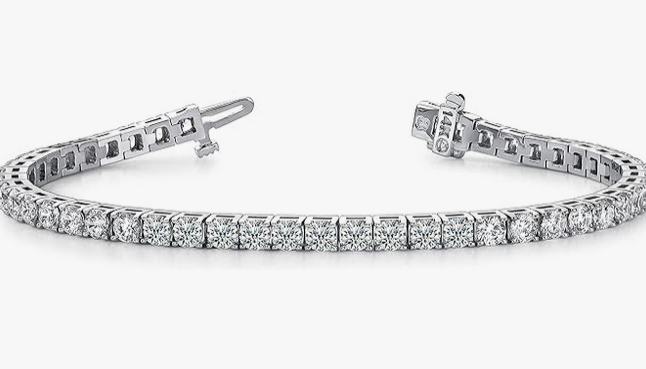
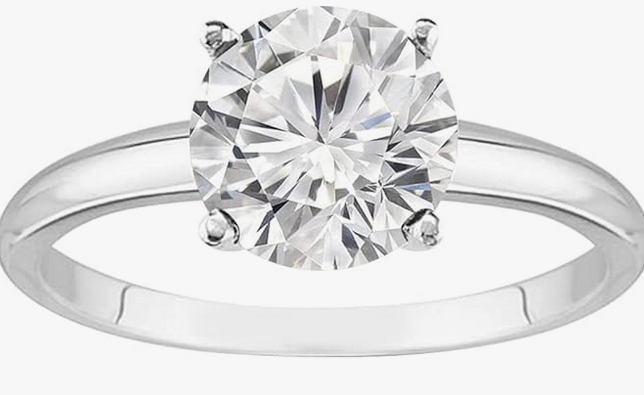
Houston Diamond District 1 to 10 Carat 14K White Gold IGI Certified Lab Grown Diamond Engagement Ring, Round Cut Solitaire, 4-Prong Setting (E–F Color VS2–SI1 Clarity)
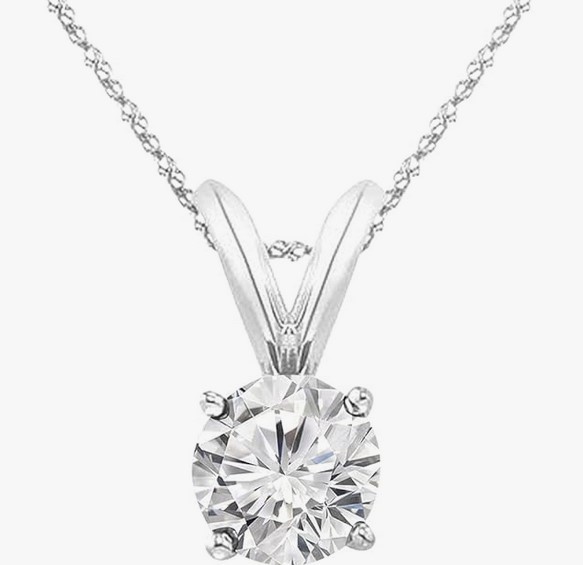
0.5-10 Carat Lab Grown Diamond Solitaire Pendant Necklace, Round Cut Solitaire, 4-Prong Setting, Jewelry for Women (E-F, VS)
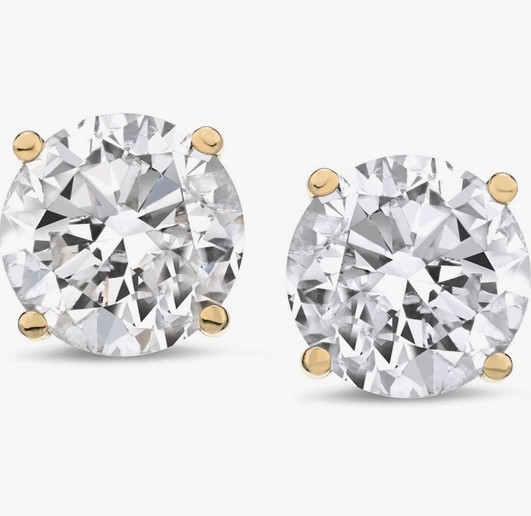
1 to 6 Carat LAB GROWN Solitaire Diamond Stud Earrings Round Cut 4 Prong Screw Back (F-G Color, VS1-VS2 Eye Clean Clarity)
What Does a 5 Carat Diamond Ring Look Like?
To appreciate what a 5 carat diamond ring means visually, consider the numbers. A round brilliant at five carats spans approximately 11.0–11.2mm — about the diameter of a standard aspirin tablet. On an average ring size (6–7), it fills the finger with breathtaking confidence, creating an immediate focal point that commands the room.
For comparison: the average engagement ring in the United States weighs approximately 1 carat. A 5 carat diamond ring is five times that size, placing it firmly in the realm of statement jewelry worn by royalty, celebrities, and serious collectors. Yet despite its considerable size, a well-cut and properly mounted five-carat ring can be worn with extraordinary elegance — size paired with refinement is what defines true luxury.
Fancy shapes create equally dramatic but distinct visual effects at this weight. An oval 5 carat diamond ring measures approximately 14.5 x 9.5mm, creating an elongated presence that stretches magnificently across the finger. An emerald cut at five carats — approximately 12.5 x 9.0mm — offers a hall-of-mirrors architectural grandeur entirely different from the explosion of sparkle in a round brilliant. Cushion, pear, and radiant cuts each bring their own distinct character at this weight.
The Four Cs at Five Carats: Everything is Amplified
At five carats, every quality decision carries greater consequence than at smaller weights. The Four Cs — cut, color, clarity, and carat — are all magnified at this size, and compromises that might be invisible in a one-carat stone become very apparent in a 5 carat diamond ring.
Cut Quality: The Foundation of Everything
For a 5 carat diamond ring, cut quality is not merely important — it is transformative. A poorly cut five-carat stone is one of the most disappointing sights in fine jewelry: enormous, expensive, and dark. A beautifully cut stone, by contrast, produces a breathtaking explosion of light that fills the surrounding space. No other investment in any of the Four Cs comes close to the impact of exceptional cut at this weight.
For a round brilliant 5 carat diamond ring, target only Excellent cut from GIA or Triple Excellent from IGI — Excellent for cut, symmetry, and polish. There is no justification for accepting Very Good cut at this price level. The price difference between Excellent and Very Good is modest relative to the total investment, while the visual difference is significant.
For fancy shapes — oval, cushion, pear, radiant, emerald, marquise — only the finest proportions are acceptable. For ovals and pears, the bowtie effect should be minimal to nonexistent. Always request high-resolution video and loupe-clean photography before purchasing any fancy shape in a 5 carat diamond ring.
Color Grade: More Critical Than Ever
At five carats, a diamond’s color is highly visible — far more so than at one or two carats. The large surface area acts almost as a filter, making any warmth readily apparent to casual observers. Color selection is therefore one of the most consequential decisions when buying a 5 carat diamond ring.
For a ring set in platinum or white gold, D through G color grades are strongly recommended. D, E, and F — the colorless tier — represent the pinnacle of color purity and ensure the stone appears absolutely white under all lighting conditions. G color is the very top of the near-colorless tier and appears colorless in isolation, making it a reasonable choice for buyers seeking value without visible compromise.
H color can sometimes work in a 5 carat diamond ring, but requires careful evaluation — at this size, even H can show slight warmth in certain lighting. I and J color grades are generally not recommended in white metal settings at five carats, as warmth becomes clearly visible. For yellow gold or rose gold settings, H through J can be appropriate, since warm metal absorbs warmth in the stone naturally.
Clarity: Eye-Clean is Non-Negotiable
At five carats, inclusions are substantially more visible than at lower weights. A clarity grade that produces an eye-clean stone at one carat may result in a visibly included stone in a 5 carat diamond ring. This makes clarity selection particularly important here.
The recommended clarity range for a 5 carat diamond ring is VVS1 through VS2. VVS1 and VVS2 stones are virtually flawless to the eye and entirely appropriate for a ring of this significance. VS1 and VS2 are excellent choices that are eye-clean in most cases, offering meaningful price savings versus VVS grades. SI1 requires very careful per-stone evaluation — some stones are eye-clean at this grade, but many are not at five carats. SI2 and below should be avoided entirely at this weight, as inclusions are frequently visible to the naked eye.
Never purchase without examining high-resolution photography, video, and ideally an independent gemologist’s opinion on the specific stone under consideration.
Natural vs. Lab-Grown 5 Carat Diamond Ring
The decision between natural and lab-grown becomes perhaps more significant for a 5 carat diamond ring than at any other weight, because the price difference at five carats is genuinely enormous.
Natural 5 Carat Diamond Ring
A natural 5 carat diamond ring features one of the rarest objects in commercial fine jewelry. Natural rough diamonds that yield polished five-carat stones represent an extraordinarily small fraction of global mining output, and this extreme rarity drives prices to investment-grade levels.
In excellent quality — D–G color, VS1–VVS2 clarity, Excellent cut, GIA certified — a natural 5 carat diamond ring typically costs between $100,000 and $500,000 or more. Exceptional stones with the finest grades command prices into the millions. Natural five-carat diamonds have historically held or appreciated in value and are actively sought by collectors, serious buyers, and auction houses worldwide. For buyers for whom rarity, provenance, and long-term investment value are paramount, the natural option represents the ultimate expression of fine jewelry.
Lab-Grown 5 Carat Diamond Ring
A lab-grown 5 carat diamond ring offers an identical stone — in every chemical, physical, and optical property — at a dramatically lower price. Produced via HPHT or CVD processes, the resulting stones are real diamonds, fully certified by GIA or IGI, and indistinguishable from natural stones without specialized equipment.
In excellent quality — D–G color, VS1–VVS2 clarity, Excellent cut, IGI certified — a lab-grown 5 carat diamond ring typically costs between $8,000 and $25,000. This represents a reduction of 85–95% compared to a natural equivalent — a difference that is genuinely transformative. For buyers whose priority is the visual magnificence and commanding presence of a five-carat stone rather than geological origin, lab-grown delivers an experience visually and physically identical to a natural stone. It is, by any objective measure, one of the most extraordinary value propositions in the contemporary luxury jewelry market.
Best Settings for a 5 Carat Diamond Ring
At five carats, the setting must complement and proportionally balance a diamond of exceptional size. Here are the most effective choices.
Solitaire Setting
The solitaire is the most powerful setting for a 5 carat diamond ring. Nothing distracts from the stone. A four or six prong solitaire in platinum or 18k white gold allows the full magnificence of the center diamond to dominate absolutely. Well-designed prongs must be substantial enough to secure a stone of this weight while remaining elegant enough not to compete with the diamond itself.
Halo Setting
A halo of smaller pavé-set diamonds amplifies overall sparkle and creates an even more impressive visual mass. At five carats, a halo is optional rather than necessary for size enhancement — the center stone is already remarkable. However, a single or double halo adds visual complexity and can make a 5 carat diamond ring appear even more magnificent from a distance.
Three-Stone Setting
A three-stone design flanks the center with substantial side stones — typically 1–2 carats each — creating a ring of truly exceptional total diamond weight. This setting is particularly popular for major milestone pieces, where the combined impact of multiple substantial diamonds exceeds even the impressive center alone. A three-stone 5 carat diamond ring is among the most dramatic pieces in all of fine jewelry.
Low-Profile Cathedral Setting
A low-profile cathedral mount positions the center stone closer to the finger and protects prongs from daily wear — a practical consideration at five carats, where the stone’s height above the finger in a standard mount can be considerable.
Metal Choices
Platinum is the ideal metal for a 5 carat diamond ring. Its exceptional strength, natural white color, and complete resistance to tarnish make it the perfect foundation for a stone of this value. Platinum prongs do not wear down the way gold prongs do, making them safer for securing a center stone worth tens or hundreds of thousands of dollars. 18k white gold is an acceptable alternative. For buyers preferring warm tones, 18k yellow gold in a heavy gauge creates a striking contrast, particularly for oval, pear, and cushion center stones.
Price Guide
Natural 5 carat diamond ring prices:
- D–F color, VVS1–VVS2, Excellent cut, GIA: $200,000–$500,000+
- D–G color, VS1–VS2, Excellent cut, GIA: $100,000–$200,000 — the recommended quality tier
- H–I color, SI1: $50,000–$100,000 with careful per-stone selection
Lab-grown 5 carat diamond ring prices:
- D–F color, VVS1–VVS2, Excellent cut, IGI: $15,000–$25,000
- D–G color, VS1–VS2, Excellent cut, IGI: $8,000–$15,000 — the optimal sweet spot
Setting costs add $1,000–$10,000+ depending on complexity, platinum weight, and accent diamond specifications.
Shape Guide at Five Carats
- Round brilliant: ~11.0–11.2mm diameter. Maximum brilliance, the most requested shape for a 5 carat diamond ring.
- Oval: ~14.5 x 9.5mm. Stretches across the finger magnificently, appears larger than an equal-weight round.
- Cushion: ~10.5 x 10.5mm. Romantic, intensely brilliant, with grand soft-edged presence.
- Emerald cut: ~12.5 x 9.0mm. Hall-of-mirrors effect is breathtaking at this size; demands finest clarity grades.
- Pear: ~16.0 x 9.5mm. The most elongating shape — extraordinary and fashion-forward.
- Marquise: ~18.0 x 9.0mm. The longest shape, with regal historical character.
- Radiant: ~10.5 x 8.5mm. Brilliant-cut sparkle in a rectangular form.
The Psychology of Owning a 5 Carat Diamond Ring
There is a dimension to owning a 5 carat diamond ring that goes beyond the purely aesthetic. Fine jewelry at this level carries psychological and emotional weight that smaller pieces simply cannot replicate. A five-carat stone is rare enough that most people — including many professional jewelers — will encounter only a handful of them in a lifetime. Wearing a ring of this significance changes how you experience and interact with the piece: it is no longer merely an accessory, it is a presence.
For many owners, the experience of wearing such a ring is deeply personal. Some describe a feeling of permanence and gravity, as if the stone anchors them to a moment or a commitment that transcends ordinary daily life. Others are drawn to the pure spectacle — the way light moves through a well-cut five-carat stone in a darkened restaurant, or the way it catches sunlight during a morning drive. These experiences are unique to stones of this size and quality.
Understanding what drives your interest in a five-carat stone helps clarify which choice is right for you. Buyers motivated by rarity and collectibility may find the natural option essential. Buyers motivated primarily by the experience of wearing something extraordinary often find that both natural and lab-grown options satisfy this motivation equally well.
Proportions and Finger Size
One practical consideration that deserves attention is the relationship between the stone’s proportions and the wearer’s finger. A round brilliant at five carats measuring 11mm will look dramatically different on a size 5 finger versus a size 8. On a slender finger, such a stone can appear enormous. On a larger hand with wider fingers, the same stone may look proportionate and elegant.
This is one reason why elongated fancy shapes are particularly popular for wearers with slender fingers who desire a five-carat stone. An oval, pear, or marquise creates a visual elongation effect that flatters the finger while spreading visual mass over a larger surface area. Before finalizing a purchase, viewing the stone mounted in a setting similar to your intended design — ideally on a hand with similar proportions to the wearer’s — is strongly advisable.
Working with the Right Jeweler
At five carats, the choice of jeweler matters enormously. This is not a purchase to make through a transaction-only retailer without expert guidance. The ideal vendor will offer an independent gemological consultation — connecting you with a GIA or IGI-certified gemologist not employed by the selling retailer — who can review the specific stone’s certificate and video before purchase.
The vendor should also offer comprehensive after-sale services: professional cleaning, prong tightening, rhodium plating for white gold settings, and resizing. They should carry appropriate liability insurance for the stone while it is in their possession during any service work. A reputable jeweler working with five-carat stones will have this coverage as a matter of course and will confirm it upon request.
Caring for a 5 Carat Diamond Ring
A 5 carat diamond ring requires attentive weekly care. Clean using warm water, mild dish soap, and a soft-bristled toothbrush. Clean beneath the stone and around prongs, rinse thoroughly, and pat dry with a lint-free cloth. Remove the ring before swimming, exercising, applying cosmetics, and before any activity involving potential impact. Store separately in a soft fabric-lined case.
Have the ring professionally inspected every six months — not annually. At five carats, the stone’s weight places considerable stress on prongs over time. Consider insuring the ring with a specialized jewelry insurance policy immediately upon purchase.
Frequently Asked Questions
How much does a 5 carat diamond ring cost?
A natural 5 carat diamond ring in excellent quality typically costs $100,000–$500,000+. A lab-grown 5 carat diamond ring of identical specifications typically costs $8,000–$25,000. The price difference at this weight is the defining financial consideration for most buyers.
How big is a 5 carat diamond ring?
A round brilliant 5 carat diamond ring features a center stone measuring approximately 11.0–11.2mm in diameter — roughly the size of a standard aspirin tablet. On an average ring size, this creates an unmistakably grand and commanding presence.
What clarity grade do I need for a 5 carat diamond ring?
VS1–VVS2 clarity is strongly recommended for a 5 carat diamond ring. At five carats, inclusions are significantly more visible than in smaller stones. SI1 requires careful per-stone evaluation and SI2 should be avoided entirely.
Is a lab-grown 5 carat diamond ring a real diamond?
Yes — absolutely. A lab-grown stone is chemically and physically identical to any mined natural diamond. A lab-grown 5 carat diamond ring is certified by GIA or IGI using the same grading standards. The only difference is geological origin.
What color grade should I choose for a 5 carat diamond ring?
For platinum or white gold settings, D–G color is recommended for a 5 carat diamond ring. At five carats, color is highly visible, and staying within the colorless to top near-colorless tier ensures the stone appears brilliant white in all lighting. For yellow gold settings, H–J can be appropriate.
Final Thoughts
A 5 carat diamond ring is among the most extraordinary objects in fine jewelry. Whether natural or lab-grown, whether set in a pure platinum solitaire or an elaborate halo — nothing quite matches the commanding presence, the explosive brilliance, and the deep personal significance of a five-carat diamond ring on the finger.
If you choose a natural stone, you are acquiring one of the rarest objects in commercial gemology. If you choose a lab-grown stone, you are accessing the same visual magnificence at a fraction of the price. Both paths lead to an extraordinary 5 carat diamond ring.
Insist on the finest cut, require GIA or IGI certification, review the stone through high-resolution video, and work with a reputable jeweler. A truly exceptional 5 carat diamond ring will be one of the most remarkable objects you ever own — worn, admired, and treasured for generations.
For more expert guidance on diamond carat weights, engagement ring styles, and the full spectrum of fine diamond jewelry, visit the Carat Diamond homepage.