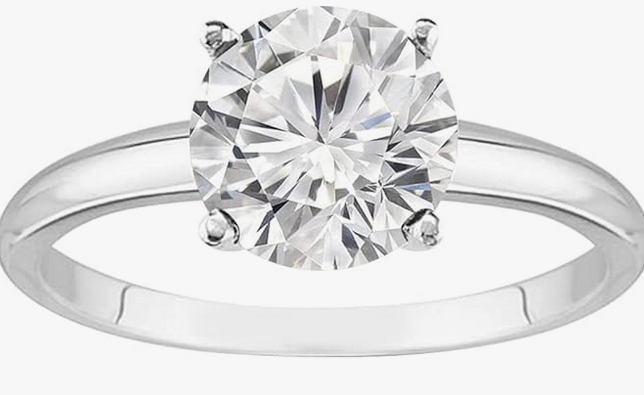
1 to 10 Carat 14K White Gold IGI Certified Lab Grown Diamond Engagement Ring, Round Cut Solitaire, 4-Prong Setting (E–F Color VS2–SI1 Clarity)
0.5-10 Carat Lab Grown Diamond Solitaire Pendant Necklace, Round Cut Solitaire, 4-Prong Setting, Jewelry for Women (E-F, VS)
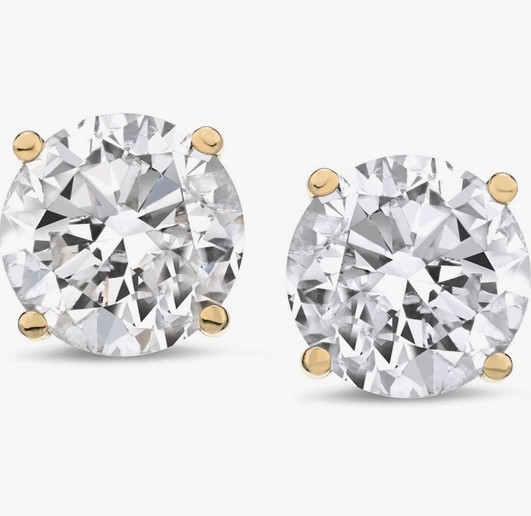
1 to 6 Carat LAB GROWN Solitaire Diamond Stud Earrings Round Cut 4 Prong Screw Back (F-G Color, VS1-VS2 Eye Clean Clarity)
A 0.5 carat diamond ring represents the sweet spot between elegance and affordability in the engagement ring market. Measuring approximately 5.2mm in diameter for a round brilliant cut, this size offers substantial visual presence without the premium pricing of larger stones. The weight translates to exceptional sparkle and fire when paired with quality cut grades, making it a popular choice for couples seeking maximum impact within reasonable budgets. A 0.5 carat diamond ring typically ranges from $1,200 to $4,500 for the stone alone, depending on the four Cs, with complete rings often falling between $2,000 and $6,500 across various settings and metal choices.
What Is a 0.5 carat diamond ring?
A 0.5 carat diamond ring features a center stone weighing exactly half a carat, or 100 milligrams. This measurement represents the diamond’s mass rather than its dimensions, though size correlates closely with carat weight in well-cut stones. The term “carat” derives from the carob seed, historically used as a standard weight for precious gems due to their remarkably consistent mass.
For round brilliant cuts, which represent approximately 75% of all engagement ring purchases, a 0.5 carat diamond ring typically measures 5.2mm in diameter. However, dimensions vary significantly across different shapes. Princess cuts measure roughly 4.4mm × 4.4mm, while oval cuts extend to approximately 6.5mm × 4.5mm, creating different visual impressions despite identical carat weights.
The popularity of this size stems from its optimal balance of presence and practicality. Unlike smaller stones that may appear insignificant, or larger diamonds that can seem ostentatious, a 0.5 carat diamond ring offers substantial sparkle while remaining appropriate for daily wear across professional and social settings.
Understanding carat weight becomes crucial when evaluating value propositions. A 0.5 carat diamond ring sits at a psychological pricing threshold where buyers achieve noticeable size without crossing into premium territory. This positioning makes it particularly attractive for first-time buyers or those prioritizing cut quality and clarity over sheer size.
0.5 carat diamond ring Price Guide
Pricing for diamonds varies dramatically based on quality characteristics, with a 0.5 carat diamond ring spanning wide price ranges depending on color, clarity, and cut grades. The following breakdown illustrates typical market prices for certified stones from reputable dealers, with prices reflecting current market conditions as of 2024.
Diamond stone prices (0.5 carat, round brilliant):
- D–F color, VVS1–VVS2, Excellent cut: $2,800–$4,500
- A 0.5 carat diamond ring with G–H color, VS1–VS2, Excellent cut: $1,800–$2,800
- I–J color, SI1–SI2, Very Good cut: $1,200–$1,800
- A 0.5 carat diamond ring featuring K–L color, SI2–I1, Good cut: $800–$1,200
Complete ring pricing (including setting and metal):
- Platinum solitaire with premium diamond (D–F, VVS): $4,000–$6,500
- A 0.5 carat diamond ring in 14K white gold, excellent quality (G–H, VS): $2,800–$4,200
- 14K yellow gold with good quality stone (I–J, SI1): $2,200–$3,200
- Simple 14K setting with budget-conscious stone (K–L, SI2): $1,600–$2,500
These price ranges reflect natural diamonds from established grading laboratories like GIA or AGS. Lab-grown alternatives typically cost 30–50% less while maintaining identical physical and optical properties. Market fluctuations, seasonal demand, and individual retailer pricing strategies can cause variations of 10–20% in either direction from these baseline figures.
The Four Cs for a 0.5 carat diamond ring
Cut quality represents the most crucial factor affecting a 0.5 carat diamond ring’s beauty and value. Excellent or Ideal cut grades maximize light return, creating the fire and brilliance that makes diamonds captivating. For this carat weight, prioritizing cut over other characteristics typically yields superior visual results compared to focusing solely on color or clarity grades.
Color grades from D through J work well in this size, with G–H offering optimal value. A 0.5 carat diamond ring in these grades appears colorless to most observers while avoiding the premium pricing of truly colorless D–F stones. Lower grades like K–L become more apparent in larger sizes, but remain acceptable options for budget-conscious buyers when set in yellow or rose gold.
Clarity considerations for half-carat stones differ from larger diamonds, as inclusions become less visible to the naked eye. VS2 through SI1 grades typically appear eye-clean, meaning no inclusions are visible without magnification. A 0.5 carat diamond ring with SI1 clarity often provides exceptional value, as trained gemologists can select stones with inclusions positioned away from the center or hidden under the setting.
The interaction between these four factors creates value opportunities for informed buyers. A 0.5 carat diamond ring with H color, VS2 clarity, and Excellent cut often appears more beautiful than a stone with D color, VVS1 clarity, and Good cut, despite the first option costing significantly less. Understanding these trade-offs enables buyers to optimize their budgets for maximum visual impact.
Shape Options and Trade-Offs
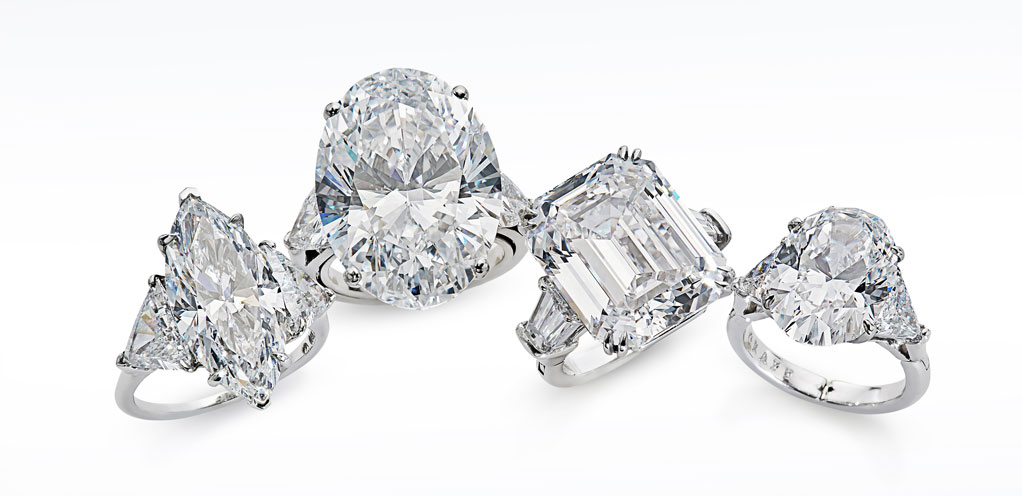
Round brilliant cuts dominate the engagement ring market due to their superior light performance and timeless appeal. For a half-carat stone, the round shape maximizes sparkle through its 57 or 58 facet arrangement, though it commands premium pricing compared to fancy shapes. The circular outline also provides the most finger coverage per carat weight.
Princess cuts offer contemporary appeal with sharp, clean lines that complement modern settings. A 0.5 carat diamond ring in princess shape typically costs 15–20% less than comparable round stones while providing similar brilliance. The square outline measures approximately 4.4mm per side, creating a different aesthetic that some find more striking than traditional rounds.
Oval, marquise, and pear shapes create length on the finger, making them appear larger than their actual carat weight. These elongated shapes can make a half-carat stone appear closer to 0.60–0.65 carats visually. However, they require careful attention to cut quality, as poorly proportioned fancy shapes can exhibit bow-tie effects or dead zones where light performance suffers.
Emerald and asscher cuts represent step-cut styles that emphasize clarity over brilliance. A 0.5 carat diamond ring in these shapes requires higher clarity grades, typically VS1 or better, as the large facets act like windows into the stone. While less sparkly than brilliant cuts, they offer sophisticated elegance and vintage appeal that many find irresistible.
Wearing a 0.5 carat diamond ring: Size and Presence
On the finger, a 0.5 carat diamond ring provides substantial presence without appearing oversized for most hand sizes. The 5.2mm diameter of a round stone covers significant finger real estate while remaining proportionate for daily wear. This size works particularly well for ring sizes 4 through 8, which encompass the majority of engagement ring recipients.
Visual impact varies considerably based on setting style and personal hand characteristics. A 0.5 carat diamond ring in a simple solitaire setting emphasizes the stone’s natural beauty, while halo settings can make the center stone appear 25–30% larger through surrounding accent diamonds. Bezel and tension settings offer modern alternatives that can enhance or minimize the stone’s apparent size.
Finger length and width significantly affect how this carat weight appears. Longer, slender fingers can accommodate the size beautifully while making it appear more delicate. Shorter or wider fingers may find that the stone provides ideal proportion and presence. A 0.5 carat diamond ring rarely appears too large or too small across different hand types.
Practical considerations include comfort during daily activities and professional appropriateness. This size rarely catches on clothing or interferes with typing, writing, or other manual tasks. The moderate height, typically 3.1–3.4mm for round stones, allows for comfortable wear under gloves and doesn’t create issues with ring guards or wedding band pairing.
Setting Recommendations
Solitaire settings remain the most popular choice for showcasing a half-carat diamond, allowing maximum light entry from all angles. Four-prong configurations provide security while minimizing metal visibility, making the stone appear larger. Six-prong settings offer additional security for active lifestyles, though they can make the diamond appear slightly smaller due to increased metal coverage.
Halo settings dramatically enhance the apparent size of a 0.5 carat diamond ring through surrounding accent stones. A typical halo adds 1.5–2mm to the overall diameter, creating visual impact similar to a 0.75 carat solitaire. However, this comes at the cost of additional complexity, higher maintenance requirements, and the potential for accent stones to become loose over time.
Three-stone designs pair beautifully with half-carat centers, using smaller side stones of 0.15–0.25 carats each. This configuration creates impressive total carat weight while maintaining focus on the center stone. The symmetry works particularly well with emerald, asscher, or princess cut centers flanked by matching or complementary shapes.
Metal selection significantly affects the overall appearance and cost. Platinum provides maximum durability and hypoallergenic properties but increases total ring cost by $400–$800 compared to gold options. A 0.5 carat diamond ring in 14K white gold offers excellent durability at moderate cost, while yellow or rose gold can complement lower color grades by masking slight tints in the stone.
Comparing Nearby Carat Weights
The decision between 0.40, 0.50, and 0.60 carat stones often comes down to budget constraints and personal preferences regarding size versus quality. A 0.40 carat diamond typically costs 20–25% less than a half-carat stone of identical quality, while measuring approximately 4.8mm in diameter. This 0.4mm difference is noticeable but not dramatic to casual observers.
Stepping up to 0.60 carats increases costs by approximately 25–35% while adding roughly 0.4mm to the diameter. A 0.5 carat diamond ring offers a middle ground that many find optimal, providing substantial savings compared to the larger size while offering meaningful size advantages over smaller stones. The psychological impact of reaching the half-carat milestone also influences many purchasing decisions.
The “magic size” phenomenon affects pricing at exactly 0.50 carats, as this represents a common benchmark for buyers. Stones weighing 0.48–0.49 carats often provide better value while appearing virtually identical on the finger. Similarly, 0.51–0.53 carat stones may cost significantly more without proportional visual benefits.
When comparing total ring budgets across different carat weights, the setting cost remains relatively constant, making the diamond price differential the primary consideration. A 0.5 carat diamond ring in a $800 setting might total $3,200, while a 0.40 carat stone in the same setting costs $2,800. The $400 difference represents good value for the size increase, assuming other quality factors remain constant.
Certification: What a 0.5 carat diamond ring Certificate Should Show
Gemological Institute of America (GIA) certification represents the gold standard for diamond grading, providing unbiased assessment of all quality characteristics. A 0.5 carat diamond ring should include a GIA report detailing precise measurements, proportions, and grades for cut, color, clarity, and carat weight. The report number allows verification through GIA’s online database.
American Gem Society (AGS) offers an alternative grading system using numerical scales (0-10) rather than traditional letter grades. AGS reports include additional cut quality analysis through their proprietary light performance assessment. For a half-carat stone, AGS Triple Zero (cut, color, clarity) represents the highest possible designation.
Essential information on any certificate includes precise measurements, girdle thickness, culet size, fluorescence, and plotting diagram showing inclusion locations. A 0.5 carat diamond ring certificate should also specify treatment history, ensuring the stone hasn’t undergone clarity enhancement, fracture filling, or other artificial modifications that could affect durability or value.
Laser inscription matching the certificate number provides additional security against stone substitution. Most reputable dealers include this service at no charge, microscopically etching the report number on the girdle. When purchasing a 0.5 carat diamond ring, verify that the inscription matches the certificate and that the certificate authenticates successfully through the grading laboratory’s website.
Where to Buy
Online retailers typically offer the best value for certified diamonds due to lower overhead costs compared to traditional jewelry stores. Reputable online dealers provide detailed photographs, videos, and return policies that allow examination before final commitment. This channel works particularly well for a 0.5 carat diamond ring purchase, as buyers can compare multiple options efficiently.
Local jewelers provide hands-on examination opportunities and face-to-face service that some buyers prefer. Building relationships with local professionals can be valuable for future maintenance, resizing, or upgrade services. However, selection may be limited, and pricing often reflects higher operating costs compared to online alternatives.
The key factors when selecting any dealer include certification authenticity, return policies, warranty coverage, and customer service reputation. A 0.5 carat diamond ring represents a significant investment that warrants careful vendor selection. Reading reviews, checking Better Business Bureau ratings, and verifying professional certifications help ensure a positive buying experience.
Timing purchases around major sales events can yield meaningful savings without compromising quality. Many retailers offer promotions during traditional engagement seasons (November through February) or summer months when demand typically decreases. However, the most important consideration remains finding the right combination of diamond quality and setting style rather than optimizing purchase timing.
Frequently Asked Questions
How big does a 0.5 carat diamond ring look on the finger?
A 0.5 carat diamond ring measures approximately 5.2mm in diameter for round cuts, providing substantial presence without appearing oversized. The size works well across most finger sizes and hand types, offering noticeable sparkle while remaining appropriate for daily wear. Visual impact can be enhanced through halo settings or minimized through bezel designs depending on personal preferences.
What’s a good price range for half-carat engagement rings?
0.5 carat diamond ring pricing typically ranges from $1,600 to $6,500 for complete rings, depending on diamond quality and setting choices. Budget-conscious options with good visual appeal often fall between $2,200 and $3,500, while premium combinations can exceed $6,000. Lab-grown alternatives provide identical beauty at 30–50% lower costs than natural diamonds.
Is a 0.5 carat diamond ring too small for an engagement ring?
0.5 carat diamond ring sizes are considered substantial and appropriate for engagement purposes by most standards. This weight represents approximately 20% of all engagement ring purchases, indicating widespread acceptance and appeal. The size provides excellent sparkle and presence while remaining practical for daily wear across various lifestyle and professional requirements.
How do I choose between color and clarity grades?
For half-carat stones, prioritizing G–H color with VS2–SI1 clarity typically provides the best value and visual appeal. The size makes slight color differences less noticeable while allowing acceptable clarity grades that appear eye-clean. Cut quality should take priority over both color and clarity, as excellent light performance dramatically enhances overall beauty regardless of other grades.
What setting styles work best with 0.5 carat centers?
It works beautifully in virtually any setting style, from classic solitaires to elaborate vintage designs. Four-prong solitaires maximize light entry and apparent size, while halos can increase visual impact by 25–30%. Three-stone settings create impressive total carat weight, and bezel settings offer modern appeal with enhanced security for active lifestyles.
Should I buy online or from a local jeweler?
Both options offer advantages depending on personal preferences and priorities. Online retailers typically provide better selection and pricing for certified stones, while local jewelers offer hands-on examination and relationship-building opportunities. The most important factors include dealer reputation, certification authenticity, return policies, and customer service quality regardless of purchase channel.
Conclusion
A 0.5 carat diamond ring represents an excellent balance of size, beauty, and value for couples seeking substantial presence without premium pricing. The half-carat threshold provides meaningful visual impact while remaining accessible to most budgets, particularly when buyers prioritize cut quality and make informed decisions about color and clarity grades. Understanding the interplay between the four Cs, setting options, and certification requirements enables confident purchasing decisions.
Whether choosing a classic solitaire or contemporary halo design, a 0.5 carat diamond ring offers timeless appeal that will remain beautiful for generations. The size accommodates various hand types and lifestyle requirements while providing enough sparkle to capture attention in any setting. For detailed guidance on selecting the perfect diamond and setting combination, visit the Carat Diamond homepage for expert assistance and comprehensive selection options.