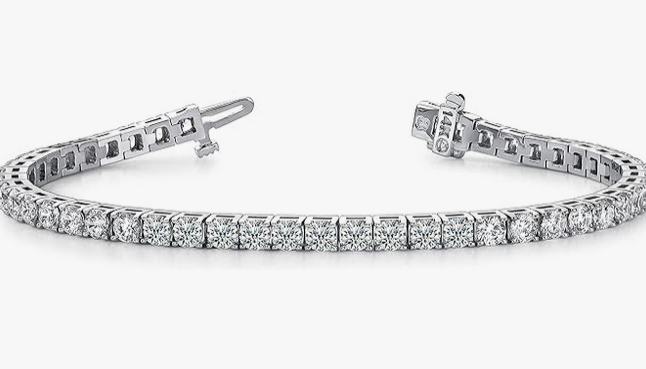
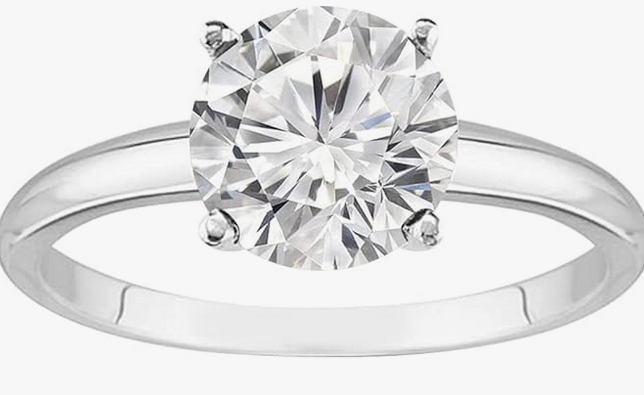
Houston Diamond District 1 to 10 Carat 14K White Gold IGI Certified Lab Grown Diamond Engagement Ring, Round Cut Solitaire, 4-Prong Setting (E–F Color VS2–SI1 Clarity)
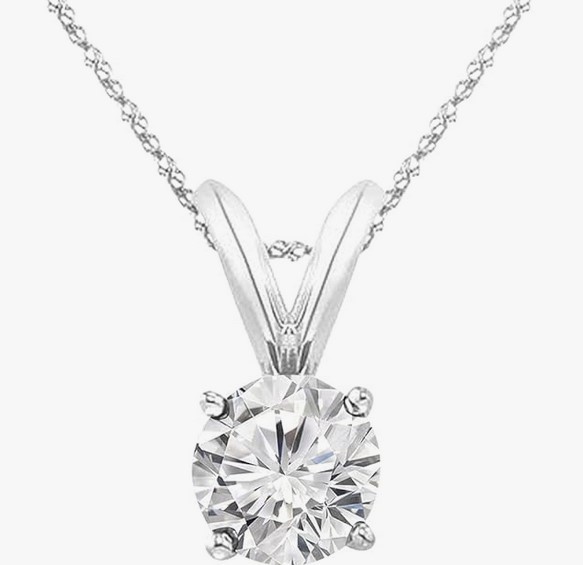
0.5-10 Carat Lab Grown Diamond Solitaire Pendant Necklace, Round Cut Solitaire, 4-Prong Setting, Jewelry for Women (E-F, VS)
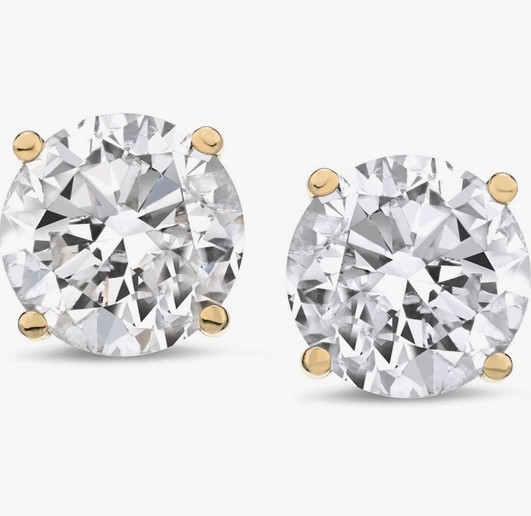
1 to 6 Carat LAB GROWN Solitaire Diamond Stud Earrings Round Cut 4 Prong Screw Back (F-G Color, VS1-VS2 Eye Clean Clarity)
A half carat diamond ring represents one of the most popular choices for engagement rings, measuring approximately 5.2mm in diameter for round brilliant cuts and weighing exactly 0.50 carats or 100 milligrams. This size strikes an ideal balance between visual impact and affordability, typically ranging from $1,200 to $8,500 depending on cut, color, clarity, and certification. A half carat diamond ring offers substantial presence on the finger while remaining practical for everyday wear, making it an excellent choice for couples seeking both beauty and value in their engagement ring purchase.
What Is a half carat diamond ring?
A diamond’s carat weight measures its mass, with one carat equaling 200 milligrams or 0.2 grams. A half carat diamond ring contains a center stone weighing exactly 0.50 carats, positioning it as a substantial yet accessible option in the engagement ring market. The term “carat” derives from the carob seed, which ancient gem traders used as a standard weight measurement due to its consistent mass across different regions and climates.
When evaluating any diamond, the half carat weight represents a significant milestone in both pricing and visual presence. This size typically measures 5.15-5.25mm in diameter for round brilliant cuts, though dimensions vary considerably based on the diamond’s depth percentage and table size. The half carat diamond ring occupies a sweet spot where the stone appears substantial without overwhelming smaller finger sizes or stretching budgets beyond reasonable limits.
Professional gemologists classify diamonds by precise weight measurements down to the hundredth of a carat. A true half carat diamond ring contains a stone weighing between 0.495 and 0.504 carats, as stones are rounded to the nearest hundredth. This precision matters significantly in pricing, as even small weight differences can impact value by hundreds of dollars in the luxury jewelry market.
The visual impact of this carat weight depends heavily on the diamond’s proportions and the wearer’s finger size. On average ring sizes 5-7, a half carat diamond ring provides excellent coverage and presence without appearing ostentatious. The stone creates a beautiful focal point that catches light effectively while remaining practical for daily activities like typing, cooking, and exercise routines.
half carat diamond ring Price Guide
Diamond pricing follows complex market dynamics influenced by the Four Cs, certification source, and current supply conditions. A half carat diamond ring price varies dramatically based on quality grades, with lower-grade stones starting around $1,200 and exceptional specimens reaching $8,500 or more. Understanding these price ranges helps buyers set realistic expectations and identify the best value for their specific preferences and budget constraints.
The following price ranges reflect current market conditions for certified half-carat diamonds from reputable sources like GIA, AGS, and GCAL. These figures represent loose stone prices before setting costs, which typically add $300-$2,000 depending on metal choice and design complexity. Market prices fluctuate based on global supply, seasonal demand, and economic conditions affecting luxury purchases.
- A half carat diamond ring in D-F color, VVS1-VVS2 clarity, Excellent cut: $4,800-$8,500
- G-H color, VS1-VS2 clarity, Very Good to Excellent cut: $2,200-$4,200
- A half carat diamond ring in I-J color, SI1-SI2 clarity, Good to Very Good cut: $1,500-$2,800
- K-L color, SI2-I1 clarity, Good cut: $1,200-$2,000
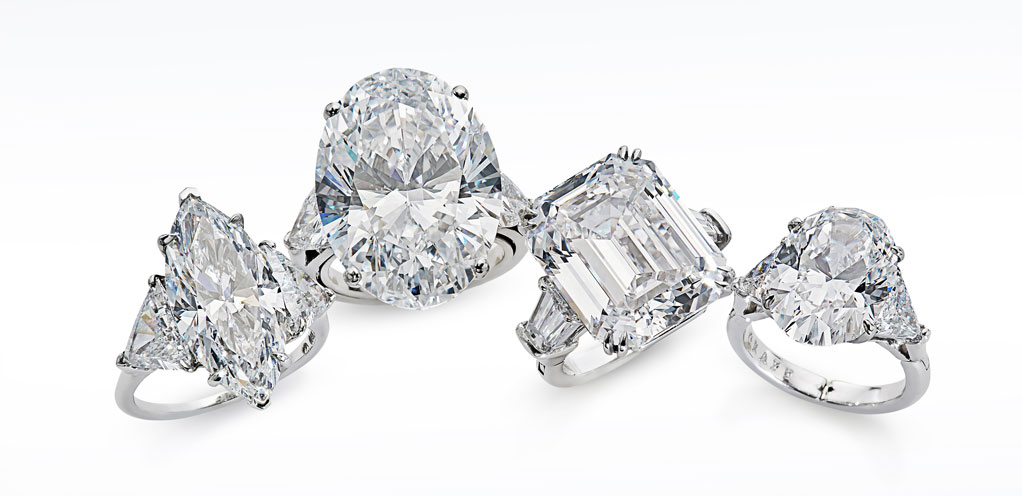
- A half carat diamond ring with premium shapes (oval, pear, marquise): $1,800-$6,200
Complete ring prices including settings present additional considerations for budget planning. Popular setting styles like classic solitaires, halos, and three-stone designs each impact the total investment differently. The metal choice between white gold, yellow gold, rose gold, and platinum also influences final pricing, with platinum typically adding 20-30% to setting costs compared to 14k gold alternatives.
- Complete solitaire setting in 14k white gold: $1,800-$9,200
- Halo setting with accent diamonds: $2,400-$11,800
- Three-stone design with side stones: $2,600-$12,400
- Vintage-inspired setting with milgrain details: $2,200-$10,800
- Modern tension or bezel setting: $2,000-$9,800
The Four Cs for a half carat diamond ring
Cut quality represents the most critical factor affecting a diamond’s beauty and light performance. For any stone, an Excellent or Ideal cut grade maximizes brilliance, fire, and scintillation that create the mesmerizing sparkle buyers expect. A half carat diamond ring with superior cut proportions will outshine larger stones with poor cutting, making this the one area where compromise rarely benefits the final result.
The Gemological Institute of America grades cut quality on a five-point scale: Excellent, Very Good, Good, Fair, and Poor. Excellent cut grades require precise proportions including table percentages between 54-57%, crown angles of 34-35 degrees, and pavilion angles of 40.6-41.8 degrees. These specifications ensure optimal light return and the brilliant sparkle that makes diamonds so captivating in engagement rings.
Color grading follows an alphabetical scale from D (colorless) to Z (light yellow or brown). Most buyers find excellent value in the G-I color range, where any tint remains invisible to untrained eyes when viewed face-up in typical lighting conditions. A half carat diamond ring in this color range offers substantial savings compared to colorless grades while maintaining beautiful white appearance in most settings and lighting environments.
Clarity refers to the absence of internal inclusions and external blemishes when examined under 10x magnification. The clarity scale ranges from Flawless (no imperfections visible under 10x) to Included (imperfections visible to the naked eye). For most buyers, VS2 to SI1 clarity grades provide excellent value, as these stones appear clean to the naked eye while costing significantly less than higher clarity grades.
Shape Options and Trade-Offs
Round brilliant cuts remain the most popular choice, representing approximately 75% of all diamond engagement rings sold globally. This classic shape offers maximum light return due to its 57 facets and centuries of cutting optimization. Round diamonds typically command premium pricing compared to fancy shapes, but their universal appeal and superior brilliance justify the additional investment for many buyers seeking timeless elegance.
Princess cut diamonds offer a contemporary square shape with brilliant-style faceting that creates exceptional fire and scintillation. A half carat diamond ring featuring a princess cut typically measures 4.2-4.4mm square and costs 15-25% less than comparable round stones. This shape requires protective prong placement at the corners to prevent chipping, but offers excellent value for buyers preferring modern geometric aesthetics over traditional round shapes.
Oval, pear, and marquise shapes create an elongated appearance that can make fingers appear longer and more slender. These fancy shapes also tend to face up larger than round diamonds of identical carat weight, providing more visual impact per dollar spent. However, buyers must carefully evaluate length-to-width ratios to ensure pleasing proportions, with ovals performing best between 1.35-1.50 length-to-width ratios for most preferences.
Emerald and Asscher cuts represent step-cut diamonds that emphasize clarity and color over brilliance. A half carat diamond ring in these shapes showcases clean lines and vintage appeal, but requires higher color and clarity grades since the step-cut faceting reveals imperfections more readily than brilliant cuts. These sophisticated shapes appeal to buyers seeking understated elegance and Art Deco-inspired aesthetics in their engagement ring choice.
Wearing a half carat diamond ring: Size and Presence
On typical finger sizes ranging from 4-8, this carat weight provides substantial visual presence without overwhelming the hand’s proportions. The stone covers approximately 21-22 square millimeters of surface area when viewed from above, creating an elegant focal point that catches light beautifully throughout daily activities. A half carat diamond ring strikes an ideal balance for wearers seeking noticeable size without impracticality in their lifestyle or work environment.
Finger size significantly impacts how any diamond appears when worn. On smaller fingers (sizes 4-5), the stone may appear relatively large and commanding, while larger fingers (sizes 7-8) provide more real estate that can accommodate the diamond’s proportions comfortably. Ring sizing affects not only comfort but also the visual relationship between the diamond and the wearer’s hand, influencing overall aesthetic appeal and daily wearability.
Setting style dramatically influences perceived size and presence on the finger. Halo settings surround the center stone with smaller accent diamonds, creating the illusion of a larger center stone while adding significant sparkle. Solitaire settings showcase the diamond without distractions, allowing its natural beauty to take center stage. A half carat diamond ring in a solitaire setting appears more conservative than the same stone in a halo, appealing to different style preferences and lifestyle requirements.
Practical considerations include the ring’s profile height and daily wearability. Higher settings may catch on clothing or gloves more frequently, while lower profiles offer better practicality for active lifestyles. The band width also affects overall appearance, with thinner bands making the center stone appear larger and thicker bands providing more substantial presence. These design choices should align with the wearer’s personal style, daily activities, and long-term satisfaction with their engagement ring selection.
Setting Recommendations
Solitaire settings remain the most timeless choice, featuring a single band that elevates the diamond without competing elements. Classic four-prong or six-prong configurations secure the stone while allowing maximum light entry from all angles. A half carat diamond ring in a well-designed solitaire showcases the stone’s natural beauty and ensures the diamond remains the undisputed focal point of the design.
Six-prong settings offer superior security for active lifestyles while maintaining excellent light performance. The additional prongs distribute holding force more evenly and provide backup security if one prong becomes damaged. However, six prongs may partially obscure the diamond’s girdle outline, slightly reducing the stone’s apparent size compared to four-prong alternatives. This trade-off between security and visual impact requires careful consideration based on lifestyle and preferences.
Halo settings surround the center stone with smaller diamonds, creating dramatic visual impact and apparent size increase. A properly designed halo can make any diamond appear 25-50% larger than its actual carat weight. The accent diamonds add significant sparkle and create a more luxurious overall appearance. However, halos require more maintenance as the smaller stones may loosen over time with daily wear and require periodic professional inspection and tightening.
Three-stone settings symbolize past, present, and future while providing substantial presence on the finger. Side stones typically range from 0.15-0.25 carats each when paired with a half-carat center, creating total diamond weight of approximately 0.80-1.00 carats. This configuration offers excellent value per carat compared to single larger stones while creating a sophisticated, substantial appearance that appeals to buyers seeking maximum impact within their budget constraints.
Comparing Nearby Carat Weights
Quarter-carat diamonds measuring approximately 4.1mm in diameter cost significantly less but provide noticeably reduced presence on most finger sizes. The price difference between 0.25 and 0.50 carats typically ranges from $800-$2,500 depending on quality grades. A half carat diamond ring offers substantially more visual impact for the additional investment, making it a popular upgrade choice for buyers seeking better presence and long-term satisfaction.
The jump from 0.40 to 0.50 carats represents a smaller visual difference but significant pricing impact due to the psychological importance of the half-carat milestone. Stones just under half a carat, such as 0.45-0.49 carats, can offer excellent value for budget-conscious buyers willing to sacrifice the prestige of reaching the exact half-carat mark. These slightly smaller stones often cost 10-20% less while appearing nearly identical when mounted in rings.
Three-quarter carat diamonds provide noticeable size increase, measuring approximately 5.9mm in diameter for round cuts. A half carat diamond ring costs substantially less than 0.75-carat alternatives, with price differences often ranging from $1,500-$4,000 depending on quality specifications. The 0.75-carat size may overwhelm smaller fingers while stretching budgets significantly, making the half-carat option more practical for many buyers.
One-carat diamonds represent the most prestigious milestone in engagement ring purchasing, but command premium pricing that often doubles the cost of comparable half-carat stones. The visual difference between 0.50 and 1.00 carats is substantial, with one-carat rounds measuring approximately 6.5mm in diameter. However, the price premium for reaching one carat may not justify the additional expense for budget-conscious couples who can achieve beautiful results with well-selected half-carat stones in attractive settings.
Certification: What a half carat diamond ring Certificate Should Show
Professional gemological certification provides essential documentation of a diamond’s characteristics and authenticity. Reputable laboratories like GIA, AGS, GCAL, and SSEF employ rigorous grading standards and advanced equipment to evaluate diamonds objectively. A half carat diamond ring should include certification from recognized laboratories to ensure accurate grading and provide confidence in the purchase investment.
GIA (Gemological Institute of America) certificates represent the gold standard in diamond grading, featuring comprehensive analysis of the Four Cs plus additional characteristics like fluorescence, polish, and symmetry. GIA reports include detailed plotting diagrams showing inclusion locations and types, helping buyers understand their diamond’s unique characteristics. The laboratory’s reputation for consistency and accuracy makes GIA certification highly valued in the resale market.
AGS (American Gem Society) certificates employ a numerical grading system alongside traditional letter grades, with 0 representing the highest grade in each category. AGS pioneered advanced light performance analysis and provides detailed cut quality assessment that goes beyond basic proportion measurements. A half carat diamond ring with AGS certification often appeals to buyers seeking the most precise cut quality evaluation available in the industry.
Certificate verification remains crucial in preventing fraud and ensuring authenticity. All major laboratories provide online verification systems where buyers can input certificate numbers to confirm document authenticity and access complete grading details. This verification process should be completed before finalizing any diamond purchase, as fraudulent certificates occasionally appear in the marketplace. Reputable dealers willingly provide certificate numbers for pre-purchase verification and encourage buyer due diligence.
Where to Buy
Online diamond retailers offer extensive selection, competitive pricing, and detailed photography that helps buyers evaluate stones remotely. Reputable online vendors provide high-resolution images, video footage, and detailed specifications that often exceed the information available in traditional retail environments. A half carat diamond ring purchased online typically costs 20-40% less than identical stones from brick-and-mortar stores due to lower overhead expenses.
Local jewelry stores provide hands-on evaluation opportunities and personal service that some buyers prefer over online purchasing. Established local jewelers often offer lifetime services including cleaning, inspection, and minor repairs that add value beyond the initial purchase. However, local inventory limitations may restrict selection, and pricing typically reflects higher operational costs compared to online alternatives. Building relationships with trusted local jewelers can provide ongoing benefits for maintenance and future purchases.
Diamond districts in major cities like New York, Los Angeles, and Chicago offer wholesale pricing and extensive selection for informed buyers. These concentrated markets feature numerous dealers competing for business, often resulting in aggressive pricing and negotiation opportunities. A half carat diamond ring from diamond district dealers may offer significant savings, but buyers should possess sufficient knowledge to evaluate stones independently and navigate a more complex purchasing environment.
Estate and vintage jewelry specialists occasionally offer unique opportunities to acquire older diamonds with character and history. Antique cuts like Old European and Old Mine cuts provide distinctive appearance that differs from modern brilliant cuts. However, older stones may lack modern certification and require additional evaluation to determine fair pricing. These options appeal to buyers seeking unique character rather than maximum brilliance and light performance in their engagement ring selection.
Frequently Asked Questions
How big does a half carat diamond ring look on the finger?
A half carat diamond ring typically measures 5.2mm in diameter for round cuts and provides substantial presence on most finger sizes without appearing oversized. On ring sizes 5-7, this creates an elegant focal point that covers approximately 20-25% of the finger width. The visual impact depends significantly on setting style, with halo designs making the center stone appear larger than solitaire mountings.
What’s the average cost of a 0.5 carat diamond engagement ring?
Complete engagement rings with half-carat center stones typically range from $2,000 to $12,000 depending on diamond quality and setting complexity. Mid-grade diamonds (G-H color, VS1-SI1 clarity) in simple solitaire settings average $3,500-$6,500. Premium stones with exceptional cut, color, and clarity in elaborate settings can exceed $10,000 for the complete ring.
Is a half carat diamond ring considered small or large?
Half carat diamond ring sizes occupy the middle ground in engagement ring preferences, larger than budget-focused quarter-carat options but smaller than premium one-carat stones. This size provides meaningful presence without overwhelming most finger sizes or budgets. Industry surveys consistently rank half-carat stones among the most popular choices for engagement rings, indicating broad market acceptance of this size.
How do I choose the best cut for my budget?
Prioritize Excellent or Ideal cut grades even if it means accepting lower color or clarity specifications. Superior cut quality maximizes brilliance and fire, making a half carat diamond ring appear more beautiful and valuable than larger stones with poor proportions. The cut grade represents the one area where compromise typically disappoints buyers in long-term satisfaction with their purchase.
What setting makes a half carat diamond ring appear larger?
Halo settings create the most dramatic size enhancement by surrounding the center stone with smaller accent diamonds. This optical illusion can make a half carat diamond ring appear comparable to stones 25-50% larger. Thin bands also emphasize the center stone’s size, while lower profile settings make the diamond appear wider when viewed from above.
Should I buy certified or uncertified stones?
Always choose certified diamonds from reputable laboratories like GIA or AGS for purchases of this significance. Certification provides objective verification of quality characteristics and ensures accurate representation of the diamond’s properties. A half carat diamond ring represents a substantial investment that deserves professional documentation to protect both immediate satisfaction and long-term value retention in the jewelry market.
Conclusion
A half carat diamond ring represents an excellent balance of size, beauty, and value that appeals to a broad range of engagement ring buyers. This popular carat weight provides substantial visual presence while remaining accessible to most budgets, especially when buyers prioritize cut quality and make informed decisions about color and clarity grades. The versatility of this size works well with various setting styles and finger sizes, ensuring long-term satisfaction with the purchase decision.
Success in selecting the perfect half carat diamond ring depends on understanding the Four Cs, comparing options from reputable sources, and choosing certified stones that meet personal preferences and lifestyle requirements. Whether purchased online or from local jewelers, informed buyers who research thoroughly and examine stones carefully will find exceptional value in this popular carat weight. For expert guidance and extensive selection of certified diamonds, visit the Carat Diamond homepage.