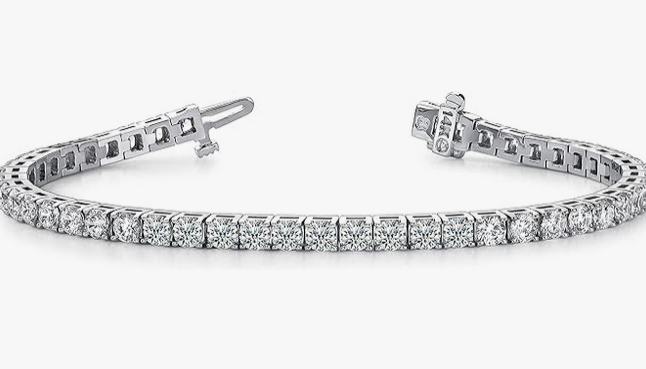
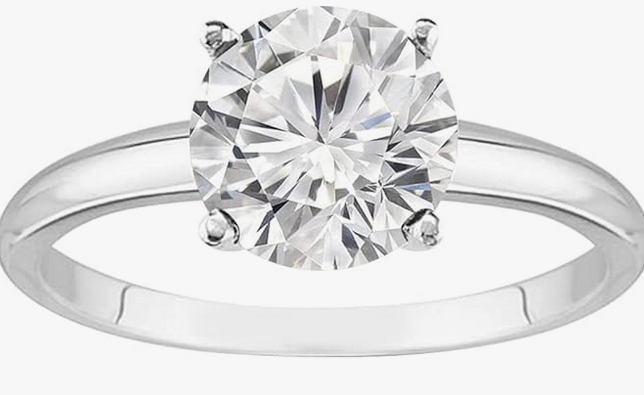
Houston Diamond District 1 to 10 Carat 14K White Gold IGI Certified Lab Grown Diamond Engagement Ring, Round Cut Solitaire, 4-Prong Setting (E–F Color VS2–SI1 Clarity)
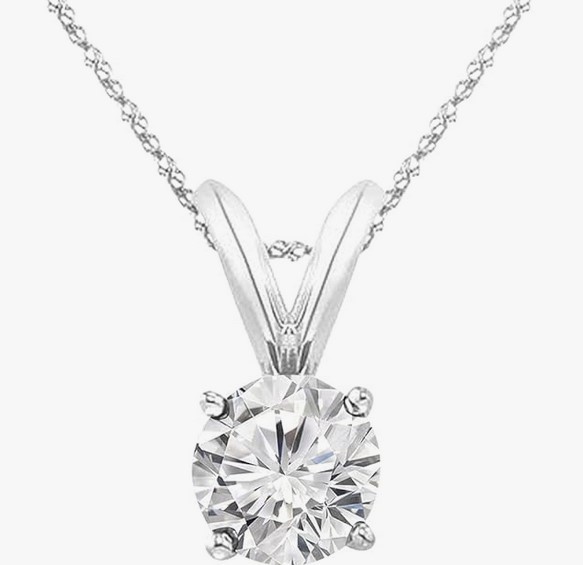
0.5-10 Carat Lab Grown Diamond Solitaire Pendant Necklace, Round Cut Solitaire, 4-Prong Setting, Jewelry for Women (E-F, VS)
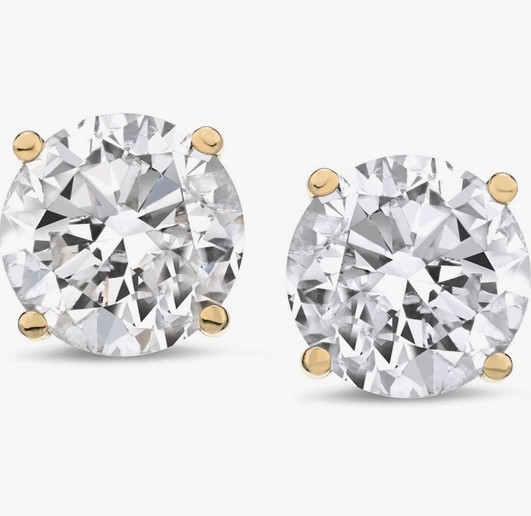
1 to 6 Carat LAB GROWN Solitaire Diamond Stud Earrings Round Cut 4 Prong Screw Back (F-G Color, VS1-VS2 Eye Clean Clarity)
A 2 carat diamond is one of the most sought-after stones in fine jewelry — substantial enough to make an undeniable statement, yet more accessible in price than the larger weights that command truly extraordinary premiums. At two carats, a round brilliant diamond measures approximately 8.1–8.2mm in diameter, creating a visual presence that is clearly impressive on any finger or in any jewelry setting. Whether set as the center stone of an engagement ring, worn as a pendant, featured in stud earrings, or acquired as a loose investment stone, a 2 carat diamond represents a meaningful and rewarding purchase that occupies an important position in the diamond market.
This comprehensive guide covers everything you need to know about a 2 carat diamond — what it weighs and how it looks across different shapes, how the Four Cs apply at this specific weight, the natural versus lab-grown decision and its financial implications, price expectations across every quality tier, the most common jewelry applications, certification requirements, and how to care for a diamond of this size over the long term.
What Exactly Is a 2 Carat Diamond?
A 2 carat diamond weighs exactly 400 milligrams — 0.4 grams. The carat weight system is globally standardized: one carat equals 200 milligrams, so a 2 carat diamond weighs precisely 400 milligrams regardless of shape, cut, or color. This weight standard is consistent whether the stone is a round brilliant, an oval, a cushion cut, an emerald cut, or any other shape.
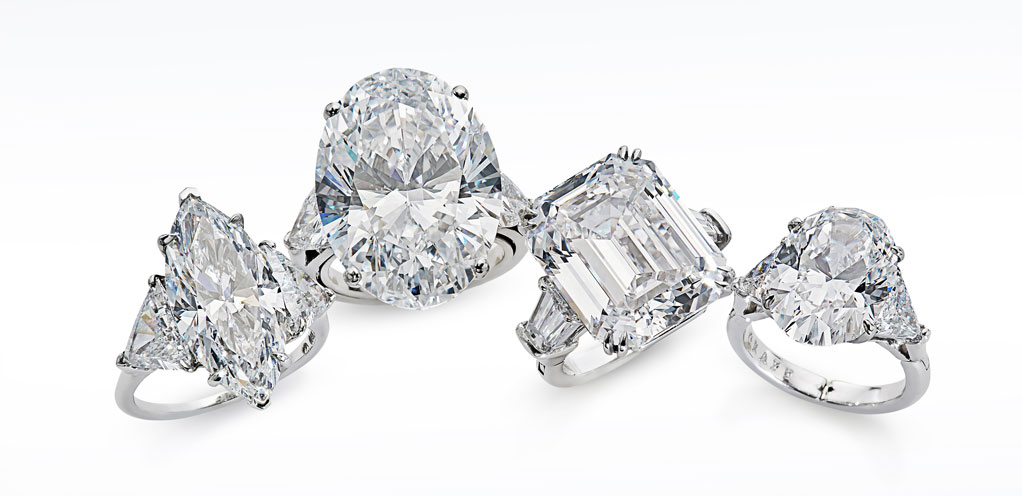
What a 2 carat diamond looks like in terms of visible dimensions depends significantly on the shape. A round brilliant 2 carat diamond measures approximately 8.1–8.2mm in diameter. An oval 2 carat diamond measures approximately 10.5 x 7.0mm. An emerald cut 2 carat diamond measures approximately 9.0 x 6.5mm. A cushion cut 2 carat diamond measures approximately 7.5 x 7.5mm. A pear cut 2 carat diamond measures approximately 12.0 x 7.0mm. These dimensions vary because each shape distributes the same weight differently — elongated shapes like oval and pear appear larger than a round of equal weight because their mass is spread over a greater surface area.
By any measure, a 2 carat diamond is substantially larger than the average diamond purchased in the United States, which weighs approximately 1–1.2 carats. At roughly double the weight of an average engagement ring center stone, it creates a visual impression that is immediately noticeable and appreciably more impressive.
The Four Cs: How They Apply to a 2 Carat Diamond
At two carats, each of the Four Cs carries greater visual consequence than at smaller weights. The larger surface area makes every quality characteristic more visible — for better and for worse.
Cut: The Most Important Factor
Cut quality is the single most consequential decision when purchasing a 2 carat diamond. A beautifully cut two-carat stone produces extraordinary sparkle — the intense white brilliance, spectral fire, and dancing scintillation that makes a diamond genuinely captivating. A poorly cut stone will look flat, dark, and significantly smaller than a well-cut stone of identical weight — a deeply disappointing result at this price level.
For a round brilliant 2 carat diamond, the Excellent cut grade from GIA or Triple Excellent from IGI is the only standard worth targeting. The price difference between Excellent and Very Good cut at this weight is typically $500–$2,000 for a natural stone — a modest premium relative to the total investment that delivers a dramatically superior visual result. Never accept Good or Fair cut grades regardless of how compelling other quality parameters may appear.
For fancy shapes — oval, cushion, pear, radiant, emerald, marquise, princess, Asscher — formal cut grades are not standardized. Evaluate proportions directly from the grading certificate: depth percentage, table percentage, and length-to-width ratio. For ovals and pears, assess for bowtie effect. For cushions, consider the difference between chunky and crushed-ice faceting styles. Request high-resolution video of the specific stone before purchasing any fancy shape 2 carat diamond.
Color: Recommended Grades
At two carats, color becomes meaningfully more visible than at one carat. The increased surface area makes any warmth or yellowish tint easier to detect under everyday lighting. For a 2 carat diamond in a platinum or white gold setting, G through I color grades represent the practical sweet spot. G and H are near-colorless and appear white in virtually all lighting, offering excellent value versus D–F colorless grades. I color is also widely used — the trace of warmth it carries is very difficult to detect, particularly once set.
For buyers who want absolute color confidence, D through F grades are available at significant price premiums. For most buyers, G or H color represents the best balance between appearance and value. For yellow gold or rose gold settings, I through K color grades are entirely appropriate and offer meaningful additional savings.
Clarity: Finding Eye-Clean Quality
The primary clarity goal for a 2 carat diamond is finding an eye-clean stone — no inclusions visible to the naked eye without magnification. The recommended clarity range is VS2 through VS1. VS2 stones are reliably eye-clean in the majority of cases and offer excellent value. VS1 provides additional peace of mind at a modest premium. SI1 requires careful per-stone evaluation using high-resolution photography and video — some SI1 stones at this weight are eye-clean while others are not. SI2 and below should be avoided.
For emerald cut and Asscher cut 2 carat diamonds, VS1 or better clarity is recommended. The step-cut faceting pattern makes inclusions significantly more visible than in brilliant cuts. VVS1 and VVS2 provide outstanding clarity assurance at higher prices.
The Carat Weight Threshold at Two Carats
Diamonds at exactly 2.00 carats and above command a meaningful price premium compared to stones at 1.90–1.99 carats. A 1.95 carat stone of identical cut, color, and clarity will cost measurably less than a 2.00 carat stone, and the visual difference — approximately 0.05mm in diameter for a round brilliant — is completely imperceptible to the naked eye. For buyers on a defined budget, stones in the 1.90–1.99 carat range represent excellent value, with savings ranging from $500 to $3,000 for natural stones depending on quality tier.
Natural vs. Lab-Grown 2 Carat Diamond
The choice between a natural and a lab-grown 2 carat diamond is one of the most significant decisions in the contemporary fine jewelry market.
Natural 2 Carat Diamond
A natural 2 carat diamond was formed in the Earth’s mantle over billions of years. Natural two-carat diamonds are genuinely rare and this rarity is reflected in their pricing. In excellent quality — G–H color, VS1–VS2 clarity, Excellent cut, GIA certified — a natural 2 carat diamond typically costs $10,000–$25,000 for the stone alone. Natural diamonds carry cultural weight and are associated with geological rarity, permanence, and investment-grade value. High-quality natural two-carat stones retain reasonable resale value relative to most luxury goods and are actively traded in secondary markets.
Lab-Grown 2 Carat Diamond
A lab-grown 2 carat diamond offers a stone that is chemically, physically, and optically identical to a natural diamond at dramatically lower cost. In excellent quality — G–H color, VS1–VS2 clarity, Excellent cut, IGI certified — a lab-grown 2 carat diamond typically costs $1,000–$3,500 for the stone alone, representing a price reduction of 80–90% versus a natural equivalent. For buyers whose priority is the visual beauty and presence of a two-carat stone rather than its geological origin or investment characteristics, a lab-grown option delivers the same visual and physical experience at a fraction of the cost.
How Size Varies Across Shapes
Understanding how a 2 carat diamond appears across different shapes is one of the most practically useful insights for buyers.
- Round brilliant: ~8.1–8.2mm diameter. Classic, maximum brilliance, most popular choice — available in the widest selection and broadest price range.
- Oval: ~10.5 x 7.0mm. Appears meaningfully larger than a round of equal weight due to elongated surface area. Creates a beautiful elongating effect on the finger. One of the fastest-growing shapes in the market.
- Cushion: ~7.5 x 7.5mm (square) or 8.5 x 7.0mm (rectangular). Romantic, soft-edged brilliance. Available in chunky and crushed-ice optical styles with very different visual characters.
- Emerald cut: ~9.0 x 6.5mm. Sleek, architectural elegance through hall-of-mirrors step-cut faceting. Suits minimalist and contemporary aesthetics. Requires VS1+ clarity.
- Pear: ~12.0 x 7.0mm. The most elongating brilliant-cut choice — creates extraordinary visual length on the finger. Significant popularity growth in recent years.
- Marquise: ~14.0 x 7.0mm. The most elongating shape at this weight with the greatest visual surface area per carat.
- Princess: ~7.0 x 7.0mm. Modern geometric brilliance in a square form — the most popular non-round shape.
- Radiant: ~8.0 x 6.5mm. Brilliant-cut sparkle in a rectangular form combining round brilliance with emerald cut lines.
- Asscher: ~6.5 x 6.5mm. Square step cut with art deco character. Requires VS1 or better clarity at this size.
Where to Use a 2 Carat Diamond
Engagement Rings
The most common application is as the center stone of an engagement ring. At this weight, the stone creates a ring that is clearly substantial and beautiful — noticeably more impressive than the one-carat average. A 2 carat diamond engagement ring in a solitaire, halo, three-stone, or pavé band design is one of the most desired jewelry pieces in the market. Lab-grown options have made a genuinely beautiful two-carat engagement ring accessible to a far wider range of buyers.
Anniversary Upgrades
A 2 carat diamond is one of the most popular choices for anniversary ring upgrades — replacing a smaller original engagement ring center stone on a milestone occasion such as the 10th, 15th, or 20th anniversary. The visual difference between a 1 carat original and a 2 carat upgrade is dramatic and deeply meaningful.
Stud Earrings
A pair of stud earrings featuring two 2 carat diamonds — 4 carats combined — represents a genuinely impressive fine jewelry purchase. Lab-grown options make a 4 total carat stud earring purchase accessible at meaningful but manageable price points.
Pendants and Necklaces
A 2 carat diamond pendant in a solitaire setting creates a beautiful and substantial focal point at the neckline. At two carats, a pendant diamond has enough visual presence to be clearly impressive while remaining elegant and proportionate for daily wear.
Loose Investment Stone
Some buyers acquire a 2 carat diamond as a loose stone — as a financial investment, a stone to be set in a future piece, or a component of an estate or collection. A GIA-certified natural two-carat stone in excellent quality represents a tangible asset that can be stored, appraised, and sold independently.
Ring Styles for a 2 Carat Diamond
A solitaire setting allows the stone’s size and cut to express itself fully — the diamond’s 8.1mm diameter needs no amplification. A halo can make a two-carat center appear as large as a plain three-carat stone at moderate additional cost. A three-stone design with side stones of 0.50–0.75 carats each achieves a total weight of 3–3.5 carats — an extraordinary piece at any price. A pavé band creates continuous sparkle along the shank, complementing rather than competing with the center. East-west settings with elongated shapes create a dramatically modern, fashion-forward aesthetic that has grown significantly in popularity.
Carat Weight and Finger Proportions
A two-carat round brilliant measuring 8.1mm will look very different on a size 4.5 finger than on a size 8 finger. Elongated shapes — oval and pear — create a visual elongation effect on the finger, making slender fingers appear longer and appearing proportionate on wider fingers that might find a round brilliant less flattering at the same weight. Viewing the stone on a hand with similar proportions to the intended wearer — through a virtual try-on service or in person — before finalizing the purchase is a valuable step that many buyers skip but rarely regret taking.
Understanding Fluorescence
For a two-carat stone, None or Faint fluorescence is the safest and most conservative choice. Strong or Very Strong blue fluorescence can cause a slightly milky appearance in direct sunlight — more visually apparent in a larger stone than a smaller one. However, in G or H color grade stones, Strong blue fluorescence can cause the stone to appear whiter in daylight by partially canceling residual yellow warmth. A G-color stone with Strong fluorescence may appear visually identical to an F-color stone outdoors. For buyers optimizing budget and willing to evaluate specific stones carefully, this represents one of the best value opportunities in the market. Request video of the specific stone in both indoor and outdoor lighting before committing to any fluorescent stone.
Online vs. In-Person Buying
Online retailers offer larger inventories, more competitive pricing due to lower overhead, and sophisticated digital tools — 360-degree video, high-resolution photography, virtual try-on. The key requirements are a minimum 30-day return policy and clear video of the specific stone, not a representative example. In-person purchasing provides the irreplaceable experience of seeing the stone under different lighting conditions and evaluating it against comparable stones. Many buyers combine both: researching and shortlisting online, then visiting a jeweler to view similar stones before making a final decision through whichever channel offers the best specific stone at the best price.
Working with a Diamond Broker
For buyers seeking natural two-carat diamonds at the upper quality tiers — D–F color, VVS clarity — working with an independent diamond broker can provide access to broader inventory and potentially better pricing than purchasing from a single retailer. Brokers access diamonds not listed on any public marketplace and can sometimes negotiate prices closer to wholesale levels. They are compensated through a commission or markup, but for high-value purchases at upper quality tiers, the savings and selection advantages can more than justify the relationship. For most buyers of natural stones at mid-tier quality levels, direct purchase from a reputable established retailer is simpler and offers adequate selection at competitive pricing.
Ethical Sourcing and Responsible Jewellery Council
For buyers of natural diamonds, the Kimberley Process Certification Scheme provides the foundational framework for conflict-free diamond certification. Beyond this, the Responsible Jewellery Council (RJC) certification covers environmental practices, human rights, and business ethics throughout the supply chain. Leading diamond producers in Canada, Botswana, Namibia, and Australia maintain RJC certification. For the clearest ethical story, retailers who provide specific country-of-origin documentation — traceable to the producing mine — offer the highest available standard. For lab-grown diamonds, the ethical consideration is primarily the energy sources used in production — a laboratory powered by renewable energy has a dramatically lower environmental footprint than one powered by fossil fuels.
Price Guide
Natural 2 carat diamond prices:
- D–F color, VVS1–VVS2, Excellent cut, GIA: $18,000–$35,000+
- G–H color, VS1–VS2, Excellent cut, GIA: $10,000–$22,000 — recommended sweet spot
- I–J color, SI1, Excellent or Very Good cut: $5,000–$10,000 with careful per-stone evaluation
Lab-grown 2 carat diamond prices:
- D–F color, VVS1–VVS2, Excellent cut, IGI: $2,500–$5,000
- G–H color, VS1–VS2, Excellent cut, IGI: $1,000–$3,500 — optimal value tier
- I–J color, SI1: $500–$1,500 with careful per-stone selection
Setting costs add $400–$4,000+ depending on design and metal. Sales tax (6–10%), independent appraisal ($100–$300), and jewelry insurance (1–2% of insured value annually) should be budgeted separately.
Certification
GIA and IGI certification is non-negotiable for any 2 carat diamond purchase above $1,000. A GIA grading report provides the globally recognized gold standard of quality verification covering cut grade, color grade, clarity grade, carat weight, fluorescence, and proportions data. IGI is fully reliable for both natural and lab-grown stones. Both certificates include a unique laser inscription on the diamond’s girdle — always verify the certificate number independently on the GIA or IGI website before completing any purchase.
Care and Maintenance
Clean the stone regularly using warm water, mild dish soap, and a soft-bristled toothbrush. Gently scrub beneath the stone and around prongs where oils and cosmetics accumulate. Rinse thoroughly and pat dry. Remove before swimming, exercising, applying cosmetics or perfume, and before manual activities. Store separately in a fabric-lined case. Have settings professionally inspected annually.
Frequently Asked Questions
How much does a 2 carat diamond cost?
A natural 2 carat diamond in excellent quality (G–H color, VS1–VS2 clarity, Excellent cut, GIA certified) typically costs $10,000–$22,000 for the stone alone. A lab-grown 2 carat diamond of identical quality typically costs $1,000–$3,500. Price depends on cut, color, clarity, shape, and certification.
How big is a 2 carat diamond?
A round brilliant 2 carat diamond measures approximately 8.1–8.2mm in diameter. Other shapes vary: oval approximately 10.5 x 7.0mm, emerald cut approximately 9.0 x 6.5mm, cushion approximately 7.5 x 7.5mm, pear approximately 12.0 x 7.0mm. Carat measures weight, not physical size — shape determines how that weight is distributed visually.
What is the best cut for a 2 carat diamond?
For a round brilliant, Excellent cut from GIA or Triple Excellent from IGI is the only standard worth targeting. Cut quality determines light performance more than any other factor. For fancy shapes, evaluate individual stone proportions through the grading certificate and request high-resolution video.
Is a lab-grown 2 carat diamond a real diamond?
Yes — completely and unambiguously. A lab-grown 2 carat diamond is chemically and physically identical to a mined natural diamond. Both are certified by GIA or IGI using the same grading standards. The only difference is geological origin.
What color grade should I choose for a 2 carat diamond?
For platinum or white gold settings, G–H color is the recommended sweet spot. I color works well with careful evaluation. For yellow gold or rose gold settings, I–K color is entirely appropriate and offers meaningful savings.
Should I buy natural or lab-grown?
If geological origin, cultural significance, and potential resale value matter, the natural option is the right choice. If maximum visual beauty per dollar is the priority, a lab-grown 2 carat diamond delivers the same visual experience at 80–90% lower cost.
Final Thoughts
A 2 carat diamond is one of the most rewarding and meaningful purchases in fine jewelry — offering visual presence and beauty clearly beyond the everyday norm at a price point that, particularly with lab-grown options, is increasingly accessible to serious buyers. Whether you choose a natural stone for its geological rarity and investment characteristics, or a lab-grown stone for its extraordinary value at equivalent certified quality, the principles of a wise purchase are consistent: prioritize cut quality above all else, insist on GIA or IGI certification, target eye-clean clarity at VS2 or better, and select color and metal combinations that suit each other naturally.
A beautifully cut, well-graded 2 carat diamond will deliver daily brilliance, enduring beauty, and profound personal significance for a lifetime and beyond. Take your time, compare specific stones through high-resolution video, and choose with the confidence that comes from genuine understanding.
For more expert guidance on diamond carat weights, shapes, and the full spectrum of fine diamond jewelry, visit the Carat Diamond homepage.