
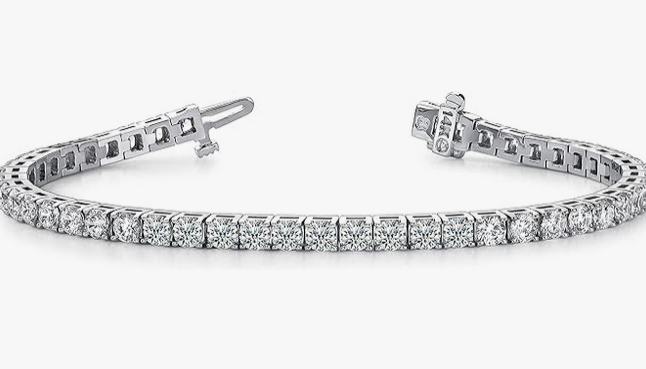
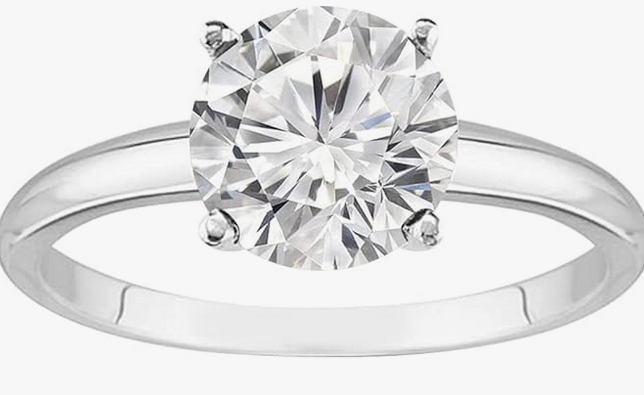
Houston Diamond District 1 to 10 Carat 14K White Gold IGI Certified Lab Grown Diamond Engagement Ring, Round Cut Solitaire, 4-Prong Setting (E–F Color VS2–SI1 Clarity)
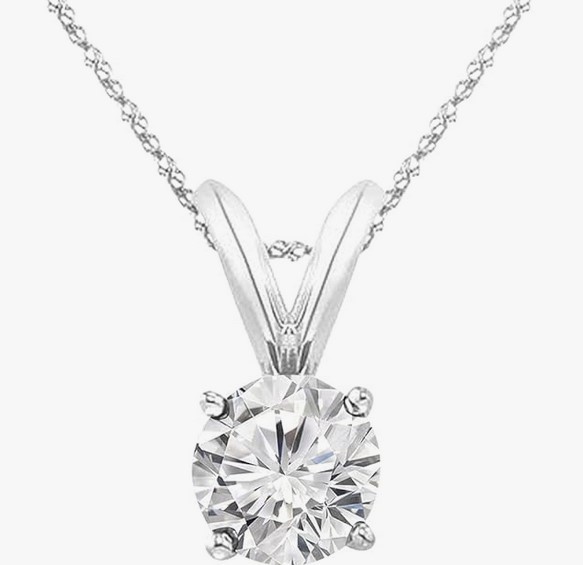
0.5-10 Carat Lab Grown Diamond Solitaire Pendant Necklace, Round Cut Solitaire, 4-Prong Setting, Jewelry for Women (E-F, VS)
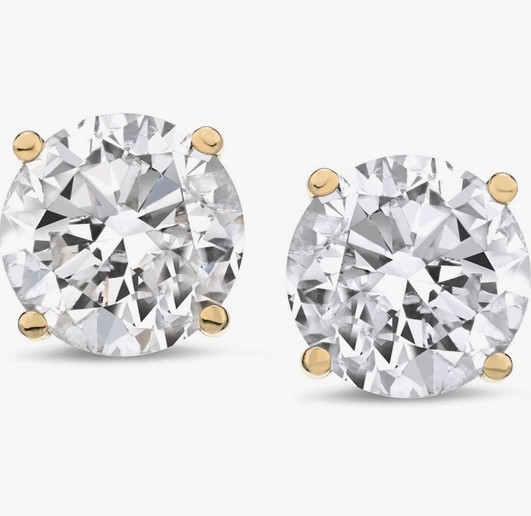
1 to 6 Carat LAB GROWN Solitaire Diamond Stud Earrings Round Cut 4 Prong Screw Back (F-G Color, VS1-VS2 Eye Clean Clarity)
A 3 carat diamond ring is one of the most awe-inspiring pieces of jewelry a person can own. With a round brilliant cut measuring approximately 9.3–9.5mm in diameter, a 3 carat diamond ring commands attention the moment it enters a room. Whether you are planning a once-in-a-lifetime proposal, celebrating a milestone anniversary, or simply treating yourself to extraordinary jewelry, this iconic choice delivers unmatched visual impact and timeless elegance that few other jewelry pieces can rival.
This comprehensive guide covers everything you need to know before purchasing a 3 carat diamond ring — from understanding the Four Cs at this carat weight, to choosing the ideal setting style, comparing natural versus lab-grown options, pricing expectations at various quality tiers, and expert tips for long-term care. If you are serious about finding a perfect stone at this weight, you are in exactly the right place.
What Does a 3 Carat Diamond Ring Look Like?
Before diving into technical details, it helps to visualize what a 3 carat diamond ring actually looks like worn on the hand. A round brilliant center stone at three carats measures roughly 9.4mm across — approximately the size of a standard pencil eraser. On an average ring size (6–7), this creates a bold, unmistakable presence that feels elegant and substantial without being excessive or overwhelming.
Elongated shapes like oval, pear, and marquise cut diamonds can appear even more impressive for the same carat weight. An oval 3 carat diamond ring, for example, may look as large as a 3.5–4 carat round stone due to its elongated surface area spreading across the finger. Princess cut and cushion cut diamonds at three carats offer a different visual character — compact, intensely brilliant, and decidedly contemporary. This is why shape selection matters enormously when shopping for any ring at this weight category.
For comparison purposes, the average engagement ring sold in the United States weighs approximately 1–1.2 carats. A 3 carat diamond ring is roughly three times that size, making it a truly dramatic statement piece that stands apart from the majority of engagement and anniversary jewelry in the market.
The Four Cs: What Matters Most at Three Carats
Understanding the Four Cs — cut, color, clarity, and carat weight — is essential for any significant diamond purchase. At three carats, every quality factor is amplified by the stone’s size, meaning that both excellent quality and poor quality become dramatically more visible. Getting each decision right matters more at this carat weight than at one carat.
Cut Quality: The Most Important Factor in Any 3 Carat Diamond Ring
When buying a 3 carat diamond ring, cut quality is the most critical single decision you will make. A beautifully cut stone will outperform a larger, poorly cut diamond in every measurable way — superior brilliance, fire, and scintillation that draw the eye from across a room. Conversely, a poorly proportioned 3 carat diamond ring can appear surprisingly dull despite its impressive weight, because the flat surfaces fail to direct light back toward the viewer’s eye.
For a round brilliant 3 carat diamond ring, always target an Excellent or Ideal cut grade from GIA or IGI. Symmetry and polish grades should both be Excellent or at minimum Very Good. Avoid Good or Fair cut grades entirely — the visible difference in light performance is dramatic and immediately apparent even to untrained eyes.
For fancy shapes — oval, cushion, princess, pear, emerald, radiant — cut grades are not formally standardized the way round brilliants are. Instead, evaluate the stone’s length-to-width ratio, table percentage, depth percentage, and whether it exhibits a bowtie effect. A well-proportioned oval or cushion stone can rival the optical performance of an Excellent-cut round for a lower per-carat price, making these shapes worth serious consideration.
Color Grade Recommendations for This Carat Weight
At three carats, a diamond’s color is meaningfully more visible than in smaller stones. The larger surface area of a 3 carat diamond ring means that any warmth, yellowish tint, or brownish cast becomes more detectable — both to the wearer and to anyone admiring the piece from across a table or room.
For a ring set in platinum or white gold, the recommended color range is D through H. Stones graded D, E, or F — the colorless tier — appear absolutely and brilliantly white and represent the finest available. G and H color grades are classified as near-colorless and appear white to the naked eye in virtually all lighting conditions, offering meaningful price savings versus the colorless tier without visible compromise.
If setting your 3 carat diamond ring in yellow gold or rose gold, you can comfortably choose an I or J color stone. The warm tone of the metal complements any slight warmth in the diamond in a complementary rather than conflicting way, making colorless grades unnecessary and freeing budget for improvements to cut or clarity.
Clarity Grade: Finding the Eye-Clean Sweet Spot
The primary clarity goal in a 3 carat diamond ring is finding an eye-clean stone — one where no inclusions or blemishes are visible to the naked eye under normal viewing conditions without magnification. You do not need to purchase Flawless or Internally Flawless clarity; these extreme grades command enormous price premiums for differences that are completely imperceptible without a loupe or microscope.
The optimal clarity range for a 3 carat diamond ring is VS1 or VS2. Stones in this clarity range are eye-clean in virtually all cases and represent outstanding value relative to higher grades. VVS1 and VVS2 are also reliably eye-clean and slightly more expensive — worth considering if your budget comfortably allows. SI1 clarity can be eye-clean in specific stones, but requires careful review of the full grading report and ideally high-resolution video or imaging before committing to purchase. SI2 and lower grades should generally be avoided at this carat weight because inclusions become significantly more visible as stone size increases.
Natural vs. Lab-Grown: A Critical Decision
One of the most consequential decisions when purchasing a 3 carat diamond ring is choosing between a natural mined diamond and a lab-grown diamond. Both categories are real diamonds — chemically, physically, and optically identical under any form of analysis. The only genuine difference between them is origin: geological versus laboratory.
Natural 3 Carat Diamond Ring
A natural stone was formed deep within the Earth’s mantle under extreme heat and pressure over billions of years before being brought to the surface through volcanic activity. The geological rarity of natural three-carat rough crystals makes finished natural stones significantly more expensive than lab-grown alternatives. A natural 3 carat diamond ring in excellent quality — D–H color, VS1–VS2 clarity, Excellent cut — typically costs between $25,000 and $80,000 or more depending on the specific stone characteristics, shape, and setting design.
Natural diamonds carry long-standing cultural associations with rarity, permanence, and investment potential. For buyers who place significance on a diamond’s geological origin and prefer the possibility of long-term value retention, the natural option remains the time-honored choice.
Lab-Grown 3 Carat Diamond Ring
A lab-grown 3 carat diamond ring offers the same visual beauty, the same optical sparkle, and the same GIA or IGI certification as a natural stone — at dramatically lower cost. Lab-grown three-carat diamonds are created using either High Pressure High Temperature (HPHT) or Chemical Vapor Deposition (CVD) processes that replicate natural diamond formation conditions in controlled laboratory environments. The result is a stone that is physically indistinguishable from a mined diamond without specialized equipment.
Lab-grown options in this weight category typically cost 40–70% less than natural equivalents, putting a stunning ring within reach for significantly more buyers. For a lab-grown 3 carat diamond ring featuring excellent quality — D–H color, VS1–VS2 clarity, Excellent cut, IGI certified — prices typically range from approximately $3,000 to $12,000. This dramatic price difference allows buyers to invest in higher cut grade, better color, a more elaborate and customized setting, or simply meaningful financial savings that can be directed elsewhere.
Lab-grown diamonds are fully certified by GIA and IGI using the identical grading standards applied to natural stones. If your priority is the visual magnificence of a 3 carat diamond ring rather than its geological origin story, a lab-grown option delivers truly exceptional value without aesthetic compromise.
Best Settings for a 3 Carat Diamond Ring
The setting choice dramatically affects the ring’s overall visual character, practical wearability, and total price. Here are the most popular and effective setting options at this carat weight.
Solitaire Setting
The solitaire represents the purest and most iconic expression of a 3 carat diamond ring. A single center stone mounted on a clean band — most often platinum or 18k white gold — allows the diamond’s size, color, and brilliance to speak entirely for themselves without distraction or visual competition. Timeless, elegant, and never out of fashion across generations, the solitaire setting suits virtually any personal style and occasion. Four-prong solitaires maximize light exposure; six-prong designs add security and a classic look.
Halo Setting
A halo setting surrounds the center stone with a ring of smaller pavé-set diamonds, enhancing the perceived size of the center diamond and adding considerable overall sparkle. A double halo takes this concept further with two concentric rings of accent stones, creating an extraordinarily luxurious appearance. This setting style is particularly effective for oval, cushion, and round brilliant center stones.
Three-Stone Setting
A three-stone design flanks the center stone with two smaller side diamonds or gemstones, traditionally symbolizing the past, present, and future of a relationship. This setting is a particularly popular choice for milestone anniversary upgrades. Side stones can be matching diamonds, vibrant sapphires, deep emeralds, or other precious gems that add color dimension and personal meaning to the overall design.
Pavé Band Setting
A pavé or micropavé band studded with small accent diamonds adds continuous sparkle along the entire shank of the ring, creating a design where light appears to emanate from every surface. The accent diamonds complement the center stone beautifully without overshadowing its size or brilliance. This remains one of the most requested looks for buyers seeking maximum overall visual impact.
Bezel Setting
A bezel setting encircles the entire girdle of the center diamond in a smooth rim of precious metal, securing it fully on all sides. This is the most protective of all setting styles and suits active wearers or those concerned about daily wear and tear. A bezel-set ring at this size has a distinctly sleek, modern, and architectural aesthetic that differs sharply from traditional prong designs.
Metal Choices
Platinum is the premier metal choice for a 3 carat diamond ring. Its naturally white, bright color perfectly complements colorless diamonds, it is among the most durable precious metals available, and unlike white gold it requires no rhodium replating over time. For a genuine long-term heirloom piece, platinum is the definitive recommendation.
18k white gold provides a near-identical appearance at lower cost and remains an excellent and popular alternative. 14k white gold offers additional durability and affordability. For warmth and contrast, 18k yellow or rose gold pairs beautifully with fancy shaped diamonds and near-colorless stones in the I–J color range.
Who Should Consider This Ring Size?
A 3 carat diamond ring is not the right choice for every buyer — and understanding that helps focus the decision considerably. This carat weight is most meaningful in specific situations and for specific buyers.
People upgrading from a smaller stone often reach for this size on a milestone anniversary, particularly the 10th, 20th, or 25th. Moving from a previous 1–1.5 carat engagement ring to a full three-carat stone is one of the most common scenarios in fine jewelry retail, and the visual difference is immediately dramatic.
First-time engagement ring buyers who prioritize size and visual presence often gravitate to a 3 carat diamond ring because it makes an unambiguous statement. For buyers who want their ring to be unmistakably significant, no weight under three carats achieves the same immediate visual impact.
Self-purchasers — individuals buying fine jewelry to mark career milestones, personal achievements, or simply because they love beautiful objects — increasingly choose a 3 carat diamond ring as a meaningful luxury purchase. The growth of self-purchased fine jewelry among professional women has made this category one of the most dynamic segments in contemporary diamond retail.
Buyers who choose lab-grown diamonds often find that three carats becomes accessible where it was previously out of reach entirely. The 40–70% price reduction for lab-grown stones means that buyers with a $5,000–$10,000 budget can now access a certified, high-quality ring at this weight that would have been unattainable at natural diamond pricing.
Price Breakdown by Quality Tier
Understanding how price varies with quality helps buyers set realistic budgets before beginning their search.
For a natural round brilliant at three carats: D–F color with VVS clarity and Excellent cut typically costs $50,000–$80,000+. G–H color with VS1–VS2 clarity and Excellent cut — the recommended sweet spot — typically costs $28,000–$45,000. I–J color with SI1 clarity costs $18,000–$28,000, though careful individual stone selection is required at this tier.
For a lab-grown round brilliant at three carats: D–F color with VVS clarity and Excellent cut typically costs $6,000–$12,000. G–H color with VS1–VS2 clarity and Excellent cut — again the recommended sweet spot — typically costs $3,500–$7,000. These price points make excellent quality genuinely accessible to a broad range of buyers considering a 3 carat diamond ring for the first time.
Setting costs add $500–$5,000+ depending on design complexity, metal type, and accent diamond count. A simple platinum solitaire might add $800–$1,500 to the total. An elaborate double halo with micropavé band in platinum can add $3,000–$5,000 or more.
Proportions Across Different Shapes
Different diamond shapes at three carats create distinctly different visual impressions on the finger. Understanding these differences helps buyers select the ideal shape for their hand proportions and personal aesthetic when choosing a 3 carat diamond ring.
- Round brilliant: 9.3–9.5mm diameter. Classic, maximally brilliant, universally flattering across all finger types. The round remains the most popular choice by a wide margin.
- Oval: approximately 12.0 x 8.0mm at a 1.50 length-to-width ratio. Creates an elongating visual effect, particularly flattering on shorter fingers, and visually appears larger than a round stone of equal carat weight.
- Cushion: approximately 8.5 x 8.5mm. Romantic, soft-edged, intensely sparkling with a distinctive chunky brilliance.
- Emerald cut: approximately 10.0 x 7.5mm. The hall-of-mirrors effect showcases clarity and color above pure sparkle — a sophisticated, architectural choice.
- Pear: approximately 13.5 x 8.0mm. The most elongating shape, creating extraordinary visual length on the finger.
- Princess: approximately 8.0 x 8.0mm. Modern, geometric, intensely brilliant — light performance second only to the round brilliant.
Frequently Asked Questions
How much does a 3 carat diamond ring cost?
A natural 3 carat diamond ring in excellent quality typically costs $25,000–$80,000+. A lab-grown 3 carat diamond ring of identical specifications typically costs $3,000–$12,000. Final price depends on cut, color, clarity, setting style, and metal type.
How big does a 3 carat diamond ring look on the finger?
A round brilliant center at this weight measures approximately 9.3–9.5mm in diameter. Elongated shapes like oval or pear appear larger for the same carat weight. On an average ring size, a 3 carat diamond ring creates a boldly elegant and immediately noticeable presence.
Is this ring size suitable for everyday wear?
Many people wear a ring this size daily without issue. Choosing a low-profile setting such as bezel or cathedral mount reduces snagging on fabric and other surfaces. With annual professional inspections and attentive daily care, a 3 carat diamond ring is entirely suitable for everyday wear.
Is a lab-grown 3 carat diamond ring a real diamond?
Yes — absolutely. A lab-grown stone is chemically and physically identical to any mined natural diamond. Both are certified by GIA or IGI using identical grading standards. The only difference is geological origin.
What is the best color grade for this ring?
For a ring in platinum or white gold, D–H color is recommended. For yellow or rose gold settings, I–J color works beautifully. At three carats, color is more visible than in smaller stones, making color grade selection more consequential.
Final Thoughts
A 3 carat diamond ring is a statement of extraordinary beauty, lasting commitment, and refined personal taste. Whether you choose a natural or lab-grown stone, a timeless solitaire or an elaborate halo design, platinum or warm gold — the single most important decision remains cut quality. An Excellent-cut stone will deliver breathtaking, room-filling sparkle that no improvement to color grade or clarity grade can replicate.
Take your time with this purchase. Insist on GIA or IGI certification, review high-resolution imagery and video before committing, compare multiple stones side by side, and choose the setting and style that authentically captures the spirit of the occasion and the personality of the wearer. A truly exceptional 3 carat diamond ring will be worn, admired, and treasured for generations to come.
For more expert guidance on diamond carat weights, engagement ring styles, and the full spectrum of fine diamond jewelry, visit the Carat Diamond homepage.