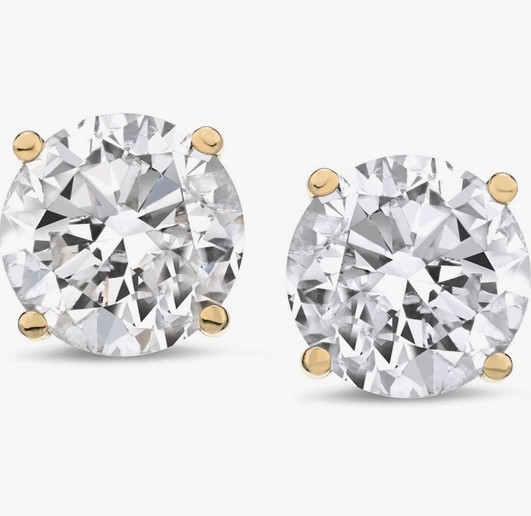
1 to 6 Carat LAB GROWN Solitaire Diamond Stud Earrings Round Cut 4 Prong Screw Back (F-G Color, VS1-VS2 Eye Clean Clarity)
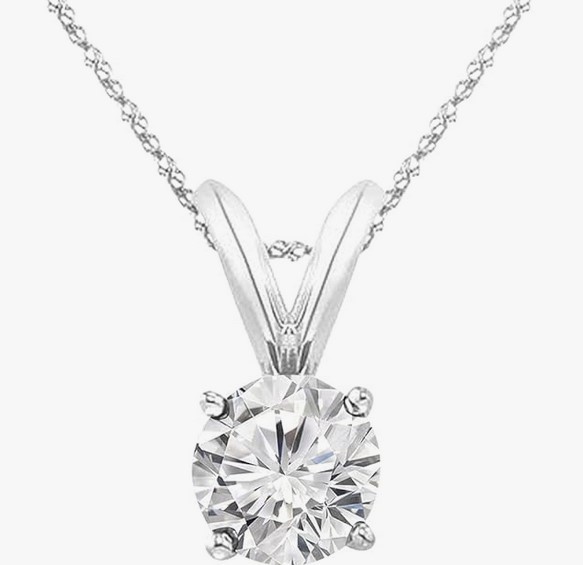
0.5-10 Carat Lab Grown Diamond Solitaire Pendant Necklace, Round Cut Solitaire, 4-Prong Setting, Jewelry for Women (E-F, VS)
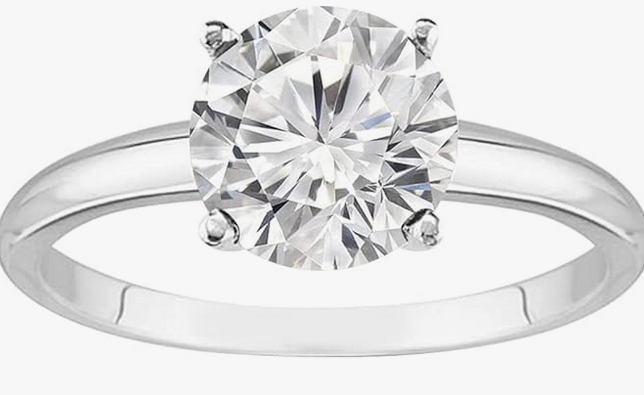
Houston Diamond District 1 to 10 Carat 14K White Gold IGI Certified Lab Grown Diamond Engagement Ring, Round Cut Solitaire, 4-Prong Setting (E–F Color VS2–SI1 Clarity)
1 Carat Lab Grown Diamond Earrings: The Complete Buyer’s Guide
1 carat lab grown diamond earrings deliver real diamond brilliance, timeless elegance, and outstanding value all in one dazzling pair. Bright, versatile, and effortlessly wearable, 1 carat lab grown diamond earrings frame the face with classic sparkle at a fraction of the cost of mined diamonds. Whether they’re a first pair of studs, a thoughtful gift, or an everyday staple, 1 carat lab grown diamond earrings offer genuine, certified diamonds that look every bit as beautiful as natural ones. This guide explains everything that shapes the look, quality, and value of 1 carat lab grown diamond earrings, so you can shop with total confidence.
At Mycaratdiamond, every pair of 1 carat lab grown diamond earrings is real, certified, and crafted for maximum brilliance, set in enduring precious metal.
What Are Lab Grown Diamonds?
A lab grown diamond is a genuine diamond created in a controlled laboratory environment rather than mined from the earth. It has the same chemical composition, the same crystal structure, and the same physical and optical properties as a mined diamond — the only difference is origin. That means 1 carat lab grown diamond earrings sparkle with the same fire and brilliance as natural diamonds, earn the same perfect 10 on the Mohs hardness scale, and are indistinguishable from mined stones without specialized equipment. They are real diamonds in every meaningful sense, simply made through advanced technology.
What Does “1 Carat” Mean for Lab Grown Diamond Earrings?
This is the most important thing to understand before you buy. For earrings, the carat figure refers to the total carat weight of the pair. So 1 carat lab grown diamond earrings feature two diamonds totaling one carat — meaning roughly 0.5 carats in each ear. That’s a beautifully balanced size: bright and clearly visible, yet refined and comfortable for daily wear. Knowing the weight is split across the pair helps you set the right expectations for the size and price of your 1 carat lab grown diamond earrings.
Why Choose 1 Carat Lab Grown Diamond Earrings?
There are many reasons 1 carat lab grown diamond earrings are so popular:
- Real diamonds, better value: 1 carat lab grown diamond earrings cost a fraction of natural, with identical beauty.
- Timeless versatility: they pair with everything, from casual to formal.
- Everyday elegance: comfortable and refined enough to wear daily.
- A conscientious choice: created in a controlled environment with clear, traceable origins.
- Higher grades for your budget: the value of lab grown lets you choose better color, clarity, or cut.
How Big Do 1 Carat Lab Grown Diamond Earrings Look?
Because the weight is split between two stones, each diamond in a pair of 1 carat lab grown diamond earrings is about 0.5 carats — roughly 5.1 millimeters across for a round diamond. That’s a graceful, clearly visible size that catches the light beautifully and adds a bright, elegant shimmer to the ear. Round studs offer the classic look, while a halo or illusion setting can make 1 carat lab grown diamond earrings appear even larger. Whatever the style, they deliver a polished, refined sparkle.
What Determines the Price of 1 Carat Lab Grown Diamond Earrings?
No two pairs are identical, so the price of 1 carat lab grown diamond earrings is never a single fixed number. Several measurable factors work together to set the final figure:
- The 4Cs — Carat weight, Color, Clarity, and Cut.
- Diamond shape — round brilliants typically cost more per carat than fancy shapes.
- Metal and setting — 14K gold, 18K gold, or platinum, plus the mounting and backs.
- Certification and matching — independent grading and how well the two diamonds are matched.
- Craftsmanship — the quality of the cutting and finishing.
Because they’re lab grown, 1 carat lab grown diamond earrings deliver all of this at a wonderfully accessible price — typically a small percentage of what a natural pair of the same size and quality would cost.
The 4Cs and Your 1 Carat Lab Grown Diamond Earrings
The 4Cs are the universal language of diamond value, and they apply to lab grown diamonds exactly as they do to mined ones.
Carat weight is the headline. At one carat total, each stone has a graceful, classic presence, giving your 1 carat lab grown diamond earrings a bright, balanced sparkle.
Color runs from colorless (D) downward. A near-colorless E-F grade keeps the diamonds bright and white while keeping the price efficient — a smart sweet spot for 1 carat lab grown diamond earrings.
Clarity measures internal characteristics. A VS-SI range delivers eye-clean diamonds — no inclusions visible to the naked eye — which keeps your 1 carat lab grown diamond earrings looking flawless while keeping the price efficient.
Cut is the most important C for sparkle. Precise faceting maximizes light return, so well-cut 1 carat lab grown diamond earrings catch the light beautifully with every movement. Always prioritize cut quality.
Matching the Pair
One thing that sets earrings apart from a single-stone ring is matching. For 1 carat lab grown diamond earrings to look their best, the two diamonds should be well matched in size, shape, color, and clarity, so the pair appears balanced and symmetrical. A reputable jeweler carefully pairs stones so your 1 carat lab grown diamond earrings sparkle in perfect harmony — a hallmark of quality worth confirming before you buy.
Settings and Backs: Choosing 1 Carat Lab Grown Diamond Earrings
The setting and the back both matter for style and security. Popular choices for 1 carat lab grown diamond earrings include:
- Three-prong (martini) setting: a sleek mount that shows off more of each diamond.
- Four-prong (basket) setting: a secure, classic look that cradles each stone.
- Bezel setting: a metal rim that surrounds and protects each diamond — ideal for active lifestyles.
- Secure backs: push-backs or screw-backs keep your studs safe and comfortable.
Metal choice matters too. 14K and 18K gold offer warm, classic luxury in white, yellow, or rose, while platinum delivers a premium, naturally white finish. A secure setting and back keep your 1 carat lab grown diamond earrings safe through years of everyday wear.
How Lab Grown Diamonds Are Made
Lab grown diamonds are produced using two advanced methods, both of which recreate the natural diamond-forming process far more efficiently than nature. HPHT (High Pressure High Temperature) recreates the intense heat and pressure found deep within the earth, while CVD (Chemical Vapor Deposition) grows a diamond layer by layer from a carbon-rich gas. Both yield genuine diamonds, and that production efficiency is exactly why 1 carat lab grown diamond earrings offer such remarkable value without any compromise on quality.
How to Choose the Perfect 1 Carat Lab Grown Diamond Earrings
To secure the best value without sacrificing beauty, keep these tips in mind when choosing 1 carat lab grown diamond earrings:
- Remember the weight is for the pair. Each stone in your 1 carat lab grown diamond earrings is about 0.5 carats.
- Favor E-F color and eye-clean VS-SI clarity. This combination looks stunning and keeps the price efficient.
- Prioritize cut quality. Excellent faceting is what makes diamonds sparkle.
- Confirm the pair is well matched. Balanced stones make 1 carat lab grown diamond earrings look their best.
- Choose secure backs. Screw-backs or quality push-backs keep your studs safe.
- Insist on certification. Independent grading confirms genuine, certified quality at a fair price.
Bottom line: 1 carat lab grown diamond earrings bring together real diamond sparkle, everyday versatility, and outstanding value in one timeless pair. With premium lab grown diamonds in near-colorless, eye-clean grades, set in beautifully crafted gold or platinum, you can own a genuine one carat look at a price that finally makes sense. Explore our collection above to find the perfect 1 carat lab grown diamond earrings for you.
A 1 carat lab grown diamond earrings represents a perfect balance of substantial size, brilliant sparkle, and accessible luxury that makes them an ideal choice for both everyday elegance and special occasions. Measuring approximately 6.5mm in diameter for round brilliant cuts, these earrings provide significant visual impact without being overwhelming, making them versatile enough to complement any outfit or style preference. With prices typically ranging from $800 to $3,500 per pair depending on quality grades, 1 carat lab grown diamond earrings offer exceptional value compared to their natural diamond counterparts while maintaining identical physical and optical properties that create stunning brilliance and fire.
What Is a 1 carat lab grown diamond earrings?
1 carat lab grown diamond earrings consist of two individual diamonds, each weighing 0.50 carats, for a total carat weight of 1.00 carats per pair. This configuration provides the perfect balance between size, brilliance, and wearability, creating earrings that make a noticeable statement while remaining appropriate for daily wear. The term “carat” specifically refers to the weight measurement, where one carat equals exactly 200 milligrams or 0.2 grams, making each individual earring stone weigh 100 milligrams.
Lab grown diamonds are created using advanced technological processes that replicate the natural diamond formation conditions found deep within the Earth’s mantle. These diamonds possess identical chemical composition, crystal structure, and optical properties to mined diamonds, consisting of pure carbon atoms arranged in a cubic crystal lattice structure. The two primary production methods include High Pressure High Temperature (HPHT) and Chemical Vapor Deposition (CVD), both producing diamonds that are indistinguishable from natural stones without specialized equipment.
The visual impact of 1 carat lab grown diamond earrings is substantial, with each 0.50-carat stone measuring approximately 5.2mm in diameter for round brilliant cuts. This size creates excellent light reflection and refraction, producing the characteristic sparkle and fire that makes diamond earrings so captivating. When worn, these earrings provide noticeable presence without overwhelming facial features, making them suitable for both professional environments and elegant evening occasions.
Manufacturing quality for these earrings has reached exceptional standards, with leading laboratories producing diamonds that consistently achieve high grades across all quality factors. The controlled environment of laboratory creation allows for precise management of color, clarity, and structural perfection, often resulting in superior quality compared to similarly priced natural diamonds. This consistency makes 1 carat lab grown diamond earrings an excellent choice for buyers seeking predictable quality and value.
1 carat lab grown diamond earrings Price Guide
Pricing for 1 carat lab grown diamond earrings varies significantly based on the four Cs: cut, color, clarity, and carat weight, along with certification source and retailer markup. Understanding these price ranges helps buyers make informed decisions and identify exceptional value opportunities within their budget constraints. The following price ranges reflect current market conditions for certified stones from reputable sources.
- A 1 carat lab grown diamond earrings in D-F color, VVS1-VVS2 clarity, Excellent cut: $2,800-$3,500
- G-H color, VS1-VS2 clarity, Very Good to Excellent cut: $1,800-$2,400
- 1 carat lab grown diamond earrings in I-J color, SI1-SI2 clarity, Good to Very Good cut: $1,200-$1,600
- K-L color, SI2-I1 clarity, Good cut: $800-$1,200
Complete earring pricing including settings typically adds $200-$800 to diamond costs, depending on metal type and setting complexity. Basic 14K gold or sterling silver stud settings represent the most economical option, while 18K gold, platinum, or designer settings command premium pricing. Buyers should factor setting costs into their overall budget planning to avoid unexpected expenses during the purchase process.
Price variations between retailers can be substantial, with online specialists often offering 20-30% savings compared to traditional jewelry stores. However, buyers should verify certification authenticity, return policies, and warranty coverage before making purchase decisions. The most competitive pricing typically comes from established online retailers who specialize in lab grown diamonds and maintain lower overhead costs than brick-and-mortar locations.
The Four Cs for a 1 carat lab grown diamond earrings
Cut quality represents the most critical factor affecting the visual appeal and brilliance of 1 carat lab grown diamond earrings, as it directly determines how effectively light enters, reflects, and exits each stone. Excellent and Very Good cut grades maximize sparkle and fire, while Good cuts may appear slightly less brilliant but offer better value for budget-conscious buyers. The precision cutting techniques used for lab grown diamonds often result in superior cut quality compared to natural stones at similar price points.
Color grading for these earrings follows the same GIA scale used for natural diamonds, ranging from D (completely colorless) to Z (light yellow or brown tint). Most buyers find excellent value in the G-I color range, where any color tint is barely perceptible to the naked eye, especially when mounted in earring settings. Higher color grades (D-F) command premium pricing but may not provide proportional visual improvement for most wearers.
Clarity considerations for 1 carat lab grown diamond earrings focus on inclusions and blemishes that affect transparency and brilliance. VS1 and VS2 grades offer excellent clarity with inclusions invisible to the naked eye, while SI1 stones can provide outstanding value if inclusions are not prominently positioned. The controlled laboratory environment often produces diamonds with superior clarity compared to natural stones, making lower clarity grades more acceptable for lab grown options.
Carat weight distribution between the two earring stones should be closely matched to ensure visual symmetry and balance when worn. Reputable dealers typically guarantee weight matching within 0.02 carats between paired stones, preventing noticeable size differences that could affect the overall appearance. This matching process requires careful selection and may slightly increase costs compared to purchasing individual stones separately.
Shape Options and Trade-Offs
Round brilliant cuts dominate the market for diamond earrings due to their exceptional light performance and classic appeal that complements all face shapes and personal styles. These cuts feature 57 or 58 facets precisely arranged to maximize brilliance and fire, creating the most sparkle possible from each stone. Round cuts also tend to appear larger than other shapes of equivalent carat weight, making them an excellent choice for buyers prioritizing visual impact.
Princess cut options provide a modern, geometric alternative with sharp corners and brilliant faceting that creates substantial sparkle and contemporary appeal. These square cuts typically cost 10-20% less than equivalent round stones while offering similar light performance characteristics. However, the pointed corners require protective prong settings to prevent chipping, and princess cuts may appear slightly smaller than round stones of identical carat weight.
Cushion, oval, and pear-shaped alternatives offer unique aesthetic options for buyers seeking distinctive looks that stand out from traditional round studs. These fancy shapes often provide better value per carat while creating elongated appearances that can be flattering for different face shapes. However, fancy shapes may show color and inclusions more readily than round cuts, potentially requiring higher color and clarity grades to achieve optimal visual appeal.
Emerald and asscher cuts appeal to buyers who prefer elegant, sophisticated appearances with less sparkle but more dramatic flashes of light. These step-cut styles emphasize clarity and color over brilliance, requiring higher quality grades to look their best. While less popular for earrings than rings, these cuts can create stunning, unique looks for fashion-forward wearers who appreciate understated elegance over maximum sparkle.
Wearing a 1 carat lab grown diamond earrings: Size and Presence
The physical dimensions of 1 carat lab grown diamond earrings create substantial visual impact that enhances facial features without overwhelming them, making these earrings suitable for both daily wear and special occasions. Each 0.50-carat stone measures approximately 5.2mm in diameter for round cuts, creating noticeable presence that draws attention and complements various hairstyles and necklines. This size represents a sweet spot where the earrings are significant enough to make a statement but versatile enough for regular wear.
Professional environments generally accommodate diamond stud earrings of this size, as they project success and attention to detail without being ostentatious or distracting. The classic nature of diamond studs makes them appropriate for conservative dress codes while still allowing personal expression through quality and craftsmanship. Many professionals consider these earrings an essential wardrobe component that transitions seamlessly from office settings to after-work social events.
Evening and formal occasions are perfectly suited to the elegance and sparkle provided by these earrings, where their brilliance can be fully appreciated under various lighting conditions. Restaurant lighting, candlelight, and outdoor evening settings all enhance the fire and scintillation of well-cut diamonds, creating captivating light displays that complement formal attire. The substantial size ensures the earrings remain visible and impactful even with elaborate hairstyles or formal updos.
Comfort considerations for 1 carat lab grown diamond earrings include the total weight of approximately 0.2 grams per earring, which most wearers find completely comfortable for extended periods. Quality settings with secure backing systems prevent loss while distributing weight evenly across the earlobe. However, individuals with sensitive ears or those unaccustomed to wearing substantial earrings may need an adjustment period to become comfortable with the size and weight.
Setting Recommendations
Traditional prong settings remain the most popular choice for diamond stud earrings because they maximize light entry and showcase the stone’s brilliance while providing secure mounting. Four-prong settings offer excellent security and durability while allowing maximum light exposure, though six-prong options provide additional security for active wearers. The prong metal should complement the diamond’s color, with white gold or platinum recommended for colorless stones and yellow gold suitable for warmer-toned diamonds.
Bezel settings provide contemporary styling with maximum security, completely encircling each diamond with a thin metal rim that protects the stone while creating a sleek, modern appearance. These settings work particularly well for active lifestyles or professional environments where security is paramount. However, bezels reduce light entry compared to prong settings, potentially diminishing sparkle and making the diamonds appear slightly smaller than their actual dimensions.
Martini settings create an elegant, minimalist profile that positions the diamond close to the earlobe while maintaining excellent light exposure through an open, cup-like design. This setting style works beautifully for round and princess cut stones, providing security without excessive metal coverage that might interfere with brilliance. The streamlined profile also makes these earrings comfortable for sleeping and extended wear periods.
Screw-back and leverback closures offer superior security compared to traditional butterfly backs, particularly important for valuable diamond earrings that represent significant investments. Screw-backs provide the most secure closure but require more effort to remove, while leverbacks offer excellent security with easier operation. Both options significantly reduce the risk of earring loss during daily activities or travel, making them worthwhile upgrades for valuable stones.
Certification: What a 1 carat lab grown diamond earrings Certificate Should Show
Proper certification for 1 carat lab grown diamond earrings should come from recognized gemological laboratories such as GIA, IGI, or GCAL, which provide standardized grading reports that accurately assess each stone’s characteristics. These certificates verify the diamond’s laboratory origin while providing detailed analysis of cut, color, clarity, and carat weight using the same standards applied to natural diamonds. Reputable certification ensures buyers receive accurate information about their purchase and provides documentation for insurance and resale purposes.
The grading report must clearly identify the stones as laboratory grown or laboratory created, distinguishing them from natural diamonds while confirming their identical physical and optical properties. This identification prevents any confusion about the diamond’s origin and ensures compliance with Federal Trade Commission guidelines requiring clear disclosure of laboratory origin. Certificates should also specify the growth method (HPHT or CVD) used to create each diamond.
Detailed measurements and quality assessments should include precise dimensions, symmetry grades, polish grades, and fluorescence characteristics that affect the diamond’s appearance and value. For round brilliant cuts, the certificate should show diameter measurements, depth percentages, and table percentages that indicate cut quality and light performance. These technical specifications help buyers understand exactly what they’re purchasing and compare options from different suppliers.
Matching documentation for earring pairs should demonstrate that both stones have been carefully selected for visual compatibility in terms of color, clarity, and cut quality. While exact matching isn’t always possible, certificates should show that paired stones fall within acceptable ranges that prevent noticeable differences when worn. This matching process adds value and ensures the finished earrings present a cohesive, professional appearance that enhances their overall visual impact.
Comparing Nearby Carat Weights
Comparing 1 carat lab grown diamond earrings to 0.75-carat alternatives reveals significant differences in visual impact and pricing that influence many purchase decisions. The 0.75-carat option features two 0.375-carat stones measuring approximately 4.8mm in diameter, creating noticeable size reduction compared to the 5.2mm diameter of 0.50-carat stones. This difference may seem small numerically but translates to meaningful visual impact differences, particularly for buyers who prioritize substantial presence.
Price comparisons show that 0.75-carat earrings typically cost 25-35% less than equivalent quality 1-carat options, making them attractive for budget-conscious buyers who still desire significant diamond presence. However, the per-carat pricing often favors larger stones, meaning buyers get better value by investing in the full 1-carat option if their budget allows. This pricing structure reflects the premium placed on larger individual stones in the diamond market.
Moving up to 1.25 or 1.5-carat earrings increases individual stone sizes to 0.625 or 0.75 carats respectively, creating substantially larger appearances with diameters reaching 5.8-6.1mm per stone. While these larger options provide impressive visual impact, they also command significantly higher prices and may be too substantial for some wearers’ preferences or professional dress codes. The weight increase also affects comfort during extended wear periods.
The psychological impact of owning “1 carat” earrings versus slightly smaller alternatives often influences buyer decisions beyond pure visual considerations. Round numbers like 1 carat carry special significance in jewelry purchases, similar to engagement ring preferences, making them more desirable for gift-giving and personal satisfaction. This psychological factor often justifies the premium pricing compared to nearby carat weights that offer similar visual appeal.
Where to Buy
Online specialized retailers typically offer the best combination of selection, pricing, and expertise for lab grown diamond earrings, maintaining lower overhead costs that translate to consumer savings of 20-40% compared to traditional jewelry stores. These retailers often provide extensive educational resources, detailed photography, and comprehensive return policies that facilitate confident online purchasing. However, buyers should verify the retailer’s reputation, certification authenticity, and customer service quality before making significant purchases.
Traditional jewelry stores provide the advantage of in-person examination and immediate gratification, allowing buyers to see and compare actual stones before making purchase decisions. Established jewelers often provide ongoing relationships, maintenance services, and warranty support that add value beyond the initial purchase. However, their overhead costs typically result in higher pricing, and their lab grown diamond selection may be limited compared to specialized online retailers.
Manufacturer-direct purchasing options are increasingly available from laboratory diamond producers who sell directly to consumers, potentially offering the best pricing by eliminating middleman markups. These sources often provide detailed production information and quality guarantees that appeal to buyers interested in understanding their diamond’s creation process. However, these manufacturers may have limited setting options and customer service capabilities compared to established retail operations.
Auction and secondary market options occasionally provide opportunities for significant savings on high-quality lab grown diamond earrings, particularly from sellers who purchased during the technology’s early adoption when prices were higher. However, these purchases require careful authentication and may lack warranty coverage or return options available from authorized retailers. Buyers should exercise caution and verify certification authenticity when considering secondary market purchases to avoid counterfeit or misrepresented merchandise.
Frequently Asked Questions
How much should I expect to pay for quality 1 carat lab grown diamond earrings?
1 carat lab grown diamond earrings typically range from $800 to $3,500 depending on quality factors, with most buyers finding excellent value in the $1,500-$2,500 range for high-quality stones with good cut, color, and clarity grades. This pricing includes both diamonds but not settings, which add an additional $200-$800 depending on metal choice and complexity. Premium grades with D-F color and VVS clarity command higher prices, while excellent value can be found in G-I color and VS-SI1 clarity ranges.
Are lab grown diamonds as durable as natural diamonds for everyday earring wear?
Lab grown diamonds possess identical hardness, durability, and scratch resistance to natural diamonds, rating 10 on the Mohs hardness scale and providing exceptional longevity for daily earring wear. The crystal structure and chemical composition are indistinguishable between lab grown and natural stones, ensuring equivalent performance in jewelry applications. Proper care and quality settings will preserve the beauty and integrity of these earrings for decades of regular wear without degradation or damage concerns.
What size do 1 carat lab grown diamond earrings appear when worn?
Each individual stone in 1 carat lab grown diamond earrings measures approximately 5.2mm in diameter for round cuts, creating substantial but proportional presence on the ears that complements most face shapes and hairstyles. The total visual impact is significant without being overwhelming, making these earrings suitable for both professional and formal occasions. Compared to common pearl stud sizes, these diamonds are larger than 6mm pearls but smaller than 8mm pearls, providing a helpful reference point for visualization.
Can jewelers distinguish between lab grown and natural diamonds in these earrings?
Professional gemologists require specialized equipment to differentiate between lab grown and natural diamonds, as they share identical physical, chemical, and optical properties that make visual identification impossible. Standard gemological tools cannot detect the difference, requiring advanced spectroscopy or photoluminescence equipment available only at certified laboratories. This similarity ensures that the beauty, brilliance, and performance of lab grown diamonds match natural stones exactly, with only origin differing between the two options.
How do I ensure proper matching between the two stones in my earrings?
Reputable dealers carefully match paired stones for color, clarity, cut quality, and carat weight to ensure visual consistency when worn, typically guaranteeing weight differences of less than 0.02 carats between stones. Professional matching also considers symmetry, polish, and overall visual appearance to prevent noticeable differences in sparkle or color when the earrings are worn together. Certification should document both stones’ characteristics, allowing buyers to verify proper matching before accepting their purchase.
What maintenance do 1 carat lab grown diamond earrings require?
1 carat lab grown diamond earrings require minimal maintenance beyond regular cleaning with mild soap and water or professional ultrasonic cleaning to maintain maximum brilliance and sparkle. Monthly cleaning removes accumulated oils, lotions, and debris that can dull the diamonds’ appearance, while annual professional inspection ensures setting security and prevents stone loss. The diamonds themselves are virtually indestructible with proper care, requiring no special treatment beyond standard jewelry maintenance practices and secure storage when not worn.
Conclusion
1 carat lab grown diamond earrings represent an exceptional combination of luxury, value, and versatility that makes them ideal for both special occasions and everyday elegance. Their substantial size creates meaningful visual impact while remaining appropriate for professional environments, and their identical properties to natural diamonds ensure lasting beauty and brilliance. With pricing significantly lower than natural diamond equivalents, these earrings provide accessible luxury without compromising on quality or appearance.
The investment in quality 1 carat lab grown diamond earrings pays dividends through years of wear and enjoyment, making them a smart choice for buyers seeking maximum value and impact from their jewelry purchases. Whether chosen for personal enjoyment or as meaningful gifts, these earrings deliver the prestige and beauty of traditional diamond jewelry with the added benefits of ethical sourcing and exceptional value. For expert guidance and premium selection, visit the Carat Diamond homepage.