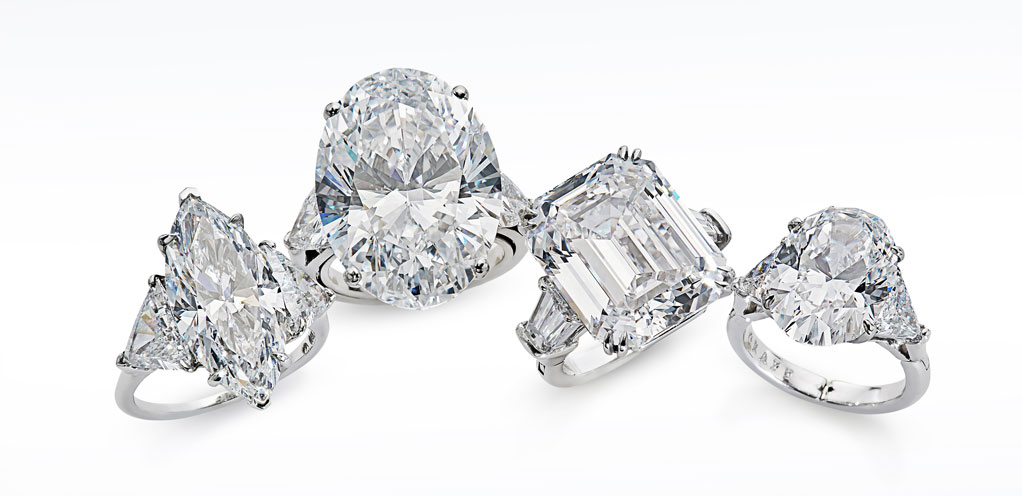
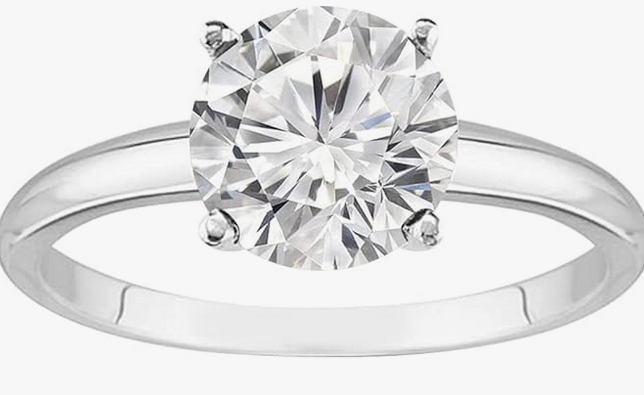
Houston Diamond District 1 to 10 Carat 14K White Gold IGI Certified Lab Grown Diamond Engagement Ring, Round Cut Solitaire, 4-Prong Setting (E–F Color VS2–SI1 Clarity)
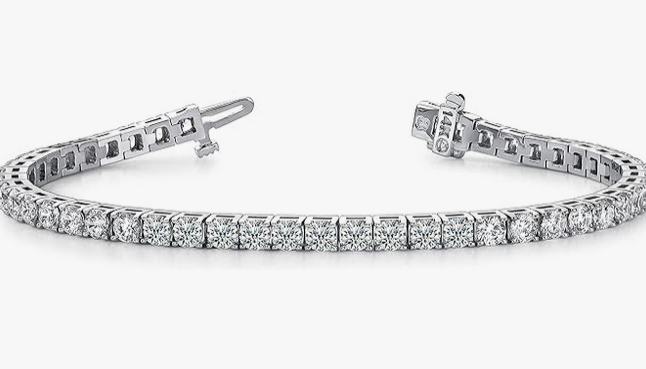
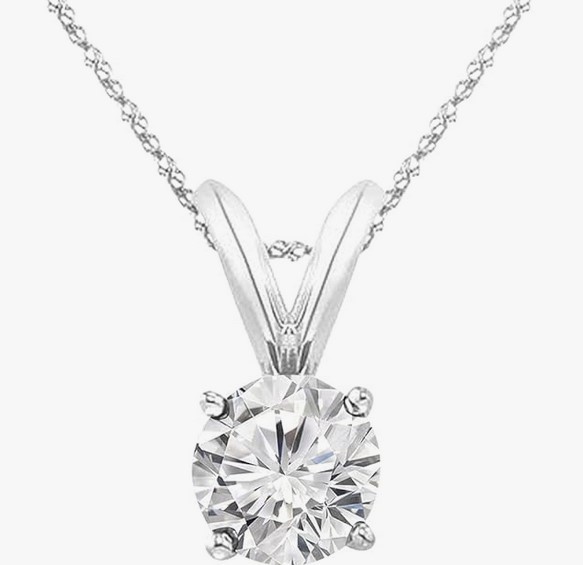
0.5-10 Carat Lab Grown Diamond Solitaire Pendant Necklace, Round Cut Solitaire, 4-Prong Setting, Jewelry for Women (E-F, VS)
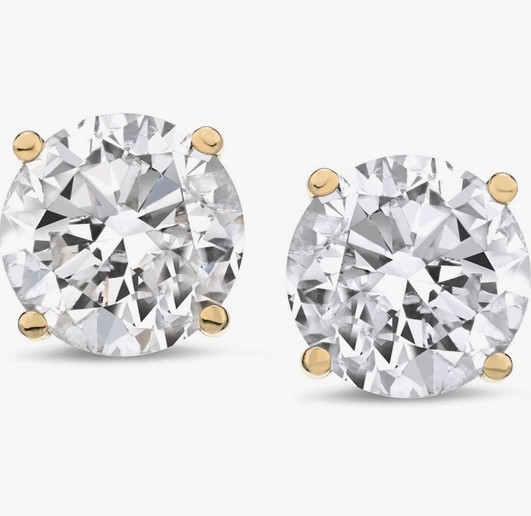
1 to 6 Carat LAB GROWN Solitaire Diamond Stud Earrings Round Cut 4 Prong Screw Back (F-G Color, VS1-VS2 Eye Clean Clarity)
A 1 carat emerald cut diamond ring measures approximately 7.0mm × 5.0mm and offers one of the most sophisticated and timeless looks in diamond jewelry. With its distinctive rectangular shape and step-cut faceting, this stone creates a hall-of-mirrors effect that emphasizes clarity and displays long, elegant flashes of light rather than the brilliant sparkle of round diamonds. A 1 carat emerald cut diamond ring typically ranges from $3,500 to $18,000 depending on color, clarity, and cut quality, making it an excellent choice for those seeking maximum visual impact with refined elegance. The elongated silhouette creates the illusion of larger size while the clean lines complement both vintage and contemporary settings beautifully.
What Is a 1 carat emerald cut diamond ring?
The emerald cut represents one of the oldest diamond cutting styles, originally developed for emerald gemstones in the 1500s before being adapted for diamonds in the Art Deco era of the 1920s. A 1 carat emerald cut diamond ring features a rectangular stone with cropped corners and a distinctive step-cut faceting pattern that creates broad, flat planes. Unlike brilliant cuts that maximize sparkle, the emerald cut emphasizes clarity and color, producing long flashes of light called “hall of mirrors” effect. The typical length-to-width ratio ranges from 1.30 to 1.50, with 1.40 being most popular for achieving the classic elongated rectangle appearance.
This cutting style removes approximately 50% of the rough diamond material, making it more efficient than round brilliant cuts and often resulting in better value per carat. However, the large table and step-cut faceting make inclusions and color more visible, requiring higher clarity and color grades for optimal beauty. A 1 carat emerald cut diamond ring demands careful attention to proportions, as poor cutting can result in a windowed appearance where you can see straight through the center of the stone. The best examples exhibit excellent symmetry with crisp, straight edges and corners that align perfectly.
The sophisticated appearance of emerald cut diamonds has made them increasingly popular for engagement rings, particularly among those who appreciate understated elegance over maximum sparkle. The shape naturally draws the eye along its length, creating a flattering effect on the finger while offering a distinctive alternative to traditional round diamonds. Modern cutting techniques have refined the emerald cut to optimize light performance while maintaining the geometric beauty that defines this classic shape.
1 carat emerald cut diamond ring Price Guide
Pricing for emerald cut diamonds varies significantly based on the four Cs, with clarity and color playing particularly important roles due to the step-cut faceting that makes imperfections more visible. The following price ranges reflect current market conditions for certified diamonds from reputable sources:
- D–F color, VVS1–VVS2, Excellent cut: $8,000–$18,000
- A 1 carat emerald cut diamond ring in G–H color, VS1–VS2, Very Good cut: $5,500–$11,000
- I–J color, SI1–SI2, Good cut: $3,500–$7,500
- A 1 carat emerald cut diamond ring in K–L color, SI2–I1, Fair cut: $2,800–$5,200
Complete ring pricing including setting typically adds $500 to $3,000 depending on metal type and design complexity. Popular setting options and their typical price ranges include:
- 14K gold solitaire setting: $500–$1,200
- 18K gold or platinum solitaire: $800–$1,800
- A 1 carat emerald cut diamond ring in halo setting: $1,200–$2,500
- Vintage-inspired milgrain settings: $900–$2,200
- Three-stone settings with side diamonds: $1,500–$3,000
Market conditions significantly influence pricing, with natural diamonds typically commanding 20-40% premiums over lab-grown alternatives of identical quality. The emerald cut’s efficiency in cutting rough diamonds often makes it 10-15% less expensive than round brilliant cuts of comparable quality. However, the higher clarity requirements can offset some of these savings, as emerald cuts typically require VS2 or better clarity grades for optimal appearance.
Seasonal demand affects pricing, with engagement ring purchases typically peaking during holiday seasons and spring months. A 1 carat emerald cut diamond ring purchased during slower periods like late summer or early fall may offer better value. Additionally, diamonds just under popular weights like 0.90-0.95 carats can provide significant savings while appearing nearly identical in size when properly set.
The Four Cs for a 1 carat emerald cut diamond ring
Cut quality proves absolutely critical for emerald cut diamonds, as the step-cut faceting pattern offers fewer opportunities to hide cutting imperfections compared to brilliant cuts. A 1 carat emerald cut diamond ring requires precise proportions to achieve optimal light performance and avoid the dreaded “window” effect where light passes straight through the stone. Ideal table percentages range from 61% to 69%, while depth should fall between 58% to 68%. The length-to-width ratio significantly impacts appearance, with most buyers preferring ratios between 1.30 and 1.50 for the classic elongated rectangle look.
Color becomes more apparent in emerald cuts due to the large table and open faceting pattern that allows easy observation of the stone’s body color. While round diamonds can often hide slight color tints through their brilliant faceting, emerald cuts display color more honestly. For a colorless appearance, consider D-F grades, though G-H color diamonds often provide excellent value while still appearing white when set in jewelry. I-J color grades may show slight warmth but can look stunning in yellow gold settings that complement the tint.
Clarity demands particular attention when selecting a 1 carat emerald cut diamond ring, as the step-cut faceting and large table make inclusions much more visible than in brilliant cuts. The broad, flat facets act like windows into the stone, revealing internal characteristics that might be hidden in other cuts. Most gemologists recommend VS2 or better clarity grades for emerald cuts, though some SI1 stones with well-placed inclusions can still appear eye-clean. SI2 and lower grades rarely look clean to the naked eye in emerald cuts.
Carat weight in emerald cuts provides excellent visual impact due to the shape’s efficient use of rough diamond material and elongated appearance. The rectangular outline naturally appears larger than round diamonds of equal weight, making a 1 carat emerald cut diamond ring an excellent choice for maximizing apparent size. The step-cut faceting also tends to retain more of the original rough diamond’s weight during cutting, often resulting in better value compared to brilliant cuts that remove more material during the shaping process.
Shape Options and Trade-Offs
The emerald cut offers several variations in proportions that significantly affect appearance and personality. Square emerald cuts, technically called Asscher cuts when perfectly square, provide a more geometric look with equal length and width measurements. These stones emphasize the step-cut pattern’s concentric squares and offer a distinctly Art Deco aesthetic. However, most buyers prefer the elongated rectangle format that creates a more graceful silhouette and appears larger than square alternatives of equal carat weight.
Length-to-width ratios dramatically impact the visual character of emerald cut diamonds. Ratios closer to 1.30 create a more square appearance with broader proportions, while ratios approaching 1.50 produce a distinctly elongated rectangle. A 1 carat emerald cut diamond ring with a 1.40 ratio typically measures approximately 7.0mm × 5.0mm, offering the classic emerald cut proportions most buyers find appealing. Ratios beyond 1.50 can appear too narrow and may sacrifice structural integrity.
The step-cut faceting pattern itself can vary in the number of steps, with most modern emerald cuts featuring three steps on both the crown and pavilion. Some cutters create additional steps for more complex light patterns, though this can sometimes reduce the bold, clean flashes that define the emerald cut’s appeal. The cropped corners, essential for structural stability, can be cut more or less deeply depending on the cutter’s preference and the rough diamond’s characteristics.
Trade-offs compared to other diamond shapes include reduced brilliance in exchange for exceptional clarity display and elegant sophistication. While a round brilliant diamond maximizes light return and sparkle, a 1 carat emerald cut diamond ring prioritizes transparency, color display, and geometric beauty. The emerald cut also shows inclusions and color more readily, requiring higher grades in these areas but often commanding lower prices per carat than round diamonds of comparable quality.
Wearing a 1 carat emerald cut diamond ring: Size and Presence
The visual impact of emerald cut diamonds extends well beyond their actual measurements due to the rectangular outline and elongated proportions. A 1 carat emerald cut diamond ring typically appears larger than a 1 carat round diamond, as the elongated shape covers more finger width and length. The step-cut faceting creates broad flashes of light that draw attention to the stone’s size and geometric beauty. On most finger sizes, a 1 carat emerald cut provides substantial presence without appearing overwhelming or impractical for daily wear.
Finger coverage varies with proportions, but most 1 carat emerald cuts measure approximately 7.0mm in length and 5.0mm in width, providing excellent coverage across the finger. The rectangular outline naturally follows the finger’s shape, creating an elongating effect that many wearers find flattering. Unlike round diamonds that can appear small on larger fingers, the emerald cut’s rectangular footprint provides consistent visual impact across various finger sizes. The clean lines and geometric precision also complement both slender and fuller fingers beautifully.
Daily wearability proves excellent for emerald cut diamonds due to their relatively shallow profile and cropped corners that resist chipping. The step-cut faceting, while showing inclusions more readily, actually creates a more durable stone structure than some brilliant cuts with numerous small facets. A 1 carat emerald cut diamond ring sits comfortably on the finger without catching on clothing or feeling bulky during regular activities. The streamlined silhouette works equally well for professional environments and special occasions.
The sophisticated aesthetic of emerald cuts appeals particularly to those who appreciate understated elegance over maximum sparkle. The long, elegant light flashes create a more subtle beauty than the intense fire of brilliant cuts, making the ring appropriate for conservative dress codes while still commanding attention. The timeless appeal ensures the ring won’t appear dated as fashion trends change, making it an excellent choice for those seeking lasting style rather than momentary trends.
Setting Recommendations
Solitaire settings prove ideal for showcasing the emerald cut’s geometric beauty and allowing maximum light entry into the stone. Four-prong settings with V-shaped prongs at the corners provide excellent protection while maintaining the diamond’s clean lines. Six-prong settings offer additional security but can sometimes interfere with the stone’s rectangular outline. The prong placement should align with the diamond’s corners and sides to enhance rather than compete with the step-cut faceting pattern.
Halo settings dramatically increase the apparent size and sparkle of emerald cut centers by surrounding them with smaller brilliant-cut diamonds. The contrast between the step-cut center and brilliant-cut halo creates visual interest while adding substantial sparkle to complement the emerald cut’s more subtle light performance. A 1 carat emerald cut diamond ring with halo setting can appear equivalent to a 1.5-2 carat solitaire while often costing significantly less than upgrading the center stone’s size.
Three-stone settings work beautifully with emerald cuts, either using matching emerald-cut side stones for geometric consistency or brilliant-cut trapezoids that complement the center stone’s angles. The linear arrangement enhances the emerald cut’s elongated proportions while adding additional diamond weight and sparkle. Side stone sizes typically range from 0.25 to 0.50 carats each, creating balanced proportions that don’t overwhelm the center stone’s presence.
Vintage-inspired settings with milgrain detailing, filigree work, or Art Deco elements naturally complement the emerald cut’s historical roots and geometric precision. These settings often incorporate additional small diamonds in intricate patterns that enhance the overall design’s sophistication. A 1 carat emerald cut diamond ring in a vintage setting appeals to those seeking unique character and historical romance in their jewelry. Bezel settings, while less common, provide maximum protection and create a sleek, modern appearance that emphasizes the diamond’s outline.
Comparing Nearby Carat Weights
The relationship between carat weight and visual size in emerald cuts differs from other diamond shapes due to their rectangular proportions and efficient cutting yield. A 0.90 carat emerald cut typically measures approximately 6.7mm × 4.8mm, while a 1.10 carat stone measures roughly 7.3mm × 5.2mm. The difference in appearance between these weights proves relatively subtle, making near-carat weights an excellent value proposition for budget-conscious buyers seeking maximum visual impact.
Price differences between carat weights can be dramatic due to psychological pricing thresholds at popular weights. A 1 carat emerald cut diamond ring commands a significant premium over 0.90-0.95 carat alternatives, often 15-25% higher despite minimal visual differences. Conversely, 1.10-1.20 carat stones may offer excellent value as they exceed the popular 1 carat threshold without reaching the next major price jump at 1.50 carats.
The elongated proportions of emerald cuts help smaller weights appear more substantial than they might in round diamonds. A 0.75 carat emerald cut measuring approximately 6.0mm × 4.5mm can appear quite impressive when well-proportioned and properly set. The rectangular outline provides substantial finger coverage even at smaller carat weights, making sub-carat emerald cuts an attractive option for those prioritizing shape character over maximum size.
Upgrade potential should factor into carat weight decisions, as emerald cuts maintain their proportional relationships consistently across different sizes. A couple choosing a 0.75 carat emerald cut initially can easily upgrade to a 1 carat emerald cut diamond ring later while maintaining the same aesthetic character and proportions. This scalability makes emerald cuts excellent starter stones that can grow with changing preferences or budgets over time.
Certification: What a 1 carat emerald cut diamond ring Certificate Should Show
Professional gemological certification from recognized laboratories like GIA, AGS, or GCAL provides essential verification of a diamond’s quality characteristics and authenticity. A proper certificate for a 1 carat emerald cut diamond ring should include precise measurements, weight verification, color and clarity grades, and detailed analysis of cut quality factors. The certificate serves as both quality assurance and documentation for insurance purposes, making it absolutely essential for any significant diamond purchase.
Cut grading for emerald cuts requires special attention as not all laboratories provide comprehensive cut grades for fancy shapes. GIA, for example, provides detailed measurements and proportions but doesn’t assign an overall cut grade to emerald cuts like they do for round diamonds. The certificate should include table percentage, depth percentage, girdle thickness, and polish and symmetry grades. These measurements allow buyers to evaluate cut quality independently and ensure proper proportions.
Clarity plotting on certificates becomes particularly important for emerald cuts due to their transparency and inclusion visibility. The certificate should include a detailed diagram showing the location, type, and relative size of all inclusions and blemishes. This plotting helps buyers understand whether inclusions will be visible to the naked eye and how they might affect the stone’s beauty. A 1 carat emerald cut diamond ring certificate should clearly indicate whether clarity characteristics are eye-visible or require magnification to observe.
Additional features like fluorescence, measurements, and treatments must be clearly disclosed on legitimate certificates. Fluorescence can affect appearance in certain lighting conditions, while precise measurements help verify proper proportions and sizing for settings. Any treatments or enhancements must be prominently disclosed, though natural emerald cut diamonds rarely undergo treatments beyond standard cutting and polishing. The certificate number should be laser-inscribed on the diamond’s girdle for verification purposes.
Where to Buy
Reputable online retailers offer the largest selection of certified emerald cut diamonds with detailed photography and grading information that facilitates informed decision-making. Online platforms typically provide high-resolution images, 360-degree videos, and detailed specifications that allow thorough evaluation before purchase. The competitive online marketplace often results in better pricing than traditional brick-and-mortar stores, though buyers sacrifice the ability to view stones in person before purchasing.
Local jewelers provide the advantage of personal service and the ability to view diamonds under various lighting conditions before making decisions. Established local retailers often maintain relationships with diamond suppliers that can access stones not available through online channels. A 1 carat emerald cut diamond ring purchased locally includes the benefit of ongoing service relationships for sizing, cleaning, and maintenance. However, local selection may be limited, and pricing might be higher than online alternatives.
Diamond district locations in major cities like New York, Los Angeles, and Chicago offer extensive selection and competitive pricing from wholesale-oriented dealers. These locations provide the opportunity to compare multiple stones side-by-side while often accessing better pricing than traditional retail channels. However, buyers should ensure proper certification and return policies, as some diamond district dealers focus on trade customers rather than retail buyers.
Considerations for any purchase channel include return policies, warranty coverage, and post-purchase services. A 1 carat emerald cut diamond ring represents a significant investment that should include reasonable return periods for evaluation and comprehensive warranty coverage for manufacturing defects. The seller’s reputation, certification acceptance, and customer service quality often prove more important than marginal price differences between competing sources.
Frequently Asked Questions
How much should I expect to pay for a 1 carat emerald cut diamond ring?
A 1 carat emerald cut diamond ring typically ranges from $4,000 to $20,000 including setting, depending on the diamond’s color, clarity, and cut quality. Premium stones with D-F color and VVS-VS clarity command the highest prices, while good-quality stones in G-I color and VS-SI1 clarity offer excellent value. The setting adds $500-$3,000 depending on metal type and design complexity, with simple solitaires costing less than elaborate halo or vintage-inspired designs.
What makes emerald cut diamonds different from other shapes?
Emerald cut diamonds feature distinctive step-cut faceting that creates long, elegant light flashes rather than the brilliant sparkle of round diamonds. The rectangular shape with cropped corners emphasizes clarity and color while providing a sophisticated, understated elegance. This cutting style makes inclusions and color more visible, requiring higher grades in these areas, but offers excellent value per carat and a timeless aesthetic appeal.
Is a 1 carat emerald cut diamond ring too big for everyday wear?
A 1 carat emerald cut diamond ring provides substantial presence while remaining practical for daily wear on most finger sizes. The rectangular outline typically measures 7.0mm × 5.0mm, offering impressive coverage without being overwhelming or impractical. The streamlined profile and cropped corners resist catching on clothing, making it suitable for professional environments and active lifestyles while still commanding attention for special occasions.
What clarity grade should I choose for the best value?
The step-cut faceting makes inclusions more visible, so VS2 clarity typically represents the minimum grade for eye-clean appearance in most emerald cuts. VS1 stones offer additional peace of mind, while VVS grades provide perfection at premium prices. Some SI1 stones with well-placed inclusions can appear eye-clean, but each stone requires individual evaluation due to the emerald cut’s transparency and inclusion visibility.
How do I ensure proper proportions in a 1 carat emerald cut diamond ring?
A 1 carat emerald cut diamond ring should have a length-to-width ratio between 1.30 and 1.50, with 1.40 being most popular for classic proportions. Table percentage should range from 61% to 69%, while depth should fall between 58% and 68%. Polish and symmetry grades of Very Good or better ensure crisp edges and proper light performance, while avoiding stones with poor proportions that create windowing or darkness.
Can emerald cut diamonds be lab-grown, and how do they compare?
Lab-grown emerald cut diamonds offer identical physical and optical properties to natural stones at 20-40% lower prices. The step-cut faceting displays lab-grown diamonds beautifully, with no visual differences from natural alternatives. However, lab-grown stones typically have lower resale value and may not hold long-term value like natural diamonds. The choice depends on budget priorities and personal preferences regarding diamond origin and investment considerations.
Conclusion
Selecting a 1 carat emerald cut diamond ring requires careful attention to cut quality, clarity, and color due to the step-cut faceting that emphasizes transparency over brilliance. The sophisticated elegance and timeless appeal of this classic shape make it an excellent choice for those seeking distinctive beauty and substantial presence. With proper attention to proportions and quality characteristics, a 1 carat emerald cut diamond ring provides exceptional value and enduring style that transcends passing fashion trends.
The investment in a quality certified diamond from reputable sources ensures lasting satisfaction and proper documentation for insurance and resale purposes. Whether chosen for an engagement ring or significant jewelry purchase, a 1 carat emerald cut diamond ring represents a sophisticated choice that balances visual impact with refined elegance. For additional information about diamond selection and quality evaluation, visit the Carat Diamond homepage for expert guidance and certified diamond selections.