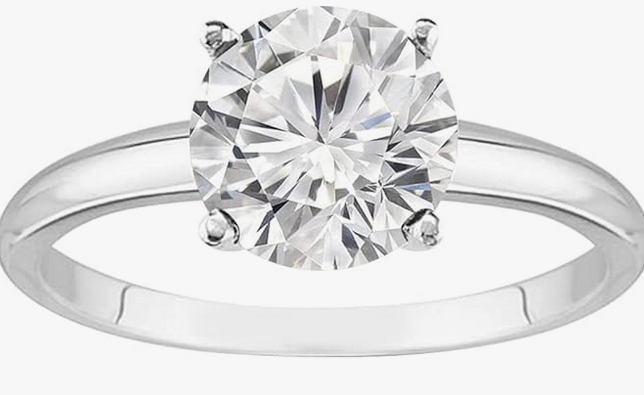
Houston Diamond District 1 to 10 Carat 14K White Gold IGI Certified Lab Grown Diamond Engagement Ring, Round Cut Solitaire, 4-Prong Setting (E–F Color VS2–SI1 Clarity)
0.5-10 Carat Lab Grown Diamond Solitaire Pendant Necklace, Round Cut Solitaire, 4-Prong Setting, Jewelry for Women (E-F, VS)
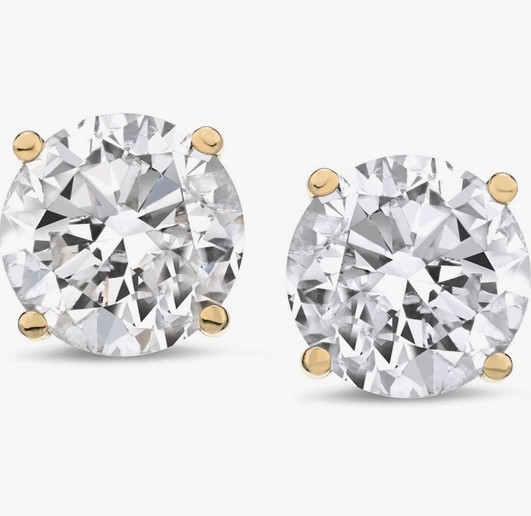
1 to 6 Carat LAB GROWN Solitaire Diamond Stud Earrings Round Cut 4 Prong Screw Back (F-G Color, VS1-VS2 Eye Clean Clarity)
Two Carat Diamond Ring: The Complete Buyer’s Guide
A two carat diamond ring is the perfect balance of bold presence and timeless elegance. Double the classic one-carat size, a two carat diamond ring delivers noticeably more sparkle and a confident, eye-catching look — while still feeling refined and comfortable for everyday wear. Whether it’s an engagement ring, an anniversary upgrade, or a stunning right-hand statement, a two carat diamond ring is a choice that turns heads without ever feeling excessive. This guide explains everything that shapes the look, quality, and value of a two carat diamond ring, so you can choose with total confidence.
At Mycaratdiamond, every two carat diamond ring is crafted from a real, certified lab grown diamond set in enduring precious metal — the combination that delivers extraordinary brilliance at a genuinely accessible price.
Why a Two Carat Diamond Ring Is So Popular
Two carats hits a sweet spot that few other sizes can match. A two carat diamond ring looks substantial and luxurious on the finger, photographs beautifully, and carries real presence — yet remains practical for daily life. It’s a satisfying step up from one carat that feels meaningfully larger without being over the top. Here’s why so many people fall for a two carat diamond ring:
- Striking presence: a two carat diamond ring makes an immediate impression and reads clearly across a room.
- Versatile elegance: it suits classic, modern, and vintage styles equally well.
- Everyday comfort: large enough to dazzle, yet easy to wear every day.
- Exceptional value with lab grown: a two carat diamond ring is far more attainable than most people expect.
How Big Is a Two Carat Diamond Ring?
The face-up size of a two carat diamond ring depends on the diamond’s shape. A round two carat diamond measures roughly 8 millimeters across — a bold, confident footprint on the finger. Elongated shapes like oval, pear, and marquise appear even larger because their length stretches across more of the hand. Because diamonds are three-dimensional, doubling the carat weight from one to two increases the visible diameter by around 25%, not 100% — but a two carat diamond ring still has clearly more presence than a one carat, with a beautifully proportioned, head-turning look.
What Determines the Price of a Two Carat Diamond Ring?
No two rings are identical, so the price of a two carat diamond ring is never a single fixed number. Several measurable factors work together to set the final figure:
- Origin (natural vs. lab grown) — the single biggest driver of a two carat diamond ring‘s price.
- The 4Cs — Carat weight, Color, Clarity, and Cut.
- Diamond shape — round brilliants typically cost more per carat than fancy shapes.
- Metal and setting — 14K gold, 18K gold, or platinum, plus the band style and any accent stones.
- Certification and craftsmanship — independent grading and the finish quality of the piece.
Once you understand how each factor moves the needle, spotting real value in a two carat diamond ring becomes simple.
Natural vs. Lab Grown Two Carat Diamond Ring
This is where the price gap is most dramatic. A natural two carat diamond is rare and carries a steep premium. A lab grown two carat diamond ring, by contrast, offers the same sparkle, the same durability, and the same certified quality for a fraction of the cost — often a small percentage of the natural equivalent.
Lab grown diamonds are chemically, physically, and optically identical to mined diamonds. They earn a perfect 10 on the Mohs hardness scale and display the same fire and brilliance. The only difference is origin: lab grown stones are created in a controlled environment rather than deep underground. That efficiency is exactly why a lab grown two carat diamond ring makes a striking two-carat look so attainable — letting you choose higher grades for the same budget, or simply enjoy meaningful savings on a beautiful size.
The 4Cs and Your Two Carat Diamond Ring
The 4Cs are the universal language of diamond value, and each one shapes how a two carat diamond ring looks and what it costs.
Carat weight is the headline. At two carats, the center stone has real presence — substantial and eye-catching without feeling oversized, which is a big part of why a two carat diamond ring is so beloved.
Color runs from colorless (D) downward. A near-colorless E-F grade keeps the diamond bright and white while avoiding the steep premium of a flawless D, making it a smart sweet spot for a two carat diamond ring.
Clarity measures internal characteristics. A VS-SI range delivers eye-clean diamonds — no inclusions visible to the naked eye — which protects brilliance while keeping your two carat diamond ring priced efficiently.
Cut is the most important C for sparkle. Precise faceting maximizes light return, so a well-cut two carat diamond ring looks brighter, larger, and livelier. Never compromise on cut — it’s what makes the diamond come alive.
Best Diamond Shapes for a Two Carat Diamond Ring
Shape is one of the most personal choices, and it dramatically affects the character of a two carat diamond ring:
- Round brilliant: the most popular shape, prized for maximum sparkle and timeless appeal.
- Oval: elongates the finger and looks larger than its weight suggests.
- Cushion: soft, rounded corners with romantic, vintage fire.
- Princess and emerald: a sharp modern square or an elegant step-cut for a distinctive look.
- Pear and marquise: dramatic shapes that maximize finger coverage.
Fancy shapes often cost less per carat than round brilliants, so they can stretch your budget while giving your two carat diamond ring a unique signature look.
Choosing the Setting and Metal
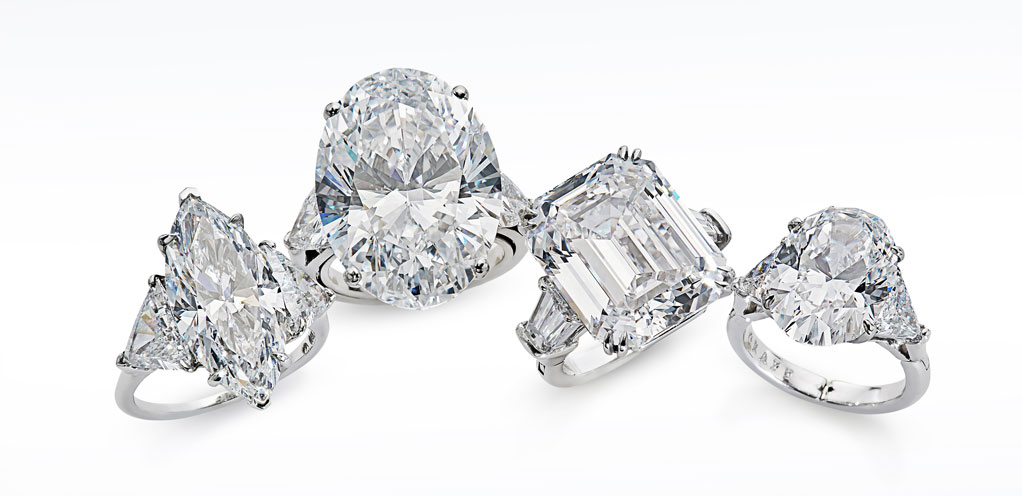
The setting frames your center stone and defines the overall style. Popular choices for a two carat diamond ring include the clean, classic solitaire; the sparkling halo, which frames the center stone with smaller diamonds and makes a two carat diamond ring look even larger; the shimmering pavé band; and the meaningful three-stone design symbolizing past, present, and future.
Metal choice matters too. 14K and 18K gold offer warm, classic luxury in white, yellow, or rose, while platinum delivers a premium, naturally white finish. A secure prong setting protects the diamond and keeps your two carat diamond ring safe through years of everyday wear.
Why Lab Grown Makes the Two Carat Diamond Ring Attainable
Lab grown diamonds are produced using two advanced methods — HPHT (High Pressure High Temperature) and CVD (Chemical Vapor Deposition). Both recreate the natural diamond-forming process, but far more efficiently. That efficiency is why a lab grown two carat diamond ring offers such remarkable value.
Crucially, this lower price involves no compromise on quality. You are not buying a simulant or imitation — you are buying a real, certified diamond graded by the same 4Cs and indistinguishable from a mined stone without specialized equipment. For most buyers, a lab grown two carat diamond ring is the clear value winner: the same beauty and presence, with far more size and sparkle for the budget.
How to Choose the Perfect Two Carat Diamond Ring
To secure the best value without sacrificing beauty, keep these tips in mind when choosing a two carat diamond ring:
- Favor E-F color and eye-clean VS-SI clarity. This combination looks stunning and keeps your two carat diamond ring priced efficiently.
- Prioritize cut quality. Excellent faceting is what makes a diamond truly sparkle.
- Pick a shape you love. The shape defines the entire character of your two carat diamond ring.
- Choose a secure setting. A quality prong or halo setting keeps your diamond safe and brilliantly lit.
- Choose lab grown. It’s the most direct way to make a two carat diamond ring affordable while keeping a genuine diamond.
- Insist on certification. Independent grading confirms you’re paying a fair price for real quality.
Bottom line: a two carat diamond ring brings together bold size, brilliant sparkle, and timeless elegance in one beautifully balanced design. With a premium lab grown diamond in a near-colorless, eye-clean grade, set in beautifully crafted gold or platinum, you can own a true two carat statement at a price that finally makes sense. Explore our collection above to find the perfect two carat diamond ring for you.
A two carat diamond ring represents a significant milestone in diamond jewelry, measuring approximately 8.2mm in diameter for round brilliant cuts and commanding prices from $8,000 to $80,000 depending on quality factors. This substantial stone size offers impressive visual presence while remaining elegant for daily wear, making it a coveted choice for engagement rings and special occasion jewelry. A two carat diamond ring provides the perfect balance between noticeable size and refined sophistication, delivering exceptional sparkle that captures attention without appearing ostentatious. Understanding the nuances of cut, color, clarity, and certification becomes crucial at this carat weight, as quality variations dramatically impact both appearance and investment value.
What Is a two carat diamond ring?
A two carat diamond ring features a center stone weighing exactly 2.00 carats, equivalent to 400 milligrams or 0.4 grams of pure carbon crystallized under extreme pressure and heat. This carat weight represents double the size of the traditional one-carat standard, though the visual difference appears more modest due to how diamond dimensions scale. The surface area increase from one to two carats is approximately 40-50% rather than 100%, as carat weight measures volume while visual impact relates to face-up appearance.
Diamond measurement at the two-carat level requires precision equipment and certified gemological assessment. Round brilliant two-carat diamonds typically measure 8.1-8.3mm in diameter with depths ranging from 4.9-5.1mm for optimal light performance. Fancy shapes vary significantly: oval diamonds may measure 10.5×7.8mm, emerald cuts approximately 8.8×6.6mm, and princess cuts around 7.3×7.3mm. These dimensions directly impact finger coverage and visual presence, making shape selection crucial for achieving desired aesthetic goals.
The rarity factor distinguishes a two carat diamond ring from smaller alternatives, as only a small percentage of mined diamonds achieve this substantial weight while maintaining gem quality. Natural formation processes rarely produce large, inclusion-free crystals suitable for jewelry applications. This scarcity contributes to exponential price increases as carat weight climbs, making two-carat stones significantly more valuable per carat than their smaller counterparts. Lab-grown alternatives offer identical physical and optical properties at reduced costs while maintaining the same impressive visual impact.
Market positioning places two-carat diamonds in the luxury segment, appealing to discerning buyers seeking substantial presence without entering ultra-luxury territory. Celebrity influence and social media exposure have increased demand for this particular size, as it photographs beautifully and makes a statement about commitment and success. The two carat diamond ring serves multiple purposes: engagement centerpiece, anniversary upgrade, or investment-grade jewelry that retains value over time while providing daily enjoyment.
two carat diamond ring Price Guide
Understanding pricing for a two carat diamond ring requires examining both loose stone costs and complete ring pricing, as setting selection and customization options significantly impact final investment. Market fluctuations, supply chain factors, and quality specifications create price ranges spanning tens of thousands of dollars. Natural diamonds command premium pricing due to rarity and traditional appeal, while lab-grown options provide identical beauty at approximately 30-50% cost savings.
Stone-only pricing for two-carat diamonds varies dramatically based on the Four Cs combination. Premium specifications including D-F color grades, VVS1-VVS2 clarity levels, and Excellent cut quality command top-tier pricing. Mid-range options balancing quality and value typically feature G-I color grades with VS1-VS2 clarity ratings. Budget-conscious buyers may consider J-K color grades or SI1-SI2 clarity levels while maintaining Excellent or Very Good cut standards for optimal sparkle.
- D-F color, VVS1-VVS2, Excellent cut: $25,000-$45,000
- A two carat diamond ring stone in G-H color, VS1-VS2, Excellent cut: $18,000-$28,000
- I-J color, VS2-SI1, Very Good cut: $12,000-$20,000
- A two carat diamond ring center stone in K-L color, SI1-SI2, Good cut: $8,000-$14,000
- Lab-grown alternatives across all grades: $4,000-$18,000
Complete ring pricing includes setting costs, side stones, and customization fees that add $1,500-$8,000 to final investment depending on design complexity and metal selection. Simple solitaire settings in 14k gold start around $800-$1,200, while elaborate halo designs with pave diamonds and platinum construction may exceed $5,000. Three-stone settings, vintage-inspired designs, and custom CAD work fall within the $2,500-$4,500 range for most configurations.
- Solitaire setting in 14k gold: $28,000-$52,000 total
- Halo design with accent diamonds: $32,000-$58,000 total
- Three-stone setting with side diamonds: $35,000-$62,000 total
- Vintage-inspired with milgrain details: $31,000-$56,000 total
- Custom design with unique features: $34,000-$65,000 total
The Four Cs for a two carat diamond ring
Cut quality becomes paramount when selecting a two carat diamond ring, as poor proportions waste the stone’s potential for brilliance and fire. Excellent cut grades ensure optimal light return through precise angle calculations and symmetry standards. Table percentages should range 54-57% for round diamonds, with crown angles between 34-35 degrees and pavilion angles of 40.6-41 degrees. Girdle thickness, culet size, and polish grades contribute to overall cut assessment and light performance capabilities.
Color evaluation for large diamonds requires careful consideration, as increased size amplifies any visible tint, particularly in lower color grades. D-F grades appear colorless to most observers, while G-H grades show warm undertones mainly when compared to higher grades. I-J color diamonds display noticeable warmth that some buyers find appealing, especially in vintage or yellow gold settings. K and lower grades show obvious yellow or brown tints that become more apparent in larger stones like two-carat diamonds.
Clarity standards for a two carat diamond ring should prioritize eye-clean appearance over technical grades, as magnification reveals inclusions invisible to naked-eye viewing. VVS grades offer technical perfection but rarely provide visual advantages over well-selected VS stones. SI1 clarity can offer excellent value if inclusions remain outside the table area or consist of white crystals rather than dark spots. SI2 grades require careful inspection to ensure eye-clean status, particularly important in larger stones where inclusions become more noticeable.
Carat weight precision matters significantly in the luxury market, with exact two-carat weights commanding premiums over 1.95-1.99 carat alternatives that appear identical to casual observation. This psychological threshold affects both pricing and perceived value, making precise weight verification essential during purchase decisions. Certification documents provide exact measurements to three decimal places, ensuring accuracy and supporting resale value documentation. Weight retention during setting becomes crucial to maintain the two-carat designation throughout the mounting process.
Shape Options and Trade-Offs
Round brilliant diamonds maximize sparkle and light performance through 58 precisely calculated facets, making them the most popular choice for luxury purchases. The round shape offers universal appeal, optimal brilliance, and strong resale value, though commanding premium pricing due to rough diamond waste during cutting. Face-up size measures approximately 8.2mm diameter, providing substantial finger coverage while maintaining classical elegance. Light performance reaches peak levels with proper proportions, creating exceptional fire and scintillation that showcases the stone’s quality.
Princess cut diamonds offer contemporary styling with impressive sparkle at value pricing compared to round alternatives. The square shape typically measures 7.3-7.5mm per side, appearing larger than round diamonds due to corner-to-corner diagonal measurement. Sharp corners require protective prong placement to prevent chipping, while color retention in corners may require higher color grades for optimal appearance. A two carat diamond ring in princess cut provides modern aesthetic appeal with excellent light performance when properly proportioned.
Oval diamonds create elongated finger appearance while maximizing perceived size through their extended length. Typical measurements of 10.5×7.8mm provide impressive finger coverage, though buyers should avoid excessive length-to-width ratios that create narrow, pointed appearances. The bow-tie effect, a dark shadow across the center, requires careful selection to minimize visual impact. Color grading becomes crucial as oval shapes can retain tint in the elongated areas, particularly noticeable in larger sizes.
Emerald cut diamonds emphasize clarity and color over brilliance through their step-cut faceting pattern. The rectangular shape with cropped corners measures approximately 8.8×6.6mm, creating sophisticated, vintage-inspired styling. Hall-of-mirrors effect replaces traditional sparkle with elegant light flashes that highlight the stone’s internal characteristics. Higher clarity grades become essential as the large, open facets readily reveal inclusions that might hide in brilliant-cut alternatives. A two carat diamond ring in emerald cut requires VS2 or better clarity for optimal beauty.
Wearing a two carat diamond ring: Size and Presence
Visual impact of a two carat diamond ring varies significantly based on finger size, hand proportions, and setting style selection. Ring sizes 4-6 showcase the stone’s full majesty with impressive coverage, while sizes 7-9 maintain elegant proportions without overwhelming the hand. Finger width affects perceived size as well, with narrow fingers making the diamond appear larger and wider fingers requiring consideration of elongated shapes for optimal aesthetic balance. Daily wear comfort requires attention to setting height and profile to prevent catching on clothing or surfaces.
Lifestyle considerations become important when investing in substantial diamond jewelry, as two-carat stones attract attention and require security awareness. Insurance coverage becomes essential, typically costing 1-2% of the ring’s appraised value annually. Professional cleaning every six months maintains optimal sparkle, while prong inspection ensures secure stone mounting. Active lifestyles may benefit from protective settings like bezels or low profiles that reduce snag risk during daily activities.
Professional presentation demands balance between impressive presence and workplace appropriateness. The substantial size commands respect and attention while remaining elegant rather than ostentatious when properly selected and styled. Color coordination with wardrobe, metal choice alignment with other jewelry, and occasion-appropriate styling ensure the two carat diamond ring enhances rather than overwhelms personal presentation. Confidence in wearing substantial jewelry grows with time and experience.
Photography and lighting conditions dramatically affect how the ring appears in different environments. Natural daylight showcases true color and brilliance, while indoor lighting may emphasize warmth or reduce sparkle depending on source and direction. Social media documentation captures the ring’s beauty for sharing special moments, though professional photography may be desired for insurance or resale documentation. Understanding optimal lighting conditions helps maximize the stone’s visual impact during important occasions and everyday wear.
Setting Recommendations
Solitaire settings provide timeless elegance that showcases the diamond’s natural beauty without competition from additional elements. Four or six-prong configurations offer security while minimizing metal visibility, allowing maximum light entry for optimal sparkle. Cathedral mountings elevate the stone for increased finger clearance and enhanced light performance, while low-profile alternatives suit active lifestyles better. Metal selection between platinum, white gold, yellow gold, or rose gold affects both appearance and durability, with platinum offering superior strength and tarnish resistance.
Halo settings amplify visual size through surrounding smaller diamonds while adding sparkle and vintage appeal. Single halos typically increase apparent size by 15-25%, while double halos create even more dramatic impact. The micro-pave technique secures accent diamonds with minimal metal visibility, creating seamless sparkle transition from center stone to surrounding elements. Band width, accent stone size, and halo diameter require careful proportioning to complement rather than compete with the center diamond’s magnificence.
Three-stone settings symbolize past, present, and future while balancing the center diamond with coordinating side stones. Side stone selection between diamonds, colored gemstones, or matching smaller diamonds affects both appearance and cost. Proportions typically feature side stones ranging from 0.50-0.75 carats each to maintain center stone dominance. Trapezoid, half-moon, or round side stone shapes offer different aesthetic effects while providing structural support and additional sparkle to enhance the overall ring design.
Custom design options allow personalization through unique details, engravings, or specialized setting techniques. CAD rendering technology enables visualization before production, ensuring satisfaction with proportions and styling. Vintage-inspired elements like milgrain detailing, filigree work, or art deco patterns add character and historical reference. A two carat diamond ring benefits from expert craftsmanship that balances security, beauty, and personal expression through thoughtful design elements that complement the substantial center stone.
two carat diamond ring Price Guide
Certification from reputable gemological laboratories provides essential documentation for quality verification, insurance coverage, and resale confidence. The Gemological Institute of America (GIA) maintains industry leadership through rigorous grading standards and consistent evaluation protocols. American Gem Society (AGS) offers additional cut quality assessment through their proprietary light performance analysis. International laboratories including SSEF, Gübelin, and others provide recognized certification, though market acceptance varies by region and dealer preference.
Certificate details for a two carat diamond ring should include precise measurements, weight verification, and comprehensive quality assessment across all Four Cs categories. Clarity plotting diagrams map inclusion locations and characteristics, while color and cut grades provide standardized quality indicators. Fluorescence notation, girdle description, and symmetry ratings complete the technical evaluation. Polish assessment and any clarity enhancement treatments receive specific disclosure to ensure transparency and informed purchasing decisions.
Authentication features prevent certificate fraud through security elements like watermarks, holograms, and unique report numbers linked to online databases. QR codes enable instant verification of certificate authenticity and access to digital records. Laser inscription of certificate numbers directly onto diamond girdles provides permanent identification linking stone to documentation. These security measures protect both buyers and sellers while supporting insurance claims and resale transactions throughout the diamond’s ownership history.
Laboratory selection affects both market acceptance and resale value, with GIA certification commanding premium recognition globally. Consistency between laboratories varies, with some showing grade inflation or inconsistent standards compared to established leaders. A two carat diamond ring investment benefits from tier-one certification that ensures accurate grading, market acceptance, and documentation credibility. Certificate age matters as well, with recent evaluations providing more current and reliable assessments than older reports that may not reflect current standards.
Certification: What a two carat diamond ring Certificate Should Show
Comparing alternative carat weights helps optimize value while achieving desired visual impact and budget alignment. 1.90-1.99 carat diamonds appear nearly identical to two-carat stones while offering significant cost savings, typically 10-20% less expensive due to psychological pricing thresholds. These slight weight reductions remain undetectable to casual observation while providing access to higher quality grades within budget constraints. Certification documentation reveals exact weights, ensuring informed decision-making about value trade-offs.
Upgrading considerations from 1.50-1.75 carat stones to two carats represent substantial increases in both visual impact and investment level. The size progression creates noticeable difference in finger coverage and presence, justifying premium pricing for buyers prioritizing substantial appearance. Budget allocation between slightly smaller high-quality stones versus larger diamonds with moderate specifications requires personal priority assessment. A two carat diamond ring represents a significant step up from traditional one-carat engagement ring standards.
Alternative approaches include considering 2.25-2.50 carat options when budget allows, as these sizes offer impressive presence while remaining accessible compared to three-carat luxury territory. The visual progression between two and 2.5 carats provides meaningful size increase without dramatic price escalation. Shape selection affects perceived size comparisons, with elongated cuts like oval or marquise appearing larger than their actual carat weight suggests. Budget flexibility enables optimization between size and quality for maximum satisfaction.
Investment perspective suggests focusing on quality over incremental size increases when comparing nearby weights. Superior cut quality, higher color grades, or better clarity ratings provide lasting value appreciation compared to slight size advantages. Market demand patterns favor certain weight ranges, with two carats representing a significant psychological threshold that supports long-term value retention. Resale considerations benefit from choosing recognized weight milestones rather than unusual specifications that limit buyer appeal. The two carat diamond ring occupies an ideal position balancing size, quality, and investment potential.
Comparing Nearby Carat Weights
Reputable dealers provide essential expertise, quality assurance, and customer service throughout the selection and purchase process. Established jewelers offer curated inventory, professional guidance, and local service advantages including sizing, maintenance, and warranty support. Online specialists may provide broader selection and competitive pricing while maintaining certification standards and return policies. Dealer reputation, customer reviews, and industry standing influence both purchase experience and long-term relationship quality for future service needs.
Authorization and credentials separate professional dealers from less qualified sellers, with gemological training, industry memberships, and manufacturer relationships indicating expertise levels. Certified gemologists provide educated guidance about quality factors, value assessment, and selection optimization. Professional associations like the American Gem Society or Jewelers of America require ethical standards and continuing education for membership maintenance. These credentials support confidence in dealer recommendations and service quality throughout the ownership experience.
Inventory access varies significantly between dealer types, with some maintaining physical stock while others offer access to global databases and cutting facilities. Virtual inventory systems enable broader selection and competitive pricing through reduced overhead costs. Custom cutting services allow optimization of rough diamonds specifically for individual requirements. A two carat diamond ring purchase benefits from dealers who provide multiple options across various price ranges and quality specifications to support informed comparison shopping.
Service levels distinguish premium dealers through comprehensive customer support, including education, selection assistance, and post-purchase care. Sizing services, cleaning maintenance, prong inspection, and warranty coverage add value beyond initial purchase price. Upgrade policies enable future enhancement opportunities as circumstances change or preferences evolve. Trade-in options provide exit strategies while supporting customer loyalty through ongoing relationships. Professional dealers invest in long-term customer satisfaction rather than single-transaction focus, creating partnerships that extend throughout the jewelry ownership experience.
Where to Buy
How much should I expect to pay for a two carat diamond ring?
A two carat diamond ring typically ranges from $10,000 to $65,000 depending on quality specifications, certification, and setting selection. Natural diamonds with premium grades (D-F color, VVS clarity, Excellent cut) command $25,000-$45,000 for stones alone, while moderate quality options (G-I color, VS clarity) range $15,000-$28,000. Lab-grown alternatives provide identical beauty at 30-50% savings across all quality levels. Complete ring costs include setting fees from $800-$5,000 based on design complexity and metal choice, creating total investments spanning wide price ranges to accommodate various budgets and preferences.
What size finger does a two carat diamond ring suit best?
Two carat diamonds complement finger sizes 4-8 beautifully, with optimal proportions varying by individual hand characteristics and shape preferences. Smaller fingers (sizes 4-6) showcase the stone’s full majesty with impressive coverage, while larger fingers (sizes 7-9) maintain elegant proportions without overwhelming appearance. Finger width affects perceived size as much as ring size, with narrow fingers making diamonds appear larger and wider fingers benefiting from elongated shapes like oval or emerald cuts. Personal comfort, lifestyle requirements, and aesthetic preferences ultimately determine ideal sizing regardless of technical guidelines.
Is a two carat diamond ring too flashy for everyday wear?
Modern two carat diamonds offer substantial presence while remaining appropriate for daily wear when properly selected and styled. Professional environments generally accommodate elegant diamond jewelry, with workplace culture and personal confidence levels influencing comfort with larger stones. Setting selection affects perceived flashiness, with classic solitaires appearing more conservative than elaborate halos or vintage designs. Security considerations require awareness and appropriate insurance coverage, but millions of people wear substantial diamonds daily without incident. Personal style, lifestyle factors, and individual preferences determine appropriateness better than arbitrary size limitations.
How do I ensure my two carat diamond ring is certified properly?
It should feature certification from reputable laboratories like GIA, AGS, or other recognized institutions with detailed documentation of all quality factors. Verify certificate authenticity through laboratory websites using report numbers and security features like watermarks or QR codes. Ensure laser inscription matching certificate numbers appears on diamond girdles for permanent identification. Review plotting diagrams, grade explanations, and measurement specifications for completeness and accuracy. Avoid diamonds with questionable certification or laboratory credentials that may not provide reliable grading or market acceptance for future resale or insurance purposes.
What’s the difference between natural and lab-grown options for two carat diamonds?
Lab-grown and natural diamonds share identical physical, chemical, and optical properties, with differences lying primarily in formation origin and pricing structure. Natural formation occurs over billions of years under extreme geological conditions, while laboratory creation reproduces these conditions in controlled environments within weeks or months. Visual appearance, hardness, brilliance, and durability remain identical between options. Certification processes evaluate both types using the same standards, with specific disclosure of growth origin. Price differences typically favor lab-grown options at 30-50% savings, enabling access to higher quality grades or larger sizes within budget constraints.
How should I care for and maintain my investment?
Regular professional cleaning every six months maintains optimal sparkle while enabling prong inspection and security verification by qualified jewelers. Daily care involves gentle cleaning with mild soap and soft brushing to remove oils and debris that diminish brilliance. Avoid harsh chemicals, ultrasonic cleaners without professional guidance, and impact activities that might damage prongs or stones. Insurance coverage protects against loss, theft, or damage with annual premiums typically costing 1-2% of appraised value. Professional appraisals every 3-5 years ensure adequate coverage and documentation for potential claims or resale opportunities.
Selecting a two carat diamond ring represents a significant investment in both beauty and lasting value, requiring careful consideration of quality factors, certification standards, and personal preferences. The substantial size provides impressive visual impact while maintaining elegance suitable for daily wear and special occasions. Understanding the Four Cs, certification importance, and setting options enables informed decision-making that maximizes satisfaction and long-term enjoyment. Professional guidance from qualified dealers and gemologists supports confident purchases backed by proper documentation and service support.
The journey toward owning a two carat diamond ring involves balancing quality aspirations with budget realities while prioritizing factors most important to individual preferences and lifestyle requirements. Whether choosing natural or lab-grown options, traditional or contemporary settings, or classic or unique designs, the end result should provide decades of enjoyment and pride. Investment in proper certification, professional craftsmanship, and ongoing care ensures the ring maintains its beauty and value throughout years of wear and appreciation. Discover exceptional options and expert guidance at the Carat Diamond homepage.