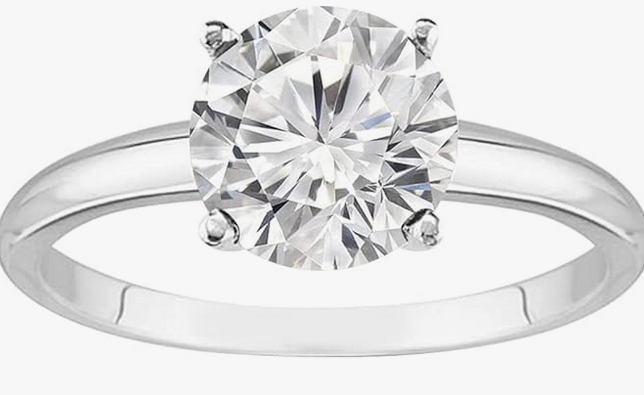
1 to 10 Carat 14K White Gold IGI Certified Lab Grown Diamond Engagement Ring, Round Cut Solitaire, 4-Prong Setting (E–F Color VS2–SI1 Clarity)
0.5-10 Carat Lab Grown Diamond Solitaire Pendant Necklace, Round Cut Solitaire, 4-Prong Setting, Jewelry for Women (E-F, VS)
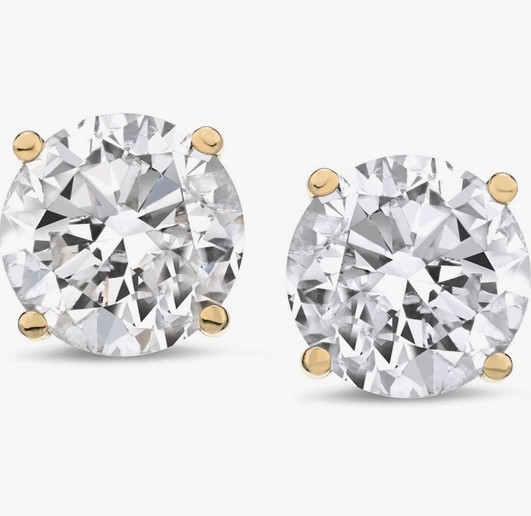
1 to 6 Carat LAB GROWN Solitaire Diamond Stud Earrings Round Cut 4 Prong Screw Back (F-G Color, VS1-VS2 Eye Clean Clarity)
A 24 carat diamond represents one of the most extraordinary and rare gemstones available in the luxury jewelry market, typically measuring approximately 18-20 millimeters in diameter for round brilliant cuts. These magnificent stones command attention with their exceptional presence and breathtaking sparkle, often ranging from $400,000 to over $2 million depending on cut, color, clarity, and certification. A 24 carat diamond offers unparalleled visual impact and serves as the ultimate symbol of luxury, making it a coveted choice for collectors, celebrities, and those seeking the finest diamond jewelry available. The sheer size and rarity of these stones place them in an exclusive category reserved for the most discerning buyers.
What Is a 24 carat diamond?
A 24 carat diamond weighs exactly 4.8 grams or 24 carats, making it approximately 48 times larger than a typical one-carat engagement ring diamond. The physical dimensions vary by cut shape, but a round brilliant 24 carat diamond typically measures 18.0-19.5 millimeters in diameter and 11.0-12.5 millimeters in depth. This substantial size creates an unmistakable presence that commands attention from across any room, with light performance that produces extraordinary fire and brilliance when properly cut.
These exceptional gemstones represent less than 0.01% of all diamonds mined globally, making each 24 carat diamond an incredibly rare natural treasure. The formation process requires millions of years under precise geological conditions, with most large diamonds originating from specific mines in Botswana, Russia, Canada, and South Africa. Professional gemologists classify these stones as “fancy size” diamonds, requiring specialized cutting techniques and equipment to achieve optimal proportions and maximize their inherent beauty.
Understanding the rarity factor helps explain the significant investment required for acquiring such stones. Major auction houses like Sotheby’s and Christie’s regularly feature 24 carat diamond pieces that achieve record-breaking prices, particularly when combined with exceptional color grades or historical provenance. The combination of extreme rarity, substantial size, and incredible beauty makes these diamonds highly sought after by collectors worldwide.
Modern technology has revolutionized how we evaluate and appreciate large diamonds like these. Advanced light performance analysis, precise 3D modeling, and sophisticated grading techniques ensure that each 24 carat diamond receives thorough documentation of its unique characteristics. This technological advancement provides buyers with unprecedented confidence in their investment and detailed understanding of their stone’s exceptional qualities.
24 carat diamond Price Guide
The pricing structure for a 24 carat diamond varies dramatically based on the four Cs, with premium examples commanding significantly higher prices than entry-level stones in this category. Market analysis shows that prices have steadily increased over the past decade, with exceptional specimens appreciating faster than traditional investment vehicles. Current market conditions reflect strong demand from international buyers, particularly in emerging luxury markets across Asia and the Middle East.
Professional appraisers utilize sophisticated pricing models that account for recent auction results, private sales data, and market trends when evaluating these extraordinary stones. The exponential pricing curve for large diamonds means that a 24 carat diamond costs significantly more than twenty-four individual one-carat diamonds of comparable quality. Understanding these pricing dynamics helps buyers make informed decisions and set appropriate expectations for their investment.
- D-F color, VVS1-VVS2, Excellent cut: $1,200,000-$2,400,000
- A 24 carat diamond in G-H color, VS1-VS2, Very Good cut: $800,000-$1,500,000
- I-J color, SI1-SI2, Good cut: $500,000-$900,000
- A 24 carat diamond in K-M color, SI2-I1, Fair cut: $400,000-$700,000
- Platinum solitaire setting with D-F diamond: $1,250,000-$2,450,000
- White gold halo setting with G-H diamond: $850,000-$1,550,000
- A 24 carat diamond in three-stone platinum setting: $1,300,000-$2,500,000
- Custom rose gold vintage setting with I-J diamond: $550,000-$950,000
The Four Cs for a 24 carat diamond
Cut quality becomes paramount when evaluating a 24 carat diamond, as the large size amplifies both excellent and poor cutting decisions. Master diamond cutters spend months planning the optimal approach for each rough stone, using advanced computer modeling to maximize both carat weight retention and light performance. The precision required for achieving ideal proportions in such large stones demands exceptional skill and experience, making truly well-cut examples increasingly rare and valuable.
Color evaluation in large diamonds requires special consideration, as the substantial size makes color differences more apparent to the naked eye. A 24 carat diamond in lower color grades like K or L will display noticeable warmth, while stones graded D, E, or F maintain exceptional colorlessness even at this significant size. The viewing angle and lighting conditions dramatically affect color perception, making professional grading under standardized conditions essential for accurate assessment.
Clarity characteristics become more visible in larger diamonds, making high clarity grades particularly desirable for stones of this magnitude. Internal features that might be invisible in smaller diamonds can become noticeable in a 24 carat diamond when viewed under normal lighting conditions. Professional gemologists use 10x magnification as the standard, but many buyers prefer stones that appear clean to the naked eye, which typically requires VVS2 or higher clarity grades.
The relationship between these four factors creates complex pricing dynamics where improvement in any single characteristic can significantly impact overall value. Expert gemologists recommend prioritizing cut quality first, followed by clarity, color, and finally considering carat weight premium factors. This hierarchy ensures maximum beauty and light performance while optimizing the investment potential of such an extraordinary purchase.
Wearing a 24 carat diamond: Size and Presence
The physical presence of a 24 carat diamond creates an unmistakable statement that transforms any jewelry design into a conversation piece. Professional jewelry designers recommend considering finger size, hand proportions, and lifestyle factors when selecting appropriate settings for such substantial stones. The weight alone, at nearly 5 grams, requires secure mounting systems and comfortable band designs to ensure wearability during extended periods.
Daily wear considerations become important factors when owning such an extraordinary piece. A 24 carat diamond demands special care protocols, including regular professional cleaning, secure storage systems, and comprehensive insurance coverage. Many owners choose to wear these pieces for special occasions only, preserving their condition and minimizing exposure to potential damage from daily activities.
Setting selection significantly impacts both the visual presentation and practical wearability of these magnificent stones. Classic solitaire designs emphasize the diamond’s natural beauty, while halo settings can create even more dramatic visual impact. Professional jewelers recommend platinum or high-karat white gold for maximum security and durability when mounting stones of this caliber.
The psychological impact of wearing such an exceptional diamond extends beyond mere aesthetics, creating confidence and presence that influences social interactions. Many owners report that their 24 carat diamond becomes a cherished family heirloom, passed down through generations as both a financial asset and emotional treasure. The combination of rarity, beauty, and investment potential makes these stones particularly meaningful for special milestone celebrations.
Shape Options and Trade-Offs
Round brilliant cut remains the most popular choice for large diamonds due to superior light performance and maximum sparkle potential. The mathematical precision of the round brilliant’s 57 facets creates optimal light return, making these stones appear larger and more brilliant than other shapes of equivalent carat weight. However, round diamonds typically command premium pricing due to higher rough stone waste during the cutting process.
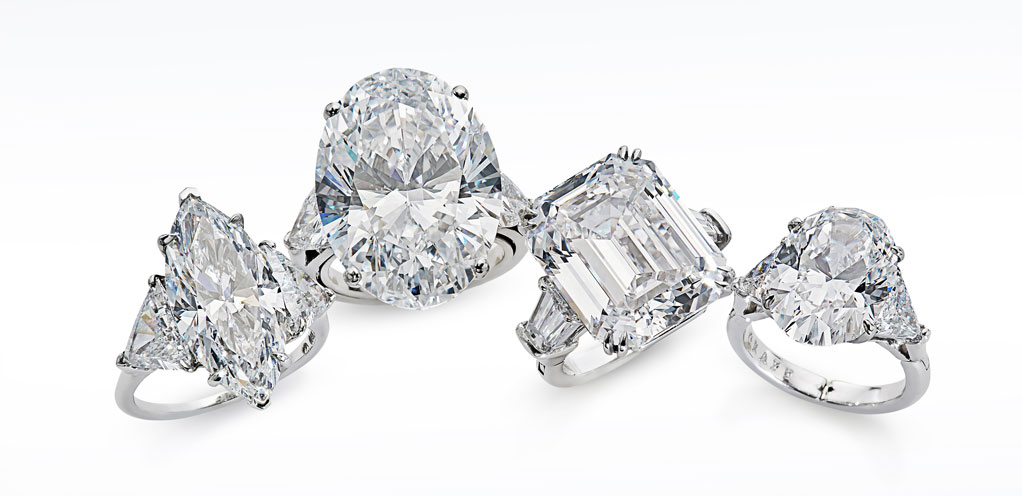
Fancy shapes like emerald, cushion, and oval cuts offer unique aesthetic appeal and often provide better value per carat compared to round alternatives. A 24 carat diamond in emerald cut showcases exceptional clarity and creates a sophisticated, elegant appearance with its step-cut faceting pattern. The larger table facet in emerald cuts makes internal characteristics more visible, requiring higher clarity grades for optimal beauty.
Princess and cushion cuts have gained popularity for their brilliant faceting patterns and square or rectangular outlines. These shapes often appear larger than round diamonds of equivalent weight while maintaining excellent sparkle and fire. The cushion cut’s rounded corners and brilliant faceting create a romantic, vintage-inspired appearance that appeals to buyers seeking classic elegance with modern performance.
Pear, marquise, and oval shapes create elongated silhouettes that can appear even more substantial than round stones of similar weight. The directional orientation of these cuts requires careful setting design to prevent damage to pointed ends while maximizing the visual impact of their unique proportions. Professional evaluation becomes crucial for these shapes to ensure proper symmetry and avoid bow-tie effects that can diminish sparkle in the center of the stone.
Certification: What a 24 carat diamond Certificate Should Show
Professional gemological certification becomes absolutely essential when investing in a 24 carat diamond, providing independent verification of all quality factors and characteristics. The Gemological Institute of America (GIA) represents the gold standard for diamond grading, offering comprehensive analysis including detailed plotting of internal and external features. Their reports include precise measurements, proportion analysis, and photographic documentation that serves as permanent identification for such valuable stones.
Advanced grading techniques employed by major laboratories include sophisticated light performance analysis, fluorescence evaluation under various lighting conditions, and detailed clarity plotting using high-powered microscopy. A properly certified 24 carat diamond includes analysis of polish and symmetry grades, which become particularly important in large stones where minor imperfections become more noticeable. The certification process typically requires several weeks due to the extensive analysis required for such exceptional stones.
International recognition of certification becomes crucial for insurance purposes, resale potential, and estate planning considerations. Major auction houses and dealers worldwide recognize GIA, SSEF, and Gübelin certifications as authoritative documentation for high-value diamonds. The detailed technical specifications included in these reports provide essential information for proper insurance appraisals and estate valuations.
Modern certification includes advanced security features like QR codes, holographic seals, and online verification systems that prevent counterfeiting and ensure authenticity. Professional gemologists recommend verifying certification details through official laboratory websites and conducting independent confirmation when purchasing stones of this magnitude. The investment in proper certification pays significant dividends in terms of marketability, insurance coverage, and peace of mind for such substantial purchases.
Setting Recommendations
Professional jewelry designers emphasize the importance of selecting settings that provide maximum security while showcasing the exceptional beauty of such large diamonds. Platinum mounting systems offer superior strength and durability compared to gold alternatives, with prong designs requiring substantial thickness to securely hold stones of this magnitude. The setting metal choice significantly impacts both appearance and long-term durability, making professional consultation essential for optimal results.
Solitaire settings remain the classic choice for highlighting the natural beauty of exceptional diamonds without competing design elements. Six-prong configurations provide superior security compared to four-prong alternatives, distributing holding pressure more evenly around the girdle circumference. The prong tips require regular professional inspection and maintenance to ensure continued security throughout the lifetime of the piece.
Halo designs can create even more dramatic visual impact by surrounding the center stone with smaller accent diamonds. Professional designers recommend using high-quality accent stones to complement rather than compete with the center diamond’s exceptional characteristics. The additional sparkle from halo diamonds creates a dazzling effect that further emphasizes the size and brilliance of the primary stone.
Three-stone settings offer symbolic meaning while providing additional design interest through complementary side stones. The proportion relationships between center and side stones require careful consideration to maintain visual balance and harmony. A 24 carat diamond in a three-stone setting creates an extraordinary piece suitable for the most special occasions and milestone celebrations.
Comparing Nearby Carat Weights
Understanding the pricing relationships between large diamond sizes helps buyers make informed decisions about carat weight selection. A 22-carat diamond typically costs 15-20% less than equivalent quality in 24 carats, while 26-carat stones command premiums of 20-25% above 24-carat pricing. These price jumps reflect psychological thresholds and rarity factors that create distinct market segments for large diamonds.
Visual size differences between nearby carat weights become less dramatic as stones increase in size, making value considerations more complex for buyers. The difference in diameter between a 22-carat and 24 carat diamond measures less than one millimeter, yet the price differential can exceed $200,000 for comparable quality stones. This relationship emphasizes the importance of considering personal priorities and budget constraints when selecting optimal carat weight.
Market liquidity varies significantly between different carat weight ranges, with certain sizes enjoying broader appeal and easier resale potential. Stones in the 20-25 carat range represent a sweet spot for many collectors, offering substantial presence while maintaining reasonable market accessibility. Professional dealers report stronger demand for round numbers like 20, 24, and 25 carats compared to intermediate weights.
Investment potential analysis reveals that exceptional quality examples in popular carat weights tend to appreciate more consistently than stones with unusual specifications. The combination of rarity, beauty, and market demand creates favorable conditions for long-term value retention in properly selected large diamonds. Professional consultation helps buyers navigate these complex market dynamics to optimize both enjoyment and investment potential.
Where to Buy
Selecting reputable dealers becomes paramount when investing in diamonds of this magnitude, requiring extensive research into dealer credentials, industry reputation, and transaction history. Established diamond merchants with decades of experience in large stones provide invaluable expertise in sourcing, evaluation, and pricing guidance. Professional relationships with these dealers often provide access to exceptional stones before they reach broader market availability.
Major auction houses like Sotheby’s, Christie’s, and Bonhams regularly feature exceptional large diamonds with detailed provenance and professional authentication. These venues provide transparent pricing through competitive bidding while offering comprehensive documentation and condition reports. The auction environment allows buyers to assess current market values while providing access to truly exceptional stones with unique characteristics or historical significance.
Private dealers and diamond brokers specializing in large stones offer personalized service and often maintain extensive networks for sourcing specific requirements. These professionals provide discrete transactions while offering extensive expertise in quality evaluation and market pricing. The personal relationships developed with specialized dealers prove invaluable for future purchases, maintenance services, and potential resale considerations.
International diamond trading centers in New York, Antwerp, Mumbai, and Tel Aviv provide access to the broadest selection of large stones from multiple sources. Professional buyers often travel to these markets to personally examine stones and negotiate optimal pricing for such significant investments. The concentrated expertise and competitive environment in these trading centers often result in better selection and pricing compared to local retail alternatives.
What makes a 24 carat diamond so expensive?
A 24 carat diamond commands exceptional pricing due to extreme rarity, with fewer than 100 stones of this size and quality appearing in global markets annually. The exponential pricing curve for large diamonds means that doubling the carat weight more than doubles the price, reflecting scarcity and desirability factors. Additionally, the cutting process for such large stones requires master craftsmen and results in significant rough stone waste, further contributing to premium pricing.
How big does a diamond of this size appear when worn?
This extraordinary stone measures approximately 18-20 millimeters in diameter for round cuts, creating unmistakable presence comparable to a large coin. The substantial dimensions make the diamond visible from considerable distances while creating dramatic light performance that captures attention in any lighting condition. Professional jewelers often recommend considering hand size and personal style preferences when evaluating wearability of such substantial stones.
What certification should I require for a 24 carat diamond?
A 24 carat diamond requires certification from internationally recognized laboratories like GIA, SSEF, or Gübelin to ensure authenticity and accurate quality assessment. These comprehensive reports include detailed analysis of all quality factors, precise measurements, and photographic documentation essential for insurance and resale purposes. The certification process for such large stones involves extensive analysis and typically requires several weeks to complete properly.
How should I insure such a valuable diamond?
Insurance coverage for these exceptional stones requires specialized policies through companies experienced with high-value jewelry, typically requiring professional appraisals updated every 2-3 years. Coverage should include replacement cost protection, mysterious disappearance, and damage coverage with agreed-upon values rather than actual cash value policies. Many insurers require secure storage protocols and professional maintenance records to maintain coverage for such substantial investments.
What setting works best for displaying this size diamond?
Professional designers recommend platinum solitaire settings with six prongs to provide maximum security while showcasing the stone’s natural beauty without competing elements. The substantial weight requires robust mounting systems with careful attention to comfort and wearability for extended periods. Setting selection should consider lifestyle factors, with some owners choosing removable settings that allow the diamond to be displayed in multiple jewelry configurations.
How do I verify the authenticity of a 24 carat diamond?
Authentication requires verification of gemological certification through official laboratory websites, independent professional appraisal, and examination of advanced security features embedded in modern certificates. Professional gemologists can confirm the stone matches its certification documentation through detailed characteristic analysis and measurement verification. The substantial investment justifies comprehensive authentication procedures including possible secondary certification from alternate laboratories for additional confirmation.
Investing in a 24 carat diamond represents one of the most significant luxury purchases available in the jewelry world, combining exceptional rarity, breathtaking beauty, and substantial investment potential. These extraordinary stones require careful consideration of quality factors, certification requirements, and long-term ownership responsibilities to ensure optimal satisfaction and value retention. The combination of extreme rarity and timeless appeal makes properly selected examples excellent additions to important jewelry collections.
Professional guidance throughout the selection and purchase process proves invaluable when investing in diamonds of this magnitude, ensuring optimal quality and value for such substantial financial commitments. The expertise available through established dealers, certified gemologists, and specialized jewelers provides essential support for navigating the complex considerations involved in acquiring a 24 carat diamond. For comprehensive information about diamond selection and premium jewelry options, visit the Carat Diamond homepage.