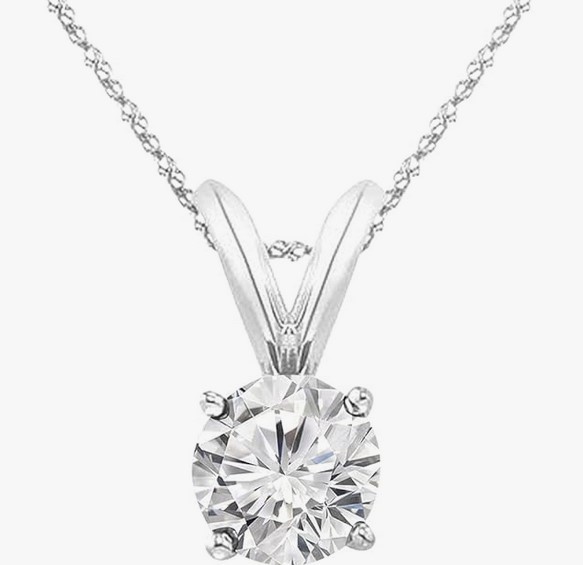
0.5-10 Carat Lab Grown Diamond Solitaire Pendant Necklace, Round Cut Solitaire, 4-Prong Setting, Jewelry for Women (E-F, VS)
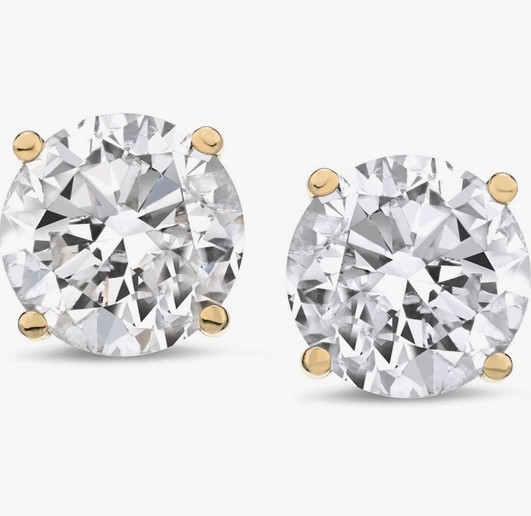
1 to 6 Carat LAB GROWN Solitaire Diamond Stud Earrings Round Cut 4 Prong Screw Back (F-G Color, VS1-VS2 Eye Clean Clarity)
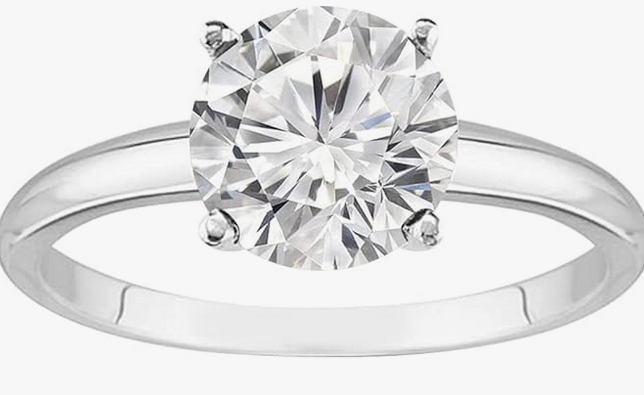
1 to 10 Carat 14K White Gold IGI Certified Lab Grown Diamond Engagement Ring, Round Cut Solitaire, 4-Prong Setting (E–F Color VS2–SI1 Clarity)
.9 Carat Diamond: The Complete Guide to a 0.9 Carat
A .9 carat diamond — that’s nine-tenths of a carat, written as 0.9 ct — is one of the savviest, most beautiful value choices in all of fine jewelry. Sitting just a hair below the one-carat mark, a .9 carat diamond looks virtually identical to a full carat to the naked eye, yet costs noticeably less. That’s because diamond prices jump at the “magic” one-carat threshold, so a .9 carat diamond lets you capture nearly the same size and presence for a friendlier price. Elegant, substantial, and smart, a 0.9 carat diamond is a favorite for buyers in the know. This guide explains everything that shapes the look, quality, and value of a .9 carat diamond, so you can choose with total confidence.
At Mycaratdiamond, every diamond is real, certified, and crafted for maximum brilliance, so the price you pay always reflects genuine quality and value.
How Big Is a .9 Carat Diamond?
Carat is a measure of weight, not size, but the two are closely related. A round .9 carat diamond measures roughly 6.2 to 6.3 millimeters across — astonishingly close to a full one-carat diamond at about 6.4 millimeters. The difference is just a fraction of a millimeter, which means a 0.9 carat diamond is virtually indistinguishable from a one-carat stone on the finger. Elongated shapes like oval, pear, and marquise can make a .9 carat diamond look every bit as large as a full carat, or even larger.
Why Choose a .9 Carat Diamond?
There are many reasons a 0.9 carat is such a clever choice:
- The smartest value: a .9 carat diamond looks like a full carat but costs less, since it sits just under the one-carat price jump.
- Near-identical size: the difference from a one-carat stone is tiny and essentially invisible to the eye.
- Beautiful, classic presence: all the elegance of a one-carat look.
- Versatile: a 0.9 carat diamond shines as a solitaire, in a halo, or with accent stones.
What Determines the Price of a .9 Carat Diamond?
No two stones are identical, so the price of a .9 carat diamond is never a single fixed number. Several measurable factors work together to set the final figure:
- Origin (natural vs. lab grown) — the biggest single influence on price.
- The 4Cs — Carat weight, Color, Clarity, and Cut.
- Shape — round brilliants typically cost more per carat than fancy shapes.
- Certification — independent grading supports a fair, transparent price.
- Setting and metal — for a finished ring, 14K gold, 18K gold, or platinum add to the total.
Because it sits just under the one-carat threshold, a .9 carat diamond is one of the smartest ways to get a near-carat look for less.
Natural vs. Lab Grown .9 Carat Diamond
The biggest difference in price comes down to origin. A natural 0.9 carat diamond carries a premium, while a lab grown .9 carat diamond offers the same sparkle, the same durability, and the same certified quality for a fraction of the cost.
Lab grown diamonds are chemically, physically, and optically identical to mined diamonds. They earn a perfect 10 on the Mohs hardness scale and display the same fire and brilliance. The only difference is origin: lab grown stones are created in a controlled environment rather than deep underground. That efficiency means a lab grown 0.9 carat diamond is wonderfully affordable — letting you choose higher color, clarity, or cut grades for the same budget, or enjoy a near-carat look at a very accessible price.
The 4Cs of a .9 Carat Diamond
The 4Cs — Carat, Color, Clarity, and Cut — are the universal language of diamond quality.
Carat is the weight, fixed here at 0.9 carat — a near-one-carat size at a friendlier price.
Color runs from colorless (D) downward. A near-colorless E-F grade keeps the diamond bright and white while keeping the price efficient — a smart sweet spot for a .9 carat diamond.
Clarity measures internal characteristics. An eye-clean VS-SI range shows no inclusions visible to the naked eye, which protects brilliance while keeping the price reasonable.
Cut is the most important factor for sparkle. Precise faceting maximizes light return, so a well-cut .9 carat diamond looks bright, lively, and even a touch larger — helping it read as a full carat. Always prioritize cut quality.
Best Shapes for a .9 Carat Diamond
Shape is a deeply personal choice and shapes the diamond’s character:
- Round brilliant: the most popular shape, prized for maximum sparkle.
- Oval: elongates the finger and looks larger than its weight suggests.
- Princess: a sharp, modern square with brilliant shine.
- Cushion: soft, rounded corners with romantic, vintage fire.
- Pear and emerald: distinctive shapes for a unique, refined look.
Elongated shapes are an easy way to make a 0.9 carat diamond look like a full carat — or even bigger.
Certification: Buy with Confidence
Always choose a certified diamond. An independent grading report confirms the stone’s carat weight, color, clarity, and cut, so you know exactly what you’re buying. Certification protects you, verifies authenticity, and ensures a fair price — well worth seeking out for any .9 carat diamond.
How to Choose the Perfect .9 Carat Diamond
To get the best combination of beauty and value, keep these tips in mind:
- Favor E-F color and eye-clean VS-SI clarity. This combination looks stunning while keeping the price efficient.
- Prioritize cut quality. Excellent faceting makes the diamond sparkle and look a bit larger.
- Consider an elongated shape or halo. Both help a .9 carat diamond read as a full carat.
- Pick a shape you love. Each shape gives the stone its own personality.
- Choose lab grown and insist on certification. It’s the smartest way to own a genuine, certified stone at a fair price.
Bottom line: a .9 carat diamond brings together a near-one-carat look, brilliant sparkle, and exceptional value in one smart, beautiful stone. With a real, certified diamond in a near-colorless, eye-clean grade and an excellent cut, you can own a stunning 0.9 carat diamond at a price that finally makes sense. Explore our collection above to find the perfect .9 carat diamond for you.
A .9 carat diamond represents an exceptional balance of size and value, measuring approximately 6.2mm in diameter for round cuts and offering substantial visual impact without crossing the premium threshold of a full carat. These diamonds typically range from $3,500 to $12,000 depending on cut, color, and clarity grades, making them an intelligent choice for discerning buyers. A .9 carat diamond provides nearly identical visual presence to a one-carat stone while often delivering significant cost savings of 15-25% compared to their full-carat counterparts, representing one of the diamond market’s most strategic purchasing decisions.
What Is a .9 carat diamond?
Diamond carat weight measures the physical mass of a gemstone, with one carat equaling exactly 200 milligrams or 0.2 grams. A .9 carat diamond weighs 180 milligrams and falls into the premium category of diamond sizes, representing less than 3% of all diamonds sold globally. This weight classification puts these stones well above average engagement ring sizes, which typically range between 0.5 and 1.0 carats in most markets.
The dimensions of this stone vary significantly by cut shape, with round brilliant cuts measuring approximately 6.2mm in diameter, princess cuts around 5.5mm square, and oval cuts reaching 7.8mm x 5.8mm. These measurements represent the optimal proportions for maximum light performance and visual appeal. Understanding these dimensions becomes crucial when selecting settings and considering finger coverage, as the visual impact varies considerably across different hand sizes and finger widths.
Market positioning places a .9 carat diamond in the luxury segment without reaching the psychological premium threshold of full-carat stones. This positioning creates unique opportunities for value-conscious buyers who understand that carat weight alone doesn’t determine beauty or brilliance. The difference in visual appearance between 0.9 and 1.0 carats remains virtually imperceptible to the naked eye, yet the price differential can fund upgrades in cut quality, color grade, or setting craftsmanship.
Professional gemologists often recommend this specific weight range for buyers seeking maximum value optimization. The mathematical precision of diamond pricing creates distinct price jumps at psychological milestones, with full-carat stones commanding premium pricing regardless of other quality factors. A .9 carat diamond avoids this premium while delivering comparable visual impact, making it a sophisticated choice for educated consumers who prioritize overall value and beauty over round numbers on certificates.
.9 carat diamond Price Guide
Understanding pricing structures for these premium stones requires examining multiple variables that influence final costs. Market data from major diamond exchanges shows pricing variations of up to 300% within the same carat weight, depending on cut quality, color grade, clarity rating, and certification source. A .9 carat diamond price range spans from approximately $3,500 for lower grades to $15,000 for exceptional specimens, with most consumer purchases falling between $5,000 and $10,000.
- A .9 carat diamond in D–F color, VVS1–VVS2 clarity, Excellent cut: $8,500–$15,000
- G–H color, VS1–VS2 clarity, Very Good to Excellent cut: $5,500–$9,500
- A .9 carat diamond in I–J color, SI1–SI2 clarity, Good to Very Good cut: $4,000–$7,000
- K–M color, SI2–I1 clarity, Fair to Good cut: $2,800–$5,500
- A .9 carat diamond in fancy shapes (oval, emerald, cushion): 10–25% less than comparable rounds
Complete engagement ring pricing includes the diamond plus mounting costs, which typically range from $800 to $8,000 depending on metal choice, setting complexity, and accent stone inclusion. Solitaire settings in 14k gold start around $800–$1,500, while platinum halo designs with pavé bands can reach $4,000–$8,000. Total engagement ring investments for quality pieces generally range from $6,500 to $20,000 when combining premium stones with appropriate settings.
The Four Cs for a .9 carat diamond
Cut quality represents the most critical factor influencing a diamond’s beauty and light performance, with excellent cuts commanding justified premiums for superior brilliance and fire. For round brilliant diamonds, ideal proportions include table percentages between 54–57%, crown angles of 34–35 degrees, and pavilion angles of 40.6–41 degrees. A .9 carat diamond with these precise specifications will demonstrate maximum light return and visual appeal, significantly outperforming larger stones with inferior cutting.
Color grading becomes increasingly important at larger carat weights, as tinting becomes more noticeable in substantial stones. The Gemological Institute of America’s D-Z color scale rates completely colorless diamonds as D, with near-colorless grades extending through J. For premium applications, G through I color grades offer excellent value propositions, providing face-up colorless appearance while avoiding the extreme premiums of D–F grades. These grades ensure beautiful appearance in both white gold and platinum settings.
Clarity evaluation focuses on internal inclusions and external blemishes visible under 10x magnification, with grades ranging from Flawless to Included categories. VS1 and VS2 clarity grades represent optimal value positions for a .9 carat diamond, offering eye-clean appearance at reasonable price points. SI1 grades can provide additional savings when inclusions remain positioned away from the center of the stone, though professional evaluation becomes essential to ensure eye-clean appearance.
Carat weight precision matters significantly in the premium market, with stones weighing exactly 0.90 carats commanding different pricing than those at 0.89 or 0.91 carats. Professional certificates list weights to the hundredth decimal place, and even small variations can influence pricing by hundreds of dollars. Understanding these nuances helps buyers optimize their investments by focusing on stones just below common psychological thresholds while maximizing the other three quality factors.
Wearing a .9 carat diamond: Size and Presence
The visual impact of these substantial stones varies dramatically across different finger sizes and hand proportions, with finger coverage ranging from bold and dramatic on smaller hands to elegantly proportioned on larger fingers. Ring size 6 fingers typically show approximately 40–45% coverage with round cuts, creating substantial presence without overwhelming the hand. This coverage percentage places the stone in the “statement” category while maintaining wearability for daily activities.
Face-up appearance depends heavily on cut proportions and setting style choices, with well-cut specimens appearing notably larger than their actual measurements suggest. A .9 carat diamond in a halo setting can appear equivalent to 1.25-1.5 carat solitaires, while bezel settings may reduce apparent size by 5–10%. Prong settings maximize visible diamond area and light entry, making them optimal choices for buyers prioritizing apparent size and brilliance over protective mounting styles.
Professional lifestyle considerations become relevant at this size category, as substantial diamonds may not suit all work environments or daily activities. Healthcare professionals, educators, and others in hands-on careers often prefer more conservative sizes or protective settings to prevent damage and maintain professional appearance. However, many buyers find this weight range perfectly balanced for both professional and social settings, providing elegance without ostentation.
Comfort factors include ring balance, weight distribution, and setting height above the finger, all of which influence long-term wearability and user satisfaction. A .9 carat diamond adds approximately 0.18 grams to ring weight, which remains comfortable for extended wear when properly balanced with appropriate mounting proportions. Low-profile settings enhance comfort while maintaining security, making them popular choices for active lifestyles and daily wear applications.
Shape Options and Trade-Offs
Round brilliant cuts maximize light performance and maintain the highest resale values, representing approximately 60% of all diamond sales despite commanding 10–15% premiums over fancy shapes. These cuts feature 58 facets arranged in precise mathematical proportions to optimize light return, making them the benchmark for brilliance and fire. Their circular symmetry provides timeless appeal and versatile setting compatibility, though buyers pay premiums for this popularity and proven performance.
Princess cut diamonds offer contemporary geometric appeal with excellent light performance at value-oriented pricing, typically costing 15–20% less than comparable round stones. These square cuts require protective corner prongs or bezel settings to prevent chipping, but provide modern aesthetic appeal and efficient rough diamond utilization. A .9 carat diamond in princess cut measures approximately 5.5mm square, providing substantial finger coverage with clean architectural lines.
Oval, emerald, and cushion cuts create elongated appearances that can appear larger than their actual carat weights, offering unique aesthetic options for buyers seeking distinctive styles. Oval cuts provide the largest face-up area per carat weight, measuring up to 7.8mm x 5.8mm in well-proportioned stones. However, these shapes may show color tinting more readily than rounds and require careful selection to avoid undesirable optical effects like bow-tie patterns in ovals or windowing in emerald cuts.
Fancy shaped diamonds generally offer 10–25% cost savings compared to rounds, allowing buyers to upgrade other quality factors or invest additional funds in premium settings. Pear, marquise, and heart shapes provide maximum visual impact per carat but require specialized setting considerations and careful proportioning to achieve optimal beauty. These distinctive shapes suit buyers seeking unique aesthetic expressions and represent excellent value opportunities in the premium carat weight ranges.
Setting Recommendations
Solitaire mountings provide classic elegance while maximizing light entry and diamond prominence, making them timeless choices that highlight the stone’s natural beauty without distraction. Four or six-prong settings offer optimal security while maintaining minimal metal visibility, with prong thickness requiring careful balance between durability and aesthetic appeal. Platinum and 18k white gold provide neutral backgrounds that emphasize diamond brilliance, while rose gold creates warm, romantic appearances increasingly popular in contemporary designs.
Halo settings surround the center stone with smaller diamonds, creating enhanced visual impact and apparent size increases of 15–25% while adding approximately $1,500–$4,000 to total ring costs. These designs work particularly well with a .9 carat diamond, as the substantial center stone provides excellent proportion balance with surrounding accent stones. Double halos and vintage-inspired milgrain details add additional complexity and visual interest, though they require regular maintenance to preserve their intricate appearances.
Three-stone designs symbolize past, present, and future while providing opportunities to incorporate colored gemstones or smaller diamonds as side stones. These settings work exceptionally well with emerald and asscher cut centers, creating elegant symmetrical compositions with substantial presence. Side stone selection should maintain appropriate proportional relationships, typically using 0.25–0.50 carat stones flanking the center diamond to create pleasing visual balance without overwhelming the primary stone.
Vintage and antique-inspired settings offer romantic appeal through intricate metalwork, filigree details, and historically-inspired design elements that complement substantial center stones beautifully. These mountings often incorporate milgrain edging, hand-engraving, and geometric patterns reminiscent of Art Deco or Victorian eras. A .9 carat diamond provides sufficient presence to anchor these detailed designs while allowing the craftsmanship to enhance rather than compete with the stone’s natural beauty.
Certification: What a .9 carat diamond Certificate Should Show
Professional gemological certification provides essential documentation of diamond characteristics, with reports from the Gemological Institute of America (GIA) and American Gem Society (AGS) representing the most respected and widely accepted standards globally. These certificates include precise measurements, quality grades for all four Cs, and detailed plotting diagrams showing inclusion positions and characteristics. A .9 carat diamond certificate should list exact weight to the hundredth decimal place, typically showing weights between 0.90–0.99 carats within this category.
Grading consistency varies between laboratories, with some organizations providing more lenient assessments that can mislead consumers about actual diamond quality. GIA and AGS maintain the most stringent and consistent standards, with their certificates commanding higher resale values and greater market acceptance. European Gemological Laboratory (EGL) certificates often grade 1–2 levels more generously than GIA, potentially creating false value impressions that become apparent during resale or insurance appraisals.
Certificate details include fluorescence ratings, which can significantly impact both appearance and value in larger diamonds where this phenomenon becomes more noticeable. Medium to strong blue fluorescence can cause haziness or oily appearances in daylight, particularly problematic in D–F color grades where the effect creates obvious quality degradation. A .9 carat diamond with strong fluorescence may trade at 10–15% discounts compared to non-fluorescent specimens, though faint fluorescence rarely affects appearance or value.
Security features embedded in modern certificates include unique report numbers, holographic seals, and detailed photographs that prevent counterfeiting and ensure authenticity. Digital verification through laboratory websites allows instant confirmation of certificate legitimacy and detailed grade information. These security measures become increasingly important for substantial purchases, providing confidence and documentation necessary for insurance coverage and potential future resale transactions.
Comparing Nearby Carat Weights
Market dynamics create distinct pricing tiers at psychological weight thresholds, with full-carat stones commanding significant premiums regardless of other quality factors. Comparing 0.9 versus 1.0 carat diamonds reveals price differences of 15–25% for identical cut, color, and clarity grades, representing substantial savings opportunities for educated buyers. This price gap exists purely due to psychological preferences rather than meaningful visual differences, as the 6% size difference remains virtually imperceptible in normal viewing conditions.
Strategic weight selection around the 0.90 carat threshold offers additional optimization opportunities, with stones weighing 0.89–0.91 carats often providing better values than those at exactly 0.90 carats. A .9 carat diamond weighing 0.89 carats may cost 5–8% less while appearing identical, allowing budget reallocation toward superior cut quality or better color grades. Understanding these market inefficiencies enables sophisticated buyers to maximize their investments through careful selection strategies.
Comparing with smaller alternatives like 0.75 or 0.80 carat stones reveals the substantial visual impact gained by reaching the 0.90 carat threshold, with face-up size increases of 15–20% justifying the premium pricing for many buyers. The psychological satisfaction of approaching the one-carat milestone also provides emotional value that purely mathematical comparisons cannot quantify. These considerations make the near-carat range particularly appealing for buyers seeking substantial presence without full-carat pricing.
Alternative weight ranges above one carat, such as 1.10–1.25 carats, require significantly higher investments while providing diminishing returns in visual impact per dollar spent. The jump from 0.9 to 1.1 carats typically increases costs by 35–50% while providing only 8–10% additional face-up area. A .9 carat diamond often represents the optimal balance point where size impact, beauty potential, and cost efficiency converge for maximum buyer satisfaction and long-term value retention.
Where to Buy
Online retailers dominate the premium diamond market through lower overhead costs, extensive inventory access, and competitive pricing structures that benefit consumers seeking substantial stones. Established online platforms provide detailed photography, video content, and comprehensive certification information that enables informed decision-making from home. Virtual consultations with gemologists help buyers navigate complex decisions while maintaining the cost advantages of online purchasing models.
Traditional jewelry stores offer hands-on evaluation opportunities and immediate gratification, though typically at higher price points due to overhead expenses and limited inventory selections. Local jewelers provide personalized service and the ability to examine multiple stones side-by-side, which can be valuable for first-time buyers uncertain about their preferences. Building relationships with reputable local jewelers also facilitates ongoing services like cleaning, maintenance, and future upgrade opportunities.
Auction houses and estate jewelry specialists occasionally offer exceptional values on premium stones, though these venues require considerable expertise to navigate successfully. A .9 carat diamond from estate sources may lack contemporary certification or require re-cutting to achieve modern proportions, potentially affecting both beauty and value. These alternative sources suit experienced buyers comfortable with vintage stones and willing to invest in professional evaluation and potential enhancement services.
Direct relationships with diamond cutters or wholesalers provide access to exceptional stones at reduced margins, though these channels typically require substantial purchases or industry connections. Buyers with flexibility regarding specific grades and characteristics can sometimes find exceptional values through these professional networks. However, most consumers benefit more from established retail channels that provide comprehensive services, warranties, and return policies essential for confident major purchases.
How much should I expect to pay for a .9 carat diamond?
A .9 carat diamond typically ranges from $4,500 to $12,000 depending on cut quality, color grade, and clarity rating, with most buyers finding excellent options between $6,000–$9,000. Premium specimens with D–F color and VVS clarity can reach $15,000, while budget-conscious buyers can find attractive stones starting around $3,500 in lower color and clarity grades. Market fluctuations, seasonal demand, and certification source influence final pricing within these ranges.
What does a .9 carat diamond look like on the hand?
Visual impact varies significantly with finger size and setting style, but these substantial stones typically provide dramatic presence measuring approximately 6.2mm in diameter for rounds. On average ring size 6 fingers, the stone covers roughly 40–45% of finger width, creating bold but wearable proportions. Halo settings can make the stone appear equivalent to 1.25-1.5 carats, while solitaire mountings emphasize the stone’s natural dimensions and brilliance.
Is a .9 carat diamond a good value compared to 1 carat?
These stones represent exceptional value opportunities, typically costing 15–25% less than comparable one-carat diamonds while appearing virtually identical in normal viewing conditions. The 6% size difference between 0.9 and 1.0 carats remains imperceptible to most observers, making this weight range ideal for value-conscious buyers. A .9 carat diamond allows budget reallocation toward superior cut quality, better color grades, or premium setting options while maintaining substantial visual impact.
What setting works best for this size stone?
Solitaire settings maximize brilliance and timeless appeal, while halo designs enhance apparent size and add vintage charm to substantial center stones. Four or six-prong mountings provide optimal security and light entry, with platinum or 18k white gold offering neutral backgrounds that emphasize diamond beauty. Three-stone designs work exceptionally well with this carat weight, providing balanced proportions when flanked with 0.25–0.50 carat side stones for symbolic and aesthetic appeal.
How do I ensure I’m getting quality certification?
Insist on certificates from GIA or AGS, the most respected and consistent grading laboratories worldwide, avoiding potentially inflated grades from less rigorous organizations. Verify certificate authenticity through laboratory websites using unique report numbers, and ensure all critical specifications match the actual stone. A .9 carat diamond certificate should show precise measurements, detailed inclusion plotting, and comprehensive quality assessments for all four Cs, providing confidence for your substantial investment.
What clarity grade should I choose for optimal value?
VS1 and VS2 clarity grades offer the best balance of eye-clean appearance and reasonable pricing for larger stones where inclusions become more visible. SI1 grades can provide additional savings when inclusions are positioned away from the stone’s center, though professional evaluation becomes essential. A .9 carat diamond with carefully selected SI1 clarity can appear flawless to the naked eye while offering significant cost advantages over higher clarity grades that provide no visual improvement.
Selecting a .9 carat diamond represents a sophisticated understanding of diamond value optimization, providing substantial visual impact while avoiding the psychological premiums associated with full-carat stones. These premium stones offer exceptional opportunities for buyers seeking maximum beauty per dollar invested, with savings of 15–25% compared to one-carat alternatives funding upgrades in cut quality, color grade, or setting craftsmanship. The strategic positioning just below the one-carat threshold delivers nearly identical visual presence while enabling budget optimization across all aspects of the final ring.
Professional guidance becomes invaluable when navigating the complexities of premium diamond selection, ensuring optimal balance between size, quality, and budget considerations for long-term satisfaction. A .9 carat diamond purchase requires careful evaluation of cut proportions, color appearance, and clarity characteristics to achieve maximum beauty and value retention. For expert assistance in finding your perfect stone and comprehensive selection guidance, visit our Carat Diamond homepage.