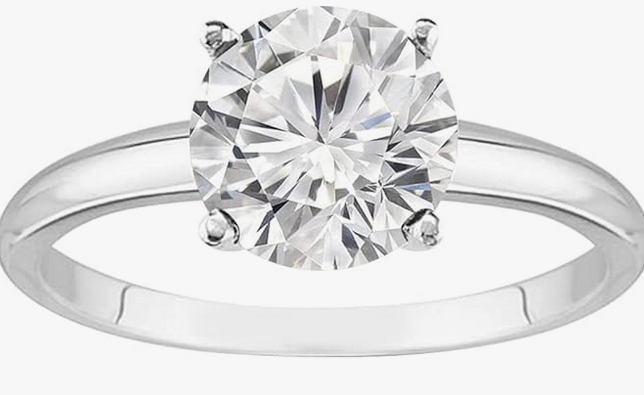
Houston Diamond District 1 to 10 Carat 14K White Gold IGI Certified Lab Grown Diamond Engagement Ring, Round Cut Solitaire, 4-Prong Setting (E–F Color VS2–SI1 Clarity)
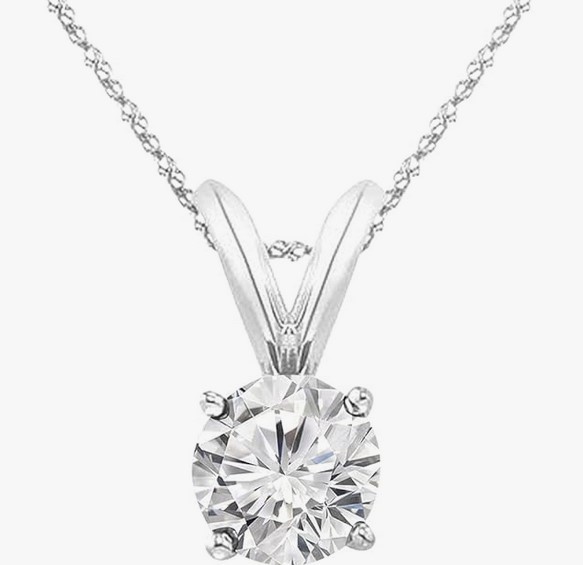
0.5-10 Carat Lab Grown Diamond Solitaire Pendant Necklace, Round Cut Solitaire, 4-Prong Setting, Jewelry for Women (E-F, VS)
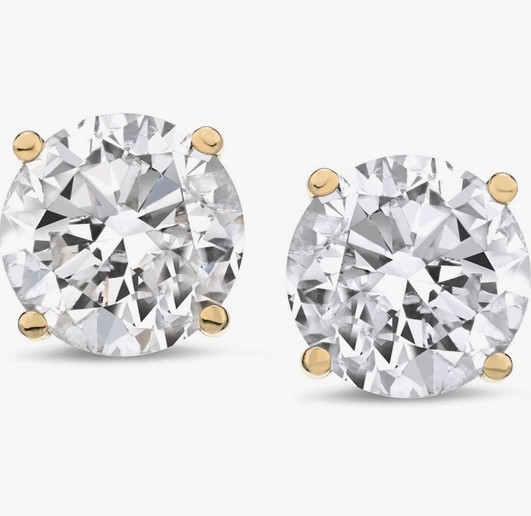
1 to 6 Carat LAB GROWN Solitaire Diamond Stud Earrings Round Cut 4 Prong Screw Back (F-G Color, VS1-VS2 Eye Clean Clarity)
A 4 carat lab grown diamond represents a remarkable combination of substantial size, exceptional brilliance, and accessible luxury that was unimaginable just decades ago. Measuring approximately 10.2mm in diameter for a round brilliant cut, this impressive stone commands attention while offering significant savings compared to mined alternatives. With prices typically ranging from $8,000 to $25,000 depending on quality grades, a 4 carat lab grown diamond delivers the visual impact and prestige of a traditionally expensive gemstone at a fraction of the cost. The substantial surface area creates maximum light return and sparkle, making it an ideal choice for those seeking a statement piece that combines modern technology with timeless elegance.
What Is a 4 carat lab grown diamond?
A 4 carat lab grown diamond is a gemstone created in controlled laboratory environments using advanced technological processes that replicate the natural diamond formation conditions found deep within the Earth. These diamonds possess identical chemical composition, crystal structure, and physical properties to their mined counterparts, consisting of pure carbon atoms arranged in a cubic crystal lattice. The 4-carat weight equals exactly 800 milligrams, representing a substantial size that places these stones in the luxury category while remaining more accessible than ever before through laboratory creation.
The creation process involves either High Pressure High Temperature (HPHT) or Chemical Vapor Deposition (CVD) methods, both producing genuine diamonds that are indistinguishable from natural stones without specialized equipment. When considering a 4 carat lab grown diamond, buyers benefit from the same durability rating of 10 on the Mohs scale, ensuring exceptional hardness and resistance to scratching. The laboratory environment allows for greater control over quality factors, often resulting in superior clarity and color grades compared to similarly priced natural alternatives.
Modern laboratory techniques have advanced to the point where even gemological institutes require sophisticated instruments to differentiate between lab-grown and natural diamonds. The 4 carat lab grown diamond represents the pinnacle of this technology, offering consumers access to substantial carat weights that would traditionally require significant investment. These stones undergo the same cutting and polishing processes as natural diamonds, resulting in identical optical performance and visual appeal.
Understanding the fundamental nature of these diamonds helps buyers appreciate that they’re investing in genuine diamond material with identical properties to stones formed over billions of years underground. The only difference lies in the origin story, with laboratory creation taking weeks rather than geological eras. This technological achievement makes the dream of owning a 4 carat lab grown diamond a reality for many couples who value both size and responsible sourcing.
4 carat lab grown diamond Price Guide
Pricing for these substantial stones varies significantly based on the Four Cs, with color and clarity grades having the most dramatic impact on final cost. The following ranges represent current market pricing for certified stones from reputable laboratories, reflecting the substantial savings available compared to natural alternatives of equivalent quality.
- A 4 carat lab grown diamond in D–F color, VVS1–VVS2 clarity, Excellent cut: $18,000–$25,000
- G–H color, VS1–VS2 clarity, Excellent cut: $12,000–$18,000
- A 4 carat lab grown diamond in I–J color, SI1–SI2 clarity, Very Good–Excellent cut: $8,000–$12,000
- K–M color, SI2–I1 clarity, Good–Very Good cut: $6,000–$9,000
- A 4 carat lab grown diamond with lower color grades N–Z, I2–I3 clarity: $4,000–$7,000
Complete engagement ring pricing including high-quality settings adds approximately $2,000 to $8,000 depending on metal choice and design complexity. Premium platinum settings with intricate details command higher prices, while classic solitaire designs in 14k gold offer excellent value for showcasing the diamond’s natural beauty.
- Complete ring with premium D–F color stone in platinum setting: $22,000–$32,000
- Complete ring with G–H color stone in 18k gold setting: $16,000–$24,000
- Complete ring with I–J color stone in 14k gold setting: $12,000–$18,000
- Complete ring with lower color grades in simple setting: $8,000–$14,000
These prices represent approximately 60-80% savings compared to equivalent natural diamonds, making previously unattainable carat weights accessible to many buyers. Market fluctuations and technological improvements continue to drive prices downward while quality standards increase, creating exceptional value propositions for informed consumers. When budgeting for a 4 carat lab grown diamond, consider allocating funds for professional cleaning and maintenance to preserve the stone’s brilliance over time.
The Four Cs for a 4 carat lab grown diamond
Cut quality becomes increasingly critical at the 4-carat weight, as superior proportions and symmetry dramatically enhance light performance across the substantial surface area. For round brilliant cuts, seek Excellent or Ideal grades with table percentages between 54-58% and depth percentages between 59-62.5%. The crown angle should measure between 34-35 degrees while pavilion angles fall within 40.6-41.8 degrees for optimal light return. A 4 carat lab grown diamond with superior cut grades will exhibit exceptional brilliance, fire, and scintillation that justifies the premium investment.
Color evaluation takes on enhanced importance at larger carat weights, as tint becomes more apparent across greater surface area and light penetration. While D-F grades offer colorless perfection, G-H colors provide excellent value with near-colorless appearance that’s virtually undetectable when mounted. I-J grades show slight warmth that some buyers prefer, especially when paired with yellow gold settings that complement the stone’s natural hue. The choice between color grades should balance personal preference with budget considerations, as each step represents significant price differences.
Clarity assessment requires careful consideration of inclusion size, type, and location within the substantial volume of a 4 carat lab grown diamond. VVS grades ensure eye-clean appearance under all viewing conditions, while VS grades offer excellent value with inclusions visible only under magnification. SI1 grades can provide remarkable value if inclusions are well-positioned away from the table facet, though professional guidance helps identify stones with optimal clarity characteristics for the investment level.
Carat weight precision matters significantly at this level, with stones weighing exactly 4.00 carats commanding premium pricing compared to those measuring 3.90-3.99 carats. However, these slightly smaller alternatives offer substantial savings while providing virtually identical visual impact. When evaluating a 4 carat lab grown diamond, consider the interaction between all Four Cs rather than focusing solely on individual grades, as balanced specifications typically provide superior overall beauty and value retention.
Wearing a 4 carat lab grown diamond: Size and Presence
The substantial dimensions of these impressive stones create undeniable presence on the hand, with round brilliant cuts measuring approximately 10.2mm in diameter and extending 6.1mm in depth. This significant size provides remarkable finger coverage, typically spanning from knuckle to knuckle on average-sized hands and creating dramatic visual impact from across the room. The weight distribution requires sturdy prong settings and reinforced gallery construction to ensure secure mounting and comfortable daily wear. A 4 carat lab grown diamond transforms any hand into a showcase of elegance and sophistication.
Lifestyle considerations become important when wearing stones of this magnitude, as the substantial profile may catch on clothing, require adjustment of daily activities, and demand increased awareness during physical tasks. Many owners discover that wearing a 4 carat lab grown diamond influences hand gestures and movements, as the stone’s presence naturally draws attention to graceful positioning. The psychological impact often proves as significant as the physical, with wearers reporting increased confidence and appreciation for special occasions that warrant such impressive jewelry.
Professional settings may require consideration of appropriateness, as extremely large diamonds can appear ostentatious in certain business environments or cultural contexts. However, the beauty of owning such a significant stone lies in the flexibility to choose appropriate occasions for display. Weekend gatherings, evening events, and celebrations provide ideal opportunities to showcase the remarkable brilliance and fire that characterizes well-cut specimens of this caliber.
Comfort factors include weight distribution, setting height, and interaction with other jewelry pieces worn simultaneously. A properly designed mounting distributes the stone’s weight across the finger width, preventing discomfort during extended wear periods. The 4 carat lab grown diamond requires complementary jewelry choices, as smaller pieces may appear diminished in comparison, while coordinating elements should enhance rather than compete with the primary stone’s magnificence.
Shape Options and Trade-Offs
Round brilliant cuts maximize light performance and traditional appeal at the 4-carat weight, delivering unmatched sparkle through 57-58 facets precisely arranged for optimal brilliance. However, round shapes command premium pricing compared to fancy cuts due to higher rough diamond waste during cutting processes. The classic appeal and superior resale value often justify this investment for buyers prioritizing traditional elegance and maximum fire. Market demand consistently favors round shapes, ensuring broad appeal and easier resetting options in future years.
Princess cuts offer contemporary appeal with exceptional brilliance while providing 15-20% cost savings compared to rounds of equivalent quality. The square shape maximizes visual impact per carat weight, appearing larger than rounds due to geometric efficiency. However, vulnerable corners require protective prong placement and careful handling to prevent chipping. When selecting a 4 carat lab grown diamond in princess shape, prioritize stones with length-to-width ratios between 1.00-1.05 for optimal proportions and visual balance.
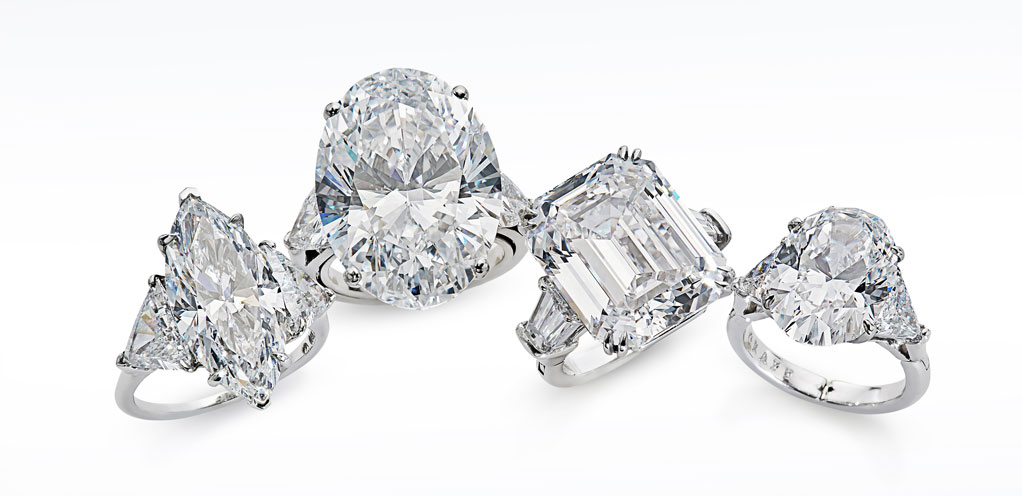
Emerald cuts emphasize clarity and color while creating sophisticated, vintage-inspired elegance through step-cut faceting patterns. The rectangular outline provides substantial finger coverage and timeless appeal, though the large table surface reveals inclusions more readily than brilliant cuts. This transparency demands higher clarity grades, typically VS2 or better, to maintain eye-clean appearance. The sophisticated buyer who appreciates understated luxury often gravitates toward emerald shapes for their refined aesthetic and unique light performance.
Oval shapes combine the brilliance of round cuts with elongated elegance that maximizes apparent size while flattering most hand shapes. The elongated outline creates a lengthening effect on fingers while providing excellent value compared to round alternatives. However, some ovals exhibit bow-tie effects across the center, requiring careful selection to ensure uniform light return. A 4 carat lab grown diamond in oval shape offers exceptional presence with length-to-width ratios between 1.35-1.50 providing optimal proportions for most preferences.
Certification: What a 4 carat lab grown diamond Certificate Should Show
Reputable gemological laboratories provide comprehensive documentation that validates quality claims and ensures informed purchasing decisions for stones of this significance. The Gemological Institute of America (GIA), International Gemological Institute (IGI), and Gem Certification and Assurance Lab (GCAL) represent the most trusted certification sources, with each providing detailed analysis of the Four Cs plus additional quality factors. A properly certified 4 carat lab grown diamond includes laser inscription matching certificate numbers, photographs, and precise measurements that enable verification of authenticity and quality grades.
Essential certificate elements include precise carat weight measurement to 0.01-carat accuracy, comprehensive color and clarity plotting with inclusion mapping, and detailed cut quality assessment including proportions, symmetry, and polish grades. Advanced certificates feature light performance analysis, fluorescence characteristics, and growth method identification (HPHT or CVD). The document should clearly identify the stone as laboratory-created while providing identical quality assessment standards applied to natural diamonds.
Laser inscription technology provides permanent identification linking physical stones to certification documents, preventing substitution and ensuring long-term verification capabilities. The microscopic inscription, typically placed on the girdle edge, remains invisible during normal wear while providing definitive identification when required for insurance, appraisal, or resale purposes. This security feature has become standard practice for stones of this value and significance, offering peace of mind for substantial investments.
Certificate authenticity verification through laboratory websites enables independent confirmation of grading accuracy and document legitimacy. Each major laboratory maintains databases allowing certificate verification using report numbers and security features embedded within documentation. When purchasing a 4 carat lab grown diamond, insist on original certificates from recognized laboratories and verify authenticity before finalizing transactions, as fraudulent documentation occasionally appears in secondary markets.
Setting Recommendations
Solitaire settings provide timeless elegance while maximizing light entry and showcasing the stone’s natural beauty without competing elements. Four or six-prong mountings offer optimal security for stones of this significance, with prong thickness and height carefully balanced to provide protection without obscuring facet edges. Platinum construction delivers superior durability and neutral color that complements any diamond grade, while 18k white gold offers excellent value with comparable appearance. The classic solitaire remains the most popular choice for a 4 carat lab grown diamond due to its versatility and emphasis on the central stone.
Halo settings amplify apparent size while adding complementary sparkle through surrounding smaller diamonds or gemstones. However, the substantial size of a 4-carat center stone may overwhelm traditional halo proportions, requiring careful design consideration to maintain visual balance. Double halos or geometric arrangements can provide appropriate scale while creating stunning light interaction between center and accent stones. Professional design consultation ensures proportional harmony and structural integrity when incorporating accent elements with stones of this magnitude.
Three-stone settings create symbolic meaning while providing visual balance through flanking diamonds typically ranging from 0.50-1.00 carats each. The center stone dominance remains clear while side stones add complementary brilliance and design interest. This classic arrangement works particularly well with emerald or radiant cuts, where the step-cut faceting benefits from additional light sources. Careful proportion planning ensures the side stones enhance rather than compete with the substantial center diamond’s presence.
Vintage-inspired settings with milgrain details, filigree work, or art deco elements provide character and distinction while complementing the substantial center stone. These designs require master craftmanship to execute properly, with attention to structural integrity and long-term durability. The 4 carat lab grown diamond serves as a magnificent centerpiece for elaborate metalwork and design details that might overwhelm smaller stones, creating opportunities for truly unique and personalized engagement rings.
Comparing Nearby Carat Weights
The transition from 3-carat to 4-carat stones represents a significant visual and pricing threshold, with the psychological impact of reaching the 4-carat milestone commanding premium pricing beyond proportional weight increases. Stones weighing 3.80-3.99 carats offer substantial savings while providing nearly identical visual impact and presence. The price difference can reach 15-25% for stones just below the 4.00-carat mark, making careful weight consideration valuable for budget-conscious buyers seeking maximum impact. A 4 carat lab grown diamond commands premium pricing due to rarity and psychological appeal associated with achieving this significant milestone.
Moving upward to 4.50-5.00 carat weights involves exponential price increases that may not justify proportional visual improvements for most buyers. The jump from 4 to 5 carats typically doubles pricing while providing approximately 12% additional diameter in round cuts, representing diminishing returns on investment for practical purposes. However, collectors and those prioritizing maximum size may find the investment worthwhile for achieving truly exceptional presence and rarity.
Comparing shapes reveals interesting value propositions at the 4-carat weight, with fancy cuts often providing enhanced apparent size compared to rounds of identical weight. Marquise and oval shapes can appear 15-20% larger than rounds due to elongated outlines and efficient light distribution across greater surface area. These alternatives offer opportunities to achieve maximum visual impact while potentially accessing higher quality grades within similar budgets.
Half-carat increments around the 4-carat mark provide strategic buying opportunities, with stones weighing 3.50, 4.50, or 5.00 carats representing natural pricing breaks in the market. A 4 carat lab grown diamond occupies the sweet spot for many buyers, providing substantial size without the exponential pricing of larger weights while significantly exceeding the visual impact of 3-carat alternatives. This balance of size, presence, and value explains the popularity of this particular weight category among discerning buyers.
Where to Buy
Reputable online retailers specializing in lab-grown diamonds offer extensive inventory, competitive pricing, and detailed photography enabling informed remote purchasing decisions. These platforms typically provide 360-degree videos, magnified clarity images, and comprehensive specifications that exceed what’s available through traditional retail channels. Professional customer service teams assist with selection processes while return policies protect buyers during evaluation periods. The transparency and inventory breadth available online makes this channel particularly attractive for a 4 carat lab grown diamond purchase.
Traditional jewelry stores increasingly stock lab-grown alternatives, providing opportunities for in-person evaluation and immediate possession. However, inventory limitations may restrict selection, and pricing often exceeds online alternatives due to overhead expenses and limited competition. The advantage lies in personal service, immediate satisfaction, and the ability to physically evaluate stones before purchase. Established jewelers often provide comprehensive services including setting, sizing, and long-term maintenance that add value beyond the initial transaction.
Custom jewelers and diamond dealers offer personalized service and unique design opportunities while often providing competitive pricing through industry connections. These professionals can source specific quality combinations and create bespoke settings tailored to individual preferences and requirements. The relationship-based approach often results in superior long-term service and exclusive access to exceptional stones as they become available through dealer networks.
Direct relationships with laboratory-grown diamond manufacturers occasionally provide access to exceptional value and unique stones not available through retail channels. However, this approach requires significant industry knowledge and established connections that most consumers lack. When considering a 4 carat lab grown diamond purchase through any channel, prioritize transparency, certification quality, and comprehensive service over lowest price alone, as the substantial investment deserves professional support and quality assurance throughout the buying process.
Frequently Asked Questions
How much does a 4 carat lab grown diamond cost?
A 4 carat lab grown diamond typically costs between $8,000 and $25,000 depending on color, clarity, and cut quality grades. Premium D-F color stones with VVS clarity command top pricing around $25,000, while I-J color stones with SI clarity provide excellent value in the $8,000-12,000 range. These prices represent approximately 60-80% savings compared to natural diamonds of equivalent quality, making this substantial carat weight accessible to many buyers who previously considered such sizes unattainable.
What size finger does a 4 carat lab grown diamond suit best?
This substantial stone works beautifully on most finger sizes, though proportions vary significantly based on hand dimensions and personal style preferences. On smaller hands (sizes 4-6), the stone creates dramatic impact and substantial coverage, while larger hands (sizes 7-9) provide proportional balance that many find ideal. The 10.2mm diameter of round cuts ensures impressive presence regardless of finger size, though those with very petite hands may find the weight and profile require adjustment periods for comfortable daily wear.
Are 4 carat lab grown diamond certificates reliable?
4 carat lab grown diamond certificates from reputable laboratories like GIA, IGI, and GCAL provide comprehensive and reliable quality assessment using identical standards applied to natural stones. These documents include detailed grading of the Four Cs, precise measurements, inclusion plotting, and laser inscription numbers for verification purposes. The substantial value of these stones justifies premium certification, and buyers should insist on original certificates from recognized laboratories while verifying authenticity through laboratory websites before purchase.
How does lab grown diamond quality compare at 4 carats?
Laboratory creation processes often produce superior quality characteristics compared to natural alternatives at equivalent price points, as controlled growing environments minimize inclusions and color variations common in mined stones. Modern HPHT and CVD technologies consistently deliver excellent clarity and color grades, making high-quality specimens more accessible than natural equivalents. The identical chemical and physical properties ensure comparable durability, brilliance, and fire, with the only difference being origin rather than performance or appearance characteristics.
What’s the best setting for a 4 carat lab grown diamond?
A 4 carat lab grown diamond requires substantial mounting construction to ensure security and comfort during daily wear, making solitaire settings with four or six prongs the most popular and practical choice. Platinum or 18k gold construction provides optimal durability, while prong thickness must balance security with light transmission. The substantial size works beautifully in three-stone settings with flanking diamonds, though halo designs require careful proportion consideration to maintain visual balance and avoid overwhelming the center stone’s natural magnificence.
Should I choose round or fancy shape for maximum value?
Round brilliant cuts provide superior light performance and broad market appeal but command 15-20% premium pricing compared to fancy shapes of equivalent quality grades. Princess, oval, and emerald cuts offer excellent value alternatives while providing unique aesthetic appeal and often enhanced apparent size due to efficient shape geometry. The choice depends on personal preference and budget priorities, as rounds maximize brilliance while fancy shapes maximize value and visual impact per dollar invested in the purchase.
Conclusion
The decision to invest in a 4 carat lab grown diamond represents a commitment to exceptional quality, substantial presence, and responsible luxury that aligns with modern values and technological advancement. These remarkable stones deliver identical beauty and durability to their natural counterparts while providing access to previously unattainable carat weights through innovative laboratory creation processes. The substantial savings enable buyers to prioritize superior cut quality, premium color grades, and exceptional clarity that might otherwise exceed budget constraints with natural alternatives.
Whether chosen for an engagement ring, special anniversary, or personal milestone celebration, a 4 carat lab grown diamond creates lasting memories and daily enjoyment through its remarkable brilliance and undeniable presence. The combination of cutting-edge technology, traditional craftsmanship, and timeless beauty ensures these stones will continue providing satisfaction for generations while representing one of the most significant value propositions in luxury jewelry today. For comprehensive selection and expert guidance in choosing your perfect diamond, visit the Carat Diamond homepage.