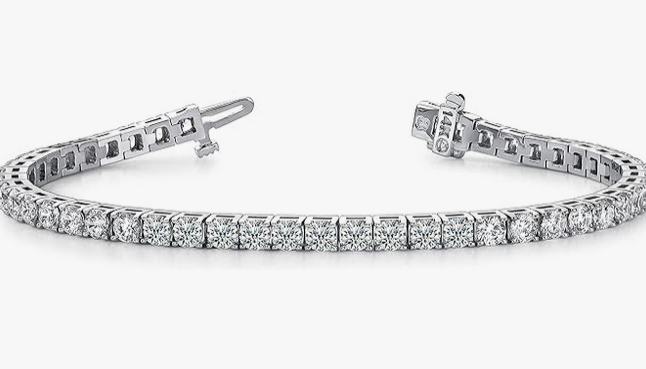
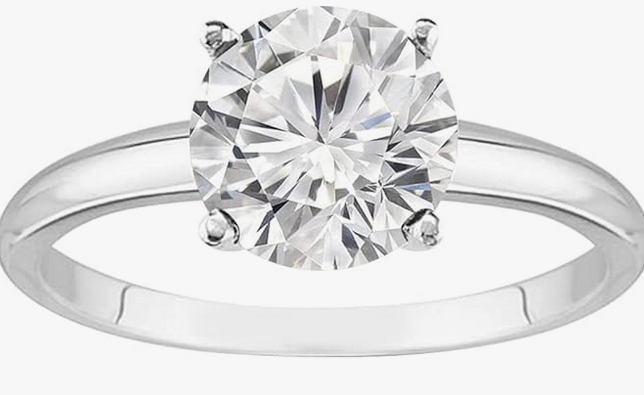
Houston Diamond District 1 to 10 Carat 14K White Gold IGI Certified Lab Grown Diamond Engagement Ring, Round Cut Solitaire, 4-Prong Setting (E–F Color VS2–SI1 Clarity)
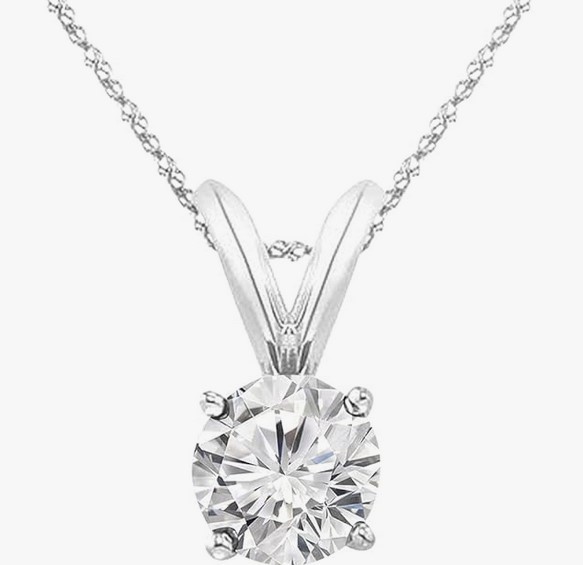
0.5-10 Carat Lab Grown Diamond Solitaire Pendant Necklace, Round Cut Solitaire, 4-Prong Setting, Jewelry for Women (E-F, VS)
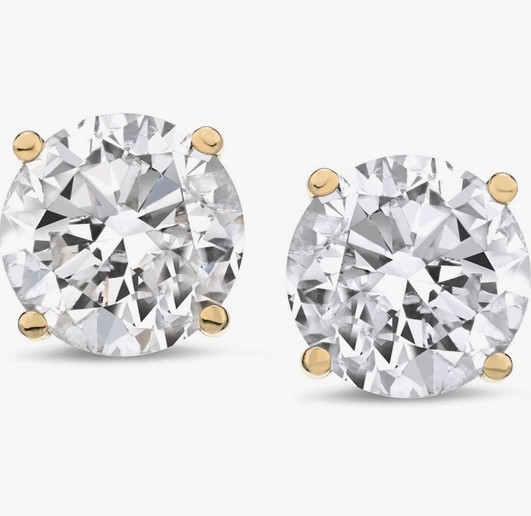
1 to 6 Carat LAB GROWN Solitaire Diamond Stud Earrings Round Cut 4 Prong Screw Back (F-G Color, VS1-VS2 Eye Clean Clarity)
5 Carat Diamond: The Complete Guide
A 5 carat diamond is the stuff of dreams — bold, brilliant, and utterly captivating. At this remarkable size, a 5 carat diamond delivers show-stopping presence and dazzling sparkle that few gems can rival. Whether you’re shopping for an engagement ring, a statement piece, or a loose stone for a custom design, a 5 carat diamond represents the pinnacle of luxury. And thanks to premium lab grown diamonds, owning a 5 carat diamond is more attainable than ever before. This guide explains everything that shapes the beauty, size, and value of a 5 carat diamond, so you can shop with total confidence.
At Mycaratdiamond, every 5 carat diamond is real, certified, and crafted for maximum brilliance, so you can choose your dream stone with complete peace of mind.
How Big Is a 5 Carat Diamond?
Carat is a measure of weight, but at five carats the visual impact is unmistakable. A round 5 carat diamond measures roughly 11 millimeters across — a commanding footprint that dominates the finger and catches every eye. Elongated shapes like oval, pear, and marquise appear even larger because their length spreads across more of the hand. However you wear it, a 5 carat diamond reads as grand, luxurious, and impossible to overlook. It’s a genuine dream-size stone with red-carpet presence.
What Determines the Price of a 5 Carat Diamond?
Because quality varies enormously, the price of a 5 carat diamond is never a single fixed number. Several measurable factors work together to set the final figure:
- Origin (natural vs. lab grown) — the single biggest driver of a 5 carat diamond‘s price.
- The 4Cs — Carat weight, Color, Clarity, and Cut.
- Shape — round brilliants typically cost more per carat than fancy shapes.
- Certification — independent grading verifies quality and supports a fair, transparent price.
- Setting and metal — for a finished ring, 14K gold, 18K gold, or platinum add to the total.
Once you understand how each factor moves the needle, spotting real value in a 5 carat diamond becomes simple.
Natural vs. Lab Grown 5 Carat Diamond
This is where the price gap is most dramatic — and at five carats it is enormous. A natural 5 carat diamond is exceptionally rare, since large, high-quality rough is extraordinarily scarce, and it can command a price well into six figures. A lab grown 5 carat diamond, by contrast, offers the same sparkle, the same durability, and the same certified quality for a small fraction of that cost.
Lab grown diamonds are chemically, physically, and optically identical to mined diamonds. They earn a perfect 10 on the Mohs hardness scale and display the same fire and brilliance. The only difference is origin: lab grown stones are created in a controlled environment rather than deep underground. That efficiency is precisely why a lab grown 5 carat diamond makes a once-impossible dream size genuinely attainable. As a general guide, a quality lab grown 5 carat diamond typically lands in the five-figure range, while a comparable natural stone can cost many times more. It’s worth noting that natural diamonds tend to hold more resale value, so if long-term resale is your priority, that’s a factor to weigh — but for sheer size and sparkle per dollar, lab grown is hard to beat.
The 4Cs of a 5 Carat Diamond
The 4Cs — Carat, Color, Clarity, and Cut — are the universal language of diamond quality, and at five carats they are highly visible, so thoughtful choices matter more than ever.
Carat is the weight. At five carats, the stone has show-stopping presence — a true statement of luxury.
Color runs from colorless (D) downward. A near-colorless E-F grade keeps the diamond bright and white while avoiding the steep premium of a flawless D. Because color is very easy to notice in a stone this large, a clean near-colorless grade helps a 5 carat diamond look crisp and icy.
Clarity measures internal characteristics. An eye-clean VS-SI range shows no inclusions visible to the naked eye, which protects brilliance and keeps the price efficient. Since a large stone reveals more detail, eye-clean clarity is especially important for a 5 carat diamond.
Cut is the most important factor for sparkle. Precise faceting maximizes light return, so a well-cut 5 carat diamond looks brighter, larger, and livelier. Always prioritize cut quality above the other Cs.
Best Shapes for a 5 Carat Diamond
Shape is a deeply personal choice and dramatically affects a diamond’s character:
- Round brilliant: the most popular shape, prized for maximum sparkle and timeless appeal.
- Oval: elongates the finger and looks even larger than its weight suggests.
- Cushion: soft, rounded corners with romantic, vintage fire.
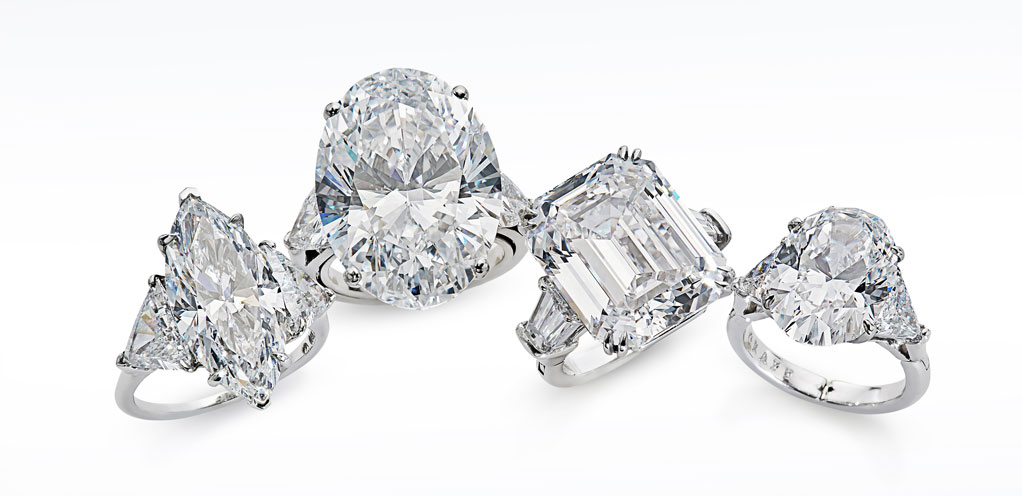
- Emerald and radiant: elegant rectangular outlines, from subtle step-cut sophistication to brilliant sparkle.
- Pear and marquise: distinctive shapes that maximize finger coverage.
Fancy shapes often cost less per carat than round brilliants, so they can give your 5 carat diamond a unique look while stretching your budget.
Is a 5 Carat Diamond a Good Choice?
If you want maximum size, sparkle, and presence, a 5 carat diamond is an exceptional choice, and lab grown options make this dream size genuinely accessible. A 5 carat diamond makes an unforgettable engagement ring, anniversary gift, or personal milestone — a piece that radiates confidence and celebration. With the right balance of the 4Cs, it offers breathtaking beauty that lasts a lifetime.
Certification: Buy with Confidence
Always choose a certified diamond. An independent grading report from a respected laboratory confirms the stone’s carat weight, color, clarity, and cut, so you know exactly what you’re buying. Certification protects you, verifies authenticity, and ensures you’re paying a fair price for genuine quality. A reputable seller will provide grading documentation for every 5 carat diamond — essential peace of mind for a purchase of this significance.
How to Choose the Perfect 5 Carat Diamond
To get the best combination of beauty and value, keep these tips in mind when choosing a 5 carat diamond:
- Favor E-F color and eye-clean VS-SI clarity. These grades look stunning at this size while keeping the price efficient.
- Prioritize cut quality. Excellent faceting is what makes a large diamond truly sparkle.
- Pick a shape you love. Each shape gives a 5 carat diamond its own personality.
- Insist on certification. Independent grading confirms quality and a fair price.
- Consider the setting. A secure mount in 14K gold, 18K gold, or platinum protects your stone and elevates its everyday wearability.
Bottom line: a 5 carat diamond brings together grand size, brilliant sparkle, and pure red-carpet glamour in one extraordinary stone. With a real, certified diamond in a near-colorless, eye-clean grade and an excellent cut, you can own a true dream-size diamond at a price that finally makes sense. Explore our collection above to discover how attainable the perfect 5 carat diamond has become.
A 5 carat diamond represents the pinnacle of luxury engagement rings, measuring approximately 11.1mm in diameter for round brilliants and commanding attention with its extraordinary presence. This remarkable stone size delivers unparalleled fire and brilliance while maintaining the sophistication that discerning buyers seek. Prices typically range from $50,000 to $500,000 depending on cut, color, clarity, and certification. A 5 carat diamond offers the perfect balance between impressive size and refined elegance, making it an exceptional choice for those who desire a truly statement-making piece that will be treasured for generations.
What Is a 5 Carat Diamond?
Understanding carat weight is fundamental when evaluating any significant diamond purchase. One carat equals 200 milligrams, making a 5 carat diamond exactly 1,000 milligrams or 1 gram in weight. This substantial mass translates into impressive visual dimensions that vary by shape but consistently deliver commanding presence on the hand.
The visual impact of this stone extends far beyond its technical specifications. A 5 carat diamond catches light from multiple angles, creating exceptional sparkle and fire that smaller stones cannot match. The increased surface area allows for more facets to interact with ambient lighting, resulting in superior brilliance that draws admiration from across any room.
Rarity plays a crucial role in understanding value propositions for larger diamonds. Natural stones of this magnitude are extraordinarily uncommon, with less than 0.02% of all mined diamonds reaching this weight threshold. This scarcity, combined with the precise cutting expertise required to maximize beauty, contributes significantly to premium pricing structures.
When comparing lab-grown alternatives, the physical and optical properties remain identical to natural diamonds. A 5 carat diamond created in controlled laboratory conditions exhibits the same hardness, brilliance, and chemical composition as earth-formed stones, typically at 30-50% lower costs while maintaining comparable beauty and durability.
5 Carat Diamond Price Guide
Pricing for diamonds of this caliber varies dramatically based on the four fundamental quality factors. Market conditions, certification laboratories, and retailer markup policies also influence final costs, making comprehensive research essential for informed purchasing decisions.
- A 5 carat diamond in D-F color, VVS1-VVS2 clarity, Excellent cut: $180,000-$500,000
- G-H color, VS1-VS2 clarity, Very Good-Excellent cut: $120,000-$250,000
- A 5 carat diamond in I-J color, SI1-SI2 clarity, Good-Very Good cut: $80,000-$150,000
- K-L color, SI2-I1 clarity, Good cut: $50,000-$100,000
- Lab-grown 5 carat diamond equivalents: $25,000-$200,000
Complete engagement ring pricing includes setting costs, which typically range from $3,000 to $25,000 depending on metal choice, design complexity, and accent stone inclusion. Platinum settings command premium pricing but offer superior durability, while 18k gold alternatives provide excellent value without compromising quality or appearance.
- Solitaire platinum setting with exceptional center stone: $185,000-$525,000
- Halo setting with accent diamonds in 18k gold: $135,000-$275,000
- Three-stone design with matching side stones: $200,000-$400,000
- Vintage-inspired setting with milgrain details: $125,000-$280,000
The Four Cs for a 5 Carat Diamond
Cut quality becomes exponentially more important as carat weight increases, directly impacting light performance and overall beauty. A 5 carat diamond with poor proportions will appear lifeless despite its impressive size, while expertly cut stones maximize every photon of available light. Excellent and Very Good cut grades ensure optimal brilliance, fire, and scintillation.
Color evaluation requires careful consideration of personal preferences and budget constraints. While D-F colorless grades offer the purest appearance, G-H near-colorless options provide exceptional value with minimal visual difference when properly set. Lower color grades may exhibit slight warmth but can be strategically paired with complementary metal choices to minimize any yellow undertones.
Clarity characteristics become more visible in larger stones, making careful evaluation essential for buyer satisfaction. A 5 carat diamond with VVS1-VVS2 clarity grades ensures eye-clean appearance under normal viewing conditions. VS1-VS2 grades often provide excellent value, as most inclusions remain invisible without magnification while significantly reducing overall costs.
Professional certification from respected laboratories provides essential verification of quality claims and protects buyer investments. GIA and AGS certificates offer the most widely recognized and consistent grading standards, while other laboratories may provide less reliable assessments that could affect resale values and insurance considerations.
Shape Options and Trade-Offs
Round brilliant cuts maximize light return and sparkle, making them the most popular choice for significant carat weights. The 57-58 facet arrangement creates unparalleled brilliance, though approximately 15-20% premium pricing reflects higher demand and material waste during cutting processes.
Princess cuts offer contemporary appeal with exceptional fire characteristics. The square silhouette provides approximately 15% larger face-up appearance compared to round diamonds of identical carat weight. Sharp corners require protective prong placement, but the geometric lines create stunning modern aesthetics that appeal to style-conscious buyers seeking distinctive alternatives.
Emerald cuts showcase exceptional clarity and color through their large, open facets. This elegant step-cut style emphasizes transparency over brilliance, making higher clarity grades more important for optimal beauty. The rectangular outline creates sophisticated vintage appeal while maximizing finger coverage and perceived size.
Oval, pear, and marquise shapes deliver impressive visual impact through elongated profiles that enhance finger coverage. These fancy cuts often provide 20-25% cost savings compared to round diamonds while offering distinctive personalities. However, length-to-width ratios significantly impact overall appearance, requiring careful evaluation of individual stone proportions to achieve desired aesthetics.
Wearing a 5 Carat Diamond: Size and Presence
The physical dimensions of this stone create undeniable presence that transforms any hand. Round brilliant cuts measure approximately 11.1mm in diameter, covering significant finger real estate while maintaining elegant proportions. The substantial size commands attention without appearing ostentatious when properly proportioned to hand size and personal style preferences.
Daily wearability considerations become more important with larger stones due to increased prominence and value. A 5 carat diamond requires thoughtful lifestyle evaluation, as the size may interfere with certain activities or professional environments. Insurance considerations, secure storage, and routine maintenance become essential aspects of ownership responsibility.
Hand size compatibility significantly impacts overall aesthetics and comfort levels. Smaller hands may find this size overwhelming, while larger hands can accommodate the substantial dimensions beautifully. Ring size, finger width, and personal style preferences should guide final decisions about optimal carat weight selection.
Setting height affects both comfort and security for stones of this magnitude. Lower profile mountings enhance daily wearability but may limit design options, while higher settings showcase more of the diamond but increase snag risk. Professional consultation helps balance aesthetic desires with practical considerations for long-term satisfaction.
Certification: What a 5 Carat Diamond Certificate Should Show
Comprehensive certification documentation protects substantial investments through detailed quality verification and authenticity confirmation. A 5 carat diamond certificate should include precise measurements, weight verification, complete clarity plotting, and color grade assignment under controlled laboratory conditions using standardized evaluation protocols.
GIA reports provide the most widely recognized and respected certification standards in the industry. Their rigorous grading process includes multiple gemologist evaluations, advanced instrumentation analysis, and detailed documentation of all quality factors. The distinctive security features and comprehensive online verification systems ensure authenticity and prevent fraudulent documentation.
AGS certificates offer alternative grading perspectives with emphasis on cut quality evaluation through their proprietary light performance analysis. Their 0-10 grading scale provides precise quality assessment, while their cut grading system often provides more detailed information about light return characteristics than traditional approaches.
Laser inscription matching between the stone and certificate provides additional security verification. Most reputable laboratories inscribe microscopic identification numbers on girdles that correspond to certificate details. This permanent marking system enables positive identification and helps prevent stone substitution during future services or resale transactions.
Setting Recommendations
Solitaire settings remain the most popular choice for showcasing exceptional center stones without distraction. The classic six-prong configuration provides optimal security while maximizing light entry from all angles. Platinum construction offers superior durability and neutral coloring that complements any diamond quality grade, though 18k white gold alternatives provide comparable performance at reduced costs.
Halo designs amplify visual impact through strategically placed accent diamonds that create the illusion of even larger center stones. The surrounding smaller diamonds add approximately 0.5-1.0mm to perceived diameter while contributing additional sparkle and fire. However, the contrast may make center stone imperfections more visible, requiring higher clarity grades for optimal results.
Three-stone settings create symbolic meaning through past, present, and future representation while balancing visual weight across the entire design. Side stone selection requires careful coordination of color and clarity grades to ensure harmonious appearance. Graduated sizing or uniform proportions both offer attractive aesthetics depending on personal preferences and overall design goals.
Vintage-inspired settings provide timeless elegance through intricate detailing and romantic styling elements. Milgrain work, engraving, and filigree designs complement larger center stones beautifully while adding personality and uniqueness. These complex mountings require expert craftsmanship but create heirloom quality pieces that transcend temporary fashion trends.
Comparing Nearby Carat Weights
Understanding size and price relationships helps optimize value and satisfaction through informed decision making. The difference between 4.5 and 5 carat stones measures approximately 0.3mm in diameter, often imperceptible to casual observation but significant in pricing structures due to psychological weight thresholds and rarity factors.
Price premiums at exact carat weights reflect consumer preferences and market demand patterns. Stones weighing 4.90-4.99 carats typically cost 15-25% less than true 5 carat examples while appearing virtually identical in everyday wear. This phenomenon creates opportunities for value-conscious buyers who prioritize appearance over precise specifications.
Upgrading to 5.5 or 6 carat alternatives increases diameter by approximately 0.4-0.5mm while substantially increasing costs and rarity concerns. The visual impact improvement may not justify the significant price increase unless budget allows comfortable accommodation of premium pricing without compromising other quality factors.
Individual stone characteristics often matter more than precise carat weight specifications. A beautifully cut 4.8 carat diamond with excellent color and clarity grades will outperform a poorly proportioned 5.2 carat stone in both beauty and value retention. Prioritizing overall quality over specific weight targets typically yields superior long-term satisfaction.
Where to Buy
Reputable online retailers offer extensive selection and competitive pricing through reduced overhead costs and direct manufacturer relationships. Detailed photography, comprehensive certification, and generous return policies enable confident remote purchasing. However, the substantial investment involved may warrant in-person evaluation before final commitment, especially for first-time luxury diamond buyers.
Local jewelers provide personalized service and hands-on evaluation opportunities but typically maintain limited inventory in this size range. Special ordering capabilities allow access to broader selection, though extended timelines and potential restocking fees may complicate the purchasing process. Building relationships with trusted local professionals offers advantages for future services and warranty support.
Auction houses occasionally offer exceptional stones with unique provenance or estate origins. These venues may provide opportunities for below-market pricing, but buyer expertise becomes essential due to limited return policies and potential condition issues. Professional evaluation before bidding helps avoid costly mistakes while identifying legitimate value opportunities.
Private sellers and estate dealers sometimes offer attractive pricing on pre-owned pieces, but due diligence becomes critical for authenticity verification and condition assessment. Recent certification, professional cleaning, and independent appraisal help ensure quality and value while protecting against fraud or misrepresentation of important characteristics.
How much does a 5 carat diamond cost?
A 5 carat diamond typically ranges from $50,000 to $500,000 depending on cut, color, clarity, and certification. Premium quality stones with D-F color, VVS clarity, and excellent cut command the highest prices, while lower grades offer significant savings with minimal visual impact. Lab-grown alternatives provide 30-50% cost reduction while maintaining identical physical and optical properties.
What size is a 5 carat diamond?
Round brilliant cuts measure approximately 11.1mm in diameter, while fancy shapes vary based on length-to-width ratios and cutting styles. Princess cuts typically measure 9.5mm square, emerald cuts span 11.0 x 9.0mm, and oval shapes range 14.0 x 10.0mm depending on proportions. Face-up appearance varies significantly between shapes despite identical carat weights.
Is a 5 carat diamond too big?
Size appropriateness depends entirely on personal preferences, lifestyle requirements, and hand proportions rather than arbitrary standards. Some individuals find this size perfect for special occasions, while others prefer it for daily wear. Consider professional obligations, activity levels, and comfort preferences when evaluating optimal size selection for long-term satisfaction.
How rare are diamonds of this size?
Diamonds of this magnitude represent less than 0.02% of all mined stones, making them extraordinarily rare and valuable. The combination of size and quality further reduces availability, as most large rough diamonds contain inclusions or color issues that prevent premium finished grades. This rarity directly contributes to premium pricing and strong value retention characteristics.
What setting works best for such large stones?
Solitaire mountings showcase natural beauty without distraction while providing optimal security through multiple prong configurations. Halo settings amplify visual impact, three-stone designs create balanced compositions, and vintage styles add personality through intricate detailing. Setting selection should complement personal style preferences while ensuring adequate protection and comfortable daily wear.
How do I verify authenticity and quality?
Professional certification from GIA or AGS provides comprehensive quality verification and authenticity confirmation through rigorous laboratory evaluation. Laser inscription matching, detailed plotting diagrams, and online verification systems ensure legitimate documentation. Independent appraisal and gemologist consultation offer additional verification layers for substantial investments requiring maximum security and confidence.
Purchasing a 5 carat diamond represents a significant milestone that deserves careful consideration and professional guidance. The combination of exceptional size, brilliant sparkle, and lasting value creates an investment piece that will be treasured for generations. Understanding the complex interplay between the four Cs, certification standards, and market factors enables confident decision making that maximizes both beauty and value. Whether selecting natural or lab-grown alternatives, the key lies in prioritizing overall quality while balancing personal preferences with practical considerations.
The journey toward finding the perfect 5 carat diamond should be guided by reputable professionals who understand the nuances of luxury gemstone evaluation and selection. Take time to compare options, evaluate certification documentation, and consider long-term satisfaction factors before making final commitments. For expert guidance and access to exceptional quality stones, visit the Carat Diamond homepage to begin your search for the perfect centerpiece stone.