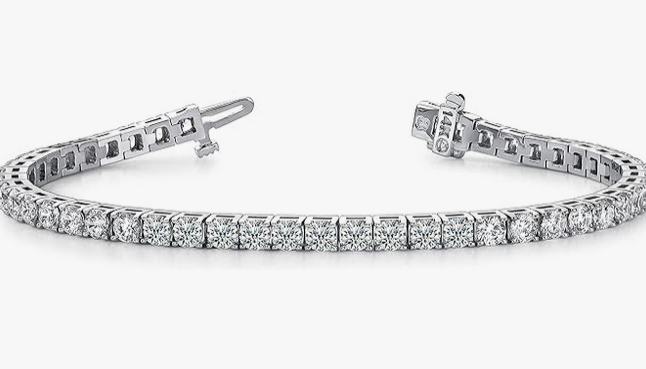
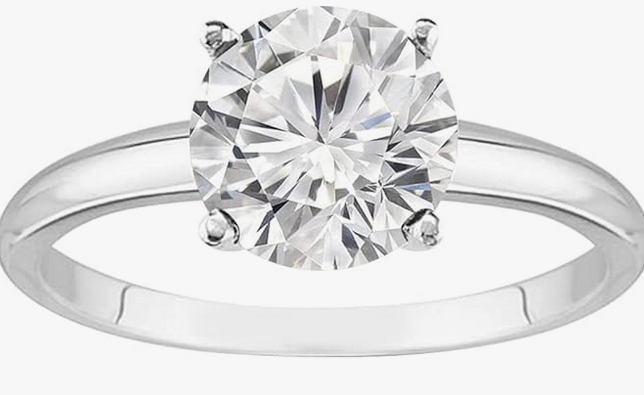
Houston Diamond District 1 to 10 Carat 14K White Gold IGI Certified Lab Grown Diamond Engagement Ring, Round Cut Solitaire, 4-Prong Setting (E–F Color VS2–SI1 Clarity)
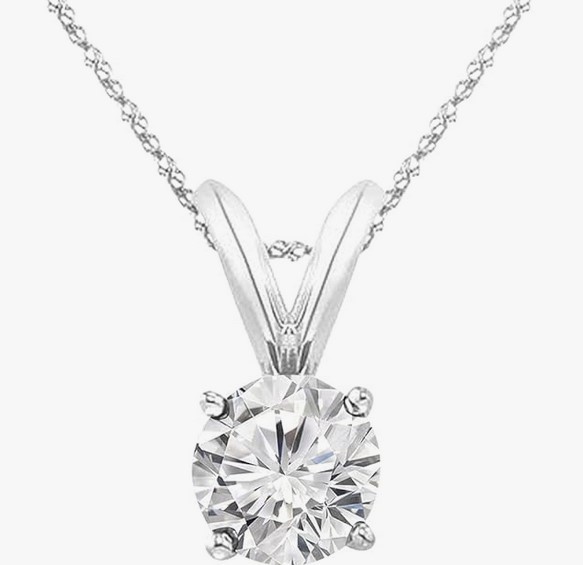
0.5-10 Carat Lab Grown Diamond Solitaire Pendant Necklace, Round Cut Solitaire, 4-Prong Setting, Jewelry for Women (E-F, VS)
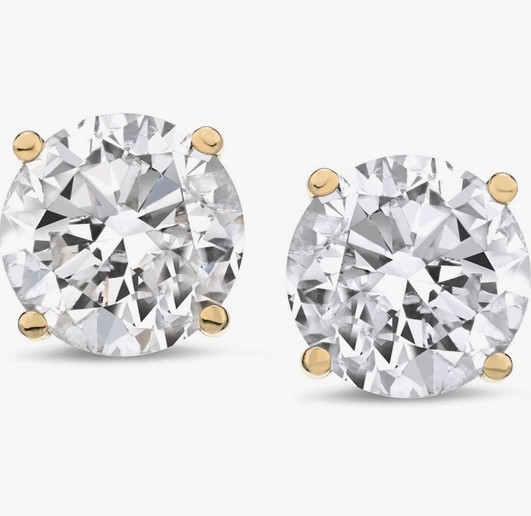
1 to 6 Carat LAB GROWN Solitaire Diamond Stud Earrings Round Cut 4 Prong Screw Back (F-G Color, VS1-VS2 Eye Clean Clarity)
8 Carat Diamond Ring: The Complete Buyer’s Guide
An 8 carat diamond ring is the definition of extravagant glamour — colossal, brilliant, and absolutely unforgettable. With its enormous center stone and breathtaking sparkle, an 8 carat diamond ring makes the boldest statement imaginable, whether as a jaw-dropping engagement ring, a landmark anniversary gift, or the ultimate celebration of personal success. At eight carats, the diamond owns the entire hand, so an 8 carat diamond ring commands attention everywhere it goes. Best of all, thanks to premium lab grown diamonds, owning an 8 carat diamond ring is far more attainable than most people imagine. This guide explains everything that shapes the look, quality, and value of an 8 carat diamond ring, so you can choose with total confidence.
At Mycaratdiamond, every 8 carat diamond ring is crafted from a real, certified lab grown diamond set in enduring precious metal — the combination that delivers extraordinary brilliance at a genuinely accessible price.
Why an 8 Carat Diamond Ring Is the Ultimate Statement
Eight carats sits at the very top of dream-size, red-carpet territory. An 8 carat diamond ring reads clearly from across any room, photographs spectacularly, and radiates confidence, success, and celebration. It’s far beyond the everyday one- to three-carat sizes — lavish and showstopping, yet still wearable with the right design. Here’s why an 8 carat diamond ring captivates:
- Colossal presence: an 8 carat diamond ring makes an immediate, unforgettable impression.
- Spectacular sparkle: more size means more surface to catch and return light.
- Elite glamour: an 8 carat diamond ring is the kind of piece usually seen on celebrities and royalty.
- Exceptional value with lab grown: far more attainable than you’d expect.
How Big Does an 8 Carat Diamond Ring Look on the Finger?
An 8 carat diamond ring makes a tremendous visual statement. A round 8 carat diamond measures roughly 13 millimeters across — and since the average finger is about 15 to 17 millimeters wide, an 8 carat diamond ring covers nearly the entire width of the finger. Elongated shapes like oval, pear, and marquise extend along the finger’s length, making the diamond look even more dramatic. On slender fingers, an 8 carat diamond ring appears absolutely immense, while on longer fingers it looks grand yet balanced — striking either way.
What Determines the Price of an 8 Carat Diamond Ring?
No two rings are identical, so the price of an 8 carat diamond ring is never a single fixed number. Several measurable factors work together to set the final figure:
- Origin (natural vs. lab grown) — the single biggest driver of an 8 carat diamond ring‘s price.
- The 4Cs — Carat weight, Color, Clarity, and Cut.
- Diamond shape — round brilliants typically cost more per carat than fancy shapes.
- Metal and setting — 14K gold, 18K gold, or platinum, plus the band style and any accent stones.
- Certification and craftsmanship — independent grading and the finish quality of the piece.
Once you understand how each factor moves the needle, spotting real value in an 8 carat diamond ring becomes simple.
Natural vs. Lab Grown 8 Carat Diamond Ring
This is where the price gap is most dramatic — and at eight carats it is enormous. A natural 8 carat center diamond is extraordinarily rare and commands an exceptional premium, often reaching well into the high six or seven figures. A lab grown 8 carat diamond ring, by contrast, offers the same sparkle, the same durability, and the same certified quality for a small fraction of that cost.
Lab grown diamonds are chemically, physically, and optically identical to mined diamonds. They earn a perfect 10 on the Mohs hardness scale and display the same fire and brilliance. The only difference is origin: lab grown stones are created in a controlled environment rather than deep underground. That efficiency is precisely why a lab grown 8 carat diamond ring makes a once-impossible dream size genuinely attainable. As a general guide, a quality lab grown 8 carat diamond ring typically lands in the high five to six-figure range, while a comparable natural ring can cost many times more.
The 4Cs and Your 8 Carat Diamond Ring
The 4Cs are the universal language of diamond value, and at eight carats they are highly visible, so thoughtful choices matter more than ever.
Carat weight is the headline. At 8 carats, the center stone has show-stopping presence — a true statement that defines an 8 carat diamond ring.
Color runs from colorless (D) downward. A near-colorless E-F grade keeps the diamond bright and white while avoiding the steep premium of a flawless D. Because color is very easy to notice in a stone this large, a clean near-colorless grade keeps your 8 carat diamond ring looking crisp and icy.
Clarity measures internal characteristics. An eye-clean VS-SI range shows no inclusions visible to the naked eye. Since a large stone reveals more detail, an eye-clean grade is especially important for an 8 carat diamond ring.
Cut is the most important C for sparkle. Precise faceting maximizes light return, so a well-cut 8 carat diamond ring looks brighter, larger, and livelier. Never compromise on cut — it’s what makes a diamond of this size truly come alive.
Best Diamond Shapes for an 8 Carat Diamond Ring
Shape is one of the most personal choices, and it dramatically affects the character of an 8 carat diamond ring:
- Round brilliant: the most popular shape, prized for maximum sparkle and timeless appeal.
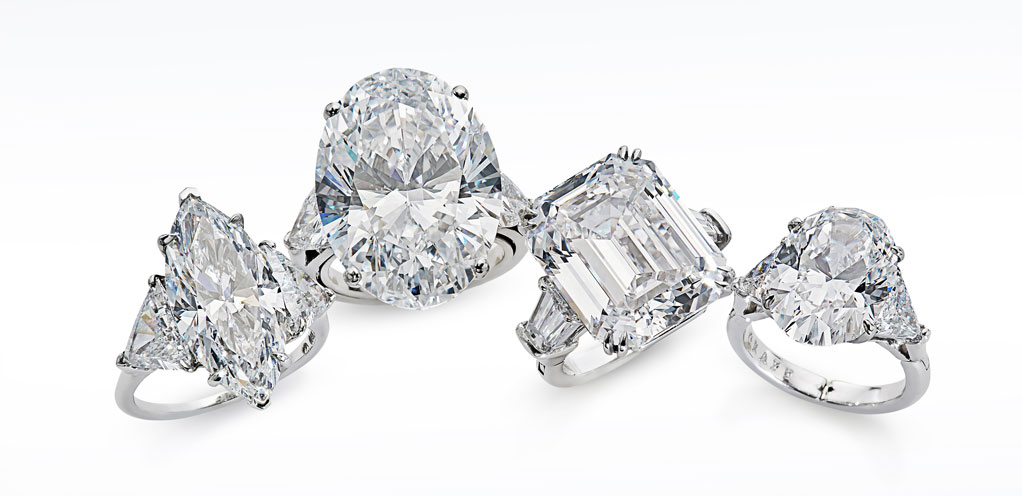
- Oval: elongates the finger and looks even larger than its weight suggests.
- Cushion: soft, rounded corners with romantic, vintage fire.
- Emerald and radiant: elegant rectangular outlines, from subtle step-cut sophistication to brilliant sparkle.
- Pear and marquise: distinctive shapes that maximize finger coverage and look the largest of all.
Fancy shapes often cost less per carat than round brilliants, so they can stretch your budget while giving your 8 carat diamond ring a unique signature look.
Choosing the Setting and Metal
A center stone this large needs a setting engineered to hold it securely while showing it off. Popular choices for an 8 carat diamond ring include the clean, classic solitaire; the sparkling halo, which frames the center stone with smaller diamonds and makes it look even larger; the shimmering pavé band; and the meaningful three-stone design symbolizing past, present, and future.
Because an 8 carat diamond is heavy and valuable, sturdy prongs and expert craftsmanship are absolutely essential to keep it secure. Metal matters too: 14K and 18K gold offer warm, classic luxury in white, yellow, or rose, while platinum delivers a premium, naturally white finish prized for its strength. A secure setting keeps your 8 carat diamond ring safe through years of everyday wear.
Comfort and Everyday Wear
An eight-carat diamond is substantial, so comfort is a key part of good design. A well-crafted 8 carat diamond ring should sit securely without spinning or feeling top-heavy, which is why a properly proportioned band and quality construction matter so much. Lower-profile settings keep the stone closer to the hand for easier daily wear, while higher settings lift the diamond for extra sparkle. With expert craftsmanship, an 8 carat diamond ring can feel as comfortable as it looks spectacular.
Why Lab Grown Makes the 8 Carat Diamond Ring Attainable
Lab grown diamonds are produced using two advanced methods — HPHT (High Pressure High Temperature) and CVD (Chemical Vapor Deposition). Both recreate the natural diamond-forming process, but far more efficiently. That efficiency is why a lab grown 8 carat diamond ring offers such remarkable value at a size that was once out of reach for nearly everyone.
Crucially, this lower price involves no compromise on quality. You are not buying a simulant or imitation — you are buying a real, certified diamond graded by the same 4Cs and indistinguishable from a mined stone without specialized equipment. For most buyers, a lab grown 8 carat diamond ring is the clear value winner, turning a dream-size diamond into a wearable reality.
How to Choose the Perfect 8 Carat Diamond Ring
To secure the best value without sacrificing beauty, keep these tips in mind when choosing an 8 carat diamond ring:
- Favor E-F color and eye-clean VS-SI clarity. Grades are highly visible at this size, so eye-clean, near-colorless stones keep your 8 carat diamond ring looking flawless and priced efficiently.
- Prioritize cut quality. Excellent faceting is what makes a large diamond truly sparkle.
- Pick a shape you love. The shape defines the entire character of your 8 carat diamond ring.
- Choose a sturdy, secure setting. A large, valuable stone needs strong prongs and expert craftsmanship.
- Choose lab grown. It’s the most direct way to make an 8 carat diamond ring attainable while keeping a genuine diamond.
- Insist on certification. Independent grading confirms you’re paying a fair price for real quality.
Bottom line: an 8 carat diamond ring brings together colossal size, brilliant sparkle, and pure red-carpet glamour in one unforgettable design. With a premium lab grown diamond in a near-colorless, eye-clean grade, set in beautifully crafted gold or platinum, you can own a true 8 carat dream at a price that finally makes sense. Explore our collection above to find the perfect 8 carat diamond ring for you.
A 8 carat diamond ring represents the pinnacle of luxury jewelry, measuring approximately 13.1mm in diameter for a round brilliant cut and commanding attention with its extraordinary size and brilliance. These magnificent stones typically range from $80,000 to $500,000 depending on cut, color, clarity, and certification, making them investment-grade purchases that require careful consideration of quality factors. An 8 carat diamond ring delivers unparalleled visual impact, covering nearly half the width of an average finger while projecting light and fire that can be seen across a room, establishing it as one of the most prestigious choices available in fine jewelry.
What Is a 8 carat diamond ring?
An 8-carat diamond weighs exactly 1,600 milligrams or 1.6 grams, placing it firmly in the rare and exceptional category of gemstones. The carat weight represents one of the four fundamental characteristics that determine a diamond’s value, with 8 carats being approximately 40 times larger than the average engagement ring diamond of 0.2 carats. This substantial size creates a visual presence that transforms any piece of jewelry into a statement of luxury and refinement.
The physical dimensions of an 8 carat diamond ring vary significantly based on the chosen cut. A round brilliant cut measures approximately 13.1mm in diameter, while a princess cut spans roughly 10.5mm square. Emerald cuts extend to about 12.5mm by 9.5mm, and oval cuts reach 14.5mm by 10.5mm. These measurements demonstrate how cut selection dramatically impacts the visual footprint and finger coverage of the finished ring.
The rarity of 8-carat diamonds cannot be overstated, as they represent less than 0.001% of all diamonds mined globally. This scarcity contributes significantly to their value proposition and investment potential. Major diamond mines may produce only a handful of gem-quality 8-carat rough stones annually, making each finished diamond a unique treasure with documented provenance and certification from recognized gemological laboratories.
When set in a ring, an 8 carat diamond ring requires specialized mounting techniques to ensure security and proper light performance. The setting must distribute the stone’s weight effectively while maximizing light entry from multiple angles. Professional jewelers typically recommend six-prong or eight-prong settings for optimal security, though bezel settings provide maximum protection for active lifestyles while slightly reducing the apparent size.
8 carat diamond ring Price Guide
Pricing for diamonds of this caliber varies dramatically based on the four Cs, with exceptional stones commanding premium prices that reflect their rarity and desirability. The following ranges represent current market values for certified 8-carat diamonds from reputable sources:
- D–F color, FL–VVS2 clarity, Excellent cut: $320,000–$500,000
- G–H color, VVS1–VS2 clarity, Very Good cut: $180,000–$280,000
- An 8 carat diamond ring in I–J color, VS1–SI1 clarity, Good cut: $120,000–$180,000
- K–L color, SI2 clarity, Fair cut: $80,000–$120,000
- An 8 carat diamond ring with M+ color, I1+ clarity: $60,000–$90,000
Complete ring pricing includes the diamond cost plus setting, band material, and craftsmanship fees. Professional mounting for stones of this significance requires specialized expertise and premium materials:
- Platinum solitaire setting: $3,500–$8,000
- An 8 carat diamond ring in 18k gold halo setting: $4,500–$12,000
- Three-stone platinum setting: $8,000–$18,000
- Custom-designed architectural setting: $12,000–$30,000
- Vintage-inspired milgrain setting: $5,500–$15,000
Market fluctuations affect pricing significantly, with exceptional stones appreciating steadily over time while commercial grades may experience more volatility. Economic conditions, celebrity purchases, and seasonal demand patterns all influence pricing. Buyers should expect to negotiate pricing on stones exceeding $200,000, as dealers often have flexibility at these investment levels.
Financing options exist for qualified buyers, including extended payment plans, trade-in programs, and certified pre-owned opportunities. Insurance becomes mandatory at these value levels, with annual premiums typically running 1-2% of appraised value. Professional appraisals should be updated every 2-3 years to reflect current market conditions and ensure adequate coverage.
The Four Cs for a 8 carat diamond ring
Cut quality becomes paramount in stones of this magnitude, as even minor imperfections in proportions become magnified and affect light performance dramatically. An 8 carat diamond ring demands Excellent or Very Good cut grades to maximize brilliance and fire. The larger surface area means that light has more distance to travel through the stone, making precise angles and symmetry crucial for optimal sparkle.
Color grading takes on heightened importance in larger stones, as body tint becomes more apparent in 8-carat diamonds. While D-F colorless grades command premium prices, G-H near-colorless stones offer excellent value with minimal visible tint when properly set. I-J color grades may show warmth but can appear stunning in yellow gold settings that complement the stone’s natural hue. Color distribution should be even throughout the stone, avoiding any concentrated areas of tint.
Clarity standards can be more flexible in larger stones, as the human eye has difficulty detecting small inclusions across the expanded surface area. VS2-SI1 clarity grades often provide excellent value in 8-carat stones, appearing eye-clean while offering significant cost savings over flawless grades. However, the inclusion type and location matter more than grade alone, as dark crystals or feathers near the table become more noticeable in larger stones.
Fluorescence considerations become complex in stones of this size, as strong fluorescence can create an oily or hazy appearance in daylight conditions. None to medium fluorescence is generally preferred, though faint blue fluorescence can enhance the apparent color of near-colorless stones. The interaction between fluorescence and the stone’s natural color should be evaluated under multiple lighting conditions before purchase.
Shape Options and Trade-Offs
Round brilliant cuts remain the most popular choice for 8-carat stones, offering maximum light return and universal appeal. The 57-facet design optimizes brilliance and fire while maintaining the classic proportions that buyers expect. Round stones also offer the most flexibility in setting options and tend to retain value better than fancy shapes. However, round cuts command approximately 10-20% higher prices than comparable fancy shapes due to higher rough diamond waste during cutting.
Princess cuts deliver contemporary appeal with sharp, geometric lines that complement modern settings beautifully. The square shape maximizes the apparent size from the top view while requiring less rough diamond material than round cuts. However, the pointed corners require protective prong placement and may be vulnerable to chipping if struck. Princess cuts also tend to show color more readily than rounds, making higher color grades more important.
Emerald cuts showcase the diamond’s clarity and color through large, open facets that create a sophisticated step-cut appearance. These rectangular stones offer excellent finger coverage and timeless elegance but require higher clarity grades since inclusions are more visible. The hall-of-mirrors effect created by the step facets produces less brilliance than brilliant cuts but offers distinctive flashes of light that many connoisseurs prefer.
Oval, marquise, and pear shapes maximize visual impact by creating elongated profiles that appear larger than their actual carat weight. These shapes offer unique personalities while often providing better value than rounds. However, they may exhibit bow-tie effects where light appears darker across the center, and finding well-cut examples becomes more challenging as size increases. Length-to-width ratios become critical for aesthetic appeal and should align with personal preferences.
Wearing a 8 carat diamond ring: Size and Presence
The physical presence of this magnificent stone cannot be understated, as it typically covers approximately 40-50% of the finger width on average ring sizes. The substantial weight, ranging from 1.6 grams for the stone alone to 8-15 grams for the complete ring, creates a noticeable presence that requires an adjustment period for daily wear. The ring’s center of gravity shifts significantly compared to smaller stones, affecting hand movement and gesture naturally.
Lifestyle considerations become paramount when choosing to wear a stone of this magnitude regularly. Professional environments may require discretion, as the diamond’s brilliance and size naturally draw attention and comments. Many owners reserve their 8 carat diamond ring for special occasions, evening events, and formal gatherings where the stone’s presence enhances rather than distracts from the overall ensemble.
Practical daily activities require conscious awareness to protect the investment. Housework, exercise, gardening, and other manual tasks pose risks to both the stone and setting. Many owners invest in insurance policies that cover daily wear risks and maintain secure storage solutions for times when wearing the ring isn’t practical. Professional cleaning every 3-6 months helps maintain optimal light performance and allows jewelers to inspect the setting for any signs of wear.
Ring sizing becomes more complex with stones of this magnitude, as the increased weight and surface area affect comfort significantly. Professional jewelers often recommend sizing slightly larger than normal to accommodate finger swelling and ensure comfortable long-term wear. The setting style also impacts fit, with lower-profile mountings generally offering better comfort than high-set designs that may catch on clothing or gloves.
Setting Recommendations
Solitaire settings remain the most popular choice for showcasing stones of this caliber, allowing the diamond to command full attention without competing elements. A six-prong platinum setting provides optimal security while maximizing light entry from all angles. The prong style should be rounded rather than pointed to prevent snagging, and the head should be proportioned appropriately for the stone’s size. Basket-style heads offer additional security by creating a partial cage around the stone’s girdle.
Halo settings can enhance the apparent size even further while adding additional sparkle through surrounding smaller diamonds. However, the central stone already commands significant presence, making halos potentially overwhelming rather than complementary. When choosing halo designs, opt for delicate micro-pavé work with smaller accent stones that enhance rather than compete with the main diamond. The halo should be proportioned to maintain balance rather than appearing as an afterthought.
Three-stone settings offer symbolic meaning while providing additional security through distributed weight across the band. Side stones should be significantly smaller than the center to maintain proper proportion – typically 1-2 carats each for optimal balance. The side stones can be round, baguette, or fancy shapes that complement the center stone’s cut. This setting style also offers excellent value by incorporating additional diamond weight while creating a cohesive design.
Custom-designed settings allow for personalization while addressing the unique requirements of 8-carat stones. Architectural elements, vintage-inspired details, and innovative construction techniques can create one-of-a-kind mountings that reflect personal style. Custom work typically requires 6-12 weeks for completion and involves multiple fittings to ensure perfect proportions and security. The investment in custom work often proves worthwhile given the stone’s significance and value.
Comparing Nearby Carat Weights
Seven-carat diamonds offer a compelling alternative with similar visual impact at approximately 15-20% lower cost. The size difference, while mathematically significant, becomes less noticeable to observers as both weights command exceptional presence. Round seven-carat stones measure approximately 12.4mm in diameter compared to 13.1mm for eight-carat stones – a difference of less than 1mm that may justify the substantial cost savings for budget-conscious buyers.
Nine-carat stones represent the next step up in both size and investment, measuring approximately 13.8mm for round cuts and commanding prices 25-40% higher than comparable eight-carat stones. The additional visual impact may not justify the exponential price increase for many buyers, as the law of diminishing returns becomes more pronounced at larger sizes. However, collectors and those seeking maximum impact may find the premium worthwhile for special circumstances.
The psychological impact of reaching the 8-carat milestone shouldn’t be underestimated, as this represents a significant benchmark in luxury jewelry. Seven-carat stones, while magnificent, don’t carry the same prestige factor that comes with entering the 8+ carat range. Market recognition and resale value often reflect these psychological thresholds, making the 8-carat benchmark potentially worthwhile from an investment perspective.
Certification costs and insurance premiums scale with size, making the differences between adjacent carat weights less significant in terms of total ownership costs. Professional settings, specialized insurance, and secure storage requirements remain similar across the 7-9 carat range, suggesting that choosing the optimal stone for personal preferences makes more sense than purely cost-driven decisions at these levels.
Certification: What a 8 carat diamond ring Certificate Should Show
Gemological Institute of America (GIA) certification represents the gold standard for stones of this caliber, providing comprehensive analysis of all quality factors including detailed clarity plotting and color origin determination. The GIA report should include exact measurements to 0.01mm, precise weight to 0.01 carats, and detailed descriptions of any clarity characteristics with their locations mapped on both crown and pavilion views.
American Gem Society (AGS) certification offers an alternative grading system using numerical scales that some buyers prefer for its precision. AGS reports provide detailed light performance analysis including ASET images that show exactly how light travels through the stone. For 8 carat diamond ring purchases, AGS certification can provide additional confidence in cut quality through their proprietary analysis methods that evaluate brilliance, fire, and scintillation objectively.
International gemological laboratories such as Gübelin and SSEF offer specialized services for exceptional stones, particularly those with unique characteristics or historical significance. These laboratories provide detailed origin reports for natural stones and comprehensive analysis that may include advanced spectroscopy results. While less common than GIA or AGS reports, these certifications can add value for stones with exceptional provenance or unusual characteristics.
Certificate verification becomes crucial at these value levels, as sophisticated counterfeiting exists for high-value stones. Both GIA and AGS offer online verification systems that allow buyers to confirm report authenticity using the certificate number. The physical certificate should include security features such as watermarks, special paper, and holographic elements. Professional jewelers can also verify stone identity using advanced instruments that read the stone’s unique optical fingerprint.
Where to Buy
Established luxury jewelry retailers offer the security and service levels appropriate for purchases of this magnitude, providing certified stones with comprehensive warranties and buyback programs. These retailers typically maintain relationships with major diamond dealers and can source exceptional stones on request. The additional cost premium often proves worthwhile through superior customer service, financing options, and long-term relationship benefits that extend beyond the initial purchase.
Certified diamond dealers specialize in loose stones and can often provide better pricing than traditional retailers while maintaining the same certification standards. These specialists typically offer larger selections and more flexible pricing, particularly for buyers who plan to work with independent jewelers for setting design. However, buyers must ensure that dealers provide proper documentation and offer reasonable return policies for stones that don’t meet expectations upon inspection.
Auction houses occasionally offer exceptional 8-carat diamonds with unique provenance or historical significance, though buyers should expect premium pricing for stones with documented histories. Estate sales can provide opportunities for exceptional value, particularly for stones in period settings that can be updated or reset according to contemporary preferences. However, auction purchases require extensive due diligence and professional evaluation to ensure authenticity and quality representation.
Online platforms have expanded to include luxury segments, offering certified stones with detailed photography and video documentation. While pricing may be competitive, buyers should insist on professional appraisal periods and comprehensive return policies. The inability to physically examine stones before purchase represents a significant limitation at these investment levels, making vendor reputation and certification quality absolutely critical for successful transactions.
Frequently Asked Questions
How much does a 8 carat diamond ring typically cost?
A 8 carat diamond ring ranges from $80,000 to $500,000 depending on the four Cs quality factors. Higher color and clarity grades command premium pricing, with D-F colorless, VVS-FL clarity stones reaching the upper price ranges. The setting adds $3,500 to $30,000 depending on design complexity and metal choice, making total ring investments typically range from $85,000 to $530,000 for exceptional quality pieces.
What finger size works best for stones this large?
Ring sizes 6-8 generally provide the most flattering proportions for stones of this magnitude, as smaller fingers may appear overwhelmed while larger fingers provide better balance. The stone will cover approximately 40-50% of finger width regardless of size, but hand proportion and personal comfort vary significantly. Professional sizing consultation helps determine optimal fit considering both aesthetics and daily wear comfort requirements.
How does a 8 carat diamond ring compare to smaller sizes?
An 8 carat diamond ring measures approximately 40 times larger than average engagement ring stones and provides exponentially more visual impact than smaller sizes. The surface area increases dramatically – a round 8-carat stone covers 135 square millimeters compared to just 19 square millimeters for a 1-carat stone. This size difference creates presence that’s immediately noticeable from significant distances and transforms any jewelry piece into a statement of luxury.
What certification should I look for?
GIA and AGS certification provide the most reliable quality documentation for investment-grade stones, offering comprehensive analysis and internationally recognized grading standards. The certificate should include exact measurements, clarity plotting, color analysis, and cut grade assessment with detailed photographs. Online verification through the laboratory’s database ensures authenticity and provides confidence in the stone’s documented characteristics and value proposition.
Is daily wear practical for rings this size?
Daily wear requires careful consideration of lifestyle factors, professional requirements, and personal comfort with the attention these rings naturally attract. The substantial weight and size may require an adjustment period, and certain activities pose risks to both stone and setting security. Many owners reserve these pieces for special occasions while others wear them regularly with appropriate insurance coverage and conscious awareness of the investment value.
What’s the best shape for maximizing visual impact?
Round brilliant cuts offer maximum light return and universal appeal, while elongated shapes like oval and marquise create the largest visual footprint per carat weight. Emerald cuts provide sophisticated elegance through step-cut faceting, though they require higher clarity grades due to their open facet structure. The optimal shape depends on personal preference, setting style, and whether brilliance or size appearance takes priority in the decision-making process.
Purchasing a 8 carat diamond ring represents a significant milestone in luxury jewelry acquisition, requiring careful consideration of quality factors, setting options, and long-term ownership responsibilities. These exceptional stones offer unparalleled beauty and presence while serving as tangible investments that can appreciate over time with proper care and documentation. The combination of rarity, beauty, and investment potential makes these purchases both emotionally and financially rewarding for discerning buyers who appreciate exceptional quality and craftsmanship.
Whether chosen for special occasions or daily wear, a 8 carat diamond ring transforms any moment into a celebration of luxury and refined taste. The careful selection process, from understanding the four Cs to choosing appropriate settings and certification, ensures that your investment provides lasting satisfaction and value. For expert guidance in selecting your perfect stone and custom setting options, visit the Carat Diamond homepage to explore our curated collection of exceptional diamonds and personalized service options.