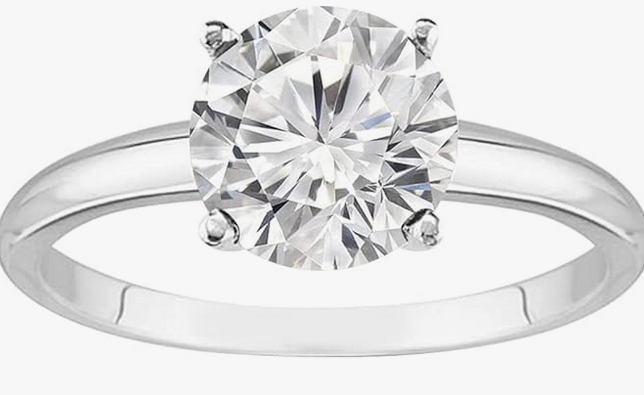
Houston Diamond District 1 to 10 Carat 14K White Gold IGI Certified Lab Grown Diamond Engagement Ring, Round Cut Solitaire, 4-Prong Setting (E–F Color VS2–SI1 Clarity)
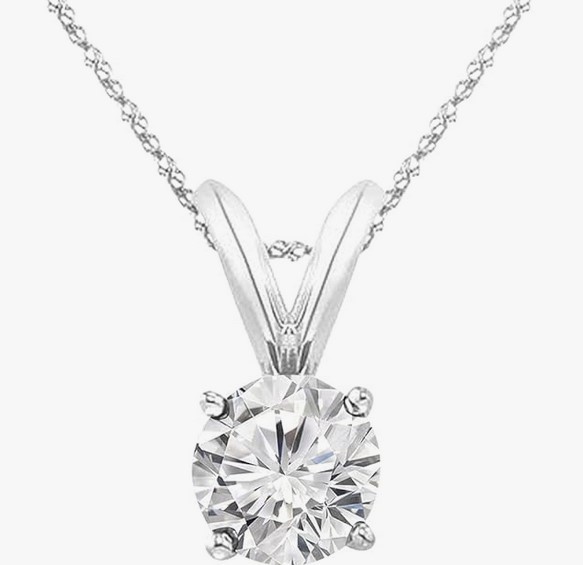
0.5-10 Carat Lab Grown Diamond Solitaire Pendant Necklace, Round Cut Solitaire, 4-Prong Setting, Jewelry for Women (E-F, VS)
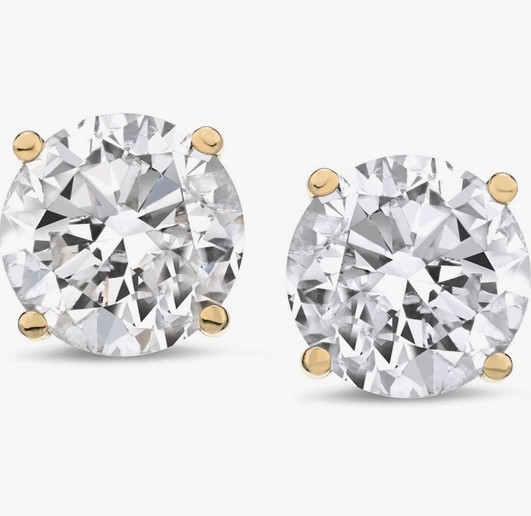
1 to 6 Carat LAB GROWN Solitaire Diamond Stud Earrings Round Cut 4 Prong Screw Back (F-G Color, VS1-VS2 Eye Clean Clarity)
3.5 Carat Diamond Ring: The Complete Buyer’s Guide
A 3.5 carat diamond ring is a true showstopper — bold, brilliant, and unmistakably luxurious. Sitting in coveted statement territory, a 3.5 carat diamond ring delivers dramatic size and dazzling sparkle that command attention from across any room. Whether it’s an engagement ring, an anniversary gift, or the ultimate expression of personal style, a 3.5 carat diamond ring makes an unforgettable impression. And thanks to premium lab grown diamonds, owning a 3.5 carat diamond ring is more attainable than most people imagine. This guide explains everything that shapes the look, quality, and value of a 3.5 carat diamond ring, so you can choose with total confidence.
At Mycaratdiamond, every 3.5 carat diamond ring is crafted from a real, certified lab grown diamond set in enduring precious metal — the combination that delivers extraordinary brilliance at a genuinely accessible price.
Why a 3.5 Carat Diamond Ring Is the Ultimate Statement
At three and a half carats, a diamond moves firmly into showpiece territory. A 3.5 carat diamond ring reads clearly from a distance, photographs beautifully, and radiates confidence and celebration. It’s a noticeable step beyond the more common two- and three-carat sizes — glamorous and opulent, yet still elegant enough for everyday wear. Here’s why so many people fall for a 3.5 carat diamond ring:
- Dramatic presence: a 3.5 carat diamond ring makes an immediate, lasting impression.
- Glamorous sparkle: more size means more surface to catch and return light.
- Luxurious yet wearable: impressively large, but still comfortable for daily life.
- Exceptional value with lab grown: a 3.5 carat diamond ring is far more attainable than you’d expect.
How Big Is a 3.5 Carat Diamond Ring?
The face-up size of a 3.5 carat diamond ring depends on the diamond’s shape. A round 3.5 carat diamond measures roughly 9.8 millimeters across — a bold, commanding footprint on the finger. Elongated shapes like oval, pear, and marquise appear even larger because their length stretches across more of the hand. A 3.5 carat stone has noticeably more presence than a 3 carat, making a 3.5 carat diamond ring a genuine head-turner that’s clearly visible and beautifully proportioned.
What Determines the Price of a 3.5 Carat Diamond Ring?
No two rings are identical, so the price of a 3.5 carat diamond ring is never a single fixed number. Several measurable factors work together to set the final figure:
- Origin (natural vs. lab grown) — the single biggest driver of a 3.5 carat diamond ring‘s price.
- The 4Cs — Carat weight, Color, Clarity, and Cut.
- Diamond shape — round brilliants typically cost more per carat than fancy shapes.
- Metal and setting — 14K gold, 18K gold, or platinum, plus the band style and any accent stones.
- Certification and craftsmanship — independent grading and the finish quality of the piece.
Once you understand how each factor moves the needle, spotting real value in a 3.5 carat diamond ring becomes simple.
Natural vs. Lab Grown 3.5 Carat Diamond Ring
This is where the price gap is most dramatic — and the gap grows even wider as carat weight climbs. A natural 3.5 carat diamond is significantly rarer than a smaller stone and commands a very steep premium. A lab grown 3.5 carat diamond ring, by contrast, offers the same sparkle, the same durability, and the same certified quality for a fraction of the cost — often a small percentage of the natural equivalent.
Lab grown diamonds are chemically, physically, and optically identical to mined diamonds. They earn a perfect 10 on the Mohs hardness scale and display the same fire and brilliance. The only difference is origin: lab grown stones are created in a controlled environment rather than deep underground. That efficiency is precisely why a lab grown 3.5 carat diamond ring makes such a bold size so attainable.
As a general guide, a quality lab grown 3.5 carat diamond ring typically lands in the mid four to mid five figures, while a comparable natural version can cost many times more for the same size and appearance. Because the savings on lab grown grow with carat weight, three and a half carats is exactly where choosing lab grown pays off most — letting you put a bigger, brighter diamond front and center.
The 4Cs and Your 3.5 Carat Diamond Ring
The 4Cs are the universal language of diamond value, and at three and a half carats they become more visible, so thoughtful choices matter even more.
Carat weight is the headline. At 3.5 carats, the center stone has commanding presence — a true statement that defines a 3.5 carat diamond ring.
Color runs from colorless (D) downward. A near-colorless E-F grade keeps the diamond bright and white while avoiding the steep premium of a flawless D. Because color is easier to notice in larger stones, a clean near-colorless grade keeps your 3.5 carat diamond ring looking crisp and icy.
Clarity measures internal characteristics. A VS-SI range delivers eye-clean diamonds — no inclusions visible to the naked eye. Since a larger stone shows more detail, choosing an eye-clean grade is especially important for a 3.5 carat diamond ring.
Cut is the most important C for sparkle. Precise faceting maximizes light return, so a well-cut 3.5 carat diamond ring looks brighter, larger, and livelier. Never compromise on cut — it’s what makes a diamond of this size truly come alive.
Best Diamond Shapes for a 3.5 Carat Diamond Ring
Shape is one of the most personal choices, and it dramatically affects the character of a 3.5 carat diamond ring:
- Round brilliant: the most popular shape, prized for maximum sparkle and timeless appeal.
- Oval: elongates the finger and looks even larger than its weight suggests — a flattering choice for a 3.5 carat diamond ring.
- Cushion: soft, rounded corners with romantic, vintage fire.
- Emerald and radiant: sophisticated rectangular outlines, from subtle step-cut elegance to brilliant sparkle.
- Pear and marquise: distinctive shapes that maximize finger coverage.
Fancy shapes often cost less per carat than round brilliants, so they can stretch your budget while giving your 3.5 carat diamond ring a unique signature look.
Choosing the Setting and Metal
A larger center stone needs a setting that holds it securely while showing it off. Popular choices for a 3.5 carat diamond ring include the clean, classic solitaire; the sparkling halo, which frames the center stone with smaller diamonds and makes it look even larger; the shimmering pavé band; and the meaningful three-stone design symbolizing past, present, and future.
Because a 3.5 carat diamond is heavier, sturdy prongs and quality craftsmanship are essential to keep it safe. Metal matters too: 14K and 18K gold offer warm, classic luxury in white, yellow, or rose, while platinum delivers a premium, naturally white finish prized for its strength. A secure setting keeps your 3.5 carat diamond ring safe through years of everyday wear.
Why Lab Grown Makes the 3.5 Carat Diamond Ring Attainable
Lab grown diamonds are produced using two advanced methods — HPHT (High Pressure High Temperature) and CVD (Chemical Vapor Deposition). Both recreate the natural diamond-forming process, but far more efficiently. That efficiency is why a lab grown 3.5 carat diamond ring offers such remarkable value, especially at this larger size.
Crucially, this lower price involves no compromise on quality. You are not buying a simulant or imitation — you are buying a real, certified diamond graded by the same 4Cs and indistinguishable from a mined stone without specialized equipment. For most buyers, a lab grown 3.5 carat diamond ring is the clear value winner, offering the size, sparkle, and glamour you want for the budget you have.
How to Choose the Perfect 3.5 Carat Diamond Ring
To secure the best value without sacrificing beauty, keep these tips in mind when choosing a 3.5 carat diamond ring:
- Favor E-F color and eye-clean VS-SI clarity. Grades are more visible at this size, so eye-clean, near-colorless stones keep your 3.5 carat diamond ring looking flawless and priced efficiently.
- Prioritize cut quality. Excellent faceting is what makes a large diamond truly sparkle.
- Pick a shape you love. The shape defines the entire character of your 3.5 carat diamond ring.
- Choose a sturdy, secure setting. A heavier stone needs strong prongs and quality craftsmanship.
- Choose lab grown. It’s the most direct way to make a 3.5 carat diamond ring affordable while keeping a genuine diamond.
- Insist on certification. Independent grading confirms you’re paying a fair price for real quality.
Bottom line: a 3.5 carat diamond ring brings together dramatic size, brilliant sparkle, and pure glamour in one unforgettable design. With a premium lab grown diamond in a near-colorless, eye-clean grade, set in beautifully crafted gold or platinum, you can own a true 3.5 carat statement at a price that finally makes sense. Explore our collection above to find the perfect 3.5 carat diamond ring for you.
A 3.5 carat diamond ring represents one of the most impressive diamond sizes available, measuring approximately 9.5mm in diameter for round cuts and commanding prices between $25,000 to $150,000 depending on quality grades. This substantial stone delivers remarkable visual impact and exceptional brilliance that captures attention from across a room. A 3.5 carat diamond ring sits in the luxury category, offering significant presence without reaching the extreme rarity of larger stones, making it an ideal choice for discerning buyers seeking both size and quality.
What Is a 3.5 carat diamond ring?
Carat weight measures the physical mass of a diamond, with one carat equaling 200 milligrams or 0.2 grams. At 3.5 carats, this diamond weighs exactly 700 milligrams and represents approximately 10 times the size of the average engagement ring diamond. The substantial weight translates into impressive visual dimensions across all popular shapes.
For round brilliant cuts, the standard diameter measures 9.5mm to 9.7mm, while princess cuts typically measure 8.0mm × 8.0mm. Oval diamonds extend to approximately 12.0mm × 8.5mm, and emerald cuts reach 11.5mm × 8.2mm. These dimensions create significant finger coverage and unmistakable presence.
The visual impact of a 3.5 carat diamond ring extends beyond mere size measurements. The increased surface area allows for enhanced light performance, creating more opportunities for brilliance, fire, and scintillation. This size category begins to approach what gemologists consider “statement” proportions.
3.5 carat diamond ring Price Guide
Pricing varies dramatically based on the Four Cs, with identical carat weights showing price differences of $100,000 or more. Market data from major retailers reveals consistent pricing patterns across quality grades. Natural diamonds command premium pricing over laboratory-grown alternatives.
- D–F color, FL–VVS2, Excellent cut: $85,000–$150,000
- A 3.5 carat diamond ring in G–H color, VVS2–VS1, Excellent cut: $55,000–$85,000
- I–J color, VS2–SI1, Very Good cut: $35,000–$55,000
- K–L color, SI1–SI2, Good cut: $25,000–$40,000
- Laboratory-grown 3.5 carat diamond ring, D–F color, VVS grades: $8,000–$15,000
- Laboratory-grown G–I color, VS–SI grades: $4,500–$8,500
Shape selection significantly impacts pricing, with round brilliant cuts commanding 15-25% premiums over fancy shapes. Emerald and Asscher cuts often cost 10-15% less than rounds, while oval, pear, and marquise shapes fall between these ranges.
Certification from GIA or AGS adds credibility and typically supports higher resale values. Uncertified stones may appear less expensive initially but carry greater risks regarding accuracy of stated grades.
The Four Cs for a 3.5 carat diamond ring
Cut quality becomes increasingly important at larger carat weights, as poor proportions become more noticeable. Excellent or Ideal cut grades ensure optimal light performance and maximum brilliance. Very Good cuts may show slight performance differences visible under close inspection.
Color grades from D through J generally appear colorless to near-colorless in this size range. However, larger diamonds can show more color than smaller stones of identical grades. G and H colors offer excellent value propositions, appearing virtually colorless while avoiding D-F premiums.
Clarity considerations shift at 3.5 carats, as inclusions become more visible to naked eyes. VS2 grades typically appear eye-clean, while SI1 stones require careful evaluation. A 3.5 carat diamond ring benefits from VS1 or better clarity for guaranteed eye-clean appearance.
Fluorescence effects become more pronounced in larger stones. Medium to strong blue fluorescence can create haziness in daylight conditions. Faint fluorescence rarely causes issues and may offer modest price advantages.
Shape Options and Trade-Offs
Round brilliant cuts maximize light performance through 58 precisely angled facets, creating superior fire and scintillation. The circular outline provides classic elegance and universal appeal. However, rounds command the highest prices per carat across all quality grades.
Princess cuts offer modern geometric appeal with excellent brilliance approaching round performance levels. The square outline creates contemporary styling while typically costing 15-20% less than comparable rounds. Sharp corners require protective prong settings to prevent chipping.
Oval diamonds create elongated finger coverage, making hands appear more slender. The modified brilliant cutting style delivers excellent light performance similar to rounds. Some ovals may display bow-tie effects across the center, requiring careful selection. At 3.5 carats, this shape provides exceptional visual impact.
Emerald cuts showcase clarity and color through large, open facets and step-cutting techniques. The rectangular outline creates sophisticated, vintage-inspired aesthetics. However, inclusions and color tints become more visible, typically requiring higher clarity and color grades.
Setting Recommendations
Solitaire settings provide timeless elegance while allowing maximum light entry for optimal brilliance. Six-prong mountings offer superior security for valuable stones, while four-prong options create more modern aesthetics. Platinum or 18k white gold complement colorless diamonds best.
Halo settings can enhance apparent size while adding complementary sparkle through surrounding smaller diamonds. However, at 3.5 carats, additional size enhancement becomes less necessary. Halos work particularly well with fancy shapes like ovals or cushions.
Three-stone settings create meaningful symbolism while providing side stone support for the center diamond. Side stones of 0.5 to 1.0 carats maintain proper proportional balance. This setting style works exceptionally well for a 3.5 carat diamond ring center stone.
Vintage-inspired settings with milgrain details and intricate metalwork complement emerald and Asscher cuts beautifully. Art Deco designs particularly suit step-cut diamonds, while Victorian influences work well with round and cushion shapes.
Wearing a 3.5 carat diamond ring: Size and Presence
Daily wearability requires consideration of lifestyle factors and personal preferences. The substantial size may catch on clothing, require conscious hand positioning, and attract considerable attention in professional or social settings. Many owners reserve these rings for special occasions or evening wear.
Finger size significantly impacts visual proportions and comfort. Size 6-7 fingers typically showcase 3.5-carat diamonds most proportionally, while smaller fingers may find the stone overwhelming. Larger fingers can easily accommodate the size with excellent visual balance.
The elevated profile necessary to accommodate a 3.5 carat diamond ring may require adjustment periods for new wearers. Settings typically extend 6-8mm above the finger, potentially interfering with gloves or frequent hand use.
Insurance becomes essential at this value level, with annual premiums typically ranging from 1-2% of appraised value. Separate jewelry policies often provide better coverage than homeowners’ policy riders for high-value pieces.
Comparing Nearby Carat Weights
3.0-carat diamonds offer similar visual impact while providing meaningful cost savings of $10,000 to $30,000. The size difference measures only 0.3-0.4mm in diameter for rounds, making 3.0 carats an attractive alternative for budget-conscious buyers.
4.0-carat stones deliver noticeably larger presence but enter even rarer territory with corresponding price premiums. The additional 0.5 carats typically adds 25-40% to total cost while increasing diameter by only 0.4-0.5mm.
Psychological pricing barriers exist at whole carat weights, creating opportunities at weights like 3.3, 3.7, or 3.9 carats. A 3.5 carat diamond ring sits at a comfortable midpoint, avoiding both the 3.0-carat discount zone and 4.0-carat premium territory.
Certification reports list exact carat weights to the hundredth decimal place. Stones weighing 3.45-3.54 carats all classify as 3.5-carat diamonds, with slight weight variations creating modest price differences.
Certification: What a 3.5 carat diamond ring Certificate Should Show
GIA (Gemological Institute of America) reports provide the most widely recognized and trusted grading standards globally. The certificate should include exact measurements, proportions, symmetry grades, and polish ratings. Fluorescence levels and clarity plotting diagrams help verify diamond identity.
AGS (American Gem Society) certificates offer equally reliable grading with detailed light performance analysis. Their numerical grading system (0-10 scale) provides precise quality assessments, with 0 grades representing ideal specifications.
Essential certificate elements include laser inscription numbers matching the diamond, detailed clarity characteristics plotting, and color grade verification under standardized lighting conditions. A 3.5 carat diamond ring warrants only premier laboratory certification given the significant investment involved.
Avoid lesser-known laboratories or gemological institutes, as their grading standards may not align with international benchmarks. EGL, for example, typically grades 1-2 levels more leniently than GIA, creating apparent value that doesn’t reflect true quality.
Where to Buy
Established online retailers offer extensive selection, competitive pricing, and detailed photography for informed decisions. High-resolution imagery, 360-degree videos, and light performance analysis help evaluate stones remotely. Return policies and upgrade programs add purchase confidence.
Local jewelers provide hands-on examination opportunities and personalized service throughout the selection process. Building relationships with reputable dealers creates ongoing support for maintenance, insurance appraisals, and future purchases.
Auction houses occasionally offer estate pieces with unique characteristics or exceptional value propositions. However, buyer expertise becomes crucial, as return options are typically limited and condition assessment requires advanced knowledge. A 3.5 carat diamond ring from auction sources needs careful provenance verification.
Private dealers and wholesalers may provide access to inventory not available through retail channels. These relationships typically develop through referrals and require established trust and expertise in diamond evaluation.
Frequently Asked Questions
How big does a 3.5 carat diamond ring look on the finger?
A 3.5 carat diamond ring creates substantial visual presence, measuring approximately 9.5mm diameter for round cuts and covering significant finger area. The stone extends beyond most finger widths, creating unmistakable luxury appearance that draws attention in any setting.
What’s the average cost of this size diamond?
This stone typically ranges from $25,000 to $150,000 for natural diamonds, depending on cut, color, clarity, and certification. Laboratory-grown alternatives cost 60-80% less while maintaining identical physical and optical properties.
Is a 3.5 carat diamond ring too big for everyday wear?
3.5 carat diamond ring wearability depends on personal lifestyle and preferences. Many owners find this size impractical for daily activities like typing, exercising, or manual work, preferring to reserve it for special occasions and evening events.
How does this compare to average engagement ring sizes?
The average engagement ring features 0.8 to 1.2 carats, making this stone approximately three to four times larger than typical choices. This size places it firmly in the luxury category, representing less than 1% of all engagement ring purchases.
What setting works best for stones this size?
It performs best in secure settings like six-prong solitaires or three-stone mountings that provide adequate support without overwhelming the center stone. The substantial weight requires robust prong construction and proper metalwork engineering.
Should I prioritize cut or clarity at this carat weight?
The ring benefits most from excellent cut grades, as superior light performance becomes increasingly noticeable at larger sizes. VS2 or better clarity ensures eye-clean appearance, while Excellent cuts maximize brilliance and fire regardless of other grades.
A 3.5 carat diamond ring represents a significant luxury purchase requiring careful consideration of quality factors, setting options, and lifestyle compatibility. The substantial investment demands thorough research, professional guidance, and proper certification to ensure optimal value and satisfaction. This impressive stone size delivers unmatched presence and brilliance for those seeking truly exceptional diamond jewelry.
For expert guidance in selecting your perfect diamond, explore the comprehensive resources and curated inventory available at Carat Diamond homepage. Professional consultation ensures your 3.5 carat diamond ring meets the highest standards of quality, beauty, and value for this once-in-a-lifetime purchase.