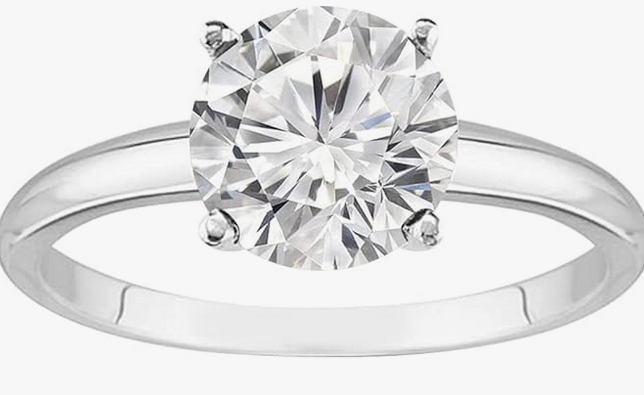
Houston Diamond District 1 to 10 Carat 14K White Gold IGI Certified Lab Grown Diamond Engagement Ring, Round Cut Solitaire, 4-Prong Setting (E–F Color VS2–SI1 Clarity)
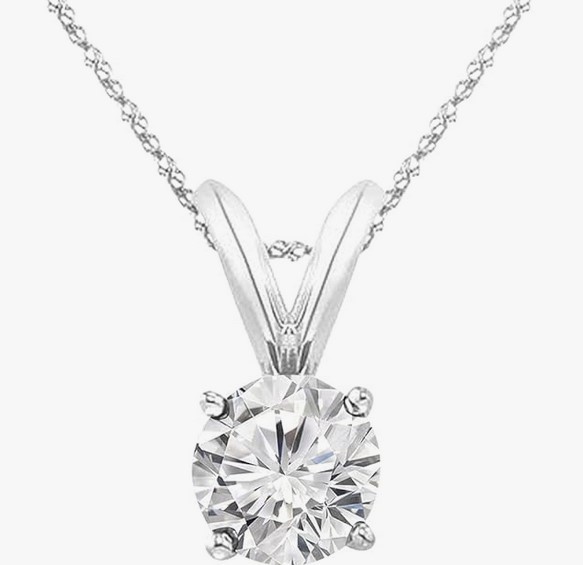
0.5-10 Carat Lab Grown Diamond Solitaire Pendant Necklace, Round Cut Solitaire, 4-Prong Setting, Jewelry for Women (E-F, VS)
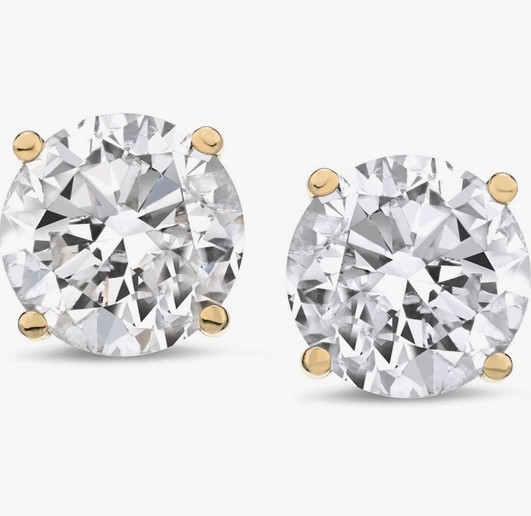
1 to 6 Carat LAB GROWN Solitaire Diamond Stud Earrings Round Cut 4 Prong Screw Back (F-G Color, VS1-VS2 Eye Clean Clarity)
A 2.5 carat diamond ring occupies a fascinating and strategically appealing position in the fine jewelry market. Sitting precisely between the widely popular 2 carat tier and the more rarefied 3 carat category, a 2.5 carat diamond ring offers buyers a genuinely substantial stone that exceeds the everyday norm by a significant margin — while remaining more accessible in price than a full three-carat stone. At two and a half carats, a round brilliant diamond measures approximately 8.8–9.0mm in diameter, creating a presence on the finger that is unambiguously impressive and immediately striking to any observer.
This comprehensive guide covers everything you need to know before purchasing a 2.5 carat diamond ring — from how the Four Cs apply at this specific weight, to natural versus lab-grown comparisons, price expectations across all quality tiers, the best settings and metals, shape options with their visual dimensions, and the threshold pricing strategy that can save buyers meaningful money at this weight point.
What Does a 2.5 Carat Diamond Ring Look Like?
A 2.5 carat diamond ring is visually impressive in a way that clearly distinguishes it from smaller stones. A round brilliant center stone at two and a half carats measures approximately 8.8–9.0mm in diameter — noticeably larger than a 2 carat round (approximately 8.1–8.2mm) and approaching the dramatic presence of a 3 carat stone (approximately 9.3–9.5mm). On an average ring size (6–7), a 2.5 carat diamond ring fills the finger with confident elegance, striking a balance between everyday wearability and genuine luxury statement.
For context, a 2.5 carat diamond ring is approximately 2.5 times the size of the average engagement ring sold in the United States. It is large enough to draw immediate attention and admiration, yet proportionate enough to wear comfortably in professional and casual settings. For buyers who want a ring that is clearly and substantially more impressive than the one- and two-carat mainstream without the full financial commitment of a three-carat stone, a 2.5 carat diamond ring represents one of the finest choices in the market.
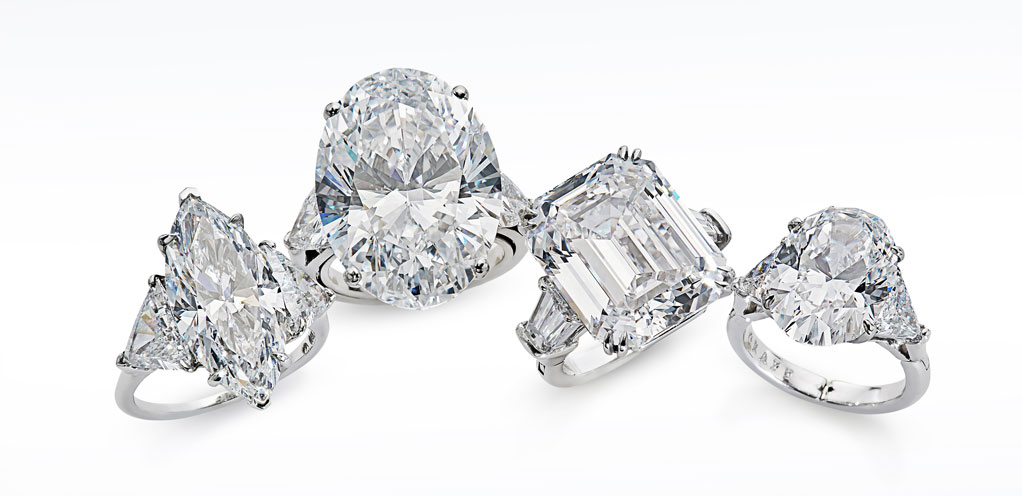
Shape dramatically affects visual impression at this weight. An oval 2.5 carat diamond ring typically measures approximately 11.5 x 7.5mm — elongated, expansive, appearing even larger than its carat weight suggests. A pear measures approximately 13.0 x 7.8mm — one of the most elongating choices available. A cushion cut measures approximately 8.3 x 8.3mm for a square cushion. An emerald cut at approximately 10.5 x 7.5mm creates a sophisticated, architectural presence that suits minimalist aesthetics beautifully.
The Four Cs for a 2.5 Carat Diamond Ring
At two and a half carats, the Four Cs — cut, color, clarity, and carat — all carry meaningful consequences for both the beauty and the price of the ring.
Cut Quality: The Most Important Decision
For a 2.5 carat diamond ring, cut quality is the single most consequential decision a buyer can make. A beautifully cut stone at this weight produces breathtaking light performance — the intense sparkle, fire, and scintillation that makes a diamond ring genuinely extraordinary. A poorly cut stone will appear dull, flat, and disappointingly dark despite its significant size and cost.
For a round brilliant 2.5 carat diamond ring, Excellent cut grade from GIA or Triple Excellent from IGI — Excellent for cut, symmetry, and polish — is the only standard worth targeting. The price premium for Excellent over Very Good cut at this weight is typically $1,000–$3,000 for a natural stone, a modest investment relative to the total cost that delivers a dramatic improvement in visual performance.
For fancy shapes — oval, cushion, pear, radiant, emerald, marquise, princess — standardized cut grades do not exist. Evaluate proportions directly: depth percentage, table percentage, and length-to-width ratio. For ovals and pears, assess for bowtie effect. Always request high-resolution video of the specific stone before committing to any fancy shape in a 2.5 carat diamond ring.
Color: The Recommended Range
At two and a half carats, a diamond’s color is meaningfully more visible than at one or even two carats. For a 2.5 carat diamond ring set in platinum or white gold, D through H color grades are recommended. The colorless tier — D, E, and F — ensures absolute color purity. G and H grades are near-colorless, appearing white in virtually all conditions and offering meaningful price savings versus colorless grades. At two and a half carats, H color requires somewhat more careful evaluation than at smaller weights — review the specific stone in good lighting before committing.
For a ring set in yellow gold or rose gold, I and J color grades are entirely appropriate. The warm metal absorbs any slight warmth in a complementary way, making colorless grades unnecessary and freeing significant budget for cut and clarity improvements.
Clarity: Eye-Clean Quality
The recommended clarity range for a 2.5 carat diamond ring is VS1 through VVS2. VS1 and VS2 clarity stones are eye-clean in virtually all cases at this weight and represent excellent value. VVS1 and VVS2 offer additional peace of mind at a higher price. SI1 clarity requires careful per-stone evaluation — some SI1 stones are eye-clean at this weight, but a meaningful proportion are not, and high-resolution video review is essential. SI2 and below should be avoided, as inclusions become significantly more visible at this size. For step-cut shapes — emerald and Asscher — target VS1 or better, as the faceting pattern makes inclusions dramatically more visible than brilliant cuts.
Natural vs. Lab-Grown 2.5 Carat Diamond Ring
The choice between a natural and a lab-grown 2.5 carat diamond ring is one of the most significant decisions at this weight, and the price difference between equally graded options is extremely substantial.
Natural 2.5 Carat Diamond Ring
A natural 2.5 carat diamond ring features a stone formed within the Earth over billions of years. Natural two-and-a-half carat diamonds are meaningfully rarer than two-carat stones, creating a genuine price premium. In excellent quality — G–H color, VS1–VS2 clarity, Excellent cut, GIA certified — a natural 2.5 carat diamond ring typically costs between $18,000 and $45,000 depending on specific grades, shape, and setting. At D–F color, VVS1–VVS2, the total can reach $40,000–$80,000 or more.
Lab-Grown 2.5 Carat Diamond Ring
A lab-grown 2.5 carat diamond ring offers a stone that is chemically, physically, and optically identical to a natural diamond at dramatically lower cost. In excellent quality — G–H color, VS1–VS2 clarity, Excellent cut, IGI certified — a lab-grown 2.5 carat diamond ring typically costs $2,500–$6,000 total including a quality setting. This represents a price reduction of 85–90% versus a natural equivalent — an extraordinary value difference that makes genuinely exceptional quality accessible at price points previously impossible. For buyers whose priority is the visual experience of a beautiful, impressively sized stone, a lab-grown 2.5 carat diamond ring delivers that experience fully and completely at a fraction of the natural cost.
Best Settings for a 2.5 Carat Diamond Ring
Solitaire Setting
The solitaire is the most powerful and timeless choice for a 2.5 carat diamond ring. A single center stone on a clean band lets the diamond’s size, cut, and brilliance speak entirely for themselves. At two and a half carats, a solitaire needs no additional design elements to be immediately stunning. Four-prong designs maximize light; six-prong adds security. Low-profile mounts suit daily practicality; cathedral mounts add drama.
Halo Setting
A halo surrounds the center stone with pavé accent diamonds, visually enlarging the apparent size and adding overall brilliance. For a 2.5 carat diamond ring, a halo can make the total impression approach that of a three-carat plain solitaire. A double halo creates an extraordinarily luxurious look.
Three-Stone Setting
Side stones of 0.50–1.00 carats each create exceptional total diamond weight and visual significance — one of the most popular choices for milestone anniversary upgrades in a 2.5 carat diamond ring.
Pavé Band
A pavé or micropavé band adds continuous sparkle along the entire shank, creating a design of extraordinary overall visual richness that complements the center stone beautifully.
East-West Setting
An east-west setting orients elongated fancy shapes horizontally across the finger. An oval or pear in a 2.5 carat diamond ring mounted east-west creates one of the most dramatic and fashion-forward contemporary jewelry looks available.
Metal Choices
Platinum is the premier choice for a 2.5 carat diamond ring — exceptional durability, naturally white color, no rhodium maintenance. Platinum prongs do not wear down the way gold prongs do over years of daily wear, an important practical consideration at this value level. 18k white gold is an excellent alternative at lower cost. For warm metal aesthetics, 18k yellow and rose gold create extraordinary contrast with fancy shaped centers — oval, cushion, and pear shapes in particular look magnificent in yellow gold for a 2.5 carat diamond ring.
Shape Guide at Two and a Half Carats
- Round brilliant: ~8.8–9.0mm diameter. Maximum brilliance, universal flattery, most popular choice for a 2.5 carat diamond ring.
- Oval: ~11.5 x 7.5mm. Magnificent elongating effect, appears larger than a round of equal weight — one of the fastest-growing choices at this weight.
- Cushion: ~8.3 x 8.3mm (square) or 9.5 x 7.5mm (rectangular). Romantic, intensely brilliant, a perennial favorite.
- Emerald cut: ~10.5 x 7.5mm. Hall-of-mirrors step-cut elegance — demands VS1+ clarity for a 2.5 carat diamond ring.
- Pear: ~13.0 x 7.8mm. The most elongating shape — extraordinary visual statement across the finger.
- Marquise: ~15.0 x 7.5mm. The longest shape with the greatest surface area per carat — uniquely regal silhouette.
- Radiant: ~8.8 x 7.5mm. Brilliant-cut sparkle in a versatile rectangular form.
- Princess: ~7.5 x 7.5mm. Modern geometric brilliance — popular for contemporary engagement designs.
The 2.5 Carat Price Threshold Strategy
Diamonds at exactly 2.50 carats and above command a price premium over stones just below — typically in the 2.40–2.49 carat range. A 2.44 carat stone of identical cut, color, and clarity will cost meaningfully less than a 2.50 carat example, and the visual difference face-up is imperceptible — less than 0.1mm in diameter for a round brilliant. The savings at this threshold can range from $1,000 to $5,000 for natural stones, and $200–$1,000 for lab-grown stones. This “just under 2.5 carat” strategy mirrors the well-established approaches at other weight thresholds and deserves serious consideration for any buyer with a defined budget.
How a 2.5 Carat Diamond Ring Compares to Adjacent Weights
Versus a 2 carat ring: the visual difference is approximately 0.7mm in diameter — clearly perceptible at close distances. The face-up surface area increases by approximately 20%, creating a meaningfully more impressive visual impression. For natural stones, the price premium from 2 to 2.5 carats is typically 50–80% at equivalent grades. For lab-grown, the premium is often just $500–$1,500 more for the additional half carat.
Versus a 3 carat ring: the visual difference is approximately 0.4–0.5mm in diameter — subtler than between 2 and 2.5 carats and more difficult to distinguish without side-by-side comparison. The price difference, however, is very meaningful: a natural 3 carat ring typically costs 60–120% more than an equivalent 2.5 carat ring. This price-to-visual-impact ratio is what makes the 2.5 carat point particularly attractive for well-informed buyers — you get very close to the visual presence of a three-carat ring at a meaningfully lower price.
Fluorescence at Two and a Half Carats
None or Faint fluorescence is the safest choice at this price level. Strong or Very Strong blue fluorescence can create a slightly milky appearance in direct sunlight in some stones — an effect known as overblue. However, in G–H or I color grade stones, Strong blue fluorescence can actually make the diamond appear whiter in daylight by partially canceling residual yellow warmth. A G-color stone with Strong blue fluorescence may appear as white as an F-color stone in daylight viewing. For buyers prioritizing maximum apparent whiteness while keeping color grade lower, Strong fluorescence in a well-graded G or H stone can be a thoughtful choice — request video in both indoor and outdoor lighting before committing.
Working with an Independent Appraiser
For any purchase above $5,000, working with an independent GIA-certified appraiser not affiliated with the retailer adds confidence and protection well worth the modest cost. An independent appraiser verifies that the stone matches the grading certificate, assesses whether the price is consistent with current market values, and produces a formal appraisal report — the primary document used by jewelry insurance providers to determine coverage amounts. The cost of an independent appraisal is typically $100–$300 — trivial relative to the purchase price and providing permanent documentation and insurance readiness.
Anniversary Upgrade Considerations
One of the most common contexts for purchasing a 2.5 carat diamond ring is as an anniversary upgrade — replacing a smaller engagement ring on a milestone occasion. Most reputable jewelers offer trade-in programs where the original ring can be credited toward the new purchase, typically at 50–100% of the original purchase price, reducing the out-of-pocket upgrade cost. For lab-grown buyers, the economics are particularly favorable: a $5,000–$8,000 upgrade budget after trade-in can fund an excellent quality ring that would require a much larger budget for a natural stone.
Many couples choose to repurpose the original stone into a pendant or earrings rather than trading it in — preserving its sentimental value while celebrating the milestone with a new ring. This approach foregoes the trade-in credit but creates two meaningful pieces from one special occasion.
Ring Sizing Considerations
A 2.5 carat diamond ring can typically be resized by one to two full sizes in either direction without affecting the setting integrity. Rings with significant accent stones along the full band are more complex and sometimes cannot be resized without disturbing the accent arrangement — buyers uncertain about their exact size should choose simpler band styles. For proposals, purchasing one size larger than the estimated measurement is generally recommended — resizing down is simpler and less expensive than resizing up. The relationship between the setting height and finger proportions also deserves consideration: lower-profile settings suit shorter fingers; taller cathedral mounts suit longer, slimmer fingers particularly elegantly.
Budgeting for the Complete Purchase
The complete cost of a 2.5 carat diamond ring purchase includes the diamond, the setting, applicable sales tax (6–10% in most US states), an independent appraisal ($100–$300), jewelry insurance (1–2% of insured value annually), and any ring sizing needed after delivery ($50–$200). Shipping for high-value diamond rings should be confirmed as insured overnight courier — verify this specifically with the retailer before purchase. Annual professional cleaning and inspection is typically provided complimentary for the first year or two by the purchasing jeweler, then costs $50–$150 thereafter.
Price Guide
Natural 2.5 carat diamond ring prices:
- D–F color, VVS1–VVS2, Excellent cut, GIA: $45,000–$80,000+ total
- G–H color, VS1–VS2, Excellent cut, GIA: $18,000–$45,000 total — recommended sweet spot
- I–J color, SI1, Excellent cut: $8,000–$18,000 total with careful per-stone selection
Lab-grown 2.5 carat diamond ring prices:
- D–F color, VVS1–VVS2, Excellent cut, IGI: $4,500–$9,000 total
- G–H color, VS1–VS2, Excellent cut, IGI: $2,500–$6,000 total — optimal value tier
- I–J color, SI1: $1,200–$2,500 total with careful selection
Certification
GIA and IGI certification is non-negotiable at any price level for a 2.5 carat diamond ring. A GIA grading report provides the globally recognized standard of quality verification for natural stones. IGI is the leading certification standard for lab-grown stones and fully reliable for both categories. Always verify the certificate number independently on the GIA or IGI website before completing any transaction.
Care and Maintenance
Clean the ring weekly using warm water, mild dish soap, and a soft-bristled toothbrush. Gently clean beneath the stone and around prongs. Rinse thoroughly and pat dry. Remove the ring before swimming, exercising, applying cosmetics, and before manual activity. Store separately from other jewelry. Have the ring professionally inspected and cleaned every six months — at this value level, biannual maintenance is more appropriate than annual. Consider insuring the ring with a dedicated jewelry insurance policy immediately upon purchase.
Frequently Asked Questions
How much does a 2.5 carat diamond ring cost?
A natural 2.5 carat diamond ring in excellent quality (G–H color, VS1–VS2 clarity, Excellent cut, GIA certified) typically costs $18,000–$45,000 total including setting. A lab-grown 2.5 carat diamond ring of identical specifications typically costs $2,500–$6,000. Price depends on cut, color, clarity, shape, setting design, and metal.
How big is a 2.5 carat diamond ring?
A round brilliant 2.5 carat diamond ring features a center stone measuring approximately 8.8–9.0mm in diameter — noticeably larger than a 2 carat stone and approaching a 3 carat stone. Elongated shapes like oval and pear appear even larger. On an average ring size, a 2.5 carat diamond ring creates a clearly substantial and impressive presence.
What cut should I choose for a 2.5 carat diamond ring?
For a round brilliant, Excellent cut grade from GIA or Triple Excellent from IGI is the only standard to target. Cut quality determines light performance more than any other factor — never compromise cut to save budget elsewhere in a 2.5 carat diamond ring.
Is a lab-grown 2.5 carat diamond ring a real diamond?
Yes — absolutely. A lab-grown stone is chemically and physically identical to a mined natural diamond. A lab-grown 2.5 carat diamond ring is certified by GIA or IGI using the same grading standards. The only difference is geological origin.
What color grade should I choose for a 2.5 carat diamond ring?
For platinum or white gold settings, D–H color is recommended. At two and a half carats, color is more visible than in smaller stones — G–H color provides excellent balance between whiteness and value. For yellow gold or rose gold settings, I–J color is entirely appropriate.
Final Thoughts
A 2.5 carat diamond ring is a genuinely exceptional jewelry purchase — delivering the visual presence of a truly substantial diamond at a price point that remains meaningfully below the full three-carat tier. Whether you choose a natural stone for its geological rarity, or a lab-grown stone for its extraordinary value at equivalent certified quality, the principles of a wise purchase are the same: prioritize cut quality above all else, insist on GIA or IGI certification, target eye-clean clarity at VS1 or VS2, and choose color and metal pairings that complement each other naturally.
A beautifully cut, well-graded 2.5 carat diamond ring will deliver breathtaking daily beauty and enduring personal significance for a lifetime. Take your time, review multiple stones in high-resolution video, and choose with the confidence that comes from genuine understanding of what you are purchasing.
For more expert guidance on diamond carat weights, engagement ring styles, and the full spectrum of fine diamond jewelry, visit the Carat Diamond homepage.