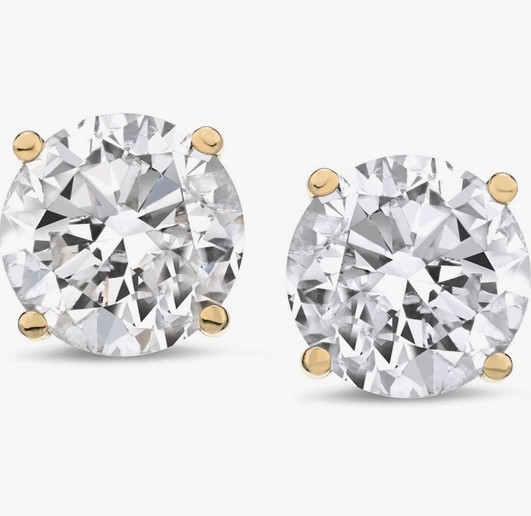
1 to 6 Carat LAB GROWN Solitaire Diamond Stud Earrings Round Cut 4 Prong Screw Back (F-G Color, VS1-VS2 Eye Clean Clarity)
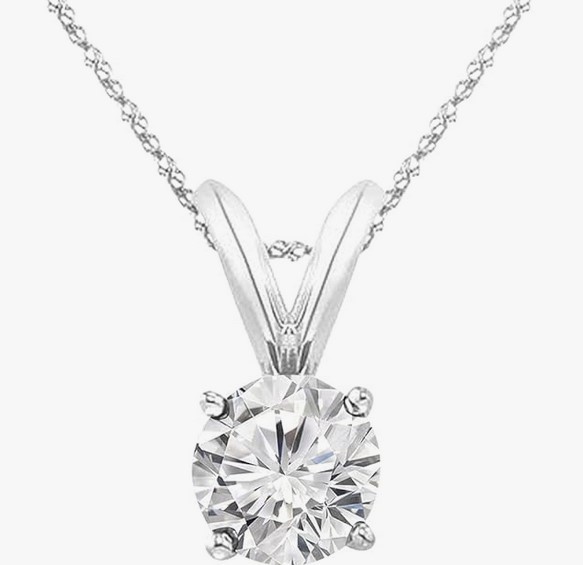
0.5-10 Carat Lab Grown Diamond Solitaire Pendant Necklace, Round Cut Solitaire, 4-Prong Setting, Jewelry for Women (E-F, VS)
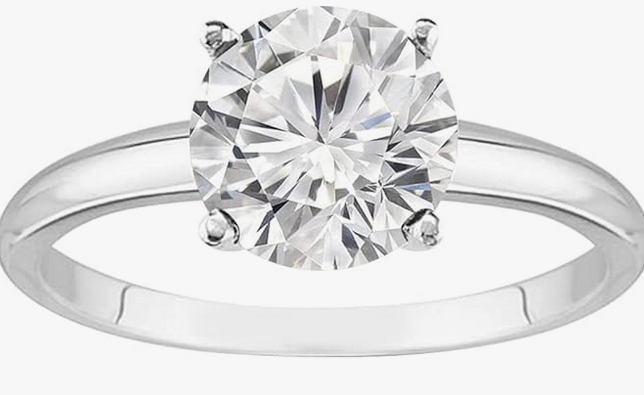
Houston Diamond District 1 to 10 Carat 14K White Gold IGI Certified Lab Grown Diamond Engagement Ring, Round Cut Solitaire, 4-Prong Setting (E–F Color VS2–SI1 Clarity)
A 1 carat diamond earrings purchase is one of the most rewarding decisions in fine jewelry. Whether you are shopping for yourself, for a partner, or for someone you love, 1 carat diamond earrings represent a classic of the jewelry world — timeless, versatile, and genuinely beautiful in a way that never goes out of fashion. The phrase itself spans a range of products: 1 carat diamond earrings can mean a pair of stud earrings where each stone weighs 0.50 carats for a total weight of 1 carat, or it can mean earrings where each stone weighs 1 carat for a total of 2 carats. Understanding this distinction is the first essential step in shopping.
This comprehensive guide covers everything you need to know about 1 carat diamond earrings — the critical terminology around carat weight per ear versus total weight, how the Four Cs apply in the earring context, the natural versus lab-grown decision, price expectations across quality tiers, the different styles and settings available, and how to care for your earrings over the long term.
Understanding Carat Weight in 1 Carat Diamond Earrings
The most important distinction when shopping for 1 carat diamond earrings is understanding how carat weight is described and what you are actually getting. This distinction matters enormously for both budget planning and realistic expectations.
Total carat weight (TCW or CTW): When a retailer lists “1 carat diamond earrings” as a total carat weight, the pair together weighs 1 carat — so each individual stone weighs approximately 0.50 carats. A 0.50 carat round brilliant diamond measures approximately 5.0–5.2mm in diameter — beautifully proportioned, clearly visible, and elegant without being ostentatious.
Per-ear carat weight: When listed as “1 carat each” or “1 carat diamond earrings (2 ctw total),” each stone weighs 1 full carat and the pair weighs 2 carats total. A 1 carat round brilliant per ear measures approximately 6.3–6.5mm — immediately noticeable and genuinely striking. These earrings make a significant statement.
Why this matters: a pair of “1 carat diamond earrings” at total weight will cost dramatically less than “1 carat per ear” earrings. When comparing prices across retailers, always confirm whether the quoted carat weight refers to total weight or per-ear weight before drawing any conclusions about value. Throughout this guide, “1 carat diamond earrings” refers to the most common interpretation — a pair with a combined total weight of approximately 1 carat (roughly 0.50 carats per stone), unless specifically noted otherwise.
The Four Cs for Diamond Earrings
The Four Cs — cut, color, clarity, and carat — apply to earring diamonds just as they do to ring stones, though the relative priorities shift somewhat in the earring context.
Cut Quality: Critical but Contextual
Cut quality matters significantly for 1 carat diamond earrings, though the evaluation context is slightly different from rings. Earring diamonds are viewed from a greater distance and in changing lighting conditions as the wearer moves. A well-cut stone produces beautiful brilliance that catches the light with every movement — noticeable and appealing at social distances. A poorly cut stone will look flat and dull even in good lighting.
For round brilliant diamonds, target Excellent or Very Good cut grades from GIA or IGI. The Excellent standard appropriate for rings is also appropriate for earrings, but at the smaller sizes common in earring stones, Very Good cut can also produce attractive results. Avoid Good and below grades regardless of the setting.
For fancy shapes — oval, cushion, pear, princess — evaluate proportions using the same criteria as for rings. For matched pairs, both stones should have very similar proportions to ensure they appear identical when worn.
Color Grade: More Flexibility Than Rings
Color evaluation for 1 carat diamond earrings is somewhat more forgiving than for ring center stones. Earring diamonds are viewed at social distances (typically 2–6 feet) rather than the close personal distances at which ring stones are examined. This means that slight warmth in a lower color grade is less detectable in earring settings.
For 1 carat diamond earrings in yellow gold settings, H through K color grades are entirely appropriate. For platinum or white gold settings, G through I color grades represent the practical sweet spot — near-colorless appearance at earring viewing distances with meaningful price savings versus D–F grades.
Critically, for any matched pair, both stones should be matched in color grade. A pair where one stone is G and the other is I will show a perceptible difference when worn side by side. Reputable earring retailers specifically select matched pairs for color consistency.
Clarity: SI1 and Above for Earrings
For 1 carat diamond earrings, the clarity standard is somewhat more relaxed than for ring center stones. At earring viewing distances, inclusions that might be visible in a ring stone at close examination are typically not detectable at all. This creates a genuine opportunity to save meaningfully on clarity grade without any visible compromise.
For round brilliant earrings, SI1 clarity is entirely appropriate if the stones are eye-clean at arm’s length. Many SI1 round brilliants are eye-clean and represent excellent value in earring applications. For step-cut shapes — emerald and Asscher — VS2 or better is recommended, as the step-cut pattern makes inclusions more visible. For matched pairs, both stones should ideally be within one clarity grade of each other.
Natural vs. Lab-Grown 1 Carat Diamond Earrings
The natural versus lab-grown decision for 1 carat diamond earrings has the same fundamental character as for rings — identical physical properties, dramatically different prices — but the financial impact is particularly significant in the earring context because you are purchasing two stones rather than one.
Natural 1 Carat Diamond Earrings
A pair of natural 1 carat diamond earrings in excellent quality — G–H color, VS1–VS2 clarity, Excellent or Very Good cut, GIA certified, 0.50 carats per stone — typically costs between $2,000 and $6,000 for the stones alone, with a complete pair including settings ranging from approximately $2,500 to $7,500.
For natural 1 carat diamond earrings at 1 carat per ear — G–H color, VS1–VS2, Excellent cut — the diamond cost alone is typically $7,000–$16,000 for the pair. Total price including settings typically ranges from $8,000 to $18,000+. Natural diamond earrings carry the enduring cultural significance of natural stones and offer reasonable long-term value retention.
Lab-Grown 1 Carat Diamond Earrings
Lab-grown 1 carat diamond earrings offer stones chemically and physically identical to natural diamonds at dramatically lower cost. For a lab-grown pair in excellent quality — G–H color, VS1–VS2, Excellent cut, IGI certified, 0.50 carats per stone — the diamond cost is typically $200–$600 for the pair, with a complete pair from approximately $400 to $1,500.
For lab-grown 1 carat diamond earrings at 1 carat per ear — G–H color, VS1–VS2, Excellent cut — the diamond cost for the pair is typically $800–$2,400, with a complete pair from approximately $1,200 to $4,000.
The value proposition is particularly compelling for earrings because the price savings apply to two stones simultaneously. A buyer who allocates a $2,000 budget to natural 1.0 ctw earrings can access significantly larger lab-grown stones at the same budget — potentially 1 carat per ear lab-grown earrings at a price that a natural 0.50 ct per stone pair would command.
Styles and Settings for 1 Carat Diamond Earrings
Classic Stud Earrings
The classic stud is the most popular and versatile style — a round brilliant or cushion cut stone in a simple four-prong or six-prong basket setting, secured with a butterfly or screw-back closure. Classic studs are appropriate for every occasion from casual daily wear to the most formal events and never go out of fashion.
Martini Setting Studs
The martini setting — a three-prong basket that holds the stone with minimal visible metal — allows maximum light to enter the stone from all sides, enhancing brilliance. It creates a clean, modern look that sits slightly lower on the ear than traditional four-prong settings and is a popular contemporary alternative for 1 carat diamond earrings.
Bezel Setting Studs
A bezel-set pair features each stone fully enclosed in a smooth metal rim — the most secure and durable option, ideal for active lifestyles or frequent everyday wear. The bezel frame creates a sleek, modern aesthetic particularly effective with round brilliant and oval stones.
Halo Stud Earrings
A halo setting surrounds each center stone with a ring of smaller pavé-set accent diamonds, significantly amplifying the apparent size and adding considerable overall brilliance. A halo pair where each center stone weighs 0.50 carats can appear as impressive as plain studs with much larger centers — an excellent choice for maximum visual impact within a defined budget.
Drop and Dangle Earrings
Diamond drop and dangle earrings feature one or more diamond elements suspended below the ear, creating movement and visual interest. In this category, the 1 carat total weight designation typically covers the combined weight of all diamonds across both earrings. Drop styles work beautifully for formal occasions and evening wear.
Huggie Earrings
Diamond huggie earrings are small hoops fitting closely around the earlobe, often with pavé-set diamonds along their surface. For the huggie style, the 1 carat typically refers to total weight across both hoops. Huggie diamond earrings are one of the most wearable styles — they sit close to the ear, are very secure, and work beautifully for active daily wear.
Metal Choices
Platinum is the premier choice for earrings worn daily — its white color, durability, and resistance to tarnish make it ideal, and platinum posts and backs resist bending better than gold. 18k white gold is an excellent alternative at lower cost, widely available with a near-identical appearance. 14k white gold is even more durable and is the most common metal at accessible price points. For warm metal aesthetics, 18k yellow gold and rose gold create beautiful presentations for fancy shaped stones — oval and pear shapes particularly look stunning in yellow gold earring settings.
Closure Types: Security and Comfort
The closure mechanism is an important practical consideration that is often underestimated.
- Butterfly backs (friction backs): The most common closure — easy to use and comfortable, but less secure. Appropriate for occasional or special-occasion wear.
- Screw backs: Thread onto the post in a rotating motion, providing significantly more security. Strongly recommended for 1 carat diamond earrings intended for daily wear. The additional time to put on and remove is a minor inconvenience relative to the security benefit.
- Locking backs: Use a mechanical latch mechanism that clicks into place — maximum security with relatively easy operation. Appropriate for the most valuable earring purchases and offer the best combination of security and usability.
Price Guide
Natural 1 carat diamond earrings (0.50 ct per stone, 1.0 ctw total):
- D–F color, VVS1–VVS2, Excellent cut, GIA: $5,000–$10,000+ total pair
- G–H color, VS1–VS2, Excellent cut, GIA: $2,500–$6,000 total pair — recommended sweet spot
- I–J color, SI1: $1,200–$2,500 total pair with careful per-stone selection
Natural 1 carat diamond earrings (1.0 ct per stone, 2.0 ctw total):
- G–H color, VS1–VS2, Excellent cut, GIA: $8,000–$18,000+ total pair
- I–J color, SI1: $4,000–$8,000 total pair with careful selection
Lab-grown 1 carat diamond earrings (0.50 ct per stone, 1.0 ctw total):
- D–F color, VVS1–VVS2, Excellent cut, IGI: $600–$1,200 total pair
- G–H color, VS1–VS2, Excellent cut, IGI: $400–$1,000 total pair — optimal value tier
- I–J color, SI1: $200–$500 total pair
Lab-grown 1 carat diamond earrings (1.0 ct per stone, 2.0 ctw total):
- G–H color, VS1–VS2, Excellent cut, IGI: $1,200–$3,500 total pair
- I–J color, SI1: $600–$1,500 total pair
Choosing Between Total Weight and Per-Ear Weight: A Decision Framework
If visual impact at social distances is the primary goal, per-ear weight matters more than total weight. A 0.50 carat per ear stud (1.0 ctw total) creates an elegant and clearly visible presence. A 1.0 carat per ear stud (2.0 ctw total) creates a noticeably more impressive statement — the jump represents approximately 0.8mm in diameter, from 5.0mm to 6.4mm, which is visually meaningful at close distances.
If budget optimization is the primary goal, a $1,500 budget applied to natural 1.0 ctw earrings can purchase reasonably good quality. The same budget applied to lab-grown 2.0 ctw (1.0 ct per stone) earrings can achieve significantly better quality and substantially more visual impact. For buyers who understand that lab-grown diamonds are physically identical to natural ones, the budget optimization argument strongly favors lab-grown at greater per-ear weight.
If the earrings are intended as a gift without a specified preference from the recipient, 1.0 ctw total (0.50 ct per stone) in a classic round brilliant stud setting is the universally safe choice — proportionate, elegant, and appropriate for any age and personal style.
Gift-Giving Considerations
Diamond earrings are consistently among the most appreciated fine jewelry gifts. Premium jewelry packaging elevates the initial presentation and provides ongoing storage. Sizing is not a concern with earrings, unlike rings — standard post sizes fit virtually all pierced ears, eliminating one of the most common complications in jewelry gift-giving. Including grading certificates with gifted earrings significantly increases the perceived and actual value, confirms quality, and provides documentation useful for insurance. For significant occasions, including a note describing the specific quality of the stones is a meaningful gesture that many recipients deeply appreciate.
How to Buy Matched Pairs
For any pair, the matching quality of the two stones is as important as the individual quality of each stone. Both stones should be matched for color grade, clarity grade, cut quality, and visual appearance. Fluorescence matching is also relevant — if one stone has Strong blue fluorescence and the other has None, they may appear different colors in daylight even if their color grades are identical. Matched fluorescence grades ensure the most consistent appearance. When purchasing loose stones to be set by a jeweler, view both stones together and confirm they appear identical when held side by side.
Wearing Diamond Earrings: Style and Pairing
Round brilliant studs pair with casual wear, business attire, and evening dress with equal elegance — they are genuinely the one piece of fine jewelry that works from weekday morning to formal evening without any incongruity. Fancy shaped studs — oval, cushion, pear, princess — add a personal aesthetic dimension while retaining the same versatility.
For earring stacking — wearing multiple earrings in multiple piercings simultaneously — smaller diamond studs in secondary piercings pair beautifully with larger main-piercing studs, creating a layered effect that has been extremely fashionable in recent years. Diamond hoop or huggie earrings pair beautifully with larger studs in the main piercing, while diamond drop styles for the main piercing pair well with simple studs in second piercings.
Certification
For 1 carat diamond earrings at prices above $500, GIA or IGI certification for each stone is strongly recommended. For paired earrings, each stone should carry its own separate certificate — a single certificate covering “a matched pair” provides less useful information and less resale value than individual stone certificates. Verify each certificate number independently on the GIA or IGI website before purchase.
Caring for 1 Carat Diamond Earrings
Clean earrings regularly using warm water, mild dish soap, and a soft-bristled toothbrush. Gently scrub around prongs and beneath the stone. Rinse thoroughly and pat dry. Pay particular attention to earring backs and posts, which accumulate residue with daily wear. Remove earrings before swimming, applying hair products, and before sleeping. Store each pair separately in a soft-lined jewelry case to prevent stones from scratching each other. Have the settings professionally inspected annually — prong tips can wear over time with daily wear, and regular professional maintenance ensures the stones remain secure.
Frequently Asked Questions
What does 1 carat diamond earrings mean?
It most commonly means a pair with a combined total diamond weight of 1 carat — typically approximately 0.50 carats per stone. It can also mean 1 carat per stone (2 carats total). Always confirm whether a listed price reflects total weight or per-stone weight when shopping.
How much do 1 carat diamond earrings cost?
Natural 1 carat diamond earrings (0.50 ct per stone, 1.0 ctw total) in excellent quality typically cost $2,500–$6,000. Lab-grown equivalents typically cost $400–$1,000. At 1 carat per stone, natural pairs typically cost $8,000–$18,000+; lab-grown pairs $1,200–$3,500.
What size are 0.50 carat diamond earring studs?
A 0.50 carat round brilliant diamond measures approximately 5.0–5.2mm in diameter — beautifully proportioned for stud earrings, clearly visible and elegant without being large.
What is the best setting for diamond stud earrings?
For daily wear, a four-prong or martini setting with screw backs provides the best combination of security, diamond exposure, and wearability. Bezel settings are the most secure option overall. Halo settings provide the most visual impact per carat.
Is a lab-grown 1 carat diamond earrings pair a real diamond?
Yes. Lab-grown diamonds are chemically and physically identical to mined natural diamonds. Lab-grown 1 carat diamond earrings are certified by GIA or IGI using the same grading standards. The only difference is geological origin.
Final Thoughts
1 carat diamond earrings are one of the most universally flattering and enduringly valuable jewelry purchases a person can make. Whether you choose natural or lab-grown, round brilliant or fancy shape, classic four-prong studs or a halo setting — the principles of a wise purchase are consistent: confirm the carat weight structure (total versus per ear), prioritize well-matched pairs, target Excellent or Very Good cut, choose SI1 or better clarity, and insist on GIA or IGI certification for each stone.
A beautiful pair of 1 carat diamond earrings will be worn, cherished, and admired for decades — a genuinely timeless addition to any jewelry collection.
For more expert guidance on diamond carat weights and fine diamond jewelry, visit the Carat Diamond homepage.