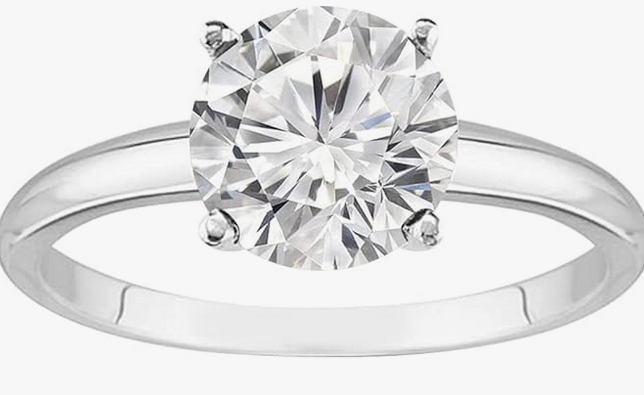
Houston Diamond District 1 to 10 Carat 14K White Gold IGI Certified Lab Grown Diamond Engagement Ring, Round Cut Solitaire, 4-Prong Setting (E–F Color VS2–SI1 Clarity)
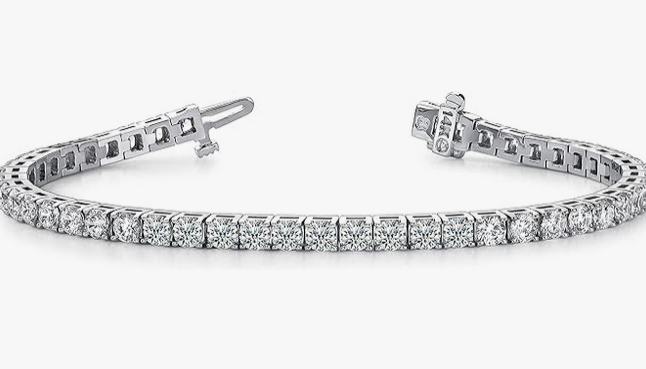
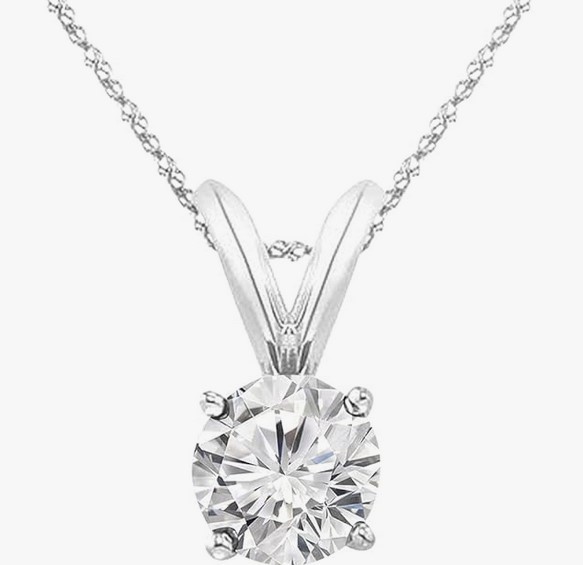
0.5-10 Carat Lab Grown Diamond Solitaire Pendant Necklace, Round Cut Solitaire, 4-Prong Setting, Jewelry for Women (E-F, VS)
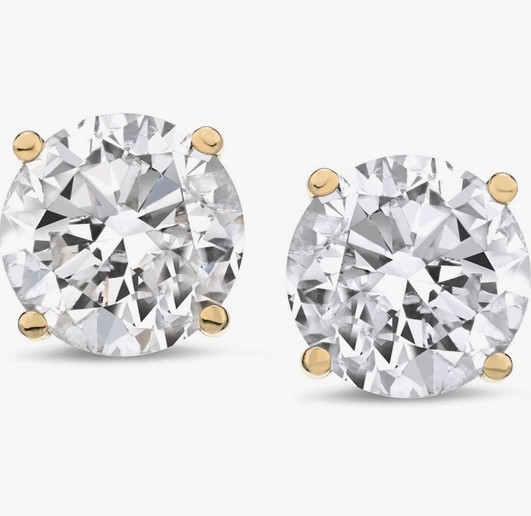
1 to 6 Carat LAB GROWN Solitaire Diamond Stud Earrings Round Cut 4 Prong Screw Back (F-G Color, VS1-VS2 Eye Clean Clarity)
A 14 carat diamond ring represents one of the most spectacular choices in luxury engagement jewelry, measuring approximately 16.2mm in diameter for a round brilliant cut and commanding prices typically ranging from $500,000 to $3.5 million depending on quality grades. This extraordinary size creates an unmistakable presence on the hand, delivering brilliance and fire that captivates from across a room. A 14 carat diamond ring requires careful consideration of cut quality, color grade, and clarity characteristics to maximize both beauty and investment value, as stones of this magnitude amplify every aspect of diamond quality while representing a significant financial commitment.
What Is a 14 carat diamond ring?
The term “carat” refers specifically to the weight measurement of the diamond, with one carat equaling exactly 200 milligrams or 0.2 grams. A 14 carat diamond ring therefore contains a center stone weighing 2.8 grams of pure crystallized carbon, making it approximately fourteen times larger than a typical one-carat engagement ring diamond. This substantial weight translates into impressive physical dimensions that vary by cut shape, with round brilliant cuts measuring roughly 16.2mm in diameter and princess cuts spanning approximately 13.8mm square.
Beyond mere size, a 14 carat diamond ring enters the realm of museum-quality gemstones, representing less than 0.001% of all diamonds mined globally each year. The rarity factor intensifies exponentially as carat weight increases, making these stones exceptionally scarce in the marketplace. Most diamonds of this magnitude originate from famous mining regions including Botswana, Russia, and Canada, with each stone requiring extensive evaluation and often custom cutting by master craftsmen to optimize light performance.
The visual impact of wearing such a substantial stone cannot be overstated, as the increased surface area allows for dramatically enhanced light reflection and refraction. A properly cut 14 carat diamond ring produces fire and scintillation patterns visible from significant distances, creating rainbow flashes that smaller stones simply cannot achieve. The crown height and pavilion depth must be precisely calibrated to handle the increased light path length, ensuring optimal brilliance throughout the larger crystal structure.
14 carat diamond ring Price Guide
Pricing for diamonds of this magnitude varies enormously based on quality characteristics, with color and clarity grades creating price differentials of several million dollars. The following ranges reflect current market conditions for certified natural diamonds from reputable sources:
- A 14 carat diamond ring in D-F color, FL-VVS2 clarity, Excellent cut: $2,800,000-$3,500,000
- G-H color, VVS1-VS1 clarity, Very Good to Excellent cut: $1,800,000-$2,400,000
- A 14 carat diamond ring featuring I-J color, VS2-SI1 clarity, Good to Very Good cut: $1,200,000-$1,700,000
- K-L color, SI2-I1 clarity, Good cut: $800,000-$1,100,000
- A 14 carat diamond ring with lower color/clarity combinations: $500,000-$750,000
Complete ring pricing includes setting costs, which typically range from $15,000 to $75,000 depending on metal choice and design complexity. Platinum settings command premium pricing due to material costs and durability requirements for supporting such substantial weight. Custom mounting work often involves reinforced prong construction and specialized techniques to ensure long-term security of the valuable center stone.
Market fluctuations affect pricing significantly at this level, with economic conditions, currency exchange rates, and supply availability creating monthly price variations of 10-20%. Additionally, provenance documentation and historical significance can add substantial premiums, particularly for stones with notable previous ownership or mining origin stories. Insurance appraisals typically value these rings at 25-35% above purchase price to account for replacement costs and retail markups.
The Four Cs for a 14 carat diamond ring
Cut quality becomes paramount in stones of this magnitude, as any deviation from ideal proportions results in light leakage visible to the naked eye across the expansive surface area. A 14 carat diamond ring requires expert evaluation of table percentage, crown angle, pavilion depth, and symmetry grades to ensure maximum brilliance return. Crown angles between 34-36 degrees and pavilion angles of 40.5-41 degrees create optimal light paths, while table percentages of 54-58% balance fire and scintillation effectively.
Color grading carries heightened importance due to the increased crystal volume, as body color becomes more apparent in larger stones. While D-F grades represent colorless perfection, G-H grades often provide excellent value propositions without visible tinting to most observers. The relationship between color and price intensifies dramatically at this carat weight, with each color grade difference representing potential savings or premiums of $200,000-$400,000.
Clarity characteristics require careful evaluation through high-powered magnification, as inclusions become more noticeable in larger diamonds. A 14 carat diamond ring with VS1 or better clarity ensures eye-clean appearance under normal viewing conditions, while SI1 grades demand individual stone assessment. The positioning of inclusions relative to light reflection patterns determines their visual impact more than mere quantity or size measurements.
Carat weight precision matters significantly at this level, with measurements verified to 0.01 carat accuracy through certified laboratory instruments. Stones weighing exactly 14.00 carats command premium pricing over those at 13.95 carats, despite the minimal physical difference. This weight retention often requires master cutters to sacrifice some optical performance to maintain the psychologically important threshold, creating trade-offs between size and brilliance optimization.
Shape Options and Trade-Offs
Round brilliant cuts remain the most popular choice for diamonds of this magnitude, delivering maximum fire and scintillation through their 58-facet structure optimized over centuries of development. The circular shape distributes visual weight evenly, creating balanced proportions that complement most hand sizes while maximizing light return efficiency. However, round shapes typically sacrifice 30-40% of rough diamond weight during cutting, contributing to higher per-carat pricing compared to fancy shapes.
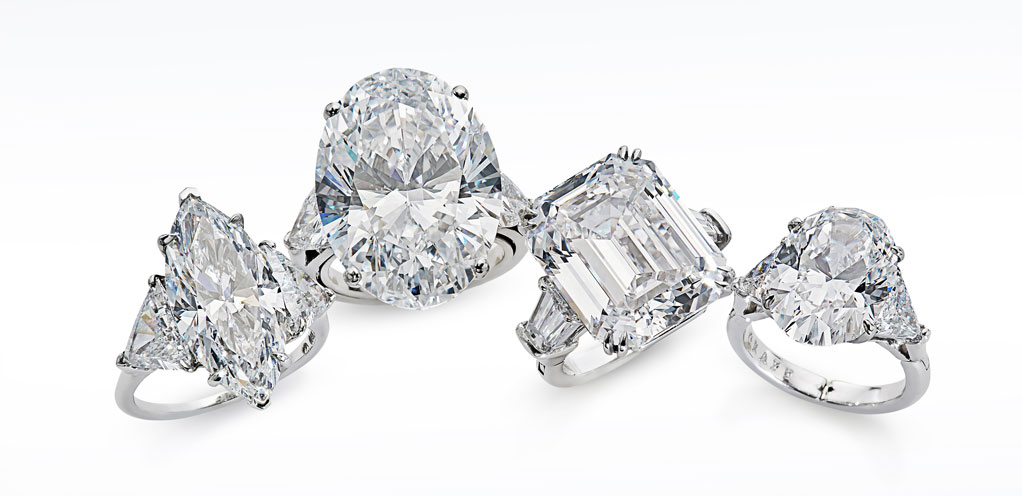
Emerald cuts offer sophisticated elegance with their step-cut faceting pattern, creating hall-of-mirrors reflections that emphasize clarity over brilliance. A 14 carat diamond ring in emerald shape measures approximately 18mm x 13mm in a classic rectangular format, providing impressive finger coverage while requiring higher clarity grades due to the open facet structure revealing inclusions more readily. The linear faceting pattern creates subtle light play that appeals to those preferring understated luxury over maximum sparkle.
Cushion cuts blend old-world charm with modern cutting precision, featuring rounded corners and varying facet patterns that can emphasize either brilliance or fire depending on cutting style. Modified brilliant cushions deliver sparkle approaching round diamonds, while antique cushions create broader flashes reminiscent of historical stones. The shape typically measures 15mm x 15mm at fourteen carats, offering excellent value retention and timeless appeal that transcends fashion trends.
Oval, pear, and marquise shapes create dramatic elongated silhouettes that maximize visual impact while utilizing rough diamond material efficiently. These fancy shapes require careful attention to symmetry and bow-tie minimization, as cutting imperfections become magnified in larger stones. A properly cut 14 carat diamond ring in these shapes can appear even larger than equivalent round stones while potentially offering cost savings of 15-25% compared to round brilliants of similar quality.
Wearing a 14 carat diamond ring: Size and Presence
The physical dimensions of a stone this size create wearing considerations that extend beyond typical engagement ring experiences. A 14 carat diamond ring rises significantly above the finger surface, with crown heights of 6-8mm depending on cut proportions, potentially interfering with glove wear or close manual work. The substantial weight distribution requires properly fitted settings with adequate finger contact to prevent rotation and ensure comfortable long-term wear.
Hand size proportions influence the aesthetic balance significantly, with ring finger lengths below 60mm potentially appearing overwhelmed by the stone’s dimensions. Conversely, longer fingers and broader hands showcase the diamond’s grandeur more proportionally, creating elegant balance between jewelry and anatomy. Professional sizing consultation becomes essential, as traditional ring sizers cannot accurately simulate the weight and bulk characteristics of such substantial jewelry.
Daily practicality requires lifestyle adjustment, as activities involving potential impact or abrasion pose risks to both wearer and stone. A 14 carat diamond ring demands heightened awareness during routine tasks like exercising, gardening, or household maintenance, with many owners reserving wear for special occasions or professional settings. Insurance requirements often include specific wearing restrictions and professional maintenance schedules to maintain coverage validity.
The psychological impact of wearing such a significant piece cannot be understated, as the visual presence commands attention and conversation in social situations. Many owners report increased confidence and sense of luxury, while others prefer discretion through strategic wearing timing. The ring becomes a statement piece that defines personal style and communicates success levels, requiring comfort with the attention and responsibility such jewelry attracts in public settings.
Setting Recommendations
Solitaire settings remain the classic choice for showcasing maximum diamond impact, utilizing four or six-prong construction with reinforced mounting points to support the substantial weight securely. Platinum provides optimal durability and color neutrality, while 18k white gold offers cost savings with slightly reduced longevity. Prong thickness must balance security with aesthetic appeal, typically measuring 2.5-3.5mm at the base with carefully shaped tips that don’t obscure the diamond’s outline.
Halo settings can enhance the perceived size even further, surrounding the center stone with smaller diamonds that create unified brilliance across an expanded surface area. However, the already substantial dimensions of a 14 carat diamond ring may render halo enhancement unnecessary or overwhelming, depending on personal preference and hand proportions. When employed, halos typically utilize 0.10-0.25 carat accent stones in micro-prong settings that complement rather than compete with the primary diamond.
Three-stone configurations offer symbolic appeal while providing structural support through distributed weight across multiple mounting points. Side stones weighing 1-3 carats each create balanced proportions without diminishing the center stone’s dominance, while graduated sizing maintains visual hierarchy. This setting style requires precise alignment and matched color characteristics to ensure cohesive appearance across all three diamonds.
Custom mounting becomes almost mandatory at this price point, as standard commercial settings lack the engineering requirements for such valuable and weighty stones. Specialized jewelers employ computer-aided design and stress analysis to optimize prong placement, gallery construction, and shank reinforcement. Manufacturing typically involves lost-wax casting with hand-finishing details, requiring 6-12 weeks completion time and costing $25,000-$75,000 depending on complexity and precious metal quantities.
Comparing Nearby Carat Weights
The transition from 13 to 14 carats represents more than mere numerical progression, as crossing whole-number thresholds creates psychological pricing premiums typically ranging from 8-15% above proportional weight increases. A 13.5-carat stone often provides nearly identical visual impact while offering substantial cost savings, making it an attractive alternative for budget-conscious buyers seeking maximum value. The physical difference measures less than 0.3mm in diameter for round cuts, often imperceptible except through direct side-by-side comparison.
Conversely, 15-carat stones enter even more rarefied territory with exponentially increased pricing and dramatically reduced availability. A 14 carat diamond ring occupies a sweet spot where substantial stones remain somewhat obtainable through major dealers, while 15+ carat diamonds typically require auction participation or extensive dealer networks. The price differential between 14 and 15 carats often exceeds $500,000-$800,000 for comparable quality grades.
Market liquidity considerations favor certain weight ranges, with 10, 15, and 20-carat stones commanding more consistent resale values than intermediate weights. However, the spectacular nature of any diamond exceeding 10 carats ensures strong market demand regardless of specific weight, particularly when accompanied by quality certifications from major laboratories. Historical price appreciation has favored larger stones consistently, making them potential investment vehicles beyond their aesthetic appeal.
Insurance and storage considerations scale proportionally with value rather than weight, as security requirements intensify dramatically above certain threshold values. A 14 carat diamond ring typically requires specialized insurance policies with annual premiums ranging from $15,000-$35,000 depending on coverage limits and security provisions. Storage solutions must accommodate both the physical bulk and security requirements, often necessitating bank safety deposit boxes or home vault installations for proper protection.
Certification: What a 14 carat diamond ring Certificate Should Show
Gemological Institute of America (GIA) certification provides the gold standard for diamond authentication at this value level, offering comprehensive analysis including 4Cs grading, fluorescence assessment, and detailed plotting of clarity characteristics. The certificate should display consistent photography showing actual stone appearance alongside precise measurements and proportions data. GIA reports for diamonds of this magnitude often include additional security features like holographic elements and QR code verification systems to prevent counterfeiting.
American Gem Society (AGS) certificates emphasize cut quality through their proprietary light performance grading system, particularly valuable for evaluating brilliance optimization in larger stones. The AGS cut grade scale ranges from 0 (Ideal) to 10 (Poor), with grades 0-2 recommended for maximizing optical performance. A 14 carat diamond ring benefits significantly from AGS analysis when cut quality represents the primary selection criteria, as their detailed light maps reveal performance characteristics invisible to standard grading methods.
Certification timing and chain of custody documentation become crucial at this value level, as the substantial investment warrants verification of the diamond’s journey from mine to market. Recent certificates dated within 2-3 years ensure current market recognition, while older reports may require re-certification for insurance or resale purposes. The certificate number should correspond with laser inscriptions on the diamond’s girdle, providing permanent identification linkage between stone and documentation.
International certification acceptance varies by region and intended use, with some markets preferring local laboratory reports over international standards. European buyers often request SSEF or Gübelin certification, while Asian markets may prefer local laboratory validation. A comprehensive 14 carat diamond ring purchase should include primary certification from recognized international laboratories plus any regional documentation required for the intended market or jurisdiction where the ring will primarily reside.
Where to Buy
Authorized diamond dealers specializing in exceptional stones provide the most reliable source for authenticated diamonds of this magnitude, offering comprehensive services including certification verification, setting consultation, and ongoing maintenance programs. Established dealers maintain relationships with major mining companies and cutting houses, accessing inventory unavailable through traditional retail channels. These relationships often provide first selection opportunities for newly cut stones meeting specific quality criteria.
Auction houses like Sotheby’s, Christie’s, and Bonhams regularly feature significant diamonds, though buyers must understand auction dynamics including buyer’s premiums typically ranging from 20-25% above hammer prices. Auction purchases offer potential savings but eliminate traditional return policies and warranty protections. A 14 carat diamond ring acquired through auction requires independent appraisal and insurance evaluation immediately following purchase to establish current market value.
High-end jewelry boutiques in major metropolitan areas maintain connections with wholesale dealers capable of sourcing specific requirements, though their markup structures may add 40-60% above wholesale pricing. The advantage includes comprehensive service packages, financing options, and established relationships for future service needs. Location advantages include the ability to physically examine multiple stones before selection, comparing subtle quality differences impossible to evaluate through photographs alone.
International sourcing directly from cutting centers like Antwerp, Mumbai, or Tel Aviv can provide cost savings but requires expertise in customs procedures, insurance during transit, and currency exchange considerations. Professional consultation becomes mandatory when purchasing internationally, as tax implications and import duties can significantly impact total acquisition costs. The complexity typically justifies professional buyer services charging 3-5% fees while providing expertise and risk mitigation worth far more than their cost.
Frequently Asked Questions
How much does a 14 carat diamond ring typically cost?
A 14 carat diamond ring generally ranges from $500,000 to $3.5 million depending on quality characteristics including color, clarity, and cut grades. Premium stones featuring D-F color and flawless to VVS clarity can exceed $3 million, while lower grades in K-L color and SI clarity may start around $500,000. Additional costs include setting fees ranging from $15,000-$75,000 and insurance requirements typically costing $15,000-$35,000 annually.
What are the physical dimensions of a fourteen-carat diamond?
Physical dimensions vary significantly by cut shape, with round brilliant diamonds measuring approximately 16.2mm in diameter and 6-8mm in height depending on cut proportions. Princess cuts span roughly 13.8mm square, while emerald cuts typically measure 18mm x 13mm in rectangular format. The substantial size creates impressive finger coverage and visual presence that dominates most hand proportions, requiring careful consideration of lifestyle and wearing preferences.
How rare is a 14 carat diamond ring in the market?
14 carat diamond ring specimens represent extraordinary rarity, comprising less than 0.001% of all diamonds mined globally each year. Most major dealers encounter only 5-10 stones of this magnitude annually across all quality grades, making selection opportunities extremely limited. The rarity intensifies exponentially for higher quality grades, with D-color, flawless examples appearing perhaps once every several years through major auction houses and specialized dealers.
What insurance considerations apply to such valuable jewelry?
Insurance requirements typically involve specialized jewelry policies separate from standard homeowner’s coverage, with annual premiums ranging from 1.5-2.5% of appraised value. Coverage often mandates specific security measures including bank storage requirements, professional maintenance schedules, and wearing restrictions for certain activities. Documentation must include recent appraisals, certification reports, and detailed photography, with policy updates required annually to maintain adequate coverage limits matching current market values.
How does a stone this size affect daily wearing comfort?
Daily comfort considerations include the substantial weight distribution across the finger, crown heights of 6-8mm that may interfere with gloves or close manual work, and increased attention the jewelry attracts in social situations. Many owners develop wearing strategies reserving the ring for special occasions while using alternative jewelry for daily activities. Professional fitting becomes essential to ensure proper sizing that prevents rotation while maintaining comfortable long-term wear without circulation restriction.
What certification should I expect with such a significant purchase?
Certification should originate from major laboratories including GIA, AGS, or equivalent international institutions, featuring comprehensive grading reports with detailed clarity plotting, precise measurements, and current photography. The certificate must include security features preventing counterfeiting, with corresponding laser inscriptions on the diamond’s girdle linking stone to documentation permanently. Recent certification dating within 2-3 years ensures current market recognition, while chain of custody documentation provides additional authentication for stones of this magnitude and value.
Conclusion
Selecting a 14 carat diamond ring represents one of the most significant jewelry decisions possible, requiring comprehensive understanding of quality factors, market dynamics, and long-term ownership considerations. The extraordinary rarity and substantial investment demand careful evaluation of certification credentials, dealer reputation, and insurance requirements to protect both aesthetic enjoyment and financial value. Professional consultation throughout the selection process proves invaluable, as subtle quality differences create price variations of hundreds of thousands of dollars while significantly impacting visual performance and future marketability.
The magnificent presence and timeless appeal of a 14 carat diamond ring creates lasting satisfaction for those prepared to embrace both the luxury and responsibility such extraordinary jewelry entails. From the initial selection process through daily ownership experiences, these remarkable stones provide unparalleled beauty while serving as tangible investments in craftsmanship, rarity, and enduring value. For those seeking the ultimate expression of luxury and commitment, few possessions match the impact and satisfaction of owning such a spectacular diamond. Explore exceptional diamond options and expert guidance through the Carat Diamond homepage.