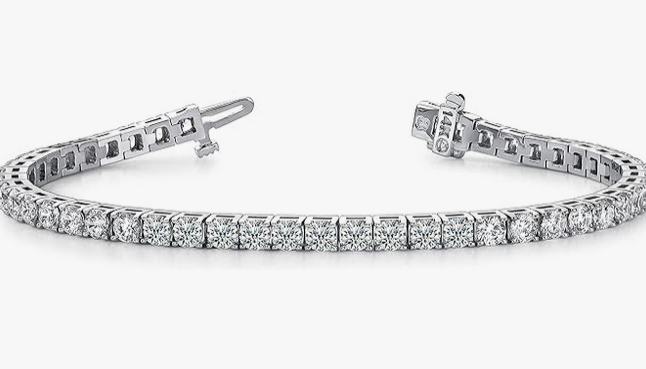
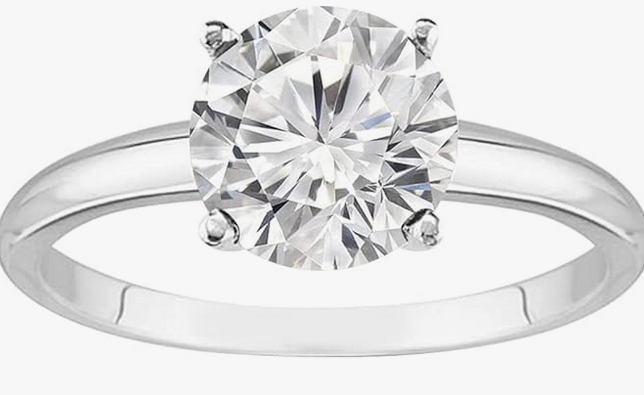
Houston Diamond District 1 to 10 Carat 14K White Gold IGI Certified Lab Grown Diamond Engagement Ring, Round Cut Solitaire, 4-Prong Setting (E–F Color VS2–SI1 Clarity)
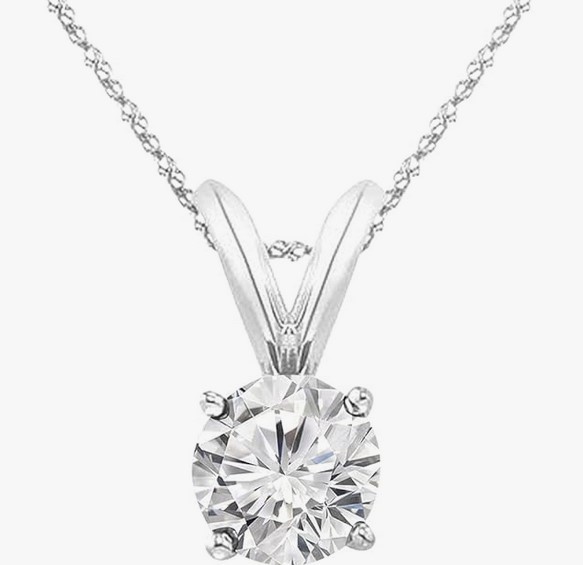
0.5-10 Carat Lab Grown Diamond Solitaire Pendant Necklace, Round Cut Solitaire, 4-Prong Setting, Jewelry for Women (E-F, VS)
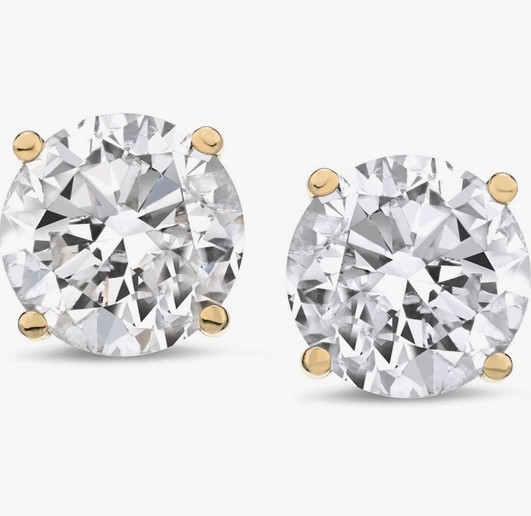
1 to 6 Carat LAB GROWN Solitaire Diamond Stud Earrings Round Cut 4 Prong Screw Back (F-G Color, VS1-VS2 Eye Clean Clarity)
A 2 carat natural diamond represents one of the most coveted sizes in the diamond market, measuring approximately 8.2mm in diameter for round brilliant cuts and weighing exactly 400 milligrams or 0.4 grams. This substantial size creates impressive visual impact while remaining elegant and wearable for daily use. Prices typically range from $8,000 to $35,000 depending on cut, color, clarity, and certification. A 2 carat natural diamond offers the perfect balance between presence and practicality, making it a popular choice for engagement rings and significant jewelry pieces that will be treasured for generations.
What Is a 2 carat natural diamond?
The term “carat” refers to the standardized unit of weight for gemstones, with one carat equaling exactly 200 milligrams. A 2 carat natural diamond therefore weighs precisely 400 milligrams and represents a diamond formed naturally deep within the Earth’s mantle over billions of years. Unlike laboratory-grown alternatives, this stone carries the authentic geological history and rarity that collectors and romantics value most highly.
Physical dimensions vary by cut shape, but a round brilliant 2 carat natural diamond typically measures 8.1-8.3mm in diameter with a depth of approximately 5.0mm. Princess cuts measure roughly 6.5mm square, while emerald cuts extend to about 8.5mm x 6.5mm. The substantial size difference between a 1 carat and this weight becomes immediately apparent when viewed side by side.
Natural formation occurs under extreme pressure and temperature conditions approximately 100-200 kilometers below Earth’s surface. Carbon atoms crystallize over periods ranging from 1-3.5 billion years, creating the hardest naturally occurring substance known to science. Each 2 carat natural diamond represents an extraordinary geological achievement that cannot be replicated in laboratory timeframes.
Rarity increases exponentially with carat weight, making stones of this size significantly more valuable per carat than smaller diamonds. While 1-carat diamonds are relatively common in jewelry stores, finding high-quality examples at 2 carats requires more extensive searching and typically involves special ordering from diamond dealers and certified suppliers.
2 carat natural diamond Price Guide
Pricing varies dramatically based on the Four Cs grading criteria, with identical carat weights showing price differences of $20,000 or more between different quality grades. Market conditions, certification source, and retailer markups also influence final costs significantly.
- D-F color, VVS1-VVS2, Excellent cut: $25,000-$35,000
- A 2 carat natural diamond in G-H color, VS1-VS2, Very Good cut: $18,000-$26,000
- A 2 carat natural diamond in I-J color, SI1-SI2, Good cut: $12,000-$19,000
- A 2 carat natural diamond in K-M color, SI2-I1, Fair cut: $8,000-$14,000
- Premium shapes (heart, marquise): $15,000-$28,000
Complete engagement ring pricing includes setting costs, which typically add $800-$4,500 depending on metal choice and design complexity. Simple solitaire settings in 14k gold start around $800, while elaborate halo designs in platinum can exceed $4,000.
- Simple solitaire + 2ct diamond: $13,000-$38,000
- Halo setting + 2ct diamond: $15,500-$42,000
- Three-stone setting + 2ct diamond: $16,000-$44,000
- Vintage-inspired setting + 2ct diamond: $14,800-$41,500
The Four Cs for a 2 carat natural diamond
Cut quality becomes increasingly critical at larger carat weights because poor proportions are more noticeable and dramatically affect light performance. A 2 carat natural diamond with excellent cut grades will display superior fire, brilliance, and scintillation compared to larger stones with inferior cutting. The difference in visual appeal between “Good” and “Excellent” cut grades becomes stark at this size.
Color grades from D through J remain popular choices, though personal preferences vary widely. Near-colorless G and H grades offer exceptional value, appearing virtually colorless when mounted in white gold or platinum settings. The larger surface area of these diamonds makes color differences more apparent than in smaller stones, requiring careful consideration of lighting conditions where the ring will be worn most frequently.
Clarity considerations focus on eye-clean appearances rather than microscopic perfection. VS2 and SI1 grades often provide the best value proposition, offering stones free from visible inclusions while avoiding the premium costs associated with internally flawless grades. A 2 carat natural diamond in SI1 clarity can look identical to VVS1 stones to the naked eye, representing savings of $8,000-$12,000.
Professional gemologists recommend prioritizing cut excellence over minor clarity improvements, as superior light performance creates more visual impact than microscopic clarity differences. The substantial size allows for impressive light display when proportions are optimized correctly, making cut the most important factor for maximizing beauty and brilliance in larger stones.
Shape Options and Trade-Offs
Round brilliant cuts remain the most popular choice, representing approximately 60% of all diamond purchases at this carat weight. The 57-58 facet configuration maximizes light return and creates the most fire and brilliance. However, round shapes command premium pricing due to higher rough diamond waste during cutting processes.
Princess cuts offer modern square elegance with sharp corners and excellent sparkle characteristics. These stones typically measure 6.5mm square and cost approximately 15-20% less than comparable round diamonds. The contemporary aesthetic appeals to buyers seeking distinctive appearance without sacrificing light performance significantly.
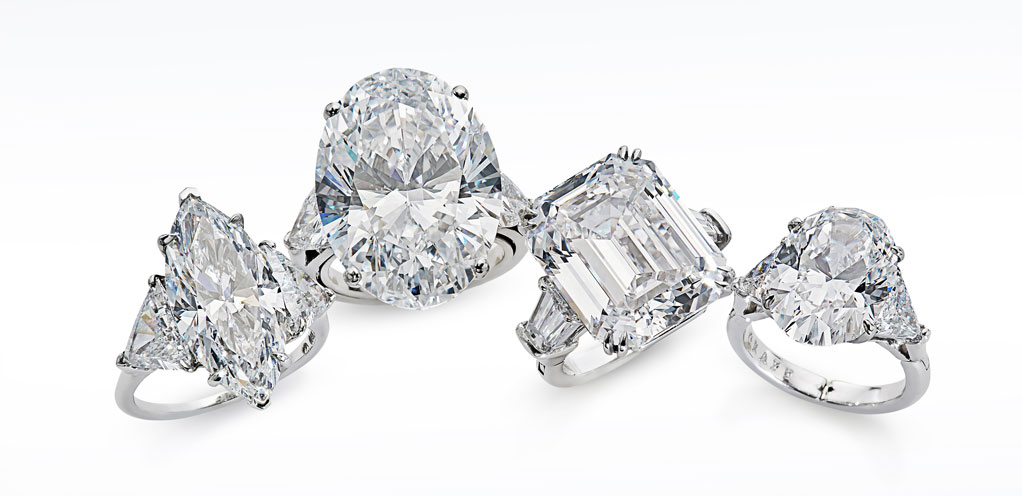
Emerald and Asscher cuts emphasize clarity and color over brilliance, creating elegant hall-of-mirrors effects. A 2 carat natural diamond in these step-cut shapes reveals inclusions more readily, typically requiring VS2 or higher clarity grades for optimal beauty. The sophisticated appearance suits vintage-inspired designs and buyers preferring understated elegance.
Oval, pear, and marquise shapes create impressive finger coverage while maintaining brilliant-cut sparkle. These elongated shapes can appear 10-15% larger than round diamonds of identical carat weight. However, fancy shapes require careful attention to bow-tie effects and symmetry considerations that become more critical at larger sizes.
Wearing a 2 carat natural diamond: Size and Presence
Visual impact varies significantly based on finger size, setting style, and personal proportions. A 2 carat natural diamond creates substantial presence on most hands while remaining appropriate for daily wear in professional and social environments. The size commands attention without appearing ostentatious when properly proportioned to the wearer’s hand.
Finger coverage extends across most of the finger width for ring sizes 4-6, while larger ring sizes accommodate the stone more proportionally. Women with longer, slender fingers can wear these diamonds with particular elegance, while shorter fingers benefit from elongated shapes like oval or marquise to create length illusion.
Daily wearability requires consideration of lifestyle factors and professional requirements. The substantial size may catch on clothing or gloves more frequently than smaller stones. A 2 carat natural diamond in prominent settings like high cathedral or tension mounts increases snag risk compared to lower-profile bezels or flush settings.
Social perceptions vary by geographic region and cultural context, but stones of this size generally convey success and significance. The impressive visual presence makes these rings conversation starters and heirloom pieces suitable for passing between generations. Many buyers specifically choose this carat weight for its ability to make lasting impressions at important life events.
Setting Recommendations
Solitaire settings remain the classic choice, allowing the diamond to serve as the focal point without competing elements. Four or six-prong configurations provide security while maximizing light entry. A 2 carat natural diamond in a well-designed solitaire creates timeless elegance that never goes out of style, making it an excellent choice for conservative buyers or those prioritizing the stone over setting complexity.
Halo settings enhance apparent size while adding extra sparkle through surrounding smaller diamonds. The contrast between the large center stone and smaller accent diamonds creates dramatic visual impact. However, halos can make already substantial stones appear overpowering on smaller hands, requiring careful proportion consideration during design phases.
Three-stone settings celebrate past, present, and future symbolism while providing additional diamond weight and sparkle. Side stones typically range from 0.25-0.75 carats each, creating total diamond weights of 2.5-3.5 carats. The additional stones complement the center diamond without competing for attention when properly proportioned.
Vintage-inspired settings incorporate milgrain details, engraving, and architectural elements that enhance the romantic appeal. These designs work particularly well with step-cut shapes like emerald and Asscher cuts. The substantial size of these stones provides adequate surface area to balance ornate setting details without appearing overwhelmed by decorative elements surrounding the mounting.
Certification: What a 2 carat natural diamond Certificate Should Show
Gemological Institute of America (GIA) certification remains the gold standard for diamond grading, providing comprehensive analysis of all quality factors. A 2 carat natural diamond certificate should include detailed plotting of inclusions, precise color and clarity grades, cut quality assessment, and confirmation of natural origin through advanced detection methods.
Essential certificate information includes exact carat weight to the hundredth (e.g., 2.03 carats), millimeter dimensions, depth percentage, table percentage, girdle thickness, culet size, polish grade, symmetry grade, and fluorescence intensity. These technical specifications allow buyers to understand exactly what they’re purchasing and compare multiple stones objectively.
Natural origin confirmation becomes particularly important at larger carat weights where laboratory-grown alternatives are increasingly common. Modern detection equipment can identify synthetic diamonds with certainty, but only certified laboratories have access to the sophisticated instruments required. A 2 carat natural diamond without proper certification carries significant risk of being synthetic.
Additional certifications from American Gem Society (AGS) or Gübelin provide secondary opinions and specialized cut grading systems. Some buyers prefer multiple certifications for stones exceeding $20,000, though GIA certification alone provides sufficient confidence for most purchases. International certificates from SSEF or GCS may be acceptable but require careful verification of grading standards.
Comparing Nearby Carat Weights
The psychological impact of reaching the 2-carat milestone creates price premiums compared to stones weighing 1.90-1.99 carats. A 1.95-carat diamond can cost $2,000-$4,000 less than identical quality at exactly 2.00 carats, despite being visually indistinguishable. Savvy buyers often consider this slight size reduction for significant savings without noticeable appearance differences.
Upgrading from 1.50 to 2.00 carats creates dramatic visual impact worth the substantial price increase for most buyers. The 33% weight increase translates to approximately 15% diameter increase, creating noticeable size differences in all viewing angles. A 2 carat natural diamond appears significantly more substantial than 1.5-carat alternatives, justifying the premium pricing for buyers prioritizing size impression.
Comparing upward to 2.50 carats reveals diminishing returns in visual impact versus cost increases. The jump from 2.00 to 2.50 carats costs $8,000-$15,000 more while providing only modest size improvements. Most buyers find better value staying at 2 carats and investing savings in superior cut or clarity grades instead.
Alternative approaches include considering total carat weight through side stones or accent diamonds. A 1.75-carat center stone with 0.50 carats of side diamonds creates similar visual weight while offering different aesthetic appeals. However, center stone impact differs significantly from total weight distribution, and many buyers specifically desire the statement presence of a single large diamond.
Where to Buy
Established online retailers offer extensive inventory, competitive pricing, and detailed photography allowing thorough evaluation before purchase. Reputable dealers provide GIA certification, detailed images, video recordings, and generous return policies. A 2 carat natural diamond purchased online typically costs 20-40% less than identical stones from traditional jewelry stores due to lower overhead expenses.
Local jewelers provide hands-on examination opportunities and personalized service but usually maintain limited inventory at this carat weight. Most local stores require special ordering, extending delivery times to 2-4 weeks. However, the ability to physically examine stones and receive face-to-face guidance appeals to many buyers, particularly first-time diamond purchasers.
Diamond district wholesalers in major cities offer professional-level access and competitive pricing but require more gemological knowledge from buyers. These venues suit experienced purchasers comfortable evaluating stones independently. Wholesale purchases may lack the customer service and return policies provided by retail establishments.
Auction houses and estate jewelry specialists occasionally offer exceptional values on previously owned stones. A 2 carat natural diamond from estate sources can provide savings of 15-30% while offering unique vintage appeal. However, buyers must carefully verify certifications and condition, as older stones may require re-cutting or re-polishing to optimize beauty.
Investment and Resale Considerations
Diamonds function as emotional purchases rather than traditional investments, with resale values typically ranging from 40-70% of original retail prices. A 2 carat natural diamond holds value better than smaller stones due to increasing rarity and consistent demand from collectors and upgraders. However, buyers should prioritize personal enjoyment over investment potential.
Market factors affecting long-term value include natural diamond supply constraints, laboratory-grown competition, and changing consumer preferences. Natural stones maintain authenticity premiums that laboratory alternatives cannot replicate, though price gaps continue narrowing in lower quality grades. High-quality examples with excellent certifications demonstrate the most stable value retention.
Insurance considerations become important at this value level, with annual premiums typically costing 1-2% of appraised value. Professional appraisals every 3-5 years ensure adequate coverage as market values fluctuate. Proper documentation, photography, and certification storage protect investment value and facilitate claims processing if necessary.
Upgrade potential makes these stones attractive to jewelry stores and private buyers. Many couples later upgrade to larger sizes or different shapes, creating secondary market demand. A 2 carat natural diamond with excellent cut and desirable color grades typically finds ready buyers when owners decide to upgrade or liquidate their jewelry collections.
Frequently Asked Questions
How big does a 2 carat natural diamond look on the finger?
A 2 carat natural diamond creates substantial visual presence, measuring approximately 8.2mm in diameter for round cuts. On average finger sizes (5-7), the stone covers most of the finger width while remaining elegant and proportional. The impressive size commands attention without appearing excessive for daily wear in most social and professional settings.
What’s the average price range for quality stones?
Quality examples typically range from $15,000-$28,000 depending on specific grades and certifications. G-H color, VS1-VS2 clarity, and excellent cut grades represent the sweet spot for balancing beauty and value. Premium D-F color grades can exceed $35,000, while budget-conscious buyers find attractive options starting around $12,000.
How does a 2 carat natural diamond compare to lab-grown alternatives?
A 2 carat natural diamond commands significant premiums over laboratory-grown alternatives, typically costing 3-5 times more for identical quality grades. Natural stones carry authentic geological formation history and rarity that cannot be replicated artificially. However, visual differences are undetectable without specialized equipment, making the choice primarily about personal values regarding authenticity and rarity.
What clarity grade provides the best value?
VS2 and SI1 clarity grades offer optimal value by providing eye-clean appearances at reasonable prices. These stones appear flawless to naked eye examination while avoiding premium costs associated with higher clarity grades. The substantial size makes minor inclusions more visible than in smaller diamonds, so careful selection within these grades ensures beautiful appearances.
Which cut shape looks largest for the carat weight?
Elongated shapes like oval, marquise, and pear create maximum finger coverage and apparent size. These cuts can appear 10-15% larger than round diamonds of identical weight due to their extended dimensions. However, round brilliant cuts maximize sparkle and light performance, creating different types of visual impact that many buyers prefer despite slightly smaller apparent size.
How important is certification for stones this size?
Certification becomes absolutely critical at this carat weight and value level, with GIA reports serving as the industry standard. The substantial investment requires professional verification of all quality factors and natural origin confirmation. Uncertified stones carry significant risks regarding actual grades and synthetic detection, making professional gemological analysis essential for confident purchasing decisions.
A 2 carat natural diamond represents one of the most desirable and impressive choices in diamond jewelry, offering substantial visual presence while maintaining elegant proportions suitable for daily wear. The combination of rarity, beauty, and symbolic significance makes these stones excellent choices for engagement rings, anniversary gifts, and heirloom pieces intended to last generations. Understanding the various quality factors, pricing considerations, and selection criteria ensures buyers can make informed decisions that provide lasting satisfaction and value.
Whether prioritizing maximum brilliance through excellent cut grades, seeking optimal value through careful clarity selection, or exploring alternative shapes for unique appeal, a 2 carat natural diamond offers numerous options to suit different preferences and budgets. The substantial investment deserves careful research and professional guidance to ensure the final selection meets expectations for beauty, quality, and long-term enjoyment. Visit our Carat Diamond homepage to explore our curated selection of certified natural diamonds and expert guidance for your jewelry journey.