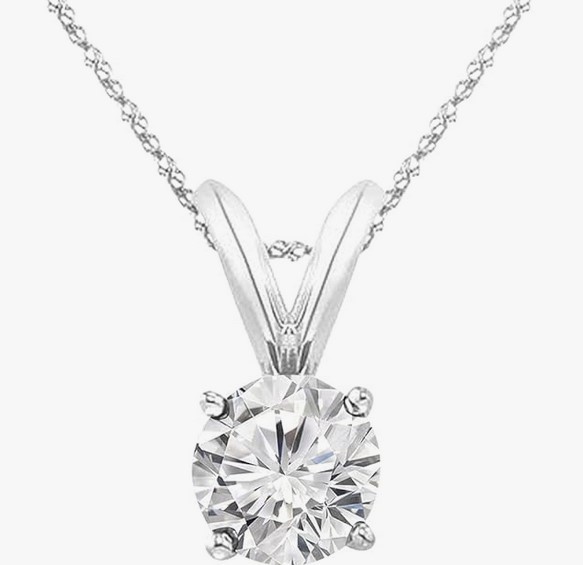
0.5-10 Carat Lab Grown Diamond Solitaire Pendant Necklace, Round Cut Solitaire, 4-Prong Setting, Jewelry for Women (E-F, VS)
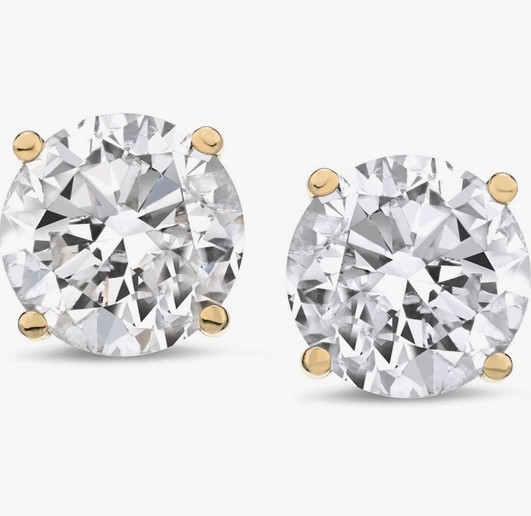
1 to 6 Carat LAB GROWN Solitaire Diamond Stud Earrings Round Cut 4 Prong Screw Back (F-G Color, VS1-VS2 Eye Clean Clarity)
A lab grown 2 carat diamond measures approximately 8.2mm in diameter for round cuts, delivering substantial visual presence that commands attention on any hand. This impressive size represents the sweet spot where luxury meets attainability, typically costing 40-70% less than natural diamonds of comparable quality. The surface area covers nearly twice that of a 1.5-carat stone, creating dramatic light performance that’s immediately noticeable from across the room. A lab grown 2 carat diamond offers the perfect balance of size, brilliance, and value for discerning buyers seeking maximum impact without the premium traditionally associated with larger natural stones.
What Is a lab grown 2 carat diamond?
A lab grown 2 carat diamond represents precisely 400 milligrams of crystallized carbon, created through advanced technological processes that replicate the extreme pressure and temperature conditions found deep within the Earth. These diamonds are chemically, physically, and optically identical to their natural counterparts, featuring the same crystal lattice structure and displaying identical light refraction properties. The “2 carat” designation refers specifically to weight, with each carat equaling 200 milligrams or 0.2 grams.
Modern laboratory techniques produce these stones using either High Pressure High Temperature (HPHT) or Chemical Vapor Deposition (CVD) methods. HPHT recreates natural formation conditions using pressures of 5-6 GPa and temperatures reaching 1,400-1,600°C. CVD technology builds diamonds atom by atom from carbon-rich gas at lower pressures, typically around 0.1-1 atmosphere. Both processes yield diamonds with identical hardness ratings of 10 on the Mohs scale and refractive indices of 2.417.
The creation timeline for a lab grown 2 carat diamond varies significantly by method and desired quality characteristics. HPHT processes typically require 2-4 weeks to grow a rough crystal suitable for cutting into a 2-carat finished stone. CVD methods often take 4-10 weeks but frequently produce higher clarity grades with fewer metallic inclusions. Advanced post-growth treatments may add additional processing time to optimize color and clarity characteristics.
Quality grading standards remain identical regardless of origin, with major gemological laboratories like GIA, IGI, and GCAL applying the same rigorous 4Cs evaluation criteria. The lab grown 2 carat diamond receives detailed analysis of cut precision, color grade, clarity characteristics, and fluorescence properties. Certificates clearly identify laboratory origin while maintaining the same grading accuracy and standards applied to natural diamonds throughout the industry.
lab grown 2 carat diamond Price Guide
Current market pricing for laboratory-grown diamonds reflects significant value advantages compared to natural stones, with quality specifications directly impacting final costs. The following price ranges represent typical retail pricing for certified stones from reputable suppliers, with variations based on specific cut quality, fluorescence levels, and seller markups. These ranges reflect current market conditions and may fluctuate based on supply, demand, and technological advancement impacts.
- A lab grown 2 carat diamond in D-F color, VVS1-VVS2 clarity, Excellent cut: $2,400-$4,200
- G-H color, VS1-VS2 clarity, Very Good to Excellent cut: $1,800-$3,200
- A lab grown 2 carat diamond in I-J color, SI1-SI2 clarity, Good to Very Good cut: $1,200-$2,400
- K-L color, SI2-I1 clarity, Good cut quality: $800-$1,600
- A lab grown 2 carat diamond with premium specifications (D/FL/Ideal): $3,500-$5,800
Complete engagement ring pricing includes setting costs, which typically range from $800-$8,000 depending on metal choice, design complexity, and additional accent stones. Popular solitaire settings in 14k white gold start around $1,200, while elaborate halo designs with pavé details can exceed $4,500. Platinum settings command premiums of $400-$1,200 over comparable gold options, reflecting higher material costs and increased durability benefits.
The Four Cs for a lab grown 2 carat diamond
Cut quality represents the most critical factor affecting visual performance in any diamond, with precise proportions determining how effectively light enters, reflects, and exits the stone. For round brilliant lab grown 2 carat diamond specimens, ideal proportions include table percentages between 54-57%, crown angles of 34-35 degrees, and pavilion angles of 40.6-41 degrees. These measurements ensure optimal light return, maximizing both brilliance and fire characteristics that make larger diamonds particularly captivating.
Color grading becomes increasingly important as carat weight increases, since larger surface areas make subtle color differences more apparent to the naked eye. D and E grades offer completely colorless appearance, while F-G grades provide excellent value with virtually undetectable warmth when mounted in white metal settings. H-I color grades show slight warmth but remain popular choices for their balance of beauty and affordability, particularly in yellow gold settings that complement warmer tones.
Clarity evaluation focuses on internal characteristics and surface blemishes, with lab grown diamonds typically exhibiting different inclusion types than natural stones. A lab grown 2 carat diamond may contain metallic inclusions from HPHT processing or growth patterns from CVD methods, though these rarely impact beauty in VS2 or higher grades. SI1 clarity often provides excellent value in larger stones, as inclusions remain difficult to detect without magnification despite the increased size.
Carat weight directly correlates with visual presence, but the relationship between weight and perceived size follows mathematical principles rather than linear progression. The surface area increase from 1.5 to 2 carats represents approximately 15% more face-up size, while the jump from 1 to 2 carats nearly doubles the visual impact. This makes the 2-carat threshold particularly attractive for buyers seeking dramatic presence without entering the premium pricing territory of 3-carat and larger stones.
Shape Options and Trade-Offs
Round brilliant cuts maximize light performance and maintain the highest resale values, representing approximately 75% of all diamond purchases globally. The 58-facet design, perfected over centuries of development, provides unparalleled brilliance and fire characteristics that become particularly stunning in 2-carat sizes. However, round cuts command premium pricing due to higher rough diamond waste during cutting, typically costing 15-25% more than comparable fancy shapes with similar specifications.
Princess cuts offer modern geometric appeal with excellent light performance, featuring sharp corners that require protective prongs in ring settings. These square diamonds provide approximately 10% larger face-up appearance than round diamonds of identical carat weight, delivering enhanced value for size-conscious buyers. The lab grown 2 carat diamond in princess cut typically measures 7.0-7.3mm square, creating bold contemporary presence with slightly lower per-carat pricing than round alternatives.
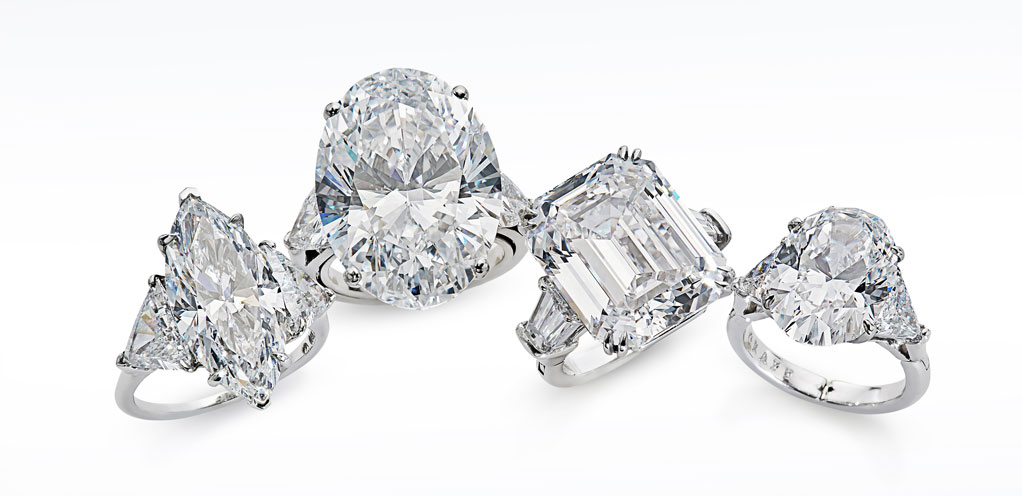
Oval, pear, and marquise cuts create elongated silhouettes that maximize perceived size while offering unique aesthetic appeal. Oval diamonds provide 20-30% larger appearance than round stones of equal weight, while pear and marquise shapes can appear even more substantial due to their distinctive outlines. These cuts require careful attention to length-to-width ratios, with optimal proportions ranging from 1.35-1.50:1 for ovals and 1.45-1.75:1 for pears, depending on personal preference.
Emerald and Asscher cuts emphasize clarity and color over brilliance, featuring step-cut faceting that creates elegant flashes of light rather than intense sparkle. These sophisticated cuts showcase the internal characteristics of a lab grown 2 carat diamond, making higher clarity grades more important for optimal beauty. The larger, open facets act like windows into the stone, revealing any inclusions while highlighting the diamond’s inherent transparency and color grade characteristics.
Wearing a lab grown 2 carat diamond: Size and Presence
The visual impact of wearing a 2-carat diamond creates undeniable presence that transforms everyday looks into statement-making ensembles. On average ring finger sizes (5-7), the stone provides substantial coverage without appearing oversized or impractical for daily wear. The lab grown 2 carat diamond offers the perfect balance between impressive size and comfortable wearability, making it suitable for both professional environments and special occasions.
Hand size and finger length significantly influence how large diamonds appear when worn, with longer, slender fingers accommodating substantial stones more proportionally than shorter fingers. Ring sizes below 5 may find 2-carat rounds appearing particularly bold, while sizes above 7 can wear even larger stones comfortably. The key lies in personal comfort and lifestyle considerations rather than strict proportion rules, as individual preferences vary widely regardless of hand characteristics.
Setting styles dramatically affect the perceived size and wearability of larger diamonds, with solitaire mountings showcasing maximum stone prominence while halo designs can make already substantial diamonds appear even more impressive. Low-profile settings enhance comfort for active lifestyles, keeping the diamond closer to the finger and reducing catching on clothing or objects. A lab grown 2 carat diamond in a well-designed mounting should feel secure and comfortable while maintaining easy daily wearability.
Lifestyle considerations become particularly important with larger diamonds, as 2-carat stones extend higher above the finger and may require adjustment periods for new wearers. Professional environments, active hobbies, and personal security preferences all influence optimal setting choices and wearing patterns. Many owners develop habits like rotating rings inward during certain activities or removing them for sports and manual labor to protect both the stone and setting from potential damage.
Setting Recommendations
Solitaire settings remain the most popular choice for showcasing 2-carat diamonds, allowing maximum light entry while creating timeless elegance that never goes out of style. Classic four or six-prong mountings secure the stone safely while minimizing metal visibility around the diamond’s perimeter. The lab grown 2 carat diamond appears largest in simple solitaire designs, with the clean lines emphasizing the stone’s natural beauty without competing design elements.
Halo settings amplify visual size by surrounding the center stone with smaller diamonds, creating the illusion of an even larger central diamond. Single halos typically add 0.5-1.0mm to the perceived diameter, while double halos can make 2-carat centers appear closer to 3-carat size. However, these elaborate designs require more maintenance and may overwhelm smaller hands, making careful consideration of proportions essential for optimal results.
Three-stone settings provide symbolic meaning while balancing the center diamond with complementary side stones, typically ranging from 0.25-0.75 carats each. This classic design distributes visual weight across the finger while maintaining focus on the central stone. Side stones should complement rather than compete with the main diamond, requiring careful attention to color and clarity matching for cohesive overall appearance.
Vintage and modern mounting styles offer distinct aesthetic directions, from Art Deco geometric patterns to contemporary tension settings that appear to suspend diamonds without visible support. The lab grown 2 carat diamond adapts well to various design periods, though certain cuts complement specific eras more naturally. Emerald cuts suit Art Deco designs, while round brilliants work beautifully in both classic and contemporary mountings, providing versatility in style selection.
Certification: What a lab grown 2 carat diamond Certificate Should Show
Gemological Institute of America (GIA) certificates represent the gold standard for diamond grading, providing comprehensive analysis of cut, color, clarity, and carat weight using consistent international standards. GIA clearly identifies laboratory-grown origin while applying identical grading criteria used for natural diamonds, ensuring accurate quality assessment regardless of formation method. The lab grown 2 carat diamond certificate includes precise measurements, proportions analysis, and detailed plotting of any clarity characteristics.
International Gemological Institute (IGI) certificates are widely accepted throughout the industry, particularly for laboratory-grown diamonds where they provide detailed technical specifications and quality assessments. IGI reports include comprehensive cut grading for round diamonds, fluorescence evaluation, and clear laboratory-grown identification. These certificates often provide additional technical details about growth methods and post-growth treatments when applicable to specific stones.
Essential certificate information includes exact carat weight measured to 0.01 carats, precise millimeter dimensions, and comprehensive proportion analysis for cut evaluation. Color and clarity grades use standardized scales, while cut grades (when provided) evaluate light performance potential. The lab grown 2 carat diamond certificate should clearly state “Laboratory Grown” or similar language, distinguishing it from natural stones while maintaining identical quality standards.
Verification procedures allow buyers to confirm certificate authenticity through laboratory websites using unique report numbers and security features. QR codes or online verification systems provide instant access to original grading reports, protecting against counterfeit certificates. Reputable sellers always provide original certificates or certified copies, never altered or unofficial grading documents that lack proper laboratory authentication and verification capabilities.
Comparing Nearby Carat Weights
The progression from 1.5 to 2.0 carats represents a significant visual upgrade, with the larger stone providing approximately 15% more surface area and substantially greater light performance. While 1.5-carat diamonds offer excellent value and presence, the jump to 2 carats crosses an important psychological threshold where diamonds begin commanding serious attention and respect. A lab grown 2 carat diamond delivers this enhanced presence at pricing that remains accessible compared to natural alternatives.
Comparing 2.0-carat stones with 2.5-carat alternatives reveals diminishing returns in visual impact relative to price increases, particularly in laboratory-grown diamonds where larger sizes command exponential premiums. The size difference between these weights becomes less dramatic than the 1.5 to 2.0-carat jump, making 2 carats an optimal stopping point for many buyers seeking maximum impact per dollar invested.
Quarter-carat increments around the 2-carat mark (1.75, 2.25, 2.50) often provide subtle compromises between size goals and budget constraints, though availability may be limited compared to standard full and half-carat weights. The lab grown 2 carat diamond represents a standard size that laboratories specifically target during production, ensuring better selection and competitive pricing compared to unusual weights that require custom cutting or extended searches.
Price progression analysis reveals that 2-carat laboratory diamonds often provide the best value proposition in the larger diamond category, offering substantial savings over natural stones while maintaining impressive visual presence. Moving beyond 2 carats typically involves exponential price increases even in the lab-grown market, making this size an ideal balance point where luxury becomes attainable without excessive premium pricing structures.
Where to Buy
Online retailers dominate the laboratory-grown diamond market, offering extensive selections with competitive pricing and comprehensive educational resources. Major platforms provide detailed photography, video presentations, and comprehensive specifications that allow thorough evaluation before purchase. The lab grown 2 carat diamond market benefits from online competition, with retailers frequently offering price matching and satisfaction guarantees that protect buyer investments.
Brick-and-mortar jewelers increasingly stock laboratory-grown options, allowing hands-on evaluation and immediate gratification for buyers preferring in-person shopping experiences. Local jewelers often provide personalized service and ongoing relationships for maintenance and warranty services, though selection may be limited compared to online alternatives. Many traditional jewelers now offer hybrid services, combining online selection tools with local pickup and service capabilities.
Direct laboratory relationships occasionally provide access to newly grown stones at favorable pricing, though minimum quantity requirements may limit individual consumer access. Some cutting facilities offer direct-to-consumer sales, eliminating middleman markups while providing detailed provenance information about specific stones. These arrangements work best for buyers comfortable with technical specifications and willing to invest time in the selection process.
Certification verification remains crucial regardless of purchase source, with buyers responsible for confirming authentic grading reports and appropriate insurance coverage. The lab grown 2 carat diamond represents a substantial investment deserving proper protection through reputable sellers, comprehensive warranties, and professional appraisals for insurance purposes. Due diligence in seller selection prevents costly mistakes and ensures satisfaction with such significant purchases.
FAQ
How much does a lab grown 2 carat diamond cost?
Lab grown 2 carat diamond pricing typically ranges from $800-$5,800 depending on cut, color, and clarity specifications. Premium grades (D-F color, VVS clarity) cost $2,400-$4,200, while excellent value options (G-I color, VS-SI clarity) range $1,200-$3,200. These prices represent significant savings of 40-70% compared to natural diamonds with identical specifications, making luxury accessible to broader audiences.
What size is a lab grown 2 carat diamond?
A lab grown 2 carat diamond measures approximately 8.2mm in diameter for round cuts, 7.0-7.3mm square for princess cuts, and varies by length-to-width ratio for fancy shapes. The surface area covers significantly more finger space than smaller weights, creating substantial visual presence. Exact dimensions depend on cutting proportions, with well-cut stones maximizing face-up size within quality parameters for optimal beauty and light performance.
How can you tell if a 2 carat diamond is lab grown?
Professional gemological equipment can identify laboratory origin through specialized spectroscopy and photoluminescence testing that detects growth patterns invisible to naked eyes. Certified grading reports clearly state “Laboratory Grown” designation, providing definitive identification from reputable sources. Advanced instruments reveal distinctive characteristics like growth striations or metallic inclusions that indicate specific creation methods, though these require professional expertise for accurate interpretation.
Is a lab grown 2 carat diamond a good investment?
It represents excellent value for personal enjoyment rather than financial investment, offering substantial beauty and prestige at accessible pricing compared to natural alternatives. Laboratory diamonds focus investment on immediate satisfaction and practical luxury rather than long-term appreciation potential. The substantial savings allow buyers to prioritize higher quality specifications or larger sizes within budget constraints, maximizing personal satisfaction from the purchase.
How long does a lab grown 2 carat diamond take to create?
Lab grown 2 carat diamond creation requires 2-10 weeks depending on growth method and desired specifications, with HPHT processes typically faster than CVD techniques. Additional time may be needed for post-growth treatments, cutting, and polishing to achieve final specifications. Rush orders occasionally available for premium pricing, though standard timelines ensure optimal quality control and proper crystal development for maximum beauty characteristics.
Are lab grown 2 carat diamonds as durable as natural ones?
Lab grown 2 carat diamond durability equals natural stones completely, featuring identical hardness rating of 10 on the Mohs scale and identical crystal structure properties. Chemical composition, thermal conductivity, and refractive characteristics remain indistinguishable from natural diamonds, ensuring identical performance in jewelry applications. Professional jewelers use identical cutting, setting, and maintenance procedures regardless of origin, confirming equivalent durability and longevity expectations.
Conclusion
The lab grown 2 carat diamond represents the perfect intersection of luxury, value, and practicality in today’s evolving diamond market. With substantial visual presence measuring over 8mm in diameter, these stones deliver impressive luxury at 40-70% savings compared to natural alternatives without compromising beauty, durability, or prestige. Advanced laboratory techniques produce diamonds that are chemically, physically, and optically identical to natural stones, backed by identical grading standards from respected gemological institutions worldwide.
Whether chosen for engagement rings, anniversary gifts, or personal luxury purchases, a lab grown 2 carat diamond offers sustainable luxury that aligns with modern values while delivering timeless beauty. The combination of accessible pricing, ethical sourcing, and identical performance characteristics makes this size particularly attractive for discerning buyers seeking maximum impact from their investment. For comprehensive selection and expert guidance in choosing the perfect diamond, visit the Carat Diamond homepage.