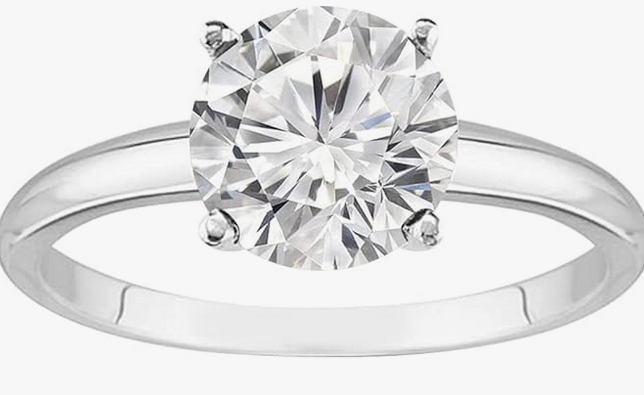
Houston Diamond District 1 to 10 Carat 14K White Gold IGI Certified Lab Grown Diamond Engagement Ring, Round Cut Solitaire, 4-Prong Setting (E–F Color VS2–SI1 Clarity)
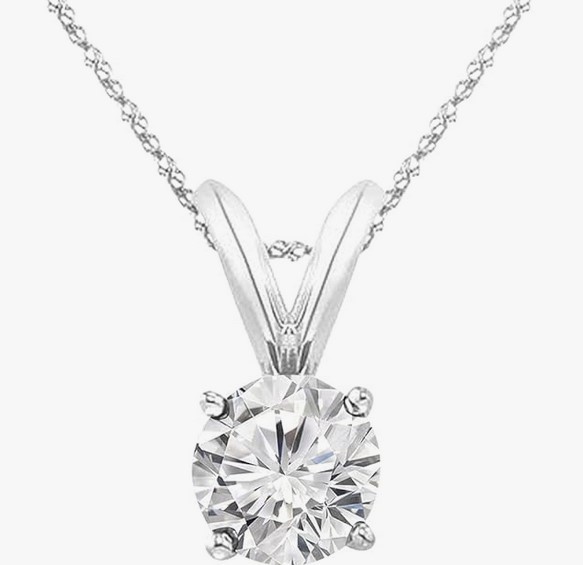
0.5-10 Carat Lab Grown Diamond Solitaire Pendant Necklace, Round Cut Solitaire, 4-Prong Setting, Jewelry for Women (E-F, VS)
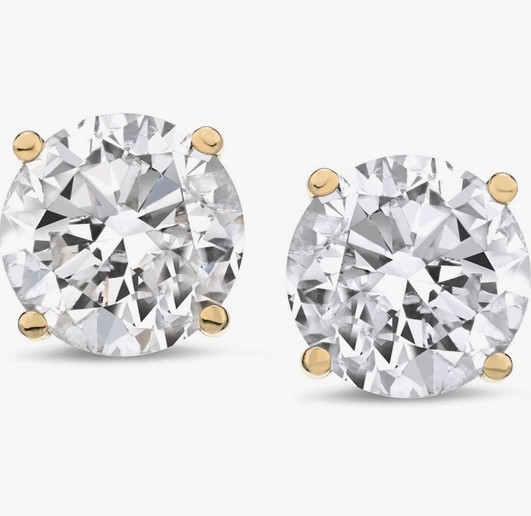
1 to 6 Carat LAB GROWN Solitaire Diamond Stud Earrings Round Cut 4 Prong Screw Back (F-G Color, VS1-VS2 Eye Clean Clarity)
2 Carat Solitaire Diamond Ring: The Complete Buyer’s Guide
A 2 carat solitaire diamond ring is the purest expression of timeless elegance — a single, stunning diamond allowed to shine entirely on its own. With nothing to distract the eye, a 2 carat solitaire diamond ring puts all the focus on the brilliance, size, and beauty of the center stone. It’s the most classic engagement ring style for a reason: clean, refined, and endlessly versatile. If you want a design that never goes out of fashion, a 2 carat solitaire diamond ring is the perfect choice. This guide explains everything that shapes the look, quality, and value of a 2 carat solitaire diamond ring, so you can choose with total confidence.
At Mycaratdiamond, every 2 carat solitaire diamond ring is crafted from a real, certified lab grown diamond set in enduring precious metal — the combination that delivers extraordinary brilliance at a genuinely accessible price.
What Is a Solitaire Diamond Ring?
A solitaire is a ring featuring one single diamond, with no side stones, halo, or accent diamonds. The word itself means “alone,” and that’s exactly the appeal: the stone stands by itself as the undisputed star. A 2 carat solitaire diamond ring showcases a substantial 2 carat diamond mounted on a clean band, so every bit of attention — and every ray of light — goes straight to the center stone. This timeless simplicity is what makes the solitaire the most enduring and beloved ring style of all.
Why Choose a 2 Carat Solitaire Diamond Ring?
There are many reasons a 2 carat solitaire diamond ring remains the gold standard:
- Timeless style: a 2 carat solitaire diamond ring never goes out of fashion and suits every taste.
- Maximum focus on the diamond: with no accent stones, the 2 carat center stone takes center stage and can look even larger.
- Brilliant light: an open, uncluttered setting lets light flood the diamond, maximizing sparkle.
- Budget where it counts: because you’re not paying for side stones, more of your budget goes into the center diamond of your 2 carat solitaire diamond ring.
- Easy to pair: a 2 carat solitaire diamond ring stacks beautifully with almost any wedding band.
How Big Does a 2 Carat Solitaire Diamond Ring Look?
Because a solitaire has nothing competing for attention, a 2 carat center stone makes a powerful impression. A round 2 carat diamond measures roughly 8 millimeters across, while elongated shapes like oval and pear appear even larger thanks to their length. The clean, minimal band of a 2 carat solitaire diamond ring also makes the diamond look bigger by comparison, since there are no smaller stones to shrink it visually. The result is a bold, confident look that’s clearly visible and beautifully proportioned.
What Determines the Price of a 2 Carat Solitaire Diamond Ring?
No two rings are identical, so the price of a 2 carat solitaire diamond ring is never a single fixed number. Several measurable factors work together to set the final figure:
- Origin (natural vs. lab grown) — the single biggest driver of a 2 carat solitaire diamond ring‘s price.
- The 4Cs — Carat weight, Color, Clarity, and Cut.
- Diamond shape — round brilliants typically cost more per carat than fancy shapes.
- Metal and setting — 14K gold, 18K gold, or platinum, plus the prong style.
- Certification and craftsmanship — independent grading and the finish quality of the piece.
Because a solitaire has no accent stones, the center diamond is by far the largest cost — which is exactly why understanding the 4Cs matters so much when buying a 2 carat solitaire diamond ring.
Natural vs. Lab Grown 2 Carat Solitaire Diamond Ring
This is where the price gap is most dramatic. A natural 2 carat diamond is rare and carries a steep premium. A lab grown 2 carat solitaire diamond ring, by contrast, offers the same sparkle, the same durability, and the same certified quality for a fraction of the cost — often a small percentage of the natural equivalent.
Lab grown diamonds are chemically, physically, and optically identical to mined diamonds. They earn a perfect 10 on the Mohs hardness scale and display the same fire and brilliance. The only difference is origin: lab grown stones are created in a controlled environment rather than deep underground. That efficiency is precisely why a lab grown 2 carat solitaire diamond ring makes a bold 2 carat look so attainable.
As a general guide, a quality lab grown 2 carat solitaire diamond ring typically lands in the low-to-mid four figures, while a comparable natural version can cost several times more for the same size and appearance — letting you put a bigger, brighter diamond front and center.
The 4Cs and Your 2 Carat Solitaire Diamond Ring
In a solitaire, the diamond is everything, so the 4Cs matter more here than in almost any other style.
Carat weight is the headline. At 2 carats, the stone has real presence — substantial and eye-catching, and beautifully showcased by the minimal setting of a 2 carat solitaire diamond ring.
Color runs from colorless (D) downward. A near-colorless E-F grade keeps the diamond bright and white while avoiding the steep premium of a flawless D. Because a solitaire offers nowhere to hide, a clean near-colorless grade keeps your 2 carat solitaire diamond ring looking crisp and icy.
Clarity measures internal characteristics. A VS-SI range delivers eye-clean diamonds — no inclusions visible to the naked eye — which protects brilliance while keeping your 2 carat solitaire diamond ring priced efficiently.
Cut is the most important C for sparkle, and it’s especially critical in a solitaire where the diamond stands alone. Precise faceting maximizes light return, so a well-cut 2 carat solitaire diamond ring looks brighter, larger, and livelier. Never compromise on cut.
Choosing the Diamond Shape for a Solitaire
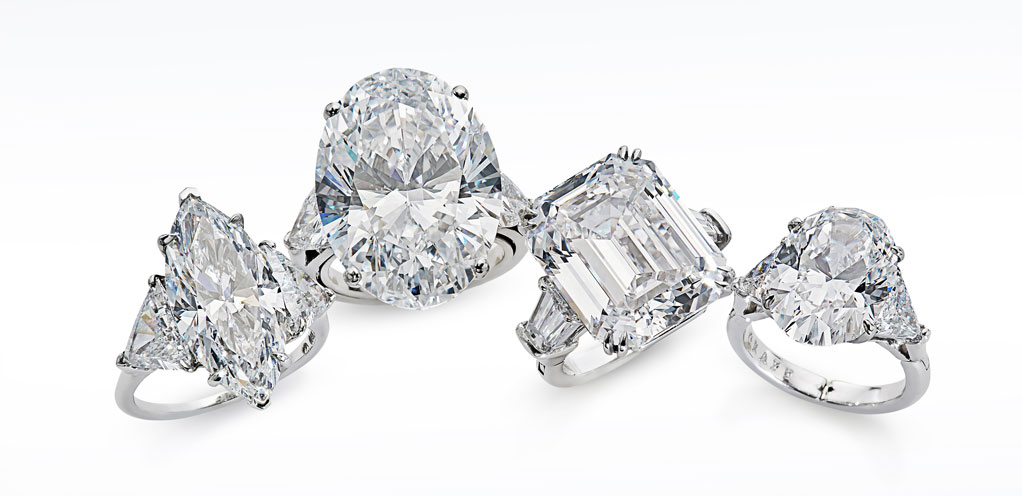
A solitaire can showcase any diamond shape, and the choice completely transforms the personality of a 2 carat solitaire diamond ring:
- Round brilliant: the most popular and classic choice, with unmatched sparkle.
- Oval: elongates the finger and looks larger than its weight suggests.
- Cushion: soft, rounded corners with romantic, vintage fire.
- Princess: sharp, modern square geometry with brilliant shine.
- Emerald and pear: sophisticated, distinctive shapes that make a striking solitaire.
Fancy shapes often cost less per carat than round brilliants, so they can give your 2 carat solitaire diamond ring a unique look while stretching your budget.
Prongs and Metal: Settings for a 2 Carat Solitaire Diamond Ring
The setting in a solitaire is all about secure, elegant prongs that lift the diamond into the light. Common choices for a 2 carat solitaire diamond ring include:
- Four-prong: shows more of the diamond and creates a clean, open look.
- Six-prong: a classic, ultra-secure setting that gently frames a round stone.
- Cathedral: graceful arches of metal that lift and support the diamond.
- Knife-edge or comfort band: band styles that complement the center stone of your 2 carat solitaire diamond ring.
Metal choice matters too. 14K and 18K gold offer warm, classic luxury in white, yellow, or rose, while platinum delivers a premium, naturally white finish. A secure prong setting protects the diamond and keeps your 2 carat solitaire diamond ring safe through years of everyday wear.
Why Lab Grown Makes the 2 Carat Solitaire Diamond Ring Attainable
Lab grown diamonds are produced using two advanced methods — HPHT (High Pressure High Temperature) and CVD (Chemical Vapor Deposition). Both recreate the natural diamond-forming process, but far more efficiently. That efficiency is why a lab grown 2 carat solitaire diamond ring offers such remarkable value.
Crucially, this lower price involves no compromise on quality. You are not buying a simulant or imitation — you are buying a real, certified diamond graded by the same 4Cs and indistinguishable from a mined stone without specialized equipment. For most buyers, a lab grown 2 carat solitaire diamond ring is the clear value winner, letting you put a larger, higher-quality diamond center stage for the budget you have.
How to Choose the Perfect 2 Carat Solitaire Diamond Ring
To secure the best value without sacrificing beauty, keep these tips in mind when choosing a 2 carat solitaire diamond ring:
- Prioritize cut quality. In a solitaire, cut is what makes the diamond truly sparkle, so it’s the one spec never to compromise on.
- Favor E-F color and eye-clean VS-SI clarity. This combination looks stunning and keeps your 2 carat solitaire diamond ring priced efficiently.
- Pick a shape you love. The shape defines the entire character of your 2 carat solitaire diamond ring.
- Choose a secure prong setting. Four or six prongs keep your diamond safe and brilliantly lit.
- Choose lab grown. It’s the most direct way to make a 2 carat solitaire diamond ring affordable while keeping a genuine diamond.
- Insist on certification. Independent grading confirms you’re paying a fair price for real quality.
Bottom line: a 2 carat solitaire diamond ring brings together timeless simplicity, brilliant sparkle, and bold size in one unforgettable, classic design. With a premium lab grown diamond in a near-colorless, eye-clean grade, set in beautifully crafted gold or platinum, you can own a true 2 carat statement at a price that finally makes sense. Explore our collection above to find the perfect 2 carat solitaire diamond ring for you.
A 2 carat solitaire diamond ring represents one of the most coveted choices in fine jewelry, measuring approximately 8.1mm in diameter for round cuts and commanding price ranges from $8,000 to $50,000 depending on quality grades. This substantial stone size delivers remarkable visual impact while maintaining elegance and wearability for daily use. A 2 carat solitaire diamond ring offers the perfect balance between impressive presence and practical luxury, making it an ideal choice for those seeking a statement piece that doesn’t overwhelm the finger. The classic solitaire setting allows the diamond’s natural beauty to take center stage without competing elements.
What Is a 2 Carat Solitaire Diamond Ring?
Understanding the fundamentals of this ring style begins with recognizing that carat weight measures the diamond’s mass, with one carat equaling 200 milligrams. A 2 carat solitaire diamond ring features a single diamond weighing exactly two carats, mounted in a simple setting that elevates the stone above the band. This classic design philosophy emphasizes the diamond’s inherent beauty without additional accent stones or elaborate metalwork competing for attention.
The solitaire mounting typically consists of four to six prongs that secure the diamond while allowing maximum light entry from all angles. This setting style has remained popular for over a century because it showcases the diamond’s cut quality, brilliance, and fire more effectively than busy designs. The clean lines and minimal metal presence create an timeless aesthetic that complements both contemporary and traditional tastes.
When properly proportioned, a 2 carat solitaire diamond ring creates substantial finger coverage without appearing gaudy or impractical. The stone’s diameter varies by shape, with round brilliant cuts measuring approximately 8.1mm, princess cuts around 7.3mm square, and oval cuts reaching 10.5mm in length. These dimensions provide impressive visual presence while remaining comfortable for everyday wear.
Professional gemologists classify diamonds reaching the two-carat threshold as entering the luxury category, where price increases become more dramatic with quality improvements. Unlike smaller stones where slight quality differences may not justify significant cost premiums, the enhanced size makes color and clarity variations more noticeable to the naked eye, requiring more careful selection criteria.
2 Carat Solitaire Diamond Ring Price Guide
Pricing for these magnificent stones varies dramatically based on the four Cs, with quality grades creating substantial value differences. Understanding these price ranges helps buyers establish realistic budgets and identify the best value opportunities within their financial parameters. Market conditions, diamond origin, and certification also influence final pricing beyond the basic quality factors.
- D–F color, VVS1–VVS2 clarity, Excellent cut: $25,000–$45,000
- A 2 carat solitaire diamond ring in G–H color, VS1–VS2 clarity, Very Good cut: $15,000–$28,000
- I–J color, SI1–SI2 clarity, Good cut: $8,000–$18,000
- A 2 carat solitaire diamond ring in K–M color, SI2–I1 clarity, Fair cut: $5,000–$12,000
- Lab-grown alternatives across all grades: $2,000–$8,000
Complete ring pricing including setting adds $800 to $3,000 depending on metal choice and craftsmanship level. Platinum settings command premium pricing due to material costs and durability, while 14k gold options provide excellent value with lasting beauty. Custom mounting work, engraving, or specialty finishes increase these baseline setting costs significantly.
The most dramatic price jumps occur between clarity grades at this carat weight, as inclusions become more visible in larger stones. A 2 carat solitaire diamond ring with VVS1 clarity can cost 40-60% more than a comparable VS2 stone, despite minimal visual differences to untrained observers. Smart buyers often find exceptional value in the VS1–VS2 range, where inclusions remain invisible without magnification while pricing stays reasonable.
The Four Cs for a 2 Carat Solitaire Diamond Ring
Cut quality becomes paramount at the two-carat level, as poor proportions create dead zones and light leakage that become glaringly obvious in larger stones. Excellent and Very Good cut grades maximize brilliance and fire, while Good cuts may appear noticeably duller despite identical color and clarity specs. The price difference between cut grades typically ranges from 10-25%, representing worthwhile investments in visual performance.
Color considerations require more attention in a 2 carat solitaire diamond ring compared to smaller stones, as tinting becomes more apparent across the increased surface area. Most buyers find G and H colors offer optimal value, appearing colorless in most lighting while avoiding the premium pricing of D-F grades. I and J colors may show slight warmth but remain acceptable choices when budget constraints exist, particularly in yellow gold settings that mask minor color variations.
Clarity standards can be relaxed somewhat at this size, as VS2 and SI1 grades often contain inclusions invisible to naked-eye observation. Professional viewing under magnification reveals these characteristics, but daily wear presents no visual distractions. SI2 grades require careful evaluation, as some stones in this category contain eye-visible inclusions while others remain perfectly clean in normal viewing conditions.
Carat weight precision matters significantly in the luxury market, with stones weighing exactly 2.00 carats commanding premiums over 1.95-1.99 carat alternatives. This psychological pricing barrier creates opportunities for savvy buyers willing to accept slightly under-weight stones that appear identical but cost 5-10% less. Conversely, buyers seeking maximum impact might consider 2.25-2.50 carat options that provide noticeable size increases for moderate price premiums.
Shape Options and Trade-Offs
Round brilliant cuts remain the most popular choice, delivering maximum sparkle through their 58-facet design optimized over decades of refinement. This classic shape shows color and clarity most favorably while maintaining the highest resale values in secondary markets. However, round diamonds also command 15-25% price premiums over comparable fancy shapes due to higher demand and material waste during cutting.
Princess cuts offer contemporary appeal with sharp, geometric lines that appeal to modern tastes. These square stones provide excellent brilliance while typically costing 20-30% less than round alternatives. The pointed corners require protective prong placement to prevent chipping, making setting selection crucial for long-term durability. Color grades can be relaxed slightly in princess cuts, as the brilliant faceting helps mask faint tinting.
Oval, marquise, and pear shapes create elongated appearances that can make fingers appear more slender while maximizing visual impact per carat. These fancy shapes often appear larger than round stones of identical weight due to their extended dimensions. However, they may show color more readily and require careful attention to symmetry and proportions to avoid undesirable optical effects like bow-tie patterns.
Emerald and Asscher cuts showcase clarity through their step-cut faceting, creating elegant hall-of-mirrors effects distinct from brilliant-cut sparkle. These sophisticated shapes require higher clarity grades since their large, open facets reveal inclusions more easily. Color requirements also increase, as step cuts display tinting more prominently than brilliant alternatives. The trade-off involves reduced fire and scintillation in exchange for sophisticated elegance and vintage appeal.
Wearing a 2 Carat Solitaire Diamond Ring: Size and Presence
The substantial presence of this ring size creates dramatic visual impact while remaining appropriate for professional and social settings. Most wearers find the dimensions comfortable for daily activities, though some adjustment period may be necessary for those accustomed to smaller stones. The elevated profile typical of solitaire settings can catch on clothing or gloves, requiring mindful handling during routine tasks.
Finger coverage varies significantly based on hand size and finger width, with average proportions creating elegant presence without overwhelming the wearer. Smaller hands may find a 2 carat solitaire diamond ring appears more prominent, while larger hands can accommodate the size effortlessly. Ring size also affects visual proportions, as wider bands on larger finger sizes provide better balance with substantial center stones.
Professional considerations become relevant for certain occupations requiring frequent hand use or sterile environments. Healthcare workers, chefs, and laboratory personnel may need to remove rings during work hours, making security and insurance important considerations. The substantial value also raises concerns about theft or loss, particularly during travel or high-risk activities.
Lifestyle compatibility requires honest assessment of daily activities and wearing habits. Active individuals participating in sports, fitness routines, or manual work should consider the ring’s vulnerability to impact damage. Even minor chips or scratches become more costly to repair on larger stones, making protective measures or occasional removal advisable during high-risk activities.
Setting Recommendations
Classic four-prong settings provide optimal light entry while maintaining secure stone retention, representing the most popular choice for solitaire mountings. The prong tips should be properly rounded and polished to prevent catching while maintaining sufficient metal thickness for long-term durability. Platinum prongs offer superior strength and tarnish resistance, while gold alternatives provide warmth and traditional appeal at lower costs.
Six-prong settings add security for valuable stones while creating slightly different visual effects through increased metal presence around the diamond’s perimeter. This configuration works particularly well for round stones, as the additional prongs align with natural stress points in the crystal structure. The extra security may justify the minor reduction in light entry for particularly active wearers or valuable specimens.
Cathedral settings elevate the diamond higher above the band through graceful arches of metal, creating dramatic profiles and enhanced light entry from below. These sophisticated mountings complement the substantial presence of two-carat stones while providing excellent protection for the pavilion facets. However, the increased height may reduce daily practicality and increase snag risks during routine activities.
Bezel settings completely surround the diamond’s girdle with metal, offering maximum protection while creating sleek, contemporary appearances. This mounting style works exceptionally well for active lifestyles but reduces light entry and may make the stone appear slightly smaller. Modern partial bezels combine security benefits with enhanced brilliance by leaving portions of the girdle exposed while protecting vulnerable areas.
Certification: What a 2 Carat Solitaire Diamond Ring Certificate Should Show
Gemological Institute of America (GIA) reports remain the gold standard for diamond certification, providing unbiased quality assessments that command universal recognition. These comprehensive documents detail all relevant characteristics including exact carat weight, color and clarity grades, cut quality metrics, and fluorescence properties. The report number enables online verification of authenticity and prevents certificate switching or alteration.
American Gem Society (AGS) certificates offer alternative grading with numerical scales that some buyers prefer over GIA’s letter-based system. Their cut grading tends to be more stringent, with AGS Ideal cuts representing exceptional light performance. Both organizations maintain similar standards for color and clarity, making either certification acceptable for a 2 carat solitaire diamond ring purchase.
Detailed measurements become crucial at this carat weight, as slight variations in depth percentages and table sizes significantly affect visual performance. The certificate should specify diameter, depth, table percentage, crown and pavilion angles, and girdle characteristics. These technical specifications help buyers understand how the diamond will perform optically and whether the proportions create optimal brilliance.
Plotting diagrams map the exact locations and characteristics of clarity features, enabling buyers to understand which inclusions affect the stone’s appearance and structural integrity. Internal characteristics like crystals, feathers, or clouds receive detailed notation, while surface features including naturals, extra facets, or polishing marks are clearly identified. This information proves invaluable for insurance purposes and future appraisals.
Comparing Nearby Carat Weights
The decision between 1.75-carat and 2-carat stones often comes down to budget flexibility versus psychological satisfaction of reaching the two-carat milestone. Visual differences remain minimal between these weights, with diameter variations of approximately 0.2mm in round stones. However, pricing gaps can reach 15-20% due to the psychological importance of round carat weights in consumer preferences.
Buyers considering 2.25 or 2.5-carat alternatives should evaluate whether the additional visual impact justifies substantially higher costs. These larger stones provide noticeable presence increases and may represent better long-term investments for those planning to upgrade eventually. The diameter increase to approximately 8.4mm for 2.25-carat rounds creates meaningful visual differences that justify consideration.
Half-carat intervals below the two-carat threshold offer compelling value opportunities for budget-conscious buyers willing to sacrifice prestige for practical benefits. A well-cut 1.5-carat stone costs significantly less while providing substantial presence and beauty. The key lies in finding stones that maximize visual impact through excellent proportions and quality grades rather than focusing solely on carat weight.
Market dynamics favor certain carat weights due to popular demand, creating pricing inefficiencies that informed buyers can exploit. Weights like 1.90, 2.20, or 2.70 carats may offer better value than round numbers while providing virtually identical visual impact. Professional guidance helps identify these opportunities while ensuring the selected stone meets quality expectations regardless of exact weight specifications.
Where to Buy
Online retailers increasingly dominate the diamond market through competitive pricing, extensive inventory, and detailed imagery that enables remote evaluation. Reputable online sellers provide high-resolution photos, video capabilities, and detailed specifications that often exceed what’s available through traditional brick-and-mortar stores. Return policies and certification requirements offer protection for buyers willing to make substantial purchases without physical inspection.
Local jewelers provide hands-on evaluation opportunities and personalized service that many buyers value for significant purchases. The ability to compare multiple stones side-by-side under consistent lighting conditions helps buyers understand subtle quality differences that photographs cannot convey. Established local relationships also facilitate future services like cleaning, maintenance, and potential upgrades through trade-in programs.
Wholesale dealers and diamond districts in major cities offer access to extensive inventory at competitive prices, though these venues typically require more diamond knowledge for successful navigation. Buyers comfortable with technical specifications and grading nuances may find exceptional values through wholesale channels. However, return policies tend to be more restrictive, and buyer expertise becomes crucial for avoiding costly mistakes.
Auction houses and estate sales occasionally present unique opportunities for vintage or antique pieces with historical significance. These venues require careful evaluation of condition, certification, and provenance, as older stones may not meet modern cutting standards or certification requirements. Professional appraisal becomes essential for determining fair market value and ensuring adequate insurance coverage for purchased pieces.
Frequently Asked Questions
How much should I expect to pay for a 2 carat solitaire diamond ring?
A 2 carat solitaire diamond ring typically ranges from $8,000 to $50,000 depending on quality grades, with most buyers finding excellent options in the $15,000-$28,000 range for good color, clarity, and cut combinations. Setting costs add $800-$3,000 depending on metal choice and craftsmanship level. Lab-grown alternatives offer similar beauty at 40-70% lower prices across all quality grades.
What ring size is best for a 2 carat diamond?
Ring size affects visual proportions significantly, with sizes 5-7 creating balanced appearances that showcase the stone’s presence without overwhelming smaller fingers. Larger ring sizes may require wider bands to maintain proper proportions, while smaller sizes might find the stone appears more prominent. Professional sizing ensures comfort and security for valuable pieces of this magnitude.
Is a 2 carat solitaire diamond ring too flashy for everyday wear?
It strikes an excellent balance between impressive presence and daily practicality, remaining appropriate for professional and social settings while delivering substantial visual impact. The classic solitaire design maintains elegance without appearing ostentatious, though individual comfort levels and lifestyle considerations vary. Most wearers adapt quickly to the size and find it perfectly suitable for routine activities.
What’s the difference between natural and lab-grown options?
Lab-grown diamonds offer identical physical, chemical, and optical properties at significantly lower prices, making two-carat sizes more accessible to broader audiences. Natural stones carry geological rarity and traditional prestige that some buyers prefer, along with stronger resale values in secondary markets. Both options provide identical beauty and durability, with personal values and budget considerations driving the choice.
How do I ensure my 2 carat solitaire diamond ring is authentic?
A 2 carat solitaire diamond ring should always include certification from recognized laboratories like GIA or AGS, providing detailed quality assessments and unique identification numbers for verification. Professional appraisal from independent gemologists offers additional authentication, while reputable sellers provide guarantees and return policies for buyer protection. Avoid uncertified stones at this value level regardless of attractive pricing.
What insurance considerations apply to these valuable rings?
Comprehensive jewelry insurance becomes essential for stones of this value, with annual premiums typically ranging from 1-2% of appraised value. Separate scheduling on homeowner’s policies or specialized jewelry insurance provides optimal protection against theft, loss, and damage. Regular appraisals every 3-5 years ensure coverage keeps pace with market value fluctuations and replacement costs.
Conclusion
A 2 carat solitaire diamond ring represents a significant investment in both financial and emotional terms, delivering exceptional beauty and lasting value when selected with careful attention to quality factors. The substantial presence and timeless elegance of this classic style continue appealing to discerning buyers seeking impressive luxury without excessive ostentation. Professional guidance, proper certification, and realistic budget planning ensure successful purchases that provide decades of satisfaction and pride.
The journey to selecting the perfect 2 carat solitaire diamond ring requires balancing quality aspirations with budget realities while considering lifestyle compatibility and personal preferences. Understanding the four Cs, certification importance, and market dynamics empowers buyers to make informed decisions that maximize value and beauty. For expert guidance and exceptional selection, explore the comprehensive resources available at Carat Diamond homepage.