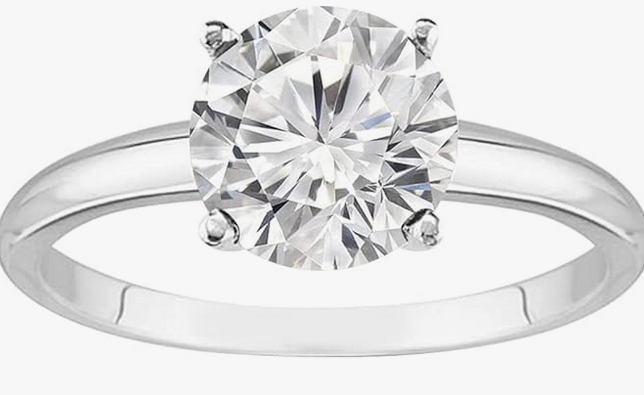
Houston Diamond District 1 to 10 Carat 14K White Gold IGI Certified Lab Grown Diamond Engagement Ring, Round Cut Solitaire, 4-Prong Setting (E–F Color VS2–SI1 Clarity)
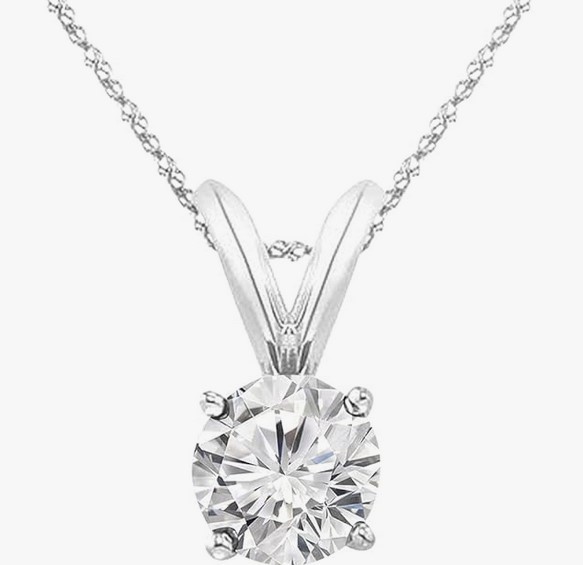
0.5-10 Carat Lab Grown Diamond Solitaire Pendant Necklace, Round Cut Solitaire, 4-Prong Setting, Jewelry for Women (E-F, VS)
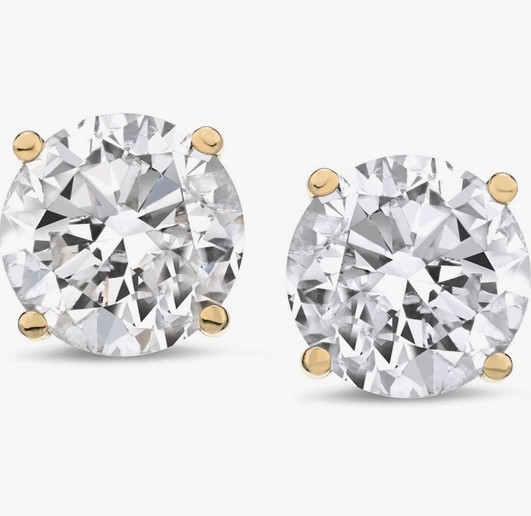
1 to 6 Carat LAB GROWN Solitaire Diamond Stud Earrings Round Cut 4 Prong Screw Back (F-G Color, VS1-VS2 Eye Clean Clarity)
8 Carat Diamond: The Complete Guide
An 8 carat diamond is a magnificent, dream-size gem — extravagant, brilliant, and truly unforgettable. At this exceptional size, an 8 carat diamond radiates a level of presence and sparkle reserved for the world’s most coveted jewelry. Whether you’re searching for a breathtaking engagement ring, a bold statement piece, or a loose stone for a custom creation, an 8 carat diamond sits at the very summit of luxury. And thanks to premium lab grown diamonds, owning an 8 carat diamond is far more attainable than most people would ever guess. This guide explains everything that shapes the beauty, size, and value of an 8 carat diamond, so you can shop with total confidence.
At Mycaratdiamond, every 8 carat diamond is real, certified, and crafted for maximum brilliance, so you can choose your dream stone with complete peace of mind.
How Big Is an 8 Carat Diamond?
Carat measures weight, but at eight carats the visual scale is simply stunning. A round 8 carat diamond measures roughly 13 millimeters across — a massive, commanding footprint that dominates the finger and dazzles from clear across a room. Elongated shapes such as oval, pear, and marquise appear even larger because their length spreads across more of the hand. However it’s worn, an 8 carat diamond reads as grand, opulent, and impossible to overlook — a genuine red-carpet stone with extraordinary impact.
What Determines the Price of an 8 Carat Diamond?
Because quality varies enormously, the price of an 8 carat diamond is never a single fixed number. Several measurable factors work together to set the final figure:
- Origin (natural vs. lab grown) — the single biggest driver of an 8 carat diamond‘s price.
- The 4Cs — Carat weight, Color, Clarity, and Cut.
- Shape — round brilliants typically cost more per carat than fancy shapes.
- Certification — independent grading verifies quality and supports a fair, transparent price.
- Setting and metal — for a finished ring, 14K gold, 18K gold, or platinum add to the total.
Once you understand how each factor moves the needle, spotting real value in an 8 carat diamond becomes simple.
Natural vs. Lab Grown 8 Carat Diamond
This is where the price gap is most dramatic — and at eight carats it is enormous. A natural 8 carat diamond is extraordinarily rare, since large, high-quality rough is exceptionally scarce, and it can command a price reaching well into the high six or seven figures. A lab grown 8 carat diamond, by contrast, offers the same sparkle, the same durability, and the same certified quality for a small fraction of that cost.
Lab grown diamonds are chemically, physically, and optically identical to mined diamonds. They earn a perfect 10 on the Mohs hardness scale and display the same fire and brilliance. The only difference is origin: lab grown stones are created in a controlled environment rather than deep underground. That efficiency is precisely why a lab grown 8 carat diamond makes a once-impossible dream size genuinely attainable. As a general guide, a quality lab grown 8 carat diamond typically lands in the high five to six-figure range, while a comparable natural stone can cost many times more. It’s worth noting that natural diamonds tend to hold more resale value, so if long-term resale is your priority, that’s a factor to weigh — but for sheer size and sparkle per dollar, lab grown is hard to beat.
The 4Cs of an 8 Carat Diamond
The 4Cs — Carat, Color, Clarity, and Cut — are the universal language of diamond quality, and at eight carats they are highly visible, so thoughtful choices matter more than ever.
Carat is the weight. At eight carats, the stone has show-stopping presence — a true statement of luxury.
Color runs from colorless (D) downward. A near-colorless E-F grade keeps the diamond bright and white while avoiding the steep premium of a flawless D. Because color is very easy to notice in a stone this large, a clean near-colorless grade helps an 8 carat diamond look crisp and icy.
Clarity measures internal characteristics. An eye-clean VS-SI range shows no inclusions visible to the naked eye, which protects brilliance and keeps the price efficient. Since a large stone reveals more detail, eye-clean clarity is especially important for an 8 carat diamond.
Cut is the most important factor for sparkle. Precise faceting maximizes light return, so a well-cut 8 carat diamond looks brighter, larger, and livelier. Always prioritize cut quality above the other Cs.
Best Shapes for an 8 Carat Diamond
Shape is a deeply personal choice and dramatically affects a diamond’s character:
- Round brilliant: the most popular shape, prized for maximum sparkle and timeless appeal.
- Oval: elongates the finger and looks even larger than its weight suggests.
- Cushion: soft, rounded corners with romantic, vintage fire.
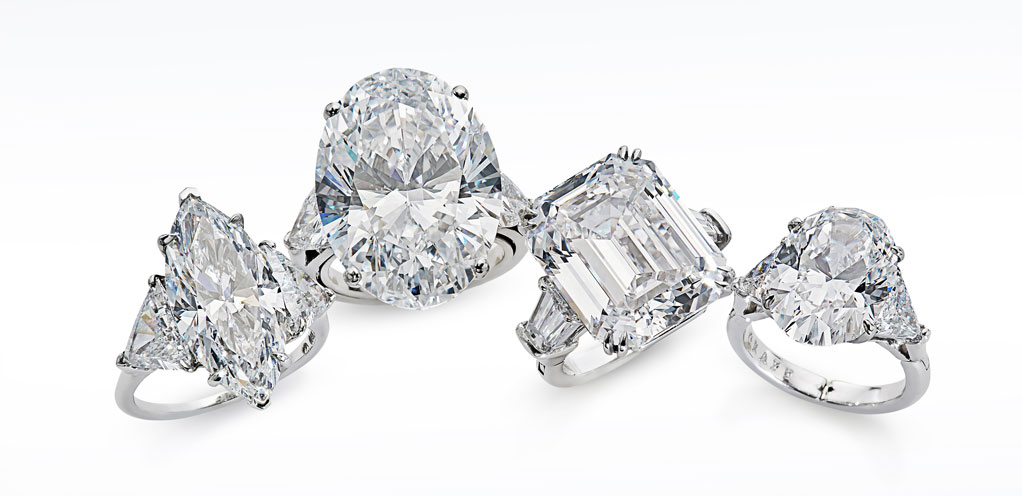
- Emerald and radiant: elegant rectangular outlines, from subtle step-cut sophistication to brilliant sparkle.
- Pear and marquise: distinctive shapes that maximize finger coverage and look the largest of all.
Fancy shapes often cost less per carat than round brilliants, so they can give your 8 carat diamond a unique look while stretching your budget.
Is an 8 Carat Diamond a Good Choice?
If you want maximum size, sparkle, and presence, an 8 carat diamond is an exceptional choice, and lab grown options make this dream size genuinely accessible. An 8 carat diamond makes an unforgettable engagement ring, anniversary gift, or personal milestone — a piece that radiates confidence and celebration. With the right balance of the 4Cs, it offers breathtaking beauty that lasts a lifetime.
Certification: Buy with Confidence
Always choose a certified diamond. An independent grading report from a respected laboratory confirms the stone’s carat weight, color, clarity, and cut, so you know exactly what you’re buying. Certification protects you, verifies authenticity, and ensures you’re paying a fair price for genuine quality. A reputable seller will provide grading documentation for every 8 carat diamond — essential peace of mind for a purchase of this significance.
How to Choose the Perfect 8 Carat Diamond
To get the best combination of beauty and value, keep these tips in mind when choosing an 8 carat diamond:
- Favor E-F color and eye-clean VS-SI clarity. These grades look stunning at this size while keeping the price efficient.
- Prioritize cut quality. Excellent faceting is what makes a large diamond truly sparkle.
- Pick a shape you love. Each shape gives an 8 carat diamond its own personality.
- Insist on certification. Independent grading confirms quality and a fair price.
- Consider the setting. A secure, expertly crafted mount protects a large, valuable stone and elevates everyday wearability.
Bottom line: an 8 carat diamond brings together grand size, brilliant sparkle, and pure red-carpet glamour in one extraordinary stone. With a real, certified diamond in a near-colorless, eye-clean grade and an excellent cut, you can own a true dream-size diamond at a price that finally makes sense. Explore our collection above to discover how attainable the perfect 8 carat diamond has become.
A 8 carat diamond represents the pinnacle of luxury and sophistication in diamond jewelry, measuring approximately 13.0mm in diameter for a round brilliant cut. This extraordinary gemstone delivers breathtaking visual impact that commands attention from across any room, making it a statement piece reserved for those who appreciate true magnificence. With prices typically ranging from $80,000 to $400,000 depending on quality factors, an 8 carat diamond requires careful consideration of cut, color, clarity, and certification. The substantial size creates exceptional light performance when properly cut, producing fire and brilliance that smaller diamonds simply cannot match in their spectacular display of optical beauty.
What Is a 8 carat diamond?
An 8 carat diamond weighs exactly 1.6 grams and represents one of the most substantial diamond sizes available in the luxury jewelry market. The term “carat” derives from the carob seed, which ancient diamond traders used as a standard weight measurement due to their remarkably consistent mass. In modern gemology, one carat equals precisely 200 milligrams, making this exceptional stone a significant investment in both monetary and emotional terms. The rarity of diamonds increases exponentially with size, positioning 8 carat specimens among the most exclusive gemstones available to discerning collectors and connoisseurs.
The physical dimensions of this impressive stone vary significantly based on the chosen cut, with round brilliant cuts measuring approximately 13.0mm in diameter and 7.8mm in depth. Princess cuts typically measure 10.5mm × 10.5mm, while emerald cuts extend to approximately 12.0mm × 9.0mm, creating distinctly different visual presentations on the hand. These substantial measurements create a commanding presence that transforms any piece of jewelry into a museum-quality showcase. The surface area covers significantly more finger real estate than smaller diamonds, requiring careful consideration of proportions and setting design to achieve optimal aesthetic balance.
When properly cut and proportioned, an 8 carat diamond exhibits extraordinary light performance characteristics that smaller stones cannot replicate. The increased crown height and pavilion depth allow for more complex light interactions, creating deeper flashes of fire and more intense scintillation patterns. Professional gemologists recognize these larger specimens as opportunities to showcase the diamond cutter’s supreme skill, as every facet angle becomes critical to maximizing the stone’s natural beauty. The substantial weight also provides greater design flexibility for jewelers, enabling more elaborate setting styles and complementary accent stones.
Market availability for diamonds of this caliber remains extremely limited, with most high-end retailers maintaining inventory of fewer than a dozen certified specimens at any given time. The 8 carat diamond represents approximately 0.001% of all diamonds mined globally, making each stone a genuinely rare find. This scarcity drives both desirability and value appreciation over time, particularly for specimens exhibiting superior color, clarity, and cut quality grades. Serious buyers often work directly with specialized dealers who maintain relationships with cutting houses and private collectors to source these exceptional gemstones.
8 carat diamond Price Guide
Understanding the pricing structure for an 8 carat diamond requires careful analysis of quality factors, market conditions, and certification standards. Prices vary dramatically based on the four Cs, with premium specimens commanding significantly higher values than those with visible inclusions or lower color grades. The following price ranges reflect current market conditions for certified natural diamonds from reputable dealers, though individual stones may vary based on specific characteristics and provenance.
- D–F color, FL–VVS2 clarity, Excellent cut: $320,000–$450,000
- G–H color, VVS1–VS1 clarity, Very Good–Excellent cut: $200,000–$280,000
- A 8 carat diamond in I–J color, VS2–SI1 clarity, Good–Very Good cut: $140,000–$200,000
- A 8 carat diamond in K–L color, SI1–SI2 clarity, Fair–Good cut: $100,000–$160,000
- A 8 carat diamond in lower color grades, I1–I2 clarity: $80,000–$120,000
Complete engagement ring pricing includes the center stone, setting, and any accent diamonds, typically adding $5,000 to $25,000 to the total investment depending on design complexity and metal choice. Platinum settings with micropavé details command premium pricing, while simpler solitaire designs in 14k gold offer more accessible options. The substantial size requires robust prong construction and potentially custom sizing to accommodate the ring’s increased profile and weight distribution.
- Platinum solitaire setting with 8-carat center stone: $325,000–$475,000
- 18k gold halo setting with accent diamonds: $210,000–$295,000
- Three-stone platinum setting with side stones: $155,000–$235,000
- Vintage-inspired setting with milgrain details: $145,000–$205,000
- Simple 14k gold cathedral setting: $85,000–$145,000
The Four Cs for a 8 carat diamond
Cut quality becomes absolutely critical when evaluating an 8 carat diamond, as poor proportions become magnified and immediately apparent in larger stones. The increased size demands precision cutting to achieve optimal light return, with even minor deviations from ideal angles creating noticeable dead spots or light leakage. Excellent and Very Good cut grades ensure maximum brilliance and fire, while Good grades may appear acceptable but lack the spectacular light performance expected at this investment level. The substantial crown and pavilion dimensions allow skilled cutters to create extraordinary depth and complexity in the stone’s optical characteristics.
Color evaluation requires heightened attention in diamonds of this magnitude, as the increased body color becomes more apparent compared to smaller stones. While D and E grades represent absolute colorlessness, F and G grades often provide excellent value with minimal perceptible warmth to most observers. An 8 carat diamond in H color may show slight warmth when viewed against pure white backgrounds, but many buyers find this acceptable given the significant cost savings. I and J grades display noticeable yellow tints that some buyers actually prefer for their warmer, more vintage appearance.
Clarity standards shift dramatically for stones of this size, as inclusions that might be eye-clean in smaller diamonds become readily visible in larger specimens. VVS1 and VVS2 grades ensure absolute eye-cleanliness even under close inspection, while VS1 and VS2 grades typically remain eye-clean for most observers under normal viewing conditions. The 8 carat diamond with SI1 clarity requires careful individual evaluation, as inclusion visibility varies significantly based on type, position, and color. SI2 and lower grades generally show visible inclusions that may detract from the stone’s overall beauty and value.
Carat weight obviously remains fixed at exactly 8.00 carats, but buyers should understand how this weight distributes across different cutting styles. Round brilliant cuts maximize light performance but sacrifice some face-up size compared to fancy shapes like oval or marquise cuts. Emerald and Asscher cuts emphasize the stone’s clarity and create a sophisticated, vintage aesthetic that many collectors prefer. The substantial weight allows for deeper pavilions and higher crowns, enabling cutting styles that wouldn’t be practical in smaller diamonds while maintaining proper proportions and light return characteristics.
Wearing a 8 carat diamond: Size and Presence
The visual impact of an 8 carat diamond extends far beyond mere size measurements, creating an unmistakable aura of luxury and sophistication that transforms any jewelry piece into a conversation starter. On the average finger, this substantial stone covers approximately 133 square millimeters of surface area, creating a commanding presence that draws immediate attention from across crowded rooms. The height profile typically extends 7-8mm above the finger, requiring adjustment periods for new wearers unaccustomed to such substantial jewelry. Many owners discover that the stone’s presence enhances their confidence and sense of personal style in unexpected ways.
Practical wearing considerations become important factors when selecting and enjoying diamonds of this caliber, as the increased size and weight create different daily wear experiences compared to smaller stones. The substantial profile may catch on clothing, purse straps, or gloves, requiring conscious awareness during routine activities like typing, driving, or household tasks. Professional women often choose to wear their spectacular rings during evening events and special occasions while selecting smaller daily wear alternatives for workplace environments. The 8 carat diamond demands respect and careful handling to maintain its pristine condition over decades of enjoyment.
Hand size and finger length significantly influence how effectively this impressive stone presents itself, with longer, more slender fingers typically showcasing the proportions most elegantly. However, the substantial surface area can actually make shorter fingers appear longer by creating vertical emphasis, particularly in oval or marquise cutting styles. Ring finger sizes between 5.5 and 7.5 generally provide optimal proportional balance, though personal preference and individual hand characteristics ultimately determine the most flattering presentation. Professional jewelers often recommend trying similar-sized cubic zirconia samples to evaluate comfort and aesthetic preferences before making final purchasing decisions.
The psychological impact of wearing such an extraordinary diamond extends beyond mere aesthetics, often becoming a source of personal empowerment and family legacy. Many owners report increased attention to hand care, nail maintenance, and overall presentation, as the stunning centerpiece naturally draws focus to these details. The substantial investment also encourages more thoughtful jewelry storage, insurance coverage, and security considerations. This magnificent stone often becomes a cherished family heirloom, passed between generations as a symbol of enduring love, success, and sophisticated taste that transcends temporary fashion trends.
Shape Options and Trade-Offs
Round brilliant cuts remain the most popular choice for diamonds of this magnitude, delivering maximum fire and brilliance through their precisely calculated 57-facet design. The circular shape maximizes light return and creates the most traditional, timeless appearance that appeals to broad audiences and maintains strong resale value over time. However, round cuts sacrifice approximately 10-15% of the rough diamond during cutting, making them typically more expensive per carat compared to fancy shapes. The 8 carat diamond in round brilliant cut measures approximately 13.0mm in diameter, creating substantial finger coverage while maintaining perfect symmetry and optimal light performance characteristics.
Princess cuts offer a contemporary square alternative that appeals to buyers seeking modern sophistication and maximum face-up size for their investment. The sharp corners and geometric lines create a distinctly different aesthetic compared to round stones, while the modified brilliant cutting style maintains excellent fire and scintillation. These square diamonds typically measure 10.5mm × 10.5mm, providing substantial presence while requiring protective prong placement at the vulnerable corner points. Princess cuts generally cost 10-20% less than comparable round diamonds, offering significant value advantages for budget-conscious buyers who appreciate contemporary styling over traditional round shapes.
Oval cuts present an elegant compromise between round and fancy shapes, offering increased face-up size while maintaining the brilliant cutting style’s exceptional light performance. The elongated profile creates a sophisticated, feminine appearance that many buyers find more flattering on their hands compared to round or square alternatives. An 8 carat diamond in oval cut typically measures 15.0mm × 10.5mm, covering more finger real estate than any other popular shape while maintaining excellent brilliance and fire. However, buyers must carefully evaluate bow-tie effects, which can create dark areas across the stone’s center when cutting proportions aren’t perfectly optimized.
Emerald and Asscher cuts represent the pinnacle of sophisticated elegance, emphasizing clarity and creating stunning hall-of-mirrors optical effects through their step-cut faceting patterns. These shapes demand higher clarity grades since inclusions become more apparent in the large, open facets, but they reward discriminating buyers with unique beauty that stands apart from traditional brilliant cuts. The rectangular emerald cut typically measures 12.0mm × 9.0mm, while the square Asscher cut measures approximately 10.0mm × 10.0mm. Both shapes offer distinctive vintage charm and sophisticated aesthetics that appeal to buyers seeking individuality and timeless elegance rather than maximum sparkle and fire.
Certification: What a 8 carat diamond Certificate Should Show
Professional gemological certification becomes absolutely essential when purchasing an 8 carat diamond, as the substantial investment demands authoritative verification of quality characteristics and natural origin. The Gemological Institute of America (GIA) remains the gold standard for diamond grading, providing internationally recognized assessments that ensure accurate quality representation and strong resale value protection. Each certificate includes detailed plotting of internal characteristics, precise measurements, and comprehensive analysis of color, clarity, cut, and carat weight using standardized grading procedures. The substantial value at stake makes certification from reputable laboratories a non-negotiable requirement for serious buyers.
Essential certificate information includes exact carat weight to the hundredth (8.00 carats), precise millimeter measurements, and detailed clarity plotting showing the position, nature, and relative size of any internal or external characteristics. Color grading from D through Z provides standardized assessment of body color intensity, while clarity grades from Flawless through I3 indicate the relative visibility of inclusions under 10x magnification. The 8 carat diamond certificate should also include cut grading for round brilliant shapes, evaluating proportions, symmetry, and polish quality that directly impact light performance and overall beauty. Fluorescence assessment indicates the stone’s reaction to ultraviolet light, which may affect appearance under certain lighting conditions.
Advanced certification features include detailed proportion analysis, showing table percentage, crown angle, pavilion angle, and girdle thickness measurements that determine light performance characteristics. Professional photographs and inclusion plots provide permanent records of the stone’s unique identifying characteristics, serving as fingerprints for insurance and authentication purposes. Many certificates now include additional comments about cutting style variations, treatment disclosure, and origin determination for colored diamonds. The substantial investment level justifies requesting additional documentation such as Sarin or OGI proportion reports that provide even more detailed cutting analysis for discriminating buyers.
Certificate verification through laboratory databases ensures authenticity and protects against fraudulent documentation, which unfortunately exists in the high-value diamond market. Reputable dealers provide easy access to online verification systems where buyers can confirm certificate details using report numbers and carat weights. The 8 carat diamond certificate serves as the foundation for insurance appraisals, resale transactions, and estate planning documentation throughout the stone’s lifetime. Buyers should always insist on seeing original certificates rather than photocopies, and should independently verify report numbers through official laboratory websites before finalizing purchases of this magnitude.
Setting Recommendations
Selecting an appropriate setting for an 8 carat diamond requires careful consideration of both aesthetic preferences and structural requirements, as the substantial size and weight demand robust construction and thoughtful design elements. Classic six-prong solitaire settings remain timelessly elegant while providing maximum light entry and secure stone retention through strategically positioned platinum or 18k gold prongs. The elevated cathedral style lifts the diamond prominently above the finger, showcasing its full beauty while creating graceful lines that complement the stone’s proportions. However, the increased profile requires careful evaluation of daily wear practicality and potential catching on clothing or other objects during routine activities.
Halo settings create even more dramatic visual impact by surrounding the center stone with smaller accent diamonds, effectively increasing the overall appearance size while adding spectacular additional sparkle and fire. The contrast between the substantial center diamond and delicate micropavé work creates sophisticated layering that appeals to buyers seeking maximum presence and luxury aesthetics. Professional jewelers typically recommend using at least 60-80 points total weight in accent diamonds to maintain proper proportional balance with the impressive center stone. The additional diamonds require expert setting work and increase maintenance requirements, but create unparalleled visual drama that justifies the added complexity and cost.
Three-stone settings offer meaningful symbolism while providing structural support through multiple substantial diamonds sharing the overall visual weight and physical stress. Side stones typically range from 1.0 to 2.0 carats each, creating balanced compositions that don’t compete with the magnificent center diamond while adding substantial additional sparkle. The distributed weight across multiple mounting points reduces stress on individual prongs and creates more comfortable wearing characteristics compared to single large stone settings. Many couples choose three-stone designs to represent their past, present, and future together, adding sentimental significance to the already impressive visual impact of this extraordinary center stone.
Vintage-inspired settings incorporating milgrain details, engraving, and period-appropriate proportions create sophisticated alternatives that appeal to buyers seeking individual character and historical charm. Art Deco influenced designs with geometric patterns and contrasting metal combinations provide striking backdrops that enhance the diamond’s natural beauty through complementary rather than competing elements. Estate-style settings often feature more substantial shank construction and lower profiles that some wearers find more practical for daily activities. The substantial size allows for more elaborate decorative elements that might overwhelm smaller center stones, creating opportunities for truly unique custom designs that reflect personal style preferences and artistic sensibilities.
Comparing Nearby Carat Weights
The jump from 7 to 8 carats represents a significant milestone in both visual impact and market pricing, as diamonds crossing whole carat boundaries typically command premium valuations beyond their proportional size increases. A 7-carat diamond measures approximately 12.4mm in diameter, while the 8 carat diamond reaches 13.0mm, creating a 0.6mm difference that translates to noticeably increased finger coverage and presence. The price differential often ranges from 15-25% for comparable quality grades, reflecting both the increased rarity and the psychological appeal of reaching the prestigious 8-carat threshold. Many buyers find the visual and emotional impact of crossing this significant carat boundary justifies the additional investment required.
Comparing upward to 9-carat alternatives reveals diminishing returns in visual impact relative to price increases, as the jump from 8 to 9 carats adds only 0.5mm in diameter (13.0mm to 13.5mm) while potentially increasing costs by 20-30% or more. The substantial size of an 8 carat diamond already provides commanding presence that approaches the practical limits of comfortable daily wear for most people. Nine-carat stones venture into territory where wearing practicality becomes increasingly challenging, while the marginal visual improvement may not justify the significant additional investment. Many experienced diamond buyers consider the 8-carat range to represent the optimal balance between impressive size, wearability, and value efficiency.
Examining 6.5 and 7-carat alternatives provides perspective on the substantial visual leap that 8 carats represents, as these smaller sizes measure 11.7mm and 12.4mm respectively compared to the 13.0mm diameter of the featured stone. While these alternatives offer significant cost savings, ranging from 25-40% less expensive for comparable quality grades, the visual impact difference becomes immediately apparent when viewed side by side. The increased surface area of the 8 carat diamond creates exponentially greater light gathering and reflection capabilities, producing more intense fire and brilliance that smaller stones cannot match. Buyers considering these alternatives should view actual stones rather than relying on photographs to fully appreciate the substantial differences in presence and performance.
Half-carat variations such as 7.5 and 8.5 carats provide intermediate options that may offer better value positioning while maintaining substantial visual impact and prestige. These weights often receive less attention from other buyers, potentially creating negotiation opportunities with dealers seeking to move inventory efficiently. The visual differences between 8.0 and 8.5 carats remain minimal to most observers, while 7.5-carat alternatives sacrifice noticeable presence for meaningful cost savings. Professional gemologists often recommend focusing on cut quality and overall beauty rather than pursuing specific carat weights, as a superbly cut 7.8-carat stone may appear more impressive than a poorly proportioned 8.2-carat alternative while commanding lower pricing in the marketplace.
Where to Buy
Selecting a reputable dealer becomes critically important when purchasing an 8 carat diamond, as the substantial investment demands expertise, authenticity guarantees, and comprehensive after-sale support services. Established high-end jewelry retailers with decades of experience handling exceptional diamonds provide the knowledge base and industry connections necessary to source, evaluate, and properly present stones of this caliber. These specialists maintain relationships with cutting houses, estate collections, and private sellers that provide access to exceptional specimens rarely available through conventional retail channels. The complex nature of evaluating and pricing diamonds of this magnitude requires working with professionals who understand nuanced quality factors and market conditions.
Online diamond retailers have revolutionized access to exceptional stones, offering extensive inventories and competitive pricing through reduced overhead costs and direct supplier relationships. Reputable internet dealers provide detailed photographs, video presentations, and comprehensive certification information that enables informed remote evaluation and comparison shopping. However, the substantial investment level makes in-person inspection highly advisable before finalizing purchases, as subtle quality factors become increasingly important at this price range. Many online retailers maintain showroom facilities or offer viewing appointments where buyers can examine actual stones under proper lighting conditions with professional guidance and gemological equipment.
Auction houses and estate specialists present opportunities to acquire exceptional diamonds with interesting provenance and potentially favorable pricing compared to retail alternatives. These venues often feature stones from important collections, celebrity estates, or family inheritances that bring unique histories and sometimes superior quality characteristics. The 8 carat diamond acquired through auction may require additional evaluation, potential repolishing, or setting modifications, but can represent significant value opportunities for knowledgeable buyers. Professional preview periods allow detailed examination, while established auction houses provide authentication and condition reports that facilitate informed bidding decisions.
Private dealers and gemologists specializing in exceptional diamonds offer personalized service and access to exclusive inventory that may not be available through traditional retail channels. These professionals often work by appointment only, maintaining discrete client relationships and providing customized sourcing services for specific requirements. The substantial investment involved may justify working with specialized consultants who provide independent evaluation services, negotiation assistance, and ongoing relationship management. Many serious collectors develop long-term relationships with trusted dealers who understand their preferences and provide first access to exceptional stones as they become available in the marketplace, creating opportunities for acquiring truly extraordinary specimens.
Frequently Asked Questions
How big does a 8 carat diamond look on your finger?
8 carat diamond specimens create commanding presence that covers substantial finger real estate, measuring approximately 13.0mm in diameter for round cuts and creating unmistakable luxury impact. The substantial size extends 7-8mm above the finger surface, requiring adjustment periods for comfortable daily wear. Most wearers find the impressive proportions enhance their confidence and draw consistent compliments, though practical considerations like clothing compatibility become important factors for regular use.
What should I expect to pay for an exceptional quality stone?
Premium specimens with D-F color, VVS1-VVS2 clarity, and Excellent cut grades typically range from $320,000 to $450,000 depending on specific characteristics and market conditions. Complete engagement rings with platinum settings and accent diamonds often total $350,000 to $500,000 or more. Pricing varies significantly based on certification, dealer reputation, and individual stone characteristics, making professional evaluation essential for major purchases.
How rare is a 8 carat diamond in the market?
A 8 carat diamond represents approximately 0.001% of all diamonds mined globally, making each certified specimen genuinely rare and highly sought after by collectors. Most high-end retailers maintain inventory of fewer than a dozen stones at any given time, with exceptional quality specimens often pre-sold to established clients. The extreme rarity drives both current pricing and long-term value appreciation, particularly for stones with superior grading characteristics.
Which cut shape offers the best value and beauty?
Round brilliant cuts deliver maximum fire and brilliance while maintaining strong resale value, though they command premium pricing due to material loss during cutting. Princess cuts offer contemporary appeal with 10-20% cost savings, while oval cuts provide the largest face-up appearance. The choice ultimately depends on personal aesthetic preferences, as all shapes can create spectacular beauty when properly cut and proportioned for optimal light performance.
Do I need special insurance for such a valuable stone?
Specialized jewelry insurance becomes essential for protecting investments of this magnitude, requiring professional appraisals and comprehensive coverage including mysterious disappearance, damage, and loss scenarios. Standard homeowner’s policies provide inadequate coverage limits and exclusions that leave substantial gaps in protection. Professional appraisals should be updated every 2-3 years to reflect current market values and ensure adequate replacement coverage for this significant investment.
How do I verify authenticity when buying a 8 carat diamond?
8 carat diamond authenticity requires certification from reputable laboratories like GIA, along with independent verification through official database systems using certificate numbers and stone measurements. Professional gemological evaluation can confirm natural origin, treatment disclosure, and quality characteristics matching certificate specifications. Buyers should insist on seeing original certificates, verify report numbers online, and consider additional independent appraisals for purchases of this magnitude to ensure complete confidence in authenticity and value.
Conclusion
An 8 carat diamond represents the pinnacle of luxury diamond ownership, combining extraordinary size, exceptional beauty, and genuine rarity into a single magnificent gemstone that creates lasting impressions and family legacies. The substantial investment required demands careful consideration of quality factors, certification standards, and dealer reputation to ensure optimal value and long-term satisfaction. With proper selection and care, this impressive stone provides decades of enjoyment while serving as a valuable asset that typically appreciates over time.
The decision to purchase a 8 carat diamond involves both emotional and practical considerations that extend far beyond simple size comparisons, encompassing lifestyle factors, aesthetic preferences, and long-term ownership satisfaction. Whether chosen for engagement, anniversary, or investment purposes, this exceptional stone demands respect and appreciation for its natural beauty and market significance. For those ready to embrace the responsibility and joy of owning such a magnificent diamond, the rewards include unparalleled beauty and lasting value that justifies the substantial investment required. Explore exceptional diamond selections and expert guidance at our Carat Diamond homepage.