Houston Diamond District 1 to 10 Carat 14K White Gold IGI Certified Lab Grown Diamond Engagement Ring, Round Cut Solitaire, 4-Prong Setting (E–F Color VS2–SI1 Clarity)
0.5-10 Carat Lab Grown Diamond Solitaire Pendant Necklace, Round Cut Solitaire, 4-Prong Setting, Jewelry for Women (E-F, VS)
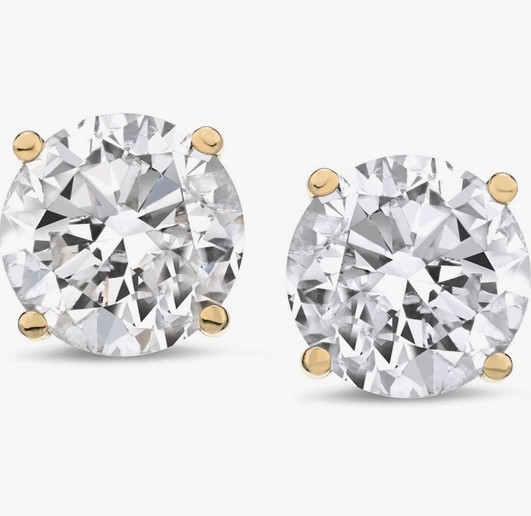
1 to 6 Carat LAB GROWN Solitaire Diamond Stud Earrings Round Cut 4 Prong Screw Back (F-G Color, VS1-VS2 Eye Clean Clarity)
3 Carat Pear Shaped Diamond Ring: The Complete Buyer’s Guide
A 3 carat pear shaped diamond ring is the perfect marriage of drama and grace. With its elegant teardrop silhouette, dazzling brilliance, and finger-lengthening shape, a 3 carat pear shaped diamond ring delivers serious size and effortless sophistication in one unforgettable design. The three-carat scale makes the pear’s distinctive outline even more striking, so a 3 carat pear shaped diamond ring truly commands attention. If you want a center stone that’s bold, romantic, and unmistakably chic, a 3 carat pear shaped diamond ring is a stunning choice. This guide explains everything that shapes the look, quality, and value of a 3 carat pear shaped diamond ring, so you can choose with total confidence.
At Mycaratdiamond, every 3 carat pear shaped diamond ring is crafted from a real, certified lab grown diamond set in enduring precious metal — the combination that delivers extraordinary brilliance at a genuinely accessible price.
What Is a Pear Shaped Diamond?
The pear shape — often called a teardrop — blends two classic cuts: the rounded brilliance of a round diamond at one end and the elegant point of a marquise at the other. This graceful, asymmetrical form gives a 3 carat pear shaped diamond ring a sophisticated, eye-catching profile that stands apart from more ordinary shapes. By tradition, the pointed tip is worn facing the fingertip, which beautifully elongates and slims the hand.
Why Choose a 3 Carat Pear Shaped Diamond Ring?
There are many reasons a 3 carat pear shaped diamond ring is so coveted:
- Looks even larger than its weight: the elongated outline spreads across the finger, so a 3 carat pear shaped diamond ring appears bigger than a round of the same carat weight.
- Flattering and elongating: the tapered point makes fingers look longer and more slender.
- Brilliant sparkle: brilliant-style faceting delivers exceptional fire and light return.
- Distinctive elegance: a 3 carat pear shaped diamond ring feels unique, romantic, and luxurious.
- Outstanding value with lab grown: dramatic presence at a fraction of the traditional cost.
How Big Does a 3 Carat Pear Shaped Diamond Look?
Because the pear is elongated, a 3 carat stone makes a powerful impression — typically around 12 to 13 millimeters long and roughly 8 millimeters wide, depending on the length-to-width ratio. That extended footprint means a 3 carat pear shaped diamond ring reads as impressively large and dramatic on the hand. A ratio near 1.45 to 1.55 is widely considered the classic, well-balanced pear silhouette, while slightly slimmer or wider ratios let you tailor the personality of your 3 carat pear shaped diamond ring to your taste.
What Determines the Price of a 3 Carat Pear Shaped Diamond Ring?
No two rings are identical, so the price of a 3 carat pear shaped diamond ring is never a single fixed number. Several measurable factors work together to set the final figure:
- Origin (natural vs. lab grown) — the single biggest driver of a 3 carat pear shaped diamond ring‘s price.
- The 4Cs — Carat weight, Color, Clarity, and Cut.
- Length-to-width ratio and symmetry — proportions affect both beauty and value.
- Metal and setting — 14K gold, 18K gold, or platinum, plus the band style and any accent stones.
- Certification and craftsmanship — independent grading and the finish quality of the piece.
Once you understand how each factor moves the needle, spotting real value in a 3 carat pear shaped diamond ring becomes simple.
Natural vs. Lab Grown 3 Carat Pear Shaped Diamond Ring
This is where the price gap is most dramatic — and at three carats it grows even wider. A natural 3 carat pear is significantly rarer than a smaller stone and carries a very steep premium. A lab grown 3 carat pear shaped diamond ring, by contrast, offers the same sparkle, the same durability, and the same certified quality for a fraction of the cost — often a small percentage of the natural equivalent.
Lab grown diamonds are chemically, physically, and optically identical to mined diamonds. They earn a perfect 10 on the Mohs hardness scale and display the same fire and brilliance. The only difference is origin: lab grown stones are created in a controlled environment rather than deep underground. That efficiency is precisely why a lab grown 3 carat pear shaped diamond ring makes such a bold teardrop look so attainable.
As a general guide, a quality lab grown 3 carat pear shaped diamond ring typically lands in the mid four to low five figures, while a comparable natural version can cost many times more for the same size and appearance — and because pear shapes often cost less per carat than round brilliants, your budget stretches even further.
The 4Cs and Your 3 Carat Pear Shaped Diamond Ring
The 4Cs are the universal language of diamond value, and at three carats they become more visible, so thoughtful choices matter even more.
Carat weight is the headline. At 3 carats, the stone has commanding presence, and the elongated pear shape amplifies that size beautifully on the finger.
Color runs from colorless (D) downward. A near-colorless E-F grade keeps the diamond bright and white while avoiding the steep premium of a flawless D. Because pear shapes can show a hint of color at the point — and color is easier to see in a larger stone — a clean near-colorless grade keeps your 3 carat pear shaped diamond ring looking crisp.
Clarity measures internal characteristics. A VS-SI range delivers eye-clean diamonds — no inclusions visible to the naked eye. Since a larger stone reveals more detail, an eye-clean grade is especially important for a 3 carat pear shaped diamond ring.
Cut is the most important C for sparkle, and it matters even more in a pear. Precise faceting and good symmetry maximize light return, so a well-cut 3 carat pear shaped diamond ring glows with even brilliance from the rounded end to the tip.
The Bow-Tie Effect and Symmetry
Every pear shaped diamond can show a “bow-tie” — a shadow that stretches across the center of the stone like a bow tie. In a beautifully cut diamond this effect is minimal and the stone sparkles evenly; in a poorly cut one it can be distracting. Symmetry is equally important: the two sides should mirror each other, and the point should align with the center of the rounded end. When evaluating a 3 carat pear shaped diamond ring, look for strong symmetry and a faint-to-negligible bow-tie. At this larger size these details are even more noticeable, and they separate an ordinary stone from a truly stunning 3 carat pear shaped diamond ring.
Best Settings for a 3 Carat Pear Shaped Diamond Ring
The setting frames the stone and, importantly, protects its delicate point. Popular choices for a 3 carat pear shaped diamond ring include:
- Solitaire with a V-prong: a clean, classic look where a V-shaped prong shields the vulnerable tip.
- Halo: a ring of smaller diamonds that makes a 3 carat pear shaped diamond ring look even larger and adds extra sparkle.
- Pavé band: tiny diamonds along the band for continuous shimmer.
- Three-stone: flanking stones that frame the pear and symbolize past, present, and future.
Because a 3 carat diamond is heavier, sturdy prongs and quality craftsmanship are essential — especially the V-prong that guards the point. Metal matters too: 14K and 18K gold offer warm, classic luxury in white, yellow, or rose, while platinum delivers a premium, naturally white finish prized for its strength. A secure setting keeps your 3 carat pear shaped diamond ring safe through years of everyday wear.
Why Lab Grown Makes the 3 Carat Pear Shaped Diamond Ring Attainable
Lab grown diamonds are produced using two advanced methods — HPHT (High Pressure High Temperature) and CVD (Chemical Vapor Deposition). Both recreate the natural diamond-forming process, but far more efficiently. That efficiency is why a lab grown 3 carat pear shaped diamond ring offers such remarkable value, especially at this larger size.
Crucially, this lower price involves no compromise on quality. You are not buying a simulant or imitation — you are buying a real, certified diamond graded by the same 4Cs and indistinguishable from a mined stone without specialized equipment. For most buyers, a lab grown 3 carat pear shaped diamond ring is the clear value winner, offering the size, sparkle, and elegance you want for the budget you have.
How to Choose the Perfect 3 Carat Pear Shaped Diamond Ring
To secure the best value without sacrificing beauty, keep these tips in mind when choosing a 3 carat pear shaped diamond ring:
- Check symmetry and the bow-tie. A balanced shape with a faint bow-tie makes a 3 carat pear shaped diamond ring truly shine.
- Favor E-F color and eye-clean VS-SI clarity. Grades are more visible at this size, so eye-clean, near-colorless stones look flawless and keep the price efficient.
- Pick your preferred length-to-width ratio. Decide whether you want a classic, slim, or wide pear silhouette.
- Choose a point-protecting setting. A V-prong or bezel keeps the tip of your 3 carat pear shaped diamond ring secure.
- Choose lab grown. It’s the most direct way to make a 3 carat pear shaped diamond ring affordable while keeping a genuine diamond.
- Insist on certification. Independent grading confirms you’re paying a fair price for real quality.
Bottom line: a 3 carat pear shaped diamond ring brings together graceful teardrop elegance, brilliant sparkle, and a dramatic, finger-flattering silhouette in one unforgettable design. With a premium lab grown diamond in a near-colorless, eye-clean grade, set in beautifully crafted gold or platinum, you can own a true 3 carat statement at a price that finally makes sense. Explore our collection above to find the perfect 3 carat pear shaped diamond ring for you.
A 3 carat pear shaped diamond ring represents one of the most elegant and distinctive choices in luxury engagement jewelry, combining the classic brilliance of a round cut with the sophisticated elongated silhouette of a marquise. Measuring approximately 11.5mm x 7.7mm, this substantial stone creates dramatic visual impact while maintaining feminine grace. Investment ranges typically span $15,000 to $85,000 depending on cut quality, color grade, and clarity specifications. A 3 carat pear shaped diamond ring offers exceptional finger coverage and presence, making it an ideal choice for those seeking both size and sophistication in their engagement ring selection.
What Is a 3 carat pear shaped diamond ring?
The pear shape, also known as the teardrop cut, represents a modified brilliant cut that combines 58 facets to maximize light return and sparkle. A 3 carat pear shaped diamond ring features this distinctive asymmetrical design where one end forms a rounded curve while the other tapers to a precise point. The shape was first developed in the 1400s by Flemish polisher Lodewyk van Bercken, though modern cutting techniques have significantly refined its proportions and brilliance capabilities.
Dimensional specifications for a well-proportioned 3-carat pear typically measure between 11.0mm to 12.0mm in length and 7.5mm to 8.0mm in width, creating an ideal length-to-width ratio of approximately 1.45:1 to 1.60:1. This ratio ensures the stone appears neither too elongated nor too rounded, maintaining the classic pear silhouette that flatters most hand shapes. The depth percentage should ideally fall between 58% to 65% to optimize light performance and prevent the bow-tie effect common in poorly cut pear shapes.
The pointed end of a 3 carat pear shaped diamond ring requires careful setting consideration, as this area represents the most vulnerable part of the stone. Premium examples exhibit excellent symmetry between the curved and pointed halves, with smooth shoulder transitions that create an unbroken outline. The pavilion facets must be precisely angled to ensure optimal light return throughout the entire stone, particularly in the challenging pointed section where light can easily leak.
Fire and brilliance characteristics in pear shapes differ slightly from round brilliants due to the modified facet arrangement and elongated proportions. When expertly cut, the stone displays exceptional scintillation with colorful flashes of dispersed light, particularly noticeable when viewed from above. The unique shape also creates an elongating effect on the finger, making hands appear more slender and elegant while providing substantial visual presence due to the 3-carat weight.
3 carat pear shaped diamond ring Price Guide
Pricing for 3-carat pear shaped diamonds varies dramatically based on the four Cs, with color and clarity grades serving as primary price determinants. Natural diamonds command premium pricing over lab-grown alternatives, though both options deliver identical visual characteristics and durability. Market conditions, certification source, and individual stone characteristics like fluorescence or inclusion placement further influence final pricing structures.
The following stone-only pricing represents current market ranges for certified 3-carat pear shaped diamonds:
- A 3 carat pear shaped diamond ring featuring D-F color, VVS1-VVS2 clarity, Excellent cut: $45,000-$75,000
- G-H color, VS1-VS2 clarity, Very Good to Excellent cut: $28,000-$42,000
- A 3 carat pear shaped diamond ring in I-J color, SI1-SI2 clarity, Good to Very Good cut: $18,000-$28,000
- K-L color, SI2-I1 clarity, Fair to Good cut: $12,000-$18,000
- A 3 carat pear shaped diamond ring with lab-grown origin, D-F color, VVS1-VS2: $8,000-$15,000
Complete ring pricing includes setting costs, which vary significantly based on metal choice, design complexity, and accent stone specifications. Popular setting styles for 3-carat pear shapes include solitaire mountings, halo designs, and three-stone configurations. The following represents total ring investment ranges:
- Platinum solitaire with premium natural stone: $48,000-$78,000
- 18k gold halo setting with high-grade natural diamond: $32,000-$48,000
- 14k gold three-stone design with quality natural center: $22,000-$35,000
- Platinum setting with lab-grown center stone: $12,000-$20,000
- Custom design with vintage-inspired details: $25,000-$55,000
The Four Cs for a 3 carat pear shaped diamond ring
Cut quality represents the most critical factor affecting beauty and value in pear shaped diamonds, as the complex facet arrangement requires exceptional precision to achieve optimal light performance. Unlike round brilliants with standardized ideal proportions, pear shapes demand individual assessment of multiple factors including length-to-width ratio, symmetry, and facet alignment. A 3 carat pear shaped diamond ring with superior cut grade will exhibit even light distribution, minimal bow-tie effect, and excellent fire throughout the entire stone.
Symmetry becomes particularly important in pear shapes, as any asymmetry between the rounded and pointed halves creates noticeable visual imbalance. The point should align perfectly with the center of the rounded end, while both shoulder curves should mirror each other exactly. Table percentage should ideally range from 52% to 62%, with crown angles between 32° to 36° for optimal brilliance. Polish grade should be Very Good or Excellent to ensure maximum light return from the stone’s surface facets.
Color considerations for 3-carat diamonds require careful evaluation, as larger stones naturally display color more readily than smaller weights. The elongated shape of pears can concentrate color in the pointed ends, making lower color grades more noticeable than in round shapes. For traditional white diamond appearance, H color or higher is recommended, though I-J grades can appear acceptably colorless when set in yellow or rose gold mountings.
Clarity assessment in a 3 carat pear shaped diamond ring focuses on inclusion visibility and placement, with particular attention to the pointed end where inclusions may affect durability. VS2 clarity typically provides eye-clean appearance in 3-carat weights, though carefully selected SI1 grades can offer excellent value when inclusions are well-positioned. Black carbon spots should be avoided near the point, while white feather inclusions require evaluation for their potential impact on structural integrity.
Shape Options and Trade-Offs
The pear shape offers unique advantages compared to traditional round brilliants, including greater finger coverage per carat weight and distinctive visual appeal that stands apart from conventional choices. The elongated silhouette creates a slimming effect on the finger while providing approximately 8% larger face-up area than equivalent round diamonds. This size advantage makes a 3 carat pear shaped diamond ring appear more substantial than round stones of identical weight, delivering enhanced presence and impact.
However, pear shapes present certain challenges that buyers should understand before making their selection. The bow-tie effect, a dark area across the center of the stone, appears in virtually all pear shapes but varies significantly in intensity based on cut quality. Well-cut examples minimize this effect to subtle shadowing, while poorly proportioned stones exhibit prominent dark bands that detract from overall beauty. The pointed end also requires protective prong placement and careful daily wear consideration.
Length-to-width ratio preferences vary among individuals, with options ranging from fuller tear-drop shapes at 1.40:1 to more elongated silhouettes approaching 1.70:1. Classic proportions between 1.50:1 to 1.55:1 provide balanced appearance that complements most hand shapes and personal styles. Narrower ratios create rounder appearance while wider ratios emphasize length and finger elongation effects. Each variation requires specific cut adjustments to maintain optimal light performance.
Orientation flexibility represents another unique characteristic of pear shaped diamonds, as they can be set with the point directed toward or away from the knuckle. Traditional placement positions the point toward the fingertip, creating maximum finger elongation, while reverse setting offers a more contemporary appearance. A 3 carat pear shaped diamond ring provides sufficient size to showcase either orientation effectively, allowing personal preference to guide the final design decision.
Setting Recommendations
Solitaire settings remain the most popular choice for showcasing the natural beauty and size of 3-carat pear shapes, with six-prong configurations providing optimal security for the pointed end. The prong at the point should feature a V-shaped design that cradles and protects the vulnerable tip from chipping or damage. Remaining prongs should be positioned to minimize obstruction of light entry while ensuring the stone remains securely mounted during daily wear activities.
Halo designs create dramatic visual impact by surrounding the center stone with smaller accent diamonds, effectively increasing the perceived size and adding additional sparkle. For a 3 carat pear shaped diamond ring, single halo designs with 0.05 to 0.10-carat accent stones provide balanced proportion without overwhelming the center diamond. Double halos offer even more dramatic presence but require careful sizing to maintain elegant proportions with the substantial center stone.
Three-stone configurations complement pear centers beautifully, with side stones typically featuring round, oval, or smaller pear shapes. Round side stones provide classic appeal and maximize light return, while pear-shaped accents create cohesive design flow. Carat weights for side stones should range from 0.25 to 0.50 carats each to maintain proper visual balance. Color matching becomes critical in three-stone designs, with side stones requiring grades within one letter of the center diamond.
Vintage-inspired settings offer ornate details that complement the romantic nature of pear shapes, including milgrain edges, filigree work, and geometric patterns reminiscent of Art Deco or Edwardian periods. These designs often incorporate smaller accent diamonds in intricate patterns, creating jewelry pieces that serve as wearable art. Metal choice significantly impacts overall appearance, with platinum providing classic elegance while yellow gold offers warmth that can enhance lower color grades in the center stone.
Wearing a 3 carat pear shaped diamond ring: Size and Presence
The substantial size of a 3-carat diamond creates dramatic presence on the hand, with the pear shape providing approximately 11.5mm of finger coverage in a well-proportioned stone. This significant presence makes daily wear considerations important, as the ring will be noticeable in all activities and professional settings. The elongated silhouette tends to be more comfortable than square or rectangular shapes of equivalent carat weight, as rounded edges reduce catching on clothing or other objects.
Hand size compatibility varies significantly among individuals, with larger hands easily accommodating the substantial presence while smaller hands may find the size overwhelming for everyday wear. A 3 carat pear shaped diamond ring typically suits ring sizes 5.5 and above most comfortably, though personal preference and lifestyle factors should guide the final decision. The pointing orientation can be adjusted to complement hand proportions, with point-up positioning creating maximum elongation effects.
Professional and social considerations become relevant with such substantial jewelry, as the size and value will be immediately apparent to observers. Many owners choose to reserve 3-carat rings for special occasions or modify their daily activities to protect their investment. Insurance requirements typically increase significantly at this carat weight, with annual premiums ranging from 1% to 2% of the ring’s appraised value depending on coverage terms and geographic location.
Maintenance requirements intensify with larger diamonds, as surface area increases provide more opportunity for oil, lotion, and debris accumulation that can diminish sparkle. Regular professional cleaning every 3-4 months helps maintain optimal brilliance, while daily care should include gentle brushing with soft-bristled toothbrushes and mild soap solution. The pointed end requires particular attention during cleaning and storage to prevent damage from impact or pressure against hard surfaces.
Comparing Nearby Carat Weights
Weight considerations around the 3-carat mark present interesting value propositions, with 2.75 to 2.90-carat stones offering potential savings while maintaining similar visual presence. The difference in face-up size between a 2.80-carat and 3.00-carat pear is minimal, typically less than 0.3mm in length, yet pricing can differ by 15% to 25% due to the psychological premium associated with reaching the 3-carat threshold. Buyers seeking maximum value may find exceptional stones just below 3 carats that deliver nearly identical visual impact.
Conversely, 3.25 to 3.50-carat stones provide noticeably increased presence for buyers who prioritize maximum size and impact. The additional quarter to half-carat translates to approximately 0.5mm to 1.0mm increased length in well-proportioned pear shapes, creating more dramatic finger coverage and enhanced visual presence. A 3 carat pear shaped diamond ring already represents substantial investment, making the incremental cost for larger weights more manageable as a percentage of total budget.
Quality trade-offs become more apparent as carat weights increase, with higher weights commanding premium pricing that may force compromises in color or clarity grades. A 2.75-carat stone in G color, VS1 clarity might cost equivalent to a 3.25-carat stone in I color, SI1 clarity, requiring buyers to prioritize size versus traditional quality metrics. Individual stone characteristics become more critical at these weights, making personal inspection or detailed photography essential for informed decisions.
Market liquidity considerations favor whole and half-carat weights, with 3.00-carat stones maintaining broader appeal for future resale compared to unusual weights like 3.17 or 3.33 carats. However, these premium weights may offer better initial value if exceptional quality grades are available. The substantial investment represented by any diamond in this weight range makes professional appraisal and certification verification essential regardless of exact carat weight selection.
Certification: What a 3 carat pear shaped diamond ring Certificate Should Show
Gemological Institute of America (GIA) certification provides the gold standard for diamond grading, offering detailed analysis of all quality factors relevant to pear shaped stones. The certificate should display precise measurements including length, width, and depth, along with calculated ratios that help assess proportional balance. Crown and pavilion angles, table percentage, and girdle characteristics receive specific notation, providing technical specifications necessary for evaluating cut quality in this modified brilliant shape.
Polish and symmetry grades become particularly critical for a 3 carat pear shaped diamond ring, as the complex facet arrangement and asymmetrical design demand exceptional precision to achieve optimal beauty. Very Good or Excellent ratings in both categories ensure proper light return and visual appeal. The certificate plotting diagram shows exact inclusion locations and characteristics, allowing assessment of how clarity features might affect appearance or durability, particularly in the vulnerable pointed end.
Alternative certification sources including American Gem Society (AGS) and Gemological Science International (GSI) provide valid documentation, though grading standards may vary slightly from GIA protocols. AGS certificates include their proprietary cut grading system that can provide additional insight into light performance characteristics. International certifications from SSEF or Gübelin carry recognition for high-value stones, though GIA remains the most widely accepted standard in North American markets.
Certificate verification represents a crucial step in the purchasing process, as counterfeit documentation occasionally appears in the marketplace. All legitimate certificates include unique report numbers that can be verified through the issuing laboratory’s online database. Security features such as holograms, special papers, and digital signatures help confirm authenticity. The certificate should accompany the diamond throughout its lifetime, providing essential documentation for insurance, appraisal, and potential resale purposes.
Where to Buy
Established jewelry retailers with extensive diamond inventories provide opportunities to view multiple 3-carat pear shapes for direct comparison, allowing assessment of cut quality variations and personal preference determination. Reputable dealers offer certified stones with detailed documentation and provide professional guidance regarding setting options and customization possibilities. The substantial investment involved makes retailer reputation and after-sale service capabilities important selection criteria beyond initial pricing considerations.
Online diamond retailers often provide broader selection and competitive pricing, with detailed photography and video documentation allowing remote evaluation of individual stones. High-resolution imagery should clearly show facet patterns, light return characteristics, and any visible inclusions or cutting irregularities. A 3 carat pear shaped diamond ring represents significant investment that warrants comprehensive documentation, including multiple viewing angles and magnified details of critical areas like the pointed end and bow-tie region.
Auction houses and estate jewelry specialists occasionally offer exceptional vintage examples or unique stones with interesting provenance, though buyers must carefully evaluate condition and authenticity. Professional recut evaluation may be necessary for older stones that don’t meet contemporary cutting standards. Insurance and authenticity verification become particularly important when purchasing through secondary markets, requiring independent appraisal confirmation of certificate accuracy and current market values.
Custom jewelry designers provide opportunities to create unique settings that complement the specific proportions and characteristics of selected stones. This approach ensures optimal presentation while allowing personal style expression through metal choice, accent stone selection, and design details. Working with experienced designers familiar with pear shape requirements helps ensure proper prong placement, proportional balance, and long-term wearability of the completed ring. Quality custom work requires additional time and investment but delivers personalized results that mass-produced options cannot match.
Frequently Asked Questions
How much should I expect to pay for a 3 carat pear shaped diamond ring?
A 3 carat pear shaped diamond ring typically ranges from $18,000 to $85,000 depending on quality grades and setting choice. Natural diamonds in premium grades (D-F color, VVS clarity) command top pricing, while carefully selected I-J color, SI1 clarity stones offer excellent value. Lab-grown alternatives provide identical visual characteristics at approximately 60-70% lower cost, making luxury accessible to broader budgets.
What’s the ideal length-to-width ratio for a pear shaped diamond?
Optimal proportions typically range from 1.45:1 to 1.60:1 for balanced appearance that complements most hand shapes and personal preferences. Classic ratios around 1.50:1 provide traditional pear silhouette, while narrower ratios create fuller appearance and wider ratios emphasize elongation effects. Individual preference should guide selection, as all ratios within this range can produce beautiful results when properly cut.
How does a 3 carat pear shaped diamond ring compare in size to other shapes?
The elongated pear shape provides approximately 8-10% larger face-up area compared to round diamonds of identical carat weight, creating enhanced presence and finger coverage. Length typically measures 11.5-12.0mm in well-proportioned 3-carat examples, offering substantial visual impact while maintaining elegant proportions. The unique silhouette creates finger elongation effects that round shapes cannot achieve.
What should I look for to avoid a prominent bow-tie effect?
Excellent cut proportions with proper crown and pavilion angles minimize bow-tie appearance to acceptable levels in quality pear shapes. Crown angles between 32-36 degrees and pavilion depths of 58-65% typically produce optimal light return. Professional evaluation through detailed photography or in-person viewing helps assess bow-tie intensity before purchase, as this characteristic varies significantly between individual stones.
Is the pointed end of a 3 carat pear shaped diamond ring fragile?
It requires protective setting design and reasonable care during daily wear, though quality stones with proper mounting remain durable for lifetime use. V-shaped prongs at the point provide essential protection from impact damage, while avoiding activities that might subject the ring to hard impacts preserves structural integrity. Regular inspection ensures prong security and early detection of any potential issues.
Should I choose a halo setting to make my diamond look larger?
Halo designs can enhance the visual impact of any center stone, though a 3 carat pear shaped diamond ring already provides substantial presence that may not require additional size enhancement. Single halos add sparkle and create dramatic contrast, while maintaining focus on the center stone’s natural beauty. Personal style preference and desired overall aesthetic should guide this decision rather than size considerations alone.
Conclusion
A 3 carat pear shaped diamond ring represents the pinnacle of elegant engagement jewelry, combining substantial size with distinctive shape appeal that creates lasting visual impact. The unique teardrop silhouette offers advantages in finger coverage and elongation effects while providing exceptional brilliance when expertly cut. Quality evaluation requires attention to specific characteristics including length-to-width ratio, symmetry, and bow-tie minimization that distinguish superior examples from mediocre alternatives.
Investment considerations at this carat weight demand careful evaluation of the four Cs, certification verification, and reputable dealer selection to ensure optimal value and long-term satisfaction. Whether chosen in classic solitaire mounting or elaborate halo design, a 3 carat pear shaped diamond ring delivers luxury and sophistication that will be treasured for generations. For comprehensive selection and expert guidance in choosing your perfect diamond, visit the Carat Diamond homepage.