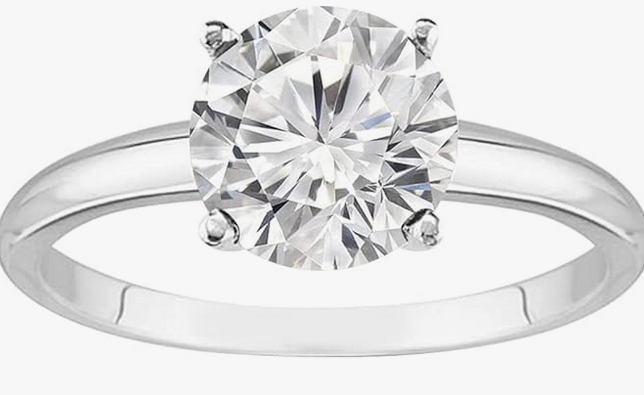
Houston Diamond District 1 to 10 Carat 14K White Gold IGI Certified Lab Grown Diamond Engagement Ring, Round Cut Solitaire, 4-Prong Setting (E–F Color VS2–SI1 Clarity)
0.5-10 Carat Lab Grown Diamond Solitaire Pendant Necklace, Round Cut Solitaire, 4-Prong Setting, Jewelry for Women (E-F, VS)
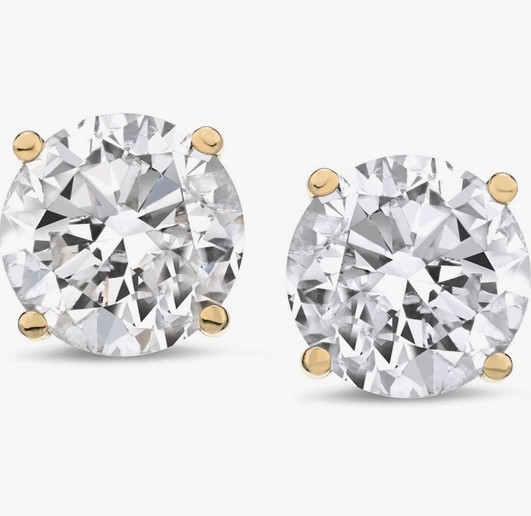
1 to 6 Carat LAB GROWN Solitaire Diamond Stud Earrings Round Cut 4 Prong Screw Back (F-G Color, VS1-VS2 Eye Clean Clarity)
3 Carat Diamond Engagement Ring: The Complete Buyer’s Guide
A 3 carat diamond engagement ring is a true showstopper — bold, brilliant, and unmistakably luxurious. With dramatic size and dazzling sparkle, a 3 carat diamond engagement ring makes a statement that’s impossible to overlook, turning a proposal into an unforgettable moment. For couples who want serious presence and a touch of glamour, a 3 carat diamond engagement ring delivers exactly that. And thanks to premium lab grown diamonds, owning a 3 carat diamond engagement ring is more attainable than most people imagine. This guide explains everything that shapes the look, quality, and value of a 3 carat diamond engagement ring, so you can choose with total confidence.
At Mycaratdiamond, every 3 carat diamond engagement ring is crafted from a real, certified lab grown diamond set in enduring precious metal — the combination that delivers extraordinary brilliance at a genuinely accessible price.
Why a 3 Carat Diamond Engagement Ring Makes Such a Statement
Three carats sits firmly in statement-piece territory. A 3 carat diamond engagement ring commands attention from across a room, photographs beautifully, and radiates confidence and celebration. It’s a noticeable step up from the more traditional one- and two-carat sizes — bold, glamorous, and luxurious — while still being elegant enough for everyday wear. Here’s why so many couples fall for a 3 carat diamond engagement ring:
- Dramatic presence: a 3 carat diamond engagement ring reads clearly and makes an immediate impression.
- Glamorous sparkle: more size means more surface to catch and return light.
- Luxurious yet wearable: impressively large, but still comfortable for daily life.
- Exceptional value with lab grown: a 3 carat diamond engagement ring is far more attainable than you’d expect.
How Big Is a 3 Carat Diamond Engagement Ring?
The face-up size of a 3 carat diamond engagement ring depends on the diamond’s shape. A round 3 carat diamond measures roughly 9.3 millimeters across — a bold, commanding footprint on the finger. Elongated shapes like oval, pear, and marquise appear even larger because their length stretches across more of the hand. A 3 carat stone has noticeably more presence than a 2 carat, making a 3 carat diamond engagement ring a genuine head-turner that’s clearly visible and beautifully proportioned.
What Determines the Price of a 3 Carat Diamond Engagement Ring?
No two rings are identical, so the price of a 3 carat diamond engagement ring is never a single fixed number. Several measurable factors work together to set the final figure:
- Origin (natural vs. lab grown) — the single biggest driver of a 3 carat diamond engagement ring‘s price.
- The 4Cs — Carat weight, Color, Clarity, and Cut.
- Diamond shape — round brilliants typically cost more per carat than fancy shapes.
- Metal and setting — 14K gold, 18K gold, or platinum, plus the band style and any accent stones.
- Certification and craftsmanship — independent grading and the finish quality of the piece.
Once you understand how each factor moves the needle, spotting real value in a 3 carat diamond engagement ring becomes simple.
Natural vs. Lab Grown 3 Carat Diamond Engagement Ring
This is where the price gap is most dramatic — and the gap grows even wider at three carats. A natural 3 carat diamond is significantly rarer than a smaller stone and commands a very steep premium. A lab grown 3 carat diamond engagement ring, by contrast, offers the same sparkle, the same durability, and the same certified quality for a fraction of the cost — often a small percentage of the natural equivalent.
Lab grown diamonds are chemically, physically, and optically identical to mined diamonds. They earn a perfect 10 on the Mohs hardness scale and display the same fire and brilliance. The only difference is origin: lab grown stones are created in a controlled environment rather than deep underground. That efficiency is precisely why a lab grown 3 carat diamond engagement ring makes such a bold size so attainable.
As a general guide, a quality lab grown 3 carat diamond engagement ring typically lands in the mid four to low five figures, while a comparable natural version can cost many times more for the same size and appearance. Because the savings on lab grown grow with carat weight, three carats is exactly where choosing lab grown pays off most — letting you redirect those savings toward the wedding, the honeymoon, or your future together.
The 4Cs and Your 3 Carat Diamond Engagement Ring
The 4Cs are the universal language of diamond value, and each one shapes how a 3 carat diamond engagement ring looks and what it costs. At three carats, these grades become more visible, so thoughtful choices matter even more.
Carat weight is the headline. At 3 carats, the center stone has commanding presence — a true statement that defines a 3 carat diamond engagement ring.
Color runs from colorless (D) downward. A near-colorless E-F grade keeps the diamond bright and white while avoiding the steep premium of a flawless D. Because color is easier to notice in larger stones, a clean near-colorless grade keeps your 3 carat diamond engagement ring looking crisp and icy.
Clarity measures internal characteristics. A VS-SI range delivers eye-clean diamonds — no inclusions visible to the naked eye. Since a larger stone shows more detail, choosing an eye-clean grade is especially important for a 3 carat diamond engagement ring.
Cut is the most important C for sparkle. Precise faceting maximizes light return, so a well-cut 3 carat diamond engagement ring looks brighter, larger, and livelier. Never compromise on cut — it’s what makes a diamond of this size truly come alive.
Best Diamond Shapes for a 3 Carat Diamond Engagement Ring
Shape is one of the most personal choices, and it dramatically affects the character of a 3 carat diamond engagement ring:
- Round brilliant: the most popular shape, prized for maximum sparkle and timeless appeal.
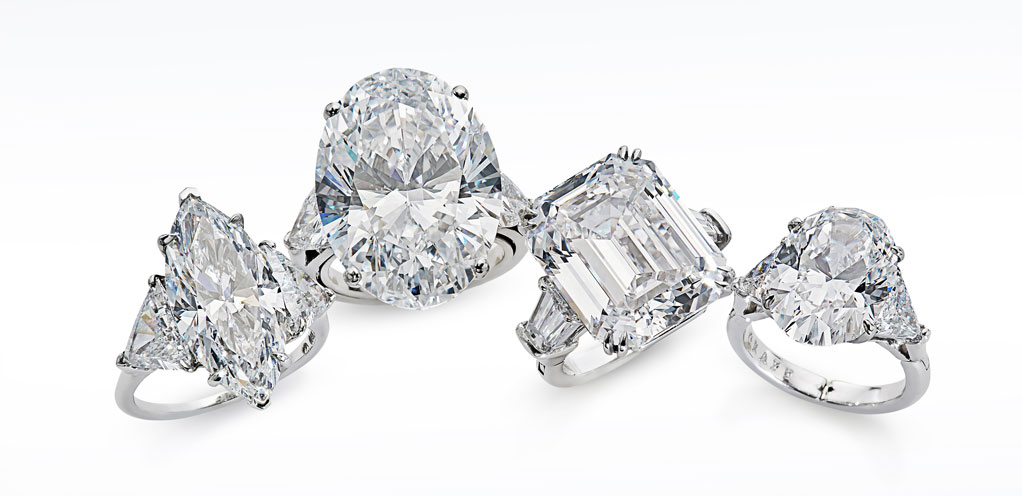
- Oval: elongates the finger and looks even larger than its weight suggests — a flattering choice for a 3 carat diamond engagement ring.
- Cushion: soft, rounded corners with romantic, vintage fire.
- Emerald: a sophisticated step-cut with elegant, hall-of-mirrors clarity.
- Pear and marquise: distinctive shapes that maximize finger coverage.
Fancy shapes often cost less per carat than round brilliants, so they can stretch your budget while giving your 3 carat diamond engagement ring a unique signature look.
Choosing the Setting and Metal
A larger center stone needs a setting that holds it securely while showing it off. Popular choices for a 3 carat diamond engagement ring include the clean, classic solitaire; the sparkling halo, which frames the center stone with smaller diamonds and makes it look even larger; the shimmering pavé band; and the meaningful three-stone design symbolizing past, present, and future.
Because a 3 carat diamond is heavier, sturdy prongs and quality craftsmanship are essential to keep it safe. Metal matters too: 14K and 18K gold offer warm, classic luxury in white, yellow, or rose, while platinum delivers a premium, naturally white finish prized for its strength. A secure setting keeps your 3 carat diamond engagement ring safe through years of everyday wear.
Why Lab Grown Makes the 3 Carat Diamond Engagement Ring Attainable
Lab grown diamonds are produced using two advanced methods — HPHT (High Pressure High Temperature) and CVD (Chemical Vapor Deposition). Both recreate the natural diamond-forming process, but far more efficiently. That efficiency is why a lab grown 3 carat diamond engagement ring offers such remarkable value, especially at this larger size.
Crucially, this lower price involves no compromise on quality. You are not buying a simulant or imitation — you are buying a real, certified diamond graded by the same 4Cs and indistinguishable from a mined stone without specialized equipment. For most couples, a lab grown 3 carat diamond engagement ring is the clear winner: the same beauty and meaning, with far more size and sparkle for the budget.
How to Choose the Perfect 3 Carat Diamond Engagement Ring
To secure the best value without sacrificing beauty, keep these tips in mind when choosing a 3 carat diamond engagement ring:
- Favor E-F color and eye-clean VS-SI clarity. Grades are more visible at this size, so eye-clean, near-colorless stones keep your 3 carat diamond engagement ring looking flawless and priced efficiently.
- Prioritize cut quality. Excellent faceting is what makes a large diamond truly sparkle.
- Pick a shape that fits the personality. Let the shape of your 3 carat diamond engagement ring reflect your partner’s style.
- Choose a sturdy, secure setting. A heavier stone needs strong prongs and quality craftsmanship.
- Choose lab grown. It’s the most direct way to make a 3 carat diamond engagement ring affordable while keeping a genuine diamond.
- Insist on certification. Independent grading confirms you’re paying a fair price for real quality.
Bottom line: a 3 carat diamond engagement ring brings together dramatic size, brilliant sparkle, and timeless meaning in one unforgettable symbol of love. With a premium lab grown diamond in a near-colorless, eye-clean grade, set in beautifully crafted gold or platinum, you can own a true 3 carat statement at a price that finally makes sense. Explore our collection above to find the perfect 3 carat diamond engagement ring for your moment.
A 3 carat diamond engagement ring represents one of the most coveted and impressive choices in luxury engagement jewelry, measuring approximately 9.1–9.4mm in diameter for round brilliant cuts and commanding attention with extraordinary visual impact. These substantial stones typically range from $25,000 to $180,000 depending on cut, color, clarity, and certification, making them a significant investment that delivers unparalleled brilliance and presence. A 3 carat diamond engagement ring offers the perfect balance of size and sophistication, providing enough surface area to showcase exceptional fire and scintillation while maintaining wearability for daily use. The weight and dimensions create a statement piece that captures light magnificently, ensuring the diamond becomes a true focal point that reflects both commitment and discerning taste in fine jewelry.
What Is a 3 carat diamond engagement ring?
The 3 carat diamond engagement ring designation refers specifically to the diamond’s weight measurement, where one carat equals exactly 200 milligrams or 0.2 grams. This standardized metric system ensures consistency across all gemological evaluations and certifications worldwide. The actual physical dimensions vary significantly based on the chosen cut, with round brilliant diamonds typically measuring 9.1–9.4mm in diameter, while fancy shapes like oval, emerald, or marquise cuts may appear larger due to their elongated proportions and different depth percentages.
Understanding carat weight versus visual size proves crucial when selecting this significant purchase. A 3 carat diamond engagement ring with a shallow cut may appear larger from the top view but could sacrifice brilliance due to light leakage through the pavilion. Conversely, a deeper cut may appear slightly smaller but often delivers superior light performance and sparkle. The crown height, pavilion depth, and table percentage all influence how the carat weight translates into visual presence and overall beauty.
Professional gemologists measure carat weight to the third decimal place, meaning a diamond weighing 2.985 carats would be certified as a 2.98-carat stone rather than rounded up to 3.00 carats. This precision affects pricing significantly, as true 3.00-carat stones command premium pricing due to psychological thresholds in diamond purchasing. The exact weight appears on all major certifications from GIA, AGS, and other reputable laboratories, ensuring transparency and accuracy in valuation.
The visual impact of a 3 carat diamond engagement ring extends beyond mere size measurements to encompass light performance, symmetry, and overall presence on the hand. These substantial stones provide ample surface area for light to enter, refract, and return to the viewer’s eye, creating exceptional brilliance and fire when properly cut. The increased mass also means greater light reflection from internal facets, resulting in more pronounced scintillation patterns that make the diamond appear alive with movement and sparkle.
3 carat diamond engagement ring Price Guide
Pricing for a 3 carat diamond engagement ring varies dramatically based on the four fundamental quality factors, with premium characteristics commanding exponentially higher costs. The following ranges represent current market values for certified stones from reputable sources, though prices fluctuate based on market conditions, certification laboratory, and specific quality combinations. Individual diamonds may exceed these ranges when exhibiting exceptional characteristics or fall below when compromising on certain quality factors.
- A 3 carat diamond engagement ring in D–F color, VVS1–VVS2 clarity, Excellent cut: $85,000–$180,000
- G–H color, VS1–VS2 clarity, Very Good to Excellent cut: $45,000–$75,000
- I–J color, SI1–SI2 clarity, Good to Very Good cut: $25,000–$45,000
- A 3 carat diamond engagement ring in K–M color, SI2–I1 clarity, Good cut: $18,000–$28,000
- Fancy colored diamonds (natural): $150,000–$500,000+
Complete engagement ring pricing includes the center stone plus mounting costs, which typically range from $2,000 to $15,000 depending on metal type, design complexity, and additional accent stones. Simple solitaire settings in 14K gold represent the most economical mounting option, while platinum settings with pavé diamonds or intricate vintage-inspired details command higher prices. Custom settings designed specifically for 3 carat stones often require additional metalwork and structural reinforcement, contributing to increased costs.
- Complete rings with D–F, VVS stones in platinum settings: $90,000–$195,000
- G–H, VS stones with gold settings and accent diamonds: $50,000–$85,000
- I–J, SI stones in simple solitaire mountings: $28,000–$50,000
- K–M, SI2 stones with basic settings: $22,000–$35,000
- Lab-grown alternatives with similar specifications: $8,000–$25,000
Market fluctuations affect pricing patterns, with larger stones experiencing more volatility than smaller weights due to their rarity and luxury market positioning. Economic conditions, currency exchange rates, and mining production levels all influence wholesale diamond prices, which subsequently impact retail costs. Additionally, certification from prestigious laboratories like GIA or AGS typically commands 10–15% premium pricing compared to lesser-known certifying bodies, though this premium often proves worthwhile for resale value and buyer confidence.
The Four Cs for a 3 carat diamond engagement ring
Cut quality emerges as the most critical factor for a 3 carat diamond engagement ring, as superior craftsmanship transforms raw crystal into a brilliant light-reflecting masterpiece. Excellent and Ideal cut grades ensure optimal light performance through precise facet angles, symmetry, and polish quality. The larger surface area of 3-carat stones amplifies both superior and inferior cutting, making cut quality more noticeable than in smaller diamonds. Triple Excellent stones from GIA or AGS 000 grades represent the pinnacle of cutting precision, though they command premium pricing for their exceptional light performance.
Color evaluation becomes increasingly important at the 3-carat weight, as larger stones tend to show body color more readily than smaller diamonds. D, E, and F grades represent the colorless range and provide the most pristine appearance, while G and H grades offer near-colorless beauty with significant cost savings. I and J grades may show slight warmth but can appear beautifully white when mounted in yellow or rose gold settings. The choice between color grades often balances budget considerations against personal preferences for absolute colorlessness versus value optimization.
Clarity assessment for a 3 carat diamond engagement ring requires careful evaluation of inclusion visibility, as the larger size makes internal characteristics more apparent to the naked eye. VVS1 and VVS2 grades ensure microscopic inclusions invisible without magnification, while VS1 and VS2 grades typically appear flawless to casual observation. SI1 stones may work beautifully if inclusions remain outside the central table area, though careful selection proves essential at this carat weight. SI2 and lower grades require expert evaluation to ensure eye-clean appearance and structural integrity.
Carat weight precision affects both certification accuracy and pricing thresholds, with true 3.00-carat stones commanding premiums over 2.90–2.99 carat alternatives that may appear nearly identical. The psychological impact of reaching the full 3-carat milestone influences market pricing, though savvy buyers can find excellent value in stones weighing 2.85–2.95 carats that offer similar visual presence. Weight distribution throughout the diamond affects its face-up appearance, with well-proportioned stones maximizing visual impact regardless of exact carat measurement. Professional evaluation helps identify diamonds that optimize both weight and visual presence for maximum value and beauty.
Shape Options and Trade-Offs
Round brilliant diamonds represent the most popular choice for 3 carat stones, delivering maximum light performance through their scientifically optimized 57–58 facet pattern. This classic shape exhibits superior fire, brilliance, and scintillation while maintaining strong resale value and universal appeal. Round diamonds typically command 15–25% premium pricing compared to fancy shapes of identical quality, though their exceptional light performance often justifies the additional investment. The circular symmetry also provides consistent sparkle from all viewing angles, making it ideal for daily wear and various lighting conditions.
Oval, pear, and marquise cuts create the illusion of larger size due to their elongated proportions, with 3 carat stones in these shapes appearing equivalent to round diamonds weighing 3.3–3.5 carats. These fancy shapes offer unique personality and can complement different hand shapes and finger lengths. However, they may exhibit bow-tie effects across their centers if poorly cut, requiring careful selection to ensure even light distribution. The elongated shapes also concentrate more weight in length rather than width, which may affect setting requirements and structural considerations.
Emerald and Asscher cuts emphasize clarity and color over brilliance, featuring step-cut faceting that creates elegant flashes of light rather than intense sparkle. These cuts require higher clarity grades since the large, open facets readily reveal inclusions that might hide in brilliant-cut stones. A 3 carat diamond engagement ring in emerald cut delivers sophisticated elegance and vintage appeal, though buyers must prioritize VS1 or better clarity and G color or higher for optimal beauty. The rectangular proportions also provide excellent finger coverage and create a distinctly different aesthetic from brilliant cuts.
Princess, cushion, and radiant cuts combine brilliant-cut light performance with square or rectangular outlines, offering contemporary appeal with excellent sparkle. These shapes typically provide better value than round diamonds while maintaining strong light performance characteristics. Cushion cuts, in particular, have gained popularity for their romantic, pillow-like appearance and ability to hide inclusions effectively. The choice between shapes ultimately depends on personal preference, budget considerations, and desired aesthetic, as each option provides unique advantages for discerning buyers seeking exceptional beauty and presence.
Wearing a 3 carat diamond engagement ring: Size and Presence
The physical presence of a 3 carat diamond engagement ring commands immediate attention and creates a significant statement on the wearer’s hand. With round diamonds measuring approximately 9.1–9.4mm in diameter, these stones provide substantial finger coverage while remaining comfortable for daily wear. The visual impact varies considerably based on the wearer’s hand size, with smaller hands showcasing more dramatic proportions while larger hands may require even bigger stones to achieve similar visual impact. Professional jewelers often recommend trying various sizes in person to understand how different carat weights appear on individual hands.
Daily wearability considerations include ring weight, profile height, and potential catching on clothing or other objects during routine activities. A well-designed setting distributes the diamond’s weight evenly across the finger, preventing discomfort during extended wear. Lower profile settings enhance comfort while reducing the risk of damage from impacts, though they may sacrifice some of the diamond’s dramatic presence. The substantial size means greater care requirements during activities like exercise, gardening, or household cleaning to prevent damage to both the diamond and surrounding objects.
Social and professional considerations may influence the appropriateness of wearing such a significant piece in various environments. While a 3 carat diamond engagement ring represents a beautiful expression of commitment and success, some professional settings or social situations may call for more understated jewelry choices. Many owners choose to wear their impressive stones primarily for special occasions while selecting smaller alternatives for daily professional wear. The decision ultimately depends on personal comfort levels and lifestyle requirements.
Insurance and security concerns naturally accompany ownership of valuable jewelry, with 3 carat stones requiring comprehensive coverage and careful storage when not being worn. Professional appraisals every 2–3 years ensure adequate insurance coverage as market values fluctuate. Many owners invest in quality safes or safety deposit boxes for secure storage during travel or extended periods when the ring won’t be worn. The combination of substantial value and eye-catching presence requires thoughtful consideration of security measures and appropriate wearing occasions to protect this significant investment while enjoying its exceptional beauty.
Setting Recommendations
Solitaire settings remain the most popular choice for showcasing a 3 carat diamond engagement ring, as the clean, unadorned mounting allows the center stone to command complete attention. Classic four-prong and six-prong configurations provide secure mounting while maximizing light entry from all angles. Platinum and 18K white gold offer neutral backgrounds that complement colorless and near-colorless diamonds, while yellow and rose gold create warm, romantic settings that can enhance diamonds with slight color tints. The prong height and thickness require careful engineering to provide adequate security without overwhelming the diamond’s natural beauty.
Halo settings amplify the visual size of already impressive 3 carat stones, surrounding the center diamond with smaller accent stones that create additional sparkle and presence. This design choice can make the center stone appear equivalent to a 4 carat diamond while adding approximately $2,000–$8,000 to the overall cost depending on accent stone quality and quantity. However, some purists prefer showcasing the natural size and beauty of the 3 carat stone without additional enhancement, viewing halos as unnecessary embellishment for stones of this magnitude.
Three-stone settings provide symbolic meaning while creating balanced compositions that highlight the center diamond’s impressive size. Side stones weighing 0.5–1.0 carats each complement the 3 carat center without competing for attention. These designs require careful proportion planning to ensure harmony between all elements while maintaining focus on the primary stone. The additional diamonds significantly increase overall costs but create heirloom-quality pieces with exceptional presence and meaning. Matching the color and clarity of side stones to the center diamond ensures consistent appearance across the entire composition.
Vintage and antique-inspired settings offer intricate metalwork and period-appropriate details that create unique frames for substantial center stones. Art Deco, Victorian, and Edwardian designs provide historical character while accommodating modern 3 carat diamonds with contemporary cutting techniques. These complex settings often require 6–12 weeks for completion due to detailed handwork and custom fitting requirements. The ornate metalwork complements the diamond’s size while creating distinctive pieces that stand apart from contemporary designs. Careful selection ensures the setting enhances rather than competes with the center stone’s natural beauty and impressive presence.
Certification: What a 3 carat diamond engagement ring Certificate Should Show
Professional certification from reputable gemological laboratories provides essential documentation for a 3 carat diamond engagement ring investment, ensuring accurate grading and authentic natural origin verification. The Gemological Institute of America (GIA) and American Gem Society (AGS) represent the most respected certifying bodies, with their reports commanding premium pricing and widespread industry acceptance. These certificates include detailed plotting diagrams showing inclusion locations, precise measurements, and comprehensive quality assessments that justify the significant investment involved in purchasing 3 carat stones.
Essential certificate information includes exact carat weight measured to the hundredth decimal place, comprehensive color and clarity grades with detailed explanations, and cut quality assessments with specific proportions and angles. The report should specify fluorescence levels, as strong blue fluorescence can affect appearance and value in colorless diamonds. Polish and symmetry grades indicate the quality of craftsmanship, while plotting diagrams map internal and external characteristics for identification purposes. Laser inscription numbers linking the physical stone to its certificate provide additional security against switching or fraud.
Treatment disclosure requirements mandate clear identification of any enhancements or modifications performed on the diamond, though most engagement-quality stones remain completely natural and untreated. Laser drilling, fracture filling, or clarity enhancement treatments must be prominently disclosed and significantly affect value and pricing. High-pressure, high-temperature (HPHT) treatment to improve color requires specific notation, though such treatments are relatively rare in premium 3 carat stones. Natural diamonds should display clear “Natural” designations without any treatment qualifications.
Additional verification services include independent laboratory cross-verification, where stones receive grading from multiple reputable sources to confirm consistency and accuracy. Some dealers provide dual certificates from both GIA and AGS to demonstrate confidence in their quality representations. Digital verification systems allow online certificate checking using unique report numbers, providing instant authentication and preventing fraudulent documentation. The investment in proper certification proves essential for insurance purposes, resale value, and peace of mind when purchasing such significant stones. Professional appraisal services complement laboratory certificates by providing current market valuations for insurance and estate planning purposes.
Comparing Nearby Carat Weights
Understanding the visual and financial differences between 2.5, 3.0, and 3.5 carat stones helps buyers make informed decisions about their investment priorities and value optimization. A 2.5 carat diamond measures approximately 8.5–8.8mm in diameter compared to the 9.1–9.4mm of a 3 carat stone, representing a relatively modest visual difference of roughly 0.6mm that may be imperceptible to casual observers. However, the psychological impact and market pricing create substantial differences, with true 3 carat stones commanding significant premiums over 2.9 carat alternatives that appear nearly identical.
Price comparisons reveal that moving from 2.5 to 3.0 carats typically increases costs by 40–60% for identical quality grades, while the jump from 3.0 to 3.5 carats adds another 35–50% premium. These increases exceed the proportional weight differences due to exponential rarity pricing for larger stones. Savvy buyers often find excellent value in stones weighing 2.85–2.95 carats that provide similar visual presence without the psychological premium attached to full 3 carat weights. The decision ultimately balances budget constraints against the desire to achieve specific carat milestones.
Visual presence differences become more pronounced when comparing 3 carat stones to 4 carat alternatives, with the larger stones measuring approximately 10.1–10.4mm in diameter. This represents a more substantial 1.0mm increase that creates noticeably more finger coverage and presence. However, 4 carat stones enter ultra-luxury pricing territory with costs often exceeding $150,000–$400,000 for premium quality, making them accessible only to the most affluent buyers. The 3 carat size point represents an optimal balance between impressive presence and relative accessibility for successful professionals and serious collectors.
Practical considerations include setting requirements and wearability differences across various carat weights. Stones exceeding 3.5 carats may require specialized mounting techniques and reinforced shanks to support their substantial weight securely. Finger comfort also varies significantly, with some wearers finding 3 carat stones represent the maximum comfortable size for daily wear. Professional jewelers can provide guidance on proportion relationships between stone size, hand size, and setting choices to ensure optimal appearance and comfort. The selection process benefits from trying various sizes in person to understand individual preferences and comfort levels before making final purchasing decisions.
Where to Buy
Selecting the right retailer for a 3 carat diamond engagement ring requires careful evaluation of reputation, expertise, inventory depth, and customer service capabilities. Established brick-and-mortar jewelers provide hands-on examination opportunities and personal service relationships that prove valuable when making such significant investments. Reputable dealers maintain extensive inventories of certified stones, allowing side-by-side comparisons of different quality combinations within specific budget parameters. Professional gemologists on staff can provide education and guidance throughout the selection process, ensuring buyers understand the nuances of quality factors and value relationships.
Online retailers often offer competitive pricing advantages due to lower overhead costs, though buyers sacrifice the ability to examine stones physically before purchase. Reputable online dealers provide detailed photography, video documentation, and comprehensive return policies to bridge this gap. Many offer virtual consultations with gemologists and provide upgrade policies for future purchases. The convenience and selection advantages must be weighed against the risks of purchasing sight-unseen, particularly for stones of this magnitude where individual characteristics significantly impact beauty and value.
Certification verification becomes crucial regardless of purchase venue, with buyers needing to confirm that all documentation comes from reputable laboratories and matches the physical stone. Independent appraisal services provide additional verification and current market valuations for insurance purposes. Established retailers often provide comprehensive purchase documentation, insurance contacts, and ongoing customer support for maintenance and service needs. The relationship continues beyond the initial purchase through cleaning, inspection, and potential upgrade services that add value to the customer experience.
Financing options and payment methods vary significantly across different retailers, with many offering structured payment plans for qualified buyers. Traditional jewelry financing, credit card purchases, and bank loans each provide different advantages and terms for managing large purchases. Some retailers offer trade-up policies allowing future upgrades with full purchase credit, while others provide lifetime service guarantees for cleaning and maintenance. The total value proposition extends beyond initial pricing to include ongoing support, service quality, and relationship benefits that enhance the ownership experience. Careful evaluation of all factors ensures buyers select retailers aligned with their preferences, budget requirements, and service expectations for this significant investment.
Frequently Asked Questions
How much should I expect to pay for a 3 carat diamond engagement ring?
A 3 carat diamond engagement ring typically ranges from $25,000 to $180,000 depending on quality factors and certification. Premium stones with D–F color, VVS clarity, and Excellent cut command the highest prices, while I–J color stones with SI clarity offer more accessible pricing. Complete rings including settings add $2,000–$15,000 to the total cost depending on mounting complexity and metal choice.
What size finger does a 3 carat diamond engagement ring look best on?
This impressive stone size complements most finger sizes, though the visual proportions vary based on individual hand characteristics. Smaller hands (sizes 4–6) showcase more dramatic presence, while larger hands (sizes 7–9) may require additional design elements to achieve similar visual impact. Professional jewelers recommend trying various sizes in person to determine optimal proportions for individual preferences and comfort levels.
Is a 3 carat diamond engagement ring too big for everyday wear?
Most wearers find 3 carat stones comfortable for daily use when properly set in well-designed mountings that distribute weight effectively. The substantial size requires some lifestyle adjustments and increased care during activities like exercise or household tasks. Many owners develop wearing routines that balance showcasing their beautiful investment with practical considerations for work and daily activities.
What’s the difference in appearance between a 2.5 and 3 carat stone?
The visual difference measures approximately 0.6mm in diameter, which may appear subtle to casual observers but creates psychological satisfaction for reaching the 3 carat milestone. Pricing differences typically exceed 40–60% due to rarity premiums rather than proportional size increases. Some buyers find excellent value in stones weighing 2.85–2.95 carats that provide similar presence without full 3 carat pricing.
Should I prioritize cut or clarity for a 3 carat diamond engagement ring?
Cut quality should take priority as it directly impacts light performance and overall beauty, with Excellent or Ideal grades ensuring maximum brilliance and fire. A 3 carat diamond engagement ring with superior cutting will outperform higher clarity stones with inferior proportions and craftsmanship. VS1–VS2 clarity typically provides eye-clean appearance while allowing budget allocation toward premium cutting quality that enhances the stone’s natural beauty and presence.
How do I ensure my 3 carat diamond is certified correctly?
Verify certification comes from reputable laboratories like GIA or AGS, with unique report numbers allowing online verification of authenticity. Professional independent appraisal provides additional confirmation of quality grades and current market values for insurance purposes. Reputable dealers provide comprehensive documentation and often offer additional verification services to ensure complete confidence in your significant investment.
Conclusion
Selecting a 3 carat diamond engagement ring represents a significant milestone that combines emotional meaning with substantial financial investment, requiring careful consideration of quality factors, personal preferences, and long-term value. The impressive size and presence of these stones create lasting symbols of commitment while providing exceptional beauty and brilliance that will be treasured for generations. Understanding the relationships between cut, color, clarity, and carat weight enables informed decision-making that optimizes both beauty and value within specific budget parameters.
The journey to finding the perfect 3 carat diamond engagement ring benefits from professional guidance, comprehensive certification, and careful evaluation of individual stone characteristics. Whether choosing classic round brilliants or distinctive fancy shapes, the substantial investment deserves thorough research and expert consultation to ensure complete satisfaction with this once-in-a-lifetime purchase. For expert guidance and access to exceptional certified diamonds, visit the Carat Diamond homepage to begin your journey toward finding the perfect engagement ring.