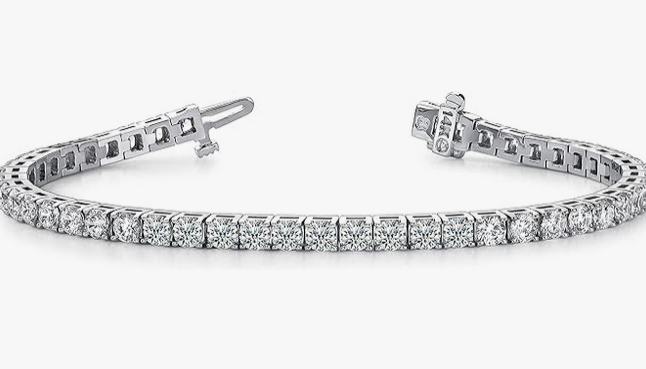
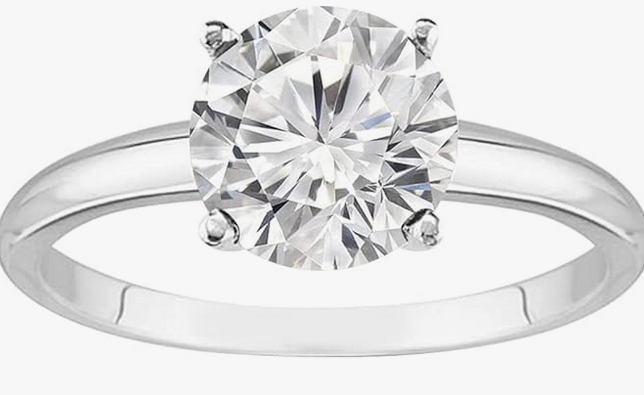
1 to 10 Carat 14K White Gold IGI Certified Lab Grown Diamond Engagement Ring, Round Cut Solitaire, 4-Prong Setting (E–F Color VS2–SI1 Clarity)
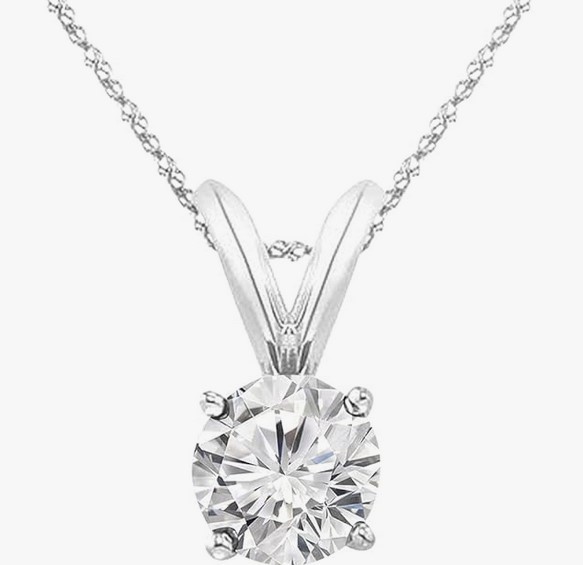
0.5-10 Carat Lab Grown Diamond Solitaire Pendant Necklace, Round Cut Solitaire, 4-Prong Setting, Jewelry for Women (E-F, VS)
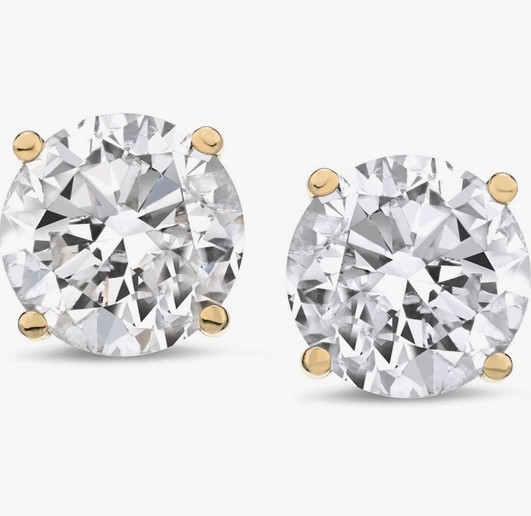
1 to 6 Carat LAB GROWN Solitaire Diamond Stud Earrings Round Cut 4 Prong Screw Back (F-G Color, VS1-VS2 Eye Clean Clarity)
A 6 carat diamond represents the pinnacle of luxury in engagement rings, measuring approximately 12mm in diameter for round cuts and commanding prices from $45,000 to $400,000 depending on quality. This extraordinary size creates unparalleled visual impact, with light performance and sparkle that commands attention from across any room. A 6 carat diamond requires careful consideration of the four Cs, as even minor differences in color or clarity become magnified at this substantial size, making expert guidance essential for maximizing both beauty and investment value in this premium carat weight category.
What Is a 6 carat diamond?
A 6 carat diamond weighs exactly 1.2 grams or 1200 milligrams, placing it firmly in the luxury category that represents less than 0.1% of all diamonds sold worldwide. The term “carat” derives from the carob seed, which ancient merchants used as a standard weight measurement due to its consistent mass. Modern carat measurement is precise to the third decimal place, with gemological laboratories weighing stones to 0.001 carat accuracy. This weight translates to substantial visual dimensions that vary by shape, with round brilliants measuring approximately 12.0mm in diameter and princess cuts spanning roughly 10.5mm square.
The rarity of this carat weight cannot be overstated, as finding multiple 6 carat diamond options with identical specifications proves challenging even for established dealers. Natural formation at this size requires exceptional geological conditions over millions of years, with the rough diamond needing sufficient size and clarity to yield a finished stone exceeding six carats after cutting and polishing. Most rough diamonds lose 40-60% of their original weight during the cutting process, meaning the initial rough stone likely exceeded 10-15 carats before transformation into a polished gem.
Professional gemologists classify stones of this magnitude as “statement pieces” due to their commanding presence and investment-grade status. The substantial size allows for optimal light performance when properly cut, with facet arrangements creating exceptional fire, brilliance, and scintillation that smaller diamonds simply cannot achieve. Each 6 carat diamond requires individual assessment, as subtle differences in proportions, symmetry, and polish significantly impact the final appearance and value proposition for discerning buyers seeking this prestigious carat weight.
6 carat diamond Price Guide
Pricing for a 6 carat diamond varies dramatically based on the four Cs, with premium quality stones commanding significantly higher premiums than similar smaller sizes due to rarity factors. The following price ranges reflect current market conditions for certified stones from reputable dealers, with prices fluctuating based on market demand, supplier availability, and specific stone characteristics beyond the basic grading parameters.
- A 6 carat diamond in D-F color, VVS1-VVS2 clarity, Excellent cut: $180,000-$400,000
- G-H color, VS1-VS2 clarity, Very Good to Excellent cut: $120,000-$220,000
- A 6 carat diamond with I-J color, SI1-SI2 clarity, Good to Very Good cut: $80,000-$150,000
- K-L color, SI2-I1 clarity, Fair to Good cut: $45,000-$90,000
- A 6 carat diamond in fancy shapes (oval, pear, marquise): 15-25% less than equivalent rounds
Complete engagement ring pricing includes the mounting, which for stones of this magnitude typically ranges from $3,000 to $15,000 depending on metal choice, setting complexity, and additional accent diamonds. Platinum settings are recommended for maximum security, while custom designs often incorporate additional diamonds totaling 0.5-1.5 carats to complement the center stone. Insurance considerations become paramount at these price points, with annual premiums typically running 1-2% of appraised value depending on coverage type and geographical location.
The Four Cs for a 6 carat diamond
Cut quality becomes absolutely critical for a 6 carat diamond, as poor proportions create obvious dark areas and light leakage that smaller stones might disguise through their natural brilliance. Excellent cut grades ensure optimal light return, with table percentages between 54-57% and depth ratios of 59-62.5% for round brilliants producing maximum fire and scintillation. Crown angles around 34-35 degrees paired with pavilion angles of 40.6-41 degrees create the ideal light performance that justifies the substantial investment in this carat weight category.
Color considerations intensify dramatically at six carats, as the large surface area makes tint detection significantly easier than in smaller stones. While D-F grades command premium pricing, G-H colors often provide excellent value by appearing colorless when mounted in white metal settings, allowing buyers to allocate budget toward superior cut or clarity grades. I-J colors show noticeable warmth but remain attractive in yellow gold settings, while K and lower grades require careful consideration as the tint becomes increasingly apparent in this substantial size.
Clarity requirements for a 6 carat diamond demand careful balance between perfection and value, as the large size makes inclusions more visible while also providing greater surface area where eye-clean SI1-SI2 stones remain viable options. VVS grades ensure complete peace of mind but command significant premiums, while VS1-VS2 stones typically appear flawless to the naked eye when professionally selected. The key lies in understanding that inclusion type matters more than grade alone, with crystals and feathers positioned away from the table facet often remaining completely invisible despite SI1-SI2 grades.
Carat weight precision becomes especially important at this level, as stones weighing exactly 6.00-6.05 carats command different pricing than those at 5.95-5.99 carats due to psychological price barriers in the luxury market. Each 6 carat diamond receives individual attention during the cutting process, with master cutters optimizing proportions to maximize both beauty and carat retention from the rough stone, resulting in subtle variations that affect both appearance and pricing within the same nominal weight category.
Wearing a 6 carat diamond: Size and Presence
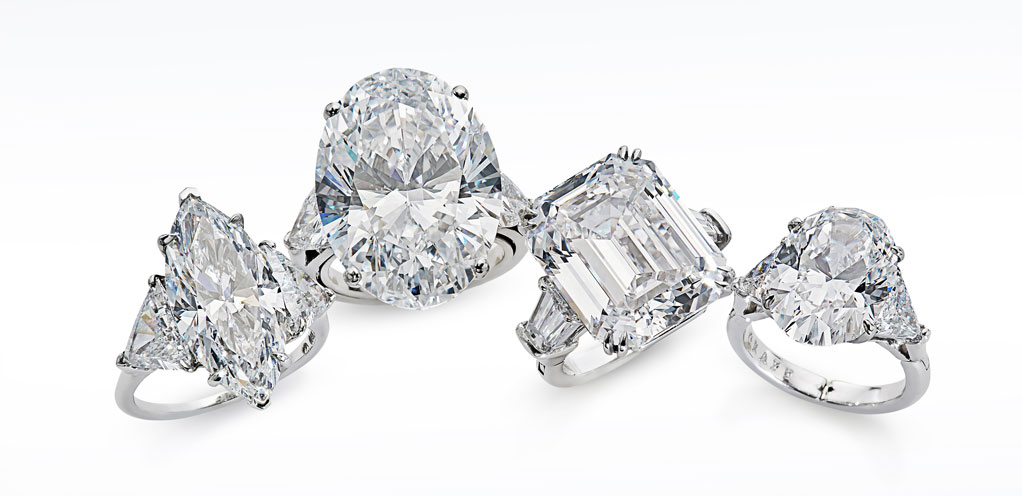
The visual impact of a 6 carat diamond extends far beyond mere dimensions, creating a presence that transforms any engagement ring into a statement piece commanding attention and admiration. On average finger sizes 5-7, a round brilliant spans nearly the entire finger width, while elongated shapes like oval or marquise create dramatic finger coverage that appears even larger than the actual carat weight suggests. The substantial surface area catches and reflects light from multiple angles simultaneously, producing continuous sparkle that remains visible across rooms and in various lighting conditions.
Practical considerations for wearing this carat weight include ring balance, comfort, and lifestyle compatibility, as the size and weight require sturdy mounting systems and may feel substantial during daily activities. The center of gravity shifts noticeably compared to smaller stones, with some wearers preferring lower-profile settings that keep the diamond closer to the finger for improved comfort and security. Professional setting recommendations typically include reinforced prongs, thicker shanks, and consideration for ring guards or wraps that provide additional protection during active pursuits.
Social dynamics surrounding a 6 carat diamond often surprise first-time owners, as the size generates frequent comments, questions, and attention that some find delightful while others prefer more understated luxury. The stone’s presence makes it suitable for formal events, red carpet occasions, and milestone celebrations, while daily wear requires consideration of professional environments and personal comfort with the attention such pieces naturally attract. Many owners develop appreciation for the confidence and joy that comes with wearing such an exceptional piece of natural artistry.
Professional maintenance becomes increasingly important at this carat weight, as the investment deserves proper care through regular cleaning, prong inspection, and professional servicing every 6-12 months. The large surface area shows fingerprints, lotions, and daily buildup more readily than smaller stones, making home cleaning routines essential for maintaining optimal brilliance. Each 6 carat diamond benefits from ultrasonic cleaning, professional polishing, and careful inspection to ensure the mounting remains secure and the stone continues performing at its maximum potential throughout years of enjoyment.
Shape Options and Trade-Offs
Round brilliant cuts maximize the optical performance of a 6 carat diamond through their 57-58 facet arrangement, creating superior fire, brilliance, and scintillation that justifies their 15-20% price premium over fancy shapes. The symmetrical design ensures even light distribution across the entire stone, while the traditional appeal makes rounds the most liquid investment option for future resale considerations. However, the circular shape provides the smallest face-up appearance per carat compared to elongated alternatives, making it appear more conservative despite the substantial size.
Oval shapes offer exceptional finger coverage and apparent size advantages, with well-proportioned stones appearing 10-15% larger than equivalent round diamonds while maintaining excellent brilliance and fire characteristics. The elongated silhouette creates a flattering effect on most hand types, while the 1.35-1.50 length-to-width ratio provides optimal proportions for this carat weight. Potential drawbacks include bow-tie effects in poorly cut stones and slightly lower liquidity compared to rounds, though skilled cutting can minimize optical issues while maximizing the shape’s inherent advantages.
Princess cuts provide maximum contemporary appeal through their square outline and brilliant facet arrangement, offering 15-20% cost savings compared to rounds while maintaining exceptional sparkle and light performance. The geometric shape suits modern tastes and provides substantial finger coverage, though the pointed corners require protective prong placement and careful handling to prevent chipping. Each 6 carat diamond in princess cut demands expert evaluation of corner alignment, facet precision, and overall symmetry to ensure optimal beauty and durability for daily wear.
Emerald cuts showcase a 6 carat diamond’s clarity and color through their step-cut facet arrangement and large table facet, creating elegant sophistication that appeals to buyers seeking understated luxury over maximum sparkle. The rectangular outline provides excellent finger coverage and timeless appeal, while the open facet structure requires higher clarity grades to maintain eye-clean appearance. This shape particularly suits buyers who appreciate architectural beauty, vintage aesthetics, and the confidence to wear a stone that relies on inherent quality rather than optical effects to create visual impact.
Setting Recommendations
Platinum settings provide optimal security and durability for a 6 carat diamond, with the metal’s density and strength ensuring reliable prong integrity and long-term structural stability under the stone’s substantial weight. The naturally white color complements diamonds of all color grades without introducing unwanted tints, while platinum’s prestige level matches the significance of the center stone investment. Professional jewelers recommend minimum 2.5mm shank width and reinforced prong construction, with some designs incorporating hidden halos or gallery details that enhance the overall presentation without overwhelming the primary stone’s impact.
Solitaire settings remain the classic choice for showcasing this carat weight’s natural beauty without competing design elements, allowing the stone’s inherent fire and brilliance to command complete attention. Six-prong configurations provide superior security compared to four-prong alternatives, distributing the holding force more evenly while minimizing the visual impact of the mounting hardware. The elevated position maximizes light entry from all angles, though cathedral or trellis galleries can provide additional support while maintaining the clean, unobstructed aesthetic that makes solitaires timelessly appealing.
Three-stone settings create stunning composition opportunities when a 6 carat diamond serves as the center stone flanked by carefully proportioned side diamonds totaling 1-2 carats combined weight. The classic proportion calls for side stones approximately one-third the center stone’s carat weight, though personal preference and finger size can influence the final balance. This style provides additional sparkle and creates a cohesive design narrative while allowing the center stone to maintain its dominant position within the overall composition.
Custom mounting considerations become particularly important at this carat weight, as standard stock settings may lack the structural integrity and proportional balance needed for optimal appearance and security. Professional designers often recommend reinforced construction techniques, including thicker metal sections, integrated gallery work, and specialized prong designs that distribute stress while maintaining aesthetic appeal. The investment in custom work proves worthwhile when properly executed, creating a mounting worthy of the center stone while ensuring decades of reliable wear and enjoyment for such a significant purchase.
Certification: What a 6 carat diamond Certificate Should Show
Gemological Institute of America (GIA) certification represents the gold standard for a 6 carat diamond, providing comprehensive analysis including exact weight, dimensions, color grade, clarity grade, cut grade, polish, symmetry, and fluorescence characteristics. The report includes a detailed plotting diagram showing inclusion positions and types, crucial information for understanding the stone’s clarity characteristics and potential durability considerations. GIA’s strict grading standards ensure consistency and accuracy, while their global reputation provides confidence for insurance, appraisal, and potential resale situations requiring independent verification of quality.
American Gem Society (AGS) certificates offer an alternative grading system particularly valuable for cut quality assessment, using numerical scales (0-10) instead of descriptive terms and providing detailed light performance analysis. AGS cut grading considers proportions, finish, and optical efficiency in determining the final grade, with their proprietary ASET (Angular Spectrum Evaluation Tool) imagery showing light return patterns. For buyers prioritizing cut quality above other factors, AGS certification provides additional technical insights that complement traditional GIA grading approaches.
International gemological laboratories including SSEF, Gübelin, and GGTL provide respected certification services, though their reports may be less familiar to American insurance companies and appraisers. Each 6 carat diamond certificate should clearly indicate natural origin versus laboratory-grown status, with recent updates to reporting formats making this distinction immediately apparent. The laser inscription matching the certificate number provides additional security and verification, while some reports include photographic documentation of the actual stone to prevent substitution concerns.
Certificate authenticity verification has become increasingly important as high-value transactions attract sophisticated fraud attempts, making it essential to confirm report validity through the issuing laboratory’s online verification systems. Modern certificates incorporate security features including watermarks, special inks, and unique identification numbers that can be cross-referenced with laboratory databases. For a 6 carat diamond purchase, buyers should insist on seeing the original certificate rather than copies, verify the laser inscription matches the report, and confirm the grading laboratory’s reputation and standing within the international gemological community.
Comparing Nearby Carat Weights
Five-carat diamonds provide substantial presence while offering 20-30% cost savings compared to six-carat alternatives, making them attractive options for buyers seeking impressive size without crossing the psychological six-carat price threshold. The visual difference between 5.00 and 6.00 carats measures approximately 0.6mm in diameter for round stones, a difference that becomes noticeable when comparing stones side-by-side but may not be apparent in isolation. Many buyers find five-carat stones provide optimal balance between impact, wearability, and investment, particularly when superior cut and clarity grades can be achieved within the same budget as a lower-quality 6 carat diamond.
Seven-carat stones represent the next milestone in luxury diamond ownership, commanding premium pricing due to extreme rarity and the psychological appeal of crossing into truly exceptional territory. The visual increase from six to seven carats provides approximately 0.5mm additional diameter, though the price differential often exceeds 40-50% due to supply constraints and collector demand. Buyers considering this upgrade should evaluate whether the additional size justifies the substantial cost increase, particularly when excellent six-carat options might provide better overall value propositions.
The 5.50-5.99 carat range deserves special consideration as it offers near-six-carat presence at potentially significant savings, particularly for stones weighing 5.90-5.99 carats that appear virtually identical to 6.00-carat stones. Experienced buyers often find exceptional value in this range, as the psychological pricing barriers create opportunities for substantial savings on stones that perform identically to their heavier counterparts. Each 6 carat diamond alternative should be evaluated based on individual characteristics rather than carat weight alone, with cut quality and overall beauty taking precedence over arbitrary weight categories.
Investment considerations vary significantly across these carat weights, with six-carat stones generally providing better liquidity and value retention compared to unusual weights like 5.75 or 6.25 carats that fall between major psychological milestones. Collectors and investors typically prefer round numbers and established categories, making 5.00, 6.00, and 7.00-carat stones more desirable for future resale situations. However, personal enjoyment should remain the primary consideration, as the difference in daily wearing pleasure between these closely related weights often proves minimal compared to the importance of overall quality and cut excellence.
Where to Buy
Established diamond dealers with specialization in large stones provide the expertise and inventory access necessary for successful 6 carat diamond purchases, offering professional guidance through the selection process while maintaining competitive pricing through industry relationships. These dealers typically maintain relationships with cutting houses, wholesalers, and international suppliers, providing access to stones that may not appear in general retail inventory. The personal service model allows for detailed consultation, custom sourcing, and ongoing support throughout the purchase process, particularly valuable when investing at this level.
Online retailers have revolutionized luxury diamond purchasing by providing extensive inventory, detailed photography, and competitive pricing for stones across all quality levels. Advanced imaging technology including 360-degree videos, magnified clarity photographs, and light performance analysis helps buyers evaluate options remotely, while generous return policies provide security for major purchases. However, the inability to physically examine stones before purchase requires careful vendor selection and thorough understanding of grading standards to ensure satisfaction with the final selection.
Auction houses present unique opportunities for acquiring exceptional stones with provenance or unusual characteristics, though bidding processes require experienced guidance and clear budget parameters to avoid emotional overspending. Estate pieces and collector stones occasionally surface at auction, providing access to vintage cuts or historically significant pieces that complement traditional retail options. Each 6 carat diamond available through auction should be thoroughly examined by qualified professionals, with independent appraisal recommended before bidding to confirm authenticity, quality, and fair value estimates.
International sourcing through Antwerp, New York, or Mumbai diamond districts can provide cost advantages for serious buyers willing to invest time and effort in the selection process, though this approach requires significant expertise and professional connections to navigate effectively. The wholesale environment demands immediate decisions, cash transactions, and thorough understanding of grading standards, making it unsuitable for first-time buyers but potentially rewarding for experienced collectors. Professional buying services or knowledgeable consultants can facilitate access to wholesale markets while providing guidance through the complex evaluation and negotiation processes involved in international diamond acquisition.
Frequently Asked Questions
How big does a 6 carat diamond look on your finger?
A 6 carat diamond creates dramatic finger coverage measuring approximately 12mm in diameter for round cuts, spanning nearly the entire width of average finger sizes and providing substantial presence that commands immediate attention. The visual impact extends beyond mere size due to exceptional light performance and sparkle that remains visible across rooms. Elongated shapes like oval or marquise appear even larger due to their extended outline, while the overall effect varies based on finger size, setting style, and personal proportions that influence perceived scale and wearability.
What is the average price range for this carat weight?
Pricing varies dramatically from $45,000 for lower color and clarity grades to over $400,000 for exceptional D color, internally flawless stones with perfect cut grades, with most buyers finding excellent options in the $120,000-$220,000 range. Market factors including shape, certification, fluorescence, and specific dealer pricing strategies create substantial variation within each quality category. Additional costs for premium settings, insurance, and professional appraisals should be factored into total budget planning, particularly for stones requiring custom mounting solutions appropriate for this investment level.
Is a 6 carat diamond too big for everyday wear?
6 carat diamond wearability depends entirely on personal lifestyle, comfort preferences, and individual circumstances, with many owners successfully incorporating these substantial stones into daily routines through appropriate setting choices and practical considerations. The size requires sturdy mounting systems and may feel noticeable during physical activities, though proper design minimizes practical limitations while maximizing security and comfort. Professional environments, social situations, and personal attention preferences should influence the decision, as stones of this magnitude naturally generate comments and interest that some find delightful while others prefer more understated luxury options.
How does cut quality affect appearance at this size?
Cut quality becomes absolutely critical at six carats, as poor proportions create obvious light leakage and dark areas that smaller stones might disguise through natural brilliance and fire characteristics. Excellent cut grades ensure optimal light return through precise facet alignment, proper depth ratios, and ideal angle relationships that maximize fire, brilliance, and scintillation. The substantial surface area amplifies both superior and inferior cutting, making professional evaluation essential for identifying stones that perform at their maximum potential versus those that appear dull or lifeless despite impressive carat weight.
What certification should I require for a 6 carat diamond purchase?
6 carat diamond certification should come from internationally recognized laboratories including GIA, AGS, SSEF, or Gübelin, providing comprehensive analysis of weight, dimensions, color, clarity, cut quality, and natural origin confirmation. The certificate must include detailed plotting diagrams, laser inscription verification, and clear identification of any treatments or enhancements affecting the stone’s natural state. Original certificates rather than copies should accompany the purchase, with online verification through the issuing laboratory confirming authenticity and preventing potential fraud concerns common in high-value transactions.
How do I ensure authenticity when buying such an expensive stone?
Authentication requires multiple verification steps including certificate validation through laboratory databases, laser inscription confirmation, independent gemological evaluation, and professional appraisal from qualified experts familiar with luxury diamond characteristics. Reputable dealers provide detailed documentation, comprehensive warranties, and transparent policies supporting their authenticity claims, while suspicious pricing or reluctance to provide verification should raise immediate concerns. Professional consultation throughout the selection process helps identify potential issues while ensuring the substantial investment meets all quality, authenticity, and value expectations appropriate for this significant purchase decision.
Conclusion
A 6 carat diamond represents the pinnacle of luxury engagement ring centerpieces, combining substantial presence with exceptional rarity that creates a truly extraordinary ownership experience. The careful balance of cut quality, color grade, clarity characteristics, and certification requirements ensures maximum beauty and long-term value retention, while proper setting selection and ongoing maintenance protect the significant investment for generations of enjoyment. Understanding the complexities of this carat weight—from pricing variations and shape considerations to practical wearing aspects—empowers buyers to make informed decisions that align with both aesthetic preferences and investment objectives.
The journey to selecting the perfect 6 carat diamond requires patience, expertise, and thorough evaluation of multiple options before making this significant commitment to luxury and lasting beauty. Professional guidance from experienced dealers, comprehensive certification from respected laboratories, and careful consideration of personal lifestyle factors contribute to successful purchases that provide decades of satisfaction and pride in ownership. For those ready to embrace the extraordinary presence and timeless appeal of this remarkable carat weight, the reward lies in owning a piece of natural artistry that represents the ultimate expression of love, commitment, and appreciation for exceptional beauty. Visit our Carat Diamond homepage to explore our carefully curated selection of certified diamonds and expert guidance for your luxury jewelry investment.