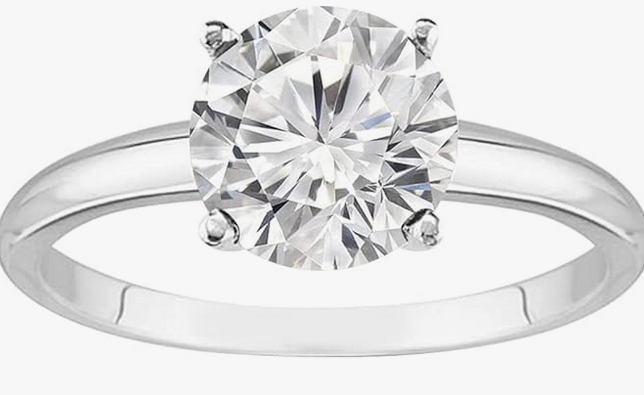
Houston Diamond District 1 to 10 Carat 14K White Gold IGI Certified Lab Grown Diamond Engagement Ring, Round Cut Solitaire, 4-Prong Setting (E–F Color VS2–SI1 Clarity)
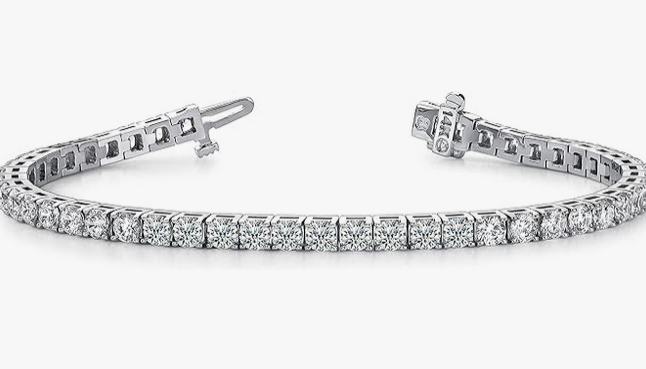
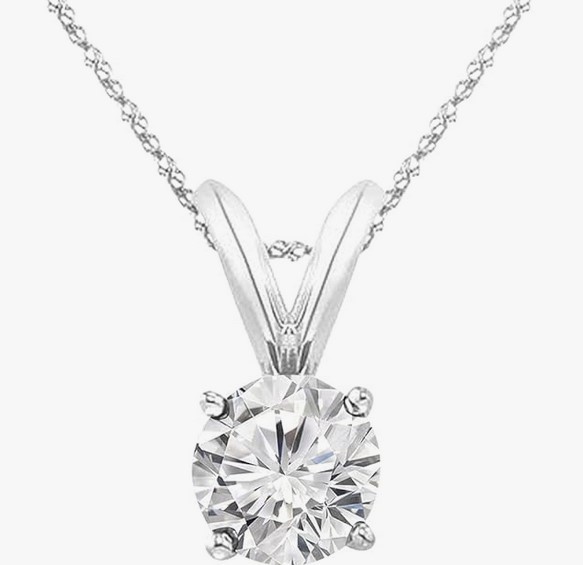
0.5-10 Carat Lab Grown Diamond Solitaire Pendant Necklace, Round Cut Solitaire, 4-Prong Setting, Jewelry for Women (E-F, VS)
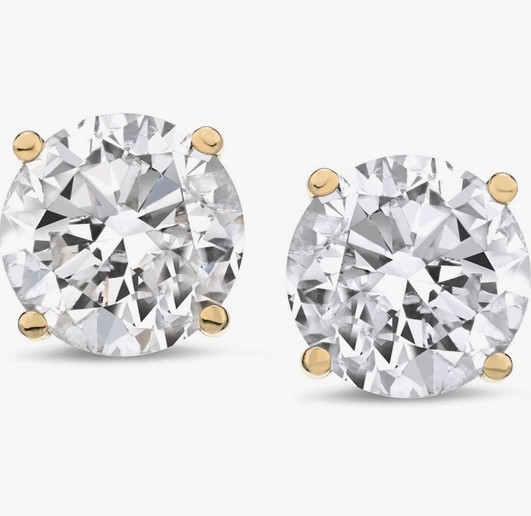
1 to 6 Carat LAB GROWN Solitaire Diamond Stud Earrings Round Cut 4 Prong Screw Back (F-G Color, VS1-VS2 Eye Clean Clarity)
18 Carat Diamond Ring: The Ultimate Buyer’s Guide
An 18 carat diamond ring is the definition of a true statement piece — bold, brilliant, and impossible to ignore. Whether you picture a single show-stopping center stone or a sweeping band of perfectly matched diamonds, an 18 carat diamond ring delivers a level of presence that turns heads in any room. And thanks to premium lab grown diamonds, owning an 18 carat diamond ring in 2026 is more attainable than ever before. This guide explains exactly what shapes the look, quality, and price of an 18 carat diamond ring, so you can shop with total confidence.
At Mycaratdiamond, every 18 carat diamond ring is crafted from real, certified lab grown diamonds set in enduring precious metal. That combination is the secret behind a piece that looks like a fortune yet remains genuinely accessible.
Carat vs. Karat: What an 18 Carat Diamond Ring Really Means
One of the most common points of confusion when shopping for an 18 carat diamond ring is the difference between “carat” and “karat.” They sound identical but measure completely different things. Carat (ct) is the unit of weight for a diamond — one carat equals 0.20 grams. Karat (K) measures the purity of gold, so 18K gold is 75% pure gold.
So when you search for an 18 carat diamond ring, you may mean a ring holding 18 carats of diamond weight, or you may be thinking of a diamond ring crafted in 18K gold. The most spectacular pieces combine both: substantial diamond carat weight set in luxurious 18K gold. Throughout this guide, an 18 carat diamond ring refers primarily to the diamond weight — the heart of the sparkle — while the metal is a separate, equally important choice.
What Determines the Price of an 18 Carat Diamond Ring?
No two rings are identical, so the price of an 18 carat diamond ring is never a single fixed number. Several measurable factors work together to set the final figure:
- Origin (natural vs. lab grown) — the single biggest driver of an 18 carat diamond ring‘s price.
- The 4Cs — Carat weight, Color, Clarity, and Cut.
- Design — whether the 18 carats form one large center stone or a band of many matched diamonds.
- Metal and setting — 14K gold, 18K gold, or platinum, plus the prong or pavé work that secures every stone.
- Certification and craftsmanship — independent grading and the finish quality of the piece.
Once you understand how each factor moves the needle, spotting real value in an 18 carat diamond ring becomes simple.
Natural vs. Lab Grown 18 Carat Diamond Ring
This is where the price gap is most dramatic. A natural 18 carat diamond — whether one massive stone or a large total weight — is geologically rare and carries a steep premium. By contrast, a lab grown 18 carat diamond ring offers the same sparkle, the same durability, and the same certified quality for a fraction of the cost.
Lab grown diamonds are chemically, physically, and optically identical to mined diamonds. They earn a perfect 10 on the Mohs hardness scale and display the same fire and brilliance. The only difference is origin: lab grown stones are created in a controlled environment in a matter of weeks. That production efficiency is precisely why a lab grown 18 carat diamond ring makes such a bold statement attainable in 2026.
18 Carat Diamond Ring Price in 2026
Because price depends on origin and design, it helps to see realistic 2026 ranges. The figures below are general retail estimates and will vary with color, clarity, cut, metal, and whether the ring features one large stone or many smaller ones:
- Natural 18 carat diamond ring: a high-quality natural stone of this size is exceptionally rare and can reach six or even seven figures.
- Lab grown 18 carat diamond ring (total carat weight design): dramatically more attainable — often in the low-to-mid five figures for a beautifully finished eternity, cluster, or statement piece.
- Premium lab grown 18 carat diamond ring (E-F color, VS clarity): a modest step up that rewards you with near-colorless, eye-clean brilliance across the entire ring.
In short, the lab grown route is what transforms an 18 carat diamond ring from a fantasy into a wearable reality. You get the unmistakable impact of 18 carats without the historically prohibitive cost of natural rough.
The 4Cs and Your 18 Carat Diamond Ring
The 4Cs are the universal language of diamond value, and each one shapes how an 18 carat diamond ring looks and what it costs.
Carat weight is the headline. Pricing is not linear: a single large stone commands a far higher price per carat than the same 18 carats spread across many smaller diamonds — which is exactly why eternity and cluster styles offer such strong value in an 18 carat diamond ring.
Color runs from colorless (D) downward. A near-colorless E-F grade keeps the diamonds bright and white while avoiding the steep premium of a flawless D, making it a smart sweet spot for an 18 carat diamond ring.
Clarity measures internal characteristics. A VS-SI range delivers eye-clean diamonds — no inclusions visible to the naked eye — which protects brilliance while keeping your 18 carat diamond ring priced efficiently.
Cut is the most important C for sparkle. Precision faceting maximizes light return, so a well-cut 18 carat diamond ring looks larger and livelier than its weight alone suggests. Never compromise on cut.
Choosing the Setting and Metal for an 18 Carat Diamond Ring
A statement ring is only as good as the metalwork holding it together. Secure prong settings cradle each diamond while leaving it open to light from every angle, and pavé or channel settings lock in rows of smaller stones for a continuous river of sparkle. The right setting protects your investment and elevates everyday wearability.
Metal choice matters too. 18K gold offers a rich, warm luxury and is a natural pairing for an 18 carat diamond ring, while 14K gold is slightly more durable and budget-friendly, and platinum delivers a premium, naturally white finish. Because lab grown diamonds are now so attainable, the metal and craftsmanship represent a meaningful share of the total price of any 18 carat diamond ring.
Popular Styles of 18 Carat Diamond Ring
An 18 carat diamond ring can take many forms, each with its own character:
- Statement solitaire: one dramatic center stone for maximum impact.
- Eternity band: matched diamonds encircling the entire ring for nonstop sparkle.
- Cluster or halo: grouped stones that create a large, brilliant face at exceptional value.
- Cocktail ring: a bold, fashion-forward design that makes the 18 carat diamond ring the centerpiece of any look.
Your choice of style has a major effect on both appearance and price, so let your taste and lifestyle guide the design of your 18 carat diamond ring.
Why Lab Grown Makes the 18 Carat Diamond Ring Attainable
Lab grown diamonds are produced using two advanced methods — HPHT (High Pressure High Temperature) and CVD (Chemical Vapor Deposition). Both recreate the natural diamond-forming process in a fraction of the time. As global production scaled, per-carat costs fell sharply, which is why a lab grown 18 carat diamond ring is so compelling today.
Crucially, this lower price involves no compromise on quality. You are not buying a simulant or imitation — you are buying real, certified diamonds graded by the same 4Cs and indistinguishable from mined stones without specialized equipment. For most buyers in 2026, the lab grown 18 carat diamond ring is the clear value winner.
How to Buy the Perfect 18 Carat Diamond Ring
To secure the best value without sacrificing beauty, keep these tips in mind when choosing an 18 carat diamond ring:
- Favor E-F color and eye-clean VS-SI clarity. This combination looks stunning and keeps your 18 carat diamond ring priced efficiently.
- Prioritize cut quality. Excellent faceting makes every carat work harder.
- Choose lab grown. It is the most direct way to make an 18 carat diamond ring affordable while keeping a genuine diamond.
- Insist on certification. Independent grading confirms you are paying a fair price.
- Match the metal to your lifestyle. 18K gold, 14K gold, or platinum each bring a distinct look and durability to your 18 carat diamond ring.
Bottom line: the 18 carat diamond ring no longer belongs only to celebrities and collectors. With premium lab grown diamonds in near-colorless, eye-clean grades, set in beautifully crafted gold or platinum, you can own a true 18 carat statement at a price that finally makes sense. Explore our collection above to see exactly how attainable the perfect 18 carat diamond ring has become.
A 18 carat diamond ring represents one of the most substantial and impressive diamond choices available, measuring approximately 19.5–20.5mm in diameter depending on the cut and proportions. This extraordinary size commands attention and delivers unparalleled brilliance, with prices typically ranging from $180,000 to over $2 million depending on quality factors. A 18 carat diamond ring sits firmly in the luxury category, offering exceptional rarity and investment potential while providing the wearer with a truly spectacular centerpiece that radiates elegance and sophistication in every setting.
What Is a 18 carat diamond ring?
The term “carat” refers to the weight measurement of diamonds, with one carat equaling exactly 200 milligrams. A 18 carat diamond ring therefore features a center stone weighing precisely 18 carats or 3.6 grams, making it significantly larger than typical engagement ring diamonds, which average between 1-3 carats. This substantial weight translates into impressive visual dimensions that create an undeniable presence on the hand.
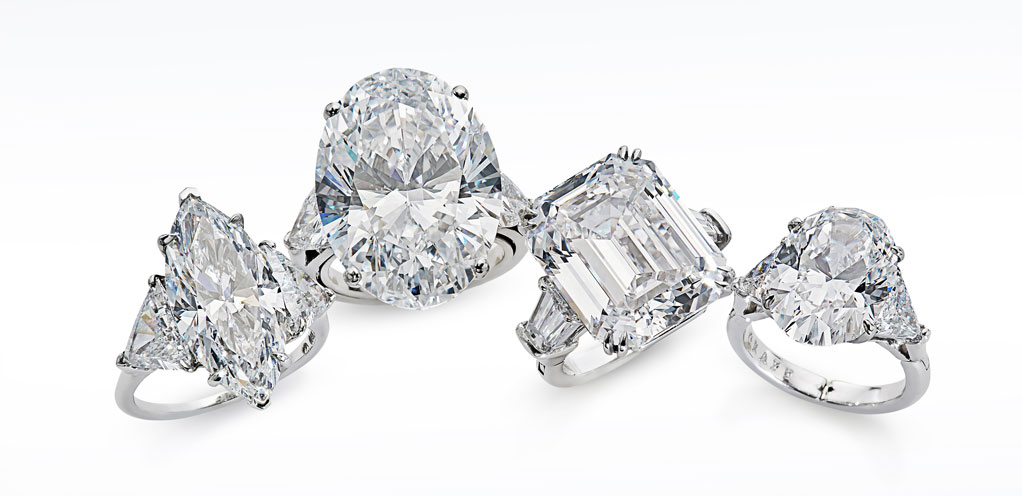
When examining actual size, a 18 carat diamond ring typically measures between 19.5mm to 20.5mm in diameter for round brilliant cuts, though this can vary based on the specific proportions and depth of the stone. Square shapes like princess cuts will measure approximately 14.5mm x 14.5mm, while elongated shapes such as oval or marquise cuts can reach lengths of 25-28mm depending on their length-to-width ratios.
The rarity of stones this size cannot be overstated, as diamonds of this magnitude represent less than 0.001% of all diamonds mined globally. Each 18 carat diamond ring requires exceptional planning and expertise in both cutting and setting, as the significant weight and dimensions demand specialized mounting techniques and reinforced band construction to ensure durability and comfort during wear.
Beyond the impressive statistics, owning such a piece represents entry into an exclusive category of jewelry typically reserved for celebrities, collectors, and those seeking the ultimate expression of luxury. The substantial investment reflects not only the material value but also the craftsmanship required to transform rough diamond material into a finished masterpiece worthy of this remarkable carat weight.
18 carat diamond ring Price Guide
Pricing for stones of this caliber varies dramatically based on the four Cs, with quality grades having exponential impacts on final costs. A 18 carat diamond ring in commercial quality grades can start around $180,000, while exceptional specimens with top color and clarity grades can exceed $2 million. The following breakdown illustrates typical price ranges for the stone alone, before setting costs:
- A 18 carat diamond ring in K–M color, SI1–SI2 clarity: $180,000–$280,000
- H–J color, VS1–VS2 clarity, Very Good cut: $350,000–$550,000
- F–G color, VVS1–VVS2 clarity, Excellent cut: $650,000–$950,000
- D–E color, IF–FL clarity, Ideal cut: $1,200,000–$2,000,000+
Complete ring pricing includes the setting, band, and labor costs, which add $8,000 to $25,000 depending on the complexity and materials chosen. Premium platinum settings with additional accent diamonds or intricate design work can increase total costs further:
- Simple solitaire in 14K gold: $190,000–$2,010,000
- Platinum cathedral setting: $195,000–$2,020,000
- Halo setting with accent diamonds: $205,000–$2,040,000
- Custom three-stone or vintage-inspired design: $215,000–$2,060,000
Market conditions, certification laboratory, and specific quality combinations can cause significant price variations within these ranges. Fancy colored diamonds in this carat weight command even higher premiums, with pink, blue, or yellow stones potentially doubling or tripling the costs listed above. Additionally, stones with exceptional provenance or historical significance may carry substantial premiums above standard market rates.
The Four Cs for a 18 carat diamond ring
Cut quality becomes paramount in a 18 carat diamond ring, as the large surface area and depth amplify both excellent proportions and any cutting deficiencies. Premium cuts like Ideal or Excellent grades ensure optimal light return, maximizing the stone’s natural brilliance and fire. Poor cut quality in this size range results in noticeable light leakage and diminished sparkle that becomes more apparent due to the substantial dimensions.
Color grades take on increased significance at this carat weight, as the larger size makes subtle color differences more visible to the naked eye. While smaller diamonds might appear colorless in H or I grades, a stone of this magnitude typically requires F grade or higher to maintain a truly colorless appearance. The substantial investment also justifies pursuing higher color grades for long-term satisfaction and value retention.
Clarity considerations shift dramatically in diamonds of this size, as inclusions invisible in smaller stones become readily apparent in a 18 carat diamond ring. VS1 grade represents the practical minimum for most buyers, though VVS grades provide additional peace of mind and improved resale potential. The large table and overall dimensions mean that even small inclusions can be visible without magnification, making higher clarity grades a worthwhile investment.
Carat weight, while fixed at 18.00 carats, still involves important considerations regarding precision and certification. Stones should be certified to the exact hundredth, and buyers should verify that the weight falls within normal ranges for the stated dimensions. Some stones may carry slightly more or less weight in the pavilion, affecting both appearance and value, making detailed analysis of the certification report essential for informed purchasing decisions.
Shape Options and Trade-Offs
Round brilliant cuts maximize light performance and sparkle in large diamonds, making them the most popular choice for stones of this magnitude. The circular shape distributes weight evenly, creating balanced proportions that complement the substantial size. However, round diamonds also carry price premiums of 15-25% over fancy shapes due to higher rough diamond waste during cutting and greater market demand.
Princess cut diamonds offer excellent value alternatives, displaying impressive brilliance while utilizing rough diamond material more efficiently. A 18 carat diamond ring in princess cut typically measures 14.5mm x 14.5mm, creating a bold square presence that appeals to those seeking contemporary styling. The shape requires protective prong placement at the corners to prevent chipping, adding slightly to setting complexity and cost.
Elongated shapes such as oval, marquise, and emerald cuts maximize visual impact by spreading weight across length rather than depth. These shapes can appear larger than round diamonds of equivalent weight, with ovals measuring approximately 22mm x 16mm and marquise cuts reaching lengths up to 28mm. The trade-off involves potentially less light return and increased vulnerability to damage at pointed ends.
Emerald and Asscher cuts emphasize clarity and color over brilliance, making them excellent choices for exceptional quality stones. The step-cut faceting creates a sophisticated, elegant appearance but also reveals inclusions more readily than brilliant cuts. Buyers considering these shapes in a 18 carat diamond ring should prioritize VVS clarity grades and higher color grades to fully showcase the shape’s inherent beauty and clean lines.
Wearing a 18 carat diamond ring: Size and Presence
The physical presence of a 18 carat diamond ring on the hand is substantial and unmistakable, extending significantly beyond the finger width and creating a dramatic focal point. The weight alone, at 3.6 grams for the stone plus additional band weight, requires an adjustment period for comfortable daily wear. Most wearers find the size initially overwhelming but quickly adapt to the impressive presence and attention it commands.
Practical considerations include ring sizing and fit, as the substantial top-heavy nature of the stone requires careful attention to band width and thickness for proper balance. A 18 carat diamond ring typically needs a minimum band width of 3-4mm to provide adequate structural support and comfortable wear. The sizing must also account for knuckle clearance, as the large stone diameter can make ring removal difficult if sized too tightly.
Daily activities may require modification when wearing such a substantial piece, as the size and value make the ring more susceptible to damage or loss. Many owners reserve these pieces for special occasions or social events rather than everyday wear. Professional activities, sports, and household tasks all present increased risks that owners must carefully consider when deciding appropriate wearing occasions.
The social impact of wearing such an exceptional piece cannot be understated, as the size and obvious value attract immediate attention and comment. A 18 carat diamond ring serves as a conversation starter and status symbol, though some wearers find the attention overwhelming or inappropriate for certain professional or social settings. The decision to wear such a piece regularly versus reserving it for special occasions becomes a personal choice based on lifestyle and comfort preferences.
Setting Recommendations
Solitaire settings remain the classic choice for diamonds of this magnitude, allowing the stone to dominate without competition from additional design elements. The clean lines emphasize the diamond’s exceptional size and quality while providing maximum security through proper prong placement. Cathedral-style solitaires elevate the stone slightly, improving light entry and creating an elegant profile that complements the substantial dimensions.
Three-stone settings can work effectively with stones of this size, though careful proportion planning becomes essential to prevent an overwhelming appearance. Side stones typically range from 3-6 carats each to maintain proper balance, creating total carat weights exceeding 25-30 carats. The substantial investment and dramatic appearance make this style choice suitable only for those seeking maximum visual impact and possessing appropriate occasions for such exceptional pieces.
Halo settings, while popular for smaller diamonds, require careful consideration at this carat weight to avoid creating an overly large or ostentatious appearance. When executed properly with smaller accent diamonds, halos can enhance the center stone’s perceived size and add additional sparkle. However, a 18 carat diamond ring already provides substantial presence, making the added size from halo designs potentially excessive for many wearers and occasions.
Vintage and Art Deco inspired settings offer sophisticated alternatives that can provide interesting visual contrast to the substantial center stone. Intricate metalwork, milgrain details, and geometric patterns can create elegant frameworks that complement rather than compete with the diamond’s natural beauty. These styles often incorporate side stones and detailed craftsmanship that justifies the premium investment while creating truly unique and personalized designs.
18 carat diamond ring Price Guide
Insurance considerations become paramount with stones of this value, requiring specialized jewelry insurance policies rather than standard homeowner’s coverage. Annual premiums typically range from 1-2% of appraised value, meaning a $500,000 ring might cost $5,000-$10,000 annually to insure properly. Professional appraisals must be updated regularly to maintain adequate coverage levels as market values fluctuate.
Financing options exist for qualified buyers, with specialized jewelry lenders offering terms specifically for high-value diamond purchases. Interest rates and terms vary significantly based on creditworthiness and loan amounts, with some lenders requiring substantial down payments or collateral. The substantial investment merits careful consideration of financing costs and terms before committing to purchase, as total costs can increase significantly when financing charges are included.
Resale considerations should factor into the purchasing decision, as diamonds of this size represent significant investments that may require eventual liquidation. Market liquidity for stones exceeding 10 carats becomes more limited, potentially requiring specialized dealers or auction houses for optimal resale results. A 18 carat diamond ring typically retains 60-80% of retail value in secondary markets, depending on quality factors and market conditions at the time of sale.
Investment potential varies based on quality grades and market timing, with exceptional specimens potentially appreciating over time while commercial quality stones may depreciate from their initial purchase prices. The limited supply of high-quality large diamonds provides some protection against value erosion, though fashion trends and economic conditions can impact demand significantly. Buyers should view these purchases primarily as luxury acquisitions rather than guaranteed financial investments.
Certification: What a 18 carat diamond ring Certificate Should Show
Gemological Institute of America (GIA) certification represents the gold standard for diamonds of this caliber, providing the most respected and widely accepted grading reports in the industry. A 18 carat diamond ring should include a complete GIA report documenting all quality factors, measurements, and identifying characteristics. The substantial investment justifies the additional cost and time required for GIA certification, as it provides crucial documentation for insurance and resale purposes.
Certificate details must include precise measurements, with length, width, and depth recorded to the nearest 0.01mm. Weight should be certified to the exact hundredth of a carat, and the report should document any fluorescence characteristics that might affect appearance or value. Clarity plotting becomes particularly important at this size, as the detailed inclusion mapping helps verify the stone’s identity and assists in insurance documentation.
Additional documentation should include detailed photography showing the stone’s identifying characteristics and overall appearance. Some certification laboratories provide supplementary reports or specialized services for diamonds of this magnitude, including detailed light performance analysis or cut quality assessments. A 18 carat diamond ring merits the most comprehensive documentation available to protect the substantial investment and facilitate future transactions.
Third-party verification through independent gemologists can provide additional confidence in major purchases of this magnitude. Professional gemological consultants can review certification reports, verify grading accuracy, and provide market analysis to ensure appropriate pricing. The substantial financial commitment justifies expert consultation fees, which typically range from $500-$2,000 but can prevent costly purchasing mistakes or overpricing issues that could affect long-term satisfaction with the acquisition.
Comparing Nearby Carat Weights
The jump from 15 to 18 carats represents a significant increase in both size and cost, with prices typically increasing by 40-60% for comparable quality grades. A 15-carat diamond provides substantial presence while remaining slightly more manageable for regular wear, measuring approximately 18mm in diameter for round cuts. The three-carat difference translates to meaningful visual impact and considerably higher investment requirements.
Moving up to 20-carat diamonds enters an even more exclusive territory, with availability becoming extremely limited and prices increasing exponentially. The visual difference between 18 and 20 carats may appear modest, but the rarity premium creates substantial cost increases that may exceed 50-80% for comparable quality grades. A 18 carat diamond ring often represents a practical compromise between exceptional size and reasonable availability in the ultra-luxury market segment.
Consideration of nearby weights like 16 or 17 carats might provide cost savings while maintaining impressive visual impact. The psychological barrier of crossing into 18-carat territory often creates pricing premiums that may not be justified by the marginal size increase. Buyers focused on value optimization might find better opportunities in slightly smaller sizes that still provide exceptional presence and luxury appeal.
Market availability differs significantly across these weight ranges, with 18-carat stones representing a common target weight that provides reasonable selection options. Smaller sizes typically offer broader choice in quality combinations and shapes, while larger sizes may require extended search periods or custom cutting arrangements. The balance between desired specifications, budget constraints, and timeline requirements often determines the optimal carat weight selection for individual buyers seeking stones in this magnitude range.
Where to Buy
Specialized high-end jewelry retailers represent the most common source for diamonds of this caliber, offering the expertise and inventory depth required for stones exceeding 15 carats. These dealers typically maintain relationships with cutting houses and rough diamond suppliers, enabling access to exceptional stones before they reach broader market distribution. The personalized service and extended evaluation periods justify the premium pricing often associated with luxury retail environments.
Auction houses provide alternative acquisition opportunities, particularly for stones with interesting provenance or exceptional characteristics. Major auction houses like Christie’s and Sotheby’s regularly feature significant diamonds, though buyers must be prepared for competitive bidding and premium charges that can add 20-25% to winning bids. A 18 carat diamond ring acquired through auction may carry historical interest or unique characteristics not available through traditional retail channels.
Diamond dealers and wholesalers can offer substantial cost savings for qualified buyers willing to navigate more complex transaction processes. These industry professionals typically focus on quality and value rather than retail presentation, requiring buyers to possess greater gemological knowledge and comfort with technical evaluation processes. The potential savings of 20-40% below retail prices can justify the additional complexity for financially motivated purchasers.
Online platforms have emerged as viable options for high-value diamond purchases, though the substantial investment requires extreme caution in vendor selection and verification processes. Reputable online dealers often provide detailed photography, video documentation, and comprehensive return policies that can facilitate remote evaluation and purchase decisions. The convenience and potential cost savings must be balanced against the inability to physically examine stones before purchase, making this approach suitable primarily for experienced buyers with strong gemological knowledge.
How much does a 18 carat diamond ring typically cost?
A 18 carat diamond ring typically ranges from $180,000 to over $2 million depending on quality factors including cut, color, clarity, and certification. Commercial quality stones in K-M color and SI clarity grades represent the entry-level pricing, while exceptional D-F color stones with flawless clarity command premium prices exceeding $1.5 million. Setting costs add an additional $8,000-$25,000 depending on design complexity and materials chosen.
What size finger can comfortably wear such a large diamond?
Ring sizes 6 and larger typically provide the most comfortable and proportionate appearance for stones of this magnitude, though personal preference and hand size ultimately determine suitability. The substantial dimensions extending beyond finger width create dramatic visual impact regardless of finger size, though smaller fingers may find the weight and size more noticeable during extended wear. Proper ring design and construction become crucial factors for comfort across all finger sizes.
How does a 18 carat diamond ring compare to smaller engagement rings?
An 18 carat diamond ring represents approximately six times the size of typical 3-carat engagement rings and eighteen times larger than average 1-carat stones. The dramatic size difference creates entirely different wearing experiences and social impacts, transitioning from traditional engagement jewelry into luxury statement pieces suitable for special occasions and formal events. The investment level also differs substantially, with costs typically exceeding those of luxury automobiles or substantial real estate down payments.
What certification should I require for diamonds this size?
GIA (Gemological Institute of America) certification provides the most respected and widely accepted documentation for diamonds of this caliber, offering comprehensive grading reports that detail all quality factors and identifying characteristics. The substantial investment justifies requiring full GIA documentation rather than alternative certification options, as proper documentation becomes essential for insurance coverage and potential resale transactions. Additional independent verification through qualified gemological consultants can provide extra confidence in purchases of this magnitude.
Are these diamonds suitable for everyday wear?
While structurally durable, the substantial size, weight, and value of such pieces typically make them more suitable for special occasions rather than daily wear. The prominent appearance attracts significant attention that may not be appropriate for all professional or social environments, and the substantial investment merits protection from the increased damage risks associated with routine activities. Many owners reserve these exceptional pieces for formal events, celebrations, and special occasions where their dramatic presence can be fully appreciated.
What setting styles work best for stones this large?
Solitaire settings provide the classic choice that emphasizes the stone’s exceptional size without visual competition from additional design elements, while cathedral styles offer elegant elevation that improves light entry and creates sophisticated profiles. Three-stone settings can work effectively but require careful proportion planning to prevent overwhelming appearances, typically incorporating 3-6 carat side stones for proper balance. Custom designs and vintage-inspired settings offer personalization opportunities that can create unique frameworks worthy of such exceptional center stones.
A 18 carat diamond ring represents the pinnacle of luxury jewelry, combining exceptional rarity with investment-grade quality that creates lasting value for generations. The substantial size and presence command attention while providing unparalleled brilliance and fire that showcases the natural beauty of premium diamond material. Buyers considering such exceptional pieces should prioritize quality factors, proper certification, and expert guidance to ensure optimal selection and long-term satisfaction with these remarkable acquisitions.
The decision to purchase stones of this magnitude requires careful consideration of budget, lifestyle, and wearing preferences, as the substantial investment and dramatic appearance create unique ownership experiences. A 18 carat diamond ring offers exclusivity and prestige that few luxury items can match, providing owners with treasured heirlooms that celebrate life’s most significant moments and achievements. For those seeking the ultimate expression of luxury and quality, these exceptional stones represent the finest available in contemporary jewelry markets, available through Carat Diamond homepage.