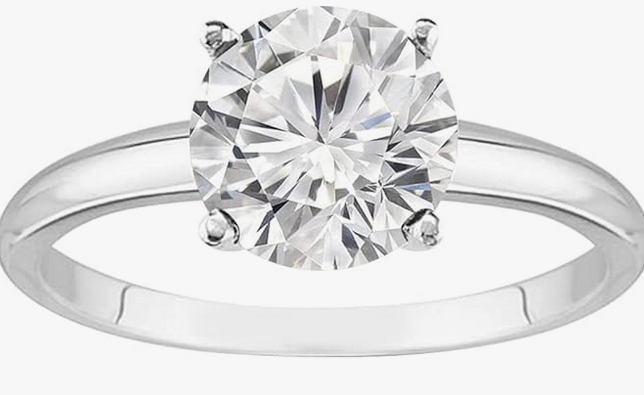
Houston Diamond District 1 to 10 Carat 14K White Gold IGI Certified Lab Grown Diamond Engagement Ring, Round Cut Solitaire, 4-Prong Setting (E–F Color VS2–SI1 Clarity)
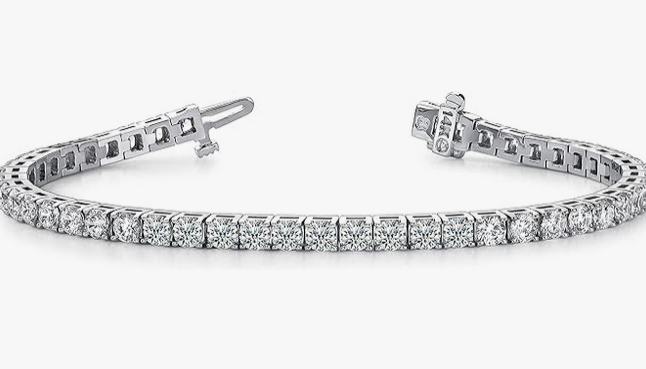
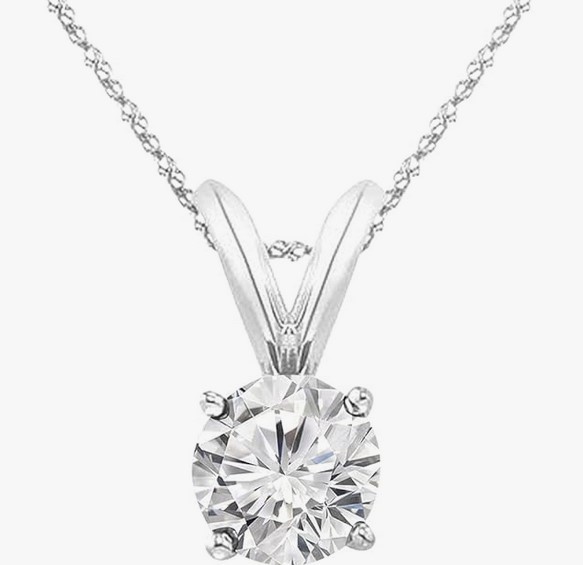
0.5-10 Carat Lab Grown Diamond Solitaire Pendant Necklace, Round Cut Solitaire, 4-Prong Setting, Jewelry for Women (E-F, VS)
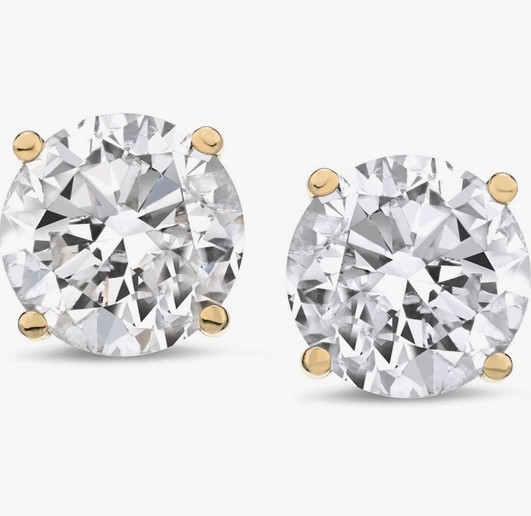
1 to 6 Carat LAB GROWN Solitaire Diamond Stud Earrings Round Cut 4 Prong Screw Back (F-G Color, VS1-VS2 Eye Clean Clarity)
A 1 carat lab-grown diamond price represents one of the most popular choices for engagement rings, measuring approximately 6.5mm in diameter when cut in a round brilliant shape. This size offers substantial visual impact on the hand while remaining within reach for many couples planning their future together. Lab-grown diamonds at this weight typically range from $800 to $4,500 depending on color, clarity, cut quality, and certification standards. A 1 carat lab-grown diamond price delivers exceptional value compared to natural stones, often costing 60-80% less while maintaining identical physical and chemical properties that create the same brilliance and fire.
What Is a 1 carat lab-grown diamond price?
Understanding the 1 carat lab-grown diamond price begins with recognizing that carat refers specifically to weight, not visual size. One carat equals exactly 200 milligrams or 0.2 grams, making it a standardized measurement across the global diamond industry. Lab-grown diamonds are created in controlled laboratory environments using either High Pressure High Temperature (HPHT) or Chemical Vapor Deposition (CVD) methods, resulting in stones that are chemically, physically, and optically identical to natural diamonds. The price advantage comes from the shorter creation timeline and controlled production environment.
The 1 carat lab-grown diamond price varies dramatically based on quality factors, with lower grades starting around $800 for stones with visible inclusions and warmer color tones. Premium examples with exceptional clarity and colorless grades can reach $4,500 or more, particularly when accompanied by prestigious laboratory certifications. This wide price range reflects the same quality spectrum found in natural diamonds, allowing buyers to prioritize the characteristics most important to their specific preferences and budget constraints.
Market dynamics significantly influence pricing, with technological improvements in laboratory growing techniques gradually reducing costs over time. Major diamond producers have invested heavily in lab-grown facilities, increasing supply and creating more competitive pricing structures. The 1 carat lab-grown diamond price remains particularly attractive for couples seeking maximum visual impact without the premium associated with natural stone formation over millions of years underground.
Certification plays a crucial role in determining value, with stones graded by the Gemological Institute of America (GIA) or the International Gemological Institute (IGI) commanding higher prices than uncertified alternatives. These certifications provide detailed analysis of cut quality, color grade, clarity characteristics, and carat weight verification. Understanding these factors helps buyers evaluate whether a particular 1 carat lab-grown diamond price represents genuine value for their investment.
1 carat lab-grown diamond price Price Guide
Comprehensive pricing for lab-grown diamonds depends on the four Cs working in combination, creating distinct price tiers that help buyers understand value relationships. The following guide reflects current market conditions for certified stones from reputable laboratory facilities, with prices varying based on specific characteristics and market fluctuations.
- A 1 carat lab-grown diamond price in D-F color, VVS1-VVS2 clarity, Excellent cut: $3,200-$4,500
- G-H color, VS1-VS2 clarity, Very Good to Excellent cut: $1,800-$2,800
- I-J color, SI1-SI2 clarity, Good to Very Good cut: $1,200-$1,900
- A 1 carat lab-grown diamond price for K-L color, SI2-I1 clarity, Good cut: $800-$1,400
- Premium D color, Flawless, Triple Excellent specifications: $4,500-$5,200
Complete engagement ring pricing includes the diamond cost plus setting expenses, typically adding $500-$3,000 depending on metal choice and design complexity. Simple solitaire settings in 14k white gold start around $500, while elaborate halo designs in platinum can exceed $2,500. The total investment for a complete ring ranges significantly based on these combined factors.
- Complete ring with 1 carat lab-grown diamond price D-F/VVS in platinum solitaire: $4,200-$5,800
- G-H/VS grade stone in 14k gold cathedral setting: $2,600-$3,600
- I-J/SI grade diamond in white gold halo design: $2,100-$3,200
- A 1 carat lab-grown diamond price K-L/SI2 in simple 14k setting: $1,500-$2,200
The Four Cs for a 1 carat lab-grown diamond price
Cut quality represents the most crucial factor affecting brilliance and visual appeal, with Excellent and Ideal grades commanding premium pricing within the 1 carat lab-grown diamond price spectrum. Superior cut proportions maximize light return, creating the fire and scintillation that makes diamonds captivating. Round brilliant cuts offer the most light performance optimization, while fancy shapes like princess, oval, and cushion each present unique optical characteristics. Poor cut quality can diminish even the finest color and clarity grades, making this the priority consideration for value-conscious buyers.
Color grading follows the GIA scale from D (colorless) through Z (light yellow), with most engagement ring diamonds falling between D and J grades. The 1 carat lab-grown diamond price increases substantially as color improves, particularly in the colorless D-F range where premiums can exceed 40% compared to near-colorless G-H stones. Many buyers find excellent value in G-H grades, which appear colorless when mounted in white gold or platinum settings while offering significant cost savings over truly colorless examples.
Clarity describes the presence of internal inclusions and external blemishes, graded from Flawless down through various included categories. Eye-clean stones in the VS1-SI2 range provide excellent value within the 1 carat lab-grown diamond price structure, offering beauty without the premium of higher clarity grades. SI1 and SI2 stones often present the best value proposition, particularly when inclusions are positioned away from the center of the stone where they remain invisible to casual observation.
Carat weight directly influences pricing through established market premiums at significant weight thresholds, with one carat representing a major psychological and pricing milestone. The 1 carat lab-grown diamond price reflects this premium, typically costing more per carat than similar quality stones weighing 0.90-0.99 carats. Buyers seeking maximum value sometimes consider stones just under one carat, which can offer 15-20% savings while appearing virtually identical in size when properly mounted in appropriate settings.
Shape Options and Trade-Offs
Round brilliant diamonds dominate the market due to their optimized light performance and universal appeal, though they command higher prices than most fancy shapes. The mathematical precision of 57-58 facets creates maximum brilliance and fire, making round stones the benchmark against which other shapes are compared. However, the 1 carat lab-grown diamond price for rounds reflects this popularity and performance advantage, often costing 15-25% more than comparable fancy shapes with equivalent specifications across the four Cs.
Princess cut diamonds offer modern angular appeal with excellent brilliance, typically providing better value than rounds while maintaining strong light performance. The square shape maximizes perceived size for carat weight, making these stones appear larger than rounds of identical weight. Oval, pear, and marquise shapes create elongated silhouettes that enhance finger appearance while offering cost advantages. The 1 carat lab-grown diamond price for these shapes often runs 10-20% below round pricing, allowing buyers to achieve larger visual presence within their budget parameters.
Emerald and Asscher cuts showcase clarity through large, uninterrupted facets that create hall-of-mirrors effects rather than brilliant sparkle. These step-cut styles require higher clarity grades since inclusions become more visible, potentially affecting the overall 1 carat lab-grown diamond price equation. Cushion cuts blend vintage charm with modern cutting techniques, offering good light performance at competitive prices. Each shape presents unique personality characteristics that appeal to different aesthetic preferences.
Fancy shape selection also influences setting requirements and design possibilities, with some shapes needing protective prongs for pointed corners while others allow more creative mounting approaches. The 1 carat lab-grown diamond price consideration should include these setting implications, as certain shapes may require more expensive mounting solutions or specialized craftsmanship to ensure security and beauty. Understanding these relationships helps buyers make informed decisions that balance initial cost with long-term satisfaction and wearability.
Wearing a 1 carat lab-grown diamond price: Size and Presence
Visual impact on the hand varies significantly based on finger size, setting style, and diamond shape, with one carat representing substantial presence without overwhelming most hand sizes. Round brilliant diamonds measure approximately 6.5mm in diameter, covering meaningful finger real estate while remaining proportionate for daily wear. The 1 carat lab-grown diamond price delivers this coveted size milestone that many couples consider essential for their engagement ring choice, providing confidence and satisfaction in social situations where rings receive attention and admiration.
Setting style dramatically affects perceived size, with halo designs adding 1-2mm to apparent diameter through surrounding smaller diamonds that create optical illusions of increased size. Solitaire mountings showcase the center stone without distraction, allowing its natural beauty and size to dominate the presentation. The 1 carat lab-grown diamond price becomes even more attractive when buyers realize how setting selection can enhance or diminish the stone’s visual impact, making informed mounting choices crucial for maximizing satisfaction with their investment.
Finger coverage varies with hand proportions, with one carat stones typically covering approximately one-third of average ring finger width from knuckle to knuckle. Slender fingers showcase diamond size more dramatically, while broader hands can accommodate larger stones without appearing disproportionate. The 1 carat lab-grown diamond price represents the sweet spot where most wearers achieve meaningful presence without the practical complications that larger stones sometimes present during daily activities.
Daily wearability remains excellent at this size, with sufficient mass to feel substantial while avoiding the catching and snagging issues that can affect larger stones in certain occupations or lifestyle situations. Professional settings generally accommodate one carat diamonds comfortably, making this size appropriate for most career environments. Understanding how the 1 carat lab-grown diamond price translates into real-world wearing experience helps buyers confirm their size selection aligns with practical lifestyle considerations alongside aesthetic preferences.
Certification: What a 1 carat lab-grown diamond price Certificate Should Show
Proper certification provides essential quality verification that protects buyers and validates the 1 carat lab-grown diamond price they invest in their future together. The Gemological Institute of America (GIA) and International Gemological Institute (IGI) represent the most respected certification authorities, employing standardized grading procedures and advanced equipment to evaluate diamonds objectively. These certificates include detailed measurements, plotting diagrams showing inclusion locations, and comprehensive analysis of all quality factors that determine value and beauty.
Certificate information should clearly identify the stone as laboratory-grown, distinguishing it from natural diamonds while confirming identical chemical composition and physical properties. Carat weight verification ensures accuracy to the second decimal place, confirming buyers receive precisely what they purchase. The 1 carat lab-grown diamond price should align with certificate grades across all four Cs, providing confidence in value relationships and helping buyers compare stones from different vendors with standardized quality references.
Cut grading on certificates evaluates proportions, symmetry, and polish quality that directly affect light performance and brilliance. Advanced certificates include light performance metrics and computer-generated models showing how the specific diamond interacts with illumination. Color and clarity grades follow internationally recognized standards, allowing buyers to understand exactly what quality level their 1 carat lab-grown diamond price represents within the broader market spectrum of available options.
Certificate security features prevent fraud and substitution, using unique identification numbers, security watermarks, and sometimes laser inscription on the diamond itself that matches certificate documentation. These protections ensure the specific stone evaluated matches the certificate permanently, providing long-term authentication for insurance and resale purposes. Buyers should verify certificate authenticity through issuing laboratory websites, confirming their 1 carat lab-grown diamond price investment includes legitimate quality documentation that supports its represented value and characteristics.
Setting Recommendations
Metal selection significantly impacts both aesthetics and long-term durability, with white metals like platinum and white gold complementing most diamond colors while yellow and rose gold create warmer presentations that may enhance or conflict with stone color grades. Platinum offers superior durability and hypoallergenic properties, though it costs more than gold alternatives. The 1 carat lab-grown diamond price advantage allows many buyers to upgrade metal selection, investing savings into premium mounting materials that enhance beauty and ensure longevity through decades of daily wear.
Prong configuration affects both security and light performance, with four-prong settings offering clean, unobstructed views while six-prong mountings provide additional security for active lifestyles. Prong thickness and shape influence both protection and aesthetic appeal, requiring balance between adequate metal coverage and minimal visual interference with the diamond. Proper prong placement becomes crucial with the 1 carat lab-grown diamond price investment, ensuring adequate security without compromising the light entry that creates brilliance and fire that makes diamonds captivating.
Gallery height determines ring profile and practical wearability, with higher settings showcasing diamonds more dramatically while lower profiles reduce catching on clothing and gloves. Cathedral shoulders add elegance and structural strength, supporting larger stones while creating graceful lines that complement hand proportions. The 1 carat lab-grown diamond price makes various setting upgrades affordable, allowing couples to select mounting features that enhance both beauty and functionality for their specific lifestyle requirements and aesthetic preferences.
Band width and thickness affect comfort and visual balance, with wider bands providing more substantial feel while narrower options create delicate elegance that showcases the center stone prominence. Comfort fit interiors improve wearability for individuals who haven’t previously worn rings regularly. Understanding how setting characteristics interact with the 1 carat lab-grown diamond price helps buyers create complete rings that maximize both beauty and satisfaction while ensuring long-term durability and comfort through years of constant wear and emotional significance.
Comparing Nearby Carat Weights
Strategic size selection can optimize value without sacrificing visual impact, as stones slightly below one carat often provide substantial savings while appearing nearly identical when mounted. The 1 carat lab-grown diamond price includes psychological premiums associated with reaching this significant weight milestone, similar to pricing patterns seen with natural diamonds throughout market history. Stones weighing 0.90-0.99 carats typically cost 15-20% less per carat while measuring only 2-3% smaller in diameter, creating compelling value propositions for budget-conscious buyers seeking maximum visual impact.
Moving above one carat into the 1.10-1.25 range increases cost substantially, often by 25-40% depending on quality grades and market conditions. These larger stones provide meaningful size increases that many wearers notice and appreciate, though the 1 carat lab-grown diamond price advantage begins diminishing as weights increase and fewer laboratories produce larger stones efficiently. Buyers should carefully evaluate whether the additional visual impact justifies significantly higher investment levels, considering their priorities and financial circumstances.
Half-carat stones offer entry-level pricing with respectable presence, measuring approximately 5.1mm in diameter for round shapes and providing attractive options for smaller budgets or more delicate preferences. However, the psychological and visual satisfaction of reaching the one-carat milestone often proves worth the additional investment. The 1 carat lab-grown diamond price represents optimal balance between meaningful size, acceptable cost, and broad market acceptance that supports long-term satisfaction with the purchase decision.
Two-carat stones create dramatic presence but require proportionally larger budgets and may present practical wearing challenges for some lifestyles and hand sizes. The exponential pricing structure means doubling carat weight often triples or quadruples total cost, making the 1 carat lab-grown diamond price appear increasingly attractive when compared to larger alternatives. Most couples find one carat provides the perfect combination of substantial presence, practical wearability, and reasonable investment levels that align with engagement ring expectations and long-term satisfaction goals.
Where to Buy
Reputable online retailers offer extensive selection, competitive pricing, and detailed photography that helps buyers evaluate stones remotely with confidence. Established vendors provide comprehensive return policies, quality guarantees, and customer service support that protects buyers throughout the purchasing process. The 1 carat lab-grown diamond price transparency available through online platforms allows easy comparison shopping while providing educational resources that help buyers understand quality relationships and value propositions across different stones and vendors.
Local jewelers provide hands-on evaluation opportunities and personalized service, though selection may be limited compared to online alternatives. Building relationships with knowledgeable local professionals offers ongoing support for maintenance, sizing, and potential future upgrades or modifications. Some buyers prefer combining online research with local purchasing, using digital resources to understand the 1 carat lab-grown diamond price landscape before working with local jewelers to complete their acquisition and ensure ongoing service relationships.
Direct manufacturer relationships sometimes provide cost advantages, though buyers should verify quality standards and certification practices when working with less established suppliers. Volume purchasing power at major retailers often translates to better 1 carat lab-grown diamond price options than smaller vendors can offer, though service levels and expertise may vary significantly. Reputation verification through customer reviews, industry associations, and business rating services helps identify trustworthy vendors who prioritize customer satisfaction over short-term profit maximization.
Timing purchases around promotional periods can provide additional savings, though buyers should focus primarily on stone quality and vendor reputation rather than temporary discounting. The 1 carat lab-grown diamond price continues evolving as production increases and technology improves, making market research valuable for understanding current value relationships. Successful purchases balance price considerations with quality assurance, vendor reliability, and service support that ensures positive experiences throughout the buying process and beyond into years of wearing enjoyment.
Frequently Asked Questions
What factors most influence 1 carat lab-grown diamond price?
1 carat lab-grown diamond price depends primarily on the four Cs: cut, color, clarity, and certification quality. Cut quality affects brilliance most dramatically, with Excellent grades commanding premiums of 20-30% over Good grades. Color grades from D-F cost significantly more than G-J alternatives, while clarity differences between VS and SI grades create substantial price variations. Certification from GIA or IGI adds credibility and typically increases value compared to lesser-known grading laboratories.
How much should I expect to pay for a quality one carat lab diamond?
Quality stones typically range from $1,800 to $3,500 depending on specific characteristics and certification. The 1 carat lab-grown diamond price for popular G-H color, VS1-VS2 clarity combinations with Very Good to Excellent cuts represents optimal value for most buyers. Premium D-F colorless stones with VVS clarity can exceed $4,000, while budget-conscious buyers can find eye-clean options starting around $1,200 in lower color and clarity grades.
Are 1 carat lab-grown diamond price values expected to change?
1 carat lab-grown diamond price trends suggest continued gradual decreases as production capacity increases and technology improves efficiency. However, high-quality stones with premium certifications maintain value better than lower grades. Market maturation and consumer acceptance provide stability, while ongoing technological advancement creates deflationary pressure. Current pricing represents good value for buyers planning purchases within the next 12-24 months, though dramatic price drops seem unlikely given production costs and market demand.
What size setting works best for one carat diamonds?
One carat stones work beautifully in most setting styles, from simple solitaires to elaborate halos and vintage designs. Band widths between 2-4mm provide optimal proportion, while gallery heights of 5-7mm showcase the stone effectively without creating excessive profile. The substantial size allows creative mounting options including cathedral shoulders, twisted bands, and detailed metalwork that complement rather than overwhelm the center diamond’s natural beauty and brilliance.
How does 1 carat lab-grown diamond price compare to natural stones?
Lab-grown alternatives typically cost 60-80% less than comparable natural diamonds, providing substantial savings for identical visual and physical properties. A natural stone costing $8,000-$12,000 might have a lab-grown equivalent priced at $2,000-$3,500 with similar specifications. This price advantage allows buyers to upgrade quality grades, invest in premium settings, or allocate savings toward other wedding expenses while maintaining their desired aesthetic goals and ring presence.
What certification should I require for my purchase?
GIA and IGI represent the most respected certification options, providing standardized grading and detailed quality analysis. These certificates include precise measurements, clarity plotting, and comprehensive quality evaluation that validates pricing and facilitates comparisons between stones. Avoid uncertified diamonds or those graded by unknown laboratories, as quality claims cannot be independently verified. Proper certification protects your investment and provides documentation needed for insurance coverage and potential future resale consideration.
Conclusion
Understanding the 1 carat lab-grown diamond price landscape empowers buyers to make informed decisions that balance quality, beauty, and budget considerations effectively. The substantial savings compared to natural alternatives, combined with identical physical properties and visual appeal, make lab-grown stones compelling choices for engagement rings and fine jewelry. Market maturation has created reliable supply chains, standardized grading practices, and competitive pricing that benefits consumers seeking maximum value for their investment in symbols of lasting commitment.
Smart buyers prioritize cut quality and certification while finding optimal balance points in color and clarity grades that maximize beauty within budget parameters. The 1 carat lab-grown diamond price represents excellent value in today’s market, providing meaningful size, substantial presence, and lasting satisfaction for couples beginning their journey together. For comprehensive selection and expert guidance in choosing your perfect stone, visit the Carat Diamond homepage.