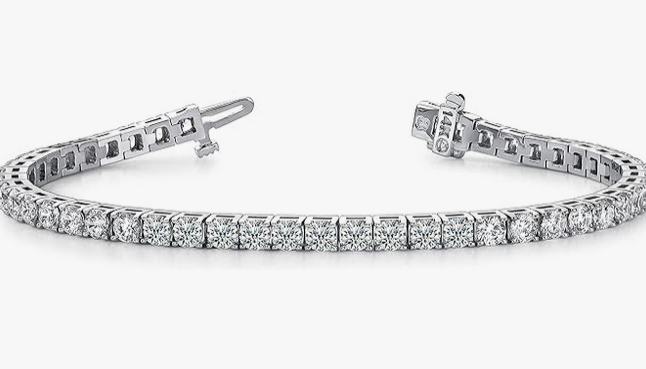
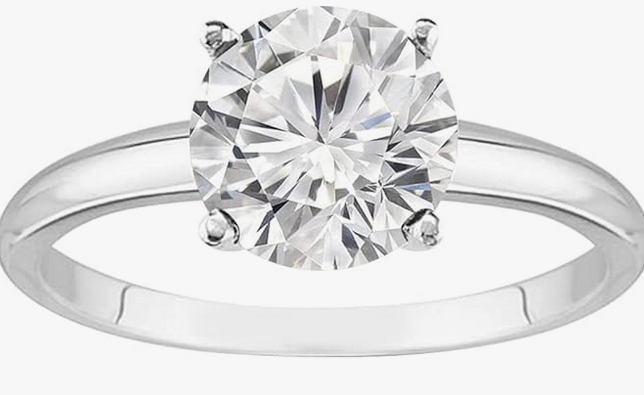
Houston Diamond District 1 to 10 Carat 14K White Gold IGI Certified Lab Grown Diamond Engagement Ring, Round Cut Solitaire, 4-Prong Setting (E–F Color VS2–SI1 Clarity)
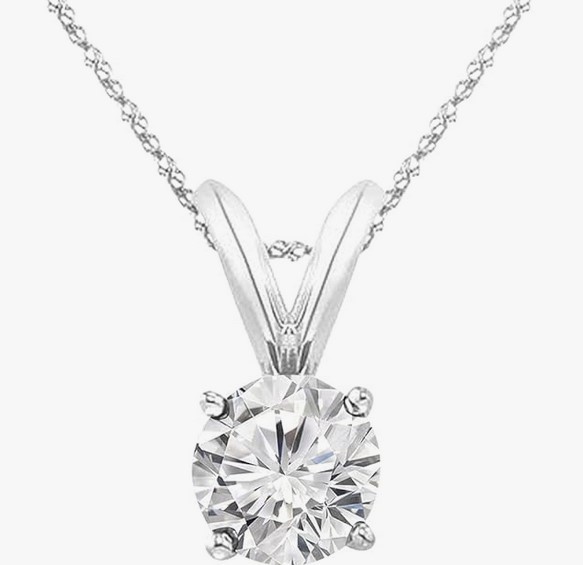
0.5-10 Carat Lab Grown Diamond Solitaire Pendant Necklace, Round Cut Solitaire, 4-Prong Setting, Jewelry for Women (E-F, VS)
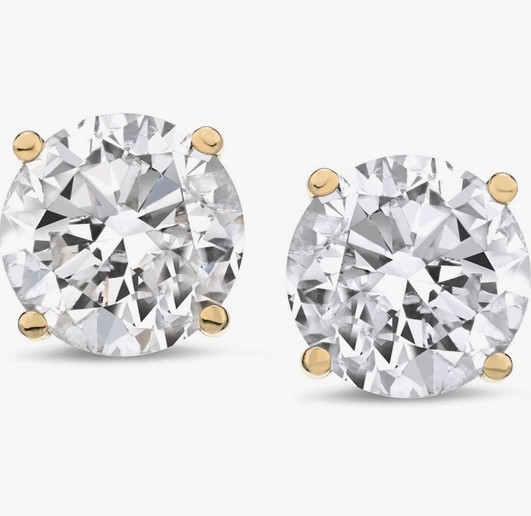
1 to 6 Carat LAB GROWN Solitaire Diamond Stud Earrings Round Cut 4 Prong Screw Back (F-G Color, VS1-VS2 Eye Clean Clarity)
A lab grown 3 carat diamond measures approximately 9.4mm in diameter for round cuts, creating a commanding presence on the hand while maintaining elegant proportions. These stones offer the same chemical composition, physical properties, and optical brilliance as natural diamonds, but at prices typically 60-80% lower than their mined counterparts. With proper cut grading and certification, a lab grown 3 carat diamond delivers exceptional sparkle and fire that rivals any natural stone of similar specifications. The substantial size makes even modest color and clarity grades appear impressive, allowing buyers to prioritize cut quality and visual impact over technical perfection.
What Is a lab grown 3 carat diamond?
Laboratory-grown diamonds are created through advanced technological processes that replicate the extreme heat and pressure conditions found deep within the Earth’s mantle. The two primary methods are High Pressure High Temperature (HPHT) and Chemical Vapor Deposition (CVD), both producing diamonds that are atomically identical to natural stones. A lab grown 3 carat diamond exhibits the same 10 rating on the Mohs hardness scale, identical refractive index of 2.42, and matching thermal conductivity properties that distinguish genuine diamonds from simulants.
The three-carat weight threshold represents a significant milestone in diamond purchasing, as stones of this size demonstrate remarkable brilliance due to their proportional depth and table dimensions. Modern laboratory techniques can produce these substantial diamonds with exceptional clarity characteristics, often achieving VS1 or higher grades more consistently than natural mining processes. The controlled environment eliminates many of the inclusions and structural irregularities that commonly occur in natural diamond formation.
Professional gemologists require specialized equipment to distinguish lab grown diamonds from natural stones, as their optical and physical properties remain identical under standard examination. Major grading laboratories including GIA, IGI, and GCAL provide comprehensive certification for lab grown diamonds, ensuring buyers receive accurate assessments of cut, color, clarity, and carat specifications. A lab grown 3 carat diamond certificate includes detailed plotting diagrams, proportional measurements, and fluorescence ratings identical to natural diamond reports.
The creation timeline for producing a high-quality three-carat lab grown diamond typically ranges from two to four weeks, depending on the chosen growth method and desired final specifications. HPHT processes often produce diamonds with distinctive metallic inclusions that can aid in identification, while CVD diamonds may exhibit subtle growth patterns visible under magnification. These manufacturing signatures do not impact the stone’s beauty, durability, or performance in jewelry applications.
lab grown 3 carat diamond Price Guide
Pricing for lab grown three-carat diamonds varies significantly based on the four Cs specifications, with cut quality representing the most critical factor for maximizing visual appeal. Current market conditions show substantial savings compared to natural diamonds of equivalent grades, making premium specifications more accessible to discerning buyers. The following ranges reflect recent wholesale and retail pricing trends across major diamond markets.
- A lab grown 3 carat diamond in D-F color, VVS1-VVS2 clarity, Excellent cut: $12,000-$18,000
- G-H color, VS1-VS2 clarity, Very Good to Excellent cut: $8,000-$13,000
- A lab grown 3 carat diamond in I-J color, SI1-SI2 clarity, Good to Very Good cut: $6,000-$10,000
- K-L color, SI2-I1 clarity, acceptable cut grades: $4,500-$7,500
- A lab grown 3 carat diamond in fancy shapes (oval, cushion, emerald): $7,000-$15,000
Complete engagement ring pricing including professional setting, sizing, and finishing work adds additional considerations to the total investment. Premium settings designed to showcase three-carat center stones require substantial metalwork and precise craftsmanship to ensure proper proportion and security. The following estimates include quality 14k or 18k gold mountings with appropriate prong or bezel configurations.
- Solitaire settings with lab grown 3 carat center stone: $13,500-$20,500
- Halo designs with accent diamonds: $15,000-$24,000
- Three-stone configurations with matching side stones: $18,000-$28,000
- Vintage-inspired settings with intricate metalwork: $16,500-$26,000
- Modern tension or architectural designs: $14,000-$22,000
The Four Cs for a lab grown 3 carat diamond
Cut quality represents the most crucial specification for maximizing the visual impact of a three-carat diamond, as proper proportions and polish directly influence light return and scintillation. Excellent and Ideal cut grades ensure optimal interaction between facets, creating the distinctive sparkle and fire that distinguishes premium diamonds from average stones. A lab grown 3 carat diamond with superior cut grading will consistently outperform larger stones with inferior proportions, making this specification the priority consideration for discerning buyers.
Color grading for three-carat stones requires careful evaluation, as the substantial size can emphasize subtle tinting that might remain invisible in smaller diamonds. D through F grades provide completely colorless appearance under all lighting conditions, while G and H grades offer excellent value with minimal perceptible warmth. I and J color grades remain popular choices for buyers prioritizing size over technical perfection, particularly when set in warm gold tones that complement slight yellow undertones.
Clarity specifications become less critical in three-carat lab grown diamonds, as modern production techniques consistently achieve VS2 or higher grades without significant price premiums. SI1 clarity grades often provide excellent value propositions, with inclusions remaining invisible to unaided observation while offering meaningful cost savings. A lab grown 3 carat diamond with SI2 clarity can deliver stunning visual results when inclusions are positioned away from the table facet and do not interfere with light transmission.
Carat weight verification requires precise measurement and certification to ensure buyers receive accurate specifications for their investment. Professional scales measuring to the fourth decimal place confirm exact weights, while diameter and depth measurements verify proper proportions for the stated carat size. Reputable suppliers provide comprehensive documentation including scaled photographs and detailed measurements that buyers can independently verify upon delivery.
Shape Options and Trade-Offs
Round brilliant cuts remain the most popular choice for three-carat lab grown diamonds, delivering maximum light return through their precisely calculated 57 or 58 facet arrangements. The circular symmetry creates consistent brilliance from all viewing angles, while the substantial diameter of approximately 9.4mm provides impressive finger coverage. However, round cuts typically command premium pricing compared to fancy shapes of equivalent quality grades.
Princess cut squares offer contemporary appeal with sharp geometric lines that complement modern setting designs. A lab grown 3 carat diamond in princess cut measures approximately 8.5mm square, creating substantial visual impact while often providing cost savings compared to round alternatives. The pointed corners require protective prong placement to prevent chipping, making setting selection more critical than with rounded shapes.
Oval and cushion cuts maximize apparent size due to their elongated profiles, with three-carat stones measuring approximately 12.0mm x 8.5mm in well-proportioned examples. These shapes can create the visual impression of larger carat weights while offering improved value positioning. However, buyers must evaluate length-to-width ratios carefully to ensure pleasing proportions, as extreme ratios can appear unbalanced or create undesirable optical effects.
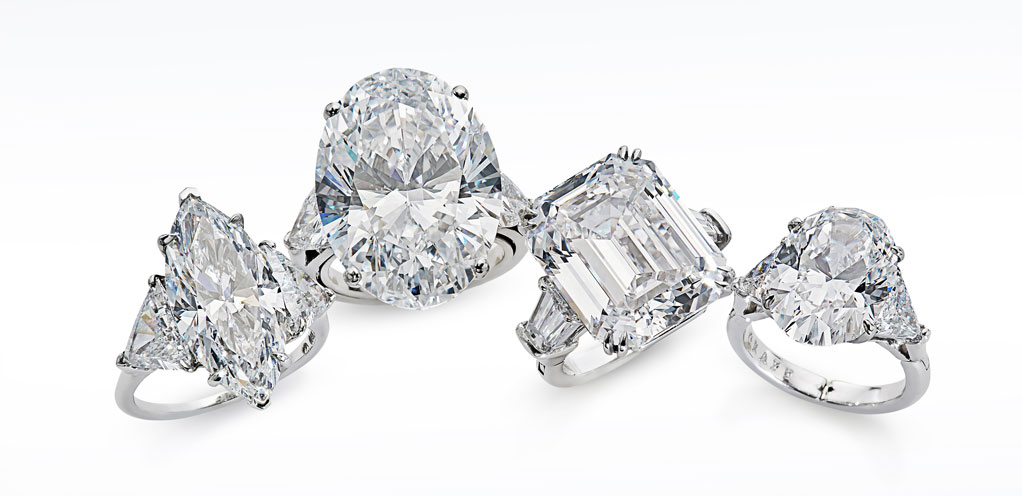
Emerald and asscher cuts emphasize clarity and color through their step-cut faceting patterns, making high grades more important than in brilliant cuts. The rectangular or square profiles provide sophisticated elegance that appeals to buyers seeking distinctive alternatives to traditional round stones. A lab grown 3 carat diamond in emerald cut typically measures 10.5mm x 7.5mm, offering substantial presence with refined geometric appeal.
Wearing a lab grown 3 carat diamond: Size and Presence
The physical presence of a three-carat diamond creates dramatic visual impact that transforms any jewelry design into a statement piece. Women with ring sizes between 5 and 7 will find that the stone provides substantial finger coverage without appearing overwhelming, while smaller or larger hand sizes may require careful setting consideration to maintain balanced proportions. A lab grown 3 carat diamond extends approximately 4.7mm above standard setting surfaces, creating noticeable profile height that affects daily wear comfort.
Professional and social environments may influence the appropriateness of wearing such substantial diamond jewelry, as three-carat stones inevitably attract attention and commentary. Many owners reserve their pieces for special occasions, evening events, or formal gatherings where the dramatic presence aligns with the dress code and social expectations. The substantial size makes these rings conversation pieces that reflect personal style preferences and individual confidence levels.
Practical considerations for daily wear include potential catching on clothing, increased cleaning requirements, and heightened security awareness. The elevated profile can interfere with glove fitting, typing comfort, or activities requiring manual dexterity. Insurance coverage becomes more critical given the substantial value and replacement cost associated with lab grown three-carat diamonds.
Ring band proportions require careful planning to complement the substantial center stone without appearing inadequate or overwhelming. Bands measuring 2.5mm to 4mm in width typically provide appropriate visual balance, while matching wedding bands should coordinate in scale and metalwork details. A lab grown 3 carat diamond demands setting designs that can securely accommodate the size and weight while maintaining elegant proportions.
Setting Recommendations
Solitaire settings remain the classic choice for showcasing three-carat diamonds, allowing maximum light entry and unobstructed viewing of the stone’s natural beauty. Six-prong configurations provide optimal security for round cuts, while four-prong alternatives offer cleaner lines for square or rectangular shapes. The substantial size requires robust prong construction and regular maintenance to ensure continued security throughout years of wear.
Halo designs can enhance the perceived size of already impressive three-carat center stones, creating dramatic visual impact through surrounding accent diamonds. However, the additional diamonds increase complexity, maintenance requirements, and replacement costs if damage occurs. A lab grown 3 carat diamond in a well-designed halo setting can appear equivalent to four or five carats while maintaining elegant proportions and balanced composition.
Bezel settings provide maximum protection for valuable three-carat investments, completely encircling the stone with precious metal walls that prevent chipping or damage from impacts. Modern bezel designs can incorporate partial or decorative elements that maintain substantial light entry while offering superior security. These settings work particularly well with emerald, asscher, or cushion cuts that complement the geometric mounting lines.
Three-stone configurations balance the substantial center diamond with complementary side stones, creating sophisticated compositions that tell symbolic stories of past, present, and future. Side stone selections typically range from 0.50 to 1.00 carats each to maintain proper proportion relationships. A lab grown 3 carat diamond serves as an impressive centerpiece while allowing supporting elements to enhance rather than compete with the primary focus.
Certification: What a lab grown 3 carat diamond Certificate Should Show
Professional grading reports from recognized laboratories provide essential documentation for three-carat lab grown diamond purchases, including comprehensive analysis of all quality factors and identifying characteristics. The Gemological Institute of America (GIA), International Gemological Institute (IGI), and Gemological Certification and Assurance Lab (GCAL) represent the most respected certification sources. A lab grown 3 carat diamond certificate should clearly identify the stone as laboratory-grown and include detailed plotting diagrams showing internal and external characteristics.
Essential information on legitimate certificates includes precise measurements, proportional analysis, polish and symmetry grades, and fluorescence characteristics. The report should specify the growth method (HPHT or CVD) and include microscopic photography when available. Color and clarity grades must align with current industry standards, with explanatory notes describing any unusual characteristics or treatments applied during the manufacturing process.
Verification systems allow buyers to authenticate certificates through online databases or direct laboratory contact. Each report includes unique identification numbers, security features, and QR codes that enable independent confirmation of the documented specifications. Buyers should verify certificate authenticity before finalizing purchases, particularly for high-value three-carat investments where documentation accuracy becomes critical for insurance and resale purposes.
Updated certification standards specifically address lab grown diamonds with dedicated report formats and identification protocols. Modern certificates include comprehensive disclosure statements, detailed growth method descriptions, and clear laboratory-grown designations that prevent confusion with natural stones. A lab grown 3 carat diamond deserves thorough documentation that supports its substantial value and provides confidence for long-term ownership and potential future transactions.
Comparing Nearby Carat Weights
Two-carat diamonds offer similar visual impact at significantly reduced cost, with round cuts measuring approximately 8.2mm in diameter compared to the 9.4mm diameter of three-carat stones. The size difference becomes less apparent when mounted in rings, particularly with halo or elaborate settings that enhance perceived dimensions. Budget-conscious buyers often find that high-quality two-carat stones provide better overall value than three-carat alternatives with compromised cut or clarity specifications.
The transition from 2.50 to 3.00 carats represents a meaningful psychological milestone that often justifies premium pricing despite minimal visual differences. A lab grown 3 carat diamond measures only 0.6mm larger in diameter than 2.50-carat stones, yet commands substantially higher prices due to the prestige associated with reaching the three-carat threshold. Savvy buyers may find exceptional value in high-quality stones weighing 2.75 to 2.95 carats that provide nearly identical appearance at reduced cost.
Four-carat diamonds enter true statement jewelry territory, with round cuts measuring 10.2mm in diameter and requiring specialized setting techniques to manage the increased size and weight. The price progression from three to four carats typically involves exponential increases rather than linear scaling. Many buyers discover that three-carat stones provide the optimal balance between impressive size, reasonable pricing, and practical wearability for regular use.
Half-carat increments within the three-carat range can offer meaningful savings opportunities for flexible buyers. Stones weighing 3.25 to 3.50 carats provide increased presence without dramatic price increases, while maintaining compatibility with standard setting designs. A lab grown 3 carat diamond represents the entry point into truly substantial stones, with each additional tenth of a carat providing incremental improvements in visual impact and market positioning.
Where to Buy
Reputable online retailers specializing in lab grown diamonds offer extensive selection, competitive pricing, and comprehensive return policies that protect three-carat investments. Established vendors provide detailed photography, video documentation, and professional customer service to support remote purchasing decisions. Virtual consultations and home viewing programs allow buyers to examine specific stones before finalizing purchases, reducing the uncertainty traditionally associated with online diamond buying.
Local jewelry stores increasingly stock lab grown diamonds or can order specific stones through wholesale networks, providing the advantage of in-person examination and immediate professional guidance. Independent jewelers often offer competitive pricing and personalized service that builds long-term relationships for maintenance, upgrades, and future purchases. A lab grown 3 carat diamond represents a significant investment that benefits from professional expertise and ongoing support throughout the ownership experience.
Direct manufacturer relationships can provide cost savings and customization opportunities for buyers seeking specific combinations of cut, color, and clarity. However, these arrangements typically require more extensive diamond knowledge and may offer limited return policies compared to established retail channels. Buyers must verify certification, return policies, and warranty coverage when purchasing directly from manufacturing sources.
Comprehensive comparison shopping across multiple vendors ensures optimal pricing and selection for three-carat lab grown diamond purchases. Price variations of 20% or more commonly exist between vendors for similar specifications, making thorough research essential for maximizing value. A lab grown 3 carat diamond purchase deserves careful vendor evaluation, including review verification, business history research, and communication quality assessment before committing to substantial investments.
Frequently Asked Questions
How big does a lab grown 3 carat diamond look on the hand?
A lab grown 3 carat diamond in round cut measures approximately 9.4mm in diameter, creating substantial finger coverage that appears impressive without overwhelming most hand sizes. The stone extends roughly 4.7mm above standard setting surfaces, creating noticeable profile height. On average ring sizes between 5 and 7, the diamond provides dramatic presence while maintaining elegant proportions that complement rather than dominate the overall appearance.
What’s the price difference between lab grown and natural 3 carat diamonds?
Lab grown alternatives typically cost 60-80% less than natural diamonds of equivalent specifications, representing savings of $15,000 to $40,000 on three-carat stones. Natural three-carat diamonds with premium grades often exceed $50,000, while similar lab grown stones range from $12,000 to $18,000. These substantial savings allow buyers to prioritize superior cut quality, larger sizes, or more elaborate settings within equivalent budgets.
Can you tell the difference between a lab grown 3 carat diamond and natural?
A lab grown 3 carat diamond exhibits identical optical, physical, and chemical properties to natural stones, making visual distinction impossible without specialized gemological equipment. Professional identification requires advanced spectroscopy, photoluminescence analysis, or microscopic examination of growth patterns. Even experienced jewelers cannot reliably distinguish lab grown from natural diamonds through standard observation methods, requiring laboratory certification for definitive identification.
How long do lab grown diamonds last compared to natural ones?
Laboratory-grown diamonds possess identical hardness, durability, and structural properties to natural stones, ensuring equivalent longevity and resistance to wear. Both types rate 10 on the Mohs hardness scale and withstand normal jewelry use indefinitely with proper care. The controlled laboratory environment often produces fewer structural weaknesses than natural formation processes, potentially resulting in superior durability characteristics in some cases.
What certification should I look for in a lab grown 3 carat diamond?
A lab grown 3 carat diamond should include certification from recognized laboratories such as GIA, IGI, or GCAL, with clear laboratory-grown identification and comprehensive grade analysis. Essential documentation includes precise measurements, cut analysis, color and clarity grades, and detailed plotting diagrams. The certificate should specify growth method (HPHT or CVD) and include verification systems that enable authentication through online databases or direct laboratory contact.
Are lab grown diamonds good investments for the future?
Lab grown diamonds currently focus on personal enjoyment rather than investment appreciation, as rapidly advancing technology continues reducing production costs and market prices. Unlike rare natural diamonds that may maintain or increase value over time, lab grown alternatives typically depreciate similarly to other manufactured luxury goods. Buyers should prioritize personal satisfaction, aesthetic preferences, and symbolic value rather than expecting financial returns from their purchases.
Conclusion
A lab grown 3 carat diamond represents an exceptional opportunity to own a substantial, brilliant stone that delivers impressive presence and lasting beauty at accessible pricing. The combination of advanced laboratory technology, rigorous certification standards, and competitive market dynamics creates favorable conditions for buyers seeking maximum value and visual impact. Careful attention to cut quality, appropriate certification, and reputable vendor selection ensures a rewarding purchase experience that provides years of enjoyment and satisfaction.
The decision to choose a lab grown 3 carat diamond reflects modern values that prioritize conscious consumption, technological advancement, and practical luxury that enhances daily life. These remarkable stones offer identical beauty, durability, and symbolic meaning to natural alternatives while supporting sustainable practices and innovative manufacturing techniques. Whether chosen for engagement rings, anniversary celebrations, or personal milestone recognition, three-carat lab grown diamonds provide the perfect balance of impressive size, exceptional quality, and responsible sourcing that defines contemporary jewelry preferences. Explore the complete selection of certified lab grown diamonds and expert guidance available at the Carat Diamond homepage.