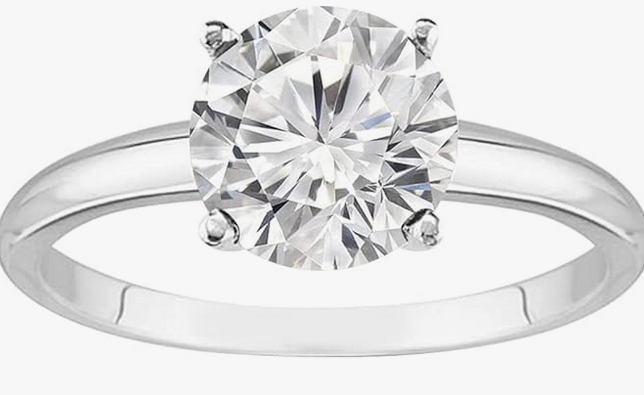
Houston Diamond District 1 to 10 Carat 14K White Gold IGI Certified Lab Grown Diamond Engagement Ring, Round Cut Solitaire, 4-Prong Setting (E–F Color VS2–SI1 Clarity)
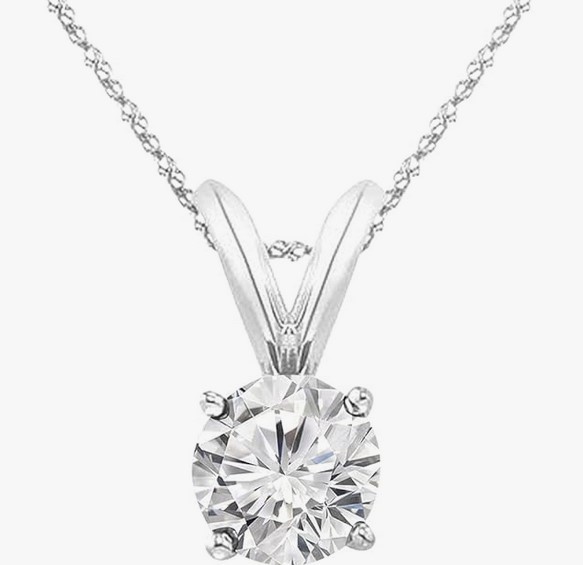
0.5-10 Carat Lab Grown Diamond Solitaire Pendant Necklace, Round Cut Solitaire, 4-Prong Setting, Jewelry for Women (E-F, VS)
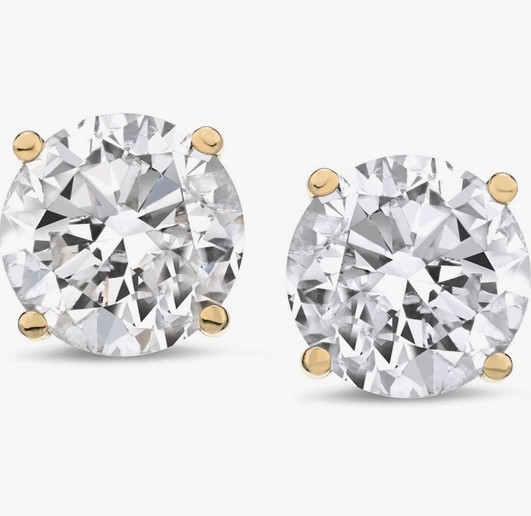
1 to 6 Carat LAB GROWN Solitaire Diamond Stud Earrings Round Cut 4 Prong Screw Back (F-G Color, VS1-VS2 Eye Clean Clarity)
A 1 carat solitaire diamond ring measures approximately 6.5mm in diameter for round diamonds and represents the most popular choice for engagement rings worldwide. This classic size offers substantial visual presence on the finger while remaining elegant and sophisticated for daily wear. Pricing typically ranges from $3,000 to $25,000 depending on cut quality, color grade, clarity rating, and certification. A 1 carat solitaire diamond ring delivers the perfect balance between impressive size and reasonable investment, making it the benchmark against which all other diamond sizes are measured in the engagement ring market.
What Is a 1 carat solitaire diamond ring?
The term “carat” refers specifically to the weight of the diamond, with one carat equaling exactly 200 milligrams or 0.2 grams. This measurement system dates back to ancient times when carob seeds served as counterweights on merchant scales due to their consistent mass. A 1 carat solitaire diamond ring features a single diamond as the centerpiece, mounted in a simple setting that maximizes light exposure and brilliance. The solitaire setting style emphasizes the diamond’s natural beauty without competing elements or accent stones.
Understanding carat weight versus visual size proves crucial for informed purchasing decisions. While carat measures weight, the diamond’s dimensions determine its apparent size when viewed from above. A well-cut 1 carat solitaire diamond ring will appear larger than a poorly proportioned stone of identical weight. Cut quality directly impacts how light reflects through the diamond, affecting both brilliance and perceived size. The relationship between carat weight and visual presence explains why cut grade should never be compromised in favor of weight alone.
The popularity of this particular size stems from its position as the psychological threshold where diamonds transition from “nice” to “impressive.” Market research consistently shows that one carat represents the most desired weight for engagement rings across diverse demographics. A 1 carat solitaire diamond ring satisfies the desire for substantial presence while remaining practical for everyday wear. This size offers excellent value proposition, as diamonds just below one carat often cost significantly less per carat while appearing nearly identical to the naked eye.
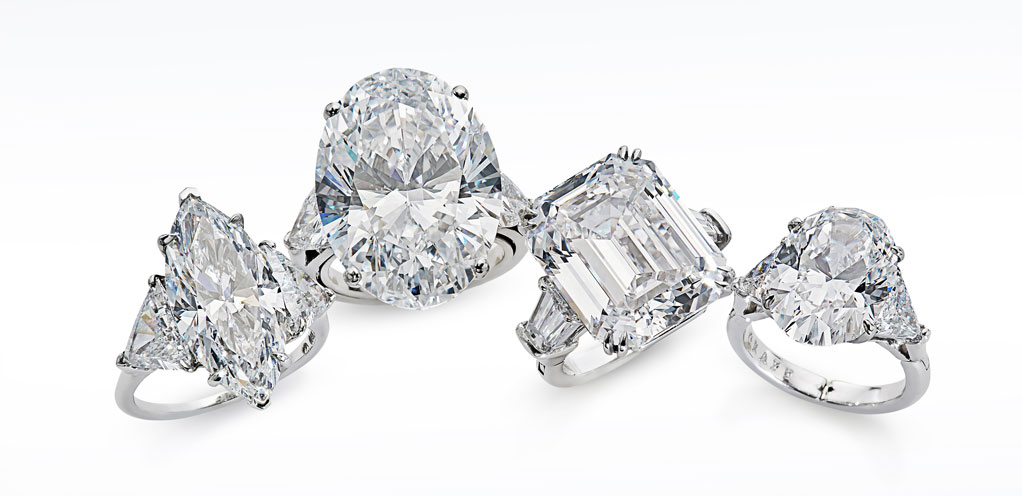
Different diamond shapes affect how carat weight translates to visual impact and finger coverage. Round brilliant diamonds maximize light performance but may appear smaller than elongated shapes of identical weight. Oval, marquise, and pear-shaped diamonds create the illusion of greater size due to their extended length and larger surface area. When selecting a 1 carat solitaire diamond ring, shape preference should align with desired visual impact and hand proportions. The classic round shape remains most popular, representing approximately 70% of all engagement ring sales.
1 carat solitaire diamond ring Price Guide
Diamond pricing follows complex algorithms considering the Four Cs interaction, with dramatic price variations possible within the one carat weight category. Understanding these price ranges enables informed decision-making and realistic budget planning. The following ranges reflect current market conditions for certified natural diamonds from reputable dealers:
- A 1 carat solitaire diamond ring in D-F color, VVS1-VVS2 clarity, Excellent cut: $15,000-$25,000
- G-H color, VS1-VS2 clarity, Very Good to Excellent cut: $8,000-$15,000
- A 1 carat solitaire diamond ring in I-J color, SI1-SI2 clarity, Good to Very Good cut: $5,000-$10,000
- K-M color, SI2-I1 clarity, Good cut: $3,000-$6,000
- A 1 carat solitaire diamond ring with fancy shapes (non-round): 10-20% less than comparable round diamonds
Complete ring pricing includes the diamond plus setting, with mounting costs typically ranging from $300 to $3,000 depending on metal type and complexity. Simple solitaire settings in 14k gold start around $300, while platinum settings with intricate details can exceed $2,000. The total investment for a complete ring therefore spans from approximately $3,500 to $28,000, representing significant variation based on specifications and preferences.
Lab-grown diamonds offer identical physical and optical properties at substantially reduced prices, typically 40-60% less than natural diamonds of comparable quality. This price differential allows buyers to access higher grades within their budget or allocate savings toward other priorities. However, natural diamonds generally maintain better long-term value retention, making them preferable for those viewing their purchase as an investment. The choice between natural and lab-grown depends on personal values, budget constraints, and long-term considerations rather than quality differences.
The Four Cs for a 1 carat solitaire diamond ring
Cut quality represents the most crucial factor affecting a diamond’s beauty and light performance, yet it’s often misunderstood by first-time buyers. For round diamonds, Excellent or Ideal cut grades ensure optimal light reflection and maximum brilliance. The cut grade encompasses proportions, symmetry, and polish quality, with precise mathematical relationships determining light behavior. A 1 carat solitaire diamond ring with superior cut quality will dramatically outperform a larger diamond with poor proportions, making cut the most important consideration for visual impact.
Color grading ranges from D (colorless) to Z (light yellow), with most engagement ring diamonds falling between D and J grades. The difference between adjacent color grades is subtle and often undetectable without direct comparison under controlled lighting. For maximum value in this category, G and H color grades offer excellent appearance while providing significant savings over colorless grades. A 1 carat solitaire diamond ring in G or H color will appear colorless when mounted, especially in white metal settings that don’t contrast with slight warmth.
Clarity refers to internal characteristics (inclusions) and external blemishes that formed during the diamond’s natural creation process. The clarity scale ranges from Flawless (FL) to Included (I3), with most engagement ring diamonds falling in the VS1 to SI2 range. For one carat diamonds, VS2 and SI1 grades typically offer the best value, as inclusions remain invisible to the naked eye while providing substantial savings over higher clarity grades. Eye-clean diamonds in these grades perform identically to flawless stones in terms of beauty and durability.
Carat weight pricing follows a tiered structure with significant price jumps at popular weights, particularly at the one carat threshold. Diamonds weighing 0.90-0.99 carats cost substantially less per carat than those reaching or exceeding 1.00 carats, despite minimal visual difference. However, the psychological significance of achieving the one carat milestone often justifies the premium for many buyers. A 1 carat solitaire diamond ring represents a meaningful achievement and symbol, making the additional cost worthwhile for those prioritizing the milestone weight over maximum value optimization.
Shape Options and Trade-Offs
Round brilliant diamonds dominate the market due to their superior light performance and timeless appeal, representing the benchmark against which all other shapes are measured. The 57-facet cutting pattern, perfected over centuries, maximizes brilliance, fire, and scintillation through precise mathematical proportions. Round diamonds command premium pricing due to higher rough diamond waste during cutting and consistent demand. A round 1 carat solitaire diamond ring offers the safest choice for those prioritizing maximum brilliance and broad appeal, though this comes at the highest cost per carat among all shapes.
Princess cut diamonds rank as the second most popular choice, offering contemporary square appearance with excellent brilliance approaching round diamond performance. The square shape provides efficient use of rough diamond material, resulting in 10-20% cost savings compared to round diamonds of identical quality. Princess cuts require protective prong placement at the pointed corners to prevent chipping during daily wear. This shape appeals to those seeking modern aesthetics while maintaining excellent light performance and value proposition.
Elongated shapes including oval, marquise, pear, and emerald cuts create the illusion of greater size due to their extended length and larger surface area coverage on the finger. These shapes can appear 10-15% larger than round diamonds of identical carat weight, offering impressive presence at reduced cost. However, elongated shapes may exhibit bow-tie effects (dark areas across the center) that require careful evaluation during selection. A 1 carat solitaire diamond ring in oval or pear shape maximizes visual impact while providing excellent value, though personal preference for shape should take priority over size considerations.
Step-cut diamonds including emerald and Asscher cuts offer sophisticated, elegant appearance with distinctive hall-of-mirrors optical effect. These cuts emphasize clarity over brilliance, requiring higher clarity grades to appear their best due to the large, open facets that clearly reveal inclusions. Step cuts appeal to those appreciating understated elegance and architectural aesthetics rather than maximum sparkle. The sophisticated appearance of these shapes suits those with refined taste who prefer subtle luxury over obvious brilliance.
Setting Recommendations
The classic four-prong solitaire setting remains the most popular choice for maximizing diamond exposure and light entry from all angles. This traditional mounting secures the diamond at four points while allowing maximum light penetration for optimal brilliance. Prong settings require regular inspection and maintenance to ensure security, with retipping needed every 5-10 years depending on wear patterns. The timeless design ensures the ring will never appear dated, making it an excellent choice for those prioritizing classic elegance and maximum diamond prominence.
Six-prong settings provide additional security for valuable diamonds while maintaining excellent light exposure and brilliance. The additional prongs distribute holding force more evenly, reducing stress concentration and providing backup security if one prong becomes damaged. Six-prong settings work particularly well with round diamonds, as the prongs can be positioned to enhance the diamond’s circular symmetry. A 1 carat solitaire diamond ring in a six-prong setting offers peace of mind for active wearers while maintaining the classic solitaire aesthetic with slightly enhanced security.
Bezel settings surround the diamond’s girdle with a thin metal rim, providing maximum protection for the diamond while creating a sleek, contemporary appearance. This setting style works excellently for active lifestyles, as the diamond is completely protected from impacts and catching on clothing or objects. Bezel settings reduce apparent diamond size slightly due to the metal border, but offer unmatched security and modern aesthetic appeal. The setting requires skilled craftsmanship to achieve proper fit without affecting diamond proportions or light entry.
Cathedral and trellis settings elevate the diamond above the band, creating additional finger coverage and presence while maintaining excellent light exposure. These architectural mounting styles complement the diamond’s beauty while adding visual interest to the ring design. Cathedral settings feature arched supports that gracefully lift the diamond, while trellis settings use interwoven metalwork for artistic appeal. Both styles work well with various diamond shapes and provide excellent security when properly constructed. A 1 carat solitaire diamond ring in cathedral or trellis setting offers enhanced presence and sophisticated styling for those seeking something beyond basic prong mountings.
Wearing a 1 carat solitaire diamond ring: Size and Presence
The visual impact of a one carat diamond varies significantly based on finger size, with the same stone appearing dramatically different on various hands. On size 6 fingers (average for women), a round diamond measures approximately 6.5mm in diameter, covering substantial finger width while maintaining proportional elegance. Smaller fingers (sizes 4-5) showcase the diamond prominently, sometimes appearing oversized, while larger fingers (sizes 7-8) may make the same stone appear more modest. Understanding this relationship helps set realistic expectations and guides size decisions based on hand proportions.
Daily wearability represents a crucial consideration often overlooked during the excitement of selection. A well-proportioned diamond sits comfortably on the finger without excessive height that catches on clothing or interferes with daily activities. Professional settings may require consideration of appropriateness, as very large or flashy diamonds might appear unprofessional in conservative environments. A 1 carat solitaire diamond ring strikes an excellent balance between impressive presence and practical wearability, making it suitable for all professional and social situations.
The psychological impact of achieving the one carat milestone extends beyond mere size considerations, representing a significant emotional and symbolic achievement. Cultural associations with one carat diamonds as the “standard” for serious engagement rings create additional meaning beyond the physical attributes. This psychological significance often justifies the price premium associated with crossing the one carat threshold. Many couples view reaching this milestone as important for the proposal’s significance and the ring’s long-term meaning.
Hand gestures and movement significantly affect how others perceive the diamond’s size and brilliance during social interactions. A well-cut diamond exhibits maximum sparkle during natural hand movements, drawing attention through light reflection and refraction. The classic solitaire setting enhances this effect by allowing unrestricted light entry from all angles. A 1 carat solitaire diamond ring provides sufficient size to create impressive light displays during normal wear while maintaining elegance and sophistication. The balance between presence and practicality makes this size ideal for those wanting to make a statement without appearing ostentatious.
Certification: What a 1 carat solitaire diamond ring Certificate Should Show
Gemological Institute of America (GIA) certificates represent the gold standard for diamond grading, providing unbiased, consistent evaluation of the Four Cs and additional characteristics. A proper GIA report includes detailed measurements, proportions, symmetry, polish, fluorescence, and plotting diagram showing internal characteristics. The certificate should match the diamond exactly, with laser inscription of the report number microscopic ally etched on the girdle for verification. A 1 carat solitaire diamond ring should always include GIA certification to ensure accurate grading and provide confidence in the purchase.
Essential certificate information includes precise measurements showing length, width, depth, and total depth percentage, along with table percentage and crown/pavilion angles for round diamonds. Symmetry and polish grades should be Good or better, with Excellent preferred for maximum light performance. The plotting diagram maps inclusion locations and types, allowing verification that the specific diamond matches the certificate. Fluorescence notation indicates the diamond’s reaction to ultraviolet light, with None to Medium generally preferred for colorless diamonds.
American Gem Society (AGS) certificates provide an alternative grading system using numerical scales (0-10) rather than traditional letter grades, with 0 representing the highest quality. AGS certificates often include additional cut quality analysis and light performance data valuable for comparing diamonds. Both GIA and AGS maintain strict grading standards, though GIA reports are more widely recognized and accepted in the international market. The choice between certification bodies matters less than ensuring the diamond includes grading from a reputable, independent laboratory.
Certificate verification through the grading laboratory’s online database confirms authenticity and prevents fraud, as counterfeit certificates occasionally appear in the marketplace. Each certificate includes a unique report number that can be verified on the laboratory’s website, showing the exact grades and characteristics. This verification process should be completed before finalizing any purchase to ensure the certificate matches the diamond being evaluated. A 1 carat solitaire diamond ring represents a significant investment that warrants proper certification and verification for peace of mind and future resale value protection.
Comparing Nearby Carat Weights
The 0.90-0.99 carat range offers exceptional value for budget-conscious buyers, as these diamonds appear nearly identical to one carat stones while costing 15-25% less. The visual difference between a 0.95 carat and 1.00 carat diamond is undetectable without precise measurement, yet the pricing gap can represent thousands of dollars in savings. These “magic size” diamonds just below the one carat threshold provide maximum value optimization for those prioritizing cost efficiency over milestone achievement. However, the psychological significance of reaching one full carat may outweigh the financial savings for many buyers.
Diamonds in the 1.01-1.09 carat range command premium pricing due to achieving the coveted one carat milestone, despite minimal visual difference from stones just below this threshold. The price premium for exceeding one carat continues until reaching the next psychological barrier at 1.25 carats. Buyers seeking maximum value might consider 1.02-1.05 carat diamonds, which provide the one carat achievement at lower cost than larger stones in this range. A 1 carat solitaire diamond ring in this weight range satisfies the milestone desire while offering some optimization within the premium category.
The 1.25-1.49 carat range represents another significant price tier, with diamonds in this category commanding substantial premiums over one carat stones. The visual difference becomes more apparent at these weights, particularly in terms of finger coverage and presence. However, the cost increase often exceeds the visual improvement, making this range less popular among value-conscious buyers. These larger diamonds may appear overwhelming on smaller hands, requiring careful consideration of finger proportions and personal preferences.
Fractional weight considerations become important when comparing diamonds within narrow ranges, as slight weight differences can significantly impact pricing. For example, a 0.98 carat diamond may cost 20% less than a 1.01 carat stone of identical quality, despite being virtually indistinguishable when mounted. Understanding these pricing thresholds enables strategic purchasing decisions that maximize value while achieving desired appearance. A 1 carat solitaire diamond ring represents the optimal balance point where psychological satisfaction meets reasonable cost, making it the most logical choice for many buyers seeking this balance.
Where to Buy
Online retailers offer the largest selection and most competitive pricing for diamonds, with advanced filtering systems allowing precise specification matching. Reputable online dealers provide detailed photographs, videos, and certificates for each diamond, enabling thorough evaluation before purchase. The cost savings from reduced overhead allows online retailers to offer 20-40% lower prices than traditional brick-and-mortar stores. However, online purchasing requires greater education and confidence in evaluating diamonds through digital media rather than in-person inspection.
Local jewelers provide personalized service, in-person diamond viewing, and ongoing relationship benefits including maintenance, sizing, and repair services. Established jewelers often offer lifetime warranties, free cleanings, and expert guidance throughout the selection process. The ability to physically examine diamonds under various lighting conditions and compare multiple stones simultaneously provides advantages that online shopping cannot replicate. A 1 carat solitaire diamond ring purchased from a trusted local jeweler includes ongoing service relationships that add value beyond the initial transaction.
Wholesale diamond districts in major cities offer direct access to diamond dealers and manufacturers, potentially providing significant savings for informed buyers. These venues require substantial diamond knowledge and negotiation skills, as the buying experience differs dramatically from traditional retail environments. Wholesale purchasing lacks many consumer protections and services provided by established retailers, making this option suitable only for experienced buyers or those with expert guidance. The potential savings must be weighed against reduced services and increased complexity.
Regardless of purchase location, certain factors remain crucial for successful diamond buying: proper certification, clear return policies, secure shipping and insurance, and reputation verification through reviews and credentials. Price comparison across multiple sources helps establish fair market value and identify exceptional deals or overpriced offerings. The most expensive option is not necessarily the best value, nor is the cheapest option necessarily problematic. A 1 carat solitaire diamond ring represents a significant investment that warrants careful vendor selection and thorough due diligence to ensure satisfaction and value protection.
Frequently Asked Questions
How much should I expect to spend on a 1 carat solitaire diamond ring?
A 1 carat solitaire diamond ring typically costs between $5,000 and $20,000 for the complete ring, depending on diamond quality and setting choice. The diamond accounts for 85-90% of the total cost, with G-H color, VS2-SI1 clarity diamonds representing the best value balance. Budget-conscious buyers can find excellent options starting around $5,000, while those seeking premium quality may invest $15,000-$20,000 or more. Setting costs add $300-$2,000 depending on metal type and complexity.
What size finger does a one carat diamond look best on?
One carat diamonds appear proportional and elegant on finger sizes 5-7, which encompasses most women’s ring sizes. On smaller fingers (size 4-5), the diamond appears more prominent and may seem oversized to some preferences. Larger fingers (size 8+) make the same diamond appear more modest, though still substantial and beautiful. The 6.5mm diameter of a round one carat diamond provides excellent presence across all finger sizes while maintaining elegant proportions.
How does a 1 carat solitaire diamond ring compare to other popular sizes?
1 carat solitaire diamond ring offers the ideal balance between presence and practicality, appearing significantly larger than 0.75 carat options while costing much less than 1.5 carat alternatives. Half-carat diamonds appear modest and delicate, suitable for understated preferences but lacking the substantial presence many desire. Two-carat diamonds provide impressive size but may appear overwhelming on average-sized hands and require substantially higher budgets. The one carat size satisfies most desires for meaningful presence without excessive cost or impracticality.
Is the setting as important as the diamond itself?
The setting significantly impacts both the diamond’s appearance and security, though it represents a smaller portion of the total investment. A well-designed setting enhances the diamond’s beauty while providing adequate protection for daily wear. Poor quality settings can diminish even exceptional diamonds through inadequate light exposure or security concerns. Classic solitaire settings maximize diamond prominence while offering timeless appeal that won’t become dated. Investment in quality setting construction ensures long-term satisfaction and diamond protection.
Should I choose a 1 carat solitaire diamond ring over a smaller center stone with accent diamonds?
1 carat solitaire diamond ring provides maximum impact and value concentration in a single stone, creating more dramatic brilliance than distributed smaller diamonds. Solitaire settings emphasize the center diamond without competition from accent stones, making the main diamond appear larger and more prominent. Multiple stone designs offer different aesthetic appeal but typically provide less overall impact per dollar spent. The choice depends on personal style preferences, with solitaires offering classic elegance and maximum center stone prominence.
How do I ensure I’m getting good value for my investment?
Research current market prices across multiple vendors to establish baseline pricing for specific quality combinations. Focus on cut quality as the primary factor affecting beauty, followed by finding the best color and clarity grades that appear excellent to your eye. Compare certified diamonds only, avoiding uncertified stones regardless of attractive pricing. Consider slightly smaller carat weights (0.90-0.99) for significant savings with minimal visual difference. A 1 carat solitaire diamond ring should include proper certification, clear return policies, and competitive pricing relative to similar quality alternatives.
Conclusion
A 1 carat solitaire diamond ring represents the pinnacle of engagement ring tradition, offering substantial presence, timeless elegance, and excellent long-term value retention. The combination of meaningful size, practical wearability, and broad market appeal makes this choice ideal for couples seeking a significant symbol of their commitment. Understanding the Four Cs, certification importance, and market pricing enables informed decision-making that maximizes value while achieving desired beauty and quality standards. The investment in proper education and careful selection pays dividends through years of satisfaction and pride in ownership.
Success in selecting the perfect 1 carat solitaire diamond ring requires balancing personal preferences, budget constraints, and quality priorities while working with reputable vendors who provide proper certification and service. The timeless appeal and enduring value of this classic choice ensure satisfaction for generations, making the careful selection process worthwhile for such a meaningful purchase. Whether prioritizing maximum brilliance, value optimization, or milestone achievement, the one carat solitaire offers exceptional versatility in meeting diverse needs and preferences. Begin your search by exploring certified options at the Carat Diamond homepage to discover the perfect ring for your special moment.