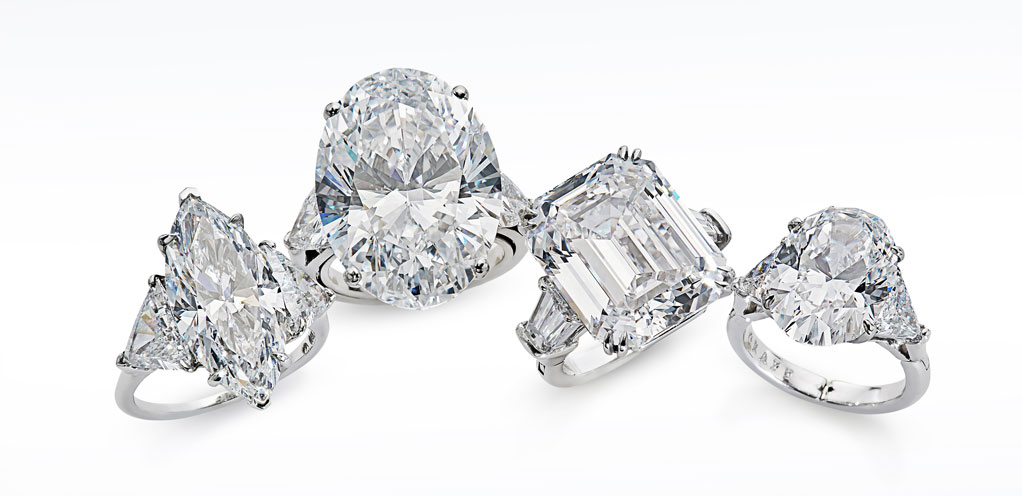
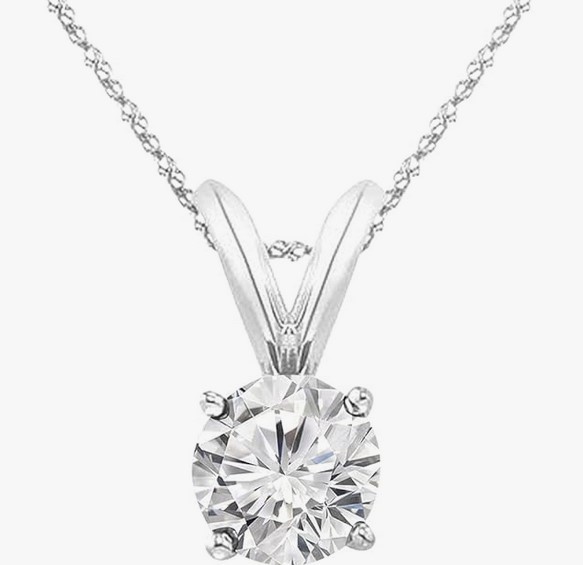
0.5-10 Carat Lab Grown Diamond Solitaire Pendant Necklace, Round Cut Solitaire, 4-Prong Setting, Jewelry for Women (E-F, VS)
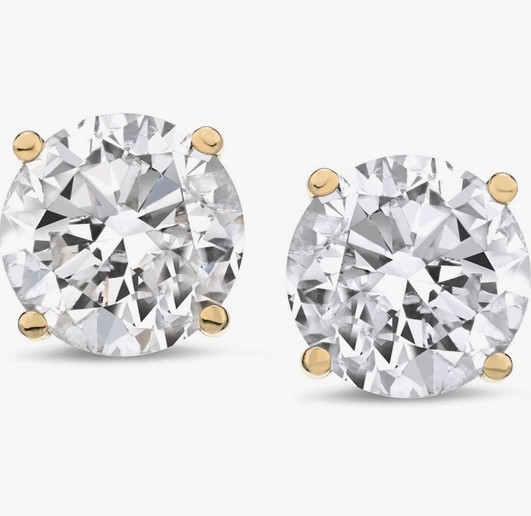
1 to 6 Carat LAB GROWN Solitaire Diamond Stud Earrings Round Cut 4 Prong Screw Back (F-G Color, VS1-VS2 Eye Clean Clarity)
A 0.9 carat diamond ring represents an exceptional balance of size, value, and visual impact for engagement ring buyers. Measuring approximately 6.2mm in diameter for a round brilliant cut, this diamond weight delivers substantial presence on the finger while typically costing 15-20% less than a full 1 carat stone. A 0.9 carat diamond ring offers couples the opportunity to maximize their budget by investing in higher color and clarity grades or premium settings without sacrificing the impressive appearance that comes with a near-carat diamond. The weight sits in the sweet spot where diamonds maintain excellent brilliance and fire while providing noticeable size advantages over smaller stones.
What Is a 0.9 carat diamond ring?
The carat weight of 0.9 specifically refers to the diamond’s mass, with one carat equaling 200 milligrams or 0.2 grams. A 0.9 carat diamond ring therefore contains a diamond weighing 180 milligrams, representing 90% of a full carat. This weight classification places the stone in the premium category, where diamonds exhibit significant visual presence and commanding sparkle. The actual physical dimensions vary by cut, but round brilliant diamonds at this weight typically measure 6.2-6.3mm in diameter and 3.7-3.8mm in depth.
Diamond dealers and jewelers often refer to 0.9 carat stones as “near-carat” diamonds, acknowledging their position just below the psychologically important 1.00 carat threshold. This positioning creates a unique market opportunity where buyers can secure stones with virtually identical visual impact to 1 carat diamonds at notably reduced prices. The difference in diameter between a 0.9 and 1.0 carat round diamond measures only 0.2-0.3mm, making them nearly indistinguishable when worn.
Professional gemologists evaluate these diamonds using the same rigorous standards applied to all diamond weights, examining cut quality, color grade, clarity characteristics, and fluorescence levels. The certification process for a 0.9 carat diamond ring involves detailed measurement, plotting of inclusions, and assessment of optical performance to ensure accurate grading and valuation.
Market dynamics for 0.9 carat stones reflect their unique position between premium and luxury categories. These diamonds attract budget-conscious buyers seeking maximum visual impact, couples prioritizing cut quality and color over exact carat weight, and those who prefer investing savings into superior settings or wedding bands. The availability of high-quality 0.9 carat diamonds remains strong across all major cutting centers worldwide.
0.9 carat diamond ring Price Guide
Pricing for diamonds at this weight varies significantly based on the Four Cs, with cut quality and color grade serving as primary value drivers. Current market conditions show 0.9 carat diamonds ranging from approximately $2,800 for lower grades to over $8,500 for premium specifications. A 0.9 carat diamond ring with excellent proportions and desirable characteristics typically commands prices reflecting its near-carat status while maintaining meaningful savings compared to 1.00 carat alternatives.
Diamond-Only Price Ranges (0.9 Carat):
- A 0.9 carat diamond ring with D-F color, VVS1-VVS2 clarity, Excellent cut: $6,500-$8,500
- G-H color, VS1-VS2 clarity, Very Good to Excellent cut: $4,200-$5,800
- A 0.9 carat diamond ring in I-J color, SI1-SI2 clarity, Good to Very Good cut: $3,100-$4,400
- K-L color, SI2-I1 clarity, Good cut: $2,800-$3,600
- Premium shapes (emerald, asscher, heart): Add 10-15% to round prices
Complete Ring Price Ranges (Including Setting):
- Platinum solitaire with premium diamond: $8,200-$10,800
- 14k white gold classic setting with mid-grade stone: $5,500-$7,200
- A 0.9 carat diamond ring in halo setting with side diamonds: $6,800-$9,500
- Vintage-inspired setting with milgrain details: $6,200-$8,400
- Three-stone design with matching side stones: $7,500-$11,200
Regional pricing variations affect final costs, with major metropolitan markets typically commanding 10-15% premiums over national averages. Online retailers often provide the most competitive pricing for certified diamonds, while local jewelers may offer advantages in custom setting work and ongoing service relationships. Seasonal demand fluctuations, particularly during traditional engagement periods, can influence availability and pricing for the most desirable grade combinations.
The Four Cs for a 0.9 carat diamond ring
Cut quality represents the most critical factor in maximizing the visual performance of a 0.9 carat diamond ring. Excellent and Very Good cut grades ensure optimal light return, creating the brilliant sparkle that defines premium diamonds. For round brilliant cuts, ideal proportions include table percentages between 54-58%, crown angles of 34-35 degrees, and pavilion angles of 40.6-41 degrees. These specifications maximize fire and brilliance while maintaining the stone’s structural integrity and durability.
Color grading becomes increasingly important at the 0.9 carat weight, as larger diamonds show color more readily than smaller stones. The most popular range spans D through H grades, with G and H colors offering excellent value by appearing colorless while avoiding the premium pricing of DEF grades. A 0.9 carat diamond ring in the G-H range provides beautiful appearance in white gold or platinum settings, while I and J colors can work effectively in yellow gold mountings that complement warmer diamond tones.
Clarity considerations for diamonds of this size require careful evaluation of inclusion placement and visibility. VS1 and VS2 grades offer eye-clean appearance with excellent value, while VVS grades provide technical perfection for buyers prioritizing absolute clarity. SI1 grades can deliver outstanding value when inclusions remain invisible to the naked eye, particularly in brilliant cut diamonds where facet patterns help mask clarity characteristics. Professional evaluation of actual stones becomes crucial in the SI grade ranges.
The interaction between the Four Cs creates unique optimization opportunities for 0.9 carat purchases. Many buyers achieve superior visual results by prioritizing Excellent cut quality and G-H color over maximum clarity grades, recognizing that cut quality most dramatically affects sparkle and apparent size. A 0.9 carat diamond ring with these specifications typically provides better visual impact than a poorly cut stone with higher clarity or color grades.
Shape Options and Trade-Offs
Round brilliant cut diamonds remain the most popular choice for 0.9 carat rings, delivering maximum fire, brilliance, and scintillation through their 58-facet design. The circular shape maximizes perceived size while offering the greatest flexibility in setting styles, from classic solitaires to elaborate halos. Round diamonds also maintain the strongest resale value and broadest market appeal, making them ideal for buyers prioritizing long-term value retention alongside immediate visual impact.
Princess cut squares provide contemporary elegance with sharp, clean lines that appeal to modern aesthetic preferences. At 0.9 carats, princess diamonds typically measure 5.8-6.0mm per side, creating substantial finger coverage with geometric precision. The square shape works exceptionally well in four-prong settings that protect the pointed corners while showcasing the diamond’s architectural beauty. Princess cuts often cost 20-30% less than equivalent round diamonds, allowing budget optimization for other quality factors.
Oval, marquise, and pear shapes create elongated silhouettes that maximize apparent size while offering distinctive personalities. These fancy shapes can appear 10-15% larger than round diamonds of identical carat weight due to their extended dimensions. A 0.9 carat diamond ring in oval shape typically measures 8.5-9.0mm in length, providing impressive finger coverage and elegant proportions. However, buyers must carefully evaluate bow-tie effects and ensure proper length-to-width ratios for optimal beauty.
Emerald and asscher cuts represent the step-cut family, emphasizing clarity and color over brilliance through their geometric facet arrangements. These shapes require higher clarity grades since their large, open facets readily display inclusions, but they offer sophisticated elegance and vintage appeal. The rectangular emerald cut provides classic glamour, while the square asscher delivers art deco-inspired geometry with exceptional depth and dimension in premium examples.
Wearing a 0.9 carat diamond ring: Size and Presence
The visual impact of a 0.9 carat diamond ring varies significantly based on the wearer’s finger size, hand proportions, and personal style preferences. On average ring sizes (6-7), round brilliant diamonds at this weight provide substantial presence without overwhelming delicate hands or appearing ostentatious in professional settings. The 6.2-6.3mm diameter creates noticeable sparkle and fire while maintaining elegant proportions that complement most hand types and finger lengths.
Finger coverage calculations show that 0.9 carat round diamonds occupy approximately 30-32 square millimeters of surface area, creating meaningful visual impact across all finger sizes. On smaller hands (sizes 4-5), the diamond provides particularly impressive presence, while larger hands (sizes 8-9) still showcase the stone’s beauty effectively. A 0.9 carat diamond ring adapts well to various lifestyle demands, from daily wear to special occasions, offering versatility that many couples value highly.
The psychological impact of diamond size extends beyond pure measurements to encompass personal satisfaction and social perception. Many wearers report that 0.9 carat diamonds feel substantial and impressive without drawing excessive attention or appearing inappropriate for their lifestyle circumstances. The weight represents a meaningful commitment while remaining practical for active individuals who prioritize wearability alongside beauty and symbolic significance.
Setting choices dramatically influence the apparent size and presence of diamonds at this weight. Halo designs can make a 0.9 carat diamond ring appear equivalent to 1.25-1.50 carat solitaires through surrounding pavé diamonds that extend the overall sparkle area. Alternatively, minimalist settings emphasize the center stone’s natural beauty while maintaining focus on the diamond’s inherent fire and brilliance. The choice between maximizing apparent size and showcasing the diamond’s individual characteristics remains a personal preference that affects long-term satisfaction.
Setting Recommendations
Solitaire settings provide timeless elegance while maximizing light exposure to enhance the natural beauty of 0.9 carat diamonds. Four-prong and six-prong configurations offer different aesthetic and security profiles, with four-prong settings emphasizing the diamond’s corners and six-prong designs providing additional security for valuable stones. The metal choice significantly impacts the overall appearance, with platinum and white gold enhancing colorless diamonds while yellow gold complements warmer color grades beautifully.
Halo settings create dramatic size enhancement by surrounding the center diamond with smaller pavé stones that extend the overall sparkle footprint. A 0.9 carat diamond ring in a well-designed halo can appear equivalent to a 1.25-1.50 carat solitaire while adding textural interest and vintage-inspired charm. Single halos provide subtle enhancement, while double halos create maximum visual impact for buyers seeking substantial presence and glamorous appeal.
Three-stone designs balance the center diamond with complementary side stones, creating sophisticated compositions with symbolic meaning representing past, present, and future. The side stones typically range from 0.15-0.25 carats each, maintaining proper proportion while adding approximately 0.30-0.50 total carat weight to the overall design. These settings work particularly well with emerald and asscher cuts, where the linear arrangement emphasizes the geometric beauty of step-cut diamonds.
Vintage and art deco-inspired settings complement the substantial presence of 0.9 carat diamonds through intricate metalwork, milgrain details, and geometric patterns. These designs often incorporate small accent diamonds in filigree patterns that enhance the overall sparkle while creating distinctive personality and historical character. The substantial center stone anchors complex setting designs effectively, ensuring the diamond remains the focal point while showcasing the setting’s craftsmanship and artistic elements.
Certification: What a 0.9 carat diamond ring Certificate Should Show
Proper certification from recognized gemological laboratories provides essential documentation for 0.9 carat diamond purchases, establishing authenticity, grade accuracy, and market value. The Gemological Institute of America (GIA) remains the most respected certifying body, followed by the American Gem Society (AGS), with both organizations maintaining rigorous grading standards and international recognition. A 0.9 carat diamond ring certificate should include detailed measurements, comprehensive grade assignments, and plotting diagrams showing inclusion characteristics.
The certificate must specify exact carat weight to three decimal places, confirming the stone falls within the 0.90-0.899 carat range rather than being rounded up from a lower weight. Dimension measurements should include diameter ranges for round stones or length-width specifications for fancy shapes, along with depth percentages and table percentages that verify proper cutting proportions. These technical specifications enable verification of the diamond’s actual size and cutting quality.
Color and clarity grades require detailed explanation on the certificate, including the specific characteristics that determined each grade assignment. The clarity plot should map the location, type, and relative significance of all inclusions and blemishes, while color grade notation should specify any fluorescence levels that might affect the stone’s appearance. A 0.9 carat diamond ring with proper documentation provides confidence in the purchase and facilitates insurance, resale, or upgrade transactions.
Additional certificate features should include polish and symmetry grades, girdle thickness measurements, and culet descriptions that provide comprehensive quality assessment. Fluorescence notation becomes particularly important for diamonds in the D-F color range, where strong blue fluorescence might affect pricing and appearance. The certificate should also include security features such as holographic seals, report numbers that enable online verification, and photographs or diagrams that match the specific diamond being certified.
Comparing Nearby Carat Weights
The comparison between 0.9 and 1.0 carat diamonds reveals the most significant market dynamics affecting this weight category. Visual differences remain minimal, with round diamonds differing by only 0.2-0.3mm in diameter, yet pricing gaps often range from 15-25% depending on overall quality grades. This price differential allows 0.9 carat buyers to invest savings in superior cut quality, higher color grades, or premium setting options that may provide greater long-term satisfaction than the marginal size increase.
Moving down to 0.8 carat alternatives shows more noticeable size differences, with round diamonds measuring approximately 5.9-6.0mm compared to 6.2-6.3mm for 0.9 carat stones. The 0.2-0.3mm difference becomes more apparent when worn, particularly on smaller hands where every millimeter of diameter contributes meaningfully to overall presence. A 0.9 carat diamond ring provides substantially more visual impact than 0.8 carat alternatives while maintaining significant savings compared to full carat stones.
Higher weight alternatives in the 1.1-1.2 carat range offer increased size but often require compromises in other quality areas to maintain similar budgets. The price progression accelerates beyond 1.0 carats, with 1.1 carat stones typically costing 30-40% more than comparable 0.9 carat diamonds. For many buyers, the 0.9 carat weight provides the optimal balance of size, quality, and value, avoiding both the premium pricing of larger stones and the reduced presence of smaller alternatives.
Market positioning analysis shows 0.9 carat diamonds competing effectively against both smaller stones with higher grades and larger stones with lower specifications. The weight allows buyers to secure eye-clean SI1 clarity grades, G-H colors, and Excellent cut quality within moderate budgets, creating combinations that often outperform alternatives in visual impact and overall satisfaction. This positioning makes 0.9 carat purchases particularly attractive for value-conscious buyers who understand diamond grading and market dynamics.
FAQ
How big does a 0.9 carat diamond ring look on the finger?
A 0.9 carat diamond ring provides substantial visual presence, with round stones measuring approximately 6.2-6.3mm in diameter. On average finger sizes (6-7), the diamond creates noticeable sparkle and impressive coverage without appearing overwhelming. The size works well for both daily wear and special occasions, offering meaningful presence that feels substantial while remaining practical for active lifestyles and professional settings.
What’s the price difference between 0.9 and 1 carat diamonds?
The pricing gap typically ranges from 15-25% for diamonds with similar quality grades, with 0.9 carat stones offering significant savings despite minimal visual differences. For example, a 0.9 carat G VS2 Excellent cut might cost $4,800 while the equivalent 1.0 carat stone costs $5,800-6,200. This price differential allows buyers to invest savings in superior settings, higher color grades, or enhanced clarity while maintaining similar visual impact.
Is a 0.9 carat diamond ring a good value compared to other weights?
0.9 carat diamond ring purchases represent excellent value propositions for buyers seeking maximum visual impact per dollar spent. The weight avoids the premium pricing associated with full carat stones while providing substantially more presence than 0.8 carat alternatives. The savings can fund superior cut quality, higher color grades, or premium settings that often contribute more to overall beauty and satisfaction than the marginal size difference with 1 carat stones.
What setting styles work best for this carat weight?
Multiple setting styles complement 0.9 carat diamonds effectively, from classic solitaires that maximize the stone’s natural beauty to elaborate halos that enhance apparent size. The substantial weight anchors complex designs while providing sufficient presence for minimalist settings. Three-stone configurations, vintage-inspired designs, and contemporary tension settings all work well, with the choice depending on personal style preferences and desired visual impact rather than technical limitations.
How does cut quality affect a 0.9 carat diamond ring’s appearance?
0.9 carat diamond ring performance depends heavily on cut quality, with Excellent and Very Good grades maximizing fire, brilliance, and scintillation. Poor cutting can make the stone appear smaller and less brilliant than well-cut diamonds of lower carat weights. Ideal proportions create maximum light return, enhancing the diamond’s natural sparkle and ensuring the substantial size translates into impressive visual impact that justifies the investment in this premium weight category.
What clarity grade should I choose for optimal value?
VS1 and VS2 clarity grades typically provide the best value balance for 0.9 carat purchases, delivering eye-clean appearance while avoiding the premium pricing of VVS grades. SI1 stones can offer exceptional value when inclusions remain invisible to the naked eye, particularly in brilliant cuts where facet patterns help mask clarity characteristics. The larger size makes inclusions more visible than in smaller stones, making professional evaluation crucial for SI grade selections.
Conclusion
The 0.9 carat diamond ring represents an exceptional choice for couples seeking substantial visual presence, premium quality, and intelligent value optimization. This weight provides meaningful size advantages over smaller alternatives while maintaining significant cost savings compared to full carat stones, enabling buyers to invest in superior cut quality, desirable color grades, and premium settings that enhance long-term satisfaction. The minimal visual difference between 0.9 and 1.0 carat diamonds makes this weight particularly attractive for informed buyers who understand market dynamics and prioritize overall beauty over psychological thresholds.
Successful 0.9 carat diamond ring purchases require careful attention to cut quality, appropriate color and clarity grade selection, and setting choices that complement the stone’s natural characteristics. The substantial weight provides flexibility in design options while ensuring impressive presence across various finger sizes and style preferences. Whether chosen for engagement, anniversary, or milestone celebrations, a 0.9 carat diamond ring delivers the perfect balance of size, beauty, and value that creates lasting satisfaction and meaningful symbolism. For expert guidance and premium diamond selections, visit the Carat Diamond homepage.