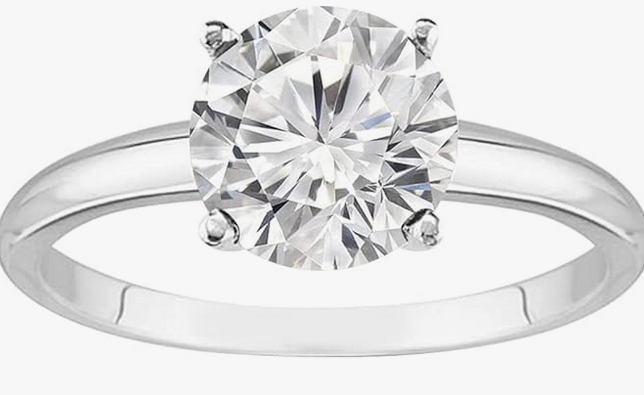
Houston Diamond District 1 to 10 Carat 14K White Gold IGI Certified Lab Grown Diamond Engagement Ring, Round Cut Solitaire, 4-Prong Setting (E–F Color VS2–SI1 Clarity)
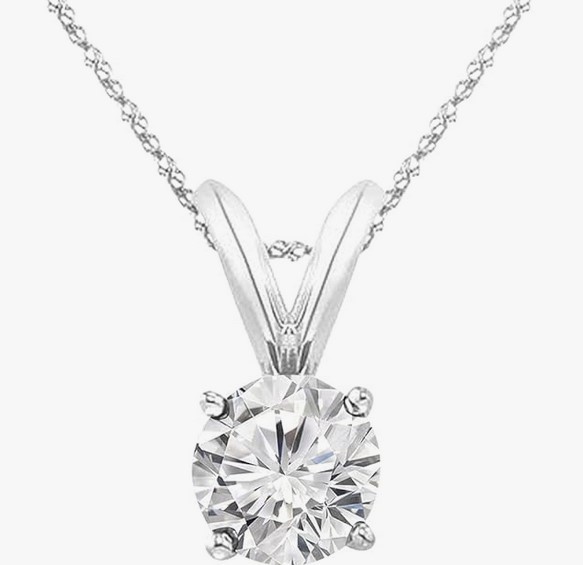
0.5-10 Carat Lab Grown Diamond Solitaire Pendant Necklace, Round Cut Solitaire, 4-Prong Setting, Jewelry for Women (E-F, VS)
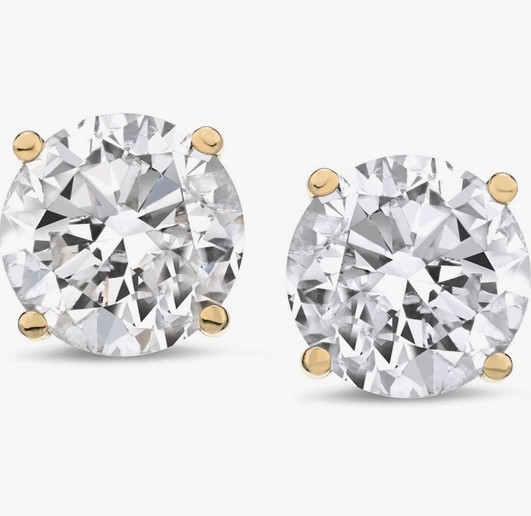
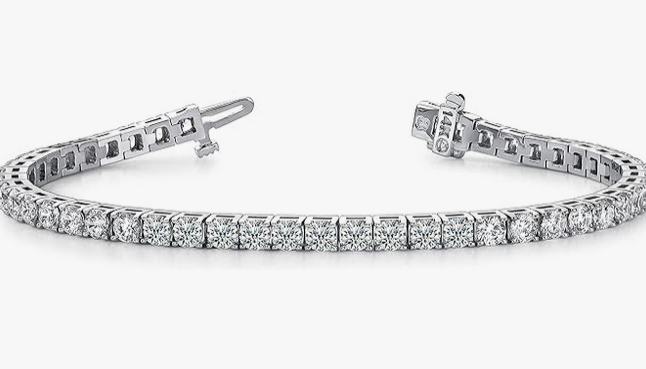
1 to 6 Carat LAB GROWN Solitaire Diamond Stud Earrings Round Cut 4 Prong Screw Back (F-G Color, VS1-VS2 Eye Clean Clarity)
A one carat diamond represents the pinnacle of engagement ring elegance, measuring approximately 6.5mm in diameter for round brilliant cuts and weighing exactly 200 milligrams. This substantial gemstone commands attention with its impressive visual presence on the finger, while offering excellent value compared to larger stones due to diamond pricing curves. A one carat diamond provides the perfect balance between size, brilliance, and investment value, making it the most popular choice for engagement rings worldwide. The carat weight alone doesn’t determine beauty—cut quality, color grade, and clarity work together to create the stone’s overall appeal and market value.
What Is a one carat diamond?
The carat system originated from ancient carob seeds, which traders used as counterweights on balance scales due to their consistent weight. Today’s standardized carat equals exactly 200 milligrams or 0.2 grams, established internationally in 1907. A one carat diamond therefore represents this precise weight measurement, regardless of the stone’s shape, cut quality, or dimensions. This standardization ensures consistency across global diamond markets and provides buyers with reliable comparison points.
Physical dimensions vary significantly based on cut quality and shape selection. Round brilliant diamonds typically measure 6.4mm to 6.6mm in diameter when properly cut, while poorly proportioned stones may appear smaller despite identical carat weight. Princess cuts measure approximately 5.5mm square, oval shapes reach 8.7mm by 6.5mm, and emerald cuts span 7.3mm by 5.3mm. These dimensional differences affect visual impact dramatically.
Understanding that a one carat diamond’s appearance depends heavily on cut precision helps buyers make informed decisions. Shallow cuts spread weight across wider diameters but sacrifice brilliance, while deep cuts concentrate weight in hidden areas below the girdle. Ideal proportions maximize both visual size and light performance, creating the most desirable combination of attributes for discerning buyers.
Certification from reputable laboratories like GIA, AGS, or GCAL provides independent verification of carat weight alongside other quality factors. These certificates include precise measurements to three decimal places, ensuring accuracy and providing legal documentation for insurance purposes. Professional grading eliminates guesswork and protects buyers from misrepresented stones in the marketplace.
one carat diamond Price Guide
Market prices fluctuate based on the interaction between the Four Cs, with dramatic variations possible within the same carat weight. Natural diamonds command premium pricing compared to lab-grown alternatives, while specific combinations of color, clarity, and cut quality create distinct price tiers. Current market conditions, seasonal demand, and global economic factors also influence pricing structures across different retailers and geographical regions.
The following price ranges reflect current market conditions for natural diamonds with excellent or ideal cut grades, sourced from reputable dealers. These figures represent loose stone prices before setting costs, with mounted rings typically adding $800 to $3,000 depending on metal choice and design complexity.
- A one carat diamond in D-F color, FL-VVS2 clarity: $8,500-$15,000
- G-H color, VVS1-VS1 clarity, Excellent cut: $5,500-$9,500
- A one carat diamond featuring I-J color, VS2-SI1 clarity: $4,000-$7,000
- K-L color, SI1-SI2 clarity, Good-Excellent cut: $3,000-$5,500
- A one carat diamond with lower color grades, SI2+ clarity: $2,500-$4,500
Complete engagement ring pricing includes mounting, labor, and retailer markup considerations. Popular solitaire settings add $800-$2,000 in 14k gold, while elaborate halo or vintage-inspired designs range from $2,000-$5,000 in platinum. Custom work, hand engraving, or designer brand premiums increase total investment significantly beyond base component costs.
Lab-grown alternatives offer identical physical properties at 30-50% lower prices, making premium color and clarity grades more accessible to budget-conscious buyers. These stones exhibit identical brilliance and durability while providing enhanced value propositions for couples prioritizing size over natural origin. Resale values differ substantially between natural and lab-grown options, influencing long-term investment considerations.
The Four Cs for a one carat diamond
Cut quality represents the most critical factor affecting a one carat diamond’s visual performance, as superior craftsmanship maximizes light return regardless of natural color or clarity characteristics. Excellent and Ideal cut grades ensure optimal proportions, symmetry, and polish levels that create maximum brilliance and fire. Poor cutting can diminish even the finest raw material, while expert faceting elevates modest rough into stunning finished gems.
Color grading follows the GIA scale from D (colorless) through Z (light yellow), with most engagement ring stones falling between D and J grades. Colorless stones (D-F) command premium pricing but may appear virtually identical to near-colorless grades (G-J) when mounted in yellow gold settings. Personal preference and budget constraints often drive color selection more than objective quality differences in this range.
Clarity characteristics include internal inclusions and surface blemishes that affect transparency and light transmission. Flawless and Internally Flawless stones are extremely rare and expensive, while VVS and VS grades offer excellent clarity at more accessible price points. A one carat diamond with SI1 or SI2 clarity may provide outstanding value when inclusions remain invisible to unaided vision, especially in brilliant cut styles that mask minor imperfections.
The interaction between these factors creates countless combination possibilities, allowing buyers to optimize their investment based on personal priorities. Some prefer maximum size within budget constraints, while others prioritize premium grades in specific categories. Understanding these trade-offs enables informed decision-making and helps identify stones offering the best value proposition for individual circumstances and preferences.
Shape Options and Trade-Offs
Round brilliant cuts maximize light performance through their 57-facet design, optimized through centuries of mathematical refinement and practical experience. This classic shape commands premium pricing due to higher rough diamond waste during cutting, with approximately 60% material loss during transformation from rough to polished stone. The resulting brilliance and universal appeal justify the price premium for most buyers seeking maximum sparkle and timeless elegance.
Princess cuts offer contemporary square styling with brilliant faceting patterns that create impressive fire and scintillation. These stones utilize rough diamond material more efficiently, resulting in lower per-carat pricing compared to rounds of similar quality grades. A one carat diamond in princess cut delivers substantial visual impact while providing enhanced value, though corner protection becomes essential in setting selection to prevent chipping damage.
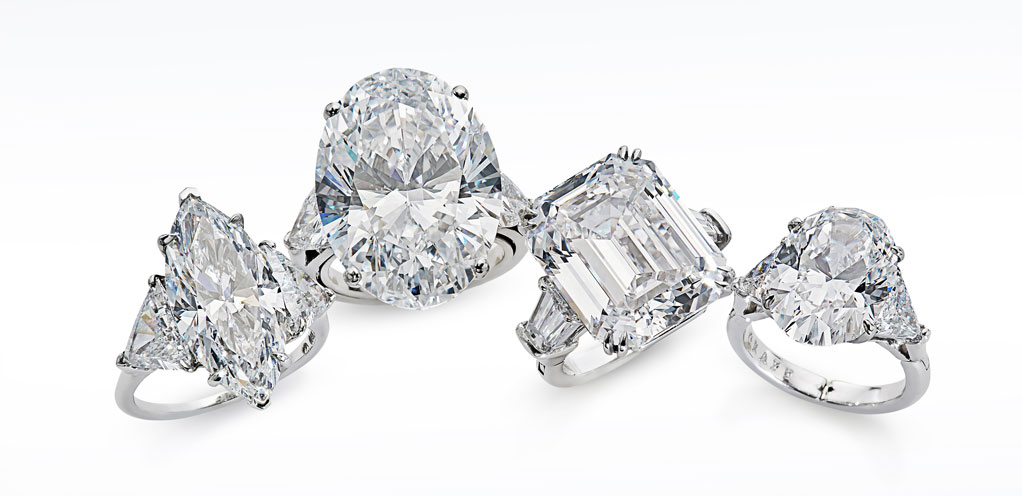
Oval, marquise, and pear shapes create elongated silhouettes that appear larger than their actual carat weight suggests, maximizing visual impact within budget constraints. These fancy shapes require careful proportion analysis to avoid bow-tie effects that create dark areas across the center of the stone. Length-to-width ratios significantly influence appearance, with personal preference determining optimal proportions for individual hand sizes and style preferences.
Emerald and Asscher cuts feature step faceting that emphasizes clarity over brilliance, requiring higher clarity grades to achieve optimal beauty. These vintage-inspired shapes showcase a one carat diamond’s transparency and geometric precision rather than sparkle intensity. The sophisticated, understated elegance appeals to buyers seeking distinctive alternatives to brilliant cuts, though inclusions become more visible in these step-cut styles.
Wearing a one carat diamond: Size and Presence
Visual impact varies dramatically based on the wearer’s hand size, finger length, and personal style preferences. Average ring sizes (6-7) showcase a one carat diamond prominently without overwhelming the finger, while smaller hands may find the stone appears proportionally larger. Ring finger width influences perceived size relationships, with narrower fingers making identical carat weights appear more substantial than wider fingers.
Setting styles dramatically affect overall presence and visual weight of the mounted stone. Solitaire designs emphasize the diamond itself, allowing full appreciation of size and brilliance without competing elements. Halo settings surround the center stone with smaller diamonds, creating enhanced visual impact that can make the center stone appear significantly larger while adding overall sparkle and presence to the completed ring.
Daily wearability considerations include lifestyle compatibility and comfort factors that influence long-term satisfaction. Higher profile settings showcase a one carat diamond beautifully but may catch on clothing or interfere with glove wear. Lower settings offer enhanced protection and comfort while maintaining substantial visual presence, though they may collect more dirt and require more frequent cleaning to maintain optimal appearance.
Professional and social environments may influence appropriate size selections, with some workplace cultures favoring more modest displays while others celebrate substantial stones. Personal confidence levels and individual style preferences ultimately determine optimal choices, as the ring should reflect the wearer’s personality and complement their existing jewelry collection and fashion preferences.
Setting Recommendations
Prong settings remain the most popular choice for showcasing exceptional stones, with four or six-prong configurations offering different aesthetic appeals and security levels. Six-prong settings provide enhanced security for active lifestyles while creating a more rounded appearance, while four-prong options offer a squarer look with maximum light entry. Prong thickness and metal choice affect both durability and visual impact of the completed ring.
Bezel settings surround the diamond’s perimeter with metal, providing maximum protection for active lifestyles while creating sleek, contemporary styling. These settings work particularly well with a one carat diamond as they emphasize the stone’s perimeter while protecting vulnerable areas from impact damage. However, bezels reduce light entry and may make stones appear slightly smaller due to the metal border around the girdle area.
Three-stone designs flank the center diamond with smaller accent stones, creating enhanced overall presence while maintaining focus on the primary gem. These settings work beautifully when the center stone significantly outweighs the side stones, typically using 0.25-0.50 carat accent diamonds. The resulting ring offers substantial total carat weight and impressive visual impact while maintaining balanced proportions and elegant styling.
Vintage and antique-inspired settings incorporate milgrain detailing, engraving, and filigree work that complements substantial center stones beautifully. A one carat diamond provides adequate presence to balance ornate metalwork without being overwhelmed by decorative elements. These designs appeal to buyers seeking distinctive character and artisanal craftsmanship that reflects historical jewelry traditions and romantic sensibilities.
one carat diamond Price Guide
Market pricing reflects complex interactions between supply availability, consumer demand, and global economic conditions that create dynamic value fluctuations throughout the year. Seasonal patterns typically show increased demand during engagement season (November through February), while summer months may offer enhanced buying opportunities. Economic uncertainty, currency fluctuations, and mining developments all influence wholesale and retail pricing structures across different market segments.
Retailer markup structures vary significantly between online dealers, traditional jewelers, and luxury brand boutiques, with identical specifications showing price variations of 30-50% between sources. Online specialists often provide enhanced value through reduced overhead costs, while traditional jewelers offer hands-on examination and local service relationships. A one carat diamond purchased from established online dealers may cost substantially less than equivalent stones from high-end retail locations.
Certification requirements add $150-$300 to overall costs but provide essential quality verification and insurance documentation. GIA reports command premium recognition and resale value, while other laboratories offer cost-effective alternatives with reliable grading standards. Buyers should factor certification costs into budget planning while recognizing the long-term value protection these documents provide.
Financing options through retailer programs or third-party lenders enable access to higher-quality stones within monthly payment constraints. Interest rates, payment terms, and qualification requirements vary significantly between programs, making comparison shopping essential for budget-conscious buyers. A one carat diamond purchase represents a substantial investment that benefits from careful financial planning and competitive rate analysis.
Certification: What a one carat diamond Certificate Should Show
Gemological Institute of America (GIA) reports provide the industry standard for diamond grading, with comprehensive analysis including precise measurements, weight verification, and detailed quality assessments. These documents feature security elements including holographic seals, unique report numbers, and QR codes enabling online verification. A one carat diamond certificate should include exact dimensions, girdle descriptions, fluorescence ratings, and plotting diagrams showing clarity characteristic locations.
American Gem Society (AGS) certificates utilize numerical grading scales that some buyers prefer for their precision and scientific approach. AGS cut grading incorporates advanced light performance analysis, particularly valuable for round brilliant diamonds where cut quality significantly impacts beauty. These reports provide detailed proportion analysis and light performance metrics that help buyers understand visual appearance beyond basic grade categories.
Essential information includes precise carat weight to the hundredth place, exact measurements in millimeters, and comprehensive Four Cs grading with detailed explanations. Fluorescence descriptions indicate reaction strength and color under ultraviolet light exposure, which can affect appearance in certain lighting conditions. A one carat diamond certificate should also include clarity plotting diagrams that map inclusion locations and types for identification and comparison purposes.
Independent verification through laser inscription matching ensures certificate authenticity and prevents stone substitution during mounting or repair services. These microscopic engravings typically include the certificate number and are invisible without magnification, providing permanent identification without affecting appearance. Buyers should verify inscription presence and legibility before finalizing purchases, especially for higher-value stones requiring enhanced security measures.
Comparing Nearby Carat Weights
Weight relationships significantly impact pricing due to psychological thresholds and traditional significance attached to round numbers. A 0.90-0.95 carat diamond may cost 15-20% less than identical quality stones weighing exactly 1.00 carat, despite minimal visual size differences. These “shy stones” offer exceptional value opportunities for buyers prioritizing beauty and budget over precise weight specifications.
Conversely, 1.10-1.25 carat stones command premium pricing but provide noticeable size increases that justify additional investment for many buyers. The visual difference between these weights and a one carat diamond becomes apparent in side-by-side comparisons, particularly in smaller ring sizes where proportional relationships are more pronounced. Budget allocation between size and quality requires careful consideration of personal priorities and long-term satisfaction factors.
Half-carat stones (0.45-0.55 carats) offer substantial savings while maintaining respectable presence for buyers with tighter budget constraints. These sizes work particularly well in halo settings or three-stone configurations that enhance apparent size through supporting elements. Quality grades can be maximized within available budgets, potentially creating more beautiful rings than larger stones with compromised cut or clarity characteristics.
Two-carat alternatives double the visual impact but typically cost three to four times more than a one carat diamond due to exponential pricing curves for larger stones. Rare sizes command premium pricing, while practical considerations including setting costs, insurance expenses, and lifestyle compatibility must factor into decision-making processes for buyers considering substantial size upgrades.
Where to Buy
Online specialists offer extensive inventory, competitive pricing, and detailed photography that enables thorough evaluation before purchase. Established dealers provide return policies, certification verification, and customer service that rivals traditional retail experiences. A one carat diamond purchased online often costs significantly less than comparable stones from brick-and-mortar retailers, though buyers sacrifice hands-on examination and immediate gratification associated with traditional shopping experiences.
Local jewelers provide personal service, immediate availability, and ongoing relationship benefits including sizing, cleaning, and repair services. These professionals offer expertise in setting selection, customization options, and local market knowledge that enhances overall buying experiences. Traditional retailers may stock fewer options but provide curated selections and immediate possession for time-sensitive purchases.
Wholesale districts in major metropolitan areas offer direct access to industry pricing and extensive selection opportunities for motivated buyers. These locations require more research and negotiation skills but can provide substantial savings for buyers comfortable with less formal retail environments. Professional guidance remains available through independent appraisers and gemological consultants who provide objective quality assessment.
Estate and vintage specialists present unique opportunities for buyers seeking distinctive stones with historical character and potential value appreciation. Antique cuts and older certifications require additional expertise to evaluate properly, but exceptional stones occasionally surface at favorable prices. A one carat diamond from estate sources may offer enhanced character and craftsmanship unavailable in contemporary markets, though buyers must verify quality and authenticity through independent analysis.
Frequently Asked Questions
How much should I spend on a one carat diamond?
A one carat diamond typically ranges from $3,000 to $15,000 depending on quality grades, with most buyers investing $5,000-$8,000 for excellent stones in G-I color and VS1-SI1 clarity ranges. Budget allocation should balance size desires with quality preferences while considering setting costs and long-term satisfaction factors. Individual financial circumstances and personal priorities determine appropriate investment levels more than traditional spending guidelines or industry recommendations.
What size finger does a 1-carat diamond look best on?
Ring sizes 5-7 typically showcase these substantial stones most proportionally, though personal preference and hand characteristics influence optimal appearance more than standardized measurements. Longer fingers can accommodate larger stones elegantly, while shorter fingers may benefit from elongated shapes that create length illusions. A one carat diamond provides impressive presence across all ring sizes when properly set and proportioned to complement individual hand characteristics.
Is a one carat diamond considered large?
One carat diamond represents substantial size that commands attention and respect in social and professional environments worldwide. This weight category ranks among the most popular choices for engagement rings, providing impressive visual presence without entering rare size territories. Market research indicates most buyers consider this size range aspirational, representing significant investment and commitment while remaining accessible to many consumers.
How can I tell if my diamond is really 1 carat?
Professional certification from GIA, AGS, or other reputable laboratories provides definitive weight verification through precise measurement and documentation. Independent appraisal services can verify carat weight and other quality characteristics if original certificates are unavailable. Laser inscriptions on the girdle often include certificate numbers that enable online verification of reported specifications and prevent substitution concerns.
What’s the difference between a one carat diamond and lab-grown alternatives?
One carat diamond created in laboratories exhibits identical physical, chemical, and optical properties to natural stones while typically costing 30-50% less at retail. Both options provide identical durability, brilliance, and beauty for daily wear, with differences primarily affecting resale values and personal preferences regarding origin. Advanced detection equipment distinguishes between sources, but visual appearance remains essentially identical to consumers and casual observers.
Should I prioritize size or quality when buying a diamond?
Quality characteristics including cut excellence, color appeal, and clarity adequacy typically provide more long-term satisfaction than pure size considerations alone. Exceptional cutting maximizes beauty regardless of carat weight, while poor proportions diminish even large stones’ visual impact. A one carat diamond with premium quality grades often appears more beautiful than larger stones with compromised characteristics, making balanced evaluation essential for optimal value and satisfaction.
Selecting the perfect stone requires balancing multiple factors including budget constraints, quality preferences, and personal style considerations that influence long-term satisfaction. A one carat diamond represents an exceptional choice that combines substantial presence with reasonable pricing across quality ranges, making it accessible to diverse buyers with varying priorities and circumstances. The key lies in understanding how different characteristics interact to create overall beauty and value.
Professional guidance from experienced jewelers, independent appraisers, or gemological consultants can provide invaluable assistance in navigating complex decisions and identifying exceptional value opportunities. Whether purchased online or through traditional retailers, a one carat diamond represents a significant investment that benefits from thorough research, careful evaluation, and expert advice. For comprehensive selection and competitive pricing on certified diamonds, visit the Carat Diamond homepage.