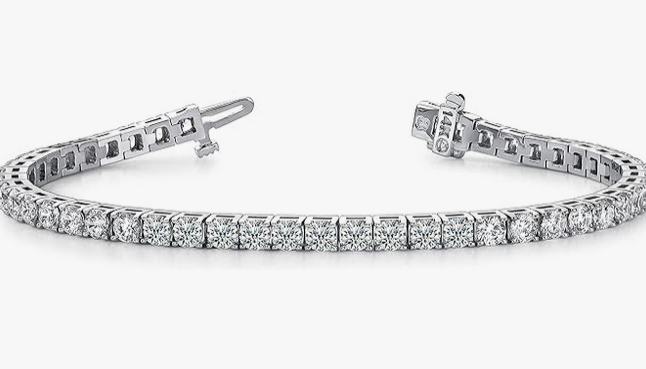
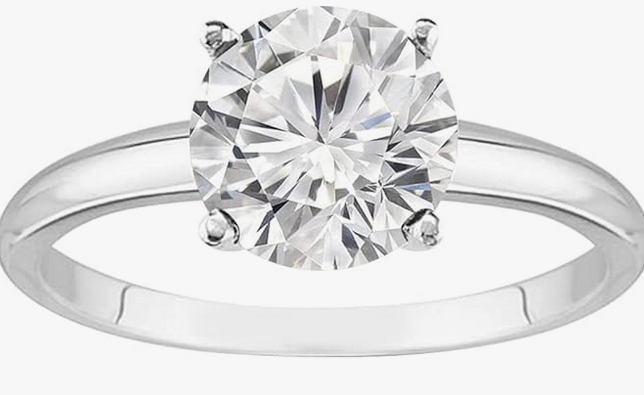
Houston Diamond District 1 to 10 Carat 14K White Gold IGI Certified Lab Grown Diamond Engagement Ring, Round Cut Solitaire, 4-Prong Setting (E–F Color VS2–SI1 Clarity)
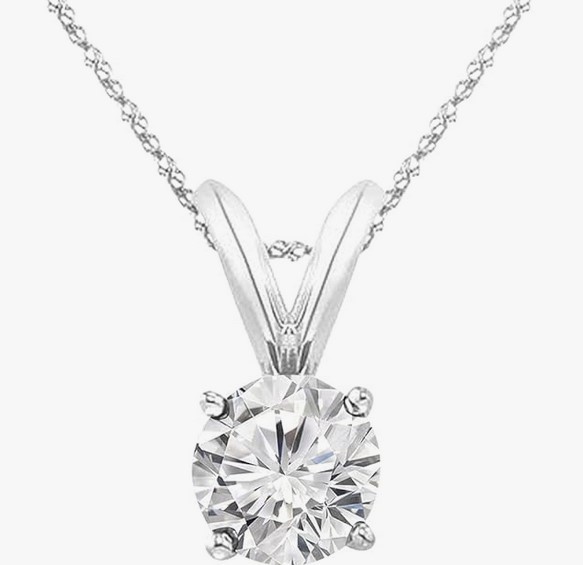
0.5-10 Carat Lab Grown Diamond Solitaire Pendant Necklace, Round Cut Solitaire, 4-Prong Setting, Jewelry for Women (E-F, VS)
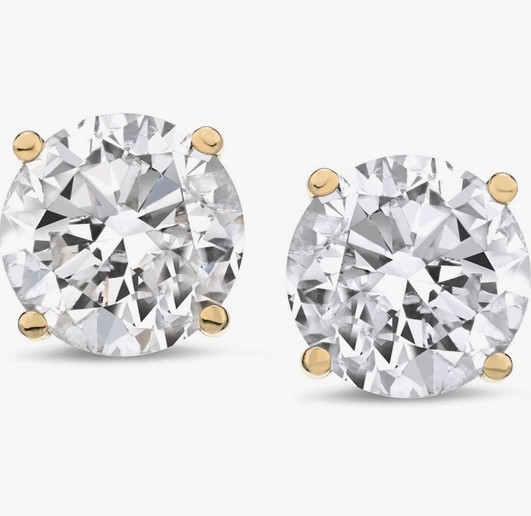
1 to 6 Carat LAB GROWN Solitaire Diamond Stud Earrings Round Cut 4 Prong Screw Back (F-G Color, VS1-VS2 Eye Clean Clarity)
A half carat diamond measures approximately 5.1 millimeters in diameter and represents one of the most popular choices for engagement rings, offering an ideal balance between size, quality, and budget. With prices ranging from $1,200 to $8,500 depending on cut, color, clarity, and certification, this weight provides excellent visual impact while remaining accessible to many buyers. A half carat diamond delivers substantial brilliance and fire when properly cut, creating a stunning centerpiece that appears larger than its actual dimensions when set in complementary mountings.
What Is a half carat diamond?
The carat system measures diamond weight, with one carat equaling 200 milligrams or 0.2 grams. A half carat diamond therefore weighs exactly 100 milligrams, making it a substantial stone that commands attention without overwhelming smaller fingers or more conservative preferences. This weight category has maintained consistent popularity across decades because it provides meaningful size while offering better per-carat pricing than premium weights like one carat or larger stones.
Dimensionally, round brilliant cut diamonds at this weight typically measure 5.1mm in diameter by 3.1mm in depth, though variations occur based on cutting proportions and individual stone characteristics. Princess cuts measure approximately 4.4mm square, while oval shapes extend to roughly 6.5mm by 4.5mm. These dimensions create visual presence that photographs beautifully and catches light effectively in daily wear situations.
The half carat diamond category benefits from optimal cutting techniques, as stones at this weight retain sufficient rough material for cutters to achieve excellent proportions without significant yield sacrifices. This results in better overall cut quality across the market compared to smaller weights where material conservation becomes more challenging. Additionally, this size allows for proper facet development that maximizes light performance and scintillation.
Market dynamics favor this weight because it sits below the premium pricing threshold of one carat while providing substantially more presence than quarter carat alternatives. Buyers often discover that upgrading from 0.40 carats to 0.50 carats delivers disproportionate visual improvement, making the additional investment worthwhile for long-term satisfaction and daily enjoyment of the piece.
half carat diamond Price Guide
Pricing for stones at this weight varies dramatically based on the four Cs, with color and clarity grades creating the most significant cost differences. Natural stones from major mining sources command premium pricing, while laboratory-grown alternatives offer identical physical properties at reduced costs. Market conditions, seasonal demand, and retailer positioning also influence final pricing structures across different purchasing channels.
- D–F color, VVS1–VVS2, Excellent cut: $5,500–$8,500
- A half carat diamond in G–I color, VS1–VS2, Very Good cut: $2,800–$4,200
- J–K color, SI1–SI2, Good cut: $1,800–$2,700
- A half carat diamond in L–M color, SI2–I1, Fair cut: $1,200–$1,900
Complete engagement ring pricing including settings adds $800–$4,500 depending on metal choice, design complexity, and additional accent stones. Simple solitaire mountings in 14k white gold start around $800, while elaborate halo designs in platinum with pavé diamonds can exceed $4,000. Custom design work and hand-engraving increase costs further, though many couples find these personalization options enhance long-term sentimental value.
- Solitaire setting with premium grade stone: $6,300–$13,000
- Halo setting with good grade stone: $4,600–$7,200
- A half carat diamond in three-stone setting: $5,800–$9,500
- Vintage-inspired setting with SI grade stone: $3,800–$5,900
The Four Cs for a half carat diamond
Cut quality represents the most critical factor affecting beauty and light performance in stones at this weight. Excellent and Ideal cut grades ensure optimal light return, creating maximum brilliance and fire that makes the diamond appear larger and more vibrant. Poor cutting can reduce apparent size by up to 15% while diminishing sparkle dramatically, making cut grade the primary consideration before evaluating other characteristics.
Color grades from D through J work well for this weight, with G and H colors offering excellent value propositions. A half carat diamond in these near-colorless grades appears white to most observers while costing significantly less than D–F colorless stones. I and J grades can work effectively in yellow gold settings where the mounting color masks any slight warmth in the stone itself.
Clarity requirements prove less stringent at this size because inclusions become harder to detect with the naked eye. VS2 and SI1 grades frequently offer eye-clean appearance with substantial cost savings compared to VVS grades. Professional inspection remains important because some SI1 stones contain visible inclusions while others appear flawless without magnification. The key lies in individual stone evaluation rather than relying solely on grade designations.
Carat weight precision matters for stones marketed at exactly 0.50 carats versus those weighing 0.48–0.49 carats, as the psychological milestone of “half carat” influences both pricing and buyer perception. A half carat diamond certified at precisely 0.500 carats commands premium pricing compared to stones weighing 0.48 carats, despite minimal visual difference. However, buyers can find excellent value in stones weighing 0.47–0.49 carats that appear identical once mounted.
Wearing a half carat diamond: Size and Presence
Visual impact varies significantly based on finger size, hand proportions, and setting style choices. On average-sized fingers (size 6–7), a round brilliant cut creates substantial presence without appearing overwhelming or impractical for daily activities. Smaller fingers showcase this weight beautifully, while larger hands may prefer elongated shapes like ovals or marquise cuts that maximize surface area and apparent size.
Setting selection dramatically influences perceived size and overall aesthetic appeal. Halo designs can make a half carat diamond appear equivalent to 0.75–1.00 carat stones by surrounding the center stone with smaller diamonds that extend visual boundaries. Solitaire settings showcase the stone’s natural beauty without distraction, while three-stone designs balance the center diamond with complementary side stones for elegant proportion.
Lifestyle considerations favor this weight for active individuals who work with their hands or participate in sports regularly. The moderate size reduces catching risk while maintaining impressive visual impact during special occasions and daily wear. Many owners find that this size photographs beautifully for social media and special events while remaining comfortable for extended wear periods.
Ring finger placement affects perception, as stones appear larger on ring fingers compared to other fingers due to proportional relationships and viewing angles. A half carat diamond on a size 5 ring finger creates different visual impact than the same stone on a size 8 finger, though both can appear stunning when properly proportioned with appropriate band widths and setting styles that complement individual hand characteristics.
Shape Options and Trade-Offs
Round brilliant cuts maximize light performance and maintain the highest resale values, though they command premium pricing due to rough diamond waste during cutting. The 58-facet arrangement creates optimal sparkle and fire while maintaining classic appeal that transcends fashion trends. Most buyers choose round shapes for their proven beauty and universal acceptance across different style preferences and generational tastes.
Princess cuts offer modern square appeal with excellent light performance at reduced costs compared to round stones. The square shape maximizes surface area, making a half carat diamond in princess cut appear larger than round alternatives. However, the pointed corners require protective prong placement and careful handling to prevent chipping during daily wear activities.
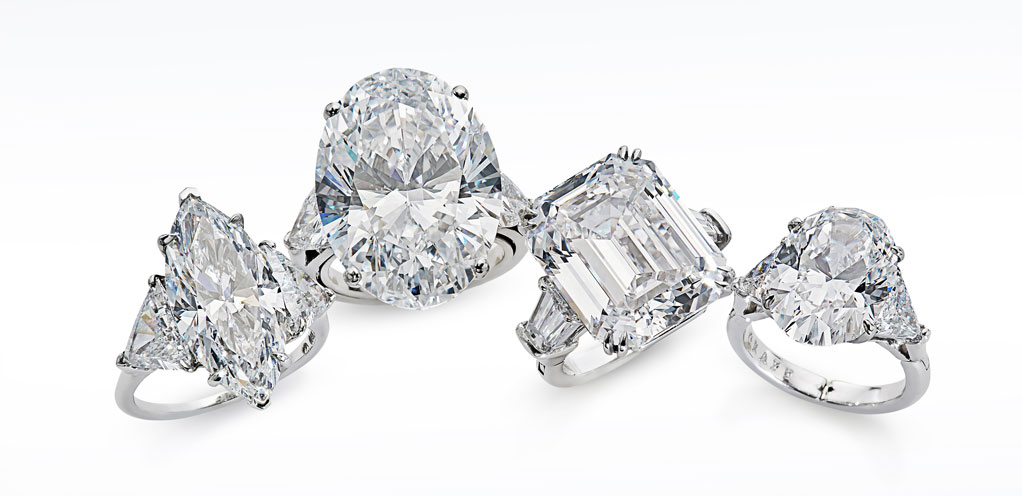
Oval, marquise, and pear shapes create elongated silhouettes that maximize apparent size while offering unique personalities. These fancy shapes can appear 20–30% larger than round stones of identical weight due to increased surface area and finger coverage. However, they may show color more readily and require careful proportioning to avoid unflattering width-to-length ratios or unwanted optical effects like bow-ties.
Emerald and asscher cuts provide step-cut elegance with distinctive hall-of-mirrors effects, though they require higher clarity grades because the large facets showcase inclusions more readily. These shapes appeal to buyers seeking vintage glamour or Art Deco styling, though they produce less traditional sparkle compared to brilliant-cut alternatives. A half carat diamond in emerald cut creates sophisticated elegance while demanding premium clarity for optimal beauty.
Certification: What a half carat diamond Certificate Should Show
Gemological Institute of America (GIA) reports provide the most widely accepted diamond grading standards, offering detailed analysis of cut, color, clarity, and carat weight using consistent methodologies. GIA certificates include proportion diagrams, clarity plots showing inclusion locations, and fluorescence ratings that help buyers understand exactly what they’re purchasing. The report number allows verification through GIA’s online database for authenticity confirmation.
American Gem Society (AGS) certificates emphasize cut quality analysis with their proprietary light performance grading system. AGS reports use numerical scales (0–10) rather than letter grades, with 0 representing the highest quality in each category. For buyers prioritizing cut quality, AGS certification provides detailed information about light return, symmetry, and polish that helps identify truly exceptional stones.
European Gemological Laboratory (EGL) and other alternative laboratories often provide more lenient grading that can make diamonds appear better value, though their standards may not align with GIA/AGS consistency. A half carat diamond certified by secondary laboratories should be evaluated carefully, preferably with independent appraisal verification, to ensure the stated grades reflect actual stone quality.
Certificate details must include exact measurements, fluorescence ratings, and clarity plotting to enable informed purchasing decisions. Strong fluorescence can affect appearance in certain lighting conditions, while proportion measurements help predict light performance and face-up appearance. Buyers should verify that certificate numbers match laser inscriptions when present, ensuring the stone matches its documentation precisely.
Setting Recommendations
Solitaire mountings showcase the natural beauty without competing elements, making them ideal for premium grade stones where clarity and cut quality deserve highlighting. Six-prong settings provide maximum security while allowing optimal light entry, though four-prong alternatives offer more contemporary appearances with slightly less protection. Band width should complement finger size, with 1.8–2.2mm widths working well for most proportions.
Halo designs dramatically increase apparent size while providing vintage-inspired elegance that photographs beautifully. Single halos add 0.25–0.50 carats of visual impact, while double halos can make a half carat diamond appear equivalent to 1.25+ carat stones. However, the additional smaller diamonds increase maintenance requirements and replacement costs if stones become loose over time.
Three-stone settings balance the center diamond with complementary side stones, typically using 0.15–0.25 carat stones flanking the main gem. This style offers symbolic meaning (past, present, future) while creating substantial overall impact. Side stone selection affects both appearance and budget, with matched grades providing cohesive beauty at premium pricing compared to mixed quality approaches.
Pavé and channel-set accents add sparkle without overwhelming the center stone, creating sophisticated designs suitable for formal occasions and daily wear. These settings require expert craftsmanship to ensure long-term durability, as small diamonds can become loose without proper construction techniques. Regular maintenance becomes essential for preserving the intended aesthetic and preventing stone loss during active wear.
Comparing Nearby Carat Weights
Quarter carat alternatives (0.25 ct) cost significantly less while providing reduced visual impact, making them suitable for budget-conscious buyers or those preferring subtle elegance. The size difference proves substantial, with quarter carat stones measuring approximately 4.1mm compared to 5.1mm for half carat weights. This 1mm diameter difference translates to roughly 25% less surface area and noticeably reduced presence on the finger.
Stones weighing 0.40–0.45 carats offer compelling value propositions, appearing nearly identical to full half carat weights while commanding lower pricing due to psychological weight preferences. A half carat diamond typically costs 10–15% more than 0.45 carat alternatives, though this premium may prove worthwhile for buyers concerned about resale value or the psychological satisfaction of reaching the half carat milestone.
Three-quarter carat diamonds (0.75 ct) provide meaningful size increases with corresponding price jumps of 40–60% compared to half carat options. The visual improvement proves substantial, with round stones measuring approximately 5.9mm compared to 5.1mm for half carat weights. However, the cost per carat increases significantly as stones approach the premium one carat threshold.
One carat diamonds represent the most psychologically significant milestone, commanding premium pricing that often doubles the cost of half carat alternatives despite only 20% size increases. Many buyers discover that a high-quality half carat diamond provides better overall value than a lower-grade one carat stone, offering superior beauty and light performance within more accessible budgets while still creating impressive visual impact.
Where to Buy
Online retailers offer extensive selection and competitive pricing, allowing buyers to compare thousands of stones with detailed photography and grading information. Reputable online vendors provide high-resolution imaging, 360-degree videos, and return policies that enable risk-free evaluation. However, buyers miss the tactile experience of viewing stones in person, making seller reputation and return policies critical factors in purchase decisions.
Local jewelry stores provide personalized service and the ability to compare multiple stones side-by-side under various lighting conditions. Experienced jewelers can explain quality differences and help identify exceptional stones that represent superior value within specific budgets. However, inventory limitations may restrict selection, while overhead costs often result in higher pricing compared to online alternatives.
Estate jewelry venues and auction houses occasionally offer vintage stones at attractive pricing, though buyers must carefully evaluate condition and authenticity. A half carat diamond from estate sources may lack modern certification, requiring independent appraisal to verify quality and value. Repolishing or repair costs should be considered when evaluating total investment requirements for older stones.
Custom designers and gemstone dealers provide access to exceptional stones while offering personalized service throughout the selection and mounting process. These specialists often maintain relationships with cutting facilities and can source specific qualities or shapes based on individual preferences. Premium pricing reflects the personalized service and expertise, though the results often justify additional costs through superior stone selection and craftsmanship quality.
Frequently Asked Questions
How big does a half carat diamond look on your finger?
A half carat diamond measures approximately 5.1mm in diameter for round cuts, creating substantial presence on most finger sizes without appearing overwhelming. On average ring sizes (6-7), this creates noticeable sparkle and elegance suitable for daily wear, while on smaller fingers it appears more prominent. The visual impact depends significantly on setting style, with halos making the stone appear much larger.
What’s a good price range for half carat diamond rings?
Half carat diamond engagement rings typically range from $2,000-$13,000 complete, depending on stone quality and setting complexity. A well-balanced combination featuring G-H color, VS2-SI1 clarity, and excellent cut in a solitaire setting usually costs $3,500-$6,500. Premium grades with elaborate settings can exceed $10,000, while budget-conscious options start around $2,000 with careful grade selection.
How does a half carat diamond compare to 1 carat?
A half carat diamond appears about 20% smaller than one carat stones (5.1mm vs 6.5mm diameter), though one carat options cost approximately double the price. The visual difference proves less dramatic than the pricing difference, making half carat weights excellent value choices. Many buyers find that premium quality half carat stones appear more beautiful than lower grade one carat alternatives.
What clarity grade should I choose for this size stone?
VS2 and SI1 clarity grades offer optimal value for stones at this weight, typically appearing eye-clean while costing significantly less than VVS grades. Individual stone evaluation remains important because some SI1 diamonds contain visible inclusions while others appear flawless without magnification. Professional inspection helps identify eye-clean stones within more affordable clarity ranges.
Which setting makes a half carat diamond appear largest?
Halo settings create the most dramatic size enhancement, surrounding the center stone with smaller diamonds that can make a half carat diamond appear equivalent to 0.75-1.00 carat solitaires. Single halos provide moderate enhancement with classic appeal, while double halos maximize apparent size. However, solitaire settings showcase the stone’s natural beauty without competing elements.
Are half carat diamond rings good for daily wear?
This weight provides excellent durability for daily activities while maintaining impressive visual impact, making it ideal for active lifestyles. The moderate size reduces catching risk compared to larger stones while offering substantial sparkle for special occasions. Many couples find this size perfectly balances practicality with elegance for long-term satisfaction and comfortable extended wear.
Conclusion
A half carat diamond represents the ideal intersection of size, quality, and value for couples seeking meaningful engagement rings within accessible budgets. With proper attention to cut quality, color selection, and clarity evaluation, buyers can find exceptional stones that provide lasting beauty and satisfaction. The versatility of this weight accommodates various style preferences, from classic solitaires to elaborate vintage-inspired designs.
Whether choosing a round brilliant for maximum sparkle or fancy shapes for unique personality, a half carat diamond offers sufficient size for impressive presence while maintaining practical considerations for daily wear. With prices ranging from budget-friendly options to premium investment pieces, this weight category provides opportunities for every couple to find their perfect stone. For expert guidance in selecting your ideal diamond, visit the Carat Diamond homepage.