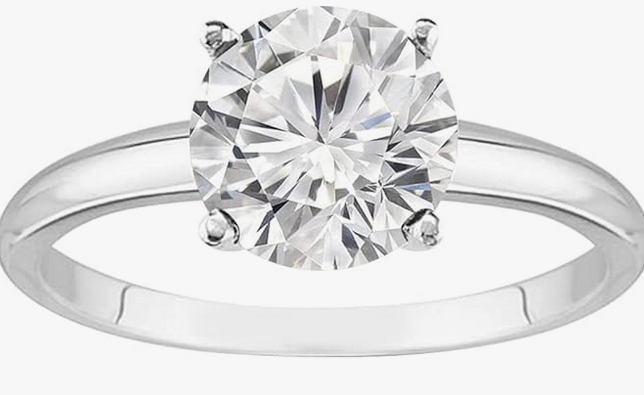
1 to 10 Carat 14K White Gold IGI Certified Lab Grown Diamond Engagement Ring, Round Cut Solitaire, 4-Prong Setting (E–F Color VS2–SI1 Clarity)
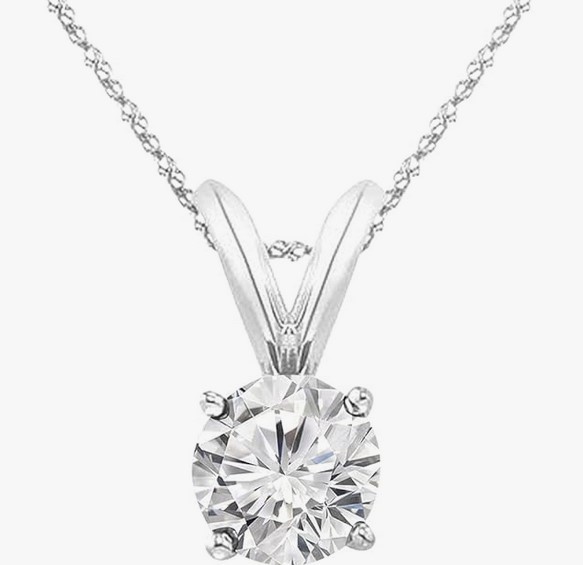
0.5-10 Carat Lab Grown Diamond Solitaire Pendant Necklace, Round Cut Solitaire, 4-Prong Setting, Jewelry for Women (E-F, VS)
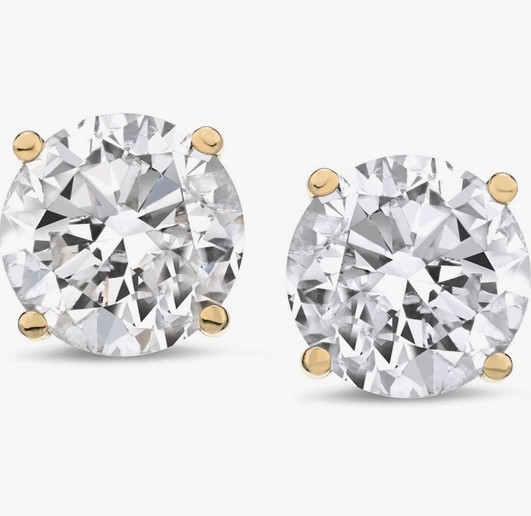
1 to 6 Carat LAB GROWN Solitaire Diamond Stud Earrings Round Cut 4 Prong Screw Back (F-G Color, VS1-VS2 Eye Clean Clarity)
A 30 carat diamond ring represents the pinnacle of luxury jewelry, measuring approximately 23-24mm in diameter for a round brilliant cut and commanding prices from $500,000 to over $5 million depending on quality grades. This extraordinary gemstone weighs exactly 6 grams and creates an unmistakable presence that few other diamonds can match. A 30 carat diamond ring requires careful consideration of the Four Cs, setting durability, and certification authenticity, as stones of this magnitude represent significant investments that demand expert evaluation and proper documentation for insurance and resale purposes.
What Is a 30 carat diamond ring?
A diamond’s carat weight measures its mass, with one carat equaling exactly 200 milligrams or 0.2 grams. Therefore, a 30 carat diamond ring contains a center stone weighing 6 grams, placing it firmly in the exceptional category reserved for the world’s most significant diamonds. The physical dimensions vary by cut, but a round brilliant 30-carat diamond typically measures 23.5mm in diameter and approximately 14mm in depth.
The rarity of diamonds increases exponentially with carat weight, making stones above 10 carats extraordinarily uncommon in the retail market. A 30 carat diamond ring represents less than 0.01% of all diamonds sold globally, with most examples found in high-end auction houses, private collections, or specialty dealers who cater to ultra-high-net-worth individuals. These diamonds often carry historical significance or exceptional quality grades that justify their premium positioning.
Beyond mere size, a 30 carat diamond ring demands exceptional clarity and color grades to maximize its visual impact. Large diamonds reveal inclusions and color tinting more readily than smaller stones, requiring buyers to prioritize higher quality grades. The cutting precision becomes crucial at this size, as any imperfections in symmetry or polish become magnified and can significantly impact the stone’s light performance and overall beauty.
Insurance considerations become paramount with stones of this magnitude, as replacement costs can reach millions of dollars. Most insurance companies require independent appraisals from certified gemologists and may mandate special storage or wearing conditions. The 30 carat diamond ring owner must also consider security implications, as stones of this significance often require discrete handling and specialized transportation when moved between locations.
30 carat diamond ring Price Guide
Pricing for these exceptional stones varies dramatically based on quality grades, with the difference between commercial and investment-grade examples reaching millions of dollars. The following ranges represent current market values for certified stones from reputable dealers:
- A 30 carat diamond ring in D-F color, FL-VVS2 clarity, Excellent cut: $3,000,000-$5,500,000
- G-I color, VVS1-VS2 clarity, Very Good-Excellent cut: $1,800,000-$3,200,000
- A 30 carat diamond ring in J-L color, VS1-SI1 clarity, Good-Very Good cut: $900,000-$1,800,000
- M-P color, SI1-SI2 clarity, Fair-Good cut: $500,000-$1,000,000
- A 30 carat diamond ring with lower color/clarity combinations: $300,000-$600,000
Complete ring pricing includes the setting, side stones, and craftsmanship, typically adding 10-25% to the center stone cost depending on complexity. Platinum settings with high-quality side diamonds can add $50,000-$200,000 to the total investment, while simpler solitaire settings might only increase costs by $15,000-$40,000.
Market fluctuations affect these price ranges significantly, with exceptional stones appreciating during economic uncertainty while commercial grades may experience volatility. Auction results from Sotheby’s and Christie’s often establish price ceilings for the finest examples, with record-breaking sales influencing dealer pricing for similar stones. The provenance and historical significance can add substantial premiums, with famous stones commanding prices well above standard market rates for comparable quality grades.
The Four Cs for a 30 carat diamond ring
Carat weight establishes the foundation, but the remaining three Cs determine value and visual impact for stones of this magnitude. Color grading becomes increasingly critical as larger diamonds reveal tinting more readily than smaller stones. D and E grades command the highest premiums, while F and G grades offer excellent value without visible color in most lighting conditions. A 30 carat diamond ring in the H-J range can still appear colorless when properly cut and set, though price reductions become substantial.
Clarity requirements intensify with carat weight, as inclusions become more visible in larger stones. FL and IF grades represent the pinnacle but carry premium pricing that may not justify the visual improvement over VVS1 and VVS2 grades. VS1 and VS2 clarity can work well in exceptional cuts where brilliance helps mask minor inclusions. SI1 clarity requires careful examination, as some examples remain eye-clean while others show visible inclusions that detract from the stone’s beauty.
Cut quality determines how effectively the 30 carat diamond ring captures and returns light to the observer’s eye. Excellent and Ideal cut grades maximize brilliance and fire, though they command premium pricing due to the additional rough diamond material lost during precision cutting. Very Good cuts can offer outstanding visual performance while providing modest savings, particularly important given the substantial investment required for stones of this size.
The relationship between the Four Cs becomes more complex at higher carat weights, as buyers must balance competing priorities within budget constraints. A 30 carat diamond ring with slightly lower color and clarity grades but exceptional cut quality often provides better visual impact than a poorly cut stone with higher grades in other categories. Expert evaluation becomes essential to identify the optimal combination for individual preferences and budget requirements.
Shape Options and Trade-Offs
Round brilliant cuts maximize light performance and resale value but require the highest premium due to material loss during cutting and market demand. A round 30-carat diamond delivers unmatched brilliance and fire, though buyers pay top dollar for this performance. The classic appeal and universal recognition make round stones the preferred choice for many collectors and investors seeking long-term value retention.
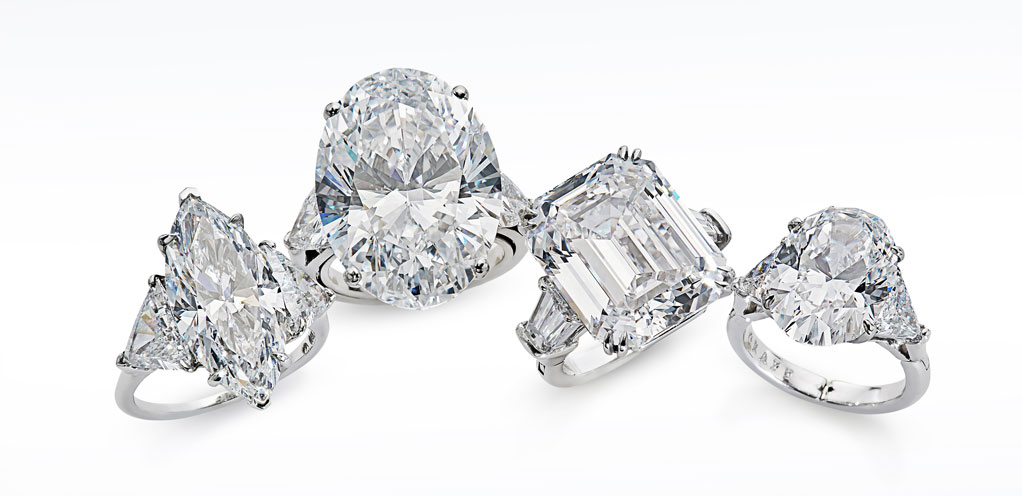
Emerald cuts emphasize clarity and color while offering substantial size presence through their elongated rectangular shape. These step-cut diamonds reveal inclusions more readily than brilliant cuts, requiring higher clarity grades for optimal appearance. The sophisticated elegance appeals to buyers seeking understated luxury, while the larger apparent size provides impressive visual impact. A 30 carat diamond ring in emerald cut typically measures approximately 26mm x 20mm.
Princess cuts combine brilliant light performance with contemporary square appeal, offering cost savings compared to round diamonds while maintaining exceptional sparkle. The sharp corners require protective prong placement but create distinctive geometric beauty that appeals to modern tastes. Cushion cuts provide romantic appeal with their rounded corners and exceptional fire, though light performance varies significantly between different cutting styles within this category.
Oval, marquise, and pear shapes maximize apparent size while offering unique aesthetic appeal for buyers seeking distinctive alternatives to round stones. These fancy shapes often provide 10-20% cost savings compared to equivalent round diamonds while creating larger visual presence. However, the 30 carat diamond ring in fancy shapes may face more limited resale markets, requiring careful consideration for investment-focused purchases.
Setting Recommendations
Platinum provides optimal durability and security for stones of this magnitude, offering superior strength compared to gold alloys while maintaining neutral color that won’t affect the diamond’s appearance. The additional cost represents minimal percentage increase given the stone’s value, while the enhanced security justifies the premium. Custom mounting becomes essential to accommodate the substantial weight and ensure proper support across all stress points.
Solitaire settings emphasize the center stone’s magnificence while providing maximum light exposure from all angles. The clean lines and unobstructed view showcase the diamond’s natural beauty without competing elements. However, the setting must incorporate substantial structural support to handle the 6-gram center stone weight safely. A 30 carat diamond ring requires reinforced prongs or bezels that can withstand daily wear without loosening.
Three-stone designs can complement the center diamond with smaller side stones, though proportion becomes critical to maintain visual balance. Side stones exceeding 2-3 carats each may compete with the center stone, while smaller stones risk appearing insignificant. The total ring weight increases substantially, requiring careful design consideration for comfortable daily wear. Professional consultation helps determine optimal side stone sizes and placement for aesthetic harmony.
Halo settings, while popular for smaller diamonds, often overwhelm the inherent beauty of a 30 carat diamond ring and may appear disproportionate. The substantial center stone provides sufficient visual impact without enhancement, making simpler settings more appropriate. Vintage-inspired designs can incorporate subtle detail work without detracting from the primary focus, while modern minimalist approaches emphasize clean lines and optimal light performance. Custom design services become essential for creating settings worthy of such exceptional stones.
Wearing a 30 carat diamond ring: Size and Presence
The physical presence of a diamond this size creates undeniable impact, with the stone typically covering the entire width of the finger and extending from knuckle to knuckle. Daily wear requires adjustment periods as the substantial weight and size affect hand mobility and comfort. Many owners reserve their 30 carat diamond ring for special occasions rather than continuous daily wear, treating it as an investment piece and statement jewelry rather than everyday engagement ring.
Comfort considerations include ring sizing that accommodates the substantial weight distribution across the finger. Professional jewelers often recommend sizing slightly larger than standard measurements to account for the weight and bulk. The setting design must balance security with wearability, ensuring the ring doesn’t rotate excessively while maintaining comfortable positioning during wear.
Social and practical implications accompany ownership of stones this significant, as the visual impact draws immediate attention in any setting. The 30 carat diamond ring becomes a conversation piece and status symbol that requires confidence to wear appropriately. Security concerns may influence when and where owners choose to wear their rings, with many opting for discrete transportation and secure storage when not being worn.
Lifestyle compatibility varies significantly among potential owners, with active lifestyles requiring additional protective considerations. The substantial size increases vulnerability to impact damage, while the significant value demands careful handling in all situations. Professional cleaning and maintenance become more critical, as stones of this magnitude require specialized care to maintain their optimal appearance and security within the setting.
Certification: What a 30 carat diamond ring Certificate Should Show
Gemological Institute of America (GIA) certification provides the gold standard for diamond grading, offering comprehensive analysis of all quality factors with internationally recognized consistency. The GIA report for a diamond of this significance includes detailed plotting of all clarity characteristics, precise color and clarity grades, and complete dimensional measurements. Advanced testing confirms natural origin and identifies any treatments that might affect value or disclosure requirements.
The certification process for a 30 carat diamond ring involves multiple gemologists independently evaluating each quality factor to ensure accuracy and consistency. Advanced spectroscopic analysis confirms the stone’s natural origin and identifies any treatments or enhancements that require disclosure. The detailed inclusion plotting becomes particularly important for insurance purposes and future identification requirements.
Additional laboratory certification from SSEF, Gübelin, or AGL may provide supplementary analysis for stones of exceptional significance, particularly when geographic origin or treatment history requires specialized expertise. These reports can influence value substantially, with certain origins commanding premium pricing in collector markets. The comprehensive documentation package becomes essential for insurance coverage and future resale considerations.
Certificate verification through laboratory databases confirms authenticity and prevents fraud, which becomes increasingly important as stone values reach significant levels. The 30 carat diamond ring certificate should include high-resolution photography and detailed measurements that allow positive identification. Regular re-certification may be required for insurance purposes or when updating appraisals for estate planning or tax purposes.
Comparing Nearby Carat Weights
The progression from 25 to 30 carats represents substantial price increases due to exponential rarity factors, with 30-carat stones commanding premiums of 40-60% over equivalent quality 25-carat diamonds. The visual difference, while noticeable, may not justify the price differential for all buyers. A high-quality 25-carat diamond often provides exceptional presence while offering significant cost savings that can be allocated toward higher color or clarity grades.
Moving up to 35-carat stones enters even more rarefied territory, with availability becoming extremely limited and prices reaching astronomical levels for investment-grade examples. The market for stones above 30 carats becomes increasingly specialized, with most examples sold through auction houses or private treaty sales rather than traditional retail channels. A 30 carat diamond ring represents a more accessible entry point into exceptional territory while maintaining reasonable availability from specialized dealers.
The sweet spot for many collectors falls in the 20-30 carat range, where size presence becomes truly exceptional while availability and pricing remain within reach for serious buyers. Stones in this range offer commanding presence without entering the ultra-exclusive territory of larger examples. Market liquidity remains stronger in this range, providing better exit strategies for investment-focused purchases.
Price-per-carat analysis reveals dramatic increases as weight thresholds are crossed, with 30-carat stones often commanding $100,000-$180,000 per carat compared to $60,000-$120,000 for equivalent quality 20-carat diamonds. The premium reflects rarity rather than proportional size increases, making careful weight selection critical for value-conscious buyers. The 30 carat diamond ring represents a significant threshold where rarity premiums accelerate substantially.
Where to Buy
Specialized high-end dealers with established reputations provide the most reliable sources for stones of this caliber, offering expertise in evaluation, documentation, and after-sale service. These dealers maintain relationships with cutting houses and collectors that provide access to exceptional stones before they reach broader markets. The personal service and expertise justify any price premiums through reduced risk and enhanced buying confidence.
Auction houses like Sotheby’s, Christie’s, and Bonhams regularly offer exceptional diamonds, though buyers must understand auction dynamics and bidding strategies to compete effectively. Pre-sale viewing becomes essential to evaluate stones personally, while condition reports provide professional assessment of any issues. The 30 carat diamond ring acquired through auction may offer value opportunities but requires expertise to bid strategically and avoid overpaying.
Direct relationships with diamond cutters and manufacturers can provide access to exceptional stones at favorable pricing, though these channels require industry connections and substantial expertise to navigate effectively. The savings potential justifies the additional effort for experienced buyers, while the direct relationships ensure authenticity and provide detailed stone histories that enhance confidence in the purchase decision.
Online platforms have emerged for high-end diamond sales, though stones of this magnitude typically require personal inspection before purchase. Virtual viewing technologies continue improving but cannot fully replace physical examination for investments of this scale. The 30 carat diamond ring purchase represents sufficient value to justify travel for personal inspection, regardless of the initial inquiry method. Established online dealers with physical locations provide the best combination of convenience and security for remote buyers.
Frequently Asked Questions
How big does a 30 carat diamond ring look on the hand?
A 30 carat diamond ring creates dramatic visual impact, typically measuring 23-24mm in diameter for round cuts and covering most of the finger width from side to side. The stone extends from approximately the first knuckle to near the second knuckle on average-sized hands, creating undeniable presence that draws immediate attention. The substantial size requires adjustment for daily wear, as the weight and bulk affect natural hand movements and comfort levels during extended wear periods.
What makes these large diamonds so expensive compared to smaller stones?
Diamond pricing increases exponentially with carat weight due to rarity factors, with stones above 20 carats representing less than 0.01% of global production. A 30 carat diamond ring requires exceptional rough material and skilled cutting that results in substantial waste, driving costs beyond simple proportional calculations. The combination of extreme rarity, material requirements, and specialized expertise creates pricing premiums that can reach 10-20 times the per-carat cost of one-carat stones of equivalent quality grades.
How do I ensure authenticity when buying a 30 carat diamond ring?
Certificate verification through GIA or other recognized laboratories provides the primary authentication method, with comprehensive grading reports that include detailed measurements and inclusion plotting for positive identification. Independent appraisal by qualified gemologists offers additional confirmation, while laboratory database verification confirms certificate authenticity and prevents fraud. Reputable dealers provide guarantees and documentation that support authenticity claims, making dealer selection critical for purchase confidence and long-term value protection.
What insurance considerations apply to rings of this value?
Insurance coverage requires specialized policies designed for high-value jewelry, with coverage limits often exceeding standard homeowner’s policy maximums by substantial margins. The 30 carat diamond ring typically requires independent appraisal updates every 2-3 years to maintain adequate coverage for replacement costs, while some insurers mandate specific storage and security requirements. Premium costs can range from 1-3% of appraised value annually, with deductibles and coverage terms varying significantly between insurance providers.
Are 30 carat diamond rings practical for daily wear?
Daily wear practicality depends largely on lifestyle and personal preferences, as the substantial size and weight can interfere with normal activities and increase vulnerability to damage. Many owners reserve these exceptional pieces for special occasions rather than continuous daily wear, treating them as investment jewelry and statement pieces. The security concerns and substantial value often influence wearing decisions, with discrete transportation and secure storage becoming necessary considerations for regular wear patterns.
How does resale value compare to purchase price for diamonds this size?
Resale values for exceptional quality stones often maintain 60-80% of retail purchase prices in stable markets, while investment-grade examples may appreciate over time depending on market conditions and rarity factors. A 30 carat diamond ring with superior quality grades and certification typically retains value better than commercial-grade examples, though market timing and economic conditions significantly influence actual resale results. The specialized nature of this market segment requires expert guidance for optimal exit strategies and realistic price expectations.
Conclusion
Acquiring a 30 carat diamond ring represents entry into an exclusive realm where exceptional rarity meets extraordinary beauty, requiring careful consideration of quality factors, certification requirements, and practical implications. The substantial investment demands expert guidance throughout the selection process, from initial evaluation through final purchase and insurance arrangements. These magnificent stones offer unparalleled presence and potential investment returns while requiring specialized knowledge to navigate the complex marketplace effectively.
The decision to purchase a 30 carat diamond ring extends beyond simple acquisition to encompass lifestyle changes, security considerations, and long-term value planning. Success requires partnership with experienced professionals who understand the unique challenges and opportunities presented by stones of this caliber. For those seeking the ultimate expression of luxury and rarity, these exceptional diamonds provide unmatched satisfaction and enduring value when selected and acquired with proper expertise and planning. Visit the Carat Diamond homepage to explore exceptional diamond selections with expert guidance.