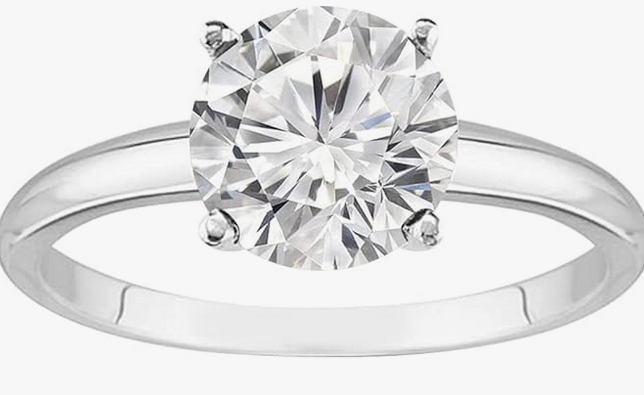
Houston Diamond District 1 to 10 Carat 14K White Gold IGI Certified Lab Grown Diamond Engagement Ring, Round Cut Solitaire, 4-Prong Setting (E–F Color VS2–SI1 Clarity)
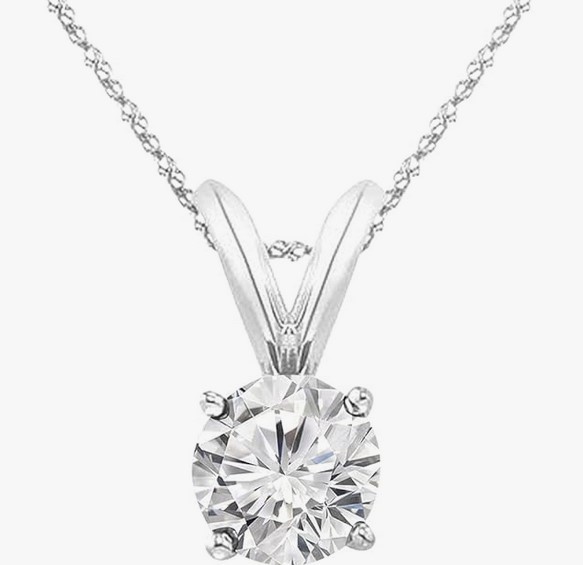
0.5-10 Carat Lab Grown Diamond Solitaire Pendant Necklace, Round Cut Solitaire, 4-Prong Setting, Jewelry for Women (E-F, VS)
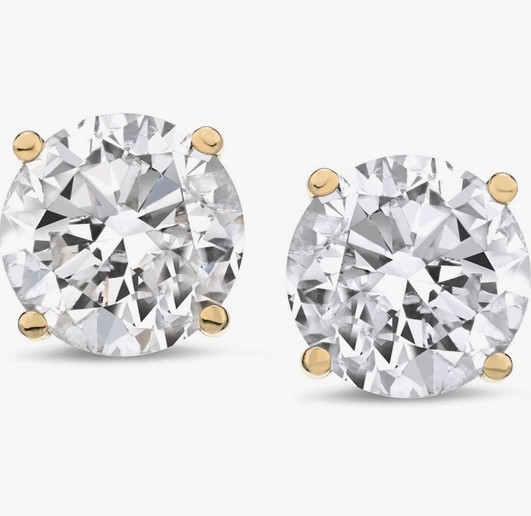
1 to 6 Carat LAB GROWN Solitaire Diamond Stud Earrings Round Cut 4 Prong Screw Back (F-G Color, VS1-VS2 Eye Clean Clarity)
A 2.3 carat diamond represents a significant choice for those seeking substantial presence without entering the most exclusive premium tier. Measuring approximately 8.2–8.5mm in diameter for round brilliant cuts, this size creates impressive visual impact while maintaining relative accessibility compared to larger stones. Prices typically range from $8,000 to $45,000 depending on quality grades, making careful selection crucial for optimal value. A 2.3 carat diamond offers the perfect balance between noticeable size and practical considerations, delivering exceptional sparkle that commands attention without overwhelming smaller hands or conservative preferences.
What Is a 2.3 Carat Diamond?
Carat weight measures a diamond’s mass, with one carat equaling exactly 200 milligrams or 0.2 grams. A 2.3 carat diamond weighs 460 milligrams, placing it well above the average engagement ring size of 1.0–1.2 carats. This weight category represents approximately 2–3% of all diamonds sold in the jewelry market, making it a distinctive choice that stands apart from typical selections. The rarity increases exponentially with weight, meaning this size commands premium pricing due to the scarcity of rough diamonds large enough to yield finished stones of this magnitude.
The visual dimensions vary significantly by shape, but round brilliant cuts typically measure 8.2–8.5mm in diameter. Princess cuts appear slightly smaller at 7.5–7.8mm per side, while oval and marquise shapes can extend to 10–11mm in length, creating different visual impressions despite identical carat weights. A 2.3 carat diamond provides substantial finger coverage, typically spanning the width of an average finger from knuckle line to knuckle line. This creates dramatic presence that photographs beautifully and draws immediate attention in social settings.
The psychological impact cannot be understated – this weight crosses the threshold where diamonds become conversation pieces rather than simply accessories. Most observers can immediately distinguish this size from smaller stones, even without close examination. The increased surface area allows for maximum light return and scintillation, creating the fire and brilliance that makes diamonds so captivating. Professional jewelers often recommend this size for clients who want to make a statement while maintaining elegance and wearability for daily use.
Market positioning places this weight in the luxury category without reaching ultra-premium territory. It represents serious commitment and investment while remaining within reach for successful professionals and those celebrating milestone occasions. The 2.3 carat diamond serves as an ideal choice for second marriages, anniversary upgrades, or individuals who simply prefer substantial jewelry that reflects their personal style and achievements.
2.3 Carat Diamond Price Guide
Pricing varies dramatically based on the four Cs, with identical carat weights showing price differences of 300–400% depending on quality grades. The following ranges reflect current market conditions for certified natural diamonds from reputable dealers, with laboratory-grown alternatives typically costing 60–80% less than comparable natural stones. These prices represent loose stone costs before setting into jewelry.
- A 2.3 carat diamond in D–F color, VVS1–VVS2 clarity, Excellent cut: $28,000–$45,000
- G–H color, VS1–VS2 clarity, Very Good to Excellent cut: $18,000–$28,000
- A 2.3 carat diamond in I–J color, SI1–SI2 clarity, Good to Very Good cut: $12,000–$20,000
- K–L color, SI2–I1 clarity, Fair to Good cut: $8,000–$14,000
- A 2.3 carat diamond with lower grades or unique characteristics: $6,000–$12,000
Complete engagement rings with quality settings add $1,500–$8,000 to total investment, depending on metal choice and design complexity. Simple solitaire settings in 14k white gold start around $1,500, while elaborate halo designs in platinum can exceed $5,000. Custom designs and designer brand premiums can push total costs significantly higher, sometimes doubling the final price compared to basic settings.
The optimal value typically lies in the G–H color, VS1–VS2 clarity range, where visual beauty remains exceptional while avoiding the premium associated with technically perfect grades that provide minimal practical benefit. Many experienced buyers focus on cut quality above all other factors, as superior light performance can make a lower-grade stone appear more brilliant than a poorly cut diamond with perfect color and clarity grades.
The Four Cs for a 2.3 Carat Diamond
Cut quality becomes increasingly critical at this size, as larger diamonds reveal cutting deficiencies more readily than smaller stones. Excellent or Ideal cut grades ensure optimal light performance, creating the maximum fire and brilliance that justifies the significant investment. Poor cutting can make even the highest color and clarity grades appear dull and lifeless, while superior craftsmanship can elevate modest grades to stunning visual impact. A 2.3 carat diamond with Excellent cut proportions will consistently outperform larger stones with inferior cutting, making this the most important consideration for discriminating buyers.
Color selection depends largely on personal preference and setting metal choice. D–F grades offer colorless perfection but command substantial premiums that may not provide proportional visual benefit. G–H grades represent the sweet spot for most buyers, appearing colorless when mounted in white gold or platinum settings while offering meaningful savings. I–J grades work beautifully in yellow gold settings, where the warm metal masks any subtle tint in the diamond. The increased size means color becomes slightly more noticeable than in smaller stones, making careful grade selection important for achieving desired aesthetics.
Clarity requirements vary based on individual sensitivity and viewing conditions. VS1–VS2 grades ensure eye-clean appearance under normal viewing conditions while avoiding the premium associated with VVS grades. SI1 can provide excellent value when inclusions are well-positioned and don’t affect structural integrity or visual appeal. A 2.3 carat diamond with strategically placed inclusions often offers better value than smaller stones with higher clarity grades, as skilled selection can identify beautiful examples that photograph and wear beautifully despite modest technical grades.
Certificate specifications become crucial at this investment level, with GIA and AGS providing the most reliable and consistent grading standards. These laboratories use the strictest criteria and most advanced technology, ensuring accurate representation of quality characteristics. Detailed plotting diagrams, precise measurements, and comprehensive quality assessments provide the documentation necessary for insurance, resale, and personal confidence in the purchase decision.
Wearing a 2.3 Carat Diamond: Size and Presence
The physical presence on the hand creates immediate visual impact that extends beyond simple measurements. This size typically spans the width of an average finger, creating substantial coverage that photographs beautifully and draws attention from across a room. Daily wearability requires consideration of lifestyle factors, as the height and projection may catch on clothing, require adjustment of gloves, or need special care during certain activities. A 2.3 carat diamond transforms any outfit from casual to elegant, making it suitable for professional environments where quality and success matter.
Hand size and finger length influence how this weight appears and feels during wear. Longer fingers can accommodate the substantial presence more naturally, while shorter fingers may find the proportions overwhelming for daily wear. Ring finger width affects how much of the diamond extends beyond the finger edges, influencing both comfort and visual balance. Most jewelers recommend trying similar-sized samples before finalizing purchases, as individual proportions vary significantly and personal comfort preferences differ widely among wearers.
The psychological impact often surprises first-time owners of substantial diamonds. The constant awareness of wearing something valuable and beautiful can boost confidence and serve as a permanent reminder of important relationships or personal achievements. However, security considerations become more relevant at this size, with many owners choosing insurance policies and being more conscious of wearing patterns in certain environments or travel situations. A 2.3 carat diamond represents a lifestyle choice that extends beyond simple jewelry ownership.
Practical maintenance requirements increase proportionally with size, as larger surfaces collect more oils, soaps, and environmental debris that can dim brilliance. Regular professional cleaning every 3–4 months maintains optimal light performance, while daily care routines become more important for preserving the stunning visual impact that justifies the investment. The reward is a lifetime companion piece that consistently delivers joy and satisfaction to both wearer and admirers.
Shape Options and Trade-Offs
Round brilliant cuts maximize light performance and maintain the highest resale value, but cost approximately 20–30% more than fancy shapes of equivalent quality. The 58-facet design optimizes sparkle and fire while providing the most forgiving proportions for various quality grades. At 2.3 carats, round diamonds measure approximately 8.2–8.5mm in diameter, creating substantial finger coverage with classic appeal that never goes out of style. However, the premium pricing means buyers get less visual size per dollar compared to elongated shapes.
Princess cuts offer contemporary appeal with sharp, clean lines that suit modern preferences. The square shape appears slightly smaller than round diamonds of identical weight, typically measuring 7.5–7.8mm per side. A 2.3 carat diamond in princess cut provides excellent value while delivering impressive brilliance through its unique faceting pattern. The pointed corners require protective setting designs, but the overall effect creates sophisticated elegance that appeals to buyers seeking something distinctive yet timeless.
Oval shapes maximize apparent size by creating length that extends the visual footprint beyond what round cuts provide. Measurements typically reach 10–11mm in length by 7–8mm in width, making this shape appear significantly larger than round diamonds of identical weight. The elongated profile creates a flattering effect on fingers while providing excellent brilliance through well-executed cutting. However, some oval diamonds exhibit a “bow-tie” effect where light absorption creates darker areas across the center, requiring careful selection to avoid this undesirable characteristic.
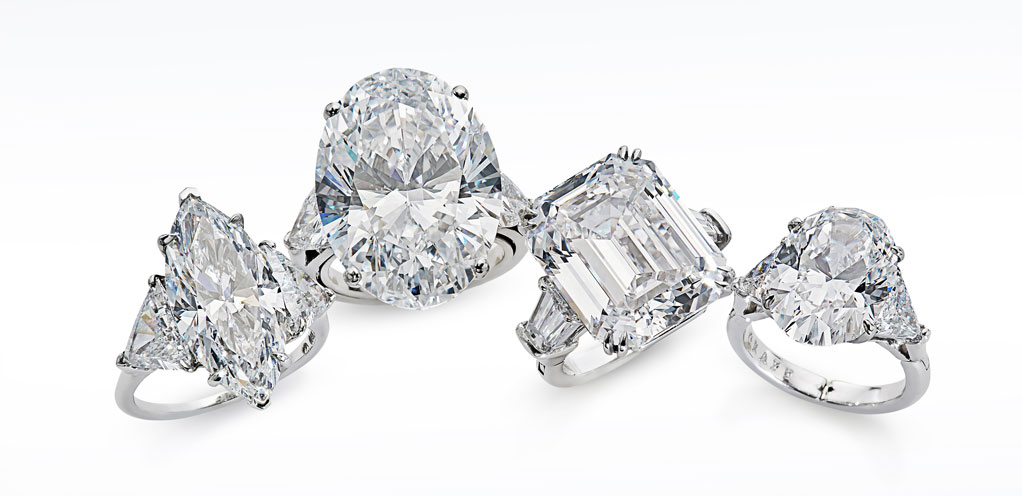
Emerald and Asscher cuts showcase clarity and color more prominently due to their large, open facets and step-cut architecture. These shapes require higher clarity grades since inclusions become more visible, but they offer sophisticated elegance that appeals to vintage enthusiasts and those preferring understated luxury. The rectangular emerald shape provides impressive finger coverage, while square Asscher cuts deliver art deco appeal with mesmerizing depth and geometric precision.
Setting Recommendations
Solitaire settings remain the most popular choice for substantial diamonds, as they maximize light entry and showcase the stone’s natural beauty without competition from side stones or elaborate metalwork. Four or six-prong configurations provide secure mounting while minimizing metal visibility. The 2.3 carat diamond benefits from substantial prong construction that can safely support the weight while maintaining elegant proportions. Cathedral settings add height and drama, while low-profile designs offer practical advantages for active lifestyles.
Halo settings can enhance apparent size by surrounding the center stone with smaller diamonds that create additional sparkle and visual impact. However, at this size, halos may create overwhelming presence that appears ostentatious rather than elegant. When executed properly with proportionate side stones, halos can add vintage charm or contemporary glamour depending on design details. The key lies in maintaining balance between enhancement and restraint, ensuring the center stone remains the focal point.
Three-stone designs provide symbolic meaning while creating substantial finger coverage through multiple diamonds. Side stones typically range from 0.25–0.75 carats each, creating total carat weights approaching 4.0 carats. A 2.3 carat diamond serves as an impressive center stone that doesn’t overpower carefully chosen side stones, creating harmonious proportions that work well with both round and fancy shape combinations. The additional stones increase total cost but create heirloom presence that justifies the investment.
Metal selection influences both durability and aesthetic appeal, with platinum offering superior strength and hypoallergenic properties at premium pricing. White gold provides similar appearance at lower cost but requires periodic re-rhodium plating to maintain bright white finish. Yellow gold creates warm, classic appeal that complements certain color grades while offering excellent value and timeless style. Rose gold delivers contemporary romance but may limit future design flexibility due to its distinctive appearance.
Certification: What a 2.3 Carat Diamond Certificate Should Show
Comprehensive certification becomes essential at this investment level, providing detailed documentation of all quality characteristics and unique identifying features. GIA and AGS certificates offer the most stringent and reliable grading standards, using advanced technology and trained gemologists to assess every aspect of diamond quality. The certificate should include precise measurements, detailed plotting of internal and external characteristics, color and clarity grades, cut quality assessments, and unique laser inscription numbers that permanently link the stone to its documentation. A 2.3 carat diamond deserves nothing less than the most thorough and accurate certification available.
The plotting diagram reveals the precise location, size, and type of all clarity characteristics, allowing buyers to understand exactly what inclusions exist and how they might affect appearance or durability. Internal characteristics like crystals, clouds, or feathers are mapped with scientific precision, while external features such as naturals or extra facets are clearly identified. This level of detail becomes crucial when comparing similar stones or making insurance claims, as it provides definitive identification that distinguishes one diamond from all others.
Cut grading information should include detailed proportions, symmetry, and polish assessments that determine light performance characteristics. Advanced certificates provide additional metrics like crown angle, pavilion angle, table percentage, and girdle thickness measurements that help predict brilliance and fire potential. For shapes beyond round brilliant, these technical specifications become even more important since standardized cut grades don’t exist for fancy shapes. A 2.3 carat diamond certificate should provide sufficient technical detail to support confident purchasing decisions.
Security features protect against certificate fraud while ensuring long-term authentication capability. Modern certificates include multiple security elements such as watermarks, special papers, unique numbering systems, and online verification databases. The laser inscription matching the certificate number should be clearly visible under 10x magnification, permanently linking the physical stone to its documentation. These features become increasingly important as diamond values rise, providing peace of mind for both current ownership and future resale considerations.
Comparing Nearby Carat Weights
The jump from 2.0 to 2.3 carats represents a meaningful increase in both visual impact and market value, with the additional 0.3 carats adding approximately 25–35% to total cost depending on quality grades. Visual differences become immediately apparent to most observers, as the increased diameter creates substantially more finger coverage and light-gathering capability. A 2.3 carat diamond measures approximately 0.2–0.3mm larger in diameter than 2.0-carat stones, which translates to noticeably greater presence despite the seemingly small measurement difference. Market psychology also plays a role, as crossing the 2.25-carat threshold places stones in a more exclusive category that commands premium pricing.
Comparing upward to 2.5-carat diamonds reveals diminishing returns in visual impact relative to cost increases. The additional 0.2 carats typically adds 15–25% to purchase price while providing only marginal size increases that may not justify the investment for budget-conscious buyers. However, the psychological satisfaction of owning a stone closer to the prestigious 2.5-carat mark appeals to some purchasers who view it as crossing another significance threshold. The decision often comes down to budget constraints versus desire for maximum impact within available resources.
Dropping to 2.0 carats provides meaningful savings that can be redirected toward higher quality grades or more elaborate settings. The visual difference, while noticeable, may not justify the premium for buyers prioritizing overall beauty over maximum size. A high-quality 2.0-carat diamond with superior cut, color, and clarity characteristics often delivers more stunning visual impact than a poorly selected 2.3 carat diamond with compromised quality grades. This represents the classic trade-off between size and quality that defines diamond purchasing decisions.
The sweet spot analysis depends entirely on individual priorities, budget constraints, and personal preferences regarding size versus quality. Some buyers find that 2.3 carats provides the perfect balance between substantial presence and reasonable investment, while others prefer to maximize either size or quality by choosing different weights. Market availability also influences decisions, as finding the perfect combination of characteristics becomes more challenging as size requirements increase, sometimes making nearby weights more attractive due to better selection options.
Where to Buy
Online retailers typically offer the widest selection and most competitive pricing for certified diamonds, with established platforms providing detailed imagery, video content, and comprehensive technical specifications. The ability to compare dozens of similar stones simultaneously allows for informed decision-making that brick-and-mortar stores cannot match due to inventory limitations. However, purchasing a 2.3 carat diamond sight-unseen requires confidence in the retailer’s return policies, photography accuracy, and customer service capabilities. Reputable online dealers provide detailed imaging, 360-degree videos, and magnified views that reveal characteristics not visible in traditional jewelry store lighting.
Local jewelers offer hands-on evaluation opportunities and personalized service that many buyers prefer for significant purchases. The ability to see stones under various lighting conditions, compare multiple options side-by-side, and receive expert guidance can justify the typical price premiums associated with traditional retail channels. Established local jewelers also provide ongoing services such as cleaning, maintenance, and repair work that create long-term value relationships. The trade-off involves smaller selection and higher prices, but many buyers find the personal touch and immediate availability worth the additional investment.
Wholesale diamond districts in major cities provide access to extensive inventories at competitive prices, but require more sophisticated knowledge to navigate successfully. These venues cater primarily to industry professionals and experienced buyers who understand grading, pricing, and market dynamics. A 2.3 carat diamond purchase through wholesale channels can provide substantial savings, but buyers must possess the expertise to evaluate stones independently and understand the risks associated with limited return policies and minimal customer service.
Estate and auction venues occasionally offer exceptional values on high-quality diamonds, particularly for buyers interested in vintage cuts or unique characteristics. However, these opportunities require patience, expertise, and willingness to accept stones that may not conform to modern cutting standards or come with contemporary certification. The potential rewards include significant savings and acquisition of unique stones with historical character, but the risks involve uncertain quality assessment and limited recourse if problems arise after purchase. Most buyers of substantial diamonds prefer the security and documentation provided by established retail channels.
Frequently Asked Questions
How much should I expect to pay for a 2.3 carat diamond?
A 2.3 carat diamond typically costs between $8,000 and $45,000 depending on quality grades, with most buyers finding excellent value in the $18,000–$28,000 range for G–H color, VS1–VS2 clarity stones. Premium grades in D–F color and VVS clarity command the highest prices, while modest compromises in color and clarity can provide substantial savings without significantly affecting visual beauty. Laboratory-grown alternatives cost 60–80% less than natural diamonds with identical characteristics, offering another avenue for budget-conscious buyers.
What finger size looks best with this carat weight?
Finger sizes 5–7 typically showcase this weight most proportionally, providing substantial coverage without overwhelming the hand’s natural proportions. Larger hands can accommodate the size easily, while smaller fingers may find the presence dramatic but still wearable depending on personal style preferences. The key lies in trying similar-sized samples to determine comfort and aesthetic appeal, as individual hand proportions vary significantly and personal preferences differ widely among wearers.
Is a 2.3 carat diamond considered large?
2.3 carat diamond represents a substantially above-average size that most people would consider large, as it exceeds typical engagement ring sizes by 100–150% and creates immediate visual impact. This weight places stones in the top 5% of all diamonds sold, making it a distinctive choice that commands attention and represents significant investment. However, in luxury jewelry markets or among high-net-worth individuals, this size might be considered moderately substantial rather than exceptionally large.
How does shape affect the appearance of this weight?
Shape dramatically influences visual impact, with elongated cuts like oval and marquise appearing larger than round diamonds of identical weight due to increased length and finger coverage. Round brilliant cuts maximize sparkle and light performance while providing classic proportions, whereas emerald and Asscher cuts showcase clarity and create sophisticated geometric appeal. Each shape offers distinct advantages in terms of apparent size, brilliance characteristics, and aesthetic style preferences.
What setting styles work best for a 2.3 carat diamond?
Solitaire settings remain the most popular choice as they maximize light entry and showcase the stone’s natural beauty without distraction, while halo designs can add vintage charm or contemporary glamour when proportioned correctly. Three-stone settings create substantial finger coverage and symbolic meaning, though they significantly increase total cost through additional diamonds. The key lies in maintaining balance between the center stone and surrounding elements, ensuring the substantial diamond remains the focal point while providing secure and comfortable mounting.
Should I prioritize size or quality when shopping?
The optimal balance depends on individual preferences and viewing habits, but most experts recommend prioritizing cut quality above all other factors since superior light performance makes stones appear more brilliant regardless of other characteristics. Color and clarity can often be compromised modestly without affecting visual appeal, allowing budget reallocation toward larger size or better cutting. A 2.3 carat diamond with excellent cut proportions will consistently outperform larger stones with poor cutting, making quality considerations crucial for long-term satisfaction.
Conclusion
A 2.3 carat diamond represents a significant investment that delivers substantial visual impact, enduring beauty, and lasting value for discerning buyers. The careful balance of size, quality, and budget considerations determines ultimate satisfaction with such an important purchase. Understanding the interplay between the four Cs, shape characteristics, and setting options enables confident decision-making that results in a stunning piece of jewelry that provides decades of enjoyment. This weight category offers the perfect combination of presence and practicality for those seeking to make a meaningful statement through exceptional diamond jewelry.
Whether celebrating an engagement, anniversary, or personal milestone, a 2.3 carat diamond serves as a worthy symbol of life’s most important moments. The key to successful acquisition lies in thorough research, careful comparison shopping, and working with reputable dealers who provide comprehensive documentation and ongoing support. With proper selection and care, this substantial diamond becomes a treasured heirloom that captures light, hearts, and memories for generations to come. For additional guidance and access to certified diamonds, visit the Carat Diamond homepage.