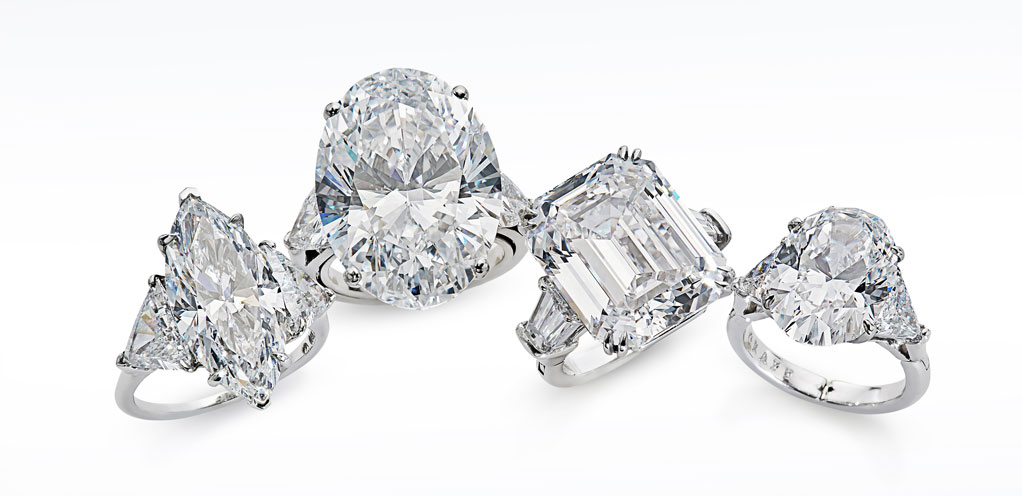
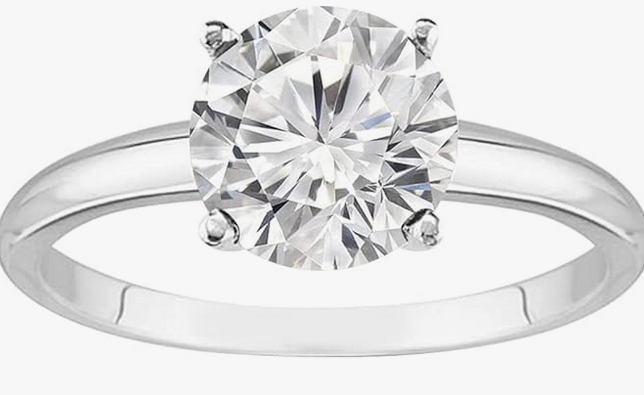
Houston Diamond District 1 to 10 Carat 14K White Gold IGI Certified Lab Grown Diamond Engagement Ring, Round Cut Solitaire, 4-Prong Setting (E–F Color VS2–SI1 Clarity)
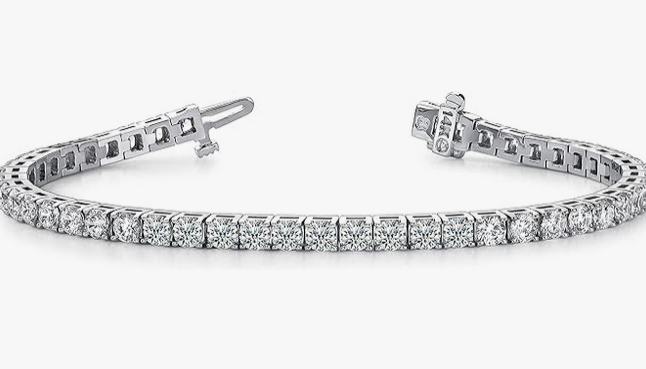
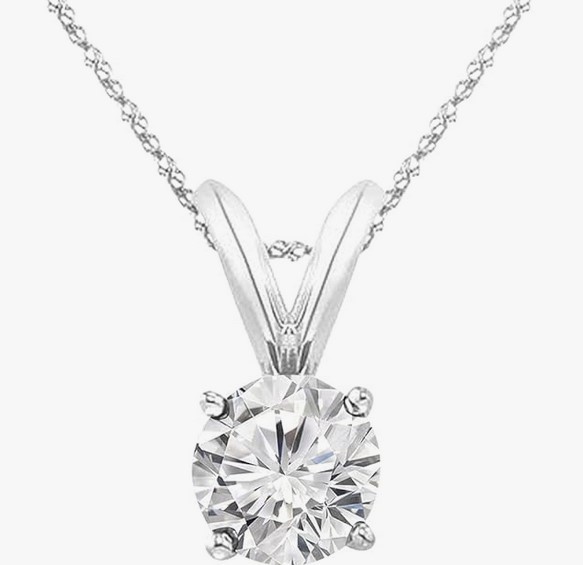
0.5-10 Carat Lab Grown Diamond Solitaire Pendant Necklace, Round Cut Solitaire, 4-Prong Setting, Jewelry for Women (E-F, VS)
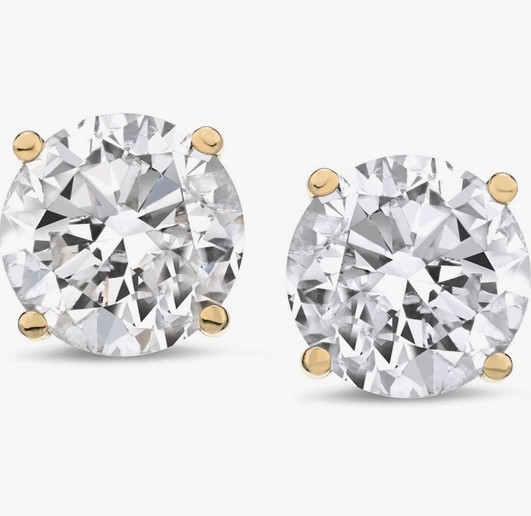
1 to 6 Carat LAB GROWN Solitaire Diamond Stud Earrings Round Cut 4 Prong Screw Back (F-G Color, VS1-VS2 Eye Clean Clarity)
.5 Carat Diamond Ring: The Complete Guide to a Half Carat
A .5 carat diamond ring — that’s half a carat, written as 0.5 ct — is a delicate, elegant, and beautifully affordable choice that proves a ring doesn’t need a huge stone to shine. Refined and effortlessly wearable, a .5 carat diamond ring is perfect for a first engagement ring, an everyday sparkle, or a thoughtful gift on a sensible budget. With its graceful, understated size, a half carat diamond ring offers timeless charm and genuine diamond brilliance. This guide explains everything that shapes the look, quality, and value of a .5 carat diamond ring, so you can choose with total confidence.
At Mycaratdiamond, every .5 carat diamond ring is crafted from a real, certified lab grown diamond set in enduring precious metal, so the price you pay always reflects genuine quality and value.
How Big Is a .5 Carat Diamond Ring?
Carat is a measure of weight, not size, but the two are closely related. A round half carat diamond measures roughly 5.0 to 5.2 millimeters across — a petite, graceful footprint that sparkles beautifully on the finger without overwhelming it. Elongated shapes like oval, pear, and marquise can appear a touch larger because their length spreads across more of the hand. On slender fingers especially, a .5 carat diamond ring looks delightfully proportioned and refined.
Why Choose a .5 Carat Diamond Ring?
There are many reasons a half carat ring is such a popular choice:
- Delicate elegance: a .5 carat diamond ring offers understated, refined sparkle that’s perfect for minimalist style.
- Budget-friendly: a smaller size means a lower price, ideal for a first ring or a meaningful gift.
- Comfortable everyday wear: lightweight and low-profile, it’s easy to wear day to day.
- Beautifully versatile: a half carat diamond ring shines as a solitaire, in a halo, or with accent stones.
What Determines the Price of a .5 Carat Diamond Ring?
No two rings are identical, so the price of a .5 carat diamond ring is never a single fixed number. Several measurable factors work together to set the final figure:
- Origin (natural vs. lab grown) — the biggest single influence on price.
- The 4Cs — Carat weight, Color, Clarity, and Cut.
- Shape — round brilliants typically cost more per carat than fancy shapes.
- Metal and setting — 14K gold, 18K gold, or platinum, plus the band style and any accent stones.
- Certification and craftsmanship — independent grading and the finish quality of the piece.
Because half a carat is a smaller size, a half carat ring is one of the most accessible ways to own a genuine, certified diamond.
Natural vs. Lab Grown .5 Carat Diamond Ring
The biggest difference in price comes down to origin. A natural half carat diamond carries a premium, while a lab grown .5 carat diamond ring offers the same sparkle, the same durability, and the same certified quality for a fraction of the cost.
Lab grown diamonds are chemically, physically, and optically identical to mined diamonds. They earn a perfect 10 on the Mohs hardness scale and display the same fire and brilliance. The only difference is origin: lab grown stones are created in a controlled environment rather than deep underground. That efficiency means a lab grown half carat diamond ring is wonderfully affordable — letting you choose higher color, clarity, or cut grades for the same budget, or enjoy a beautiful ring at a very accessible price.
The 4Cs and Your .5 Carat Diamond Ring
The 4Cs — Carat, Color, Clarity, and Cut — are the universal language of diamond quality.
Carat is the weight, fixed here at half a carat — a petite, graceful size.
Color runs from colorless (D) downward. A near-colorless E-F grade keeps the diamond bright and white while keeping the price efficient — a smart sweet spot for a .5 carat diamond ring.
Clarity measures internal characteristics. An eye-clean VS-SI range shows no inclusions visible to the naked eye, and at this smaller size minor inclusions are even harder to spot, which keeps the price friendly.
Cut is the most important factor for sparkle. Precise faceting maximizes light return, so a well-cut half carat diamond looks bright and lively. Always prioritize cut quality.
Best Shapes for a .5 Carat Diamond Ring
Shape is a deeply personal choice and shapes the ring’s character:
- Round brilliant: the most popular shape, prized for maximum sparkle.
- Oval: elongates the finger and looks slightly larger than its weight suggests.
- Princess: a sharp, modern square with brilliant shine.
- Cushion: soft, rounded corners with romantic, vintage fire.
- Pear and emerald: distinctive shapes for a unique, refined look.
Elongated shapes can make a .5 carat diamond ring appear a little larger — a nice way to maximize presence.
Choosing the Setting and Metal
The setting frames your center stone and can even make it look larger. Popular choices for a .5 carat diamond ring include the clean, classic solitaire; the halo, which surrounds the diamond with smaller stones to make a half carat look noticeably bigger; the shimmering pavé band; and the three-stone design. A slim band can also make the center diamond appear larger by contrast.
Metal choice matters too. 14K and 18K gold offer warm, classic luxury in white, yellow, or rose, while platinum delivers a premium, naturally white finish. A secure prong setting protects the diamond and keeps your half carat ring safe through years of everyday wear.
How to Choose the Perfect .5 Carat Diamond Ring
To get the best combination of beauty and value, keep these tips in mind:
- Favor E-F color and eye-clean VS-SI clarity. This combination looks stunning while keeping the price efficient.
- Prioritize cut quality. Excellent faceting is what makes a diamond truly sparkle.
- Consider a halo or slim band. Both can make a .5 carat diamond ring look larger.
- Pick a shape you love. The shape defines the entire character of the ring.
- Choose lab grown and insist on certification. It’s the smartest way to own a genuine, certified diamond at a fair price.
Bottom line: a .5 carat diamond ring brings together delicate elegance, brilliant sparkle, and outstanding affordability in one charming, timeless design. With a real, certified lab grown diamond in a near-colorless, eye-clean grade and an excellent cut, you can own a beautiful half carat ring at a price that finally makes sense. Explore our collection above to find the perfect .5 carat diamond ring for you.
A .5 carat diamond ring represents the sweet spot between affordability and visual impact, measuring approximately 5.2mm in diameter for round brilliant cuts. This popular diamond weight offers substantial presence on the finger while maintaining accessibility for many budgets, typically ranging from $1,200 to $8,000 depending on quality factors. A .5 carat diamond ring delivers impressive sparkle and fire when well-cut, making it an excellent choice for engagement rings, anniversary gifts, or statement pieces. The half-carat weight provides enough surface area to showcase a diamond’s brilliance while remaining practical for everyday wear, striking an ideal balance that explains why this size remains consistently popular among couples worldwide.
What Is a .5 carat diamond ring?
The term “.5 carat” refers to the diamond’s weight, with one carat equaling 200 milligrams or 0.2 grams. A .5 carat diamond ring therefore contains a diamond weighing exactly 100 milligrams, representing half of a full carat. This measurement system, established by the gemological industry, provides precise standardization across all diamond transactions and certifications worldwide.
When discussing dimensions, a .5 carat diamond ring with a round brilliant cut typically measures 5.2mm in diameter and 3.1mm in depth. However, these measurements can vary slightly based on the diamond’s proportions and cutting style. A .5 carat diamond ring in fancy shapes like princess, oval, or pear will have different length-to-width ratios while maintaining the same weight, affecting the visual size perception significantly.
The visual impact of this weight category strikes an excellent balance between presence and practicality. Unlike smaller diamonds that might appear diminutive on larger hands, or heavier stones that can overwhelm delicate fingers, this size offers versatility across different hand sizes and personal styles. The surface area provides ample opportunity for light reflection and refraction, creating the brilliant sparkle that makes diamonds so captivating.
Professional gemologists classify half-carat diamonds as entering the “premium” category, where cut quality becomes increasingly important for maximizing brilliance. A .5 carat diamond ring with excellent proportions will display superior light performance compared to poorly cut stones of the same weight, making the selection of proper angles and symmetry crucial for achieving maximum visual impact and value.
.5 carat diamond ring Price Guide
Understanding pricing for half-carat diamonds requires examining both the loose stone costs and complete ring pricing. Market values fluctuate based on the Four Cs—cut, color, clarity, and carat weight—with significant price jumps occurring at certain quality thresholds. A .5 carat diamond ring price can vary dramatically based on these quality factors, making education essential for informed purchasing decisions.
The following pricing reflects current market rates for certified loose diamonds in the half-carat range:
- D–F color, VVS1–VVS2, Excellent cut: $2,800–$4,200
- G–H color, VS1–VS2, Very Good cut: $1,800–$2,600
- A .5 carat diamond ring quality in I–J color, SI1–SI2, Good cut: $1,200–$1,800
- A .5 carat diamond ring in K–L color, SI2–I1, Fair cut: $800–$1,200
- Lab-grown alternatives across all grades: $400–$1,600
Complete ring pricing includes the setting, which typically adds $300–$3,000 depending on metal choice and design complexity:
- Simple solitaire in 14k gold: $1,500–$4,500 total
- A .5 carat diamond ring in halo setting, 14k white gold: $2,000–$5,500 total
- Three-stone design in platinum: $2,200–$6,000 total
- Vintage-inspired setting with side stones: $2,500–$7,200 total
The Four Cs for a .5 carat diamond ring
Cut quality represents the most crucial factor affecting a half-carat diamond’s beauty and brilliance. For a .5 carat diamond ring, excellent or ideal cut grades ensure maximum light return, creating superior sparkle and fire. Poor cut quality can make even high-color, high-clarity stones appear dull and lifeless, significantly reducing both beauty and value. Professional gemologists recommend prioritizing cut grade above other factors when selecting diamonds in this weight range.
Color grades from D through J work well in half-carat stones, with G–H representing the optimal balance of beauty and value. Colorless grades (D–F) command premium pricing but offer exceptional purity, while near-colorless options (G–J) provide excellent appearance at more accessible price points. The size of the stone makes subtle color differences more noticeable than in smaller diamonds, making color selection particularly important for this weight category.
Clarity grades from FL (Flawless) through SI2 (Slightly Included 2) all produce beautiful results when properly selected. A .5 carat diamond ring with VS1–VS2 clarity offers excellent value, providing eye-clean appearance while avoiding the premium associated with higher clarity grades. SI1–SI2 stones can also work well if inclusions are carefully positioned away from the center of the stone, allowing buyers to maximize size while maintaining beauty.
Carat weight accuracy becomes critical at the half-carat threshold, as small variations can significantly impact pricing. Stones weighing exactly 0.50 carats command premium pricing compared to those at 0.48–0.49 carats, despite minimal visual differences. Understanding these pricing thresholds allows informed buyers to optimize value by considering stones just below major weight milestones without sacrificing visual impact or desirability.
Shape Options and Trade-Offs
Round brilliant diamonds remain the most popular choice for half-carat stones, offering maximum light return and timeless appeal. The circular shape maximizes the perceived size while providing optimal light performance through its 58-facet design. Round diamonds also offer the greatest flexibility in setting options, from classic solitaires to elaborate vintage designs, making them versatile choices for diverse style preferences.
Princess cut diamonds provide contemporary square appeal with excellent brilliance, though they typically appear smaller than round diamonds of equal weight. The sharp corners require protective setting designs like V-prongs or bezel settings to prevent chipping. A .5 carat diamond ring in princess cut measures approximately 4.5mm square, offering clean geometric lines that appeal to modern aesthetics while maintaining strong light performance.
Oval, marquise, and pear shapes create elongated appearances that can make half-carat diamonds look larger than round stones of equal weight. These fancy shapes offer unique character while providing excellent value compared to round diamonds. However, they may display bow-tie effects—dark areas across the center—if poorly cut, making careful selection essential for achieving optimal beauty and brilliance.
Emerald and Asscher cuts provide sophisticated step-cut appearances that emphasize clarity over brilliance. These rectangular shapes require higher clarity grades since their large, open facets readily reveal inclusions. The vintage appeal and sophisticated look make them excellent choices for buyers seeking distinctive elegance, though they generally appear smaller than brilliant-cut shapes of equivalent weight due to their cutting style.
Wearing a .5 carat diamond ring: Size and Presence
On the finger, a half-carat diamond provides substantial presence without overwhelming most hand sizes or personal styles. The stone offers enough surface area to catch and reflect light dramatically, creating noticeable sparkle during daily activities. A .5 carat diamond ring delivers impressive visual impact while remaining practical for regular wear, professional environments, and active lifestyles without feeling cumbersome or ostentatious.
Hand size and finger length significantly influence how this diamond weight appears when worn. On petite hands with slender fingers, the stone may appear quite substantial and eye-catching. Larger hands or longer fingers can easily accommodate this size while leaving room for additional jewelry or wedding band combinations. The versatility across different hand proportions explains why this weight category remains consistently popular across diverse demographics.
The setting style dramatically affects the overall presence and visual impact of the stone. Solitaire settings emphasize the diamond itself, allowing maximum light entry and creating clean, classic appearances. A .5 carat diamond ring in a halo setting appears significantly larger due to the surrounding smaller diamonds, potentially making the center stone appear to be three-quarters of a carat or larger to casual observers.
Daily wearability represents a significant advantage of this diamond weight, as the size provides durability without excessive height or bulk. The stone sits comfortably under gloves, doesn’t catch on clothing frequently, and maintains appropriate proportions for professional environments. This practical aspect, combined with impressive visual presence, makes half-carat diamonds ideal for engagement rings intended for daily wear throughout decades of marriage.
Setting Recommendations
Solitaire settings offer timeless elegance while maximizing light entry to half-carat diamonds, creating optimal conditions for brilliance and fire. Four-prong or six-prong configurations provide secure mounting while allowing maximum light access from all angles. The simplicity of solitaire designs ensures the focus remains on the diamond itself, making this an excellent choice for showcasing high-quality stones with exceptional cut grades.
Halo settings surround the center stone with smaller diamonds, creating the illusion of larger size while adding extra sparkle and brilliance. For half-carat centers, halos can make the overall appearance equivalent to stones weighing 0.75–1.00 carats. A .5 carat diamond ring with a well-designed halo offers maximum visual impact while maintaining reasonable pricing, making it popular among budget-conscious buyers seeking impressive presence.
Three-stone designs symbolize past, present, and future while providing excellent showcasing for half-carat center stones. Side stones typically range from 0.15–0.25 carats each, creating balanced proportions without overwhelming the center diamond. These settings work particularly well with emerald or princess cut centers, though round brilliant diamonds also create stunning three-stone combinations with complementary side stone shapes.
Vintage-inspired settings incorporate milgrain details, intricate metalwork, and often include accent diamonds in the band or gallery areas. These designs complement half-carat centers beautifully by adding visual complexity and romantic appeal. A .5 carat diamond ring in vintage styling offers distinctive character while honoring classic design elements that remain timelessly elegant and sophisticated for modern couples seeking unique engagement rings.
Certification: What a .5 carat diamond ring Certificate Should Show
Proper certification from recognized gemological laboratories provides essential documentation for half-carat diamond purchases, ensuring accurate quality assessment and fair pricing. Reputable certificates include detailed measurements, quality grades, and plotting diagrams showing inclusion locations. A .5 carat diamond ring should always include certification from GIA, AGS, or other internationally recognized laboratories to guarantee authenticity and quality representation.
The certificate must clearly indicate the exact carat weight, measured to the thousandth (0.500 ct), along with precise dimensions for length, width, and depth. Color and clarity grades should be clearly stated using standardized terminology, with clarity plots showing inclusion locations and types. Cut grades, when provided, offer valuable information about light performance and overall beauty potential for the certified stone.
Fluorescence information appears on quality certificates and can significantly impact diamond appearance and value. Strong blue fluorescence may cause haziness in some diamonds, while faint to medium fluorescence generally has minimal impact on beauty. A .5 carat diamond ring certificate should clearly indicate fluorescence strength and color, allowing buyers to make informed decisions about potential effects on appearance.
Laser inscription numbers on the diamond’s girdle should match the certificate number exactly, providing definitive proof that the stone matches its documentation. This anti-fraud measure ensures buyers receive the exact diamond described in the certificate. Modern certificates also include digital verification systems allowing online authentication, providing additional security and peace of mind for significant diamond purchases in this weight category.
Comparing Nearby Carat Weights
Understanding size and pricing differences between 0.40–0.60 carat diamonds helps buyers optimize value and visual impact. A 0.45-carat stone measures approximately 4.9mm diameter compared to 5.2mm for half-carat rounds, representing subtle visual differences while offering potential savings of $200–$600. These near-miss weights often provide excellent value for buyers prioritizing budget over achieving exact half-carat weight milestones.
Jumping to 0.60 carats increases the diameter to approximately 5.4mm while commanding premium pricing due to approaching the three-quarter carat threshold. The visual difference between 0.50 and 0.60 carats is minimal, typically requiring side-by-side comparison to detect. A .5 carat diamond ring often provides superior value compared to 0.60-carat alternatives, offering nearly identical appearance at significantly lower cost.
The psychological appeal of round numbers creates pricing premiums at 0.50, 0.75, and 1.00-carat weights, making stones just below these thresholds attractive value alternatives. A 0.48-carat diamond can cost $300–$800 less than a true half-carat stone while appearing virtually identical when mounted. Savvy buyers often target these near-miss weights to maximize diamond quality within budget constraints.
Visual impact increases more dramatically when comparing half-carat stones to smaller weights like 0.30–0.40 carats, where the difference becomes readily apparent. The surface area advantage of a .5 carat diamond ring creates noticeably superior light performance and presence compared to these smaller alternatives. This size jump represents excellent value for buyers seeking meaningful visual improvement over typical starter diamond sizes.
Where to Buy
Online diamond retailers offer extensive inventory selection and competitive pricing for half-carat diamonds, with detailed photography and video technology enabling remote evaluation. Reputable online sellers provide magnified imagery, 360-degree videos, and detailed specifications allowing thorough examination before purchase. Advanced filtering systems help buyers quickly identify stones meeting specific criteria for cut, color, clarity, and pricing requirements within their budgets.
Traditional jewelry stores provide hands-on evaluation opportunities and personalized service, allowing buyers to examine stones under various lighting conditions. Local jewelers often offer custom setting services and ongoing maintenance, creating long-term relationships beneficial for future needs. A .5 carat diamond ring purchased locally may include additional services like sizing, cleaning, and inspection as part of the customer relationship.
Wholesale diamond districts in major cities offer access to extensive inventory and competitive pricing, though they require more diamond knowledge for successful navigation. These venues work well for experienced buyers comfortable with gemological evaluation and negotiation. Professional guidance becomes essential when purchasing from wholesale sources to ensure proper quality assessment and fair pricing.
Auction houses and estate jewelry dealers occasionally offer half-carat diamonds in vintage or antique settings, providing unique alternatives to contemporary options. These sources require careful evaluation of both the diamond quality and setting condition. A .5 carat diamond ring from estate sources may offer distinctive styling and potential value, though buyers should verify authenticity and condition through independent appraisal before completing significant purchases.
How much should I expect to pay for a .5 carat diamond ring?
A .5 carat diamond ring typically ranges from $1,500 to $7,500 total, depending on the diamond quality and setting choice. The diamond alone accounts for $800–$4,200 of this cost, while settings add $300–$3,000 based on design complexity and metal selection. Budget-conscious buyers can find beautiful options in the $1,500–$2,500 range by selecting G–H color, SI1–SI2 clarity stones in simple solitaire settings.
What size does a half-carat diamond appear on the finger?
A .5 carat diamond ring creates substantial presence without overwhelming most hand sizes, measuring approximately 5.2mm in diameter for round cuts. The stone provides noticeable sparkle and elegance while remaining practical for daily wear. Hand size influences the appearance significantly, with the diamond appearing more prominent on petite hands and proportionally smaller on larger hands, though it maintains impressive presence across all hand sizes.
Is a .5 carat diamond ring too small for an engagement ring?
A .5 carat diamond ring offers excellent size and presence for engagement rings, representing a popular choice that balances visual impact with affordability. This weight provides substantial sparkle and elegance while remaining practical for everyday wear throughout a marriage. Many couples prefer this size for its versatility, beauty, and reasonable pricing compared to larger alternatives that may strain budgets unnecessarily.
What’s the difference between natural and lab-grown half-carat diamonds?
Lab-grown diamonds are chemically and physically identical to natural stones but cost 50–70% less, making them attractive alternatives for budget-conscious buyers. Both options offer identical beauty, durability, and brilliance when comparing equivalent quality grades. The primary differences involve origin, pricing, and potential resale value, with natural stones traditionally holding value better over time while lab-grown alternatives maximize size and quality within budget constraints.
Which diamond shape looks largest in a .5 carat diamond ring?
Oval, marquise, and pear shapes typically appear largest among half-carat diamonds due to their elongated forms and larger surface areas. These fancy shapes can appear 10–15% larger than round diamonds of equal weight when viewed from above. However, round brilliants offer superior light performance and sparkle, while fancy shapes provide distinctive character and potential size advantages depending on individual preferences and style goals.
How do I ensure I’m buying a quality half-carat diamond?
Purchasing quality half-carat diamonds requires certification from reputable laboratories like GIA or AGS, ensuring accurate grading and authenticity. Focus on cut quality first, as excellent proportions maximize brilliance regardless of other factors. A .5 carat diamond ring should include detailed documentation, return policies, and preferably allow examination under various lighting conditions before final commitment to ensure satisfaction with the stone’s appearance and performance.
A .5 carat diamond ring represents an excellent balance of size, beauty, and value that continues to satisfy couples seeking meaningful engagement rings without excessive expense. The half-carat weight provides substantial presence and brilliant sparkle while remaining accessible to diverse budgets and practical for daily wear throughout decades of marriage. Understanding quality factors, pricing structures, and available options empowers buyers to make informed decisions that maximize both beauty and value within their specific requirements.
Whether selecting a classic solitaire setting or elaborate halo design, a .5 carat diamond ring offers versatility and timeless appeal that transcends changing fashion trends. The combination of impressive visual impact, reasonable pricing, and practical wearability explains why this diamond weight remains consistently popular among modern couples. For those ready to explore the exceptional selection of certified diamonds and custom settings available, visit the Carat Diamond homepage to begin your journey toward finding the perfect diamond ring.