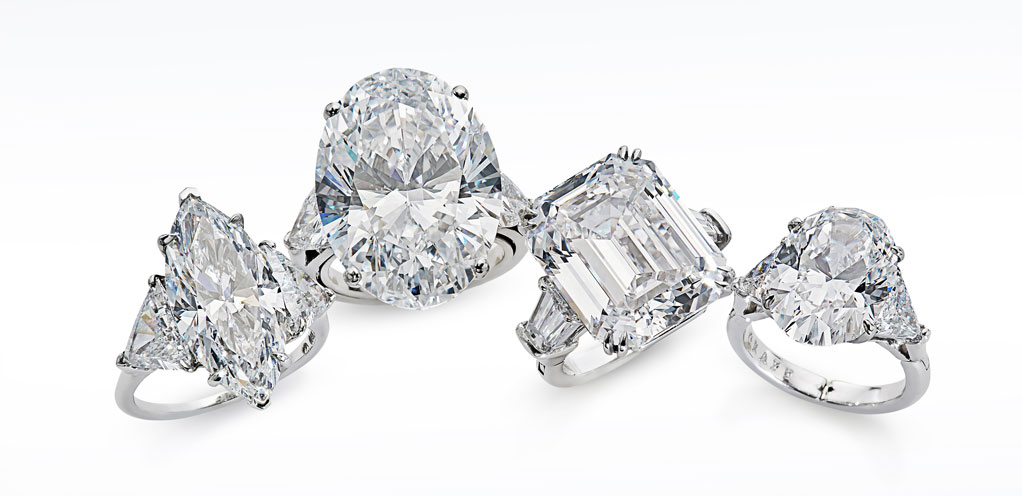
A 25 carat diamond ring represents the pinnacle of luxury diamond jewelry, measuring approximately 19.5-20mm in diameter for a round brilliant cut and commanding prices typically ranging from $500,000 to $5 million or more depending on quality grades. The visual impact of such a substantial stone is unmistakable, creating an immediate focal point that dominates the hand with its extraordinary size and brilliance. A 25 carat diamond ring requires careful consideration of cut quality, color grade, and clarity to maximize its investment potential and stunning appearance, as even minor variations in these characteristics can significantly affect both value and visual appeal.
What Is a 25 carat diamond ring?
A 25 carat diamond ring features a center stone weighing exactly 25.00 carats, where one carat equals 200 milligrams or 0.2 grams, making the diamond itself weigh 5 grams. This extraordinary weight places it well beyond the realm of typical engagement rings, positioning it as a statement piece reserved for the most discerning collectors and those celebrating life’s most significant milestones. The rarity of such large diamonds means that finding a high-quality 25 carat stone requires patience, expertise, and substantial financial investment.
The physical dimensions of this remarkable stone vary depending on the chosen cut, but a round brilliant 25 carat diamond ring typically measures 19.5-20.0mm in diameter and 12-13mm in depth. Princess cuts tend to measure approximately 15-16mm square, while oval cuts extend to roughly 22-24mm in length and 16-17mm in width. These dimensions create a presence that extends well beyond the finger, making proper setting selection crucial for both security and comfort during wear.
The origin of such large diamonds traces back to the most productive mining regions worldwide, including Botswana, Russia, Canada, and South Africa. Natural diamonds of this size form over billions of years under extreme pressure and temperature conditions deep within the Earth’s mantle. Alternatively, lab-grown options are increasingly available, offering identical physical and chemical properties at significantly reduced costs while maintaining the same visual impact and durability.
Understanding what constitutes a 25 carat diamond ring also involves recognizing the distinction between total carat weight and center stone weight. When jewelers reference a “25 carat diamond ring,” they specifically mean the center stone weighs 25 carats, not including any accent diamonds or side stones that may accompany the main diamond in more elaborate settings. This distinction becomes particularly important when comparing prices and evaluating different design options.
25 carat diamond ring Price Guide
Pricing for a 25 carat diamond ring varies dramatically based on the Four Cs, with differences in color, clarity, and cut quality creating price ranges spanning millions of dollars. Natural diamonds of this size command premium pricing due to their extreme rarity, while lab-grown alternatives offer substantial savings without compromising visual appeal or structural integrity. The following price ranges reflect current market conditions for natural diamonds in major cuts.
- A 25 carat diamond ring in D-F color, VVS1-VVS2 clarity, Excellent cut: $2,500,000-$5,000,000
- G-H color, VS1-VS2 clarity, Very Good-Excellent cut: $1,500,000-$2,800,000
- A 25 carat diamond ring featuring I-J color, SI1-SI2 clarity, Good-Very Good cut: $800,000-$1,600,000
- K-L color, SI2-I1 clarity, Fair-Good cut: $400,000-$900,000
- Lab-grown alternatives across all grades: $150,000-$800,000
Complete ring pricing includes the setting, which adds $15,000-$75,000 depending on metal choice, design complexity, and accent stone inclusion. Platinum settings command the highest premiums due to durability and prestige, while 18K gold options offer excellent value with multiple color choices. Custom designs featuring intricate details, hand-engraving, or additional diamonds can increase setting costs significantly.
- Platinum solitaire setting: $25,000-$45,000
- 18K gold with diamond accents: $20,000-$35,000
- Custom halo or vintage-inspired design: $40,000-$75,000
- Simple 14K gold mounting: $15,000-$25,000
Market factors influencing these prices include diamond supply fluctuations, economic conditions, and seasonal demand patterns. Auction results for comparable stones provide valuable benchmarks, though retail pricing typically exceeds auction prices by 20-40% to account for dealer margins and retail overhead. Insurance valuations often exceed purchase prices by similar margins to ensure adequate coverage for replacement costs.
The Four Cs for a 25 carat diamond ring
Cut quality becomes paramount in a 25 carat diamond ring because the large surface area amplifies both excellences and imperfections in proportions and finish. Excellent cut grades maximize light return, creating the scintillation and fire that justify such significant investment. Poor cut quality in large diamonds appears particularly noticeable, with light leakage and dead zones becoming glaringly obvious to even untrained observers. Professional gemologists recommend prioritizing cut quality above other characteristics when evaluating stones of this magnitude.
Color grading in diamonds of this size requires special attention because larger stones tend to show color more readily than smaller ones. D, E, and F grades maintain colorless appearance even in 25 carat weights, while G and H grades may begin showing faint warmth that some buyers find appealing. I and J grades display noticeable color that becomes more apparent in larger stones, though some buyers appreciate the warmer appearance when set in yellow or rose gold. Color preferences remain highly subjective, making personal viewing essential before purchase.
Clarity considerations for a 25 carat diamond ring focus on eye-clean appearance rather than technical grades, as the large size makes inclusions more visible than in smaller stones. VVS1 and VVS2 grades ensure virtually perfect appearance under normal viewing conditions, while VS1 and VS2 grades typically remain eye-clean with careful selection. SI1 grades require expert evaluation to ensure inclusions don’t detract from overall beauty, and SI2 grades need particularly careful screening for eye-clean examples.
Carat weight verification becomes crucial at this level, with certificates requiring precise measurement and documentation. The difference between 24.85 and 25.05 carats can represent thousands of dollars in value, making accurate certification from recognized laboratories essential. Weight retention during setting also requires careful attention, as any damage requiring repolishing could drop the stone below the magical 25-carat threshold and significantly impact value.
Wearing a 25 carat diamond ring: Size and Presence
The physical presence of a 25 carat diamond ring extends well beyond typical jewelry expectations, creating a statement piece that draws immediate attention and commands respect. The substantial size requires adjustment in daily activities, as the ring’s dimensions may interfere with tasks requiring fine motor control or tight spaces. Many owners find themselves modifying hand gestures and being more conscious of their movements to protect both the jewelry and surrounding objects from potential damage.
Comfort considerations include the ring’s weight distribution across the finger, which can cause fatigue during extended wear. The substantial mass of a 25 carat diamond ring necessitates proper sizing to prevent rotation while maintaining blood circulation. Professional jewelers often recommend sizing slightly larger than normal to accommodate the additional weight and ensure comfortable all-day wear. Ring guards or sizing beads may prove necessary to achieve optimal fit and prevent unwanted movement.
Social implications of wearing such an extraordinary piece vary significantly based on environment and occasion. While appropriate for galas, premieres, and other high-profile events, daily wear may attract unwanted attention or security concerns. Many owners maintain separate insurance policies specifically for the ring and take additional precautions when traveling or attending public events. The psychological impact of wearing such a significant piece often enhances confidence and creates memorable impressions in both personal and professional settings.
Maintenance requirements increase proportionally with size, as the large surface area of the stone shows fingerprints, oils, and environmental debris more readily than smaller diamonds. Regular professional cleaning every 4-6 weeks maintains optimal brilliance, while daily care with appropriate cleaning solutions keeps the stone sparkling between professional services. The setting also requires periodic inspection to ensure prongs remain secure and capable of supporting the substantial weight safely.
Shape Options and Trade-Offs
Round brilliant cuts maximize light performance in a 25 carat diamond ring but command premium pricing due to higher rough diamond waste during cutting. The superior light return creates exceptional scintillation and fire, making round stones the preferred choice for buyers prioritizing optical performance over size appearance. However, the circular shape appears smaller than equivalent weights in elongated cuts, which may concern buyers seeking maximum visual impact per dollar invested.
Princess cuts offer excellent value by utilizing rough diamond efficiently while maintaining high brilliance levels. The square shape creates contemporary appeal and often appears larger than round stones of identical weight. However, princess cuts require additional protection for their pointed corners, necessitating specialized settings and more careful handling. The modified brilliant faceting pattern delivers impressive light performance while offering cost savings compared to round alternatives.
Emerald cuts emphasize size and elegance through their rectangular outline and step-cut faceting, creating a sophisticated appearance that appeals to buyers preferring understated luxury. The large table and open facets require higher clarity grades to maintain beauty, as inclusions become more visible in step-cut designs. However, the elongated shape maximizes finger coverage and creates an impressive presence that many find more wearable than round alternatives of similar weight.
Oval, marquise, and pear shapes offer the best size appearance per carat weight, stretching across the finger to create maximum visual impact. These elongated shapes can appear 20-30% larger than round diamonds of identical weight, making them attractive options for buyers prioritizing apparent size. However, fancy shapes may limit resale opportunities and require careful cut evaluation, as proportions significantly impact beauty and light performance in these specialized cuts.
Certification: What a 25 carat diamond ring Certificate Should Show
Certification for a 25 carat diamond ring requires the most prestigious gemological laboratories to ensure accuracy and market acceptance. The Gemological Institute of America (GIA), SSEF, and Gübelin represent the gold standard for large diamond certification, providing detailed analysis and documentation that supports both insurance coverage and future resale value. These laboratories employ the most advanced equipment and experienced gemologists capable of handling stones of such significance and value.
Essential certificate information includes precise measurements to the hundredth of a millimeter, detailed plotting of clarity characteristics, and comprehensive color and cut quality analysis. The certificate should document any fluorescence, which can affect appearance and value in large diamonds, along with specific details about polish and symmetry grades. Photographic documentation of the actual stone helps establish identity and provides visual reference for insurance and security purposes.
Additional certifications may include origin reports for natural diamonds, documenting the geographic source and confirming natural formation. These reports carry particular importance for investment-grade stones and may significantly impact both value and marketability. For lab-grown diamonds, proper identification and documentation of growth method ensures accurate representation and appropriate pricing. Some buyers also seek additional certifications from multiple laboratories to provide extra verification and confidence.
The certification process for diamonds of this caliber typically requires 4-6 weeks and costs several thousand dollars, but this investment proves essential for stones of such value. Certificates should be stored safely and copies maintained in separate locations, as replacement certificates require resubmission of the actual diamond for re-examination. Insurance companies typically require current certificates from recognized laboratories as part of coverage documentation and claims processing.
Setting Recommendations
Solitaire settings provide the most secure mounting for a 25 carat diamond ring while allowing maximum light entry and unobstructed viewing of the stone. Six-prong settings offer superior security compared to four-prong alternatives, distributing the holding force and providing redundancy if one prong becomes damaged. The prongs themselves require substantial thickness and height to securely grasp such a large stone, often necessitating custom fabrication rather than standard mounting options available for smaller diamonds.
Three-stone settings can complement large center diamonds effectively, though side stone selection requires careful consideration to avoid overwhelming the composition or creating awkward proportions. Side stones typically range from 2-5 carats each to maintain proper scale relationships, while smaller accent diamonds may appear insignificant beside such a substantial center stone. The additional stones increase both beauty and value while creating a more balanced visual composition across the finger.
Halo settings, while popular for smaller diamonds, require expert design to avoid appearing disproportionate around a 25 carat center stone. The halo diamonds themselves must be substantial enough to create visual impact without being overshadowed by the center stone. Multiple concentric rows of diamonds or unusually large halo stones may be necessary to achieve proper proportions, significantly increasing both cost and complexity of the final design.
Vintage and custom settings offer opportunities to create truly unique designs appropriate for such an extraordinary diamond. Art Deco influences, intricate hand-engraving, and period-appropriate details can complement the stone’s grandeur while reflecting personal style preferences. However, custom work requires experienced craftsmen familiar with handling large diamonds and understanding the structural requirements necessary to support such substantial weight safely over time.
Comparing Nearby Carat Weights
The difference between a 20 carat and 25 carat diamond ring represents more than simple arithmetic, as the larger stone commands disproportionate premiums due to increased rarity. A 25% increase in weight typically results in 40-60% higher pricing, depending on quality grades and market conditions. The visual difference appears less dramatic than pricing suggests, with the larger stone measuring only 1-2mm greater in diameter, though this size increase becomes more noticeable in person than photographs might suggest.
Comparing 25 carat options with 30 carat alternatives reveals similar pricing dynamics, where the larger stone commands substantial premiums despite relatively modest size increases. The 30 carat stone measures approximately 21-22mm in diameter compared to 19.5-20mm for the 25 carat option, representing meaningful but not overwhelming visual differences. However, the rarity factor drives pricing exponentially higher, often doubling or tripling costs for the additional five carats depending on quality and availability.
Market dynamics heavily favor the 25 carat threshold, as this weight represents a significant psychological milestone for both buyers and sellers. Stones weighing 24.50-24.99 carats trade at substantial discounts despite appearing virtually identical to 25+ carat examples, while stones exceeding 25.50 carats command premiums without proportional visual improvements. These market inefficiencies create opportunities for informed buyers to maximize either value or impact depending on their priorities and budget constraints.
Investment considerations often favor the 25 carat weight as representing optimal balance between rarity and liquidity. Larger stones become increasingly difficult to resell due to limited buyer pools, while smaller stones lack the prestige and rarity that drive appreciation. The 25 carat size maintains broad appeal among collectors and investors while remaining practical for special occasion wear, supporting both enjoyment and long-term value retention better than more extreme sizes.
Where to Buy
Purchasing a 25 carat diamond ring requires working with dealers specializing in investment-grade stones and possessing both expertise and inventory to support such significant transactions. Established diamond dealers with decades of experience and strong industry relationships provide access to the finest stones while offering knowledge essential for making informed decisions. These specialists often maintain relationships with cutting houses and mining companies that provide first access to exceptional rough diamonds before they reach broader markets.
Auction houses represent alternative sources for extraordinary diamonds, often featuring stones with provenance and historical significance that add to their appeal and value. Major auction houses like Sotheby’s, Christie’s, and Bonhams regularly feature significant diamonds, though buyers must understand auction dynamics and be prepared for competitive bidding. Auction purchases require careful pre-sale examination and independent evaluation, as all sales are typically final without return options or guarantees beyond basic authenticity.
Online retailers increasingly offer large diamonds, providing broader selection and competitive pricing through reduced overhead costs. However, purchasing such significant stones sight-unseen requires exceptional return policies, comprehensive photography, and detailed certification from recognized laboratories. Video consultations with gemologists and detailed imaging technology help bridge the gap between online and in-person evaluation, though many buyers prefer physical examination before committing to such substantial purchases.
International dealers may offer attractive pricing and unique inventory, particularly for buyers willing to travel or work with established overseas partners. Dubai, Antwerp, and Hong Kong serve as major diamond trading centers with access to exceptional stones not available in domestic markets. However, international purchases require understanding customs regulations, tax implications, and authentication procedures while ensuring proper insurance coverage during transportation and ownership transfer.
Frequently Asked Questions
How much does a 25 carat diamond ring cost?
A 25 carat diamond ring typically ranges from $400,000 to $5,000,000 depending on cut, color, clarity, and certification. D-F color, VVS clarity stones command the highest premiums, while lower grades offer substantial savings with careful selection. Lab-grown alternatives provide identical appearance and properties at 60-80% lower costs, making exceptional quality more accessible. Setting costs add $15,000-$75,000 depending on design complexity and metal choice.
What size finger works best for a 25 carat diamond ring?
Size 6-8 fingers typically provide the most proportionate appearance for stones of this magnitude, though personal preference ultimately determines suitability. Larger fingers can accommodate the substantial size more comfortably, while smaller fingers may find the ring overwhelming for daily wear. Professional sizing consultation becomes essential to ensure proper fit and comfort, as the significant weight requires precise sizing to prevent rotation while maintaining circulation.
How do you insure a 25 carat diamond ring?
25 carat diamond ring insurance requires specialized jewelry coverage through companies experienced with high-value pieces, typically costing 1-3% of appraised value annually. Professional appraisal from certified gemologist establishes insurable value, usually exceeding purchase price by 20-40% to ensure adequate replacement coverage. Many insurers require professional storage, security systems, and regular appraisals to maintain coverage. Separate riders or specialized policies often provide better protection than standard homeowner’s coverage.
Are lab-grown options available in this size?
Lab-grown technology now produces diamonds exceeding 25 carats with identical physical and chemical properties to natural stones, offering 60-80% cost savings without compromising beauty or durability. Leading manufacturers like Diamond Foundry and New Diamond Technology create exceptional large stones with full certification from recognized laboratories. Quality and availability continue improving rapidly, making lab-grown alternatives increasingly attractive for buyers prioritizing size and beauty over natural origin. These diamonds offer identical performance and appearance while supporting sustainable practices.
What’s the best cut for maximum brilliance in a 25 carat diamond ring?
Round brilliant cuts deliver superior light performance through their 57-58 precisely angled facets, maximizing scintillation and fire that justify premium pricing for exceptional stones. The mathematical precision of modern brilliant cuts ensures optimal light return, creating the spectacular display that makes large diamonds so captivating. However, princess and radiant cuts offer excellent alternatives with contemporary appeal and better value, while maintaining high brilliance levels suitable for investment-grade stones.
How often should the ring be professionally serviced?
Professional maintenance every 3-4 months ensures optimal security and appearance for such valuable jewelry, with prong inspection and thorough cleaning maintaining both safety and beauty. The substantial weight places additional stress on settings, requiring more frequent evaluation than typical engagement rings. Annual comprehensive examination by qualified jeweler identifies potential issues before they become serious problems. Daily care with appropriate cleaning solutions and proper storage maintain brilliance between professional services.
Conclusion
A 25 carat diamond ring represents the pinnacle of luxury jewelry, combining exceptional rarity with breathtaking beauty to create an heirloom piece suitable for the most discerning collectors. The substantial investment required demands careful consideration of the Four Cs, certification authenticity, and setting appropriateness to ensure both immediate satisfaction and long-term value retention. Working with experienced professionals throughout the selection and purchase process provides essential expertise for navigating the complexities of acquiring such an extraordinary piece.
The decision to purchase a 25 carat diamond ring extends beyond simple acquisition to encompass lifestyle considerations, security planning, and legacy creation for future generations. Whether choosing natural or lab-grown options, the result represents a statement piece that commands respect and creates lasting memories for special occasions and milestone celebrations. For those ready to make this extraordinary investment, careful research and expert guidance ensure the perfect selection that will provide enjoyment and pride for decades to come. Explore exceptional diamond options and expert guidance at the Carat Diamond homepage.