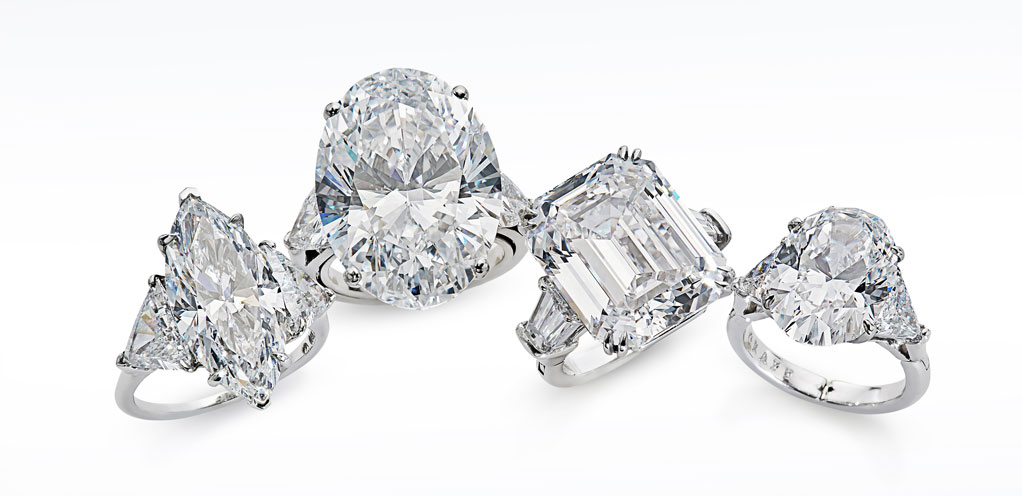
A 10 carat diamond ring is one of the rarest and most extraordinary pieces of jewelry that exists in the world of fine diamonds. Reserved for royalty, celebrities, record-breaking auctions, and the most discerning collectors, a 10 carat diamond ring transcends the category of fine jewelry entirely and enters the realm of museum-quality gemstones and serious investment assets. At ten carats, a round brilliant diamond measures approximately 14.0–14.2mm in diameter — nearly the width of a standard coin — creating a presence on the hand that is immediately and unmistakably extraordinary.
This comprehensive guide covers everything serious buyers, researchers, and jewelry enthusiasts need to know about a 10 carat diamond ring — from understanding the Four Cs at this exceptional weight, to natural versus lab-grown considerations, realistic price expectations, the handful of settings that work at this scale, shape comparisons, and the unique responsibilities of owning a stone of this significance.
What Does a 10 Carat Diamond Ring Look Like?
Visualizing a 10 carat diamond ring requires stepping outside the frame of reference most buyers bring to diamond shopping. A round brilliant at ten carats measures approximately 14.0–14.2mm in diameter — roughly the width of a US dime or a standard shirt button. On an average ring size (6–7), a 10 carat diamond ring does not merely fill the finger — it dominates it, creating an extraordinary visual focal point that is impossible to ignore from across a room.
For comparison: the average engagement ring in the United States weighs approximately 1 carat. A 10 carat diamond ring is ten times that size. Even relative to an impressive five-carat stone, a ten-carat diamond is twice the weight and substantially larger in diameter. At this scale, a diamond ring ceases to be primarily an accessory and becomes primarily an object of art and investment.
Elongated shapes at ten carats create even more dramatic visual effects. An oval 10 carat diamond ring measures approximately 18.5 x 12.5mm — nearly three quarters of an inch in length. A pear cut at ten carats at approximately 20.0 x 12.0mm stretches an extraordinary length across the finger. A marquise cut reaches approximately 24.0 x 12.0mm — spanning a full inch from tip to tip. An emerald cut at approximately 16.5 x 12.0mm creates a breathtaking rectangular presence that is simultaneously bold and refined.
The Four Cs at Ten Carats: The Highest Standards Required
At ten carats, every quality factor is magnified to a degree that demands the absolute highest standards. The Four Cs — cut, color, clarity, and carat weight — all carry consequences at this size that simply do not apply at smaller weights. A compromise that might be acceptable at one or two carats becomes immediately visible and deeply consequential in a 10 carat diamond ring.
Cut Quality: The Most Critical Decision
For a 10 carat diamond ring, cut quality is transformative in a way that exceeds even its importance at smaller weights. A beautifully cut ten-carat diamond produces a light show of extraordinary scale and intensity. A poorly cut stone — flat, dark, and proportionally incorrect — is one of the most heartbreaking sights in fine jewelry: immense rarity and cost performing far below potential.
For a round brilliant 10 carat diamond ring, only Excellent cut from GIA or Triple Excellent from IGI is acceptable — Excellent for cut, symmetry, and polish, with no exceptions. The additional cost of Excellent versus Very Good cut at ten carats is modest as a percentage of the total investment, while the difference in light performance is enormous and immediately visible at this scale.
For fancy shapes in a 10 carat diamond ring — oval, cushion, pear, radiant, emerald, marquise — proportional precision is even more critical than at smaller weights. The bowtie effect in ovals and pears becomes dramatically more visible at ten carats. Table and depth percentages must fall within ideal ranges, and high-resolution video — ideally examined by an independent gemologist — is absolutely essential before any purchase.
Color: Only the Finest Grades
At ten carats, diamond color is highly visible to any observer in virtually any lighting condition. For a 10 carat diamond ring in platinum or white gold, D through F color grades — the colorless tier — are strongly recommended and represent the appropriate standard for a stone of this significance. G color can be considered with careful evaluation, though it may show slight warmth in certain lighting conditions. H color and below are generally not appropriate in white metal settings at this weight — the warmth becomes visible and detracts from the stone’s extraordinary presence.
For a ring set in yellow gold, H through J color grades may be considered. However, for natural stones at this weight and price level, most serious buyers prefer D–F color regardless of setting metal, because the additional cost is proportionally modest relative to the total investment.
Clarity: Exceptional Standards
The recommended clarity range for a 10 carat diamond ring is VVS1 through VS1. VVS1 and VVS2 clarity stones are virtually flawless to any observer under all conditions and are the appropriate standard for the most significant fine jewelry purchase most buyers will ever make. VS1 clarity is also excellent — eye-clean in all practical viewing conditions and offering some price relief versus VVS grades without meaningful visual compromise. VS2 requires careful per-stone evaluation. SI1 should generally not be considered for a stone at this price level. SI2 and lower grades are entirely inappropriate — inclusions will frequently be visible to the naked eye at this size.
Natural vs. Lab-Grown 10 Carat Diamond Ring
The natural versus lab-grown decision at ten carats has a unique character compared to smaller weights, reflecting both the extraordinary rarity of natural ten-carat diamonds and the very different market dynamics that apply at this exceptional size.
Natural 10 Carat Diamond Ring
A natural 10 carat diamond ring features one of the rarest objects on Earth. Natural rough diamonds that yield polished ten-carat stones represent an infinitesimally small fraction of global mining output — less than one in a million carats of production yields a ten-carat polished stone of gem quality. This extreme scarcity elevates a natural 10 carat diamond ring from a luxury purchase to a world-class gemological rarity.
In excellent quality — D–F color, VVS1–VS1 clarity, Excellent cut, GIA certified — a natural 10 carat diamond ring typically starts at $300,000 and can reach $1,000,000 or more. The finest examples — D color, internally flawless, round brilliant — have sold at major auction houses for several million dollars. Natural 10 carat diamonds of high quality are genuine investment-grade assets actively sought by international collectors and high-net-worth individuals, with strong secondary market prices at leading auction houses including Christie’s, Sotheby’s, and Bonhams.
Lab-Grown 10 Carat Diamond Ring
A lab-grown 10 carat diamond ring offers a stone that is chemically, physically, and optically identical to a natural diamond — real carbon crystal with the same hardness, refractive index, and light performance — at dramatically lower cost. Produced via CVD or HPHT processes and certified by IGI and GIA, lab-grown stones at this weight are indistinguishable from natural diamonds without specialized equipment.
In excellent quality — D–F color, VVS1–VS1 clarity, Excellent cut, IGI certified — a lab-grown 10 carat diamond ring typically costs between $40,000 and $120,000. This is 70–90% less than an equivalent natural stone, making the visual experience of a genuine ten-carat diamond accessible to a far broader range of serious buyers. For buyers whose primary interest is the visual magnificence and physical experience of wearing a ten-carat diamond ring rather than geological rarity and investment value, lab-grown delivers the same extraordinary result at a fraction of the natural cost.
It bears noting that at ten carats, even lab-grown stones command significant prices — the difference between spending $60,000 on a lab-grown 10 carat diamond ring versus $600,000 on a natural equivalent is a genuinely transformative financial consideration that most buyers will weigh carefully.
Best Settings for a 10 Carat Diamond Ring
Solitaire Setting
The solitaire is the most appropriate and most commonly chosen setting for a 10 carat diamond ring. Nothing distracts from the stone. A clean, architecturally precise prong solitaire in platinum — with four or six substantial prongs engineered specifically for the weight and dimensions of the center stone — allows the diamond to express its full presence without competition. At this weight, the setting must be custom designed and engineered for the specific stone, not selected from a standard catalog.
Halo Setting
A halo is architecturally possible but aesthetically optional at ten carats. The center stone is so visually dominant that a halo adds relatively little perceived size and risks making an already extraordinary stone look cluttered rather than magnificent. When used, a single micro-halo of very small stones in a restrained design can be beautiful — but elaborate double halos are generally considered inappropriate for stones of this size.
Three-Stone Setting
A three-stone design with substantial matching side stones — 3–5 carats each — creates one of the most impressive pieces of jewelry that exists. This configuration creates a ring with a total diamond weight approaching or exceeding 20 carats and is appropriate only for the most serious collectors and ultra-high-net-worth buyers.
East-West Setting
An east-west mounted elongated shape — an oval or pear oriented horizontally in a clean platinum bezel or prong setting — creates one of the most architecturally striking fine jewelry designs available at any price. A ten-carat oval or pear mounted east-west is a genuinely extraordinary and unique aesthetic statement.
Metal: Platinum Only
At ten carats, platinum is the only appropriate metal. Its exceptional structural strength, natural white color, and complete resistance to tarnish make it the only responsible choice for securing a stone of this value. Custom platinum work for a 10 carat diamond ring is typically heavier gauge than standard settings to accommodate the stone’s dimensions and weight. White gold, while beautiful, introduces unnecessary maintenance considerations at this price level.
Price Guide
Natural 10 carat diamond ring prices:
- D color, IF, Excellent cut, GIA: $500,000–$2,000,000+ — among the finest diamonds in the world
- D–F color, VVS1–VVS2, Excellent cut, GIA: $300,000–$700,000 — recommended tier for serious buyers
- D–G color, VS1–VS2, Excellent cut, GIA: $150,000–$350,000
- H–I color, SI1: $80,000–$150,000 with very careful selection
Lab-grown 10 carat diamond ring prices:
- D–F color, VVS1–VVS2, Excellent cut, IGI: $60,000–$120,000
- D–G color, VS1–VS2, Excellent cut, IGI: $40,000–$80,000 — optimal quality tier
Custom setting costs add $5,000–$30,000+ depending on platinum weight, design complexity, and any accent diamond specifications. All settings for stones at this weight should be custom engineered.
Shape Guide at Ten Carats
- Round brilliant: ~14.0–14.2mm diameter. Maximum brilliance, universal elegance, the most requested shape for a 10 carat diamond ring. Produces the most intense and balanced light performance of any shape at this weight.
- Oval: ~18.5 x 12.5mm. Magnificent elongated presence across the finger, appears visually larger than a round of equal weight.
- Emerald cut: ~16.5 x 12.0mm. Hall-of-mirrors step-cut effect at breathtaking scale — demands VVS1 or better clarity for a 10 carat diamond ring to appear flawless.
- Pear: ~20.0 x 12.0mm. The most elongating shape — stretches nearly an inch across the finger with its pointed tip.
- Cushion: ~13.5 x 13.5mm. Intensely brilliant with romantic soft edges — powerful square or rectangular presence.
- Marquise: ~24.0 x 12.0mm. The longest shape — a marquise 10 carat diamond ring spans a full inch from point to point, uniquely regal and dramatic.
- Radiant: ~14.0 x 11.5mm. Brilliant-cut sparkle in a rectangular form — intense fire and presence in a clean architectural profile.
The Experience of Wearing a 10 Carat Diamond Ring
The physical and social experience of wearing a 10 carat diamond ring is unlike anything else in fine jewelry. The stone’s size means that light interaction is constant and dramatically visible — in natural sunlight, a well-cut ten-carat ring produces rainbow fire visible several feet away. Indoors under artificial lighting, the brilliance creates a focal point that draws the eye from across a room without effort.
The weight of the ring itself is meaningful. The round brilliant stone alone weighs 2.0 grams, and the platinum setting typically weighs 6–12 grams, creating a total ring weight of 8–14 grams — noticeably heavier than most jewelry, physically present in a way that constantly reminds the wearer of what they are wearing.
The social dimension is equally distinctive. Stones at this size attract immediate attention in virtually every social context. Many owners choose to wear theirs selectively — for significant occasions and formal events — while others wear them every day as an expression of personal aesthetic and achievement. Both approaches are entirely valid and reflect the owner’s individual relationship with an extraordinary object.
Commissioning a Custom Setting
At ten carats, selecting a ready-made setting from a standard catalog is entirely inappropriate. Every aspect of the setting — the prong gauge, the head design, the shank width and profile, the total platinum weight — must be engineered specifically for the dimensions and weight of the particular stone being mounted. The head must hold the stone absolutely securely while exposing the maximum surface area to light. Prong placement, thickness, and tip design are critical decisions affecting both security and beauty.
The shank width of 2.5–4.0mm is appropriate for most solitaire designs at this size, tapering toward the center to allow the stone to sit as close to the finger as possible. The timeline for commissioning and producing a custom setting at a reputable fine jeweler is typically six to twelve weeks — an important consideration for any occasion-specific purchase.
Due Diligence: The Purchase Process
For natural stones at this price level, the appropriate purchase channel is either a major internationally recognized fine jeweler, a specialist diamond dealer with a documented track record in large stones, or a reputable auction house for previously owned stones. Online-only retailers are generally not appropriate for natural stones at this price level where in-person examination and relationship-based trust are part of the transaction.
Independent gemological verification by a GIA-certified gemologist not affiliated with the selling dealer is non-negotiable. The cost — typically $500–$2,000 for a comprehensive assessment — is trivial relative to the investment being made. Escrow arrangements for payments above $100,000 are strongly advisable and most reputable dealers at this level will readily agree. Negotiation is appropriate and expected — buyers with thorough market research are well-positioned, and presenting competing offers from reputable dealers is standard practice.
The Role of Auction Houses
For natural stones at the very top of the quality spectrum, major auction houses represent both an important acquisition channel and the definitive price discovery mechanism. Christie’s, Sotheby’s, Bonhams, and Phillips regularly offer exceptional large diamonds in their jewelry sale programs. Buying at auction provides transparency of price discovery, the assurance of the auction house’s vetting process, and documented provenance valuable for future resale. The buyer’s premium — typically 20–25% above hammer price — must be factored into price comparisons with private dealer purchases.
Insurance, Storage and Security
Insuring a 10 carat diamond ring immediately upon purchase is essential. Standard homeowners insurance provides wholly inadequate coverage — specialized fine jewelry insurance from providers including Jewelers Mutual and Berkley One covers the full replacement value for loss, theft, accidental damage, and mysterious disappearance. Annual premiums for a $500,000 ring are typically $5,000–$10,000 — a modest amount relative to the asset being protected.
A bank safe deposit box or professionally monitored fine jewelry vault is the appropriate storage for a ring at this value level when not being worn. When transporting for any purpose — appraisal, cleaning, resizing, or travel — using an insured and bonded courier or personal transport with appropriate security is the correct standard.
Documentation, Estate Planning and Maintenance
Maintaining meticulous documentation from the moment of purchase is a responsibility serious owners approach systematically. The core file should include the original GIA or IGI certificate, sale documentation with price paid, independent appraisals, all maintenance records, provenance documentation for natural stones, and photographic documentation from multiple angles. This documentation is essential for insurance claims, future appraisals, resale valuations, and estate transfers.
Estate planning considerations are directly relevant from the moment of purchase at this price level. Working with an estate planning attorney to establish how the ring will be treated within the estate is advisable within the first year of ownership. For collectors with multiple significant pieces, a specialist fine jewelry estate appraiser familiar with the current auction market provides the most useful valuations.
Professional cleaning and inspection should occur quarterly for a ring at this value — not annually. Each inspection should include ultrasonic and steam cleaning, detailed prong inspection under magnification, tightening of any prongs showing movement, and a written inspection report. Major prong refurbishment should be evaluated every three to five years of regular wear. The stone itself should be examined under magnification at each quarterly visit to confirm no new chips or surface damage has occurred.
Responsible Sourcing
For buyers of natural stones at this price level, responsible sourcing documentation is both ethically appropriate and increasingly important for long-term value. The most reputable dealers provide full provenance documentation tracing the stone from the producing mine through the cutting process to the finished ring. The Kimberley Process, Responsible Jewellery Council certification, and individual dealer provenance programs together provide a framework for verification. Buyers at this price level should ask for and receive documentation satisfying all of these standards as a condition of the purchase.
Frequently Asked Questions
How much does a 10 carat diamond ring cost?
A natural 10 carat diamond ring in excellent quality (D–F color, VVS1–VVS2 clarity, Excellent cut, GIA certified) typically costs $300,000–$700,000+. Exceptional stones reach $1,000,000 or more. A lab-grown 10 carat diamond ring of identical certified specifications typically costs $40,000–$120,000. Custom settings add $5,000–$30,000+.
How big is a 10 carat diamond ring?
A round brilliant 10 carat diamond ring features a center stone measuring approximately 14.0–14.2mm in diameter — roughly the width of a US dime. Elongated shapes like oval, pear, and marquise appear significantly larger. On an average ring size, a 10 carat diamond ring creates an extraordinary and unmistakably dominant presence.
What color grade is appropriate for a 10 carat diamond ring?
D through F color — the colorless tier — is strongly recommended for a 10 carat diamond ring in platinum or white gold. At this carat weight, color is highly visible, and the colorless tier ensures the stone performs at its absolute visual maximum. G color can be considered with careful evaluation; H and below are generally not appropriate in white metal settings at this weight.
What clarity grade does a 10 carat diamond ring require?
VVS1 through VS1 clarity is recommended for a 10 carat diamond ring. At ten carats, inclusions become significantly more visible than at smaller weights. SI grades should be avoided, as inclusions frequently become visible to the naked eye at this size.
Is a lab-grown 10 carat diamond ring a real diamond?
Yes — unambiguously and completely. A lab-grown stone is chemically and physically identical to a mined natural diamond. A lab-grown 10 carat diamond ring is certified by GIA or IGI using the same grading standards. The only difference is geological origin. At ten carats, both natural and lab-grown stones are extraordinary objects representing very significant purchases by any measure.
Final Thoughts
A 10 carat diamond ring is beyond the scale of ordinary fine jewelry — it is a world-class gemological object, a genuine rarity in natural form, and an extraordinary visual statement in either natural or lab-grown form. Whether you are purchasing a natural stone as an investment-grade asset with generational significance, or a lab-grown stone to experience the visual magnificence of a ten-carat diamond at a fraction of the natural cost, the principles of a wise purchase are the same: insist on GIA or IGI certification with D–F color and VVS1–VS1 clarity, require independent gemological verification before purchase, commission a custom platinum setting from a qualified specialist, insure the ring immediately, and approach ownership with the security consciousness that an asset of this significance requires.
A truly exceptional 10 carat diamond ring is among the most extraordinary objects a person can own. It will be admired, celebrated, and treasured not just for a lifetime, but potentially for generations.
For more expert guidance on diamond carat weights and the full spectrum of fine diamond jewelry, visit the Carat Diamond homepage.